Home » Clear PPF: Protect Your Car’s Paint and Maximize Resale Value
Recent Posts
Clear PPF: Protect Your Car’s Paint and Maximize Resale Value
You just bought a new car—maybe a luxury sedan, a weekend sports car, or just a reliable daily driver. The paint is flawless. The gloss is mirror-perfect. Then reality hits: highway debris, gravel trucks, bird droppings, tree sap, careless parking lot doors. One small rock chip later, that brand-new feeling takes a hit.
If you want to keep your car’s exterior looking like the day you drove it off the lot—while actually boosting what you can get for it later—clear PPF (paint protection film) is one of the smartest decisions you can make.
This isn’t just another detailing product. It’s a high-tech polyurethane shield that takes the abuse so your paint doesn’t have to. In this guide, we’ll walk through exactly what clear PPF is, how it works, why it’s different from ceramic coatings and vinyl wraps, and—most importantly—how it protects your investment and strengthens resale value. And we’ll show you why Decowell Film is the partner you want for premium automotive paint protection.
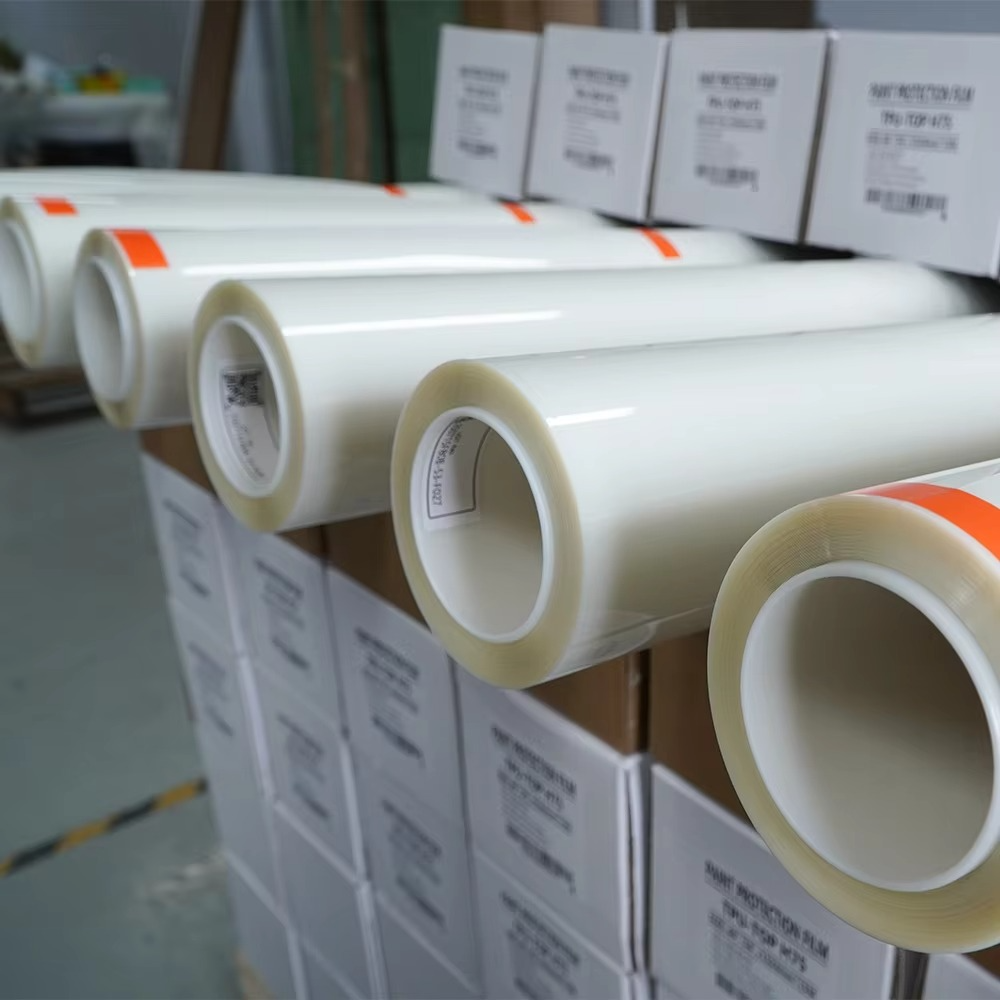
Table of Contents
What Is Clear PPF? (And Why It’s Not Just “Plastic Wrap”)
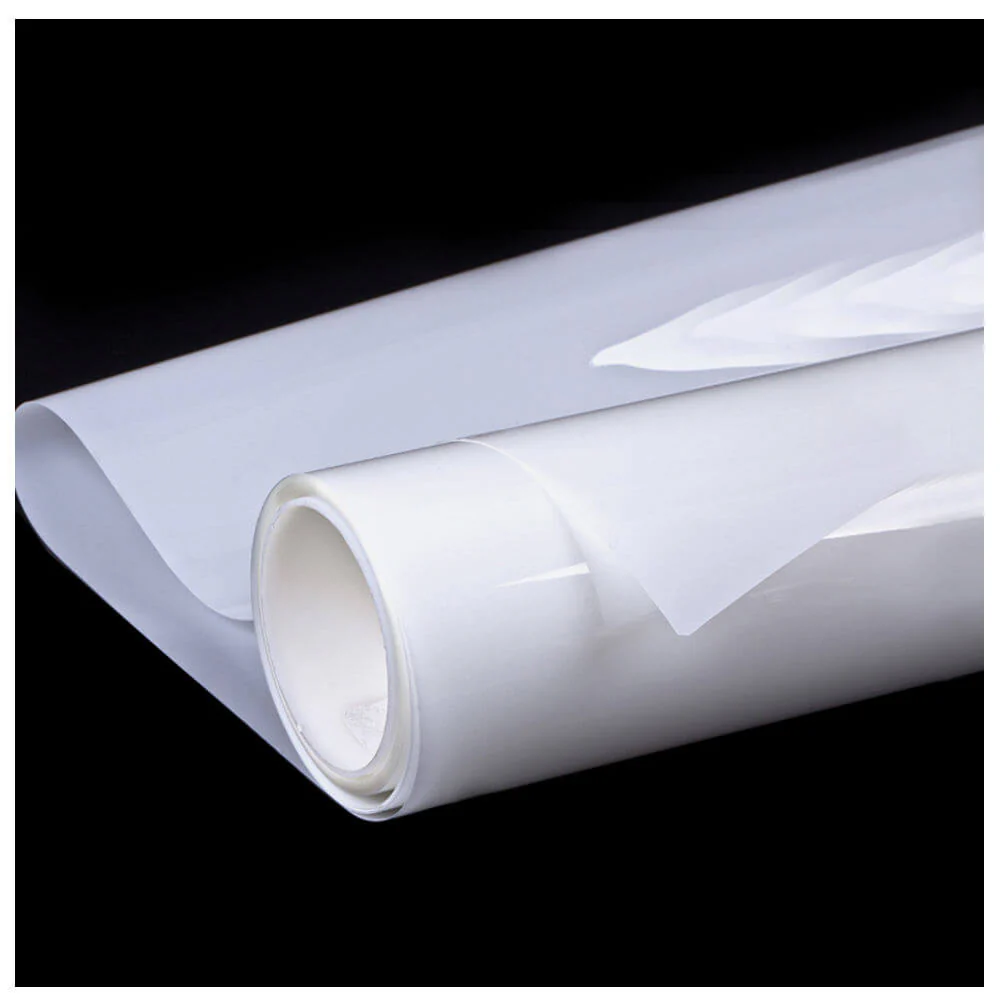
Clear paint protection film (often called clear bra, transparent PPF, or invisible paint protection film) is a thin, flexible layer of thermoplastic polyurethane (TPU) applied directly to a vehicle’s painted surfaces. Its job is simple: absorb impact from road debris, block UV rays, resist stains, and self-heal minor scratches—all while remaining nearly impossible to see.
Early versions of paint protection were made from PVC. They were durable, sure, but they had major problems: cracking, yellowing under UV exposure, and an unattractive “orange peel” texture. Modern clear PPF has completely evolved. Today’s films are built with aliphatic TPU, a material that doesn’t yellow over time, stretches over complex curves without tearing, and delivers optical clarity that matches factory paint.
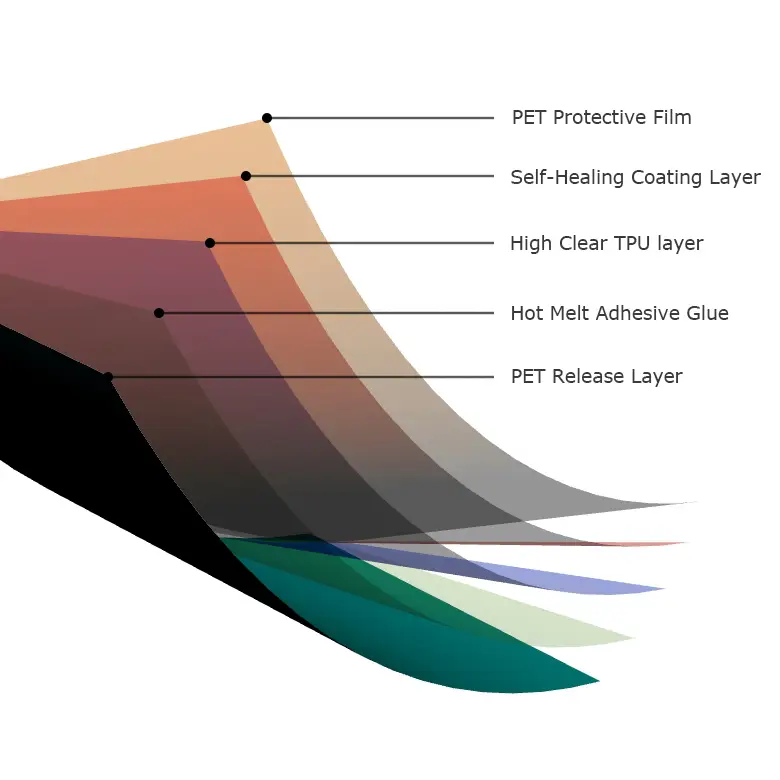
A high-quality clear PPF is not a single layer. It’s a multi-layer system:
A top coat that provides self-healing, stain resistance, and hydrophobic properties.
A TPU core that absorbs physical impacts like rock chips.
An acrylic adhesive that bonds securely to your clear coat but removes cleanly when needed.
When installed correctly, clear PPF becomes invisible. You’re not changing your car’s appearance—you’re preserving it.
How Does Clear PPF Actually Work?
Let’s get specific. Your car’s paint faces damage from three directions: physical impact (rocks, road debris), environmental contamination (bird droppings, tree sap, bugs), and UV radiation (fading and oxidation). Each one eats away at your clear coat over time.
Physical impact protection is where clear PPF truly shines. The film’s thickness—typically 6.5 to 10 mils—creates a sacrificial barrier. When a rock kicks up on the highway, it hits the PPF first. The film absorbs the impact, and your paint underneath stays untouched. Think of it like a screen protector for your car, but much thicker and designed for the harsh realities of daily driving.
Self-healing technology is the real magic. The top coat contains elastomeric polymers that exist in a semi-flexible state. When the surface gets scratched, those polymers are displaced. Apply heat—from the sun, a heat gun, or even hot water—and the molecules revert to their original low-energy state, effectively erasing the scratch. Minor swirl marks from automatic car washes or drying towels disappear on their own.
Hydrophobic and stain resistance keeps contaminants from bonding to the surface. Water, mud, bird droppings, bug splatter—they bead up and slide off rather than etching into the paint. This makes the car much easier to clean and dramatically reduces the risk of permanent staining from acidic substances.
UV protection blocks harmful radiation that causes paint to fade, oxidize, and lose its depth over time. A car protected with clear PPF retains its original color and gloss years longer than an unprotected vehicle.
Clear PPF vs. Ceramic Coating vs. Vinyl Wrap: Which One Do You Actually Need?
A lot of car owners get confused here. Let’s break it down simply.
Ceramic coating is a liquid polymer that chemically bonds to your paint. It creates a glossy, hydrophobic surface that repels water and dirt and blocks UV rays. But here’s the catch: ceramic coating provides almost no physical impact resistance. A small stone will still chip your paint because the coating isn’t thick enough to absorb the hit. Ceramic coating is fantastic for ease of cleaning and shine—it’s just not armor.
Vinyl wrap is primarily cosmetic. People use it to change their car’s color or finish. While it offers some protection, it’s much thinner than PPF (typically 2–4 mils vs. 6–10 mils) and doesn’t have self-healing properties.
Clear PPF is physical armor. It stops rock chips. It stops scratches. It heals itself. And because it’s transparent, it preserves your factory paint exactly as it is.
So which one should you choose? If you’re worried about real-world driving hazards—highway commutes, gravel roads, city parking—clear PPF is the correct answer. Many enthusiasts do both: PPF on high-impact areas (hood, bumper, fenders, mirrors) and ceramic coating over everything for extra gloss and easier washing.
Clear PPF and Resale Value: The Numbers That Matter
Here’s where clear PPF moves from “nice to have” to “financially smart.”
When you sell a car, the buyer sees condition first. Mechanical issues can be fixed. Wear and tear is expected. But damaged paint—rock chips on the hood, scratches on the bumper, faded clear coat—immediately tells the buyer the car wasn’t well cared for. And they’ll adjust their offer accordingly.
Industry reports show that using PPF can raise a car’s resale value by 10–20%. That’s not a small number. On a 40,000vehicle,that’sanextra40,000vehicle,that’sanextra4,000–$8,000 at trade-in or private sale. On a luxury car, the difference is even larger.
External imperfections like rock chips, dents, and scratches are among the biggest factors that limit a vehicle’s resale value. By sealing your factory paint under a self-healing layer of clear PPF, you’re effectively freezing the exterior condition in time. Years later, when you peel back the film—or simply show the car with it still on—the paint underneath looks as good as the day it was sprayed.
Used car owners who have applied PPF can command a higher price, sometimes significantly more than comparable vehicles without protection. That’s because buyers know what they’re getting: no hidden paint repairs, no faded clear coat, no expensive correction needed.
The upfront investment in clear PPF pays for itself in resale value alone—before you even consider the money saved on paint repairs, touch-ups, and detailing.
What Does Clear PPF Protect Against? (A Practical List)
| Threat | Without PPF | With Clear PPF |
|---|---|---|
| Rock chips on hood and bumper | Permanent paint loss | Film absorbs impact; paint untouched |
| Key scratches or door dings | Deep gouges needing repaint | Minor scratches self-heal |
| Bird droppings | Etching into clear coat within hours | Stains wiped away easily |
| Tree sap | Hard to remove; can damage paint | Hydrophobic top coat repels |
| Bug splatter on highway | Acids eat through clear coat | Film resists chemical damage |
| UV exposure (sun fading) | Paint dulls and discolors over years | UV block preserves color and gloss |
| Automatic car wash swirls | Micro-scratches accumulate | Self-healing polymers erase them |
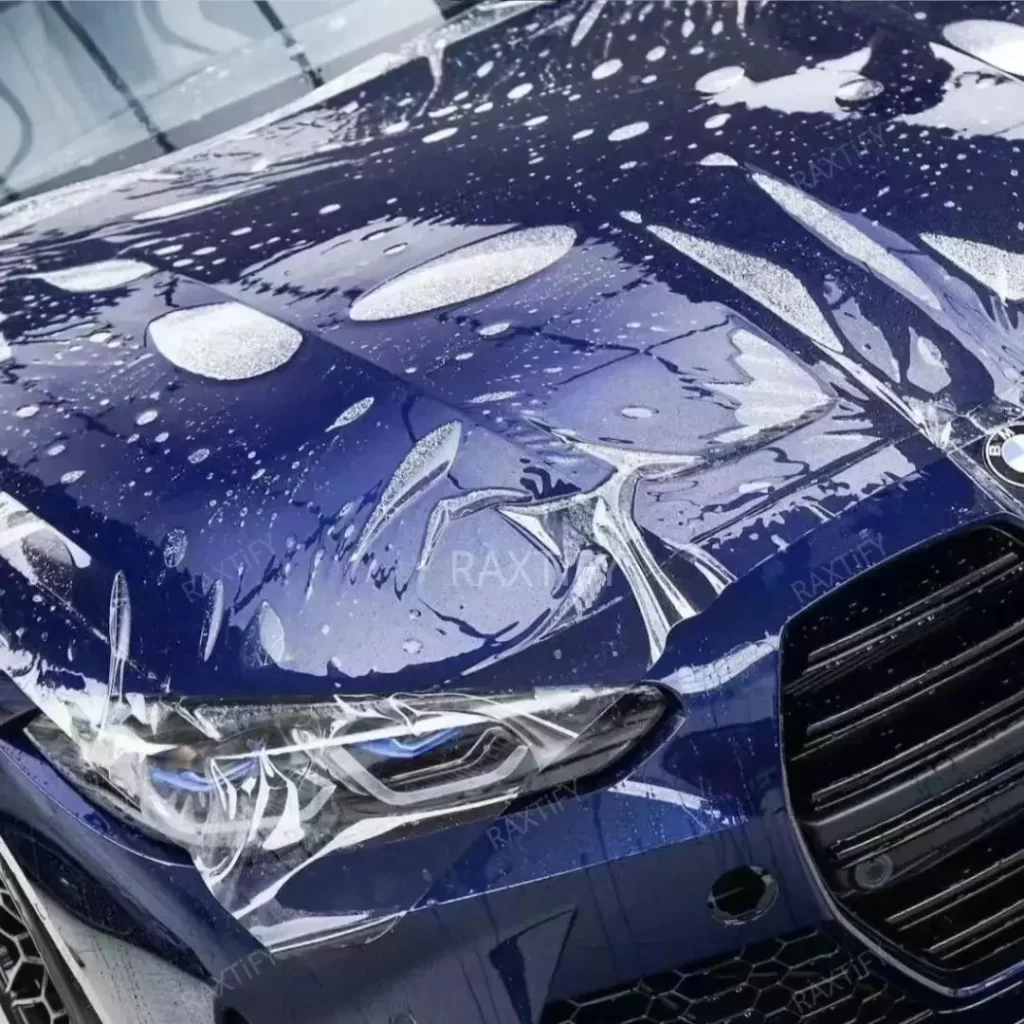
The Hidden Factor: Modern Paint Is Thinner Than You Think
One thing many car owners don’t realize: today’s automotive manufacturing has shifted toward water-based paints. They’re more environmentally friendly, but they’re also thinner and softer than the solvent-based paints of the past. This makes modern luxury and premium vehicles significantly more susceptible to physical damage from road debris.
You can’t change how your car was painted at the factory. But you can absolutely protect it with clear PPF before the first rock chip lands.
Installation Matters: Why “Invisible” Requires Skill
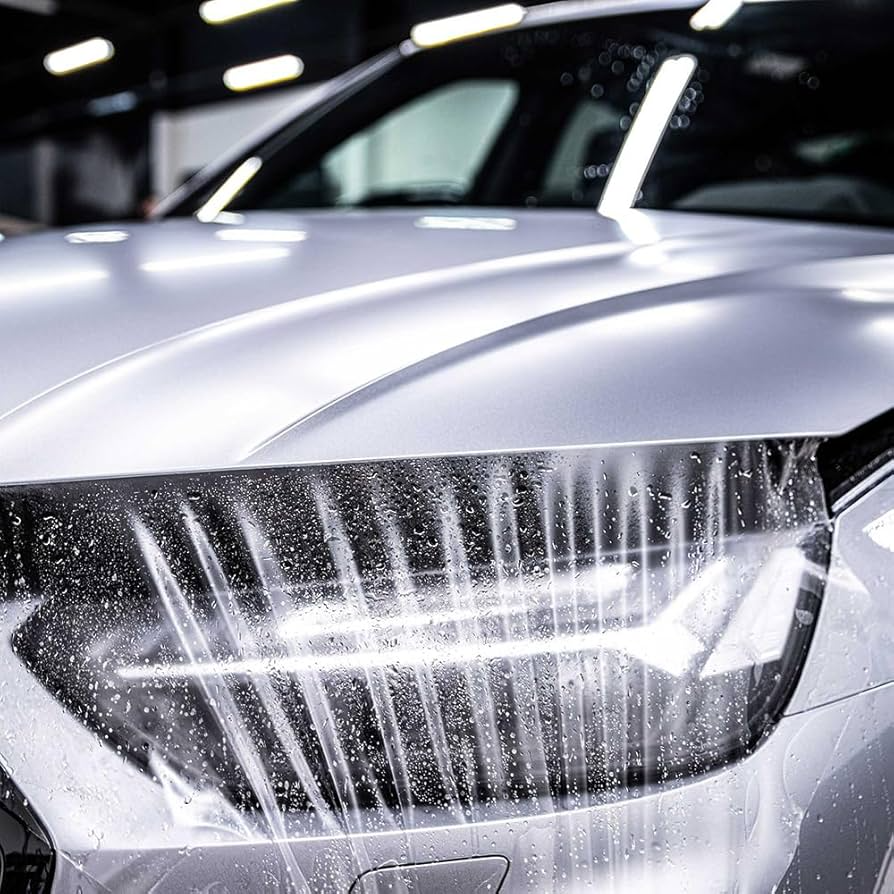
A great clear PPF can look terrible if it’s installed poorly. Bubbles, visible edges, lifted corners, trapped dust—these are signs of rushed or unskilled application.
Proper installation starts with a meticulous exterior detail: pressure washing edges and panel gaps, clay bar treatment to remove embedded contaminants, hand-polishing edges to ensure the film wraps cleanly, and a final alcohol wipe to remove every trace of oil or wax before the film goes on.
Professional installers use computer-cut patterns (often called DAP—design access program) that match your vehicle’s exact dimensions. This allows the film to fit within millimeters of panel edges without cutting on the paint itself. The result is an installation that’s nearly impossible to detect unless you’re inches away.
This is why partnering with a quality film manufacturer like Decowell Film matters. Premium films are engineered for easier, cleaner installation—better adhesive chemistry, higher conformability around curves, and top coats that resist contamination during the installation process.
The Global Shift: Why More Car Owners Are Choosing Clear PPF
The numbers don’t lie. The global automotive paint protection film market was valued at approximately 327millionin2025andisprojectedtogrowatover6327millionin2025andisprojectedtogrowatover6507 million by 2032. Broader film markets—including PPF, window films, and specialty coatings—are growing even faster, driven by rising vehicle ownership and demand for long-term paint preservation.
Asia Pacific currently leads the market, accounting for nearly 46% of global PPF demand, fueled by strong automotive production and increasing consumer awareness of paint protection solutions.
Drivers aren’t just buying clear PPF for luxury cars anymore. Daily commuters, family SUVs, electric vehicles, even leased cars—owners are realizing that preserving factory paint is one of the few upgrades that actually returns value at resale.
Decowell Film: Your Partner in Premium Automotive Paint Protection
At Decowell Film, we don’t just supply clear PPF. We engineer it for real-world performance.
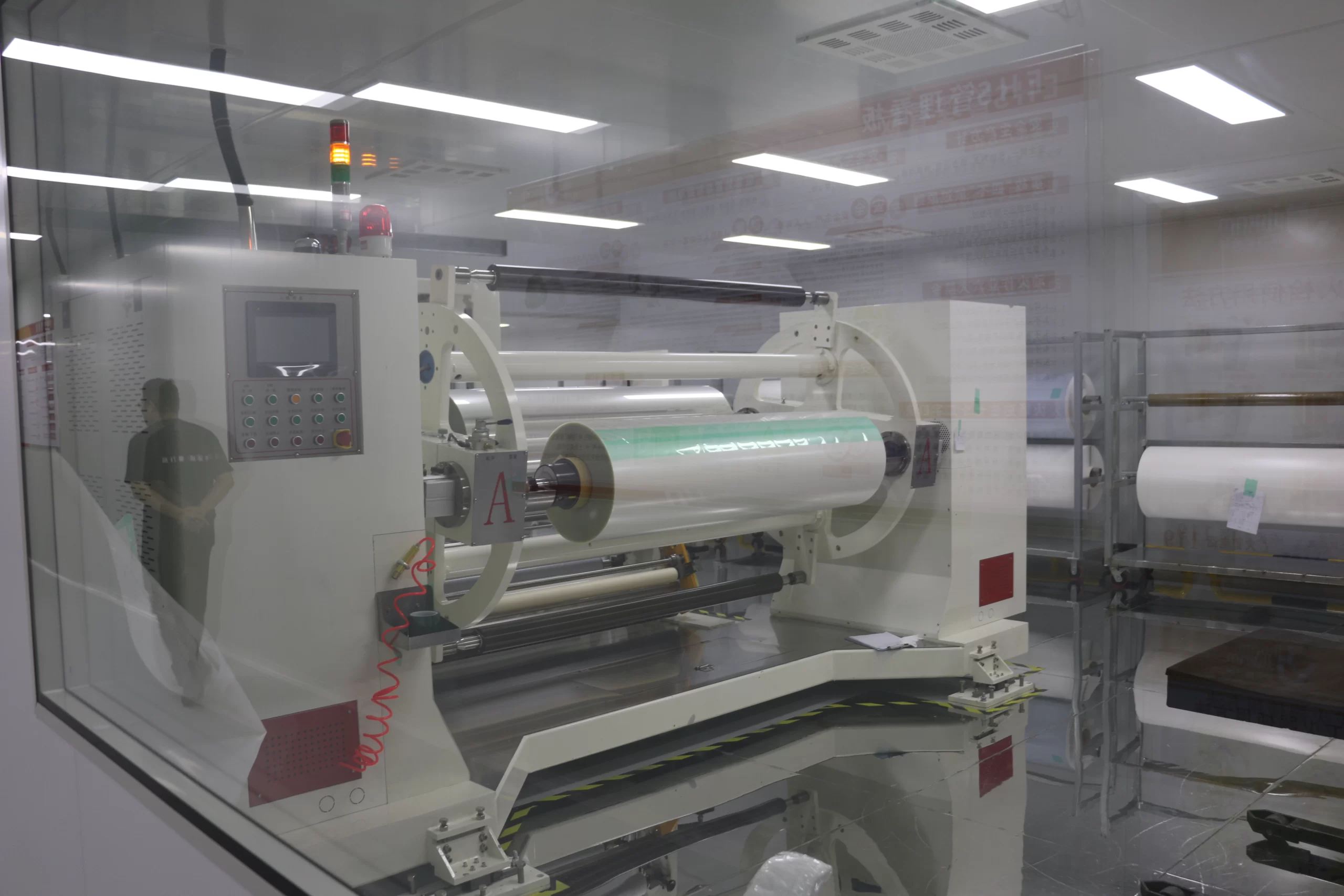
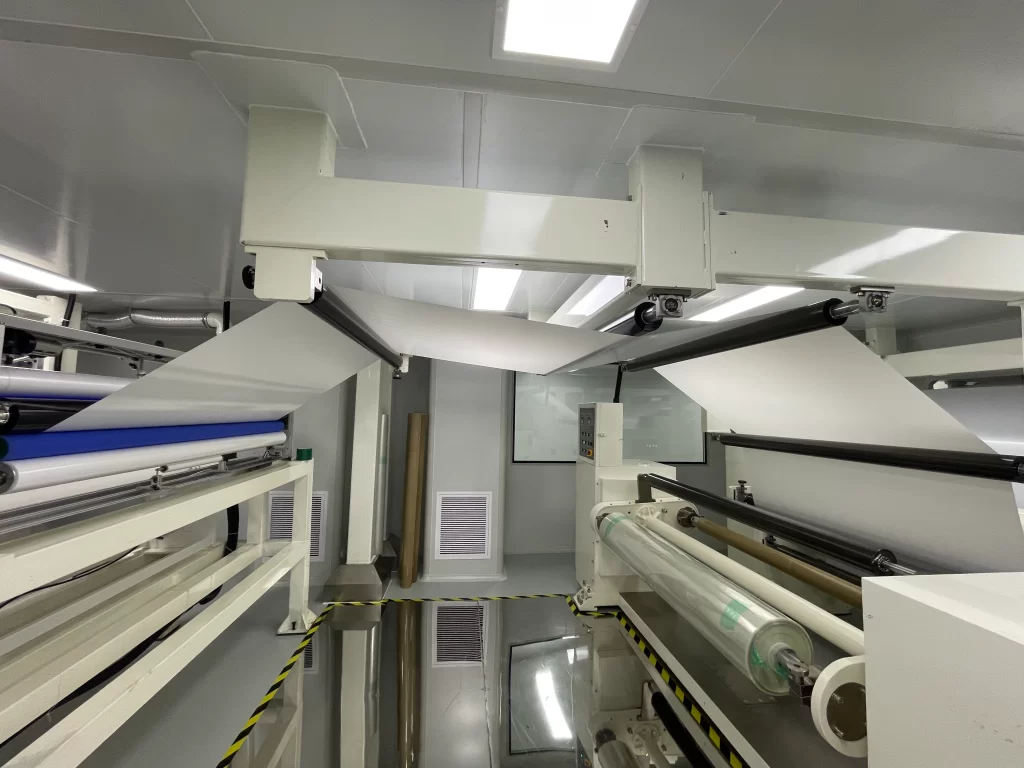
Our clear paint protection films are manufactured with advanced aliphatic TPU technology, delivering exceptional optical clarity, long-term UV stability, and reliable self-healing performance. Whether you’re looking for high-gloss clear protection for a luxury sedan or a more specialized finish, our films are designed to preserve your vehicle’s original paint while standing up to the daily abuse of the road.
We partner with professional installers, auto detailers, and automotive businesses worldwide to provide consistent, high-quality clear PPF solutions that protect vehicles and strengthen resale value.
Conclusion: Clear PPF Is an Investment That Pays You Back
Your car is one of the biggest purchases you’ll make. The paint is the first thing anyone notices—and the first thing that shows wear. Clear PPF isn’t an expense. It’s a decision to freeze your paint in perfect condition, eliminate the stress of minor scratches and chips, and walk into resale negotiations knowing your car looks as good as it did new.
If you protect one thing on your car, make it the paint. Everything else can be fixed. Paint damage is permanent without expensive repainting.
Frequently Asked Questions (FAQ)
Q1: Does clear PPF really increase my car’s resale value?
Yes—significantly. Industry data shows that vehicles with PPF can command 10–20% higher resale prices compared to unprotected vehicles with similar mileage and mechanical condition. Buyers pay more for flawless original paint.
Q2: How long does clear PPF last on a car?
A high-quality clear PPF properly installed typically lasts multiple years, often upwards of 7–10 years depending on driving conditions, sun exposure, and maintenance habits. Premium TPU-based films are engineered for long-term UV stability and resistance to yellowing.
Q3: Is clear PPF different from ceramic coating?
Completely different. PPF is a physical film (armor) that stops rock chips and scratches. Ceramic coating is a liquid polymer (sunscreen + wax) that enhances gloss and repels water but provides almost no impact protection. Many car owners use both: PPF on high-impact areas, ceramic coating over everything.
Q4: Will clear PPF change the look of my car?
No. High-quality clear PPF is optically transparent and engineered to match factory gloss levels. When properly installed, it’s virtually invisible. You get all the protection without any visual change to your car’s appearance.
Q5: Can clear PPF self-heal from deep scratches?
Self-healing technology is designed for light surface scratches, swirl marks, and minor abrasions—not deep gouges or cuts through the film. The healing typically activates with heat (sun, warm water, or a heat gun) and works repeatedly over the life of the film.
Q6: Is clear PPF worth it for a daily driver?
Absolutely. Daily drivers face the highest risk of rock chips, road debris, parking lot dings, and bug splatter. Protecting a daily driver with clear PPF preserves its appearance for years and maximizes resale value when you’re ready for your next car.
Q7: Can I install clear PPF myself?
Professional installation is strongly recommended. Proper application requires a dust-free environment, specialized tools, and experience to avoid bubbles, trapped dirt, and visible edges. Poor installation can ruin the film’s appearance and longevity.
Q8: Does clear PPF block UV rays?
Yes. Quality clear PPF includes UV-resistant top coats that protect your paint from fading and oxidation caused by prolonged sun exposure.
Q9: How do I maintain a car with clear PPF?
Maintenance is simple. Wash with pH-neutral car shampoo, avoid abrasive brushes or automatic car washes with harsh bristles, and dry with clean microfiber towels. The hydrophobic surface makes washing faster and easier than unprotected paint.
Q10: What’s the difference between clear PPF and a clear bra?
“Clear bra” is simply an older term for paint protection film. They refer to the same product—a transparent polyurethane film applied to protect a vehicle’s painted surfaces. Modern clear PPF is far more advanced than the original “clear bra” products from years ago.
Ready to protect your vehicles with premium clear PPF?
Contact Decowell Film today for professional-grade automotive paint protection films that preserve factory finishes, strengthen resale value, and stand up to real-world driving. Let’s discuss your requirements and find the right solution for your market.