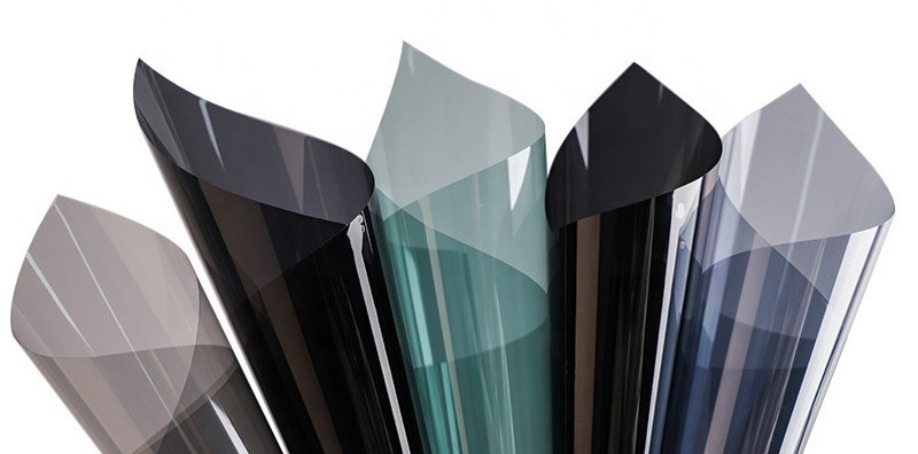
Decowell IRR99% Car Window Film: The Most Comprehensive and Cost-Effective Car Film in China
20+ Years Professional Expertise | Professional Automotive Film Manufacturer | Full-Solution Provider (PPF, Window Film, Wrap Film) | 2000+ Certified Installers | From R&D to Production | High-Cost-Effective Premium Films | Ample Stock | Professional Team | Serving 40+ Countries | Reliable Logistics
Home » Products » Car Window Film » IRR99% Window Film
IRR99% Film — Car Window Film
Product Categories
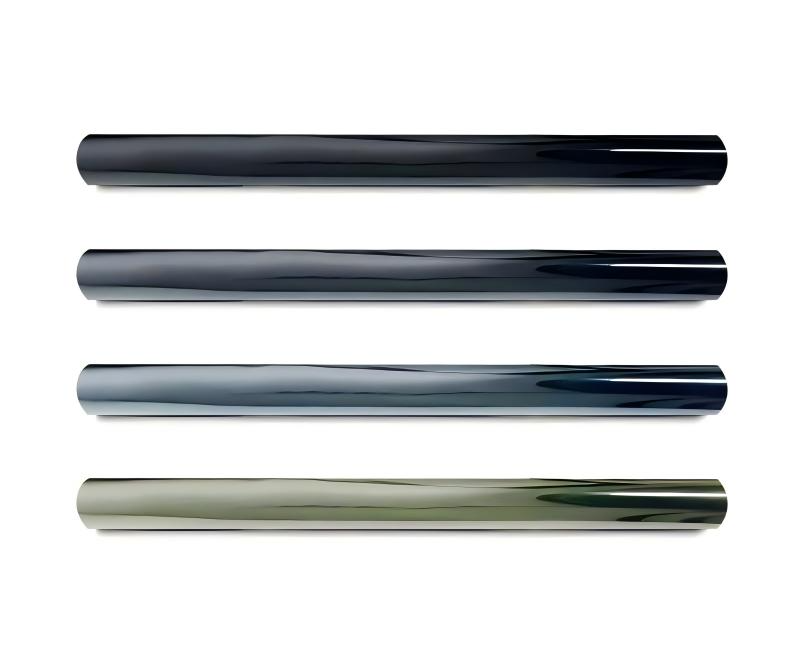
Material: Premium PET
VLT Options: 5%, 15%, 30%, 70%
IRR: 99%
UVR: 97%, 99%
TSER: 55%, 81%, 89%, 96%
HAZE: 0.69, 0.58, 0.54, 0.65
Material: Optical-grade PET
UV Rejection: ≥99%
IR Rejection: ≥99%
TSER: 63%, 75%, 80%, 87%, 90%, 94%, 97%
HAZE: 0.45, 0.43, 0.44, 0.45, 0.57, 0.54, 0.45
Material: High-grade PET
VLT Options: 65%, 38%, 20%, 5%
Infrared Rejection (IRR): ≥ 95%
Ultraviolet Rejection (UVR): 99%+
TSER: 63%, 76%, 88%, 96%
HAZE: 0.45, 0.6, 0.54, 0.43
IRR 99% Car Window Film: Separating Heat Rejection Fact from Marketing Fiction
If you’ve spent any time shopping for automotive window tint, you’ve seen it plastered across product listings and shop displays: “99% IR Rejection!” It sounds impressive. It sounds like your days of climbing into a sweltering car are over. But here’s the uncomfortable truth that many drivers discover only after installation—that impressive number on the box doesn’t always translate into a cooler cabin.
The global automotive window film market was valued at roughly $3.07 billion in 2025 and is projected to climb toward $5.71 billion by 2032, growing at nearly 9.3% annually. That’s a lot of film being sold, and a lot of drivers making decisions based on marketing claims rather than real technical understanding. This guide is here to change that.
In this deep dive, we’ll unpack exactly what IRR 99% car window film actually means, why some films with high infrared rejection still leave your car feeling like an oven, and how to separate genuine performance from clever marketing. By the end, you’ll know exactly what to look for when choosing a high-quality automotive film—and why Decowell Film should be at the top of your list.
The Solar Spectrum: What You’re Actually Fighting
To understand car window film performance, you need to understand what you’re up against. Sunlight isn’t a single thing—it’s a mix of different types of energy, all hitting your car at the same time.
When sunlight passes through your windows, it brings three main components:
Ultraviolet (UV) light —the invisible part that damages your skin and fades interior materials
Visible light —the part you can see, and surprisingly, it carries about 44% of solar heat
Infrared (IR) radiation —the invisible heat you feel radiating from the dashboard, responsible for roughly 49% of solar heat
IRR exclusively measures infrared blocking. But heat doesn’t only come from IR; it also comes from visible light. This is why a film can have an impressive IRR and still let plenty of heat through—it might be doing a great job on infrared while leaving visible light heat largely untouched.
That 44% of solar heat carried by visible light is real heat. When sunlight hits your dashboard, your seats, or your arm, that visible light energy converts directly into heat. A film that ignores visible light while boasting about IR is like a door that locks one latch while leaving another wide open.
The Deception Behind “99% IRR” Claims
Here’s the part that most sellers won’t tell you. IRR (Infrared Rejection) is typically measured at a very specific, narrow wavelength—often around 900 to 1000 nanometers. A film can be engineered to perform brilliantly at that exact spot and still perform miserably across the rest of the infrared spectrum.
This is the cheap trick behind many budget films. They’re literally designed to fool handheld testing devices that measure only a tiny band of infrared light. Those meters show a nice, high number, and the customer walks away thinking they’ve made a smart purchase. Then summer arrives, and the car is still hot.
A genuine, high-performance IRR 99% car window film blocks infrared effectively across the full range—from roughly 780 nm all the way to 2500 nm, where most of the heat-carrying energy actually lives. If a seller can’t tell you the wavelength range used for their test, treat that 99% claim with extreme caution.
TSER: The Number That Actually Matters
If you remember only one thing from this entire guide, let it be this: TSER is your true north. TSER stands for Total Solar Energy Rejected, and it’s the single most honest measure of a film’s heat-blocking performance.
Unlike IRR, which looks only at infrared, TSER takes the full picture into account. It measures how much total solar energy—UV, visible light, and infrared combined—gets rejected by the film and glass together. This is the number that determines how cool your car actually feels.
So how do these numbers relate to each other in the real world? Imagine a film with an advertised infrared rejection of 99% but a total solar energy rejection of only 55%. That means despite the headline IRR number, about 45% of the total solar heat is still making its way into your vehicle. The visible light that accounts for 44% of solar energy—this film is barely addressing it. The result is a cabin that still heats up significantly, especially during peak sun hours.
Here’s a practical breakdown of what TSER numbers actually mean for your driving experience:
| TSER Range | Performance Level | Real-World Cabin Comfort |
|---|---|---|
| Below 35% | Budget/Low Quality | The “oven effect”—you’ll feel heat within minutes of parking |
| 40% – 50% | Entry Level | Noticeable but modest reduction; still warm on hot days |
| 50% – 60% | High Quality/Best Value | Dramatic cooling improvement; comfortable in most climates |
| Above 65% | Top-Tier Performance | Exceptional; cabin stays cool even under intense sun |
A general rule of thumb is straightforward: the higher the TSER percentage, the better the heat rejection. That’s it. When comparing films, don’t let yourself get distracted by three-digit IR numbers. Ask for TSER and make that your primary decision point.
Ultraviolet Protection: The Silent Guardian
While IRR and TSER handle the heat, UV rejection handles something equally important—protection. Ultraviolet light is the invisible enemy that fades your upholstery, cracks your dashboard, and damages your skin over time. A quality automotive window tint film should block over 99% of harmful UV rays.
When you think about it, every time you drive, your skin is exposed to concentrated UV through the side windows. Factory glass blocks UV-B reasonably well, but UV-A can pass through surprisingly easily. A proper window tint closes that gap, providing consistent protection across all glass surfaces and protecting both your family’s skin and your car’s interior from premature aging.
Types of Car Window Film: Dyed, Metalized, Carbon, and Nano-Ceramic
Not all films are created equal, and the material technology makes a massive difference in both performance and longevity. Here’s a practical breakdown of what’s on the market.
Dyed Film sits at the entry level. It uses multiple layers of dye to absorb solar heat and darken windows. The catch? The dye degrades over time, often turning purple, bubbling, or losing effectiveness within a couple of years. Heat rejection is limited, and what starts as a decent-looking film can quickly become an eyesore.
Metalized Film deposits microscopic metal particles onto the film to reflect heat away from the glass. This approach blocks heat more effectively than dyed films and resists fading well. The trade-off—metal layers can interfere with GPS signals, mobile phone reception, and radio frequencies. On modern vehicles packed with antennas and connected systems, this interference can be genuinely annoying.
Carbon Film offers a middle ground. It uses carbon particles to absorb infrared heat without metals, so signal interference isn’t an issue. Carbon films tend to have a matte appearance rather than a glossy one, which some drivers love and others don’t. Heat performance is solid but generally falls below what top-tier ceramic achieves.
Nano-Ceramic Film represents the current peak of window tint technology. Microscopic ceramic particles are embedded into the film, creating a structure that blocks infrared heat exceptionally well while maintaining crystal-clear visibility. Unlike metal films, ceramic films don’t interfere with electronic signals at all—your GPS, phone, and radio work exactly as they should. They also block over 99% of UV rays and resist fading, bubbling, and discoloration for years.
In 2026, nano-ceramic and graphene-infused films continue to dominate the premium end of the market. These advanced materials deliver superior heat rejection, total signal transparency, and longevity that easily exceeds a decade.
What’s Hot in Window Tint Finishes for 2026
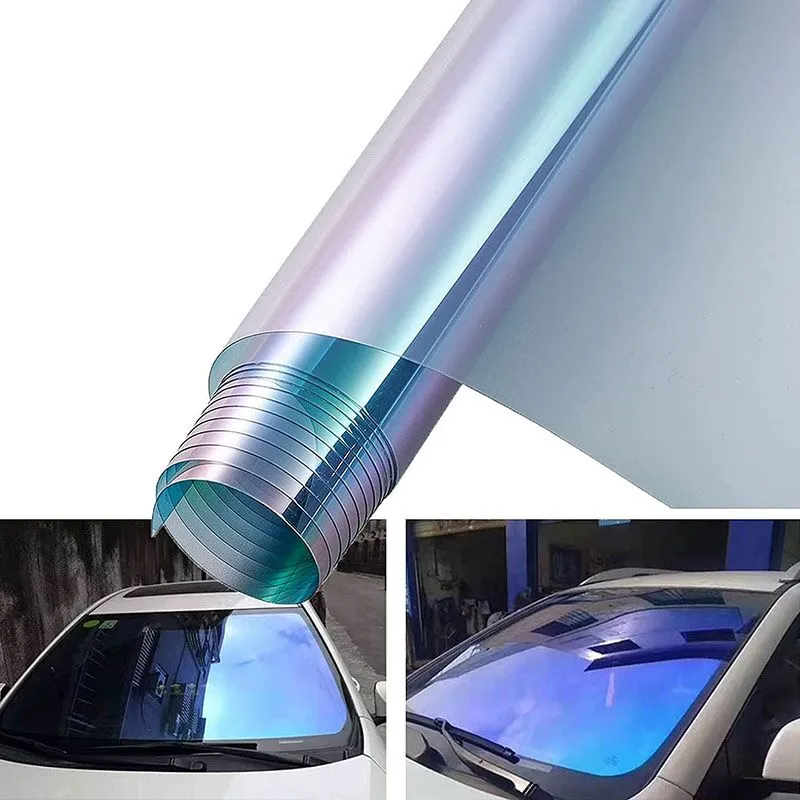
Window tint isn’t just about performance anymore—style matters too. Color-shift films, often called chameleon tints, are one of the biggest trends in 2026. These films display two or more colors depending on viewing angle and lighting conditions. A tint that looks deep purple in shade can shift to teal in direct sunlight or gold under streetlights. Popular color-shift combinations for 2026 include purple-to-teal, emerald-to-gold, and deep blue-to-bronze.
Satin finishes have also overtaken matte as the most requested category. Satin offers a soft, low-gloss sheen that looks refined and photographs beautifully, while hiding minor surface imperfections better than high-gloss options.
At the same time, nano-ceramic films in 2026 are leveraging microscopic ceramic particles to deliver unmatched heat rejection—blocking up to 98% of infrared rays for cooler cabins and reduced AC usage—while maintaining crisp, virtually invisible clarity.
Where Heat Actually Enters Your Car
A common misconception is that side windows are the main culprits for heat buildup. In reality, the windshield often delivers the biggest heat load because it receives the most direct sun exposure. The front cabin glass faces the sun throughout much of the day, and a large windshield allows significant solar energy to stream straight onto the dashboard and front seats. That absorbed heat then radiates throughout the entire cabin.
Rear glass matters more in certain climates and for rear passengers, but for driver comfort, a balanced approach usually works better than simply going darker on the sides. When you’re evaluating a film for your vehicle, pay special attention to how it performs on the windshield and front side windows. That’s where you’ll feel the biggest difference.
Practical Buyer’s Checklist
When you’re ready to purchase an IRR 99% car window film, here’s a straightforward checklist to follow:
Start with TSER. Ask for the Total Solar Energy Rejected percentage. If the seller can’t provide it, that’s a major red flag. TSER is the closest single number to real-world comfort.
Ask for full IR range information. A genuine 99% infrared rejection rating should be accompanied by the wavelength range used in testing—ideally 780 nm to 2500 nm, not just a narrow band at 950 nm.
Verify UV protection. Any quality film should block 99% or more of harmful UV rays. This isn’t optional for premium products.
Consider your vehicle’s electronics. If you drive a modern car with GPS, satellite radio, or advanced driver assistance systems, avoid metalized films. Nano-ceramic is the safer choice for full signal compatibility.
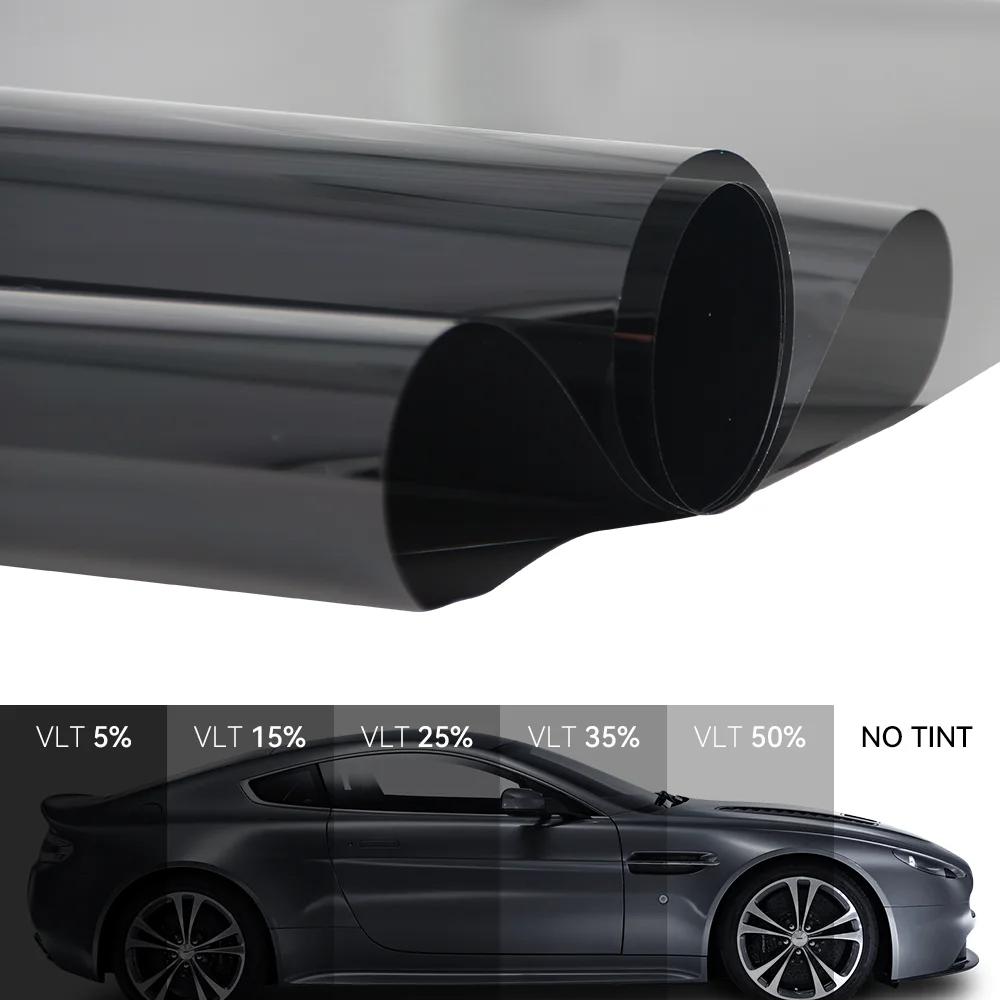
Match VLT to your climate and legal requirements. Visible Light Transmission—how dark the tint looks—should be chosen based on local regulations and your visibility needs, not assumed to correlate with heat rejection. In most regions, front windshield tint must keep visible light transmission at or above 70% for safety and legal compliance. Darker isn’t automatically cooler. A high-quality nano-ceramic film with lighter VLT can outperform a dark dyed film in heat rejection any day.
Check for self-healing and hydrophobic features. Premium films now offer self-healing topcoats that repair minor scratches with heat, as well as hydrophobic surfaces that repel water and make cleaning significantly easier.
Why Choose Decowell Film for IRR 99% Performance
Now that you understand how to separate genuine performance from marketing hype, let’s talk about where to find it. Decowell Film delivers the kind of honest, high-performance automotive window tint that this entire guide has been pointing toward.
Decowell’s IRR 99% car window film is built with one core principle: real protection that actually works. Here’s what sets Decowell apart from the crowd:
Nano-Ceramic Excellence. Decowell Film uses advanced nano-ceramic technology to deliver exceptional infrared heat rejection. The microscopic ceramic particles embedded in the film selectively block incoming heat while allowing natural visible light to pass through. The result is a cooler cabin without the dark cave effect that some budget films create.
And the difference is measurable. A properly installed Decowell nano-ceramic film translates infrared heat rejection directly into lower cabin temperatures—reducing the load on your air conditioning system and keeping you comfortable even on the hottest days.
True Wide-Band Infrared Rejection. Decowell doesn’t play the narrow-band game. The IRR 99% rating on Decowell Film reflects performance across a broad range of the infrared spectrum—the full range where heat actually exists, not just a convenient single point that looks good on a meter.
Full UV Protection. Every Decowell window tint is engineered to block over 99% of harmful ultraviolet rays. That means your skin stays protected during every drive, and your car’s interior—the dashboard, seats, and trim—stays looking newer for longer without fading or cracking.
Zero Signal Interference. Because Decowell uses nano-ceramic particles rather than metal layers, you’ll never experience GPS lag, radio static, or mobile signal dropouts. In today’s connected vehicles, that’s a non-negotiable advantage.
Superior Durability. Decowell Film is engineered to resist fading, bubbling, peeling, and discoloration. The nano-ceramic construction maintains its clarity and performance year after year, making it a true long-term investment in your vehicle’s comfort and appearance.
Hydrophobic and Self-Healing Properties. Decowell’s advanced topcoat repels water and contaminants, making your car easier to clean and keeping it looking cleaner between washes. Light surface scratches and swirl marks disappear with heat—sunlight, warm water, or the hot air from a defroster can activate the self-healing layer and restore the film’s perfect finish. This isn’t just a nice bonus—it’s a feature that keeps your windows looking flawless for years.
Whether you’re driving a daily commuter car through city traffic, a family SUV on long road trips, or a luxury vehicle that you take pride in, Decowell Film offers a solution that balances aesthetics, comfort, and genuine protection.
Frequently Asked Questions
Q1: What does IRR 99% car window film actually mean?
IRR stands for Infrared Rejection. A 99% IRR rating means the film is claimed to block 99% of infrared radiation—the part of sunlight that carries heat. However, the reliability of this number depends heavily on what wavelength range was used for testing. A reputable film will provide full-spectrum IR testing results, not just a single narrow band.
Q2: Why does some IRR 99% car window film still feel hot?
Because IRR only measures one part of the solar spectrum. Visible light accounts for about 44% of solar heat, and if a film only blocks infrared while letting visible light pour through, the cabin will still get hot. This is why TSER (Total Solar Energy Rejected) is a better performance indicator—it measures blocked energy across UV, visible, and infrared combined.
Q3: Is TSER more important than IRR for heat rejection?
Yes. TSER is the single most honest and comprehensive measure of a film’s heat-blocking performance because it accounts for all three sources of solar energy. A film with high IRR but low TSER is letting significant heat through, regardless of its infrared claim.
Q4: What is the difference between nano-ceramic film and dyed film?
Dyed film absorbs heat using pigment layers that degrade over time, often turning purple or bubbling. Nano-ceramic film uses microscopic ceramic particles that block infrared heat and UV rays while maintaining optical clarity and signal compatibility. Nano-ceramic lasts significantly longer and performs far better, especially in hot climates.
Q5: Will window tint interfere with my GPS or phone signal?
Only if you choose a metalized film. Nano-ceramic films like those from Decowell contain no metal particles and will not interfere with any electronic signals, including GPS, radio, mobile data, or toll transponders.
Q6: Can I put window tint on my windshield?
In most regions, a strip across the top of the windshield is permitted, and a nearly-clear film can be applied to the entire windshield as long as the visible light transmission stays at or above the legal minimum for your area. Always check local regulations before tinting a windshield. Many drivers benefit from a high-performance clear or light-tinted film on the windshield—it blocks heat and UV without significantly reducing visibility.
Q7: Does darker tint always mean better heat rejection?
No. Darkness is about visible light, not heat. A dark dyed film can have poor heat rejection while a lighter nano-ceramic film can perform far better. Evaluate based on TSER and IRR numbers, not how dark the film looks from the outside.
Q8: How long does quality window tint last?
A high-quality nano-ceramic film like Decowell’s IRR 99% car window film is designed to maintain its performance for years without fading, bubbling, or discoloration. The exact lifespan depends on climate, maintenance, and installation quality, but premium films easily outlast budget options by several times.
Q9: Does window tint help with glare from headlights at night?
Yes. Quality window tint reduces glare from oncoming headlights and reflected sunlight, making night driving more comfortable and less straining on your eyes.
Q10: How do I maintain and clean Decowell Film?
Decowell Film’s hydrophobic topcoat repels water and contaminants, making regular maintenance simple. Wash with a mild, pH-neutral car shampoo and a soft microfiber cloth or sponge. Avoid abrasive cleaners, ammonia-based products, and stiff brushes. For matte finishes, use specialized matte-safe cleaners to avoid creating shiny spots. Hand washing or touchless car washes are always recommended over automatic brush washes.
The Bottom Line
Marketing loves big IR numbers. Your comfort depends on total energy management. The global automotive window film industry is growing rapidly, and with that growth comes a flood of products making impressive claims. Some of those claims are backed by real science. Many are not.
By understanding the difference between IRR and TSER, by asking the right questions about testing methods, and by choosing a film built on genuine nano-ceramic technology, you can avoid the disappointment of a hot cabin and a wasted investment. IRR 99% car window film can deliver exceptional performance—but only when the film behind that number is engineered honestly and transparently.
That’s exactly what Decowell Film delivers. Real protection. Real cooling. Real durability. No misleading marketing, no narrow-band tricks, no signal interference—just superior heat rejection that you can feel every time you drive.
Ready to upgrade your drive? Contact Decowell today to explore our range of IRR 99% nano-ceramic automotive window tint films. Whether you want crystal-clear UV protection for your windshield, sleek privacy tint for your side windows, or a complete vehicle solution that keeps you cool in any climate, Decowell has the film you need. Visit our website to learn more, request samples, or connect with a Decowell specialist who can help you choose the perfect film for your vehicle. Your cooler, safer, more comfortable ride is just one installation away.