Home » Tesla Paint Protection Film: Why Your EV Deserves More Than Just a Pretty Face
Recent Posts
Tesla Paint Protection Film: Why Your EV Deserves More Than Just a Pretty Face
Introduction: The One Thing No Tesla Salesperson Will Tell You
Let me paint you a picture.
You just took delivery of your brand-new Tesla. The paint is flawless. The gloss is deep. You can literally see your reflection in the hood. You spend the first week just staring at it from every angle, probably taking way too many photos for your social media.
Fast forward six months.
You’re washing the car and you notice it—a tiny white speck on the front bumper. Then another one on the hood. Then a scratch near the door handle that you have no idea how it got there. Suddenly, that flawless paint job doesn’t look so flawless anymore.
Here’s the thing nobody tells you when you buy a Tesla: the paint is fragile. Like, really fragile.
It’s not a design flaw. It’s not that Tesla doesn’t care about quality. It’s just that Tesla paints cars differently than traditional automakers, and that difference matters a lot more than most owners realize.
Tesla uses water-based paint formulations that are more environmentally friendly. They also run their painting lines at incredible speeds to keep up with production demands. The trade-off? A clear coat that’s noticeably thinner than what you’d find on most luxury vehicles.
We’re talking about 80 to 100 microns of total paint thickness on a Tesla, compared to 120 to 150 microns on a BMW or Mercedes. That might not sound like much, but in the world of automotive paint, those extra 20 to 50 microns are the difference between a rock chip that’s barely visible and a rock chip that exposes bare metal.
And if you think I’m exaggerating, just spend five minutes on any Tesla owner forum. You’ll find page after page of owners sharing photos of paint damage that appeared within the first few thousand miles. One detailing shop that inspected a brand-new 2025 Model 3 Plaid found over 25 factory paint defects on the front end alone—dirt nibs, fisheyes, sanding marks, and even areas where the paint was already flaking.
So yeah. Tesla paint is beautiful when it’s new. But keeping it that way? That takes work.
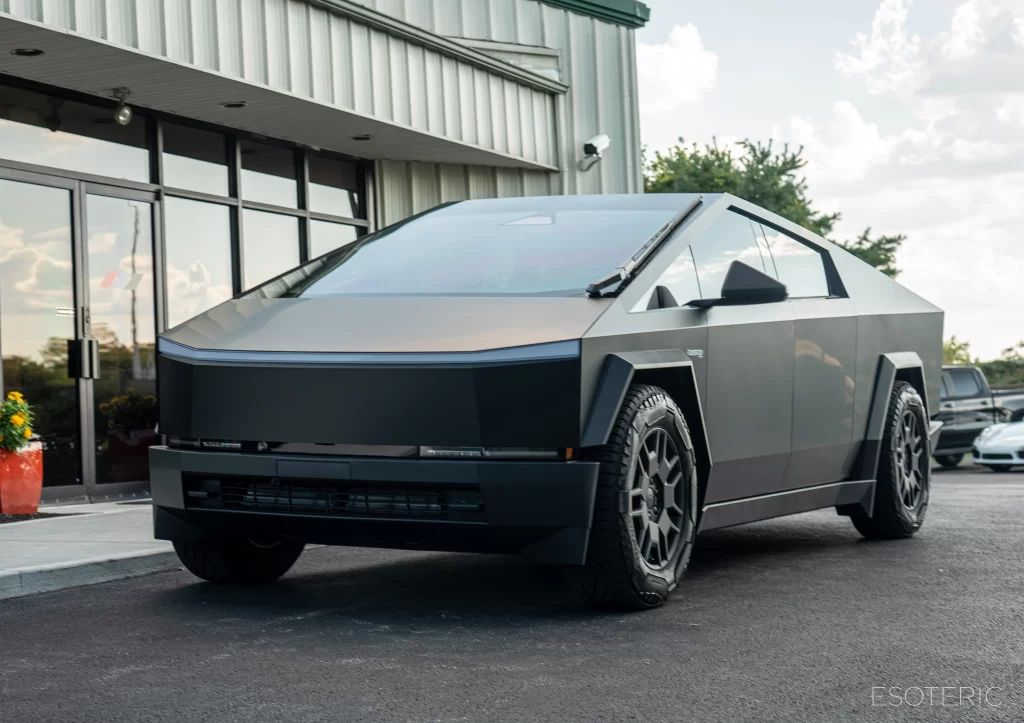
Table of Contents
What Exactly Is Paint Protection Film?
Before we dive deeper, let’s get one thing straight: Paint Protection Film—or PPF as most people call it—is not the same thing as a vinyl wrap. It’s not for changing colors or adding patterns. It’s for one thing and one thing only: protection.
Think of it as an invisible shield for your car’s paint.
Modern Paint Protection Film is made from thermoplastic polyurethane (TPU). It’s the same family of materials used in things like phone cases and medical tubing—flexible, durable, and surprisingly tough. The film is typically around 6 to 12 mils thick (that’s about 0.15 to 0.30 millimeters), and when applied correctly, it’s virtually invisible.
The film has a clear top coat, a durable middle layer, and an adhesive bottom layer that bonds to your car’s paint. Once it’s on, you don’t see it. You just see your car’s beautiful paint job—protected.
Why Tesla Owners Are Obsessed With PPF
Here’s the honest truth: Paint Protection Film isn’t cheap. And for a lot of car owners, it’s probably overkill. But Tesla owners aren’t like a lot of car owners.
Reason #1: Tesla Paint Is Vulnerable
Let’s be real about this. Tesla builds incredible cars—the technology, the performance, the efficiency—nobody’s arguing with that. But paint quality? That’s been a consistent pain point for years.
The clear coat is thinner. The paint is softer. And because Teslas have those big, smooth, uninterrupted panels, every single imperfection stands out like a sore thumb. You can’t hide a rock chip on a Model 3 hood the way you can on a car with more creases and curves.
Reason #2: Highway Driving Is Brutal
Teslas are heavy, they’re quick, and they spend a lot of time on highways. That’s a recipe for paint damage. Every time you’re cruising at 70 mph, you’re basically driving through a sandblaster. Small rocks, gravel, sand, salt—it’s all hitting your car’s front end at high speed.
The front bumper, the hood, the side mirrors—these areas take the brunt of the abuse. And because Teslas sit relatively low to the ground, they catch more of that road debris than taller vehicles.
Reason #3: Resale Value Matters
Teslas hold their value better than most cars, but that value depends heavily on condition. A car with a front bumper full of rock chips? That’s going to turn off buyers. A car with flawless, factory-fresh paint? That’s going to command a premium.
Paint Protection Film keeps the factory paint untouched. When it’s time to sell, you can peel the film off and reveal paint that looks almost as good as the day you bought the car.
Reason #4: Paint Repairs Are Expensive
Ever priced out a paint repair on a Tesla? It’s not pretty. A proper repaint of a Tesla bumper or hood at a quality shop can easily run $1,000 to $2,000 per panel once you factor in prep work, color blending, and the time your car spends in the shop.
Paint Protection Film doesn’t make damage impossible—nothing can do that. But it dramatically reduces how often you’re paying for paint work. Think of it as preventive maintenance for your car’s appearance.
The Science Behind Self-Healing Paint Protection Film
This is where things get really interesting.
One of the coolest features of modern Paint Protection Film is something called self-healing technology. And no, it’s not magic—it’s science.
The top coat of premium PPF is engineered with loose polymer arrangements that aren’t fixed in a rigid structure. When a light scratch or swirl mark occurs, it’s essentially displacing these polymer chains. But when heat is introduced—from sunlight, warm water, or even just the warmth of a parked car in the sun—the molecules get excited.
This energy allows the polymers to “relax” back into their natural, lowest-energy state. The scratch effectively closes up and disappears.
The self-healing effect is most noticeable on light scratches and swirl marks—the kind you get from washing the car or brushing against a bush. Deep scratches from keys or serious impacts won’t heal completely. But for everyday wear and tear? The self-healing technology makes a massive difference.
How long does it take? In warm conditions, light scratches can heal in 20 to 30 minutes. In colder weather, you can speed up the process by pouring warm water (around 120°F) over the affected area. It’s pretty satisfying to watch.
Paint Protection Film vs. Ceramic Coating: What’s the Difference?
This is probably the most common question Tesla owners ask, and it’s worth getting straight.
Ceramic coating and Paint Protection Film are often mentioned in the same breath, but they do completely different things.
Here’s the simplest way to think about it:
Ceramic coating is like sunscreen. It’s a liquid polymer (mostly silicon dioxide, or SiO2) that bonds chemically with your paint to create a hard, glass-like layer. It protects against chemical and environmental damage—UV rays, bird droppings, acid rain, oxidation. It makes the car easier to clean because water beads up and rolls off. It adds gloss and depth to the paint.
But here’s the catch: ceramic coating does not stop rock chips. It’s not thick enough. It’s not tough enough. A rock hitting your bumper at highway speed will go right through a ceramic coating and into your paint.
Paint Protection Film, on the other hand, is like a leather jacket. It’s a thick, durable, physical barrier designed to absorb impacts. It’s the only real solution for stopping physical damage from rocks, road debris, and scratches.
The best approach for many Tesla owners? Both. Put PPF on the high-impact areas (front bumper, hood, mirrors, rocker panels) to stop rock chips. Then add a ceramic coating over the entire car to make it easier to clean and protect against environmental contaminants.
Which Areas of Your Tesla Need Paint Protection Film the Most?
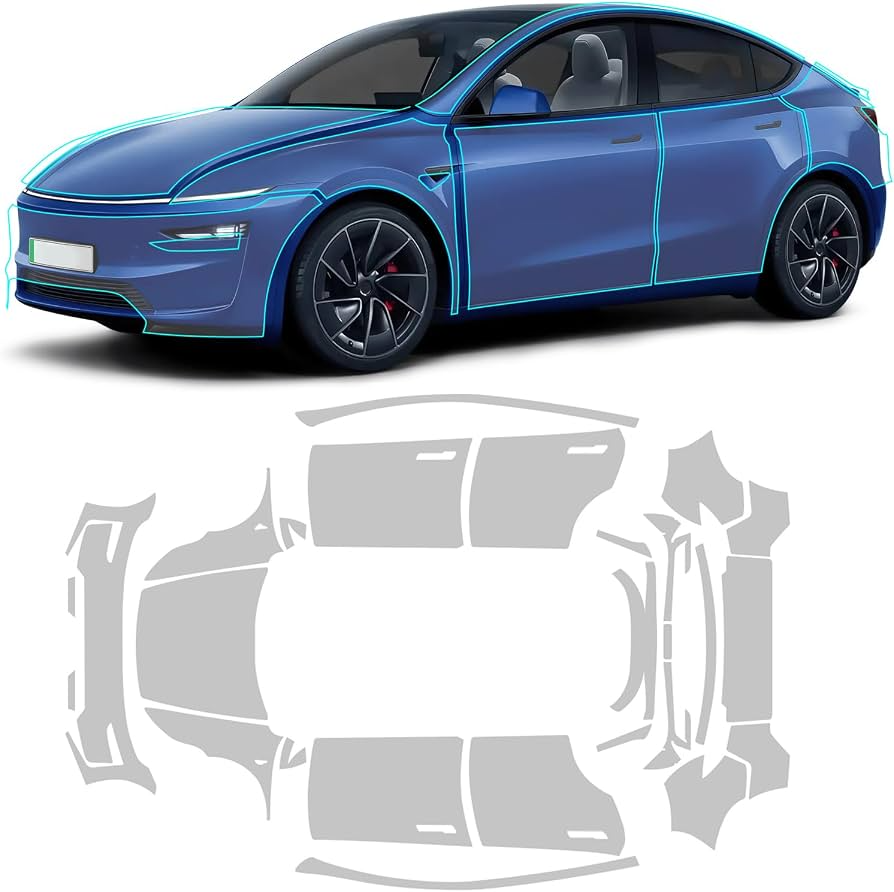
Not everyone wants or needs to cover their entire car in Paint Protection Film. And honestly? Full coverage is probably overkill for most people.
The smart approach is to prioritize the high-impact areas—the parts of the car that take the most abuse from road debris.
Front Bumper
This is ground zero for rock chips. The front bumper is low, it’s wide, and it catches everything the road throws at you. If you only PPF one thing on your Tesla, make it the front bumper.
Hood
The leading edge of the hood takes a beating from rocks and debris that bounce up off the road. A partial hood covering the first 18 to 24 inches from the front is a popular option, but a full hood looks cleaner and avoids a visible seam.
Front Fenders
These are right next to the hood and catch a lot of the same debris.
Side Mirrors
They stick out. They catch rocks. They’re small enough that covering them doesn’t cost much, but the protection is absolutely worth it.
Headlights
Headlights are expensive to replace, and they’re vulnerable to pitting and yellowing from road debris and UV exposure. A layer of PPF keeps them clear.
Rocker Panels and Lower Doors
These areas get blasted by road spray, sand, and gravel kicked up by your own tires. If you drive on gravel roads or in areas with winter road treatments, rocker panel protection is a smart move.
Door Edges and Door Cups
Door edges get dinged against walls and other cars. Door cups get scratched by rings and fingernails every time you open the door. These are small areas that are cheap to protect and make a big difference in daily wear and tear.
What About Matte or Satin Finishes?
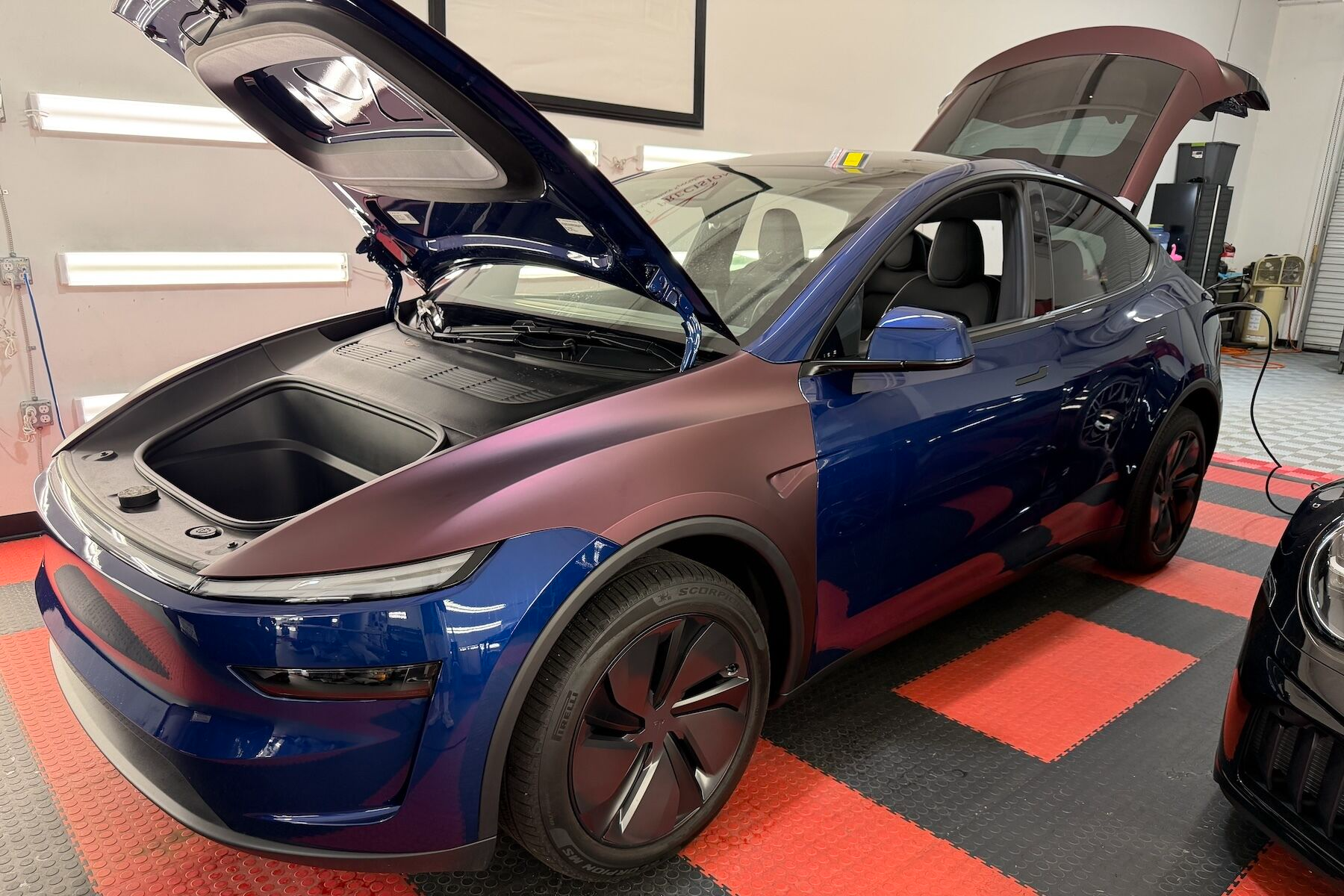
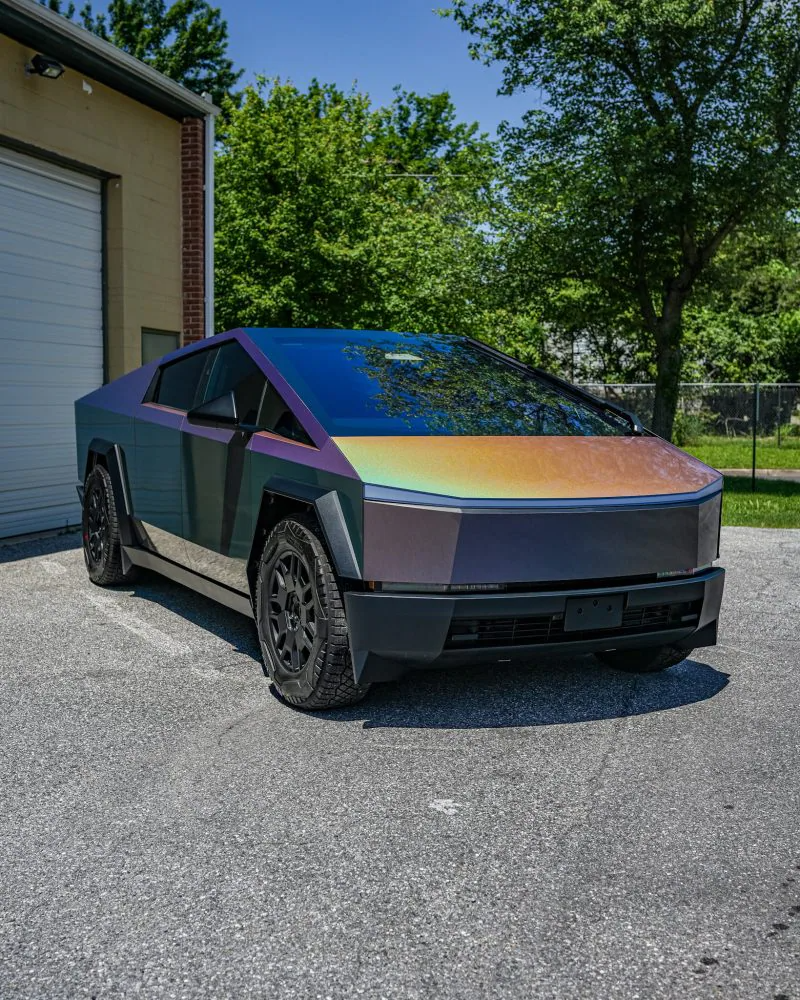
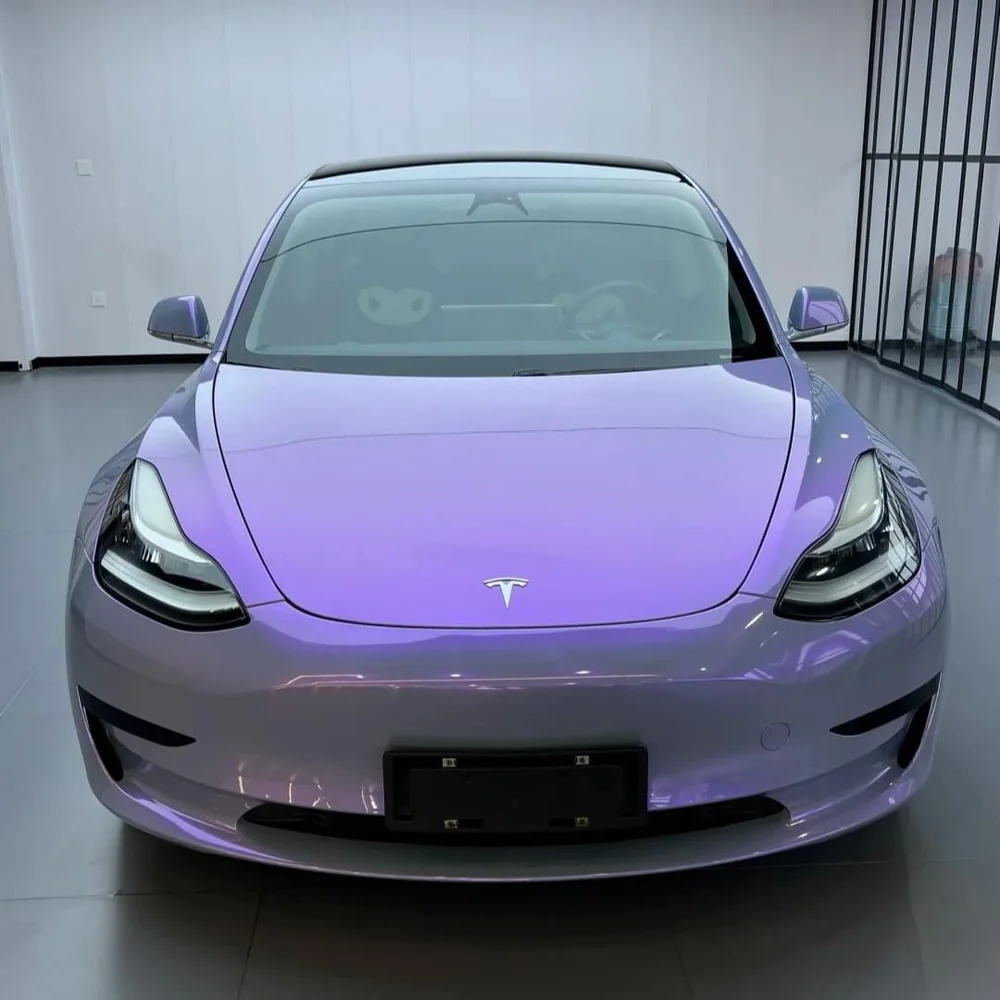
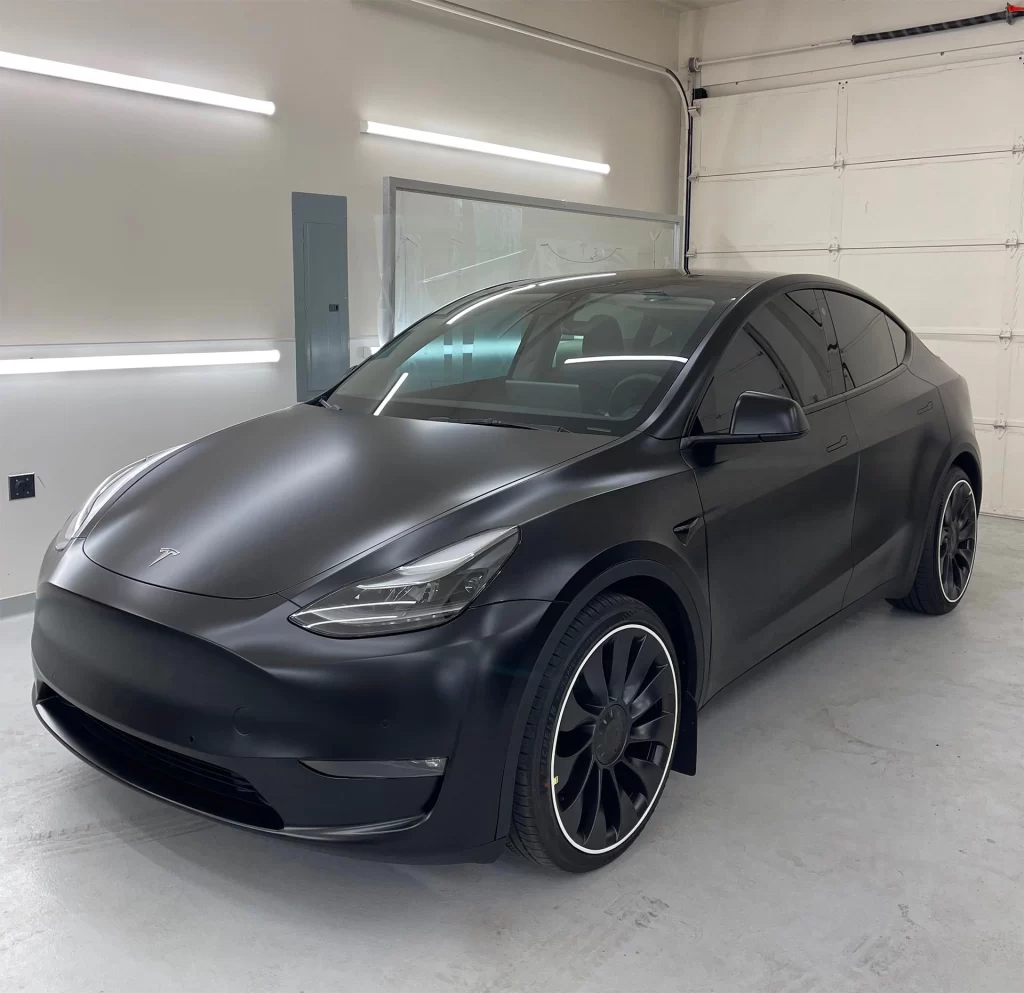
One of the coolest things about Paint Protection Film is that it’s not just for glossy paint anymore. If you have a Tesla with a matte or satin finish—or if you want to give your glossy Tesla a stealthy, matte look—there are PPF options for that too.
Matte PPF doesn’t just protect the paint; it actually transforms the appearance of the car. The film has a satin finish that covers the glossy paint underneath, giving the car a sophisticated, understated look that a lot of Tesla owners love.
And the best part? It still offers all the same protection—rock chip resistance, self-healing, UV protection—just with a different aesthetic.
Keeping Your Paint Protection Film in Great Shape
Once you’ve invested in Paint Protection Film for your Tesla, you want to make sure it lasts. The good news is that PPF is pretty low-maintenance. The not-so-good news is that there are a few things you need to do—and a few things you absolutely should not do.
The First Few Days
After installation, don’t wash the car for at least 24 to 48 hours. The adhesive needs time to fully bond with the paint. Some installers recommend waiting a full 7 days before the first wash.
For the first 30 days, avoid pressure washing near the edges of the film. High-pressure water can lift the edges and cause peeling.
Regular Cleaning
When you do wash the car, stick with pH-neutral car shampoo. No dish soap. No harsh chemicals. Use a soft microfiber mitt and the two-bucket method to minimize the risk of scratching.
Rinse the car thoroughly first to remove loose dirt and grit. Then wash gently. Dry with a clean microfiber towel.
What to Avoid
No pressure washing within 12 inches of the film edges
No abrasive cleaners or brushes
No automatic car washes with harsh brushes (touchless washes are generally fine)
No wax or sealant that contains petroleum distillates (they can damage the film)
Dealing With Stains
Bird droppings, bug splatters, and tree sap are acidic and can stain PPF if left too long. Clean them off as soon as you notice them. Most PPF-safe bug removers work well. For stubborn stains, you can use 99% isopropyl alcohol or a dedicated PPF cleaner.
Long-Term Maintenance
Some owners apply a ceramic coating on top of their PPF to add extra hydrophobic properties and make cleaning even easier. Others use a PPF-specific sealant every few months to keep the film looking fresh.
Why Choose Decowell Paint Protection Film?
When it comes to protecting your Tesla’s paint, not all Paint Protection Film is created equal.
Decowell understands what Tesla owners need. The company has spent years perfecting film formulations that deliver the right balance of protection, clarity, and durability—without the yellowing or cracking that plagued early-generation films.
Decowell’s Paint Protection Film is engineered with advanced thermoplastic polyurethane (TPU) technology that provides superior impact resistance while maintaining exceptional optical clarity. The film’s self-healing top coat means that minor scratches and swirl marks disappear with exposure to heat.
The hydrophobic surface repels water, dirt, and contaminants, making your Tesla easier to clean and keeping it looking showroom-fresh for longer. And because Decowell’s film is UV-resistant, it protects against fading and oxidation that can dull your car’s finish over time.
Whether you’re looking for clear gloss protection to preserve your Tesla’s original shine, or a matte finish to give your car a stealthy, sophisticated look, Decowell has options that deliver professional-grade protection at a smart price point.
Frequently Asked Questions About Tesla Paint Protection Film
Q1: Does Paint Protection Film really protect against rock chips?
A: Yes. PPF is specifically designed to absorb impacts from rocks, gravel, and road debris. It acts as a sacrificial layer that takes the damage so your paint doesn’t have to. While no film is indestructible, quality PPF significantly reduces the likelihood of visible chips.
Q2: Will Paint Protection Film yellow or crack over time?
A: Modern TPU-based films like Decowell’s are formulated to resist yellowing and cracking. Early-generation films made from PVC had these issues, but today’s films are much more stable and durable.
Q3: Can I apply Paint Protection Film myself?
A: Yes, it’s possible to install PPF yourself using pre-cut kits designed for specific Tesla models. The process involves a wet installation with slip solution and squeegees. However, professional installation typically delivers better results, especially on complex curves and edges.
Q4: How long does Paint Protection Film last?
A: Quality PPF typically lasts many years with proper care. The film’s durability depends on factors like environmental conditions, maintenance, and the quality of the film itself.
Q5: Will PPF affect my Tesla’s paint warranty?
A: No. PPF is a protective, removable addition and does not void Tesla’s factory paint warranty.
Q6: Can I put ceramic coating over Paint Protection Film?
A: Absolutely. Many Tesla owners apply ceramic coating on top of their PPF. The PPF provides physical impact protection, while the ceramic coating adds hydrophobic properties and makes the car easier to clean.
Q7: Is Paint Protection Film noticeable once installed?
A: High-quality clear PPF is virtually invisible when installed correctly. You can only see it if you look very closely at the edges. Matte PPF is designed to be visible—it transforms the look of the car—but that’s the point.
Q8: What areas of my Tesla should I prioritize for PPF?
A: The front bumper, hood, front fenders, side mirrors, and headlights are the most important areas to protect. If your budget allows, add rocker panels and door edges.
Q9: Can PPF be removed without damaging the paint?
A: Yes, PPF can be removed professionally using steam and careful technique. The film lifts away from the paint without causing damage.
Q10: Does PPF work with Tesla’s radar and sensors?
A: Yes. PPF is thin enough that it doesn’t interfere with Tesla’s sensors, cameras, or radar systems.
Q11: How do I maintain Paint Protection Film?
A: Wash regularly with pH-neutral soap and soft microfiber towels. Avoid high-pressure washing near film edges for the first 30 days. Clean off bird droppings and bug splatters promptly.
Q12: Can I install PPF on a Tesla that already has paint damage?
A: It’s best to address existing scratches, chips, or paint defects before applying PPF. The film will protect the paint from future damage, but it won’t fix damage that’s already there.
Final Thoughts: Protecting Your Tesla’s Paint Is Protecting Your Investment
Here’s the thing about Teslas—they’re not just cars. They’re statements. They’re technology showcases. They’re investments in a cleaner, smarter future.
And like any investment, they deserve protection.
Tesla paint is beautiful when it’s new. But it’s also vulnerable. Thinner clear coats, softer formulations, and low ride heights mean that rock chips, scratches, and swirl marks are inevitable if you don’t take action.
Paint Protection Film is the most effective way to keep your Tesla looking like the day you took delivery. It stops rocks in their tracks. It heals light scratches with heat. It repels water and contaminants. And when it’s time to sell, it preserves the factory paint that buyers are willing to pay a premium for.
Decowell offers Paint Protection Film that delivers the protection Tesla owners need, with the quality and clarity that discerning drivers expect. Whether you’re covering just the front end or the entire car, Decowell’s film is engineered to perform.
Because at the end of the day, your Tesla deserves more than just a pretty face. It deserves protection that lasts.