Home » PPF Stands for Paint Protection Film: Understanding Automotive Paint Protection
Recent Posts
PPF Stands for Paint Protection Film: Understanding Automotive Paint Protection
If you have ever winced at the sight of a fresh stone chip on your car’s bonnet, or noticed those frustrating swirl marks that seem to appear out of nowhere after a wash, you have probably asked yourself one question: is there actually a way to stop this from happening?
The answer is yes. And it starts with understanding what PPF stands for.
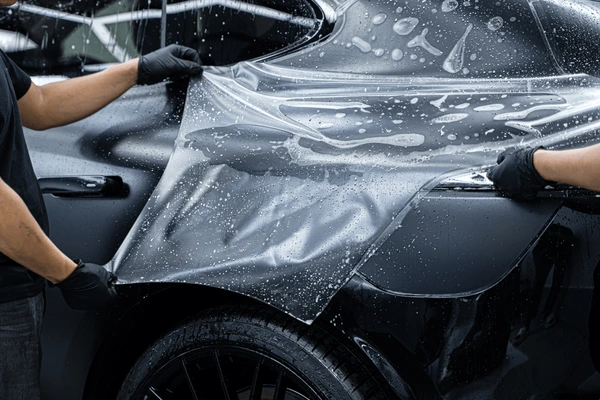
PPF stands for Paint Protection Film. It is a transparent, durable thermoplastic urethane film applied to a vehicle’s painted surfaces to shield them from stone chips, scratches, road debris, bird droppings, UV damage, and the general wear and tear of daily driving.
But PPF is so much more than just a fancy sticker for your car. In this comprehensive guide, we will break down everything you need to know about paint protection film—what it is, how it works, the different types available, and why it has become the gold standard for automotive paint preservation.
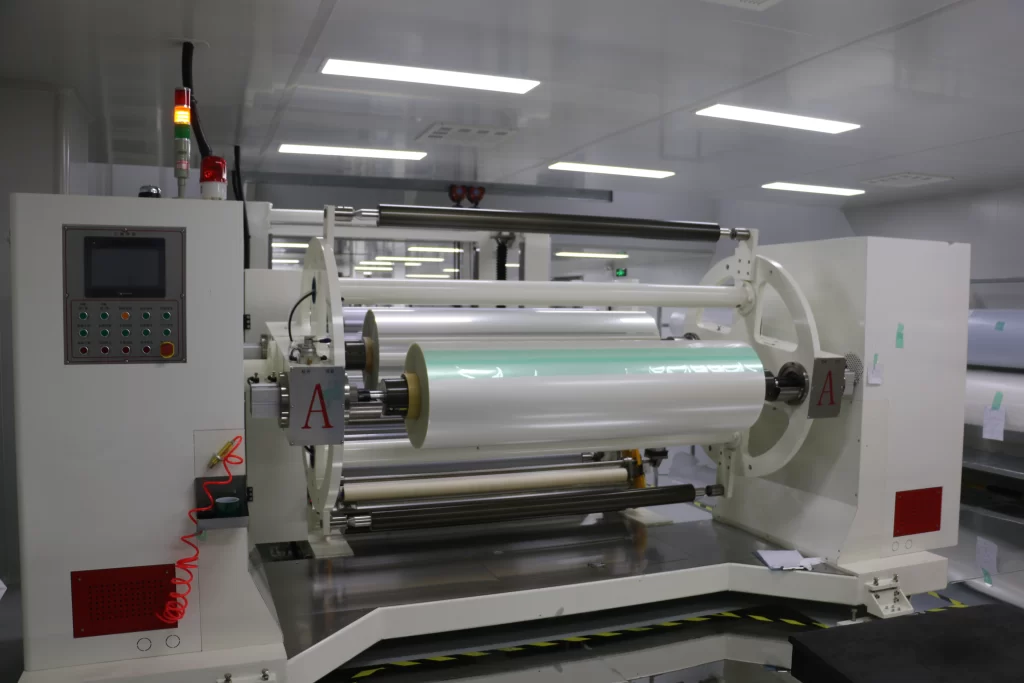
Table of Contents
What Does PPF Stand For? Breaking Down the Abbreviation
Let us start with the basics. PPF stands for Paint Protection Film. The full form breaks down simply:
P — Paint (the surface being protected)
P — Protection (the primary function)
F — Film (the physical medium: a multi-layer urethane sheet)
In the automotive world, you might also hear PPF referred to as a “clear bra,” “paint guard film,” or “protective film.” These terms all refer to the same product—a transparent, high-performance urethane film applied over your car’s paintwork.
One common point of confusion: in the financial world, PPF stands for something completely different (Public Provident Fund). But in the car world, PPF stands for Paint Protection Film, period. If you are at a detailing studio discussing PPF, the full form they mean is Paint Protection Film—never the savings scheme.
The Origin Story: Where Did PPF Come From?
Paint Protection Film has an interesting history that most car owners do not know about. PPF was initially developed to protect helicopter rotor blades from dust and stone damage during field service in the Vietnam War. It needed to be tough enough to withstand serious impact, which made it perfect for protecting automotive paintwork.
The technology was adapted for automotive use around the late 1990s, and since then, it has evolved dramatically. Early versions of paint protection film were made from PVC and had a reputation for yellowing and cracking over time. Today’s PPF is a completely different product—engineered with advanced Thermoplastic Polyurethane (TPU) that offers superior clarity, durability, and self-healing properties.
Understanding what PPF stands for is just the beginning. The real question is: how does it actually work?
How Does Paint Protection Film Work?
PPF works by placing a physical sacrificial layer between your paint and everything the road throws at it. Think of it as armour for your car’s paintwork.
When road debris travelling at highway speed hits the film, the urethane dissipates that energy across its thickness before it can transfer downward to the paint. This is what stops stone chips, absorbs sand abrasion, and handles the physical threats that ceramic coatings simply cannot touch.
The Three-Layer Structure
Quality paint protection film is made up of three main layers, each playing a crucial role in performance:
1. Adhesive Layer
This is what bonds the film to your paint. A high-quality adhesive ensures a strong grip while allowing for repositioning during installation. It also prevents yellowing or damage to the paint upon removal.
2. Thermoplastic Polyurethane (TPU) Core
This is the heart of PPF—the part you can actually see. TPU is a flexible, durable material that absorbs impacts and resists scratches, stains, and UV damage. Unlike the rigid PVC used in older films, TPU is an elastomer—its polymer chains can stretch and return to their original state, allowing the material to absorb kinetic energy rather than simply acting as a hard shell that might chip.
3. Top Coat
The top coat determines the film’s resistance to environmental contaminants, hydrophobic properties, and self-healing abilities. This is the layer that makes modern PPF truly remarkable.
The Self-Healing Technology
One of the most impressive features of modern paint protection film is its self-healing capability. When minor scratches, swirl marks, or light scuffs occur on the film’s surface, they can disappear when exposed to heat.
How does this work? The top coat is engineered with elastomeric polymers that exist in a semi-solid state. When the surface is scratched—essentially a displacement of these polymers—the introduction of heat (from the sun, a heat gun, warm water, or even a hot engine) excites the molecules. This energy causes the polymers to revert to their original, lowest-energy state, effectively “healing” the scratch and maintaining a flawless surface.
In practical terms, this means that a swirl mark you notice in the morning can be gone by the afternoon if your car is parked in the sun. The self-healing mechanism activates continuously throughout the day with ambient heat.
What Does PPF Protect Against?
Paint protection film provides a robust barrier against a wide range of automotive paint hazards:
Stone Chips and Road Debris
Highway driving exposes your car to constant stone and gravel strikes. PPF absorbs these impacts before they reach your clear coat, preventing the chips and dings that accumulate rapidly on unprotected paint.
Light Scratches and Swirl Marks
Everyday washing, drying, and normal contact can leave micro-scratches on your paint. PPF’s self-healing top coat helps these disappear with heat exposure.
Bug Splatter and Bird Droppings
These acidic contaminants can etch into clear coat if left too long. PPF blocks direct contact with these corrosive substances.
UV Damage
Prolonged sun exposure causes paint to fade and oxidise. Premium PPF incorporates UV stabilisers that block UV radiation from reaching the paint below.
Road Salt and Chemicals
Winter driving exposes your car to corrosive road salts and chemicals. PPF provides a barrier that makes these contaminants easy to wash off.
Everyday Abrasion
From door dings in parking lots to scratches from tree branches and shopping carts, PPF helps protect against the minor bumps and scrapes of daily life.
It is worth noting that paint protection film will not stop major dents or heavy collision damage. But for normal day-to-day wear, PPF is one of the strongest forms of paint protection on the market.
Types of Paint Protection Film
Not all PPF is created equal. Modern paint protection film comes in several varieties to suit different preferences and needs:
Clear Gloss PPF
This is the most common type of paint protection film. It is virtually invisible once applied and preserves your car’s original colour and finish while adding protection. Clear gloss PPF is ideal for those who want nearly invisible protection while maintaining the vehicle’s original glossy appearance.
Matte or Satin PPF
Matte PPF converts a glossy paint finish into a non-reflective matte or satin look. It is one of the fastest-growing trends, particularly on luxury vehicles. The matte finish hides minor swirls better than gloss and gives any colour a unique, stealth appearance. Some owners with factory matte paint use this to maintain that look while adding a layer of protection.
Colour PPF
Colour PPF combines protection with a colour change. Available in various colours and finishes, it transforms your car’s appearance while offering the same self-healing and stone chip protection as clear film. Unlike a respray or vinyl wrap, colour PPF is completely reversible—when removed professionally, the original paint remains pristine.
Textured PPF
Some manufacturers offer textured paint protection films that incorporate various surface textures while maintaining the protective characteristics of traditional TPU-based PPF.
Coverage Options: How Much PPF Do You Really Need?
One of the most common questions car owners ask is: do I have to protect my entire car?
The answer is no. You can choose coverage levels that match your budget and driving habits:
Front-End Package (Bumper, Bonnet, Front Fenders, Mirrors)
This captures most forward-facing chip risk and is the most practical starting point for daily highway commuters. The front bumper alone is the single highest-risk panel.
Full Front (Bumper, Full Bonnet, Full Front Fenders, Mirror Caps)
This provides comprehensive protection for the areas that absorb over 80% of stone chip damage.
Add-On Coverage
Depending on your driving patterns, you might add A-pillars, lower doors and rocker panels, rear splash zones behind wheels, door edges, and handle cups.
Full Body PPF
For owners who want near-total coverage or have track or long-distance use vehicles, full body protection is available.
A simple rule: protect the panels you find yourself staring at and worrying about. If you tend to spot chips on the hood lip or along the rockers, prioritise those.
PPF vs Ceramic Coating: What Is the Difference?
A common point of confusion among car owners is the distinction between PPF and ceramic coatings. They are often confused, but they serve fundamentally different purposes:
Paint Protection Film (PPF) is a physical barrier—a tangible layer of urethane that sits on top of your paint. Its primary function is impact absorption and protection against stone chips, scratches, and physical damage.
Ceramic Coating is a liquid polymer that chemically bonds to your paint, creating a hydrophobic layer. It excels at water repellency, contamination resistance, and gloss retention, but it cannot stop physical impacts.
The best protection is actually both: PPF underneath for physical protection, ceramic coating on top for hydrophobic properties and enhanced gloss. PPF handles the physical threats while ceramic coating makes the car easier to clean and adds extra shine.
If your budget is limited, start with PPF for stone chip and scratch protection—that is the protection you cannot get any other way.
PPF vs Vinyl Wrap: What Is the Difference?
PPF and vinyl wraps may seem similar, but they have different purposes:
Paint Protection Film (PPF) is designed for protection. It is usually clear (though colour options exist), self-healing, and impact-resistant. It is thicker (6-8 mils or more) and designed specifically to protect the surface underneath.
Vinyl Wrap is primarily for aesthetics. It comes in various colours, textures, and finishes but does not offer the same protective benefits as PPF. Vinyl is thinner and more cosmetic than functional.
If your goal is keeping your paint flawless, PPF is the better choice every time. If you want a colour change or custom graphics, vinyl wrap is the way to go—and if you want both protection and a colour change, colour PPF is the answer.
The PPF Installation Process: What to Expect
Professional PPF installation is precision work that typically takes 1 to 4 days depending on coverage scope. Here is what the process looks like:
1. Thorough Cleaning and Decontamination
The vehicle is thoroughly washed to completely remove all dust, dirt, tar, and contaminants. Any contamination trapped under the film will be permanently sealed in place, so this step is non-negotiable at a quality studio.
2. Paint Preparation and Correction
The paint is inspected under specialised lighting to identify any swirls or scratches that should be corrected before the film goes on. PPF locks in whatever surface condition it is applied over—swirl marks and scratches present when the film goes on will be permanently visible beneath the film.
3. Film Cutting
The film is computer-cut to panel-specific templates for the exact make and model using digital pattern data. This eliminates hand-cutting on the car, which risks scoring the paint beneath.
4. Application
Each panel template is applied using a water-slip solution, aligned precisely, then squeegeed to remove air bubbles and excess liquid. The film is heat-formed into position around curves and complex edges.
5. Edge Wrapping
Edges are wrapped into panel gaps and body lines rather than ending on the paint surface, giving an invisible finish that survives door opens and car washes.
6. Curing
The vehicle stays in a controlled environment for 24 to 48 hours to allow the adhesive to fully cure before driving.
7. Final Inspection
Every panel is inspected under lighting before handover.
Post-Installation Care and Maintenance
Once PPF is installed, it makes caring for your car easier—but it is not maintenance-free:
Wait before washing: Avoid washing your vehicle for the first 7 days after PPF installation. The adhesive needs this curing period to fully bond with the paint surface.
Hand washing recommended: Hand washing with a pH-neutral shampoo is recommended. Automated car washes with rotating brushes create unnecessary friction on the film surface.
Dry with care: Use clean microfibre towels to dry the surface.
Remove contaminants promptly: Bird droppings and bug splatter should be removed as soon as possible—acidic contaminants left for extended periods can leave marks on the film surface.
Avoid abrasive products: Do not use abrasive polishes unless they are specifically designed for PPF.
Consider a ceramic topper: Applying a spray ceramic topper every 6 to 12 months on PPF-protected surfaces enhances water beading and makes the film easier to keep clean.
Can PPF Be Removed? Does It Damage Paint?
Yes, Paint Protection Film is designed to be removable when handled correctly. Professional removal uses controlled heat to soften the adhesive, allowing the film to peel away without damaging the paint.
One of the biggest myths is that PPF harms paint. The truth is, when installed and removed properly, it protects rather than damages. The only time problems occur is with poorly applied film, cheap materials, or DIY attempts.
On new cars and fresh repaints, PPF is completely safe. On older paint or repaints, there can be risks depending on how well the paint is bonded to the panel. This is why choosing a professional installer who inspects the paint condition before application is so important.
Who Benefits Most from Paint Protection Film?
Paint protection film is particularly valuable if you:
Own a new or luxury vehicle
Drive regularly on highways with high stone chip risk
Have a car with dark or metallic paint that shows every chip and micro-marring
Plan to keep your car long-term and want to preserve its factory finish
Care about resale value—a car with flawless paint is easier to sell and commands a better price
Have a prestige, enthusiast, or performance vehicle
Even for city drivers, PPF provides peace of mind against the minor bumps, brushes, and scratches of urban parking.
Why Choose Decowell Film for Your Paint Protection
When it comes to protecting your vehicle’s paint, the quality of the film matters as much as the skill of the installer. Decowell Film stands at the forefront of paint protection technology, offering premium-grade PPF solutions designed for discerning car owners who demand the best.
Decowell Film understands that PPF stands for Paint Protection Film, but more importantly, they understand what that protection means to you. Every Decowell Film product is engineered with precision, using advanced Thermoplastic Polyurethane (TPU) technology that delivers exceptional clarity, durability, and self-healing performance.
What sets Decowell Film apart?
Superior Optical Clarity
Decowell Film is virtually invisible once applied, preserving your vehicle’s original paint colour and gloss without any distortion. The film’s optical clarity ensures that the depth and richness of your paint—whether it is a metallic, pearlescent, or solid finish—remains fully visible and vibrant.
Advanced Self-Healing Technology
Decowell Film features an elastomeric top coat engineered for rapid self-healing. Minor scratches, swirl marks, and light scuffs disappear with heat exposure—whether from the sun, warm water, or ambient temperature. Your car stays looking flawless with minimal effort.
Exceptional Durability
Built with premium-grade TPU, Decowell Film provides robust protection against stone chips, road debris, bug splatter, bird droppings, UV damage, and chemical contaminants. The film is designed to maintain its clarity and protective properties over the long term, resisting yellowing and degradation.
Hydrophobic Properties
Decowell Film’s top coat repels water and contaminants, making your car easier to clean and maintain. Rain, mud, and road grime bead up and slide off the surface rather than adhering to the film.
Multiple Finish Options
Whether you prefer the classic gloss finish that preserves your car’s factory shine, the modern matte or satin look for a stealth appearance, or a colour change that transforms your vehicle’s style, Decowell Film offers options to match your vision.
Professional-Grade Quality
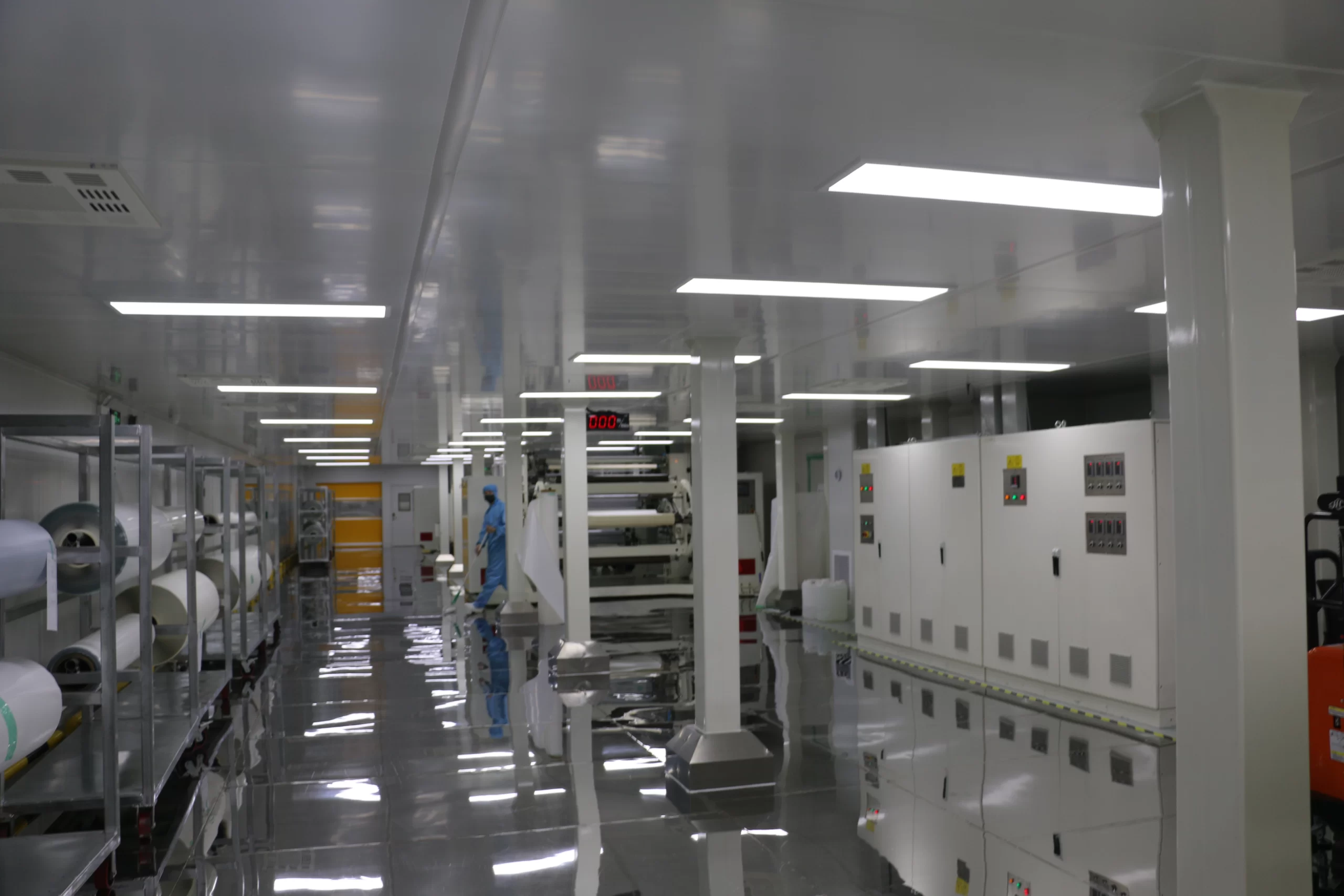
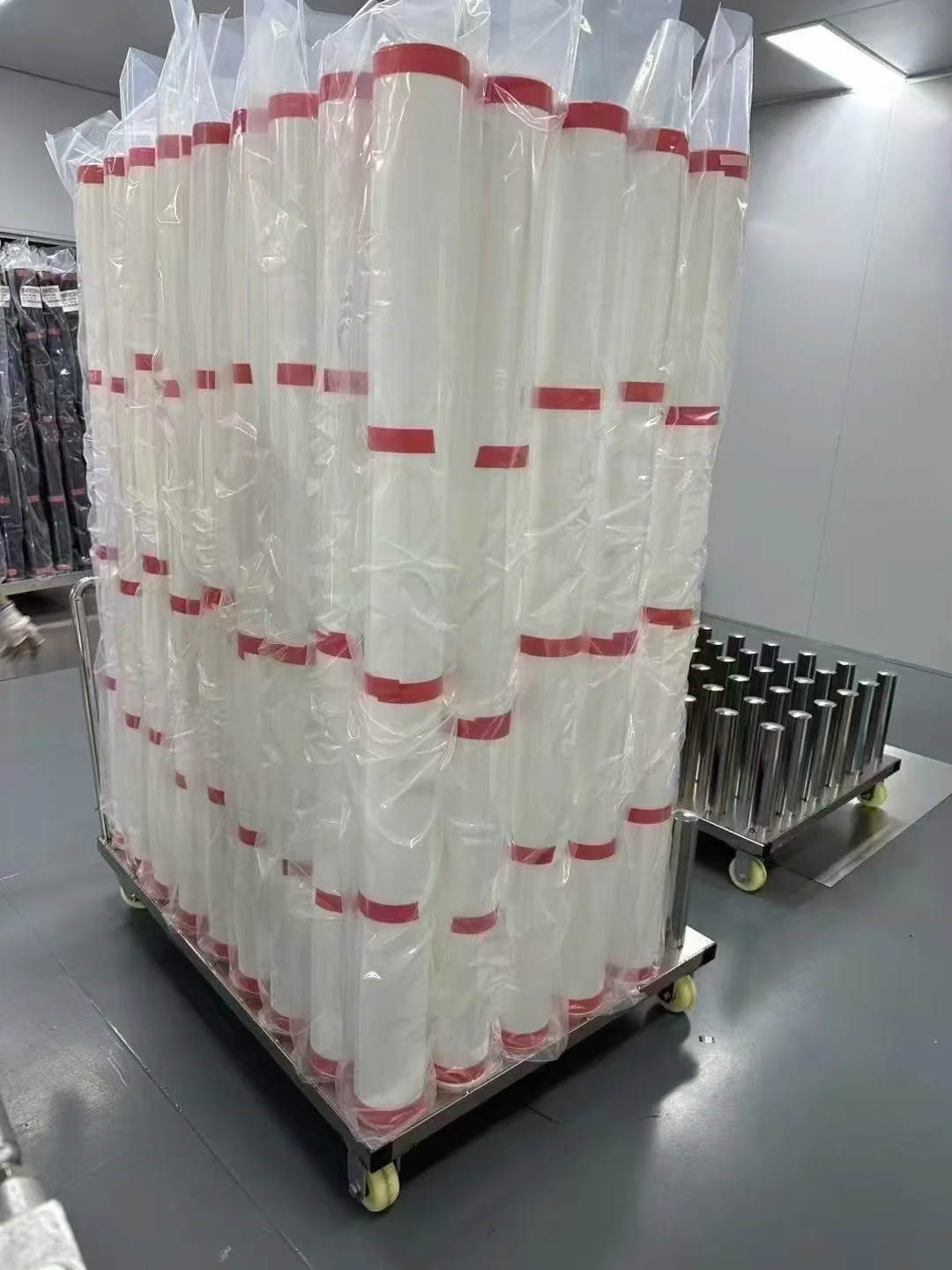
Decowell Film is manufactured to professional-grade standards, ensuring consistent quality, thickness, and performance across every roll. It is the choice of discerning car owners who understand that PPF stands for Paint Protection Film—and that not all paint protection films are created equal.
When you choose Decowell Film, you are choosing more than just a product. You are choosing peace of mind—the confidence that your vehicle’s paint is protected by one of the most advanced paint protection films available today.
Frequently Asked Questions
What does PPF stand for in cars?
PPF stands for Paint Protection Film in automotive contexts. It is a transparent thermoplastic urethane film applied to a vehicle’s painted surfaces to protect them from stone chips, scratches, UV damage, and environmental contaminants.
Is PPF the same as the Public Provident Fund?
No. In finance, PPF means Public Provident Fund—a government savings scheme. In the automotive world, PPF stands for Paint Protection Film. Same three letters, completely different meanings.
What is PPF made of?
Modern Paint Protection Film is made primarily from Thermoplastic Polyurethane (TPU). It consists of three layers: an adhesive layer that bonds to the paint, a TPU core that absorbs impacts, and a self-healing top coat that resists scratches and environmental damage.
How does self-healing PPF work?
The top coat of self-healing PPF is engineered with elastomeric polymers. When minor scratches occur, the introduction of heat (from the sun, warm water, or a heat gun) causes the polymers to revert to their original state, effectively healing the scratch.
What does PPF protect against?
Paint Protection Film protects against stone chips, light scratches, swirl marks, bug splatter, bird droppings, road salt, UV damage, and everyday abrasion from regular driving.
Can PPF be removed without damaging the paint?
Yes, when installed and removed properly by a professional. Quality PPF uses adhesive designed to release cleanly from factory paint with controlled heat.
Is PPF worth it for my car?
PPF is especially valuable if you own a new or luxury vehicle, drive regularly on highways, care about preserving your car’s factory paint, or plan to keep your car long-term. It preserves resale value and provides peace of mind against the inevitable wear and tear of daily driving.
What is the difference between PPF and ceramic coating?
PPF is a physical barrier that protects against stone chips and scratches. Ceramic coating is a liquid polymer that provides hydrophobic properties and chemical resistance but offers no impact protection. Many owners use both: PPF for physical protection and ceramic coating on top for enhanced gloss and easier cleaning.
Can I apply PPF myself?
While DIY kits exist, professional installation is strongly recommended. PPF is tricky to work with—a less skilled hand will leave bubbles, dirt, and marks in the film. Professional installers have the experience, tools, and controlled environment needed for a flawless finish.
How long does PPF last?
Quality paint protection film is designed for long-term durability. Its lifespan depends on the film quality, installation, maintenance, and driving conditions. Premium PPF maintains its protective properties and clarity over many years with proper care.
Final Thoughts
Understanding what PPF stands for is the first step toward making an informed decision about protecting your vehicle. PPF stands for Paint Protection Film—a remarkable technology that has evolved from military helicopter protection to become the ultimate defence for automotive paintwork.
Modern paint protection film is not the thick, yellowing “clear bra” of the past. Today’s PPF is a highly engineered elastomeric barrier—virtually invisible, self-healing, and designed to preserve your car’s factory finish against the rigours of daily driving.
Whether you choose clear gloss to maintain your car’s original shine, matte or satin for a stealth look, or colour PPF for a complete transformation, the protection remains the same: a durable shield that takes the hits so your paint does not.
For car owners who value their vehicle’s appearance and want to protect their investment, paint protection film is one of the smartest decisions you can make. It preserves resale value, reduces maintenance headaches, and gives you peace of mind every time you hit the road.
Choose Decowell Film for your paint protection needs. With advanced TPU technology, superior self-healing capabilities, and a commitment to quality, Decowell Film delivers the protection your vehicle deserves. Contact Decowell Film today to learn more about their premium paint protection solutions and find the perfect film for your car.
After all, when PPF stands for Paint Protection Film, it should stand for the best protection available. Decowell Film makes sure it does.