Home » Black PPF Wrap: Why the Stealth Look Is Taking Over and How to Get It Right
Recent Posts
Black PPF Wrap: Why the Stealth Look Is Taking Over and How to Get It Right
The automotive world has a new obsession. It is not about chrome. It is not about candy-colored paint jobs. It is about a finish that absorbs light instead of reflecting it, a look that whispers rather than shouts.
We are talking about the black PPF wrap.
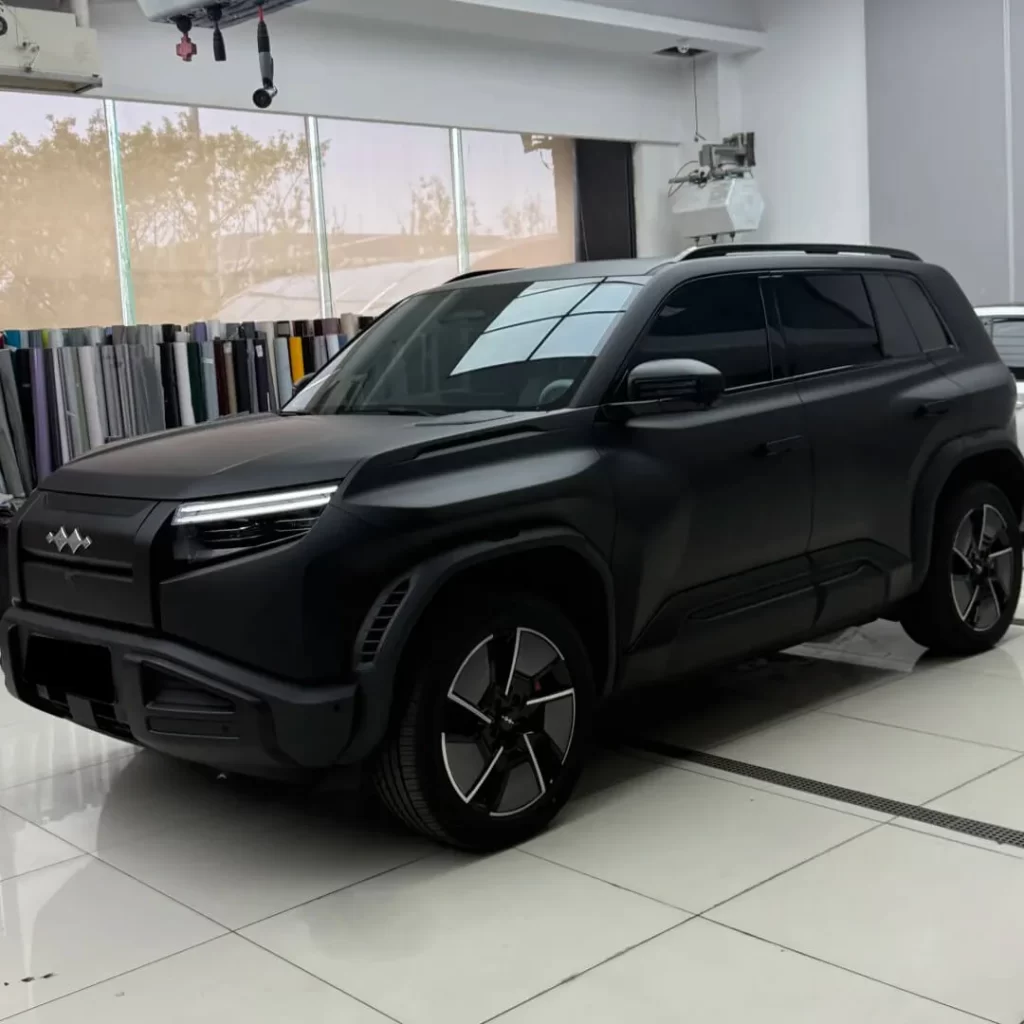
Matte black, satin black, stealth black—whatever you call it, the effect is the same. A vehicle wrapped in black PPF stops looking like a car and starts looking like a shadow on wheels. The body lines sharpen. The curves deepen. The whole presence changes.
But here is the thing. Not all black wraps are created equal. And if you are going to commit to this look, you need to understand what you are actually putting on your car.
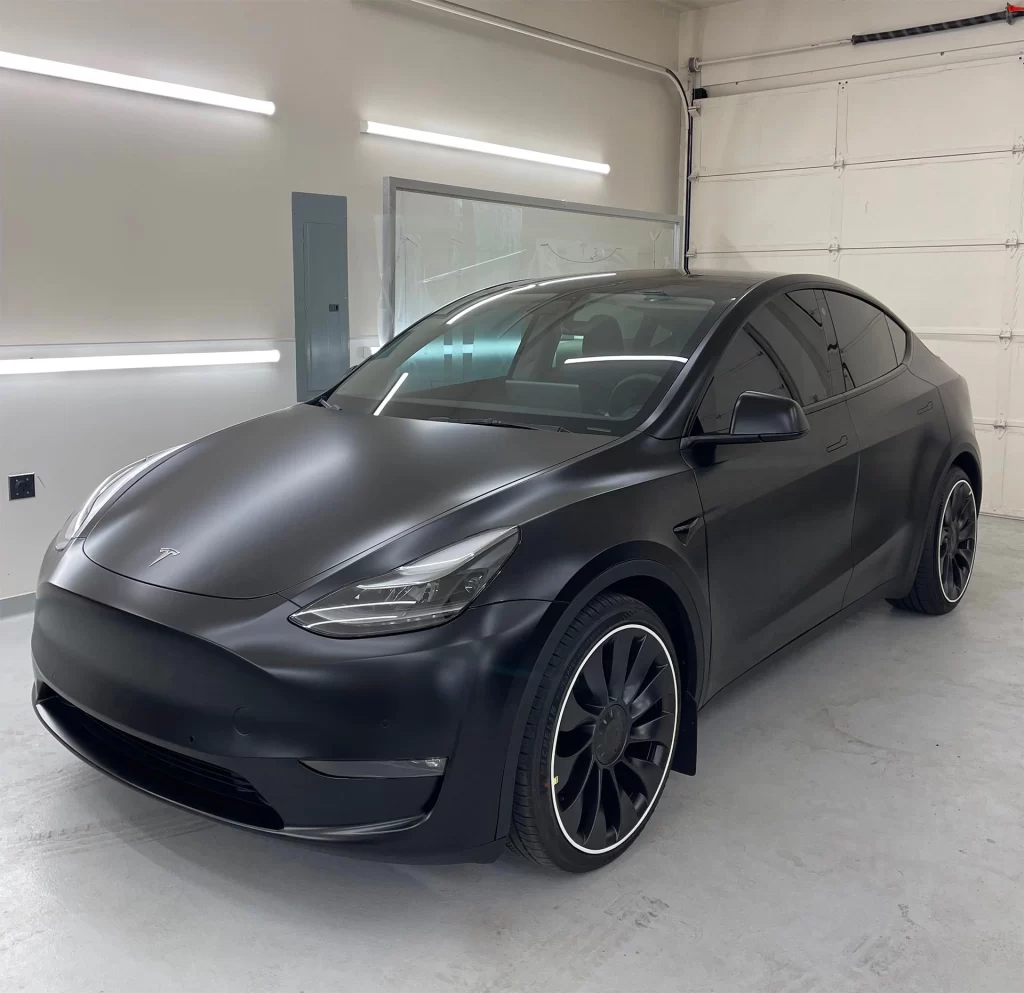
Table of Contents
What Is a Black PPF Wrap, Really?
Let us clear up the confusion right away because the industry is terrible at explaining this.
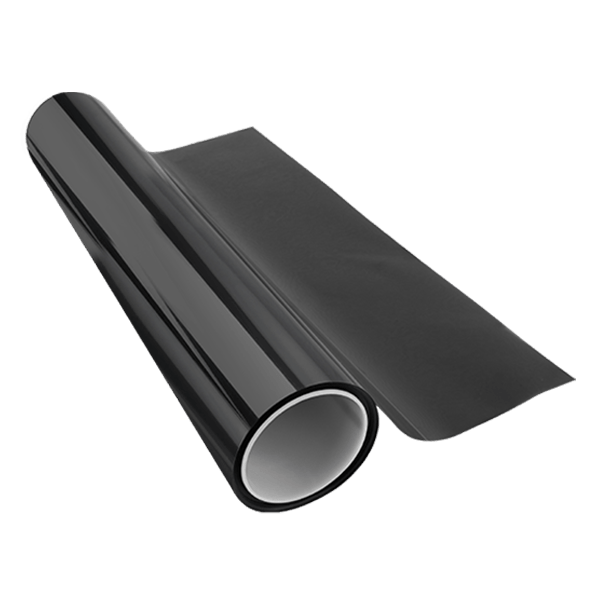
A black PPF wrap is not vinyl. It is not a sticker. It is a layer of thermoplastic polyurethane, or TPU, that happens to be colored black. The material is thick, usually around 7.5 to 8 mils, and it bonds to your factory paint like a second skin .
The visual effect depends on which finish you choose.
Gloss black PPF gives you a deep, mirror-like shine. Think of a piano. Think of wet paint. It is reflective, it is dramatic, and it looks like the car just rolled off a showroom floor.
Matte black PPF does the opposite. No shine. No glare. The surface is flat, almost dry-looking, and it absorbs light completely. It is the go-to for the stealth look.
Satin black PPF sits somewhere in between. It has a subtle sheen that is not quite gloss and not quite matte. It is the Goldilocks option for people who want something understated but not completely flat.
There are also color-shift variations available, like black with phantom blue or crimson undertones, which reveal themselves only when the light hits a certain way .
The Difference Between Black PPF and Black Vinyl
Here is where things get important.
If you put a gloss black vinyl wrap next to a gloss black PPF wrap on two identical cars, you would not be able to tell the difference from ten feet away. Both look black. Both look sleek. Both change the appearance of the car.
But the difference is in what happens underneath.
Vinyl is a decorative film. It is thin, usually 3 to 4 mils thick. It changes the color of your car, and it might protect against a minor surface scratch or two. But it is not built for impact. A rock chip at highway speed will punch right through it and hit your paint .
Black PPF is a protective film first and a color film second. The TPU construction is designed to absorb impacts. When gravel hits your bumper, the PPF takes the hit. When someone brushes against your door in a parking lot, the film takes the abrasion. Your paint never sees it .
Vinyl is also delicate. Wash it wrong and you will leave permanent micro-scratches. Pressure wash too close to an edge and it will peel. Park it in the sun for a few years and it will fade or crack .
PPF is engineered to last. The self-healing topcoat erases minor scratches with heat. The UV protection keeps the black from turning grey or brown. The hydrophobic surface repels water and dirt so the car stays clean longer .
So yes, a black PPF wrap costs more than vinyl upfront. The material itself is pricier and the installation is more demanding because PPF is thicker and less forgiving . But over time, it is not even close. One PPF installation can outlast two or three vinyl wraps, and the protection it provides saves you from respraying panels or correcting damaged paint .
Why Black PPF Is the Trend That Will Not Go Away
The numbers tell the story.
The global paint protection film market is growing fast, driven by exactly this kind of demand. Consumers are keeping their vehicles longer. Luxury and electric vehicle sales are rising. People understand that protecting the factory finish is a financial strategy, not just a vanity project .
But the real driver is the crossover between protection and style.
Five years ago, if you wanted a blacked-out car, your only option was vinyl. If you wanted paint protection, you got clear PPF. You had to choose. Today, black PPF gives you both in one package. You get the aesthetic and the armor.
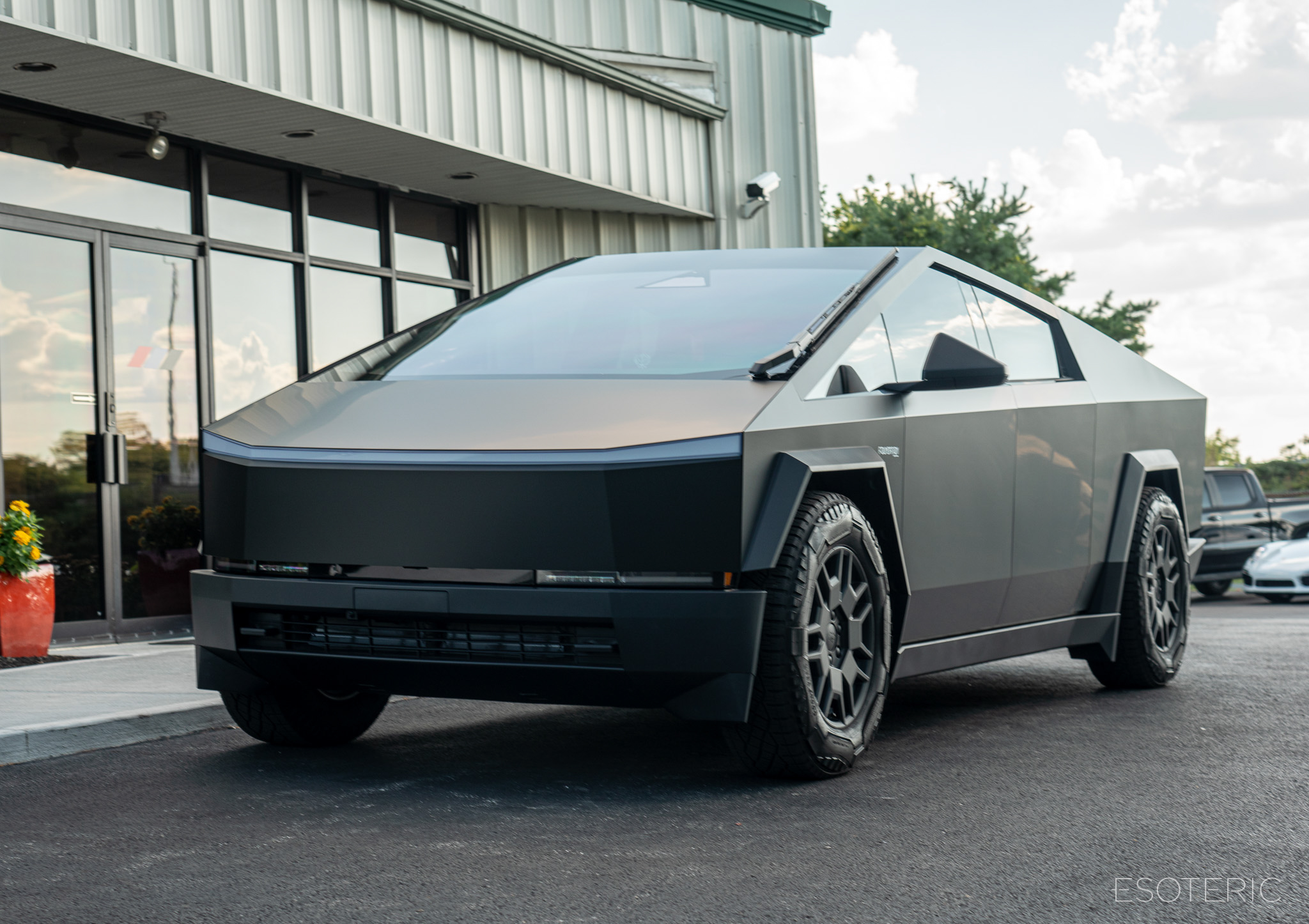
And the aesthetic is powerful. The “stealth” look has exploded across every segment of the market. Tesla owners love it. Porsche drivers want it. Off-road SUVs with black PPF look like they are ready for a military mission. Sports cars wrapped in matte black look faster just sitting still .
According to market reports, black finishes remain the most popular choice for colored PPF, with satin and matte black leading the category year after year . It is the safest bet in the shop and the most requested look on the street.
Self-Healing: The Feature That Changes Everything
One of the biggest selling points of a black PPF wrap is the self-healing topcoat.
It sounds like marketing magic, but it is grounded in real material science. The top layer of premium PPF is engineered with loose polymer arrangements that are not locked into a rigid structure. When a scratch occurs, it displaces these polymers. Add heat—from the sun, a heat gun, or even warm water—and the molecules relax back into their natural state. The scratch disappears .
This matters more for black finishes than any other color. Dark paint shows every imperfection. Every wash swirl, every accidental brush, every minor scuff is visible from ten feet away. With a self-healing black PPF wrap, those marks are temporary. Park the car in the sun and they fade away .
Vinyl does not self-heal. A scratch on a black vinyl wrap is permanent. And on a matte finish, you cannot buff it out. The damage stays .
Hydrophobic Properties and Easy Maintenance
Here is another area where black PPF separates itself from vinyl.
Premium PPF comes with a hydrophobic topcoat built in. Water beads up and rolls off the surface instead of sitting there and spotting. Dirt and grime do not stick as easily. Bird droppings and tree sap are less likely to leave permanent marks .
For a black car, this is a big deal. Black shows dust, fingerprints, and water spots more than any other color . A hydrophobic surface makes the car easier to wash and keeps it looking cleaner for longer.
Vinyl, by contrast, tends to have a more textured surface that holds onto dirt. It requires more aggressive cleaning, which ironically increases the risk of damaging the finish .
The Orange Peel Problem and Why PPF Solves It
If you have ever looked closely at a cheap vinyl wrap, you might have noticed a texture that looks like orange peel. That ripple effect distorts the reflections and makes the car look like it is wearing plastic instead of paint.
High-quality black PPF eliminates this problem. The film lays flatter, the reflections are cleaner, and the finish looks like actual automotive paint rather than a sticker .
In a gloss black finish, the depth is what sells it. The reflection is sharp, the surface is smooth, and the car looks expensive. In a matte or satin finish, the texture is consistent and uniform, without the cheap chalkiness of low-grade vinyl.
Which Vehicles Suit a Black PPF Wrap?
The short answer is almost any vehicle. But some cars take to it better than others.
Sports cars benefit from the aggressive, track-ready attitude of matte or satin black PPF. The lack of reflections emphasizes the body lines and makes the car look lower and wider.
Luxury sedans look elegant in a gloss black PPF wrap, especially if the original paint was a dark color. The depth of the finish gives the car a refined, high-end presence.
SUVs and off-road vehicles look tough and capable in matte black. The finish complements the rugged design and hides trail scratches better than glossy paint ever could .
Tesla vehicles are among the most common candidates for black PPF. The clean, minimal design of the Model 3 and Model Y pairs perfectly with a matte or satin finish. Owners often wrap the roof, mirrors, and front bumper for a two-tone look .
Performance brands like BMW, Mercedes-Benz, and Porsche frequently get the black PPF treatment on hoods, mirror caps, and spoilers to create aggressive contrast panels while adding real protection to high-impact areas .
Matte vs Gloss vs Satin: Which One Should You Choose?
This is the question most people ask, and the answer depends on what you want from the car.
Gloss black PPF is for people who want a deep, wet-looking finish. It is the closest you can get to factory paint without actually applying paint. It shows every reflection and demands to be seen. The downside is that it also shows dust and water spots, so it needs regular washing.
Matte black PPF is for the stealth look. No reflections. No glare. Just a flat, clean surface that absorbs light. It is aggressive, it is different, and it makes the car look like a military vehicle or a performance prototype. The trade-off is that matte finishes require careful maintenance. You cannot polish them. You cannot use wax or gloss enhancers. You have to clean them gently .
Satin black PPF is the compromise. It has a low sheen that does not reflect strongly but also does not look completely dead. It feels premium and understated. For many people, it is the sweet spot .
Installation: Why It Matters
A black PPF wrap is only as good as the person installing it. And this is not a DIY project.
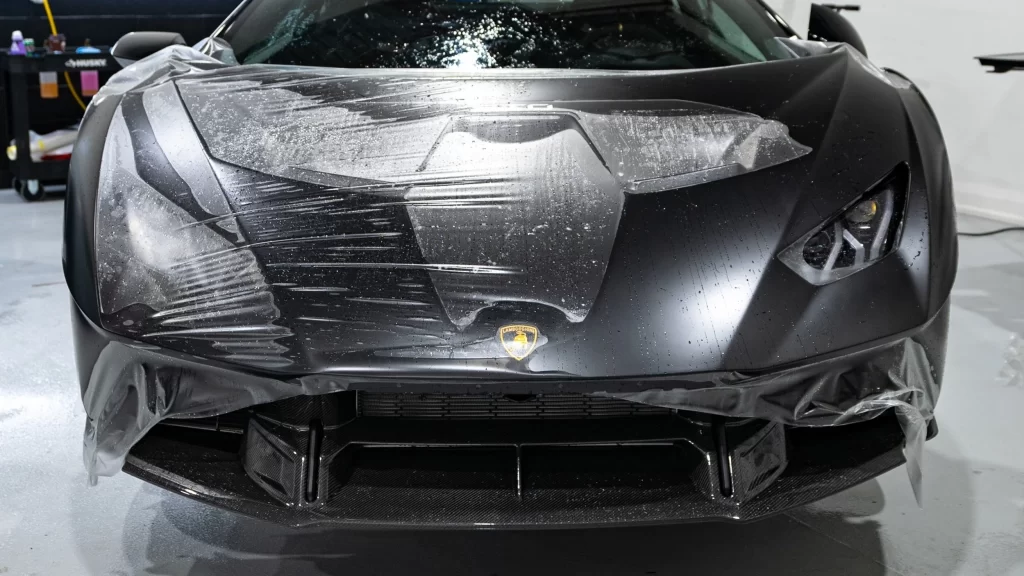
PPF is thicker than vinyl, which means it is less forgiving around complex curves and sharp edges. It requires a professional wet application process, careful heat control, and a dust-free environment .
If the film is overstretched, it will thin out and lose protection. If the edges are not tucked properly, they will lift. If the surface is not prepped correctly, the adhesive will not bond.
Professional installers know how to plot the film for each panel, how to handle the tricky areas around bumpers and mirrors, and how to achieve the flawless finish that makes the investment worthwhile.
How to Maintain a Black PPF Wrap
Maintaining a black PPF wrap is not difficult, but it requires some discipline.
Hand wash only. Automated car washes with spinning brushes will scuff the film and degrade the hydrophobic topcoat. Stick to the two-bucket method with a soft microfiber wash mitt .
Use pH-neutral soap. Skip the wash-and-wax formulas. Gloss enhancers will ruin a matte finish and clog the hydrophobic pores of the film.
Dry with microfiber towels. Do not let water air-dry, especially if you have hard water. Mineral spots will bake into the film and require professional removal.
Remove bird droppings and tree sap quickly. Even with stain resistance, you do not want to test the limits of the film.
Do not polish a matte or satin finish. Traditional polishing will smooth out the matte texture and create shiny patches that cannot be fixed. For gloss black PPF, light polishing is acceptable if done carefully .
Black PPF vs Ceramic Coating: Different Tools for Different Jobs
Some people confuse PPF with ceramic coating. They are not the same thing.
Ceramic coating is a liquid polymer that bonds chemically to paint. It creates a hydrophobic, gloss-enhancing layer that makes the car easier to clean. It protects against chemical stains, bird droppings, and UV rays. But it offers almost zero impact resistance. A rock chip will go straight through a ceramic coating.
PPF is a physical barrier. It absorbs impacts, stops scratches, and prevents stone chips from reaching the paint. It also happens to be hydrophobic, so it repels water and dirt as well .
The ideal solution for many owners is a hybrid approach. PPF on the high-impact zones—bumper, hood, fenders, mirrors—and ceramic coating on top for easier maintenance and extra gloss.
The Financial Case for a Black PPF Wrap
We are not going to quote numbers or warranty periods. But the logic is straightforward.
A black PPF wrap protects the factory paint. The original paint is the single biggest factor in a car’s valuation, especially if it is a luxury, performance, or collectible vehicle. Once a panel is repainted, the car loses its collector-grade status .
Protecting the original paint from rock chips, UV damage, and micro-scratches preserves that status. It keeps the car in the highest condition tier for resale. A professional installation that includes black PPF pays for itself in retained value over the life of the vehicle.
Frequently Asked Questions
Q: Can black PPF be applied over any car color?
Yes. Black PPF can be applied over any factory paint color, provided the surface is clean, properly prepared, and free of major defects. Dark cars show the most dramatic transformation because the finish absorbs reflections instead of showing the base color.
Q: Does a black PPF wrap hide existing paint damage?
No. PPF is not a filler. If the paint has deep scratches, chips, or swirl marks, those imperfections will still be visible through the film. Surface preparation is essential for a flawless final look.
Q: Can I wash my car immediately after installation?
No. The adhesive needs time to fully bond to the paint. Most professional installers recommend waiting at least a week before washing the vehicle or exposing it to heavy rain.
Q: Is black PPF harder to maintain than a clear PPF?
A black PPF wrap requires slightly more attention because dust and water spots are more visible on dark finishes. But the hydrophobic surface makes it easier to clean than unprotected paint. The key is using the right techniques and products.
Q: Can I ceramic coat a black PPF wrap?
Yes. In fact, many owners do exactly that. A ceramic coating applied over PPF improves slickness, enhances hydrophobics, and makes the car even easier to clean. Always check compatibility with the film manufacturer before applying coating.
Q: Does heat from the sun always activate self-healing?
In most cases, yes. Direct sunlight generates enough heat to trigger the self-healing process for light scratches. For deeper marks, a heat gun or warm water may be required. Extreme cold slows the process but does not damage the film.
Q: Can a black PPF wrap be removed without damaging paint?
Yes. Professional installers can remove PPF cleanly using heat to soften the adhesive. Proper removal technique is important to avoid leaving residue or lifting paint, especially on factory finishes with weak adhesion.
Why Decowell Film?
The black PPF wrap you choose matters. The material quality determines how it looks, how long it lasts, and how well it protects.
Decowell Film is engineered to deliver the depth, durability, and self-healing performance that premium vehicles deserve. The black PPF range includes gloss, matte, and satin finishes, all built on a TPU foundation with a hydrophobic topcoat that repels water, dirt, and environmental contaminants.
The film installs cleanly, stretches over complex curves without thinning, and holds its color under UV exposure. Minor scratches fade with heat. Stains bead off the surface. The factory paint underneath stays untouched.
Decowell Film is not just about the look. It is about keeping the car looking that way for years.
If you are considering a black PPF wrap for your vehicle or your shop, Decowell Film provides the quality and performance that deliver the results your customers expect. The stealth look is here to stay. Make sure you are getting the protection that goes with it.
Ready to explore the black PPF collection from Decowell Film? Reach out for more details, sample swatches, or to discuss your specific requirements.