Decowell Nano Ceramic Film: The Most Comprehensive and Cost-Effective Car Film in China
20+ Years Professional Expertise | Professional Automotive Film Manufacturer | Full-Solution Provider (PPF, Window Film, Wrap Film) | 2000+ Certified Installers | From R&D to Production | High-Cost-Effective Premium Films | Ample Stock | Professional Team | Serving 40+ Countries | Reliable Logistics
Home » Products » Car Window Film » Nano Ceramic Window Film
Nano Ceramic Film — Car Window Film
Product Categories
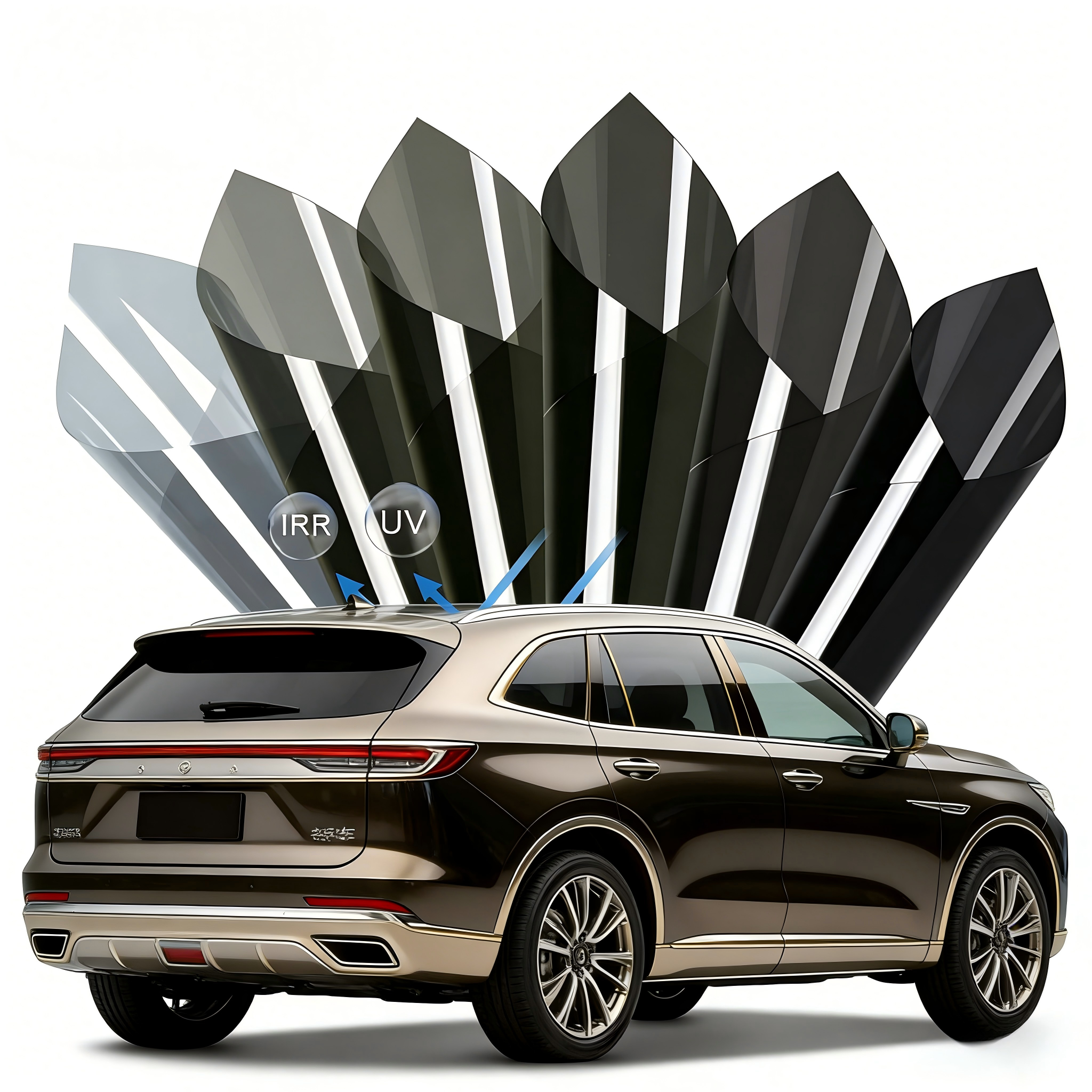
Material: Premium PET (Polyethylene Terephthalate) with Nano-Ceramic Coating
UV Protection: 99%
IRR: 85%, 90%
TSER: 53%, 66%, 94%, 88%, 84%, 75%
HAZE: 1.92, 0.55, 2.24, 2.68, 1.9, 1.88
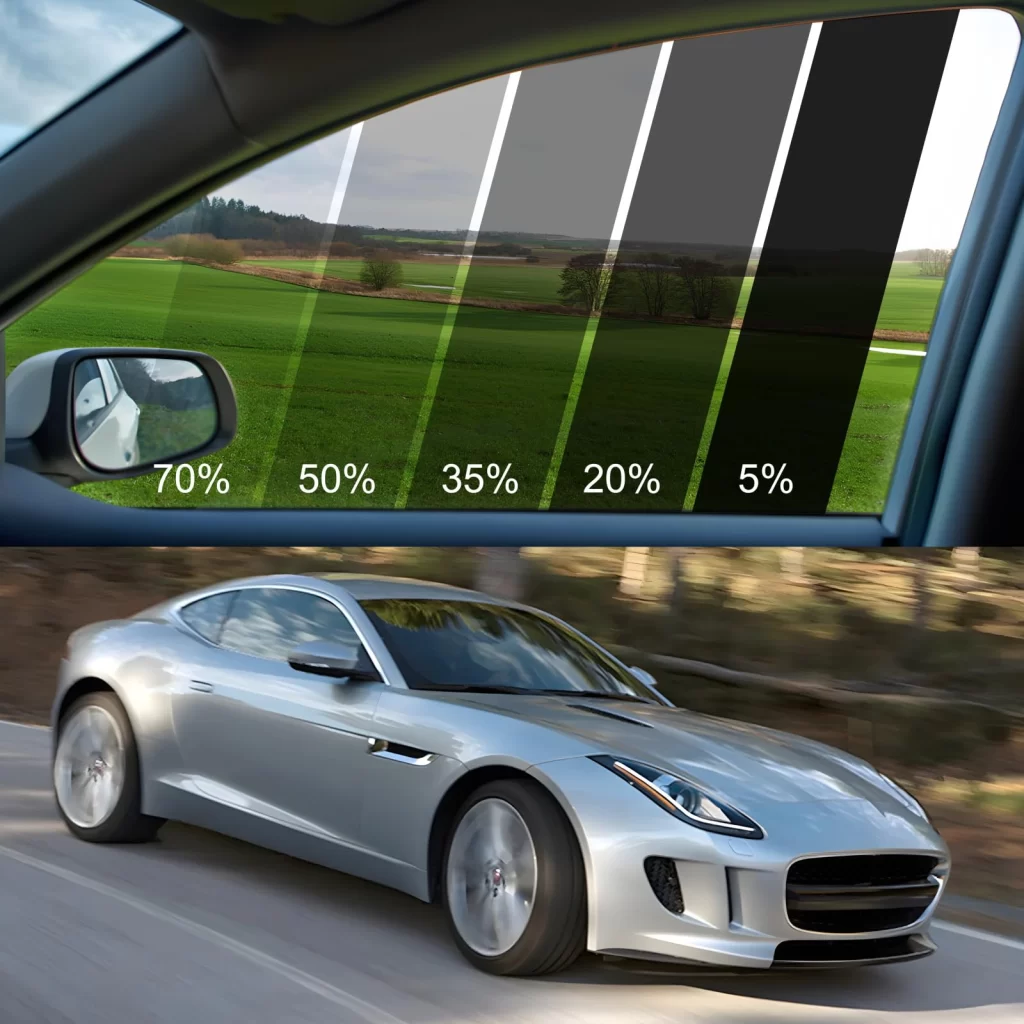
VLT Options: 75%, 50%, 35%, 15%, 10%, 5%
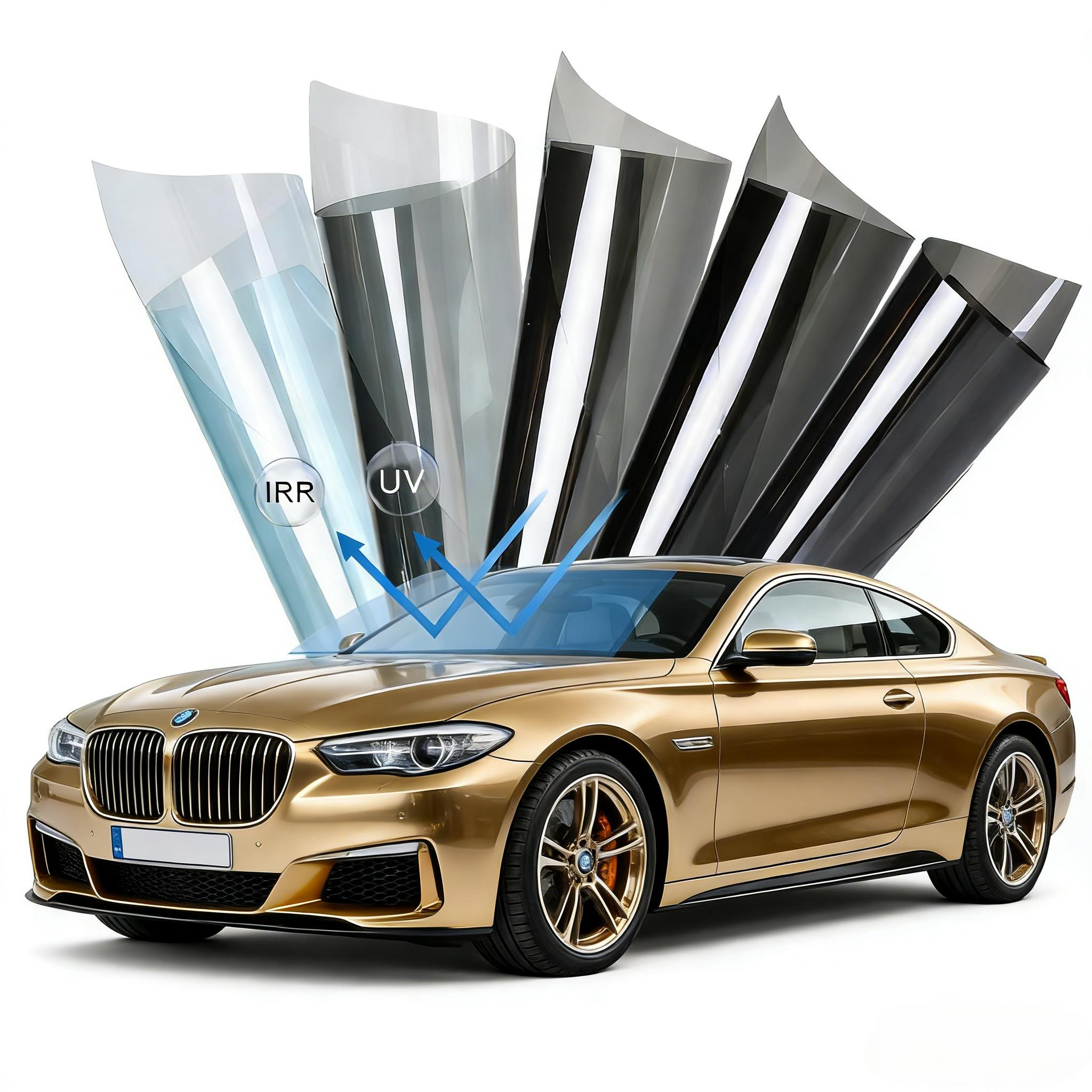
Material: Premium PET (Polyethylene Terephthalate) / Nano-Ceramic Composite
VLT Options: 75%, 50%, 35%, 20%, 10%, 5%, 1%
IR Rejection: 82%, 85%, 86%
UV Protection: 99%+
TSER: 42%, 60%, 75%, 83%, 86%, 95%
HAZE: 0.45, 0.68, 0.69, 0.34, 0.54, 0.45
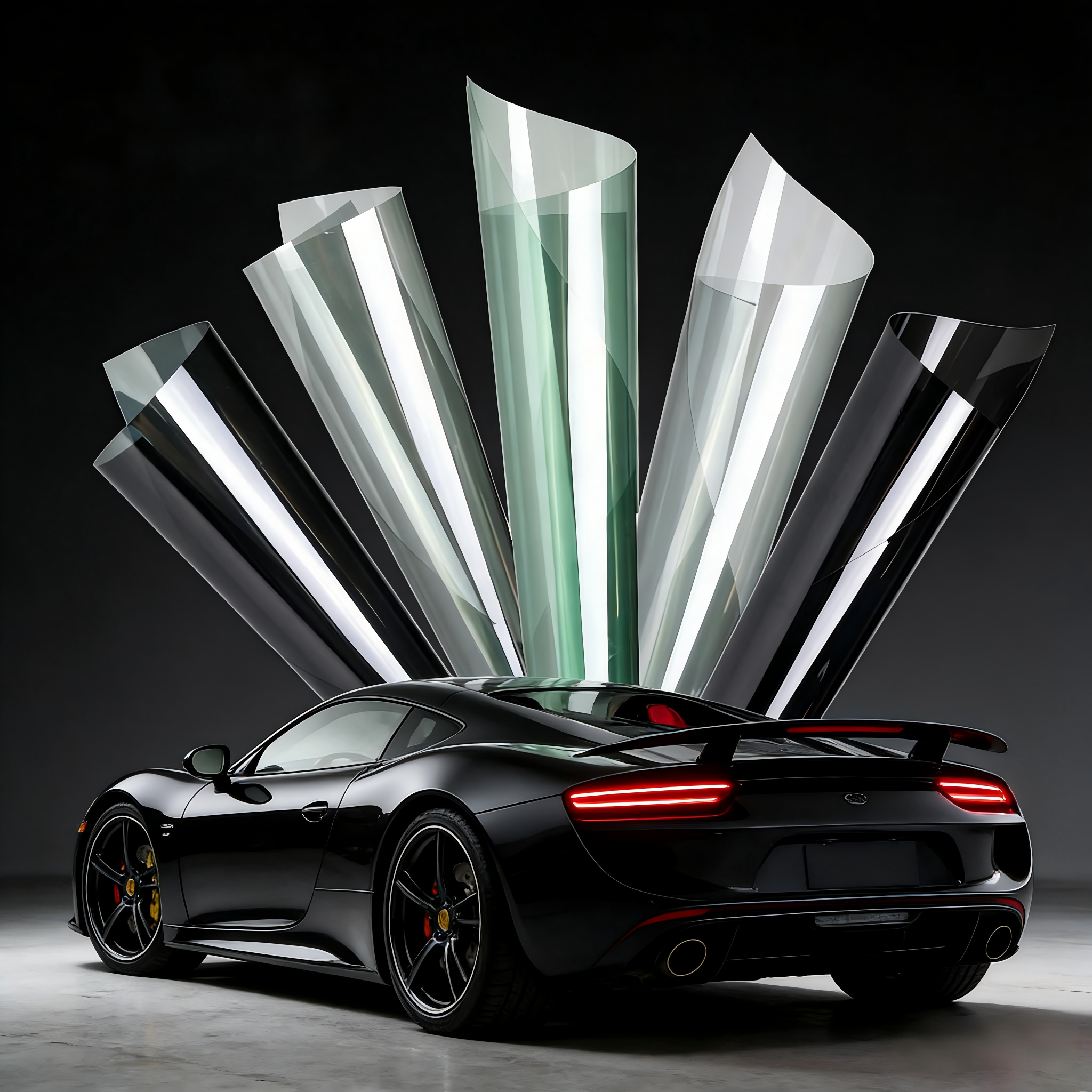
Material: Premium PET (Polyethylene Terephthalate) with Nano-Ceramic Coating
VLT Options: 65%, 60%, 40%, 20%, 5%
IRR: 95%
UV Rejection: 99%
TSER: 56%, 65%, 73%, 85%, 95%
HAZE: 0.25, 0.39, 0.72, 0.56, 0.41
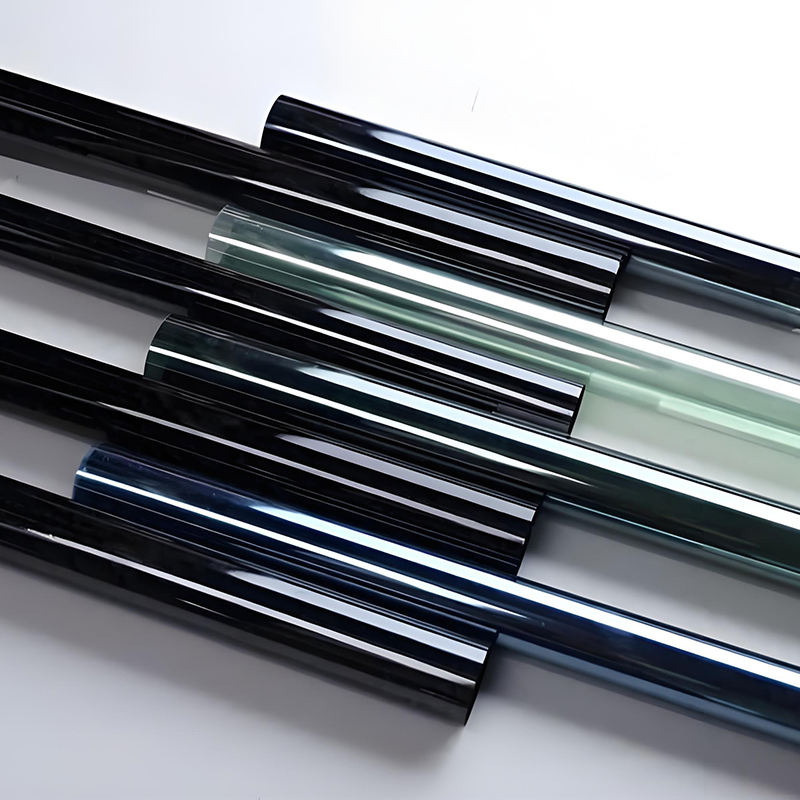
Material: Premium PET with Nano-Ceramic Coating
UV Rejection: 99%
IR Rejection: 99%
Heat Insulation: 95%
TSER: 58%, 70%, 77%, 87%, 93%,l 96%
HAZE: 0.42, 0.45, 0.52, 0.56, 0.54, 0.45
Nano Ceramic Car Window Film: Keeps You Cool, Your Interior Safe, and Your Signals Strong
You’ve seen them on the road—cars with windows so dark you can’t see the driver, others with a subtle sheen that changes color depending on how the light hits. You might have even considered getting some shade on your own windows. But here’s the thing most drivers don’t realize until it’s too late: not all window films are created equal, and picking the wrong one can leave you sweating in traffic while your GPS drops out for the third time this week.
That’s where nano ceramic car window film comes into the picture. It’s the technology that’s quietly taking over the automotive aftermarket, and for good reason. Let’s walk through what it is, why it matters, and whether it’s the right move for your ride.
First Things First: What Exactly Is Nano Ceramic Car Window Film?
You don’t need a chemistry lesson, but here’s the short version. Traditional window tints—the ones that have been around for decades—are made with dyes or metal particles. Dyes fade and turn purple over time. Metalized films reflect heat better but block your phone and GPS signals like a Faraday cage.
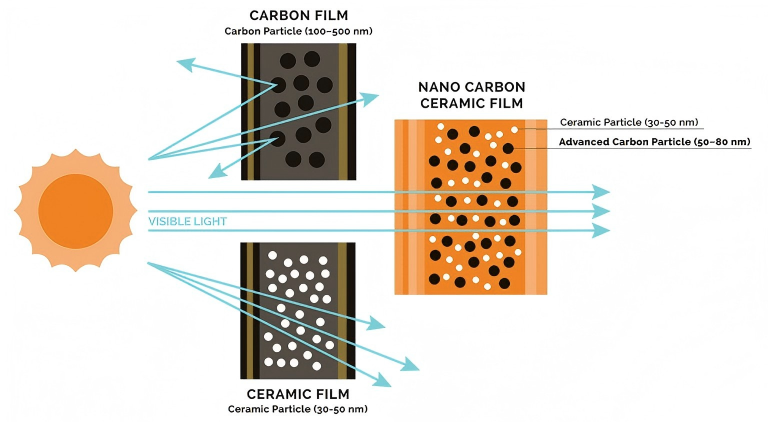
Nano ceramic, on the other hand, uses microscopic ceramic particles embedded directly into the film. These particles are incredibly small—we’re talking nanometers, which is one-billionth of a meter—and they’re non-metallic, non-conductive, and completely transparent in the visible light spectrum. What they do block is the parts of sunlight you don’t want: the ultraviolet radiation that damages your skin and interior, and the infrared heat that turns your car into a mobile sauna.
Because there’s no metal in the film, your electronics keep working perfectly. And because the technology is ceramic rather than dye-based, the film doesn’t fade, bubble, or turn purple after a few summers in the sun.
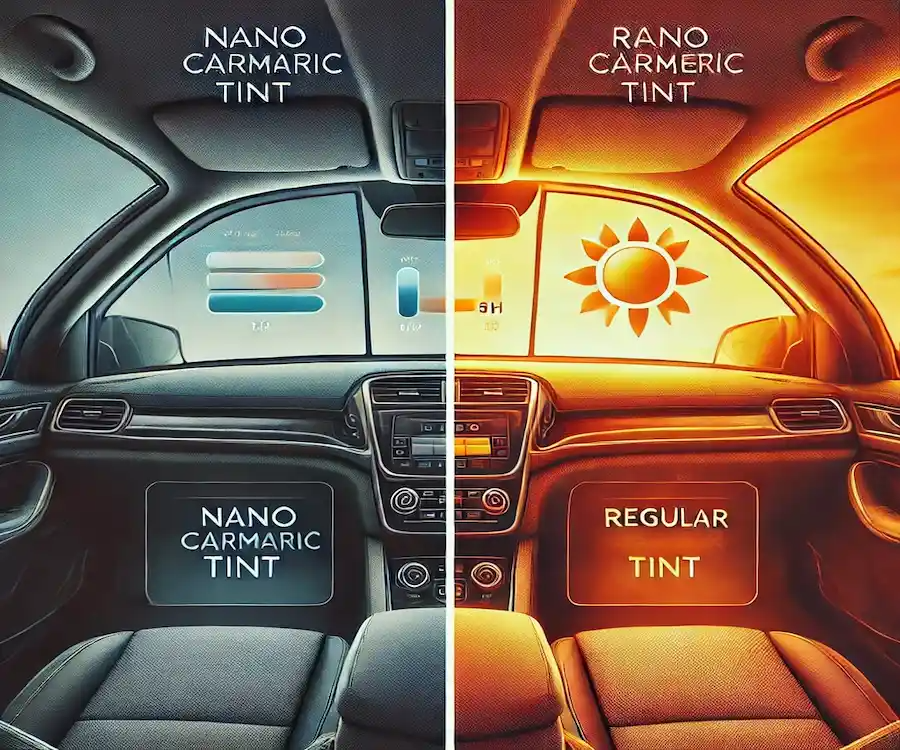
The Numbers That Actually Matter: TSER and IRR
If you’ve spent any time shopping for window film, you’ve probably seen terms like “IRR” and “TSER” thrown around. They sound technical, but they’re actually pretty simple once you know what to look for.
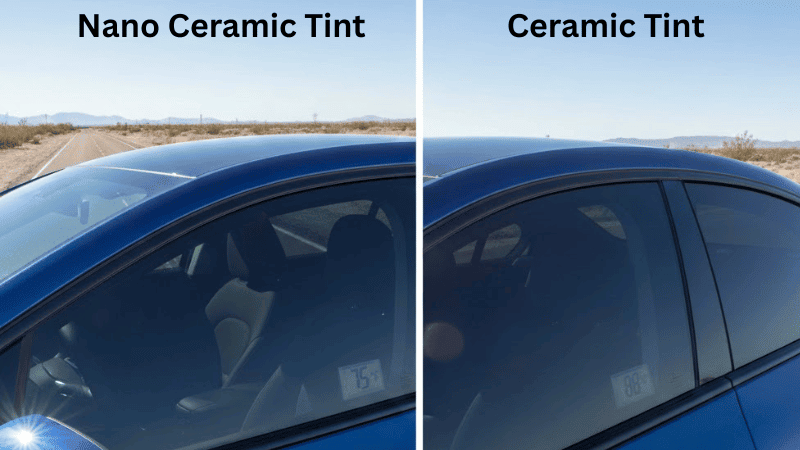
IRR (Infrared Rejection) measures how much of the sun’s infrared heat the film blocks. This is the stuff you feel radiating through your windows. A high-quality nano ceramic car window film can deliver up to 90% or more infrared rejection in real-world conditions, with some premium products reaching even higher numbers under ideal laboratory settings. That means less heat soaking into your cabin, your seats, and your steering wheel.
But IRR is only part of the story. The more honest number is TSER (Total Solar Energy Rejected) . This measures the film’s ability to block all three components of solar energy—infrared, visible light, and ultraviolet—combined. When you look at TSER alongside IRR, you get a complete picture of how much total heat the film is actually keeping out of your vehicle.
A top-tier nano ceramic window film balances both numbers beautifully. It blocks the heat you feel, the UV damage you don’t see coming, and enough visible light to keep your cabin comfortable without forcing you into limo-tint darkness.
What Makes Nano Ceramic Film Different From Everything Else?
Let’s be direct about this. There are basically four types of window film on the market, and knowing the difference will save you from a bad decision.
Dyed Film — This is the budget option. It uses pigment layers to darken the glass and absorb some heat. It’s cheap, but that’s about where the positives end. Dyed film fades quickly, turns purple in the sun, offers minimal UV and heat protection, and can bubble or peel after just a couple of years. If you’re keeping the car for more than a year or two, this isn’t the move.
Metalized Film — This takes a step up in heat rejection by using microscopic metal particles to reflect sunlight. It works better than dyed film, but it comes with a catch: the metal interferes with electronic signals. Your GPS might struggle, your radio could get static, and your phone might drop calls inside the car. The reflective finish can also look obvious and may not be legal in all areas.
Carbon Film — Carbon film sits in the middle. It uses carbon particles rather than metal, so there’s no signal interference. It offers decent heat rejection and good color stability. But the trade-off is optical clarity—carbon films tend to have a matte or slightly hazy appearance rather than the crystal-clear look most drivers want.
Nano Ceramic Film — This is the premium choice, and once you understand why, it’s hard to go back. The ceramic particles block infrared heat and UV radiation without darkening the glass to unsafe levels. There’s no metal, so your GPS, phone, and radio work perfectly. The clarity is exceptional, and the film doesn’t fade, bubble, or peel over time.
Why Your Sun-Baked Dashboard Will Thank You
Here’s something you might not have thought about. Over time, constant sun exposure destroys your car’s interior. Not in a dramatic way—more like water wearing down a rock. Faded seats, cracked dashboards, discolored trim, and brittle plastic panels are all signs that UV radiation and heat have been quietly doing their damage.
A nano ceramic car window film blocks up to 99% of harmful UV rays. That’s not a marketing exaggeration—it’s the real number. For context, the Skin Cancer Foundation recommends 99% UV blockage as the standard for effective protection. With that kind of UV shield on your windows, your interior materials stay looking newer for longer. Leather doesn’t crack. Fabric doesn’t fade. Plastic doesn’t turn brittle and gray.
And here’s the part that matters for you: UV protection isn’t just about your car’s resale value. It’s about your health. Prolonged UV exposure during driving has been linked to skin damage on the left side of the face and left arm for drivers in left-hand-drive countries. A quality nano ceramic film closes that gap without changing the way your windows look.
Heat Rejection That You Can Actually Feel
Let’s talk about the most immediate benefit: cabin temperature.
When sunlight hits your car, roughly half the heat comes from infrared radiation. A good nano ceramic car window film rejects the vast majority of that incoming infrared heat—think 80% to 90% depending on the specific product and VLT (visible light transmission) level. That means your air conditioning doesn’t have to work as hard. That means less fuel consumption (or better EV range). That means you’re not dreading the five-minute cool-down period every time you get in the car on a summer afternoon.
One of the beautiful things about nano ceramic technology is that it doesn’t rely on darkness to work. Even a lighter film—say 50% or 70% VLT, which looks almost clear—can deliver excellent heat rejection. That’s a game-changer for drivers who want the performance but don’t want their windows looking like a government limousine.
Zero Signal Interference: A Big Deal in 2026
This point deserves its own section because it’s where a lot of drivers get burned.
Metalized films use actual metal particles. Those particles reflect heat extremely well, but they also reflect radio frequencies. GPS signals, cellular data, Bluetooth, satellite radio, keyless entry systems, toll transponders—all of these can be weakened or blocked entirely by a metallic film.
Nano ceramic contains no metal. None. Zero. The ceramic particles are non-conductive and non-metallic, which means they don’t interfere with electromagnetic signals at all. Your GPS locks on instantly. Your phone calls stay clear. Your radio doesn’t crackle when you drive under power lines. Your E‑ZPass or toll transponder works on the first try.
In today’s connected vehicles, this isn’t a nice-to-have—it’s a must-have.
Clarity That Won’t Leave You Squinting at Night
Dark tint looks cool in a parking lot. But how does it look when you’re backing out of a dimly lit driveway at 11 p.m.?
One of the most overlooked advantages of nano ceramic car window film is its optical clarity. Because the ceramic particles are engineered at the molecular level, they don’t create haze, distortion, or excessive reflection. Even at lower VLT levels (meaning darker shades), the view from the inside remains sharp and clear.
For drivers who spend time on the road after dark, this is a massive safety feature. You get the heat rejection and UV protection you want without sacrificing night vision.
Shatter Resistance: An Extra Layer of Safety
Here’s a benefit that doesn’t get talked about enough. When you apply a quality window film to your glass, you’re adding a physical layer that helps hold broken glass together in the event of an impact. In an accident, if a window breaks, the film acts like a safety net—the glass cracks but the fragments stay largely in place rather than spraying into the cabin as dangerous shards.
This shatter-resistant property is built into high-quality nano ceramic films. It’s not the primary reason most people buy window tint, but it’s a meaningful safety upgrade that comes standard.
Professional Installation: Why It Matters
You can buy nano ceramic car window film online and try to install it yourself. You absolutely should not.
Proper installation requires a clean, temperature-controlled environment, specialized tools (squeegees, heat guns, slip solutions), and years of hands‑on experience. Windshields and side windows are curved surfaces. Without the right technique, you’ll end up with dust trapped under the film, visible air bubbles, creases at the edges, or lifting after a few months.
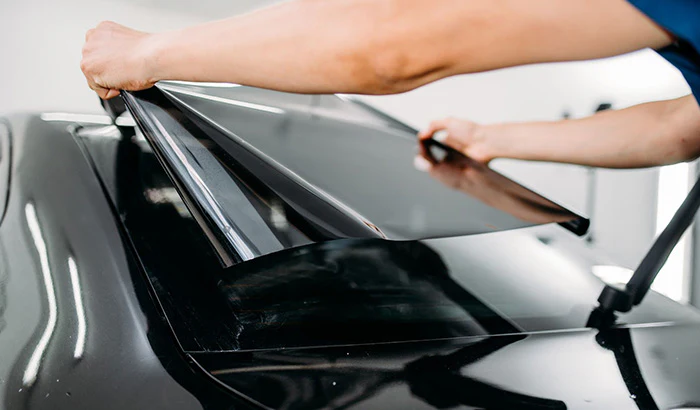
Here’s what a professional installation looks like: The technician starts by thoroughly cleaning the glass, often using tools like 0000 steel wool and razor blades to remove invisible contaminants that cause “fisheyes” under the film. The workspace is cleaned of airborne dust. The film is precision‑cut to match your exact window dimensions. A slip solution is applied to both the glass and the film’s adhesive side. The film is positioned carefully, then squeegeed from the center outward to remove air bubbles and excess solution. Edges are pressed and sealed. And finally, the film is allowed to cure.
After installation, avoid rolling your windows up or down for three to five days to let the adhesive bond fully. When you clean your windows, use only pH‑neutral, ammonia‑free cleaners and soft microfiber cloths. Harsh chemicals or abrasive materials can damage the film’s topcoat and reduce its performance.
A premium nano ceramic film installed professionally will deliver flawless performance for years. The same film installed poorly will look bad, perform worse, and fail early. Trust the professionals.
Frequently Asked Questions
Q1: What is nano ceramic car window film?
It’s a high‑performance window film made with microscopic ceramic particles that block infrared heat and UV radiation without darkening your view or interfering with electronics. Unlike dyed or metalized films, nano ceramic is durable, signal‑friendly, and optically clear.
Q2: How much heat can nano ceramic car window film reject?
A quality nano ceramic film can reject 80% to 90% or even more of infrared heat. The exact number depends on the specific product, VLT level, and testing conditions, but the improvement over basic dyed or carbon films is dramatic and immediately noticeable.
Q3: Will nano ceramic car window film affect my GPS or cell signal?
No. Because nano ceramic films contain no metal, they do not interfere with GPS, cellular signals, Bluetooth, radio reception, or toll transponders.
Q4: Is nano ceramic car window film legal on windshields?
Yes, in most regions, as long as the film’s visible light transmission stays above the legal minimum for your area. Many nano ceramic films are available in lighter shades (e.g., 70–80% VLT) that are fully compliant with windshield tint laws while still providing excellent heat and UV protection. Check your local regulations before installation.
Q5: Does nano ceramic car window film fade or turn purple over time?
No. Unlike dyed films, nano ceramic uses no pigments that degrade in sunlight. The ceramic particles are inherently stable and resist fading, bubbling, peeling, and discoloration for years.
Q6: How does nano ceramic car window film compare to carbon or metallic film?
Here’s a practical comparison:
| Feature | Nano Ceramic | Carbon | Metallic | Dyed |
|---|---|---|---|---|
| Heat Rejection | Excellent | Good | Moderate | Low |
| UV Protection | 99%+ | Good | Moderate | Minimal |
| Signal Interference | None | None | Significant | None |
| Clarity | Excellent | Moderate (matte) | Reflective | Moderate |
| Durability | Long-lasting | Good | Moderate | Fades quickly |
Nano ceramic outperforms every other option in the categories that matter most: heat rejection, signal safety, clarity, and long‑term durability.
Q7: Can I put nano ceramic car window film on my windshield?
Yes. Many drivers install a nearly clear nano ceramic film on their windshield to block UV and heat without altering visibility or attracting police attention. Make sure to choose a VLT level that complies with your local laws.
Q8: How do I maintain nano ceramic car window film?
Simple. Clean with a mild, pH‑neutral glass cleaner and a soft microfiber cloth. Avoid ammonia‑based products, abrasive sponges, and stiff brushes, as these can damage the film’s topcoat. After installation, give the adhesive three to five days to cure before rolling your windows down or cleaning.
Q9: How long does nano ceramic car window film last?
A high‑quality nano ceramic film, when professionally installed and properly maintained, can easily last a decade or more without significant degradation in performance or appearance.
Q10: Is nano ceramic car window film worth the extra cost?
For most drivers, yes. The combination of superior heat rejection, lifetime UV protection, zero signal interference, crystal clarity, and long‑term durability makes nano ceramic a smart long‑term investment. The comfort, safety, and interior preservation benefits justify the premium over cheaper alternatives.
Why Decowell Film Belongs on Your Shortlist
After reading all of this, you might be thinking: okay, nano ceramic is clearly the right technology. Now who actually makes the stuff worth buying?
Decowell Film has quietly built a reputation in the automotive aftermarket for delivering on its promises. Where some brands inflate their infrared rejection numbers with narrow‑band lab tests that don’t reflect real driving conditions, Decowell focuses on balanced performance—high IRR, strong TSER, and 99%+ UV blockage across the full solar spectrum.
What makes Decowell stand out is the combination of advanced nano‑ceramic construction and practical design for real‑world drivers. The microscopic ceramic particles are precisely engineered to target the near‑infrared wavelengths where most solar heat actually lives, while leaving visible light transmission unaffected. The result is a cooler cabin, protected interior, and clear outward visibility—all without the signal‑blocking headaches of metalized films.
Decowell nano ceramic car window film also offers impressive optical clarity. Even in darker shades, the view from inside remains sharp and undistorted, making night driving safer and more comfortable. And because the film contains no dyes or metals, it resists fading, bubbling, and discoloration year after year.
For professional installers, Decowell film is known for being workable and consistent—it conforms smoothly to curved glass, adheres reliably, and produces a bubble‑free finish when applied correctly. For vehicle owners, that means fewer installation headaches and a finished product that looks factory‑grade.
When you choose Decowell, you’re getting a product that balances performance, durability, and value without cutting corners. No marketing gimmicks. No inflated claims that disappear in the summer sun. Just genuine nano ceramic protection that works the way it should.
Ready to Make the Smart Upgrade?
Your car works hard for you every day. The least you can do is give it the protection it deserves—and give yourself the comfort you’ll feel every time you slide behind the wheel.
Decowell nano ceramic car window film delivers industry‑leading heat rejection, maximum UV protection, crystal‑clear visibility, zero signal interference, and long‑lasting durability. It’s the upgrade that keeps your interior from cooking, your skin from aging, and your electronics from glitching.
Contact Decowell today to talk about your vehicle, get product recommendations, request samples, or find a certified professional installer near you. Visit our website to explore the full range of nano ceramic automotive films. Your cooler, safer, more comfortable ride is just one installation away.