
PPF Is No Longer a “Luxury Extra”: What the 2026 Automotive Film Market Is Actually Telling Installers and Car Owners
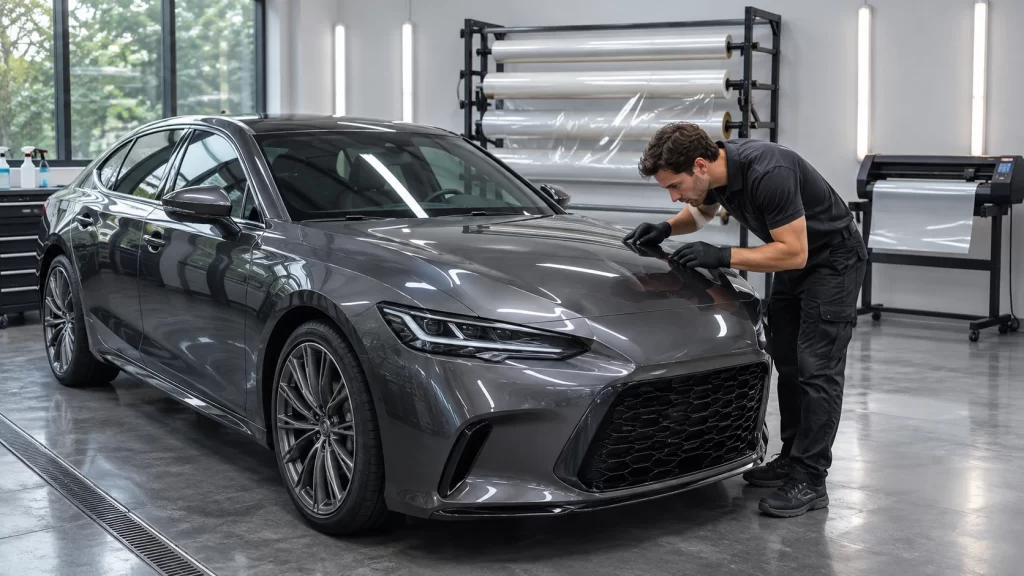
Something shifted in the paint protection film conversation over the past eighteen months. It is no longer just the Porsche owner asking about a clear bra, or the dealership adding a line item to the back-end menu. Independent shops are stocking color PPF next to clear film. Everyday drivers are asking about matte black for their trucks. And insurance brokers are suddenly fielding questions about whether a film counts as a “modification.”
That shift is not marketing noise. It shows up in market data, in product launches, and in the practical decisions installers and vehicle owners are making right now. This piece walks through what is changing in the PPF category, why it matters beyond the showroom, and where the real opportunity sits for shops and distributors looking at the next twelve to twenty-four months.
Pure PPF Colors: Colored Paint Protection Film in 2026
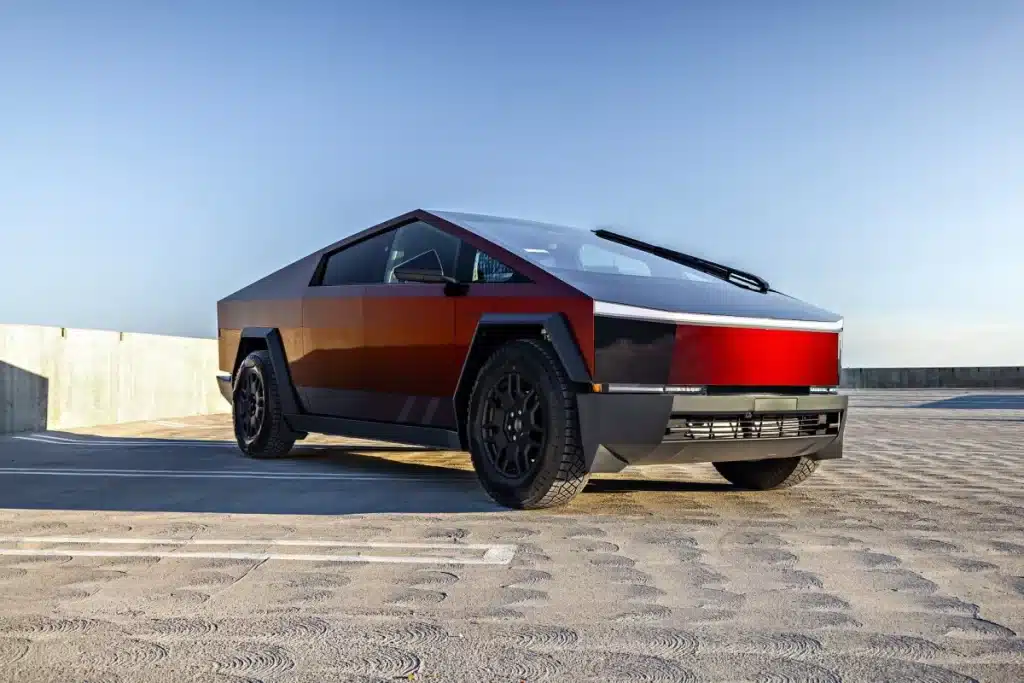
Something has shifted in the automotive world. A few years ago, if you wanted to change your car’s color, you’d go to a wrap shop and pick out a vinyl roll. It looked great for a couple of years, then started peeling, fading, or showing every road chip.
Headlight Paint Protection Film: Clearer, Better-Protected Headlights
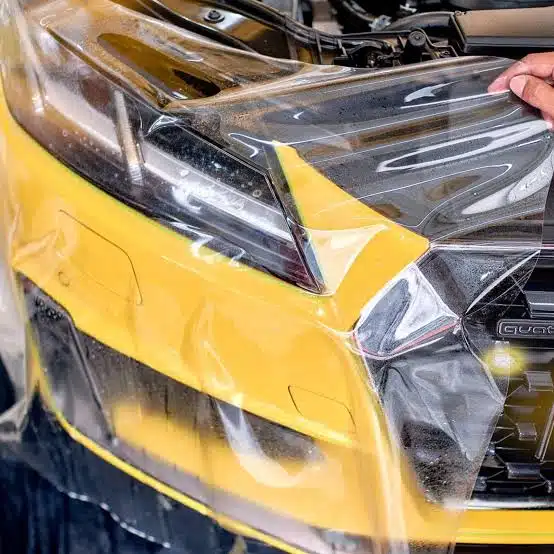
Every time you drive, the front of the vehicle is exposed to small stones, sand, insects, road grime, water, salt, harsh sunlight and repeated washing. The hood and bumper usually get most of the attention when people talk about vehicle protection, but the headlights are sitting in exactly the same impact zone.
How to Choose the Right PPF Distributor in 2026: Automotive Professionals
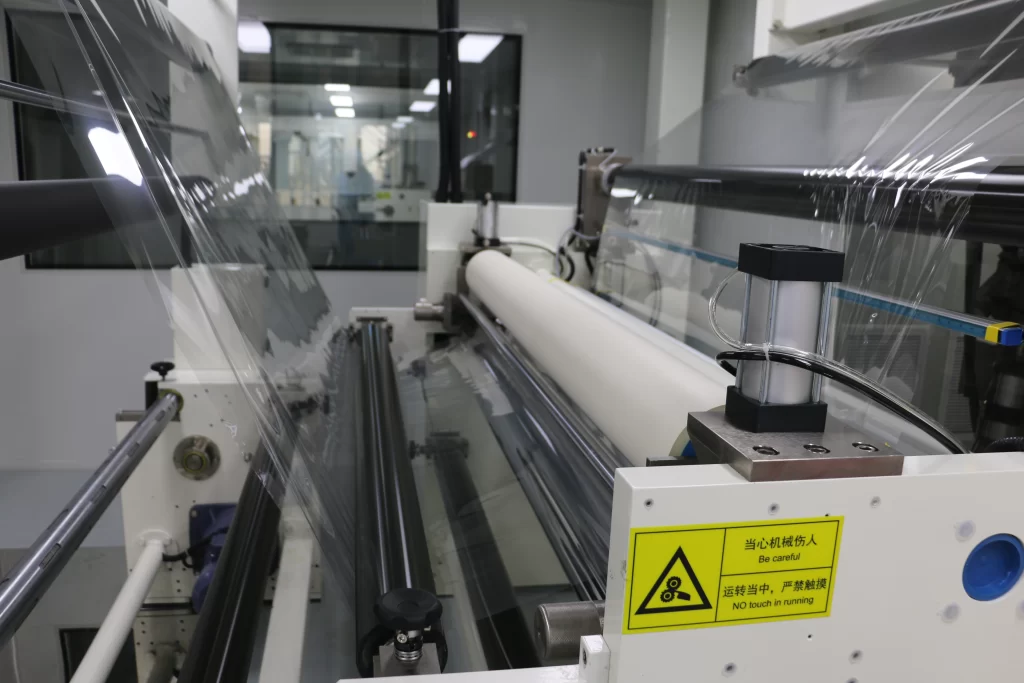
The automotive aftermarket has never been more competitive. If you run a detailing shop, an installation studio, or you’re looking to build a regional supply operation, one decision will shape your business for years to come: which PPF distributor you partner with.
PPF Spray: The Future of Car Paint Protection You Need to Know
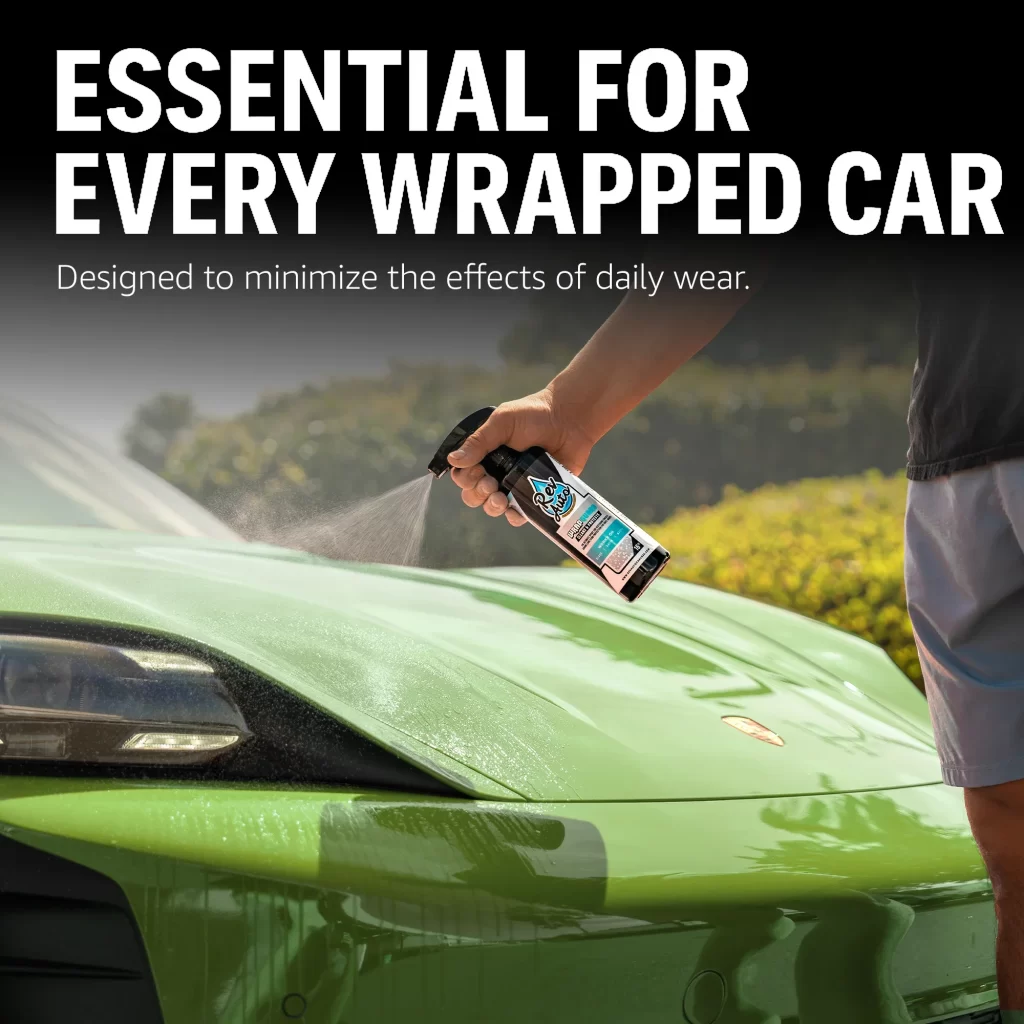
If you’ve ever watched a stray rock bounce off your hood and leave a tiny white chip behind, you know that sick feeling. Your car’s paint is under constant attack—from road debris, UV rays, bird droppings, acid rain, and everything else the road throws at you. For years, the go-to solution has been paint protection film (PPF), those clear adhesive sheets that wrap your car like a second skin. But there’s a new player in town that’s changing the game: PPF spray.
Car Wrap vs PPF: Which One Actually Makes Sense for Your Car?
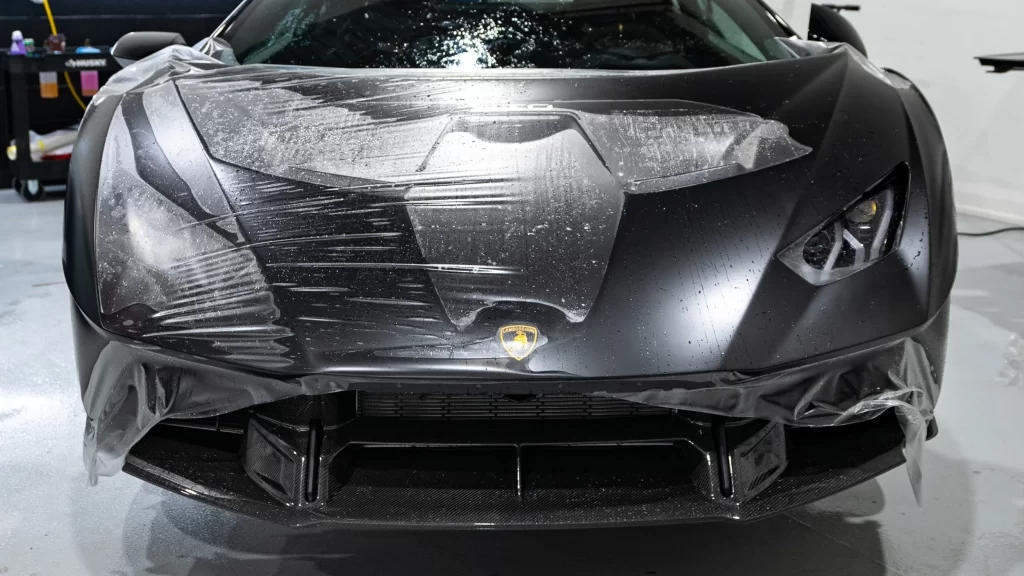
So you’re standing in your driveway, looking at your car, and you’ve got that thought creeping in. Maybe you want to give it a fresh new look. Maybe you’re tired of wincing every time a pebble kicks up on the highway. Maybe you just bought something nice and you want to keep it that way.
Plástico PPF: Your Vehicle’s Paint – Why Every Car Owner Needs Paint Protection Film
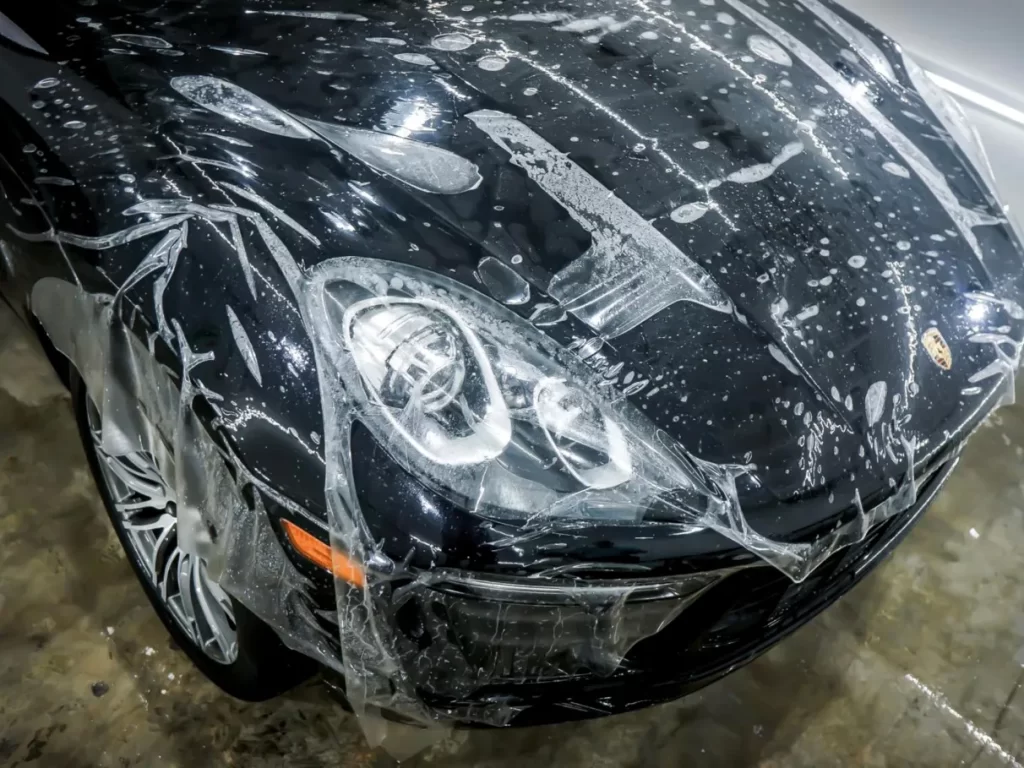
Let’s be honest – nobody likes seeing their car’s paint get destroyed by rocks, bugs, or the sun. You spend good money on your vehicle, and the last thing you want is a hood covered in chips or a bumper that looks like it’s been through a war zone.
Introduction: Why Your Car’s Paint Deserves Better
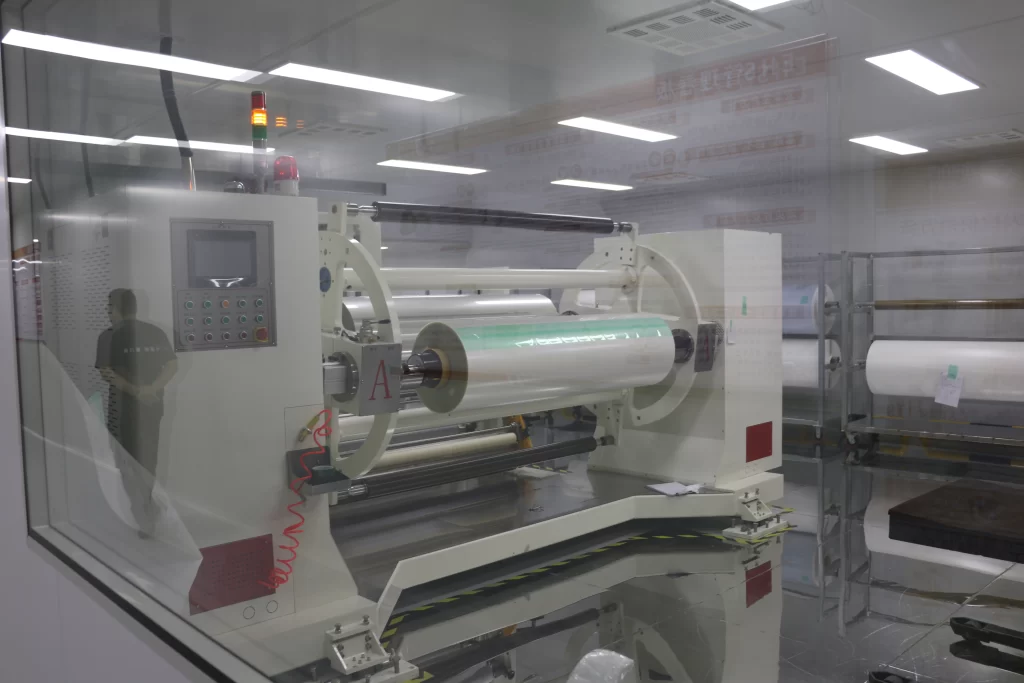
This guide covers everything you need to know about PPF car protection—what it is, how it works, the real pros and cons, and why choosing the right film matters more than you might think.
PPF Car Wrap: Paint Protection Film Guide for 2026
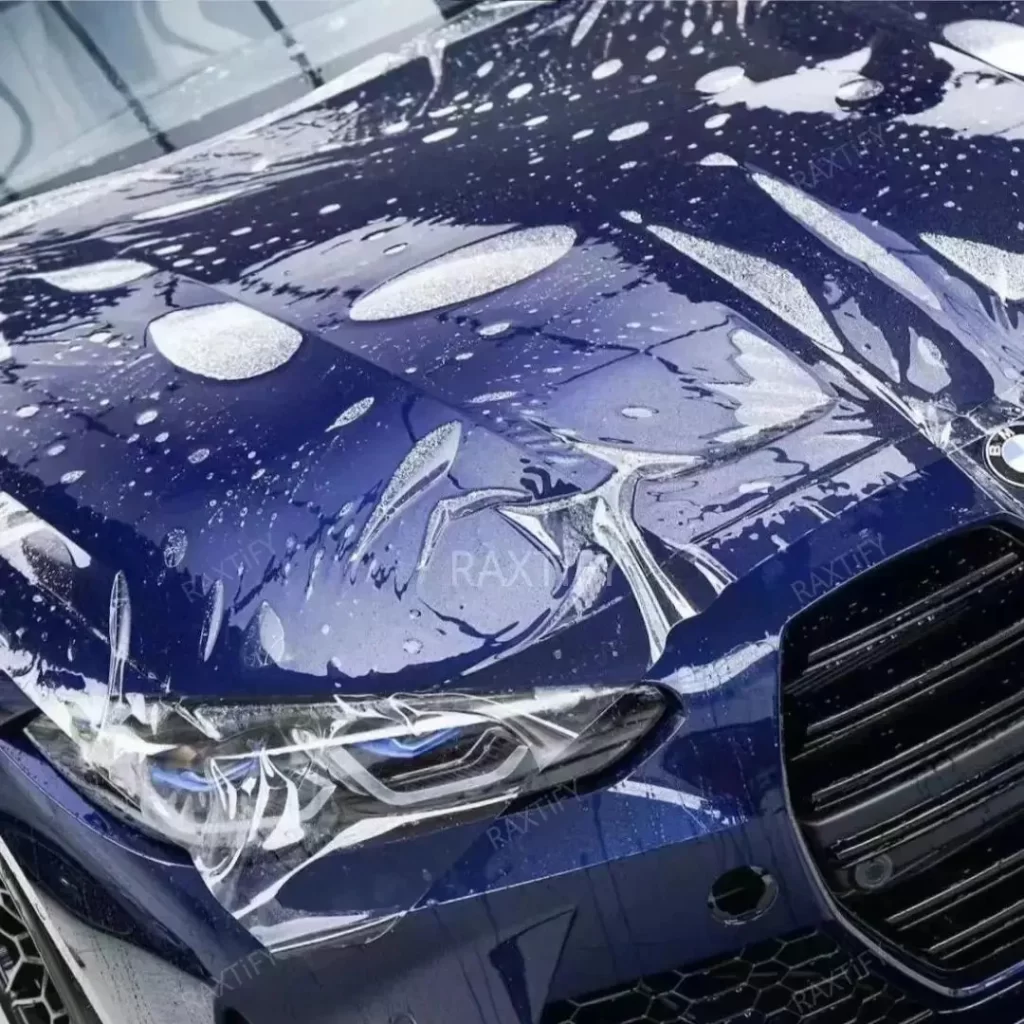
Modern PPF isn’t your grandfather’s “clear bra.” Today’s films are engineered with thermoplastic polyurethane (TPU) — a material originally developed for military applications to protect helicopter rotor blades from debris. The tech trickled down to motorsport, then to consumer vehicles, and now here we are. If you care about your car’s paint, you need to understand what PPF is, how it works, and why it’s worth your attention.
Wrap to Protect Car Paint: Paint Protection Film
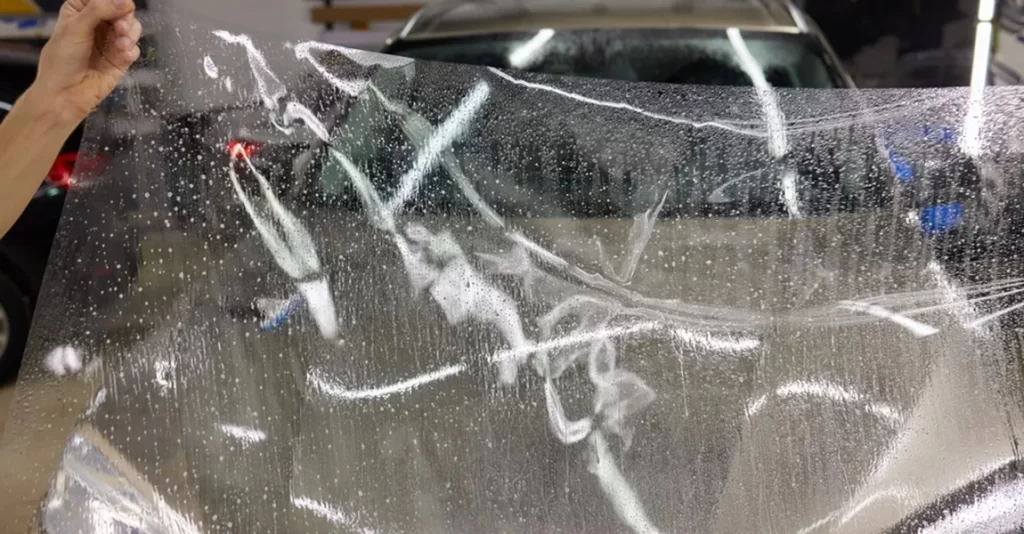
Anyone who’s ever owned a car knows the feeling. You wash it, wax it, admire the shine—and then a week later, you spot a tiny chip on the hood. Or a scratch on the door. Or that stubborn etching from bird droppings that just won’t buff out.