Home » Pure PPF Colors: Colored Paint Protection Film in 2026
Recent Posts
Pure PPF Colors: Colored Paint Protection Film in 2026
Introduction: Why Everyone Is Talking About Pure PPF Colors
Something has shifted in the automotive world. A few years ago, if you wanted to change your car’s color, you’d go to a wrap shop and pick out a vinyl roll. It looked great for a couple of years, then started peeling, fading, or showing every road chip. Protection? Barely any. If you wanted to protect your paint, you’d get clear PPF. But then your car stayed the same color forever.
Now? You can have both. That’s exactly why pure PPF colors have become one of the hottest topics in the detailing and car customization community. Colored paint protection film gives you a full color transformation and the self-healing, hydrophobic, impact-resistant protection of traditional clear film — all in one installation.
The global PPF market has been growing rapidly, and colored PPF has emerged as one of the strongest growth segments. According to industry data, colored PPF has become a major trend in vehicle customization over the past 12 to 18 months, with consumer awareness expanding beyond luxury buyers into mainstream markets. A significant driver of this surge is the introduction of color PPF products, which allow shops to capture the high-margin color change market while offering the superior protection that PPF provides.
Whether you’re an installer looking to expand your service menu or a vehicle owner wondering if colored paint protection film is worth it, this guide covers everything you need to know about pure PPF colors — the available finishes, real-world performance, installation insights, and what to look for when choosing a paint protection film.
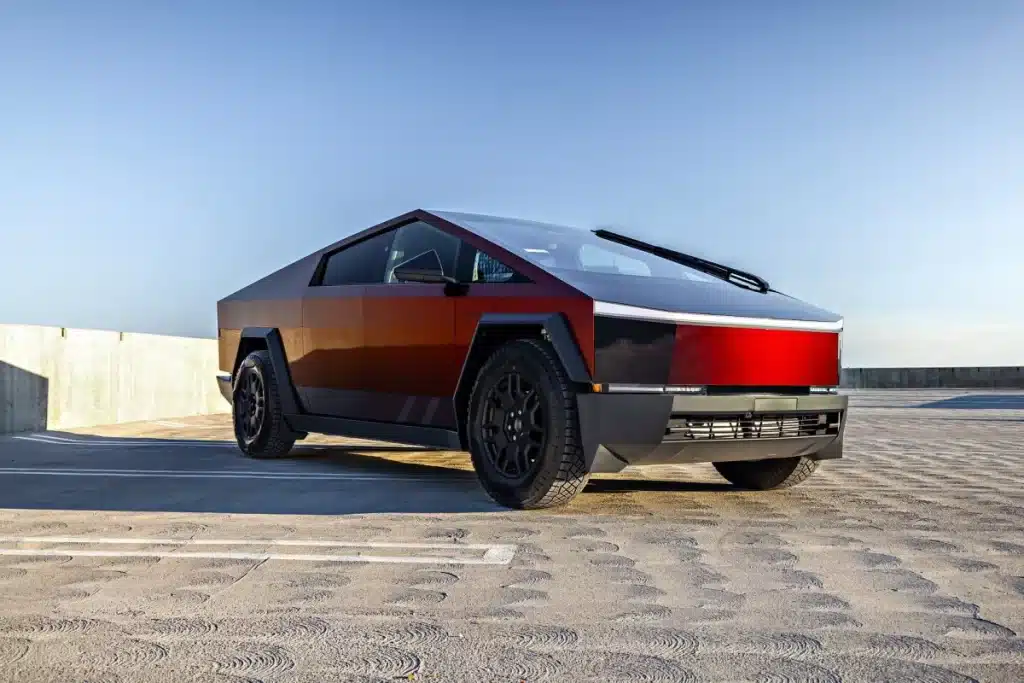
Table of Contents
What Makes Colored Paint Protection Film Different?
Before we get into the specific pure PPF colors, let’s clear up the biggest misconception: colored PPF is not just vinyl wrap with a different label. Far from it.
Vinyl wraps are typically 2–4 mils thick and made from PVC. Their job is purely aesthetic. Colored paint protection film, on the other hand, uses thermoplastic polyurethane (TPU) as its base material — the same engineering-grade polymer used in clear car paint protection film — and measures 7–9 mils in thickness, making it roughly three to four times thicker than vinyl.
Here’s what that thickness and material difference actually means in practice:
Self-healing capability. Minor scratches and swirl marks disappear when the film is exposed to heat — sunlight, warm water, or a heat gun. Vinyl doesn’t do this. That means your paint protection film keeps looking fresh even after brushes, road debris, or careless car washes.
Impact resistance. TPU absorbs and distributes impact energy far better than PVC. Rock chips, shopping cart nicks, and road debris bounce off instead of scarring your paint or the film itself.
Hydrophobic topcoat. The surface repels water, dust, bird droppings, and chemical contaminants. This isn’t just about looking cleaner — it also resists staining from substances like tree sap and road salt, which can permanently etch vinyl.
UV stability. Premium colored PPF is engineered with UV inhibitors that prevent yellowing, fading, and discoloration. Vinyl degrades much faster under intense sun exposure.
The key takeaway here is that colored PPF isn’t a compromise. You’re not sacrificing protection for style, or vice versa. It’s genuinely a “best of both worlds” product — and that’s exactly why pure PPF colors have generated so much interest across the detailing industry and among vehicle enthusiasts.
The Complete Range of Pure PPF Colors and Finishes
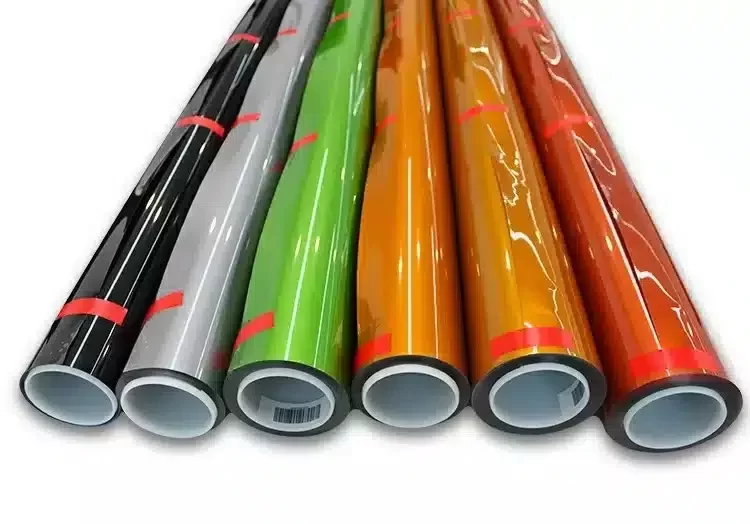
One of the reasons pure PPF colors have gained so much traction is the sheer breadth of the color palette. Modern colored PPF lines cover well over 90 unique colors across multiple finish categories, giving vehicle owners and installers an enormous range of options. Let’s break down each category and what makes it stand out.
Gloss / Ultra-Gloss Series
The gloss range is the closest thing to a factory paint finish you can get from a film. These pure PPF colors are formulated for high optical clarity and deep color saturation, mimicking the look of a freshly sprayed and polished OEM finish.
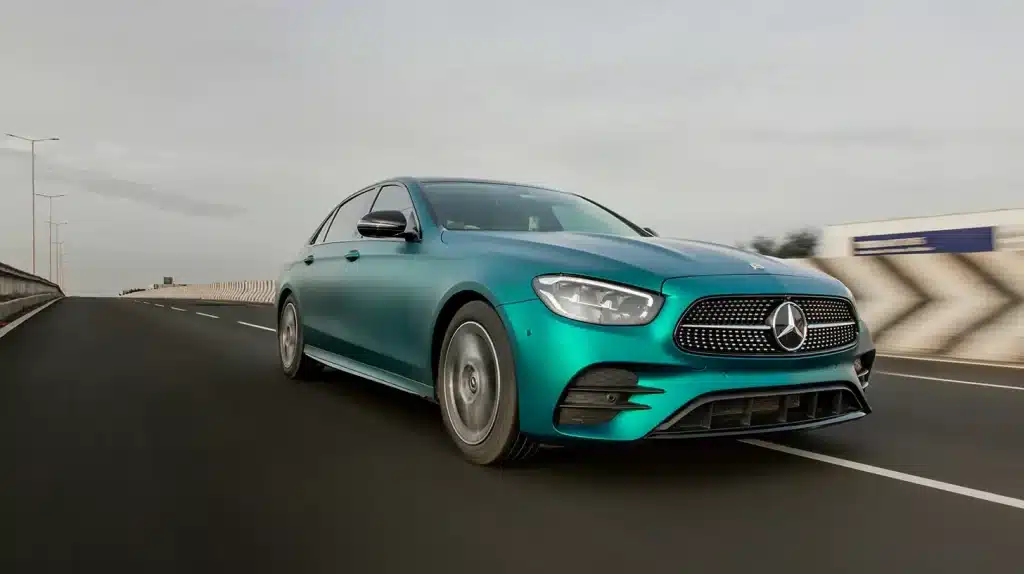
Popular gloss tones include classic solid colors like British Racing Green, Miami Blue, Signal Yellow, and clean whites and blacks. The advanced top coating on these films eliminates the “orange peel” texture that’s common with lower-quality wraps, producing a mirror-like surface that looks indistinguishable from factory paint even under showroom lighting.
The gloss series works especially well on dark metallic paints, luxury sedans, sports cars, and any build where you want that “wet look” depth and reflectivity. When professionally installed and combined with proper paint correction underneath, the visual result is genuinely striking — deeper reflections, smoother texture, and enhanced gloss perception across the entire body.
Best suited for: Luxury vehicles, show cars, dark-colored builds, and anyone who wants maximum gloss.
Satin Series
If you want something between high-gloss and flat matte, satin is the answer. Satin finishes retain some reflectivity but mute the shine significantly compared to gloss, giving the vehicle a sleek, modern appearance without going fully stealth.
Satin PPF has become particularly popular on daily drivers because it hides surface imperfections better than gloss — swirl marks, light scratches, and water spots are far less visible on a satin surface. It also tends to conceal dust and fingerprints better than gloss, which means less frequent cleaning to keep it looking good.
Common satin pure PPF colors include Satin Black, Satin Khaki Green, Satin Rose Gold, and various satin metallic tones. Satin black, in particular, has been described as hitting the “sweet spot” between glossy and flat — low-reflection but not completely dead, like a “factory frozen” finish that looks expensive without being too dull.
Best suited for: Daily drivers, EVs, SUVs, and anyone who wants a modern look without the maintenance demands of gloss.
Matte / Stealth Series
Matte PPF completely suppresses reflections, creating a flat, understated surface that absorbs light rather than bouncing it back. This finish transforms glossy factory paint into something that looks like it rolled out of a stealth hangar.
Matte Military Green and Matte Phantom Blue have been among the fastest-growing matte pure PPF colors heading into 2026. Satin Black and Matte Black continue to be the year-after-year bestsellers — they match perfectly with blacked-out trim, dark wheels, and performance parts to create a unified aggressive aesthetic.
One important note: matte surfaces require specific maintenance. You can’t polish or wax them, and you’ll need matte-specific cleaners. But the payoff is a genuinely unique look that no gloss finish can replicate.
Best suited for: Stealth builds, SUVs, trucks, off-road vehicles, and performance cars where you want an aggressive, no-nonsense aesthetic.
Metallic Series
Metallic colored PPF adds depth and dimension through embedded metallic flake in the film construction. These pure PPF colors replicate the look of premium OEM metallic paint, with flakes that catch light and shift as you move around the vehicle.
The effect is subtle but noticeable — under direct sunlight, the metallic particles create a sparkling depth that solid colors can’t achieve. Popular choices include Metallic Frozen Blue, Metallic Mamba Green, and various metallic silvers and grays.
Best suited for: Performance cars, premium SUVs, show vehicles, and builds where you want that extra layer of visual sophistication.
Color-Shift / Chameleon Series
This is where things get really interesting. Color-shift PPF uses multi-angle pigment technology that changes color depending on the viewing angle and lighting conditions. From one angle, the car might look deep blue; from another, it shifts to purple or green.
These films are highly expressive and have become a favorite in the tuning and show car community. They’re not subtle, but that’s the point — pure PPF colors in the color-shift range are designed to make a statement.
Best suited for: Show builds, tuner culture, demo vehicles, and anyone who wants maximum visual impact.
Liquid / Wet-Look Series
Liquid-series colored PPF takes gloss to the extreme. These films are engineered for maximum visual depth, creating a “flowing” effect where the color appears to have dimension and movement beneath the surface.
The effect is similar to looking into a deep pool of colored liquid — hence the name. Colors in this range tend to be rich, saturated tones that benefit from the liquid depth effect. Dark reds, deep blues, and black tones work particularly well here.
Best suited for: Exotic cars, show vehicles, and tuning builds where you want a jaw-dropping finish.
Pure PPF Colors: What’s Trending in 2026
The color landscape for PPF is constantly evolving, and staying on top of trends helps both installers and vehicle owners make informed decisions. Here’s what’s hot right now.
Green Is Having a Moment
According to BASF’s automotive color report, green became the strongest-growing chromatic signal worldwide, with the market moving further toward individuality and nature-inspired tones. In the PPF world, this translates to strong demand for Matte Military Green, Satin Khaki Green, and dark metallics with green undertones.
Green works especially well on larger vehicles — installers report it’s a hit on Cybertrucks, off-road builds, and luxury SUVs where the deep earthy tone gives the vehicle a tough, capable personality.
Phantom Blue Is the Rising Star
If there’s one color that’s generated the most buzz heading into 2026, it’s Phantom Blue. This finish starts with a deep black base but reveals subtle blue tones when sunlight hits it. The matte surface cuts glare while the blue peeks through just enough to highlight the vehicle’s curves — creating a custom-built feel that looks different from every angle.
Satin Neutrals Keep Winning
Warm satin neutrals — think sand, taupe, warm gray — have been gaining traction as more vehicle owners look for sophisticated, understated tones that still feel custom. These aren’t flashy colors, but they photograph beautifully and age well across different vehicle styles.
Color-Shift Continues to Fascinate
Multi-angle color-change films remain a niche but passionate segment. As the technology improves and more colors become available, we expect to see color-shift PPF expand beyond show cars into more everyday builds.
How to Choose the Right Pure PPF Color for Your Vehicle
With so many options, choosing the right colored paint protection film can feel overwhelming. Here’s a practical framework to narrow things down.
Consider your vehicle’s body lines. Modern, angular vehicles often complement matte and satin finishes because the flat surface emphasizes the sharp creases and geometric shapes. Classic and luxury vehicles typically suit gloss finishes that preserve the original design intent.
Think about maintenance reality. Gloss finishes show dust, fingerprints, and water spots more readily. Satin and matte finishes hide imperfections better but require specialized cleaning products. If you’re a “wash it every two weeks” person, satin or matte might actually be easier to live with than gloss.
Match the finish to your driving environment. If your car sees a lot of highway miles and outdoor parking, satin and matte finishes tend to look cleaner longer between washes. Gloss PPF demands more frequent care to maintain that mirror finish.
Don’t overlook the color’s resale potential. Some colors have broader appeal than others. If resale value matters, classic gloss colors and satin black tend to hold up well. Highly specific color-shift or custom tones are more personal — which is fine if you’re planning to keep the car.
Get samples in person. Color swatches look different under indoor lighting versus direct sunlight. Always view physical samples on an actual vehicle panel before committing.
Installation Insights: What Installers Should Know About Pure PPF Colors
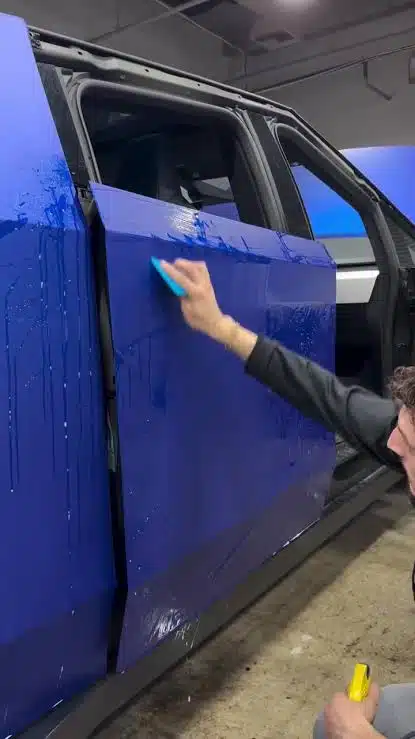
Colored PPF installation is a different discipline than clear film work. The material behaves differently, and mistakes are far more visible because the film is colored rather than transparent. Here’s what experienced installers have learned.
Slip Ratio and Tack Management
The initial tack on quality colored PPF tends to be moderate-to-low, which is actually an advantage on horizontal panels like hoods and roofs. You can reposition the film multiple times before it locks down, reducing waste on complex patterns.
But on vertical panels — lower doors, bumpers, rear quarter panels — that same low tack becomes more sensitive. Overuse of slip solution can cause the film to drift under its own weight. Experienced installers switch to a thicker gel mix and reduce solution volume on vertical surfaces to keep everything stable during placement.
Edge Finishing Is Non-Negotiable
This is where colored PPF separates the professionals from the amateurs. Without consistent post-heating around 50–60°C and firm edge rolling, colored film can develop micro-lift points after a few heat cycles — and those lifted edges are much more visible on colored film than on clear.
The key is standardizing your post-heat process. Don’t rush it, don’t skip it. Every edge that gets wrapped needs proper heat and pressure.
Stretch Technique Matters More
Colored TPU has strong elasticity, but it doesn’t respond well to being aggressively forced around complex curves. When overstretched on bumpers or tight body lines, the film can hold tension and try to relax later after curing — creating visible distortion or lift marks.
The right approach: position first, then use heat to let the film conform naturally. This makes a big difference on modern EV bumpers and sharp body lines, where aggressive stretching will almost always cause problems.
Dust and Contamination Control
Because colored film has such high optical clarity, even microscopic dust particles become visible under angled light. This is especially true on dark colors. Colored car paint protection film installation demands tighter prep standards — cleaner spaces, better panel inspections, slower final squeegee passes.
When Colored PPF Isn’t the Right Choice
Not every job calls for colored PPF. Here are situations where a different product might make more sense:
Budget-first customers. Colored TPU costs more than standard vinyl. If the client only wants a temporary cosmetic change at the lowest possible price, vinyl is the more practical option.
Older vehicles with failing clear coat. Premium PPF adhesive is designed for properly bonded OEM paint. On weak or deteriorating surfaces, no film will perform consistently, and removal later can become risky.
Rushed turnaround jobs. Colored PPF rewards patience, especially during edge finishing, post-heating, and curing. If a shop tries to rush it, the final result suffers.
Protecting Your Investment: Maintenance Tips for Colored PPF
Once your colored paint protection film is installed, how you care for it determines how long it looks great.
The first 7 days matter most. Avoid washing your vehicle, and don’t expose the film to automatic car washes or harsh chemicals during the initial curing period. This gives the adhesive time to form a complete bond with your paint.
Hand washing is always the safest option. Use a pH-neutral soap and a soft microfiber wash mitt. Avoid abrasive brushes, sponges, or any products containing petroleum distillates or solvents.
Skip the automatic brush wash. Those spinning brushes are the enemy of any film, colored or clear. They can cause micro-scratches that dull the finish over time. Touchless washes are acceptable, but hand washing is still best.
Self-healing works — but give it heat. If you notice light scratches or swirl marks, park the car in direct sunlight for a while, or pour warm water over the affected area. The heat triggers the self-healing polymers and the film returns to its original smooth surface.
For matte and satin finishes, use matte-specific cleaning products. Never wax or polish a matte surface — you’ll create shiny spots that ruin the uniform finish.
Address contamination quickly. Bird droppings, tree sap, and bug splatter should be removed as soon as possible. The hydrophobic topcoat buys you some time, but extended exposure to acidic contaminants can still leave marks.
The Future of Pure PPF Colors
Looking ahead, the colored PPF segment is only getting stronger. Two significant forces are driving this.
First, consumer awareness. Social media and digital content have demystified PPF. Vehicle owners now understand the value proposition: PPF is an insurance policy that preserves their vehicle’s finish and maximizes resale value, especially as new car prices continue to climb. As more people see colored PPF on social media — on Teslas, Cybertrucks, BMWs, and Porsches — demand grows.
Second, manufacturer investment. Major players across the industry are introducing new color PPF lines, dry-apply technologies, and expanded color palettes. This competition drives innovation in film construction, topcoat technology, and installation friendliness.
We’re also seeing growing interest in hybrid solutions — colored PPF combined with ceramic coating for additional hydrophobic performance and easier maintenance. The two products complement each other well, and the combination is becoming a standard upsell in many detailing shops.
Top 10 Pure PPF Colors You Should Know About
Here’s a quick reference to the pure PPF colors that are generating the most interest across the industry right now — whether you’re an installer stocking your shop or a vehicle owner planning your build.
1. Satin Black. The undisputed heavyweight champion of colored PPF. Low-reflection, factory-frozen look that pairs perfectly with blacked-out trim and dark wheels. The safe bet that never goes out of style.
2. Matte Military Green. Tough, earthy, and aggressive. This color has exploded in popularity on SUVs, trucks, and the Cybertruck. Works especially well with off-road builds and lifted vehicles.
3. Phantom Blue (Matte). Deep black base with subtle blue undertones that reveal themselves in sunlight. A color-shift effect without any gloss — mysterious and modern.
4. British Racing Green (Gloss). A timeless classic that looks incredible on luxury sedans and sports cars. Deep, rich, and sophisticated — the kind of color that makes people stop and stare.
5. Satin Rose Gold. A warm neutral with metallic depth that photographs beautifully. Popular on premium EVs and luxury SUVs.
6. Miami Blue. Bright, bold, and unapologetic. This gloss blue pops under sunlight and works exceptionally well on sports cars and performance builds.
7. Satin Khaki Green. A more polished take on the green trend. Subtle glow that feels premium rather than utilitarian — ideal for luxury SUVs and crossovers.
8. Signal Yellow. High-impact and head-turning. This gloss yellow is for builds that demand attention.
9. Obsidian Purple. Deep, dark purple with rich saturation. A favorite among car owners who want a visual upgrade that’s elegant rather than loud.
10. Liquid Sapphire. Part of the liquid-effect series, this finish creates a flowing, three-dimensional appearance that changes with the light. Show-car caliber.
FAQ: Pure PPF Colors
Q: What exactly are pure PPF colors?
Pure PPF colors refer to paint protection film that comes in a range of colored finishes rather than just clear. These films are made from TPU (thermoplastic polyurethane) with pigment integrated directly into the film structure, allowing them to deliver both a full color transformation and the protective benefits of traditional clear PPF — self-healing, hydrophobic, impact-resistant, and UV-stable.
Q: How long do colored paint protection film installations typically last?
With proper installation and maintenance, quality colored PPF lasts significantly longer than traditional vinyl wraps. Vinyl typically degrades within 3–5 years, while colored TPU film is engineered to hold up for 7–10+ years under normal conditions. Environmental exposure, washing habits, and parking conditions all affect longevity.
Q: Can colored PPF be removed without damaging the paint?
Yes. Quality colored PPF is designed to be removable without harming properly bonded OEM paint. However, removal should always be performed by trained professionals using controlled heat and proper technique. On vehicles with pre-existing paint issues — failing clear coat, previous repaints, or questionable surface prep — removal can carry more risk.
Q: Is colored PPF harder to install than clear PPF?
Colored PPF is generally more forgiving in terms of repositioning, thanks to moderate initial tack levels. But it’s less forgiving when it comes to dust contamination and edge finishing. Because the film is colored rather than transparent, mistakes like lifted edges or trapped debris are far more visible. Experienced installers say the material rewards consistency and discipline in the process.
Q: Can I apply ceramic coating on top of colored PPF?
Absolutely. Many detailers recommend applying a ceramic coating over colored PPF for additional hydrophobic performance and easier maintenance. The coating adds a sacrificial layer that makes washing even easier and provides extra protection against water spots and contaminants.
Q: Do all colored PPF colors have self-healing properties?
High-quality colored PPF from reputable manufacturers uses the same self-healing topcoat across all color and finish options — gloss, satin, matte, metallic, liquid, and color-shift. Minor scratches and swirl marks disappear with heat exposure regardless of color. This is one of the key advantages colored PPF has over vinyl wrap.
Q: What’s the difference between matte and satin colored PPF?
Matte PPF suppresses reflections entirely, creating a completely flat surface with no shine — think chalkboard texture. Satin PPF sits between gloss and matte: it reduces reflectivity significantly but retains a subtle sheen that preserves the definition of the vehicle’s body lines. Satin tends to be more practical for daily drivers because it hides imperfections and dust better than either gloss or matte.
Q: How do I maintain colored PPF after installation?
Hand wash with pH-neutral soap and a soft microfiber mitt. Avoid automatic brush washes entirely. For matte and satin finishes, use matte-specific cleaning products and never wax or polish. Remove bird droppings, tree sap, and bug splatter promptly. Light scratches self-heal with sun exposure or warm water. Follow these guidelines and your colored PPF will stay looking fresh for years.
Choosing the Right Colored PPF Supplier
The colored PPF market is growing fast, and that means more suppliers are entering the space. Not all colored PPF is created equal, though. When evaluating a supplier, here’s what matters:
Film construction quality. Look for aliphatic TPU construction with multi-layer architecture. The topcoat technology determines self-healing speed, hydrophobic performance, and UV resistance. Lower-grade films may use aromatic TPU, which yellows faster and doesn’t perform as well over time.
Color consistency and depth. Premium colored PPF uses pigment integrated into the TPU resin rather than printed or laminated color layers. This ensures stable, true-to-design color that doesn’t fade or shift unevenly.
Installer support. A good supplier provides technical support, training resources, and installation guidance. Colored PPF is more demanding to install than clear film, and having a supplier who understands the challenges makes a real difference.
Color range and availability. The breadth of the color palette matters — not just in terms of variety, but in consistent availability. Running out of a popular color mid-project is a real problem for shops.
After-sales support. What happens if a customer has an issue? Responsive warranty support and replacement policies separate professional suppliers from fly-by-night operations.
Final Thoughts: Why Colored PPF Is the Future
The shift toward colored paint protection film isn’t a fad. It’s a structural change in how vehicle owners think about protection and customization. Instead of choosing between “protect my paint” and “change my color,” colored PPF lets you do both in a single installation — with better durability, better self-healing, and better long-term appearance than vinyl wrap could ever offer.
The technology keeps improving. Color palettes keep expanding. Installation techniques keep getting refined. And consumer demand keeps growing as more people discover that they don’t have to choose between style and substance.
Whether you’re an installer adding colored PPF to your service menu or a vehicle owner planning your next build, pure PPF colors represent the most exciting development in automotive surface protection in years.