Home » PPF Car Wrap: Paint Protection Film Guide for 2026
Recent Posts
PPF Car Wrap: Paint Protection Film Guide for 2026
Introduction: Why Your Car’s Paint Needs a Second Skin
Let’s be honest — nothing hurts quite like that first rock chip on a brand-new hood. You’re cruising down the highway, feeling good, and then ping — a tiny pebble just declared war on your factory paint. Before you know it, that small chip becomes a rust spot, and suddenly your car’s resale value takes a hit.
This is exactly why paint protection film (PPF) exists. It’s not just some fancy car accessory — it’s a legitimate investment in keeping your vehicle looking showroom-fresh for years. Whether you’re driving a daily commuter, a weekend toy, or something that cost more than your first apartment, PPF car wrap technology has evolved into something genuinely impressive.
Modern PPF isn’t your grandfather’s “clear bra.” Today’s films are engineered with thermoplastic polyurethane (TPU) — a material originally developed for military applications to protect helicopter rotor blades from debris. The tech trickled down to motorsport, then to consumer vehicles, and now here we are. If you care about your car’s paint, you need to understand what PPF is, how it works, and why it’s worth your attention.
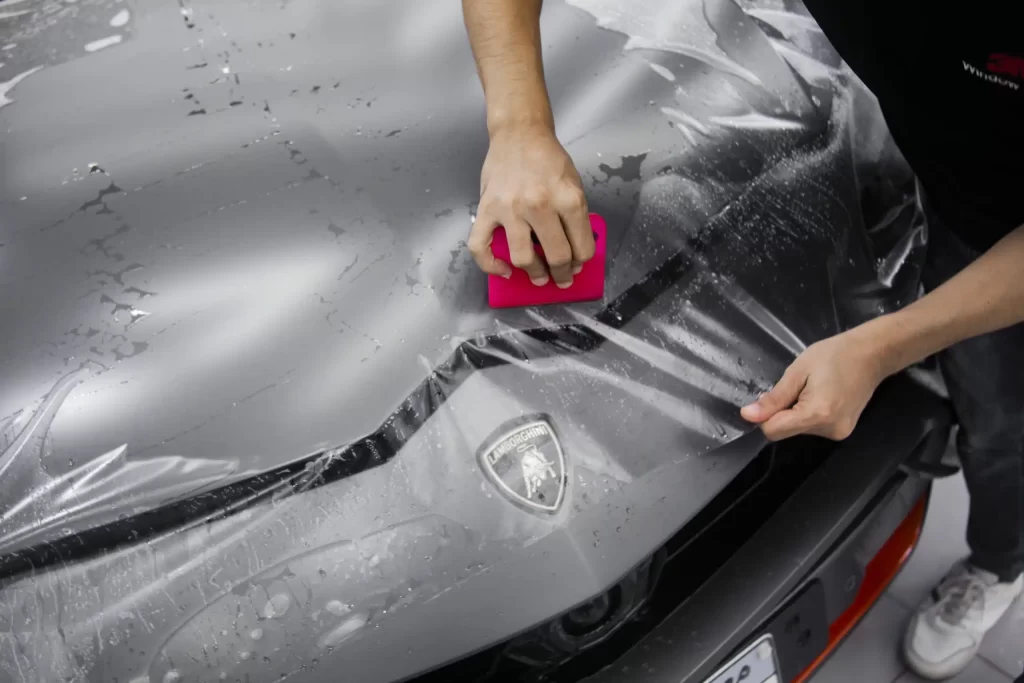
Table of Contents
What Exactly Is a PPF Car Wrap?
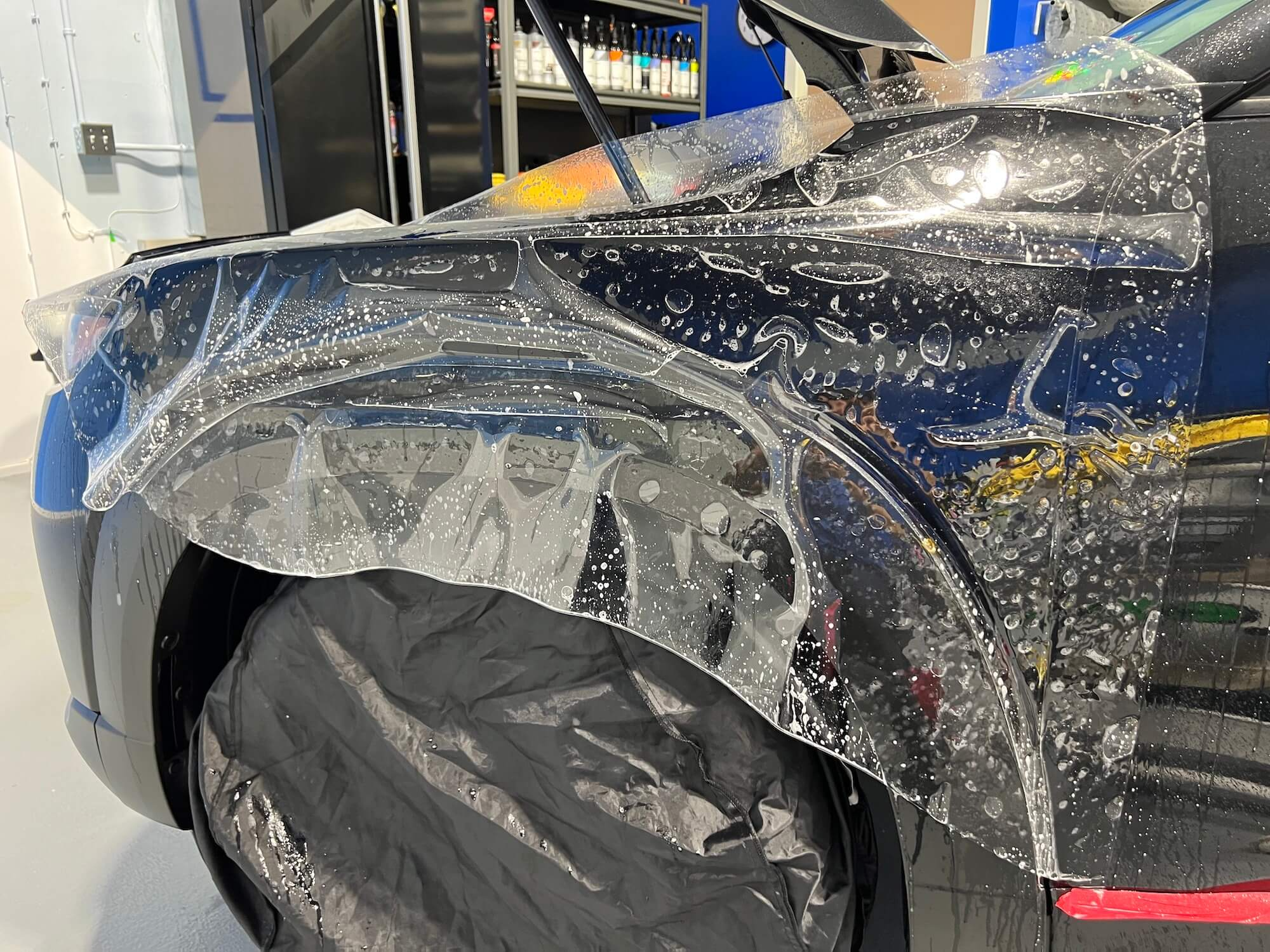
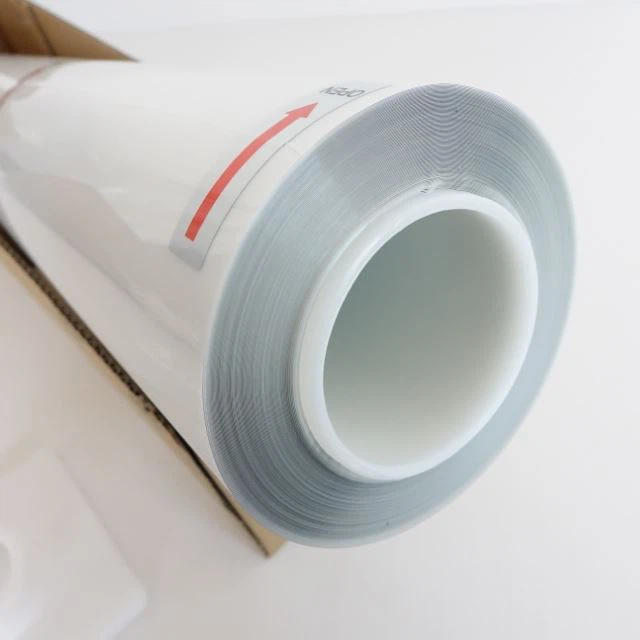
Paint protection film is a clear (or colored), flexible polyurethane layer that gets applied to your vehicle’s painted surfaces. Think of it as an invisible suit of armor. It absorbs rock chips, scuffs, bug acids, UV rays, and road rash before any of that garbage ever reaches your actual paint.
Here’s the thing — PPF isn’t a cure for bad paint. If your clear coat is already peeling or your car has rust, PPF won’t fix that. It’s not going to hide poor bodywork, and it’s definitely not armor against major impacts. What it does do is take the daily abuse so your paint doesn’t have to. It’s sacrificial. It gets beaten up so your factory finish stays pristine.
The layered construction of a quality PPF car wrap typically includes:
An adhesive layer that bonds to the paint while allowing some repositioning during installation
An elastic polyurethane core that absorbs impacts and stretches to conform to curves
A top coat that resists staining, adds slickness, and self-heals light scratches with heat
Total thickness usually lands in the 7–10 mil range including adhesive. That’s significantly thicker than vinyl wrap, which is typically only 2–4 mils.
PPF vs Vinyl Wrap: Know the Difference
This is probably the most common question people ask, and it’s an important one. PPF and vinyl wrap are not the same thing, and they serve completely different purposes.
| Feature | PPF (Paint Protection Film) | Vinyl Wrap |
|---|---|---|
| Primary Purpose | Protection (impact resistance) | Aesthetics (color change) |
| Material | TPU (Thermoplastic Polyurethane) | PVC (Polyvinyl Chloride) |
| Thickness | 7–10 mils | 2–4 mils |
| Self-Healing | Yes — heat removes swirls | No |
| Lifespan | 7–10+ years | 3–5 years |
Vinyl wrap is all about looks. Want to turn your white sedan into a matte black beast? Vinyl’s your answer. But it’s thin, it doesn’t stop rock chips, and it won’t self-heal. PPF, on the other hand, is built for protection first. It’s thicker, tougher, and actually preserves your paint.
That said, you don’t have to choose just one. Many car owners combine both — applying vinyl for a custom color and then adding a clear PPF car wrap on top of high-wear zones. Best of both worlds.
Types of PPF Finishes Available
PPF isn’t just clear anymore. The market has exploded with options, and 2026 is the year colored PPF really took off. Here’s what you can choose from:
Clear Gloss PPF — The classic. Nearly invisible, lets your factory paint shine through, and maximizes optical clarity. Most people start here when they want protection without changing their car’s appearance.
Matte or Satin PPF — Converts glossy paint into a stealth, matte finish while still protecting it. Popular on dark-colored cars and for anyone who wants to tone down reflections. Some brands refer to this as a “stealth” finish.
Colored PPF — This is where things get interesting. Colored PPF combines the impact resistance and self-healing properties of traditional PPF with actual pigment. You get a color transformation and real protection. No more choosing between style and safety.
Specialty PPF — Thicker films for track cars, off-road vehicles, rocker panels, and even marine applications.
How Self-Healing PPF Actually Works
The self-healing feature sounds like marketing hype, but it’s real science. The top coat of premium PPF is engineered with loose polymer arrangements — they’re not locked into a rigid structure.
When a light scratch or swirl mark occurs, it basically displaces these polymer molecules. Introduce heat — from the sun, warm water, or a heat gun — and the molecules get excited. They “relax” back into their natural, lowest-energy state, effectively closing the gap and erasing the mark.
It’s not magic. It’s thermodynamics.
The heat activation typically happens around 60–80°C (140–176°F). On a sunny day, your car’s hood can easily reach those temperatures. That means minor swirls from washing or light scratches from daily use literally disappear on their own.
PPF Coverage Options: How Much Do You Really Need?
Not everyone needs to wrap their entire car. PPF coverage comes in levels, and the right choice depends on how and where you drive.
Partial Front Coverage — Covers the front bumper, a portion of the hood, fenders, headlights, and mirror caps. Budget-friendly and protects the most exposed zones. The downside? You’ll see a visible film edge on the hood.
Full Front Coverage — Covers the entire hood, full fenders, front bumper, mirrors, and often headlights and A-pillars. This is the most popular choice for good reason — no awkward edges, and it protects every panel that faces highway debris. If you drive highway miles, this is the sweet spot.
Track / High-Impact Package — Adds rocker panels, lower doors, rear wheel splash areas, and other zones that catch tire-thrown debris.
Full Body Coverage — Every painted surface on the car. This is the ultimate protection. Ideal for exotics, collectibles, high-resale vehicles, and anyone who wants their finish flawless for the life of the car.
Interior Touch Points — Don’t forget the inside. Door sills, center consoles, door cups, and trunk ledges all take a beating from daily use. These are also great beginner DIY projects if you’re feeling ambitious.
Professional Installation vs DIY: Be Realistic
Here’s the honest truth: PPF installation is genuinely one of the hardest films to apply correctly.
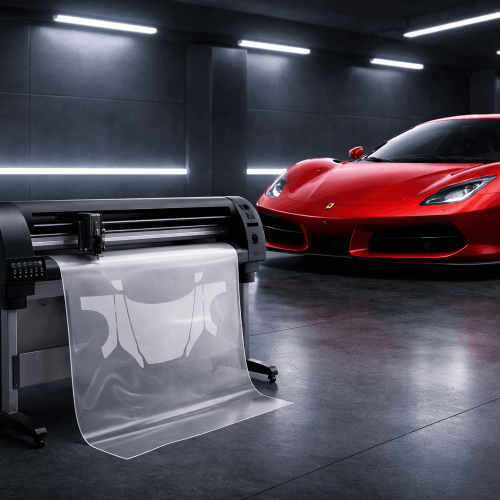
Professional installers have climate-controlled spaces, vehicle-specific pre-cut patterns, years of practice, and the right tools. A full front PPF car wrap typically takes about a day; full body can take several days. Pros know how to navigate complex curves, manage tension, and tuck edges so the film becomes nearly invisible.
DIY is possible, but the risks are real. Dust particles trapped under the film become permanent bumps. Air bubbles from improper squeegee technique are permanent once the adhesive sets. And if you have to cut the film on the car, one slip and you’re cutting into your clear coat.
If you’re a beginner, start small — door cups, mirror caps, trunk lips. Leave the full front or full body to the pros. The money you save on DIY often gets eaten up by the cost of fixing a botched install.
PPF Maintenance: Keep It Looking Fresh
Once your PPF car wrap is installed, maintenance is pretty straightforward — but there are some rules.
Wait before washing — Don’t wash the vehicle for at least 48–72 hours after installation. The adhesive needs time to fully cure.
Hand wash only — Use pH-neutral soap and a soft microfiber mitt. Avoid automatic car washes — the stiff bristles can mar the surface.
Rinse carefully — If you use a pressure washer, keep a safe distance and never spray directly at edges.
Remove contaminants immediately — Bird droppings, bug splatter, and tree sap are acidic. Even with stain-resistant PPF, leaving these on for too long can eventually etch the surface.
Skip the harsh stuff — No abrasive polishes, no solvent-based cleaners. Stick to products specifically designed for PPF or vinyl wraps.
Some owners apply a ceramic coating over their PPF for extra hydrophobic properties and easier cleaning. Just make sure any product you use is compatible with polyurethane films.
Frequently Asked Questions About PPF Car Wraps
Q: How long does PPF last?
Premium PPF made with aliphatic TPU typically lasts 7 to 10 years with proper care. The longevity depends on climate, mileage, road conditions, and how well you maintain it.
Q: Does self-healing PPF really work?
Yes. The top coat is engineered with polymer chains that realign when exposed to heat. Light swirl marks and fine scratches disappear with sunlight, warm water, or a heat gun. Deep scratches won’t heal, but the film takes the hit instead of your paint.
Q: Can PPF be removed without damaging paint?
Yes — from sound factory paint. Warm the panel and peel at a shallow angle, working slowly. If any adhesive remains, use a film-safe adhesive remover. Repainted surfaces are higher risk, so proceed with caution.
Q: Can I wax or ceramic coat my PPF?
You can, but use products specifically formulated for PPF. Some ceramic coatings designed for paint may not bond properly to polyurethane films. Always check compatibility first.
Q: Does PPF yellow over time?
Quality films made with aliphatic TPU are engineered to resist yellowing from UV exposure. Cheaper films using inferior materials may still yellow, which is why material quality matters.
Q: Is PPF worth the cost?
If you care about your car’s appearance and resale value, absolutely. Factory paint preservation is one of the biggest factors in resale value. A proper respray of a hood and bumper can easily exceed the cost of a PPF package. Think of it as insurance for your paint.
Why Decowell Film Should Be on Your Radar
With so many PPF brands out there, it can be tough to know who to trust. That’s where Decowell comes in.
Decowell specializes in high-performance paint protection films engineered with premium TPU materials. Whether you’re looking for clear gloss PPF to keep your factory finish invisible, matte PPF for that stealth aesthetic, or colored PPF to transform your car’s look while keeping it protected, Decowell has options designed to deliver.
What sets Decowell apart is the focus on real-world performance — self-healing top coats that actually work, hydrophobic surfaces that make cleaning effortless, and optical clarity that lets your paint’s true depth shine through. The films are engineered to resist yellowing, staining, and the kind of everyday abuse that turns a pristine car into a rock-chip battlefield.
Decowell understands that every car is different, and every driver has different priorities. That’s why they offer a range of finishes and coverage options to match your specific needs — whether you’re protecting a weekend exotic, a daily driver, or something in between.
If you’re serious about keeping your car’s paint looking new, Decowell is a name worth knowing. The film is designed for longevity, built with the kind of material science that separates premium PPF from the cheap stuff, and backed by a commitment to quality that installers and car enthusiasts appreciate.
Final Thoughts
Paint protection film has come a long way from the thick, yellowing “clear bras” of the early 2000s. Today’s PPF car wrap technology is sophisticated, effective, and more accessible than ever. Whether you go with clear gloss for invisible protection, matte for a stealth look, or colored PPF for a full transformation, you’re making an investment in your vehicle’s future.
The key is understanding what you need, choosing the right coverage level, and deciding whether to go pro or DIY based on your skill level and patience. And when it comes to choosing a film, quality matters. Decowell offers the kind of TPU-based protection that actually delivers on its promises — self-healing, stain-resistant, UV-stable, and built to last.
Your car’s paint takes a beating every single day. Give it the protection it deserves.
Ready to protect your vehicle? Explore Decowell’s range of paint protection films and find the right PPF car wrap for your needs.