Home » Wrap to Protect Car Paint: Paint Protection Film
Recent Posts
Wrap to Protect Car Paint: Paint Protection Film
Anyone who’s ever owned a car knows the feeling. You wash it, wax it, admire the shine—and then a week later, you spot a tiny chip on the hood. Or a scratch on the door. Or that stubborn etching from bird droppings that just won’t buff out.
The truth is, your car’s paint is under constant attack. From the moment you drive off the lot, it’s taking hits—rock chips from the highway, UV rays from the sun, road salt in winter, tree sap in summer. And while ceramic coatings and sealants offer some defense, they can’t stop physical impacts. That’s where paint protection film comes in.
If you’re serious about keeping your car’s finish looking fresh for years, wrapping your vehicle with PPF is one of the smartest moves you can make. Let’s break down what it is, how it works, and why it’s worth every penny.
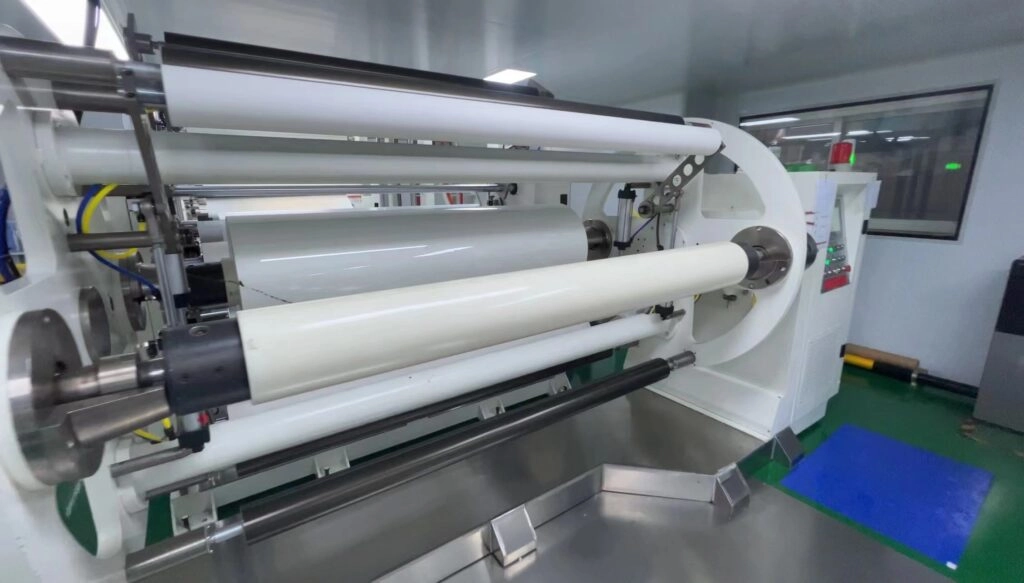
Table of Contents
What Is Paint Protection Film?
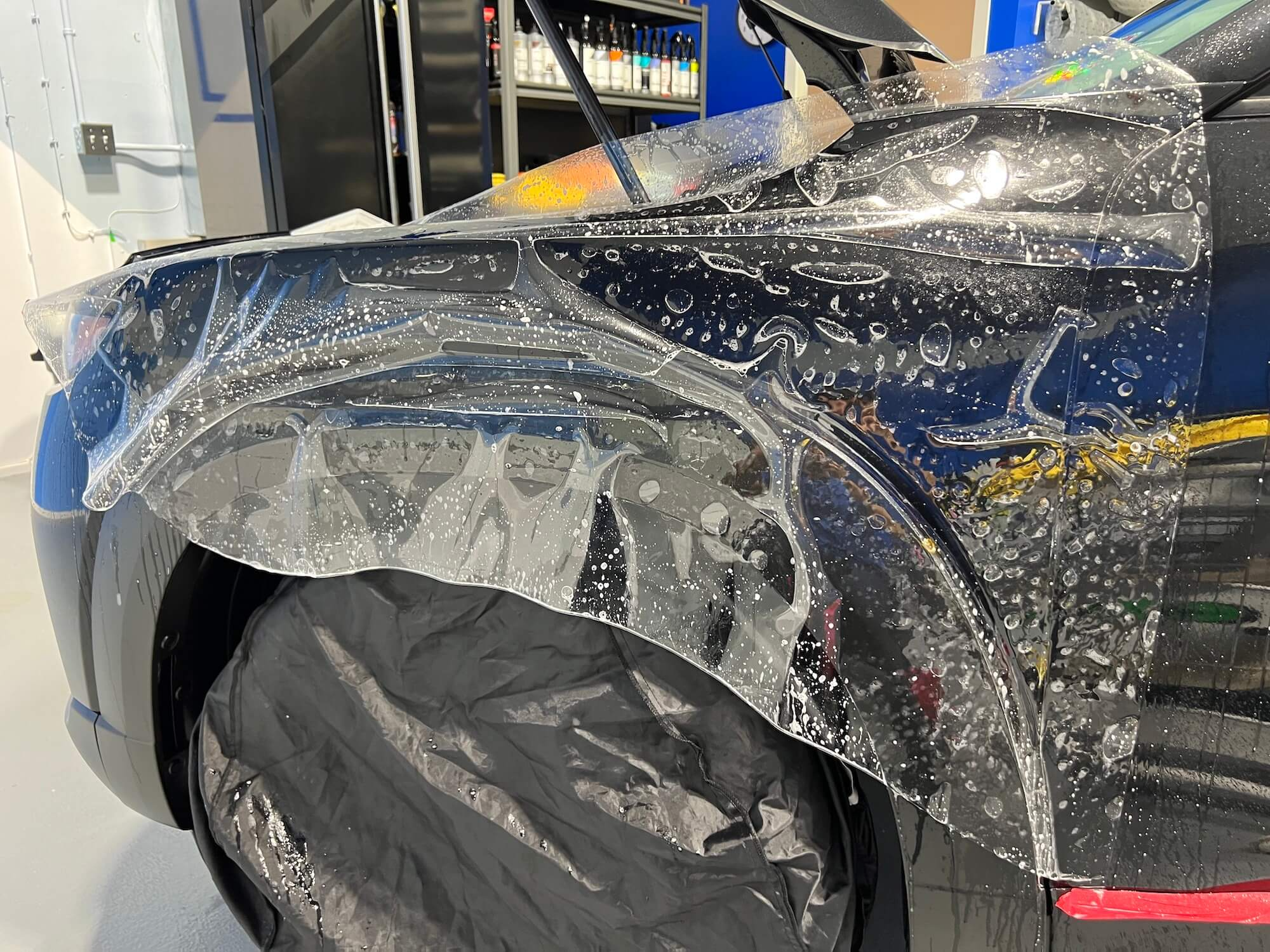
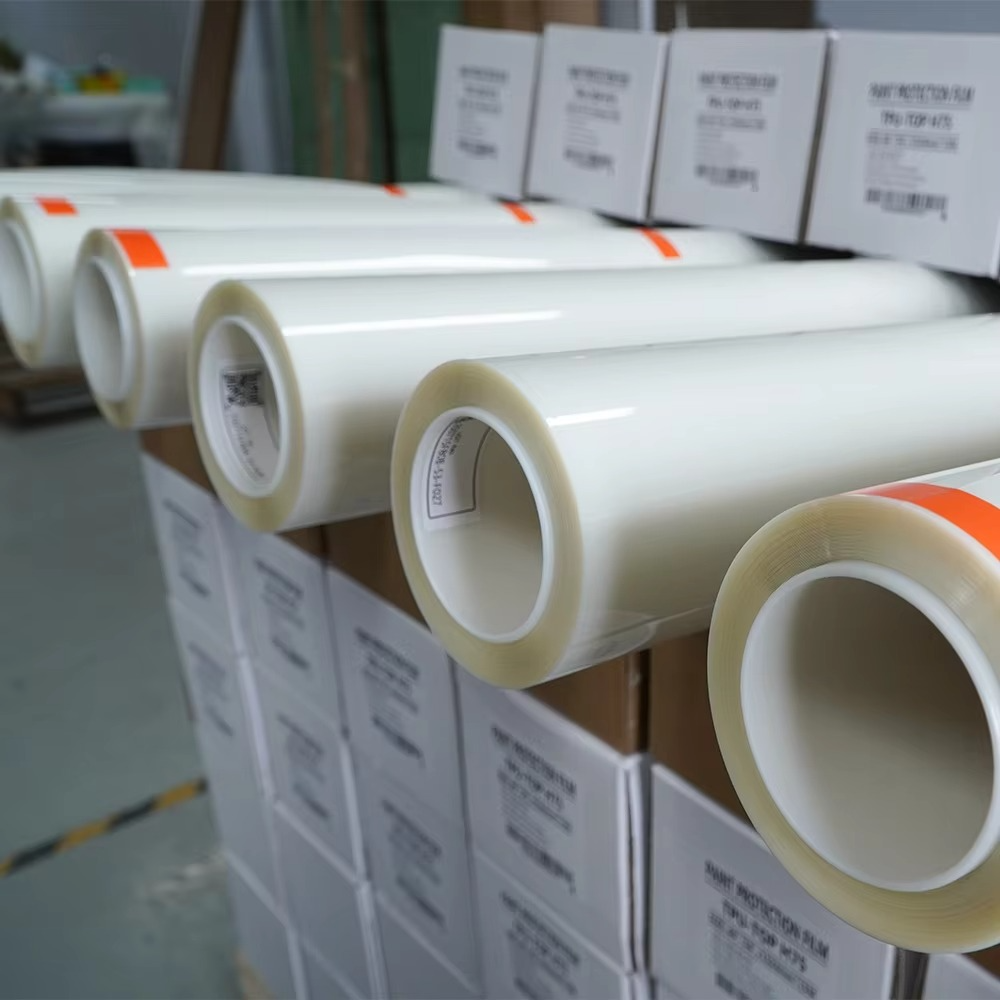
Paint protection film—often called PPF or clear bra—is a transparent, flexible layer of thermoplastic polyurethane (TPU) applied to a vehicle’s painted surfaces.Think of it as an invisible shield that takes the abuse so your paint doesn’t have to.
Modern PPF isn’t your grandfather’s car bra. Today’s films are optically clear, self-healing, and available in gloss, matte, and even color finishes.A good gloss PPF can actually make your paint look deeper and wetter than ever—like a permanent wax job that never wears off.
How it’s built:
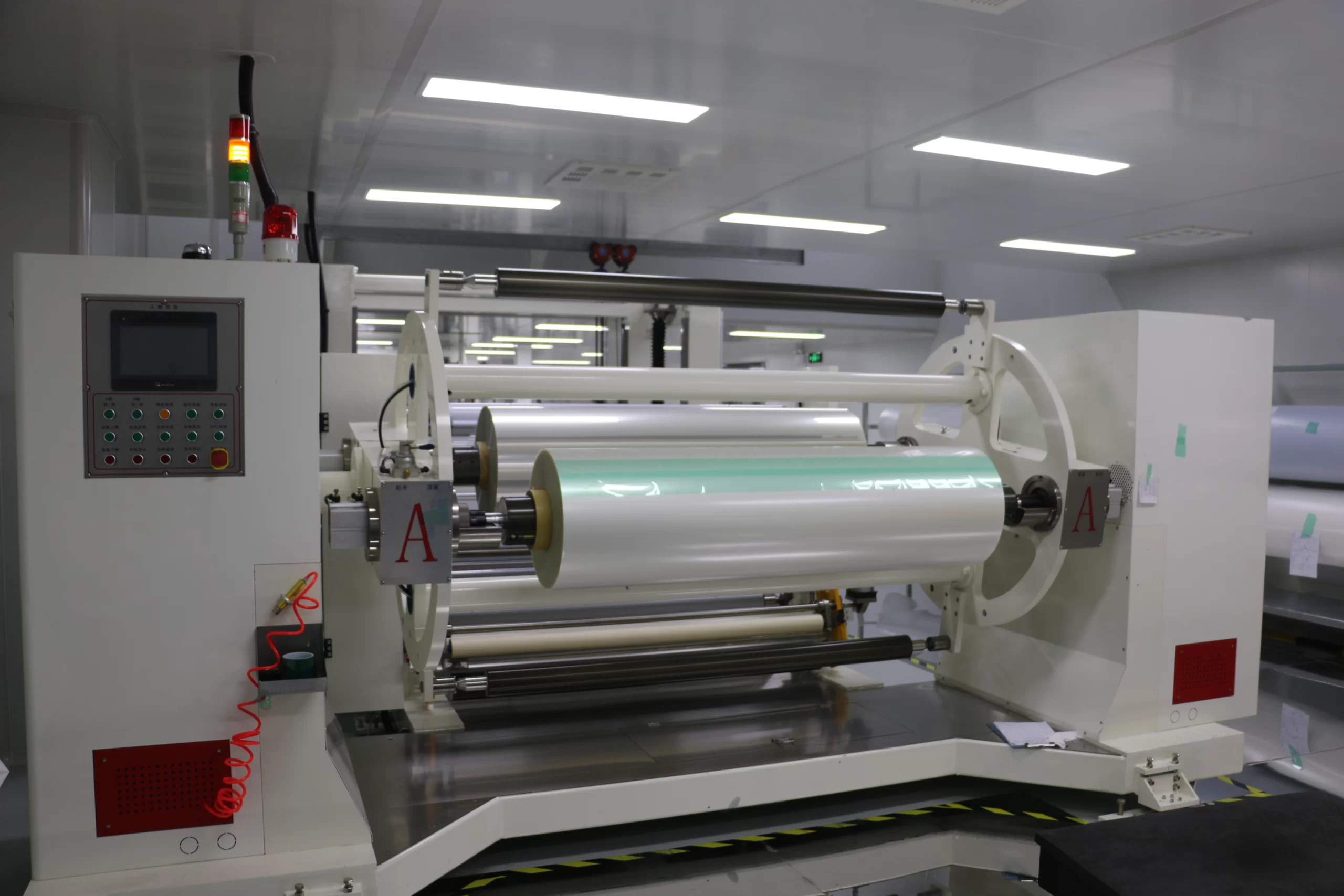
A quality PPF is a layered stack of engineered materials:
Adhesive layer: Bonds to the paint while allowing repositioning during installation
Elastic polyurethane core: Absorbs impacts and allows stretching around curves
Top coat: Resists staining, adds slickness, and self-heals light scratches with heat
Release liner: Keeps everything clean until installation
Total thickness typically ranges from 8 to 10 mils—about twice as thick as a vinyl wrap.That extra thickness is what gives PPF its real protective power.
Why Wrap Your Car with PPF?
The benefits go far beyond just avoiding a few scratches.
1. Physical Protection Against Road Debris
PPF is specifically engineered to absorb the impact of rock chips, gravel, and other road debris before they reach your paint.Highway driving is brutal on a car’s front end—bumper, hood, fenders, and mirrors take the worst of it. PPF creates a sacrificial barrier that takes those hits so your paint stays pristine.
2. Self-Healing Technology
This is where modern PPF feels like magic. The top coat is engineered with loose polymer arrangements that aren’t fixed in a rigid lattice.When a scratch occurs—essentially a displacement of these polymers—heat from the sun, warm water, or a heat gun excites the molecules and allows them to “relax” back into their natural state.Minor swirl marks and light scratches simply disappear.
3. UV and Chemical Protection
PPF blocks harmful UV rays that can fade and oxidize paint over time.It also resists damage from bird droppings, tree sap, bug splatter, and road salts—all of which can etch and stain unprotected clear coat.With a quality film, those contaminants sit on top of the film rather than eating into your paint.
4. Hydrophobic Properties
Many premium PPF films feature a hydrophobic topcoat that actively repels water, dirt, and grime.This means your car stays cleaner longer, and washing becomes significantly easier—water beads up and slides right off.
5. Preserves Resale Value
This is the angle that gets a lot of car owners’ attention. A recent national dealership survey found that 96% of respondents believe applying PPF to all painted surfaces helps retain more of a vehicle’s value.92% of dealers say vehicles with PPF would have a higher resale value as pre-owned inventory.With the average new car price now over $50,000 and the average age of cars on the road at 12.6 years, protecting that paint isn’t just cosmetic—it’s an investment.
PPF vs. Vinyl Wrap: What’s the Difference?
This is one of the most common questions, and the answer matters.
PPF (Paint Protection Film) is a protective product first. It’s made from TPU, is 8–10 mils thick, self-heals, and is designed to stop rock chips and scratches.
Vinyl wrap is a styling product first. It’s made from PVC, is 2–4 mils thick, doesn’t self-heal, and offers only light cosmetic protection.
The chemistry tells the story. TPU is elastic and “memory-rich”—it absorbs energy and springs back. PVC is great for color and graphics, but it doesn’t absorb impacts the way TPU does and it won’t self-heal.
Bottom line: If your goal is to change your car’s color, vinyl wrap is your tool. If your goal is to protect your paint while optionally changing its look, PPF is the clear winner.And with colored PPF now available, you can actually do both.
Coverage Options: How Much Do You Need?
Not every car needs full-body coverage. Here’s how most owners approach it:
Partial front: Bumper, partial hood and fenders, mirrors. Budget-friendly protection for the most exposed zones.
Full front: Bumper, full hood, full fenders, mirrors. The most popular package—excellent balance of protection and appearance. Covers about 80% of rock chip damage.
Track/Sport package: Adds rocker panels, A-pillars, roof edge, and rear splash zones for rough roads.
Full body: Every painted exterior panel. Maximum protection and the most uniform finish. Ideal for exotics, collectibles, and anyone who wants the finish flawless for the life of the car.
For most daily drivers, a full front package plus rocker panels offers the best value. For high-value vehicles or cars you plan to keep long-term, full body is worth considering.
The Best Time to Install PPF
Right after you buy the car. Every mile driven without protection means another opportunity for chips and scratches.Once the damage is done, PPF can still protect what’s left—but it can’t fix what’s already there. Installing PPF on a brand-new car with flawless paint gives you a clean slate and the best possible result.
If your car already has some wear, a light paint correction before installation can help restore the finish before the film goes on.
Maintaining Your PPF: Keep It Looking New
One of the best things about PPF is how low-maintenance it is. But a little care goes a long way.
Do’s:
Hand wash with pH-neutral car shampoo and a soft microfiber mitt
Rinse thoroughly before washing to remove loose debris
Dry with a clean microfiber towel or filtered air blower
Promptly remove bird droppings, bug splatter, and tree sap
Use the two-bucket wash method to avoid introducing swirls
Don’ts:
Avoid automatic car washes with brushes
Never use harsh chemicals, solvents, or alcohol-based cleaners
Don’t pressure-wash edges directly—it can lift the film
Don’t wash the vehicle for at least 72 hours after installation
If you want to take it a step further, many owners apply a ceramic coating over their PPF. The coating adds a hydrophobic layer that makes washing even easier and enhances gloss, while the PPF underneath continues doing the heavy lifting on impact protection.
PPF vs. Ceramic Coating: Two Different Tools
A common point of confusion is the difference between PPF and ceramic coatings.
Ceramic coatings are liquid polymers that chemically bond to the clear coat. Their primary function is hydrophobicity and chemical resistance—they make the car easier to clean and protect against bird droppings or acid rain. But they offer virtually zero impact resistance.
PPF is a physical barrier—a tangible layer of urethane. Its primary function is impact absorption. It’s the only solution that actually prevents rock chips and deep scratches.
The ideal setup for many owners: PPF on high-impact zones (bumper, hood, mirrors) topped with a ceramic coating for easy maintenance.You get the best of both worlds—physical protection where you need it most, and chemical protection everywhere else.
Is PPF Worth It?
Look at it this way. Paint correction and respraying a panel can cost hundreds or thousands of dollars. A full front PPF package costs a fraction of what a quality repaint would run, and it protects your factory finish—which is almost always better than any repaint.
Then there’s the resale angle. With 92% of dealers saying PPF boosts resale value, it’s not just an expense—it’s an investment that can pay for itself when you sell or trade.
And if you’re the type who just likes keeping your car looking sharp, the peace of mind alone is worth it. No more wincing every time you hear a rock hit the bumper. No more stress about parking lots or highway drives. The film takes the abuse. You enjoy the drive.
Frequently Asked Questions About PPF
Q1: What is paint protection film (PPF)?
PPF is a clear, flexible polyurethane film applied to a vehicle’s painted surfaces to protect against rock chips, scratches, UV damage, and environmental contaminants.
Q2: How long does PPF last?
Quality PPF typically lasts 5 to 10 years with proper care.The exact lifespan depends on climate, driving conditions, and how well it’s maintained.
Q3: Does PPF really self-heal?
Yes. The top coat of premium PPF is engineered to repair light swirl marks and scratches when exposed to heat—from the sun, warm water, or a heat gun.
Q4: Can PPF be removed without damaging paint?
Yes. From sound factory paint, PPF removes cleanly.Removal should be done carefully—warm the panel and peel at a shallow angle. Repaints of unknown quality carry higher risk.
Q5: What’s the difference between PPF and vinyl wrap?
PPF is thicker (8–10 mils), self-healing, and designed for impact protection. Vinyl wrap is thinner (2–4 mils), doesn’t self-heal, and is primarily for color change.
Q6: Can I install PPF myself?
Small trim pieces or mirror caps may be DIY-friendly, but larger jobs are best left to professionals. The material is tricky to work with, and improper installation can leave bubbles, dirt, or visible seams.
Q7: Does PPF change the look of my car?
Clear PPF is virtually invisible and can actually enhance gloss.Matte PPF can transform a glossy finish into a sleek, non-reflective look.Color PPF changes the vehicle’s color while providing full protection.
Q8: Can I wax or ceramic coat over PPF?
Yes. Many owners apply ceramic coating over PPF for added hydrophobicity and easier cleaning.Just make sure any products you use are compatible with polyurethane films.
Q9: Do I need full body PPF?
Not necessarily. Full front coverage (bumper, full hood, full fenders, mirrors) covers about 80% of rock chip damage and is the most popular choice.Full body is ideal for exotics, collectibles, or anyone who wants maximum protection.
Q10: Why choose Decowell Film for PPF?
Decowell Film offers premium paint protection solutions engineered with high-quality materials and advanced technology. Whether you need clear protection, a stealth matte finish, or a bold color transformation, Decowell delivers the durability and clarity that serious car owners demand.
Final Thoughts
Your car’s paint is one of its most valuable assets—and one of the most vulnerable. Every mile you drive exposes it to rock chips, UV rays, and environmental contaminants that slowly degrade the finish. Paint protection film is the only solution that provides a physical barrier against all of it.
Whether you’re protecting a brand-new luxury vehicle, refreshing a daily driver, or preserving a collector car, PPF is one of the smartest investments you can make. It’s not just about keeping your car looking good—it’s about protecting your investment, preserving resale value, and enjoying peace of mind every time you get behind the wheel.
Decowell Film is committed to delivering premium paint protection solutions that combine cutting-edge technology with exceptional quality. From clear gloss to matte finishes to vibrant color PPF, Decowell has the expertise and product range to protect your vehicle exactly the way you want.
Ready to protect your ride? Explore the Decowell Film difference today. Your car deserves nothing less.
Decowell Film – Premium Paint Protection for the Modern Driver.