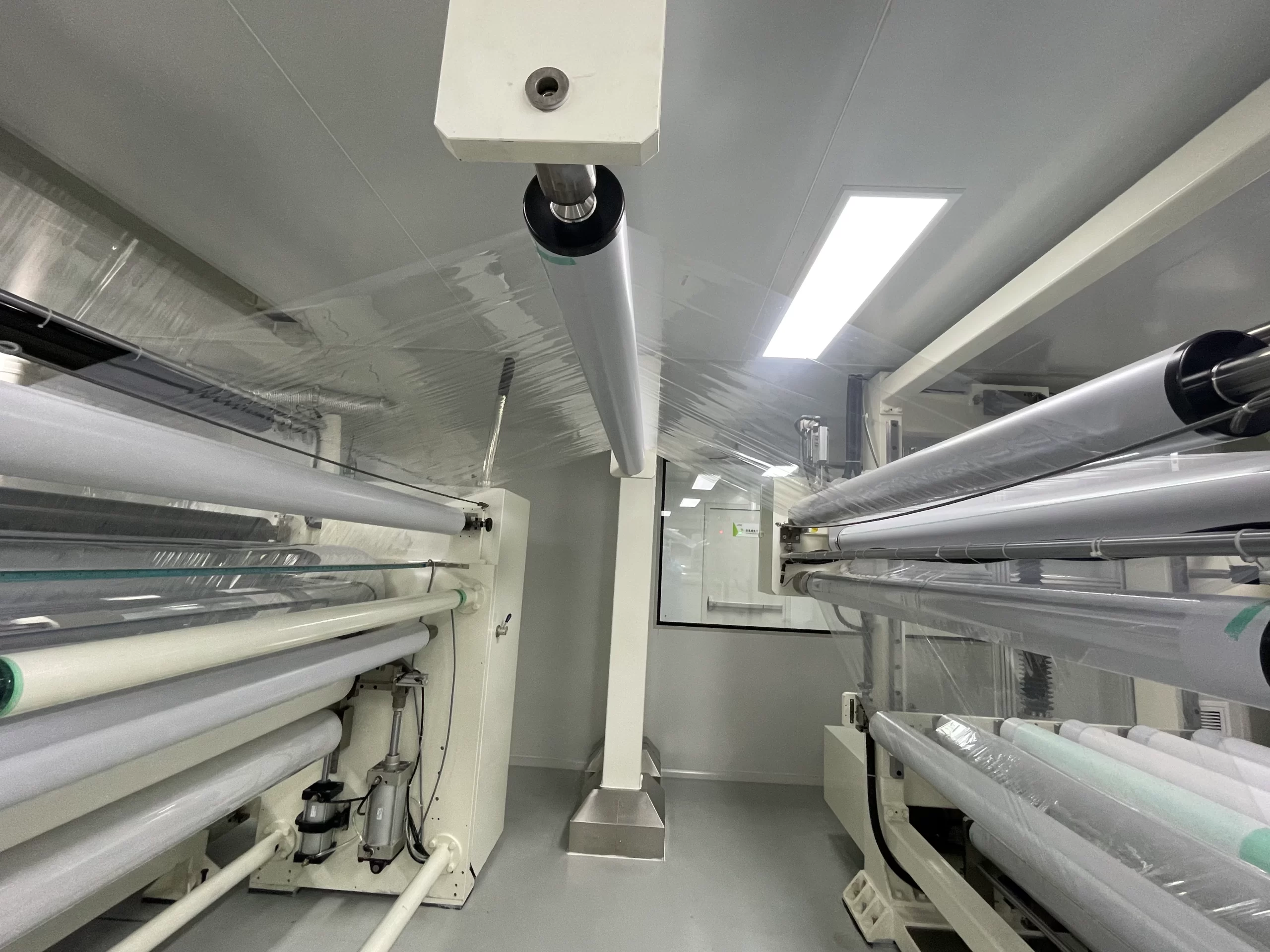
Home » Car Wrap vs PPF: Which One Actually Makes Sense for Your Car?
Recent Posts
Car Wrap vs PPF: Which One Actually Makes Sense for Your Car?
So you’re standing in your driveway, looking at your car, and you’ve got that thought creeping in. Maybe you want to give it a fresh new look. Maybe you’re tired of wincing every time a pebble kicks up on the highway. Maybe you just bought something nice and you want to keep it that way.
And then you start googling. Car wrap? PPF? What’s the difference? Which one is actually worth your money?
Here’s the thing — most people assume car wrap and paint protection film are basically the same thing with different names. They’re not. Not even close. They’re built for completely different jobs, made from completely different materials, and they deliver completely different results.
Let’s break this down in plain English. No jargon. No fluff. Just what you actually need to know to make the right call for your vehicle.
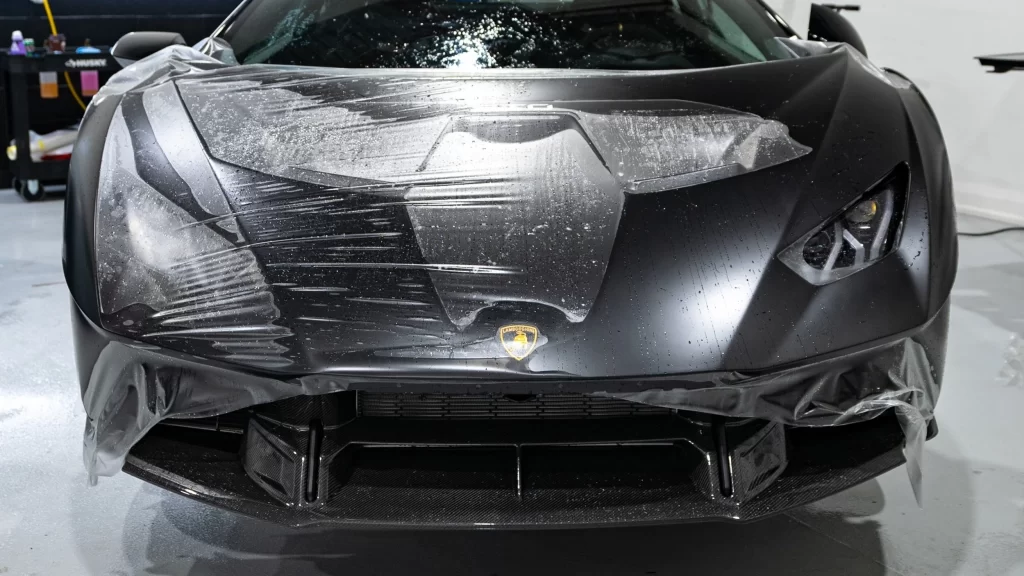
Table of Contents
What Is a Car Wrap?
A car wrap — also called a vehicle wrap or vinyl wrap — is a thin, adhesive-backed film applied to your car’s exterior. Its main job? Changing how your car looks.
Think of it like a temporary paint job. You want your car to go from white to matte black? Wrap it. You want a color-shift finish that looks different in different light? Wrap it. You want carbon fiber accents on your hood or a custom graphic down the side? You guessed it — wrap it.
Car wraps are made from polyvinyl chloride (PVC), which is basically the same stuff used in a lot of everyday plastic products. It’s flexible, it comes in pretty much any color and finish you can imagine — gloss, matte, satin, metallic, chrome, carbon fiber, even custom printed graphics.
But here’s what a car wrap is NOT: it’s not armor. It’s not built to stop rock chips. It’s not designed to absorb impacts. It’s cosmetic first, protective second — and a distant second at that.
Vinyl wraps typically last around 3 to 5 years before they start showing wear. Horizontal surfaces like the hood and roof tend to fade faster than vertical panels. And once a vinyl wrap gets damaged, you can’t really “fix” it — you replace the panel.
What Is Paint Protection Film (PPF)?
Paint protection film — PPF for short — is a completely different animal.
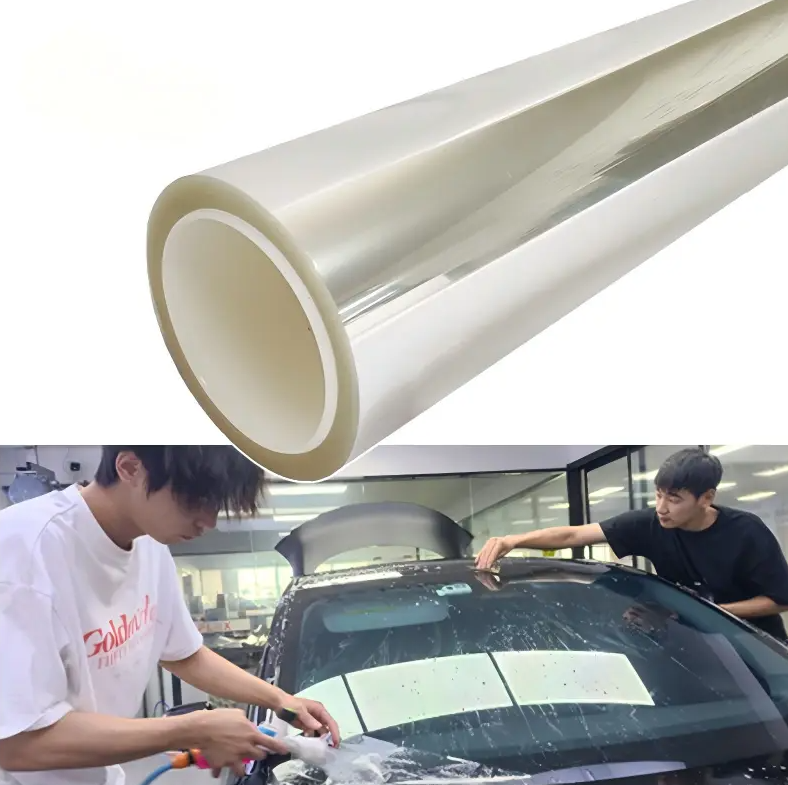
PPF is a thick, transparent polyurethane film that goes over your car’s painted surfaces. Its only job is protection. Rock chips, scratches, road debris, bug splatter, bird droppings, UV damage — the film takes the hit so your paint doesn’t have to.
Unlike vinyl wrap, PPF is nearly invisible once applied. It preserves your car’s original color and finish while creating a physical barrier between your paint and everything the road throws at it.
PPF is typically 8 to 10 mils thick — that’s two to four times thicker than vinyl wrap. That extra thickness is what stops rock chips in their tracks.
Modern PPF also has self-healing properties. Minor scratches and swirl marks disappear when exposed to heat — from sunlight, warm water, or a heat gun. The film’s elastomeric polymers revert to their original shape when warmed up, effectively “healing” the damage.
A high-quality PPF can last 5 to 10 years with proper care. It resists yellowing, staining, and UV damage. And when it’s time to remove it, the paint underneath is in the same condition it was in the day the film went on.
Car Wrap vs PPF: The Head-to-Head Breakdown
Let’s get into the nitty-gritty. Here’s how car wrap and PPF stack up against each other across the categories that actually matter.
Material Composition
Car wrap: Made from polyvinyl chloride (PVC). Flexible, but can become brittle over time. Available in an endless range of colors and finishes.
PPF: Made from thermoplastic polyurethane (TPU). Stronger, more flexible, and more impact-resistant than PVC. TPU has “memory” — it can stretch and return to its original shape, which is what enables self-healing.
Thickness
Car wrap: 2 to 4 mils.
PPF: 8 to 15 mils.
That’s not a small difference. PPF is literally two to four times thicker. When a rock kicks up at highway speed, that extra thickness is what stops it from reaching your paint.
Primary Purpose
Car wrap: Aesthetic customization. Color change, finish change, graphics, branding.
PPF: Paint protection. Impact resistance, scratch prevention, chemical barrier.
Protection Level
Car wrap: Moderate protection against UV rays and minor surface scratches. Minimal protection against impacts.
PPF: Excellent protection against rock chips, scratches, road debris, bug acids, bird droppings, UV damage, and environmental contaminants.
Self-Healing
Car wrap: No.
PPF: Yes — minor scratches disappear with heat exposure.
Lifespan
Car wrap: 3 to 5 years on average, sometimes up to 7 with perfect maintenance.
PPF: 5 to 10 years, depending on quality and care.
Installation
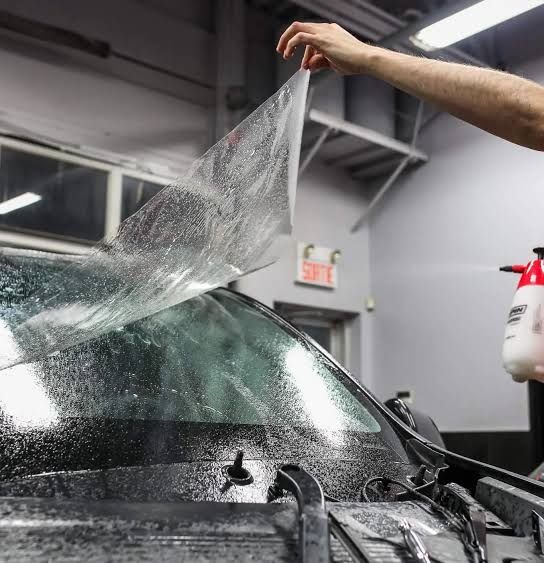
Car wrap: Dry installation. The film uses air-release adhesive technology that allows air to escape during application. Generally faster and more forgiving to install.
PPF: Can be wet or dry installed. Requires more precision around edges and complex curves. Professional installation is strongly recommended for best results.
Maintenance
Car wrap: Requires regular maintenance — careful washing, avoiding harsh chemicals, protecting from UV exposure. Once damaged, the affected panel usually needs to be replaced.
PPF: Low maintenance. Hydrophobic properties repel water and dirt. Self-healing topcoat handles minor scratches automatically. Can be washed and waxed like normal paint.
Finish Options
Car wrap: Huge variety — gloss, matte, satin, metallic, chrome, carbon fiber, color-shift, custom printed graphics.
PPF: Traditionally clear/transparent. Also available in matte/satin finishes that convert gloss paint to a stealthy look. Colored PPF is a newer option that combines protection with color change.
Trending Colors and Finishes for 2026
If you’re wondering what’s hot right now, here’s what the market is saying.
Warm Satin Neutrals
Satin finishes in taupes, greiges, champagnes, and warm off-whites are having a major moment. These understated hues offer a premium, stealth-wealth look that conceals minor scratches and reflects elegance without the glare of high gloss. They’re especially popular on luxury sedans (BMW 5 Series, Mercedes E-Class) and electric vehicles like the Tesla Model 3 and Model Y.
Vibrant Teals and Turquoises
Bold, saturated blues and greens are gaining traction among drivers who want to stand out. These colors pop without being overwhelming and look incredible under both natural and artificial light.
Liquid Metal and Chameleon Effects
Metallic finishes with deep, reflective depth are increasingly in demand. Some manufacturers are even offering chameleon films that shift color depending on the viewing angle—a true head-turner for sports car owners.
Matte and Stealth Finishes
Matte and satin finishes continue to be fan favorites, especially on performance vehicles and trucks. They give the car an aggressive, understated look while hiding minor imperfections better than gloss.
The Rise of Colored PPF: Best of Both Worlds?
Here’s where things get interesting.
Colored PPF is exactly what it sounds like — paint protection film that comes in colors. It’s made from the same TPU base as clear PPF, but infused with color and available in finishes like gloss, satin, matte, and even carbon fiber or metallic looks.
So what does that mean for you?
Colored PPF gives you the protection of PPF AND the visual transformation of a wrap in one product. It’s thicker than vinyl, it self-heals, it stops rock chips, and it changes your car’s color at the same time.
The trade-off? Colored PPF typically costs more than standard vinyl wrap. But for drivers who want both protection and a new look — and plan to keep their car for the long haul — it’s increasingly becoming the go-to choice.
Professional installers and detailers have been vocal about this shift. One installer put it bluntly: “A colored paint protection film is much better compared to a vinyl wrap. If you are looking for a color change, this is the way to go”.
Another automotive detailer recommends colored PPF specifically for its longevity — “You can have the film on for 6 to 10 years, and it’s going to give you excellent protection against the outdoors”.
Which One Should You Choose? A Practical Decision Framework
Alright, here’s where we cut through all the noise and give you a straight answer.
Choose a car wrap if:
You want to change your car’s color or finish — and that’s your primary goal
You’re working with a tighter budget
You like the idea of changing your car’s look every few years
You’re doing commercial branding or fleet graphics
You’re not too worried about rock chips and road debris
Car wrap is about expression first, protection second.
Choose PPF if:
You want to protect your car’s original paint — period
You drive on highways or roads with lots of debris
You own a new car, a luxury vehicle, or something with expensive paint
You plan to keep your car for years and want to preserve its resale value
You want low-maintenance protection that handles scratches automatically
PPF is about protection first, and it does that job better than anything else.
Choose colored PPF if:
You want both protection AND a color change
You have the budget for a premium solution
You plan to keep your car long-term
You want the durability of PPF with the visual impact of a wrap
Colored PPF gives you armor AND attitude.
Common Misconceptions: Let’s Clear These Up
“A vinyl wrap protects my paint just as well as PPF.”
No, it doesn’t. Vinyl wrap offers light surface protection, but it’s not designed for impact resistance. PPF is specifically engineered to absorb rock chips and road debris. They’re not in the same league when it comes to protection.
“PPF is just clear vinyl.”
Wrong again. PPF is made from TPU, not PVC. It’s thicker, stronger, more flexible, and self-healing. Vinyl wrap is PVC-based and doesn’t have any of those properties.
“You can’t change your car’s color with PPF.”
You used to not be able to. But colored PPF is now a thing, and it delivers both color change AND genuine paint protection.
“Vinyl wrap is cheaper, so it’s the better value.”
Cheaper upfront? Yes. Better value? Depends on what you’re measuring. PPF lasts longer, protects better, and preserves your car’s resale value. Vinyl wrap needs to be replaced more often and doesn’t offer the same protection. The “cheaper” option can end up costing more in the long run if you factor in repainting costs from rock chips.
Real-World Scenarios: What Actually Works
Scenario 1: You just bought a new car and you want to keep it looking new.
PPF. Full stop. Clear PPF on the front end (hood, bumper, fenders, mirrors) is the sweet spot for real-world protection. It’s nearly invisible, so your car looks factory-fresh while being shielded from everything the road throws at it.
Scenario 2: You’re tired of your car’s color and want something completely different.
If you’re focused on style and not too worried about long-term protection, a vinyl wrap is your answer. You get a complete color change, you can switch it up again in a few years, and you’re not spending on a permanent paint job.
Scenario 3: You want a new color AND you want your paint protected.
Colored PPF is the move. It’s more expensive than vinyl, but you’re getting protection AND style in one application. No trade-offs.
Scenario 4: You drive a luxury or performance vehicle.
PPF — full stop. These cars have expensive paint that’s costly to repair. Protecting it with PPF preserves the car’s value and keeps it looking showroom-fresh.
Scenario 5: You’re running a business and want branded vehicles.
Vinyl wrap is the practical choice for commercial branding. You get custom graphics, it’s reversible, and it’s more affordable than painting each vehicle.
Decowell Film: Premium Paint Protection You Can Trust
When it comes to protecting your vehicle’s paint, the quality of the film matters just as much as the decision to get it in the first place.
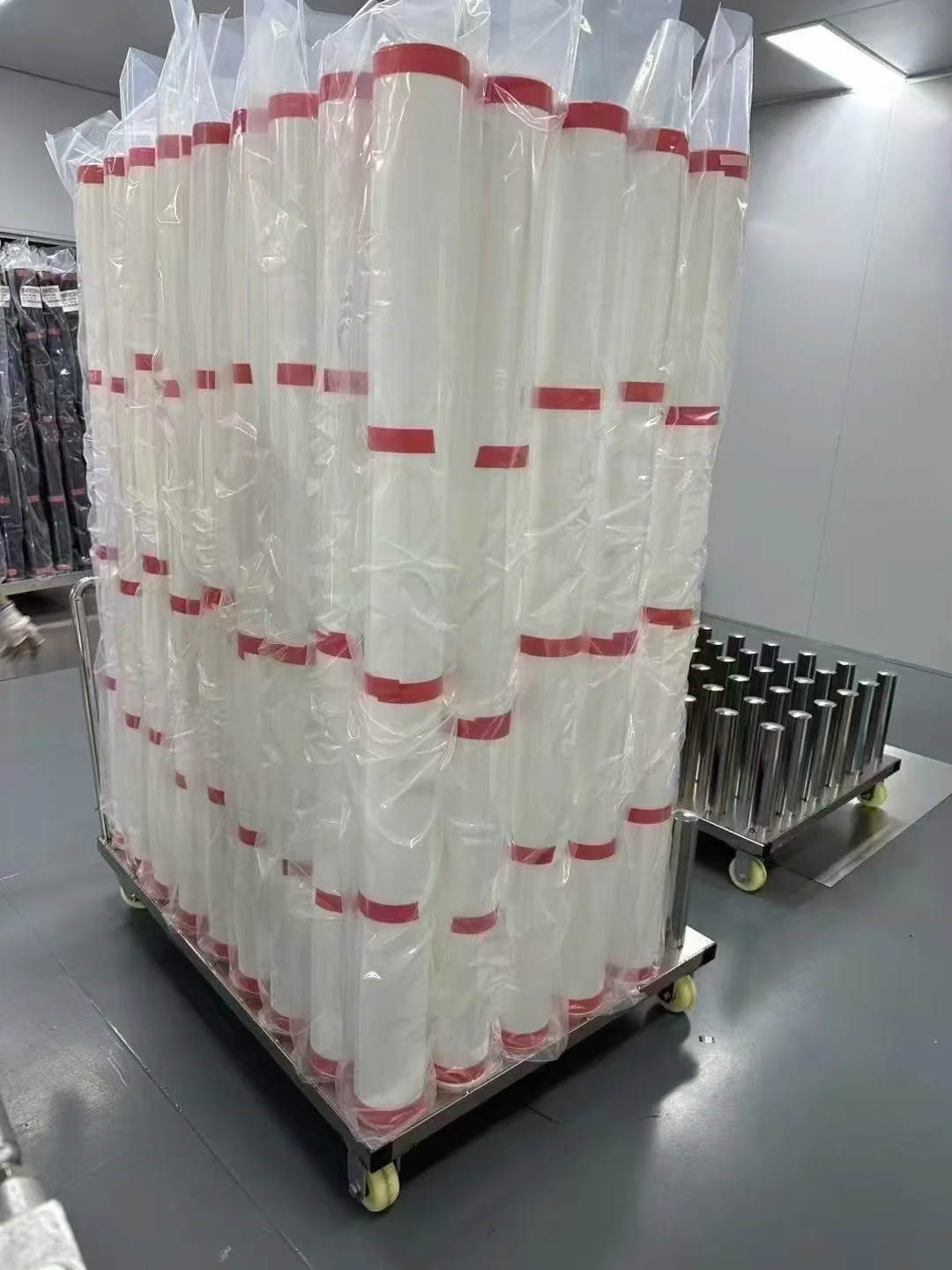
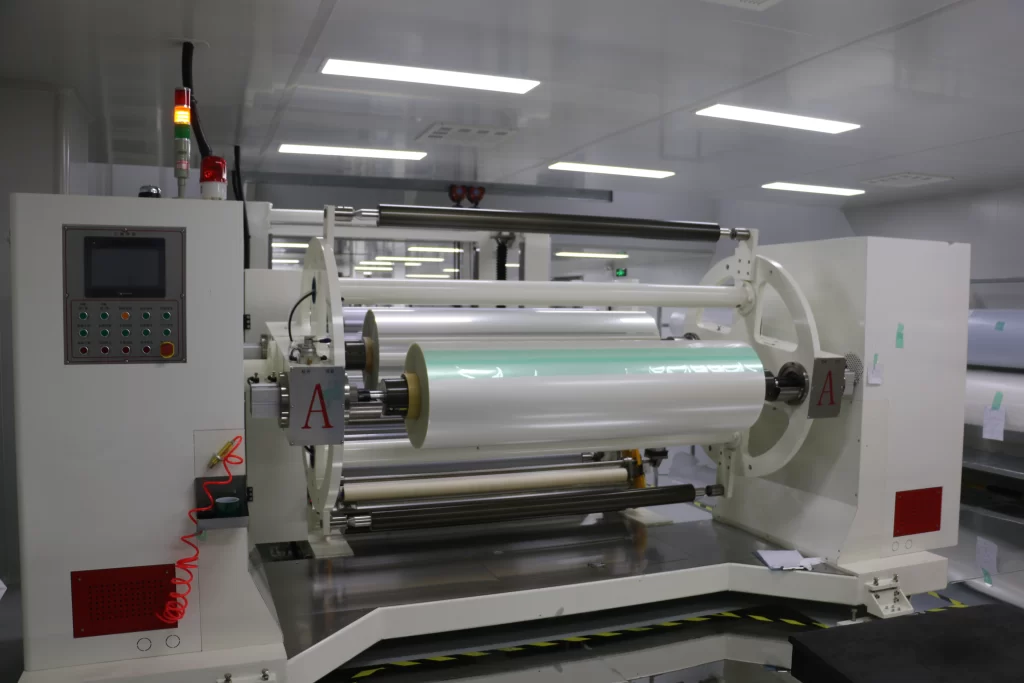
Decowell Film is a leading manufacturer of high-performance paint protection films, delivering advanced TPU-based solutions that combine superior impact resistance, self-healing technology, and optical clarity. Whether you’re looking for clear PPF to preserve your factory finish or colored PPF to transform your vehicle’s appearance while keeping it protected, Decowell Film has you covered.
Decowell’s PPF products are engineered with:
Premium TPU material — the same high-grade thermoplastic polyurethane used by industry leaders
Self-healing topcoat — minor scratches disappear with heat exposure
Hydrophobic properties — water beads up and rolls off, making cleaning effortless
UV resistance — protects your paint from fading and oxidation
Stain resistance — shields against bird droppings, bug splatter, and chemical contaminants
Whether you’re a professional installer, a detailing shop, or a car enthusiast looking for the best protection for your own vehicle, Decowell Film delivers the quality and performance you need.
Ready to protect your vehicle with premium PPF? Reach out to Decowell Film today to discuss your requirements, request samples, or get a quote for your project. Decowell’s team of experts is ready to help you find the perfect solution for your needs.
Frequently Asked Questions
Q: What’s the main difference between a car wrap and PPF?
A: A car wrap (vinyl wrap) is primarily for changing your car’s appearance — color, finish, graphics. PPF (paint protection film) is primarily for protecting your car’s paint from rock chips, scratches, and environmental damage. They serve completely different purposes.
Q: Which lasts longer — PPF or vinyl wrap?
A: PPF lasts significantly longer. High-quality PPF can last 5 to 10 years, while vinyl wraps typically last 3 to 5 years.
Q: Does vinyl wrap protect against rock chips?
A: Not really. Vinyl wrap offers light protection against UV rays and minor scratches, but it’s not designed for impact resistance. PPF is specifically engineered to absorb rock chips and road debris.
Q: What is self-healing PPF?
A: Self-healing PPF has a topcoat that repairs minor scratches and swirl marks when exposed to heat — from sunlight, warm water, or a heat gun. The film’s polymers revert to their original shape, effectively “healing” the damage.
Q: Can I change my car’s color with PPF?
A: Yes — with colored PPF. This is a newer product that combines the thickness, durability, and self-healing properties of PPF with the color options of a vinyl wrap.
Q: Is PPF more expensive than vinyl wrap?
A: Yes, PPF typically costs more upfront because of the advanced materials and more labor-intensive installation. However, it lasts longer and provides superior protection, which can make it better value in the long run.
Q: Can I remove PPF or vinyl wrap without damaging my paint?
A: Yes — both are removable when professionally installed and removed. The paint underneath should remain in the same condition it was in before the film was applied.
Q: How do I maintain a wrapped or PPF-protected car?
A: For PPF: hand wash with pH-neutral shampoo, avoid harsh brushes and aggressive chemicals. For vinyl wrap: similar care, but wraps are more prone to edge wear from automatic car washes.
Q: Which is better for a daily driver — PPF or vinyl wrap?
A: For daily drivers, PPF on high-impact areas (front bumper, hood, fenders, mirrors) is usually the sweet spot for real-world protection. If you want a style change as well, consider colored PPF or combining PPF on vulnerable areas with vinyl accents elsewhere.
Q: What’s the difference between clear PPF and colored PPF?
A: Clear PPF is transparent and preserves your car’s original color while protecting it. Colored PPF is made from the same TPU material but infused with color, giving you both protection and a new look in one product.
Final Thoughts
Here’s the bottom line.
Car wrap and PPF aren’t competitors. They’re different tools for different jobs.
Car wrap is for expression. It’s for when you want your car to look different — bolder, sleeker, more you. It’s temporary, it’s customizable, and it’s a fantastic way to transform your vehicle’s appearance without committing to a permanent paint job.
PPF is for preservation. It’s for when you want your car to stay looking the way it does right now — protected from everything the road throws at it. It’s long-lasting, it’s low-maintenance, and it’s the best way to keep your paint in showroom condition.
And if you want both? Colored PPF gives you the best of both worlds — the protection of PPF and the visual impact of a wrap.
The choice comes down to what matters most to you: style, protection, or both. Figure that out first, and the decision becomes a lot simpler.
Ready to protect your ride with premium PPF? Decowell Film is here to help. Whether you need clear PPF, colored PPF, or something in between, Decowell’s expert team can guide you to the right solution. Reach out today to discuss your project, request samples, or get a quote.
Your paint deserves the best protection — and Decowell Film delivers exactly that.
Decowell Film — Premium Paint Protection Films Engineered for Performance