Home » Introduction: Why Your Car’s Paint Deserves Better
Recent Posts
Introduction: Why Your Car's Paint Deserves Better
Let’s be honest—nothing stings quite like walking back to your car and spotting a fresh stone chip on the hood or a nasty scratch along the door. You know the feeling. That brand-new car glow starts fading the moment the first piece of road debris finds its way to your paintwork.
Here’s the thing: modern automotive paint isn’t what it used to be. Environmental regulations have pushed manufacturers toward softer, more eco-friendly clear coats that look great but don’t hold up as well against the daily abuse of the open road. Bird droppings, tree sap, road salt, gravel kicked up by the truck in front of you—they all take their toll.
That’s where paint protection film comes in. If you’ve been researching ways to keep your car looking showroom-fresh, you’ve probably come across PPF. But what exactly is it? Is it worth the investment? And how do you separate the good stuff from the not-so-good?
This guide covers everything you need to know about PPF car protection—what it is, how it works, the real pros and cons, and why choosing the right film matters more than you might think.
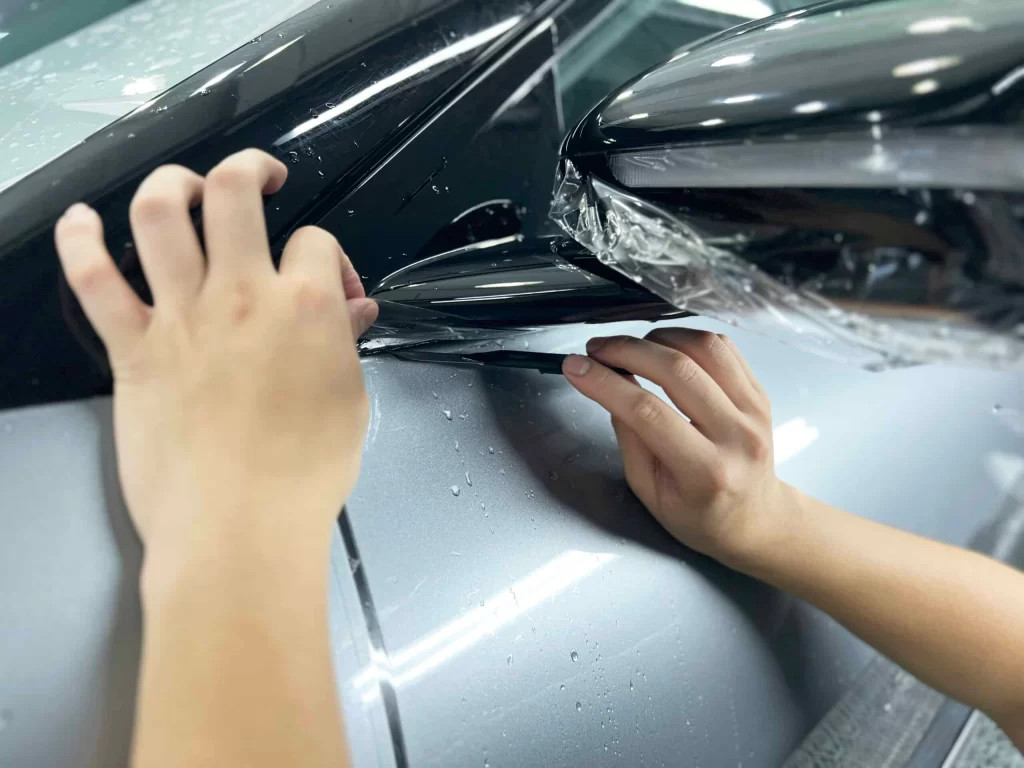
Table of Contents
What Is Paint Protection Film (PPF)?
Paint protection film is exactly what it sounds like—a clear, durable film applied to your vehicle’s painted surfaces to shield them from damage. Think of it as an invisible armor for your car.
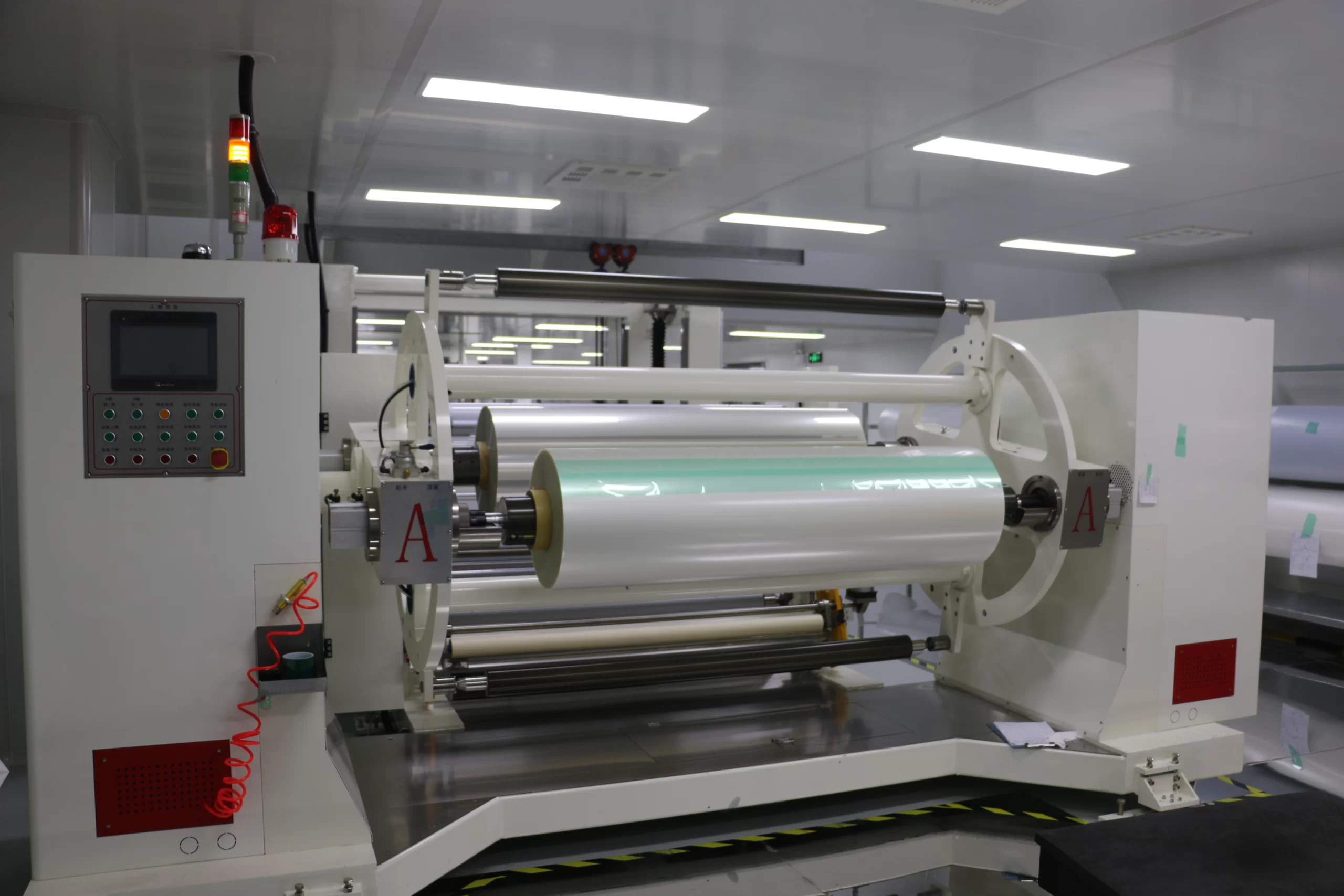
PPF is typically made from thermoplastic polyurethane (TPU), a material that’s incredibly tough yet flexible enough to conform to the curves and contours of your vehicle. When applied correctly, it’s virtually invisible—you won’t even know it’s there unless you’re looking for it.
Unlike wax or ceramic coatings that sit on top of the paint as a chemical layer, PPF is a physical barrier. It absorbs the impact of rocks, debris, and other hazards before they ever reach your clear coat. Some people call it a “clear bra,” and the name makes sense—it’s like putting a protective shield over the most vulnerable parts of your car.
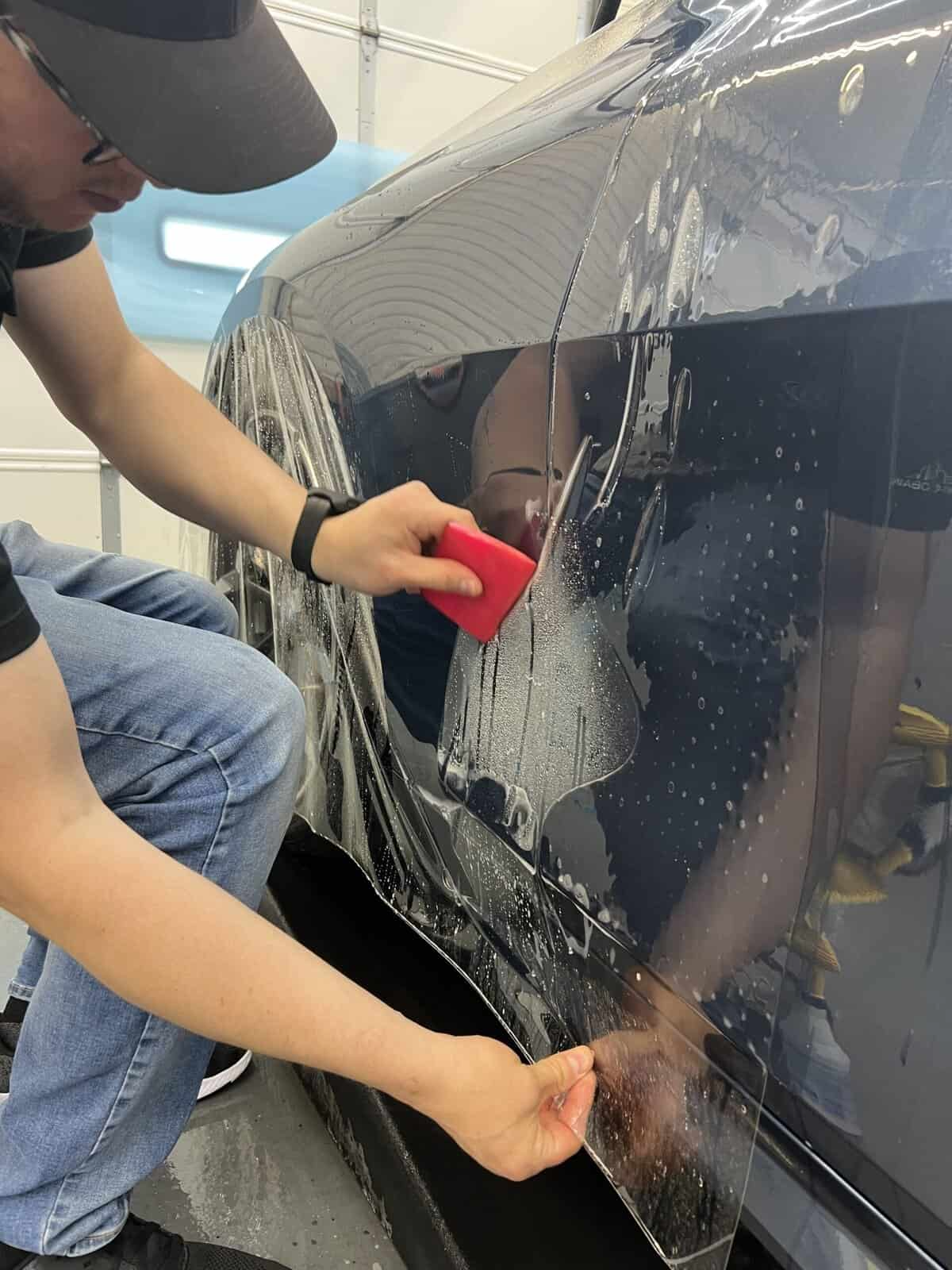
The film is applied using a wet installation method, where a slip solution helps position the film before it’s squeegeed into place. Professional installers use precision cutting—either pre-cut patterns or computer-guided systems—to ensure the film fits your specific vehicle perfectly.
Why PPF Car Protection Is Worth Considering
Physical Protection Against Real-World Hazards
Let’s start with the obvious: PPF protects your paint from things that would otherwise leave permanent marks. We’re talking about stone chips, road debris, scratches from bushes or tree branches, and even vandalism. If you drive on highways, gravel roads, or anywhere with construction traffic, your front bumper and hood are taking a beating every single day.
PPF acts as a sacrificial layer. The film takes the hit so your paint doesn’t have to. And when the film gets damaged? It either heals itself (more on that in a moment) or you replace just that section—much cheaper and easier than repainting a whole panel.
Self-Healing Technology
This is where PPF gets really interesting. High-quality films feature a self-healing top coat that allows minor scratches and swirl marks to disappear when exposed to heat.
How does it work? The film is made from elastomeric polymers that “remember” their original shape. When the film gets warm enough—typically from direct sunlight, a hot engine, or warm water—these polymers soften and return to their original state, effectively closing up the scratches. Some advanced films even heal at room temperature without any external heat.
Think about what that means for everyday driving. Those fine swirl marks from washing? Gone. Light scratches from brushing against a bush in a parking lot? Disappeared. Your car stays looking newer for longer without constant polishing or paint correction.
Hydrophobic Properties Make Cleaning Easier
Modern PPF films are engineered with hydrophobic topcoats that repel water, mud, and grime. Water beads up and rolls off the surface, taking dirt and contaminants with it. This means your car stays cleaner between washes, and when you do wash it, the process is faster and easier.
No more struggling to remove stubborn bug splatter or bird droppings—they rinse right off. And because the film creates a smooth, non-porous surface, contaminants don’t have a chance to bond with your paint.
Preserves Resale Value
Here’s a stat that might surprise you: a survey of 300 auto dealers across the U.S. found that PPF could raise a vehicle’s resale value by as much as 15%. Another study showed that cars with paint protection film can fetch up to 10% more at trade-in time.
Think about it. When a potential buyer sees a car with pristine, factory-original paint, they’re willing to pay a premium. Paint chips and scratches are red flags—they suggest neglect or hard use. PPF signals that the owner cared enough to protect their investment.
Nearly Invisible When Done Right
One of the best things about PPF is that you can’t see it. Quality films are optically clear and don’t alter the color or finish of your paint. Your car looks exactly the way it did from the factory—just with an invisible layer of protection.
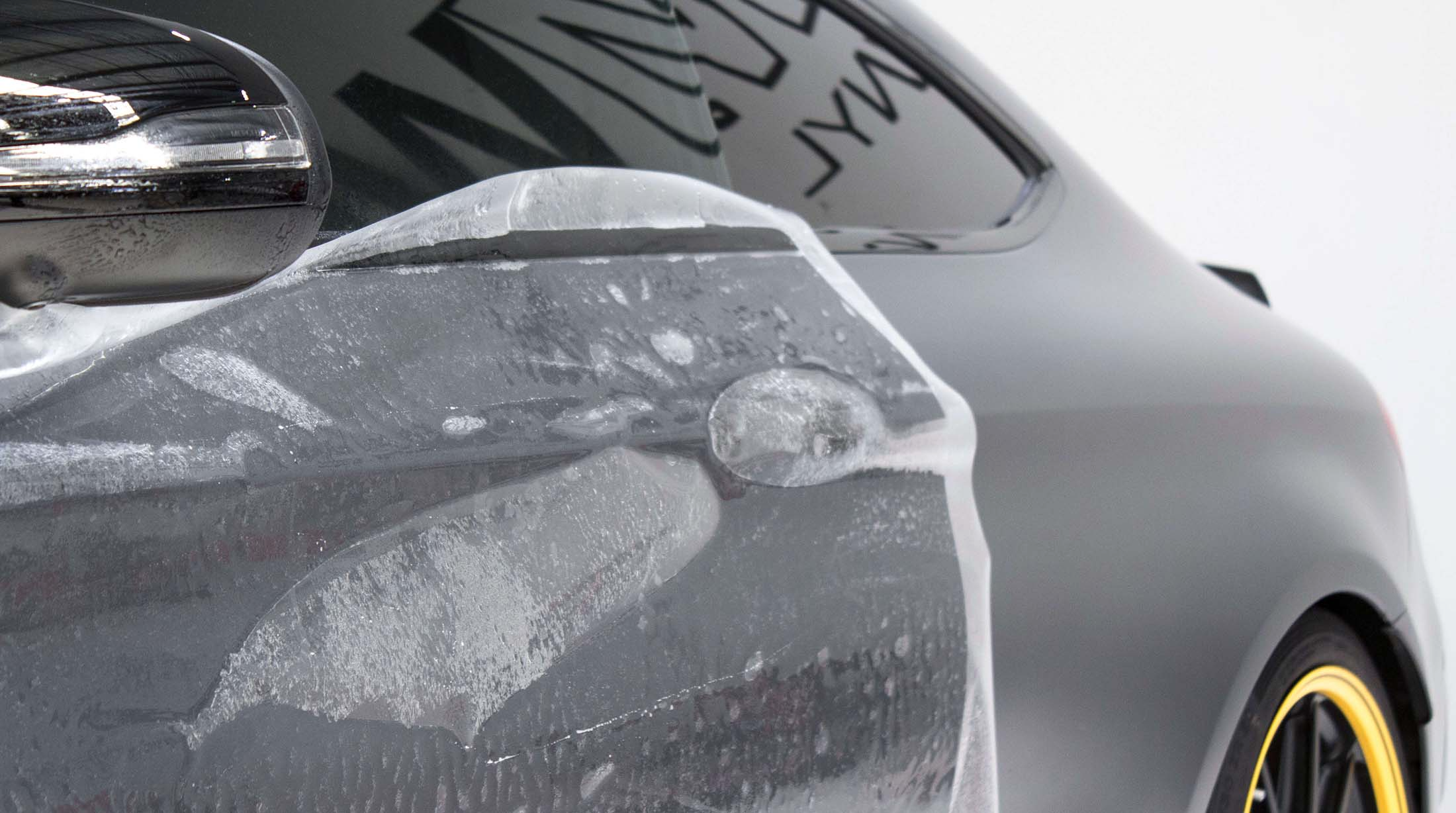
And if you want to change things up? PPF is available in different finishes. Gloss films amplify your paint’s natural shine, while matte or satin films can give your car a stealth, frozen-style look. Either way, you get the same level of protection.
The Other Side: What to Watch Out For
Installation Is Everything
Here’s the thing about PPF: it’s only as good as its installation. This isn’t a DIY project. Professional installation requires a controlled, dust-free environment, specialized tools, and years of experience.
If the film isn’t applied correctly, you could end up with bubbles, peeling edges, or visible seams. And removing poorly installed film can be a nightmare—especially if it’s been on the car for years.
When you’re looking at PPF car protection options, don’t just shop on price. The cheapest quote usually means corners being cut somewhere—whether it’s the quality of the film or the skill of the installer.
Maintenance Matters
While PPF is low-maintenance compared to constantly waxing and polishing your car, it’s not zero-maintenance. You’ll need to follow a few guidelines to keep the film in top condition.
First, let the film cure. Most professionals recommend waiting at least 7 days before your first wash to allow the adhesive to fully bond. During this period, keep the car sheltered from dust and debris.
When you do wash, use pH-neutral car shampoo and soft microfiber cloths. Avoid harsh chemicals, abrasive sponges, or automatic brush washes—they can damage the film’s surface. And if you use a pressure washer, don’t spray directly at the edges of the film.
Quick tip: clean off bird droppings, tree sap, and bug splatter as soon as possible. Even though PPF resists staining, letting contaminants sit for too long can still cause issues.
Not All Films Are Created Equal
This is crucial. Cheap, low-quality PPF can yellow over time, especially on lighter-colored cars. It might crack, peel, or lose its self-healing properties long before it should.
The difference between a premium film and a budget film isn’t just marketing—it’s the materials, the adhesive technology, the topcoat formulation, and the manufacturing process. When you’re investing in PPF car protection, you want a film that’s going to last, not one that’s going to cause problems down the road.
PPF vs. Ceramic Coating: What’s the Difference?
This is one of the most common questions people ask, and it’s worth addressing.
Ceramic coating is a liquid polymer that chemically bonds with your paint to create a hydrophobic, glossy layer. It makes your car easier to clean, adds UV protection, and enhances shine. But it doesn’t offer the same physical protection as PPF.
Think of it this way: ceramic coating protects against what lands on your paint—contaminants, water spots, light swirls. PPF protects against what hits your paint—rocks, debris, scratches.
Many car enthusiasts choose both: PPF on high-impact areas like the front bumper and hood, with ceramic coating over the entire vehicle for that extra gloss and easy cleaning.
If you have to pick one, ask yourself: what are you most worried about? Rock chips and scratches? Go with PPF. Maintaining that deep, wet-look shine? Ceramic coating might be your answer.
PPF Finishes: Gloss, Matte, and Everything In Between
PPF isn’t one-size-fits-all. You can choose the finish that matches your style.
Gloss PPF is the most common option. It’s virtually invisible and enhances the natural shine of your paint. If you want your car to look exactly like it did from the factory—just protected—this is the way to go.
Matte PPF, sometimes called Stealth PPF, gives a glossy-painted vehicle a satin or frozen-style finish. It’s a popular choice for owners who want a more aggressive, understated look while still getting full protection.
Satin PPF sits somewhere in between—less reflective than gloss, more reflective than matte.
The choice comes down to personal preference. Just keep in mind that matte and satin films typically require more frequent cleaning than gloss.
Where to Apply PPF
You can apply PPF to your entire vehicle, or you can focus on high-impact areas.
The most common approach is partial coverage: front bumper, hood, fenders, side mirrors, door edges, and headlights. These are the areas that take the most abuse from road debris.
Full vehicle coverage offers the ultimate protection—every painted surface is shielded. It’s more expensive, but for owners who plan to keep their car for years or who drive in harsh conditions, it’s often worth the investment.
How to Choose the Right PPF for Your Car
When you’re shopping for paint protection film, here’s what to look for:
Quality materials. Look for TPU-based films with self-healing properties and hydrophobic topcoats. These features aren’t gimmicks—they make a real difference in how the film performs and how long it lasts.
Proven durability. Premium PPF can last 5 to 10 years with proper care. Cheap films might start failing in half that time.
Clarity and finish. The best films are optically clear and don’t distort or yellow over time.
Warranty coverage. A strong warranty is a sign that the manufacturer stands behind their product. It’s not just about the piece of paper—it’s about the confidence behind it.
Professional installation. As we’ve said, installation is everything. Choose an installer with experience, good reviews, and a clean workspace.
Why Decowell Film?
When it comes to protecting your vehicle’s paint, the quality of the film matters just as much as the installation. That’s where Decowell Film comes in.
Decowell specializes in high-performance paint protection films engineered for real-world driving conditions. Their films are designed with advanced TPU technology that delivers exceptional durability, self-healing properties, and a hydrophobic surface that makes cleaning effortless.
What sets Decowell apart is their commitment to quality at every level—from the raw materials they use to the precision manufacturing processes that ensure consistent performance across every roll of film. Whether you’re looking for a gloss finish that enhances your car’s natural shine or a matte finish for that stealth look, Decowell has options that deliver.
And here’s the thing: Decowell understands that your car is more than just transportation. It’s an investment. It’s something you take pride in. That’s why their films are engineered to protect that investment for the long haul—keeping your paint looking flawless year after year.
When you choose Decowell Film, you’re not just buying a product. You’re choosing peace of mind. You’re choosing the confidence that comes from knowing your car’s paint is protected by one of the most advanced films on the market.
Final Thoughts
Paint protection film isn’t for everyone. If you drive a beater that you don’t care about, or if you’re the kind of person who sees a car as just an appliance, PPF probably isn’t worth the investment.
But if you take pride in your vehicle? If you want to keep it looking showroom-fresh for years? If you plan to sell it someday and want to get top dollar? PPF is one of the smartest investments you can make.
The key is choosing the right film and the right installer. Don’t cut corners on quality. Don’t chase the lowest price. Your car’s paint deserves better than that.
With Decowell Film, you’re getting premium protection from a brand that understands what car enthusiasts really want: durability, clarity, and peace of mind. Your car works hard for you every day. Isn’t it time you returned the favor?
Frequently Asked Questions
What does paint protection film do?
PPF is a clear, durable film applied to your car’s painted surfaces that protects against stone chips, scratches, UV rays, bird droppings, tree sap, and road debris. It acts as a physical barrier that absorbs impact before it reaches your paint.
Does PPF damage car paint?
No. Quality PPF is completely safe to apply to factory paint and can be removed without damaging the underlying finish. The adhesive is designed to bond securely but release cleanly when removal is needed.
Can PPF be applied to headlights?
Absolutely. PPF is commonly applied to headlights and fog lights to protect them from rock chips, UV damage, and yellowing. This helps maintain visibility and keeps your lights looking clear.
How long does PPF last on a car?
Premium PPF typically lasts 5 to 10 years with proper care. The actual lifespan depends on the quality of the film, driving conditions, and how well it’s maintained.
What’s the difference between PPF and ceramic coating?
PPF is a physical film that protects against impacts like rock chips and scratches. Ceramic coating is a liquid polymer that bonds with your paint to create a hydrophobic, glossy layer. Many owners use both for maximum protection.
Can I wash my car right after PPF installation?
No. Most professionals recommend waiting at least 7 days before your first wash to allow the adhesive to fully cure. During this period, keep the car sheltered and avoid getting the film wet.
Does PPF yellow over time?
Low-quality films can yellow, especially on lighter-colored cars. Premium PPF is engineered with UV inhibitors and advanced topcoats that resist yellowing and maintain clarity for years.
Is PPF worth the investment?
For owners who care about their car’s appearance and resale value, yes. Studies show PPF can increase resale value by up to 15%. The protection it provides against chips and scratches can save you thousands in paint correction and repainting costs.
Can PPF be applied over existing paint chips?
PPF is best applied to paint that’s in good condition. Existing chips and scratches won’t be hidden by the film—they’ll still be visible underneath. Most installers recommend paint correction before PPF installation.
How do I maintain PPF?
Use pH-neutral car shampoo and soft microfiber cloths. Avoid harsh chemicals, abrasive sponges, and automatic brush washes. Clean off bird droppings and tree sap promptly. With proper care, your PPF will keep your car looking great for years.
Ready to protect your vehicle’s paint with premium PPF? Decowell Film offers advanced paint protection solutions engineered for durability, clarity, and real-world performance. Contact Decowell today to learn more about their range of paint protection films and find the right solution for your vehicle.