Home » PPF Solutions: Paint Protection Film for Every Car Owner
Recent Posts
PPF Solutions: Paint Protection Film for Every Car Owner
PPF solutions have come a long way since the early days. What was once a niche product for exotic car collectors has now become a mainstream must-have for anyone who cares about keeping their paint looking fresh. Whether you drive a luxury sedan, a weekend sports car, or just a daily commuter, paint protection film offers a level of defense that traditional waxes and sealants simply cannot match.
If you have been wondering whether PPF solutions are worth the investment, how they actually work, or what makes one film different from another — this guide covers it all. No marketing fluff, no confusing jargon. Just straight talk about what paint protection film can do for your vehicle and why more and more drivers are making it part of their car care routine.
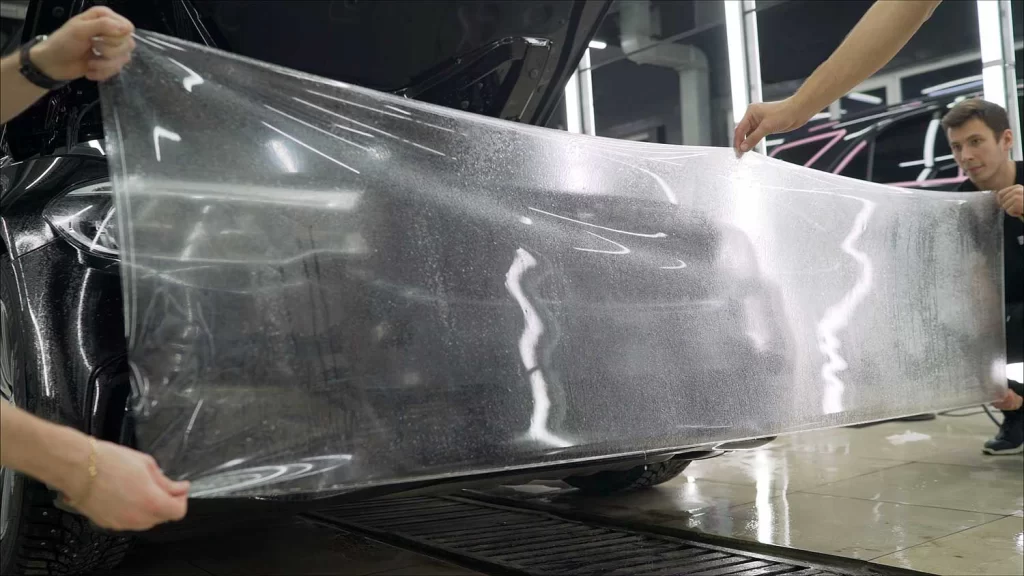
Table of Contents
Why Car Paint Needs More Than Just Wax
Let us start with something most car owners already know: factory paint is not what it used to be. Modern automotive paint has shifted toward thinner, water-based formulations that are more environmentally friendly during manufacturing but also more vulnerable to everyday wear on the road [0†L34-L38]. A minor stone chip that barely registers at 60 miles per hour can leave a permanent mark that no amount of waxing will fix.
Waxes and sealants sit on top of the clear coat as a thin sacrificial layer. They provide some protection against UV rays and light contaminants, but ask any detailer how much protection a wax offers against a flying piece of gravel. The answer is almost none. Ceramic coatings are a step up — they add hardness and hydrophobic properties — but they still cannot absorb impact the way a physical barrier can.
This is where PPF solutions step in. A high-quality paint protection film acts as a transparent armor layer that sits between your paint and the outside world. It takes the hits, absorbs the energy, and sacrifices itself so your factory finish stays intact. For drivers who plan to keep their vehicles for years or care about resale value, that difference matters a lot.
Understanding How PPF Solutions Actually Work
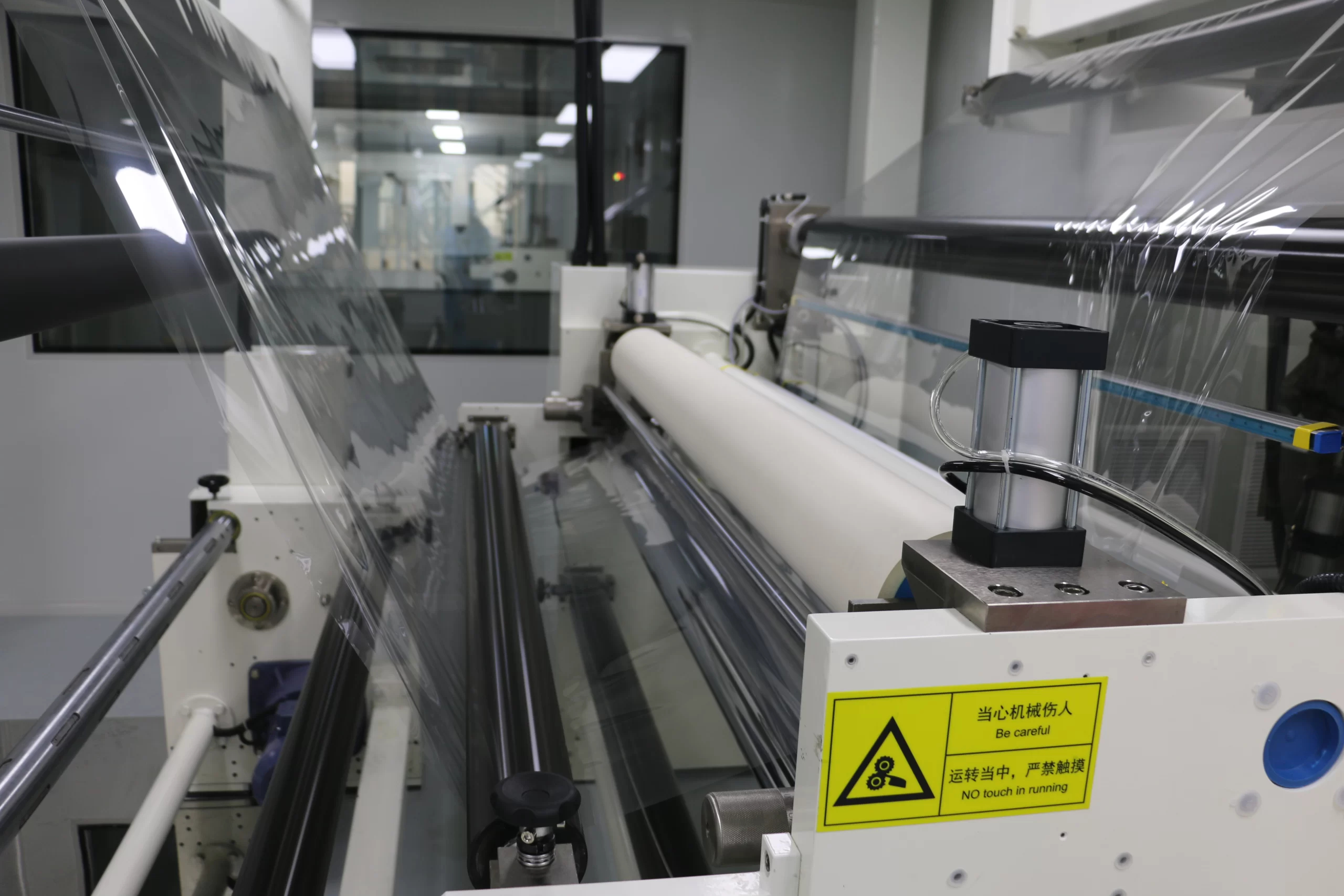
At its core, a paint protection film is a multi-layered thermoplastic polyurethane (TPU) sheet that bonds directly to your vehicle’s painted surfaces. But calling it just a “plastic sheet” does not do it justice. Modern PPF solutions are engineered with several specialized layers, each designed to handle a different type of threat.
The Material Difference: Why TPU Matters
Not all PPF solutions use the same materials. The biggest difference you will encounter is between TPU-based films and those made from PVC or TPH.
TPU, or thermoplastic polyurethane, is an elastomer — meaning its polymer chains can stretch and then return to their original shape when force is applied [1†L6-L8]. This elasticity allows a TPU-based paint protection film to absorb the kinetic energy from road debris rather than just acting as a hard shell that might crack or chip under impact [1†L8-L10]. PVC, by contrast, is more rigid. When a rock hits a PVC film, the material tends to permanently deform, offering less protection to the paint underneath [1†L29-L32].
The material choice also affects how the film ages. TPU-based films maintain their clarity and flexibility for years, resisting the yellowing and brittleness that cheaper alternatives develop over time [1†L33-L35]. For drivers who want PPF solutions that will actually last, the material underneath the surface is just as important as the top coat.
The Self-Healing Layer
One of the most talked-about features of modern paint protection film is self-healing technology. The way it works is actually quite simple. The topmost layer of the film contains polymers that, when heated, flow back into their original position [2†L11-L13].
Minor scratches, swirl marks, and light scuffs — the kind that happen from normal washing or accidental brushes — disappear when exposed to heat. That heat can come from direct sunlight on a warm day, warm water during a wash, or even the warmth of your car’s engine after driving [2†L11-L13]. Self-healing begins when the surface reaches around 140°F, meaning summer sun alone can erase light damage [2†L7-L8].
The self-healing function does have limits. It works on surface-level marks, not deep cuts or gouges. And like any protective coating, its effectiveness depends on the integrity of the film itself [2†L47-L48]. But for the thousands of small abrasions a car accumulates over years of driving, self-healing PPF solutions significantly reduce the need for paint correction and polishing.
Hydrophobic Protection
Water beading is not just for show. A hydrophobic top coat on a paint protection film creates a surface that actively repels water, dirt, and contaminants [3†L43-L47]. When rain hits a hydrophobic PPF surface, it forms tight beads that roll off, carrying dirt and grime with them. This makes the car noticeably easier to clean between washes and reduces the amount of time water sits on the surface.
The hydrophobic layer also provides chemical resistance. Acid rain, bird droppings, tree sap, and bug splatter — all of which can etch into clear coat if left too long — have a harder time bonding to a hydrophobic surface [3†L13-L15]. That extra layer of defense means you have more time to clean off contaminants before they cause permanent damage.
UV and Anti-Yellowing Properties
Sunlight is surprisingly damaging to automotive paint. UV rays break down the chemical bonds in clear coat over time, leading to oxidation, fading, and a chalky appearance. A quality paint protection film is formulated with UV inhibitors that block a significant amount of harmful radiation before it reaches your paint.
Anti-yellowing technology is also critical. Early generations of paint protection film had a reputation for turning yellow or hazy after a few years in the sun [1†L34-L35]. Modern PPF solutions are engineered with aliphatic TPU chemistry that resists discoloration, keeping the film clear and your paint’s true color visible for years.
What PPF Solutions Protect Your Car From
Understanding the threats helps explain why paint protection film makes sense. Here is what a quality PPF installation guards against on a daily basis.
Rock Chips and Road Debris
Highway driving is brutal on front-end paint. Small rocks, gravel, and even chunks of salt kicked up by other vehicles strike your bumper, hood, and fenders at speed. Each impact chips away at the clear coat, and over time, those chips accumulate into a sandblasted look. A TPU-based paint protection film absorbs the energy of these impacts, preventing the damage from reaching your paint [1†L8-L10].
Scratches and Swirl Marks
Even careful owners end up with swirl marks. Automatic car washes, microfiber towels that have trapped grit, or accidental brushes against a zipper — the sources are endless. Self-healing PPF solutions keep the surface smooth by erasing these fine scratches with heat, so your car looks freshly polished without the labor.
Environmental Contaminants
Bird droppings are acidic. Tree sap is sticky and corrosive. Industrial fallout and brake dust embed themselves into clear coat. Each of these contaminants can leave permanent etching or staining if not removed quickly. The top coat of a quality paint protection film is engineered to resist chemical attack, giving you a much wider window to clean off contaminants before they cause harm [3†L13-L15].
UV Fading
Parking outside is a fact of life for many car owners. Over months and years, UV exposure fades paint unevenly, leaving some panels looking dull while others remain vibrant. UV inhibitors built into PPF solutions block the majority of harmful radiation, preserving your paint’s color and gloss for longer.
Coverage Options: Finding the Right PPF Solution for Your Needs
One of the most common questions about paint protection film is how much of the car should be covered. The answer depends on your budget, how you use the vehicle, and what level of protection you want.
Partial Coverage
Partial coverage focuses on the areas most likely to take damage — typically the front bumper, side mirrors, door edges, and the leading edge of the hood. This option is the most affordable entry point into PPF solutions and provides protection where it matters most [6†L21-L22].
For drivers who primarily face highway debris or park in tight urban spaces where door dings are a concern, partial coverage offers a strong return on investment.
Full Front Coverage
Full front coverage includes the entire hood, both front fenders, the bumper, and the side mirrors. This is the most popular choice among car owners because it protects the areas that see the highest volume of impacts [6†L22].
A full front installation means no seams across the middle of your hood. The protection is seamless and invisible, and the peace of mind that comes with knowing your entire front end is armored against rock chips is hard to overstate.
Full Vehicle Coverage
Full vehicle coverage wraps every painted surface on the car — doors, roof, rear quarter panels, trunk, and bumpers [6†L22-L23]. This is the ultimate level of PPF solutions and is typically chosen for new vehicles, high-value cars, or owners who plan to keep their vehicle for many years.
Full coverage protects against everything from shopping cart dings in parking lots to scratches from branches on narrow roads. It also preserves the entire paint surface, which matters for resale value.
Colored PPF Solutions: Protection Meets Personalization
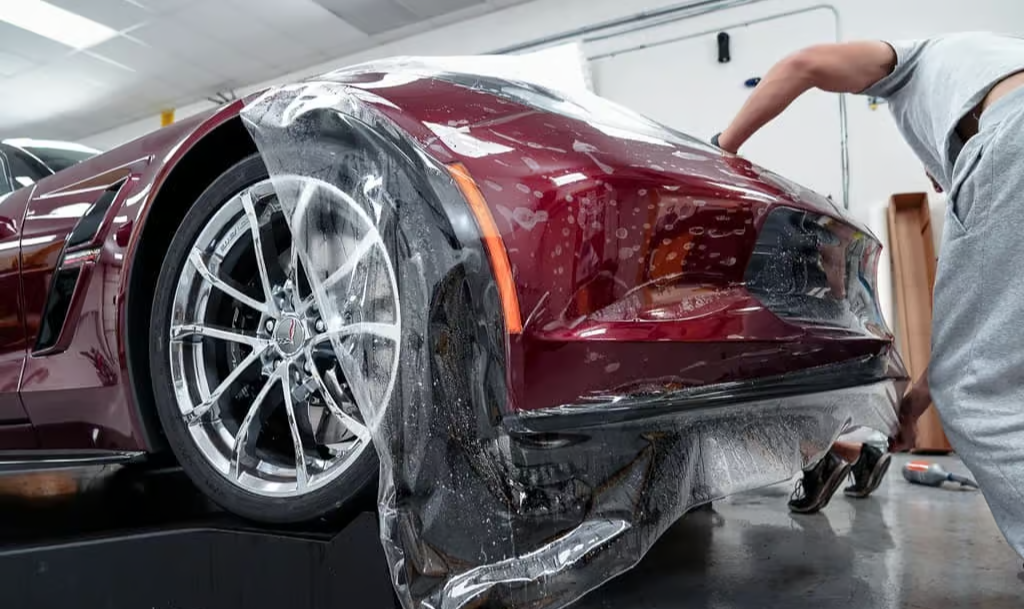
Paint protection film is no longer limited to clear finishes. Colored PPF solutions have grown significantly in popularity, offering drivers the ability to change their vehicle’s appearance while keeping the factory paint protected underneath.
A colored paint protection film combines the impact resistance, self-healing properties, and UV protection of a TPU-based film with stable automotive-grade pigments [8†L12-L15]. Unlike vinyl wraps, which offer minimal protection and typically last two to five years, colored PPF solutions are built to last much longer while actively shielding the paint from damage [0†L27-L32].
For shop owners and installers, offering colored PPF solutions alongside clear films opens up new customer segments. Drivers who want a distinctive look — whether a deep gloss black, a satin metallic, or a factory-inspired blue — no longer have to choose between style and protection. With colored PPF solutions, they can have both.
The dry-install application method used by many modern colored PPF films makes installation faster and cleaner than traditional wet applications [8†L10-L12]. This means fewer bubbles, less repositioning, and a smoother final finish.
What to Look for in Quality PPF Solutions
When evaluating paint protection film, several factors determine whether you are getting a product that will perform for years or one that will disappoint within months.
Material Grade
The base material matters more than anything else. TPU-based PPF solutions consistently outperform PVC and TPH alternatives in every category that matters: impact resistance, clarity, self-healing ability, and longevity [1†L18-L20]. If a film is not TPU, it is not true paint protection — it is vinyl with a different name.
Thickness
Most quality PPF solutions range from six to ten mils in thickness. Thicker films generally offer better impact absorption, but thickness alone does not guarantee quality. The material’s flexibility and the adhesive’s performance matter just as much.
Top Coat Performance
The top coat determines how the film handles scratches, water, and contaminants. A high-quality self-healing top coat with hydrophobic properties makes daily maintenance easier and keeps the film looking glossy for longer.
Adhesive Quality
A strong adhesive bonds securely without damaging factory paint during removal. Premium PPF solutions use adhesives that allow repositioning during installation but lock down firmly once cured [3†L22-L25].
Professional Installation vs. DIY PPF Solutions
The question of whether to install paint protection film yourself or hire a professional comes up frequently. While DIY kits are available, paint protection film is not as forgiving as vinyl wrap.
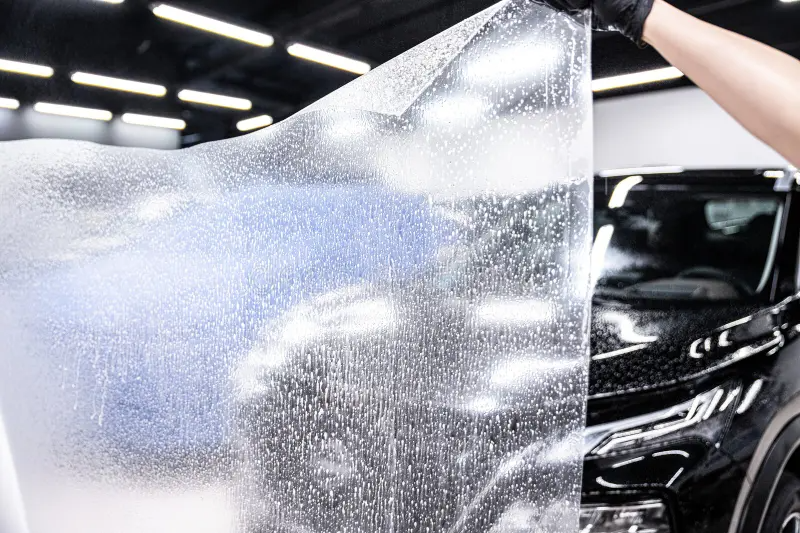
Professional installation typically delivers superior results for several reasons. Installers work in clean, dust-controlled environments to prevent contamination under the film [4†L21-L23]. They understand how to handle complex curves and sharp edges, tucking film into crevices rather than cutting flush where it might peel [4†L40-L42]. They use proper squeegee techniques, apply correct amounts of heat, and seal edges to prevent lifting [4†L32-L35].
DIY installation is possible for small areas like door cups or side mirrors, but full-panel or full-car applications carry significant risk. Dust trapped under the film creates visible bumps. Overstretching distorts the film and strains the adhesive. Improper edge sealing leads to peeling and dirt accumulation. For most owners, the extra cost of professional installation is well worth the peace of mind.
Maintaining Your Paint Protection Film
PPF solutions are designed to be low-maintenance, but they are not no-maintenance. With proper care, a quality paint protection film stays clear and functional for years.
Washing Guidelines
Regular washing with pH-neutral car shampoo and a soft microfiber wash mitt keeps the film clean without damaging the top coat [5†L10-L13]. Avoid automatic car washes with spinning brushes, as the bristles can abrade the film’s surface over time [5†L39-L42].
When using a pressure washer, keep the nozzle at least three feet away from the film and avoid spraying directly at the edges, where high-pressure water can lift the film [5†L27-L29]. Rinse thoroughly and dry with a clean microfiber cloth.
Dealing with Contaminants
Bird droppings, tree sap, and bug splatter should be cleaned off as soon as possible. Even with a protective top coat, leaving acidic contaminants on the surface for extended periods can cause staining or etching. Use a PPF-safe cleaner or diluted isopropyl alcohol for stubborn spots.
Self-Healing Maintenance
The self-healing properties of PPF solutions are activated by heat. If you notice light swirl marks or scratches, park the car in direct sunlight on a warm day or pour warm water over the affected area. The scratches will typically disappear within minutes [2†L5-L8]. For best results, avoid abrasive polishes or compounds that could damage the top coat.
The Long-Term Value of PPF Solutions
Investing in paint protection film is not about immediate gratification — it is about preserving what you already have. The upfront cost of PPF solutions is higher than a wax or a ceramic coating, but the long-term value tells a different story.
Consider what happens without paint protection. Over several years, a daily-driven car accumulates rock chips on the front end, swirl marks from washing, etching from bird droppings, and UV fading on horizontal surfaces. Addressing these issues requires paint correction, touch-up paint, or — in severe cases — repainting entire panels. Those costs add up.
PPF solutions prevent that damage from occurring in the first place. The film takes the hits so your paint does not have to. When you sell the vehicle, the original paint remains in near-new condition underneath the film. The film can be removed professionally, revealing a factory finish that has been shielded from years of road exposure.
The numbers support this. A survey of auto dealers found that vehicles with paint protection film applied when new command higher resale prices [7†L5-L10]. More than 90% of dealers believe that PPF-equipped vehicles have greater resale value than unprotected cars [7†L8-L10]. For owners who plan to sell or trade in their vehicles, that increased value can offset a significant portion of the film’s original cost.
Common Misconceptions About Paint Protection Film
“PPF will damage my paint when removed.”
Not true. Quality PPF solutions use adhesive systems designed for clean removal. When factory paint is in good condition and the film is removed properly with heat and the right technique, the paint remains undamaged. Problems usually occur with repainted panels where the underlying paint was already failing.
“All PPF solutions are the same.”
Far from it. Material choice — TPU versus PVC — alone creates massive differences in performance. Top coat quality, adhesive formulation, and manufacturing precision all affect how the film looks, installs, and lasts.
“PPF turns yellow after a few years.”
This reputation comes from early-generation films. Modern TPU-based PPF solutions with UV inhibitors and anti-yellowing chemistry resist discoloration for many years [2†L6-L7].
“Ceramic coating does the same thing.”
Ceramic coatings and paint protection film serve different purposes. Coatings add hardness and hydrophobic properties but do not absorb impact. PPF solutions provide physical protection against chips and scratches. Many owners choose both — PPF for impact zones and ceramic coating for gloss on top.
Choosing the Right PPF Solutions Partner
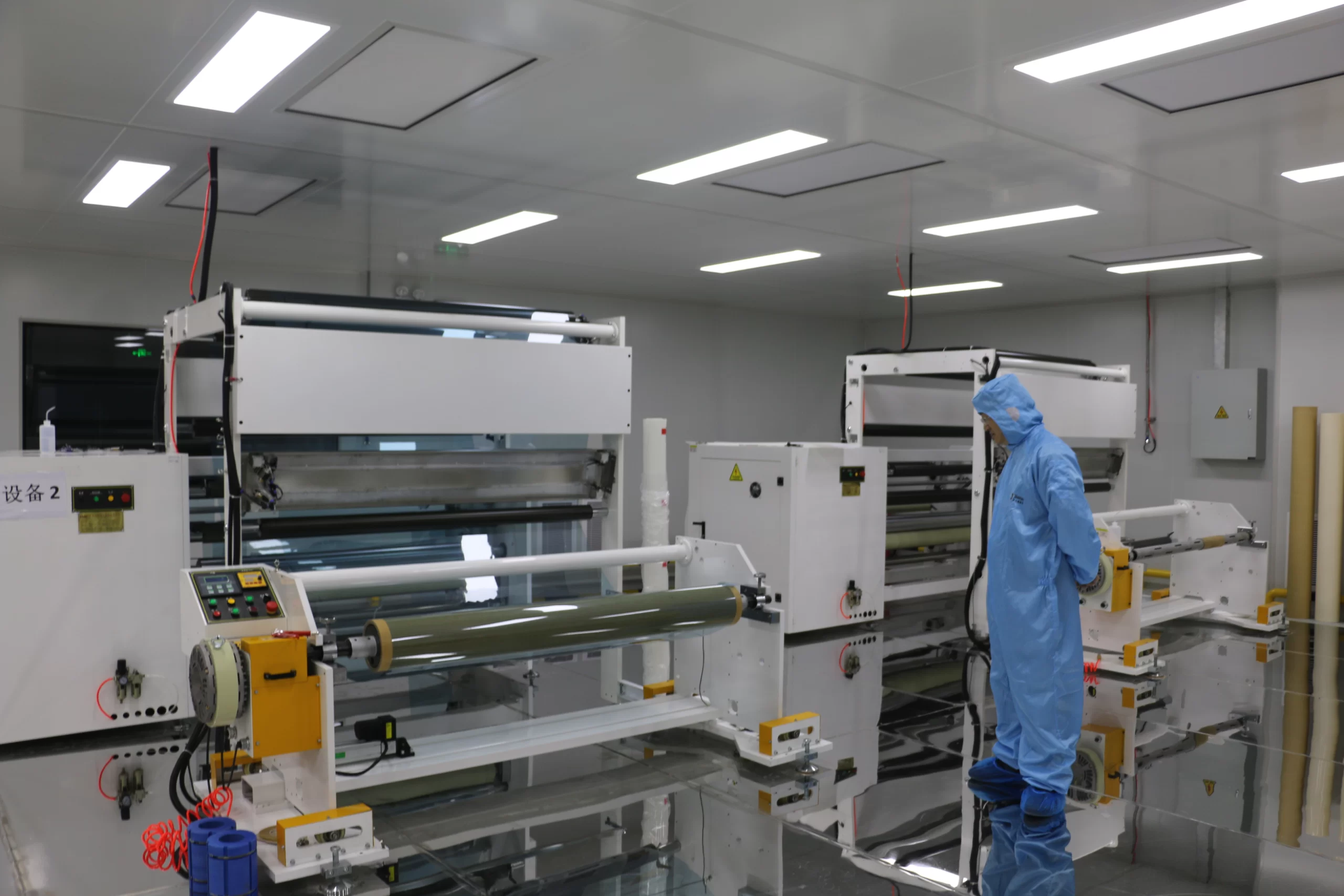
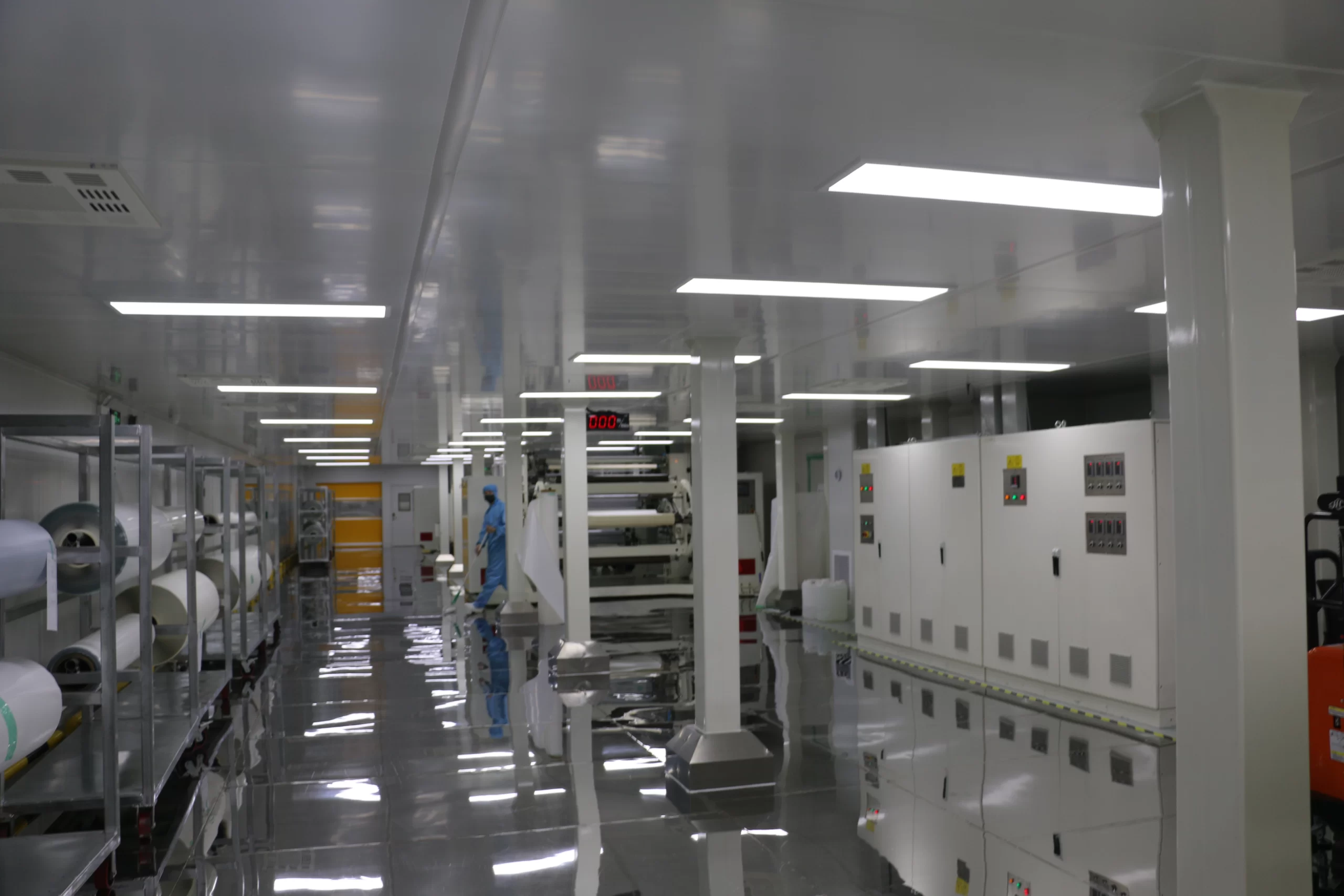
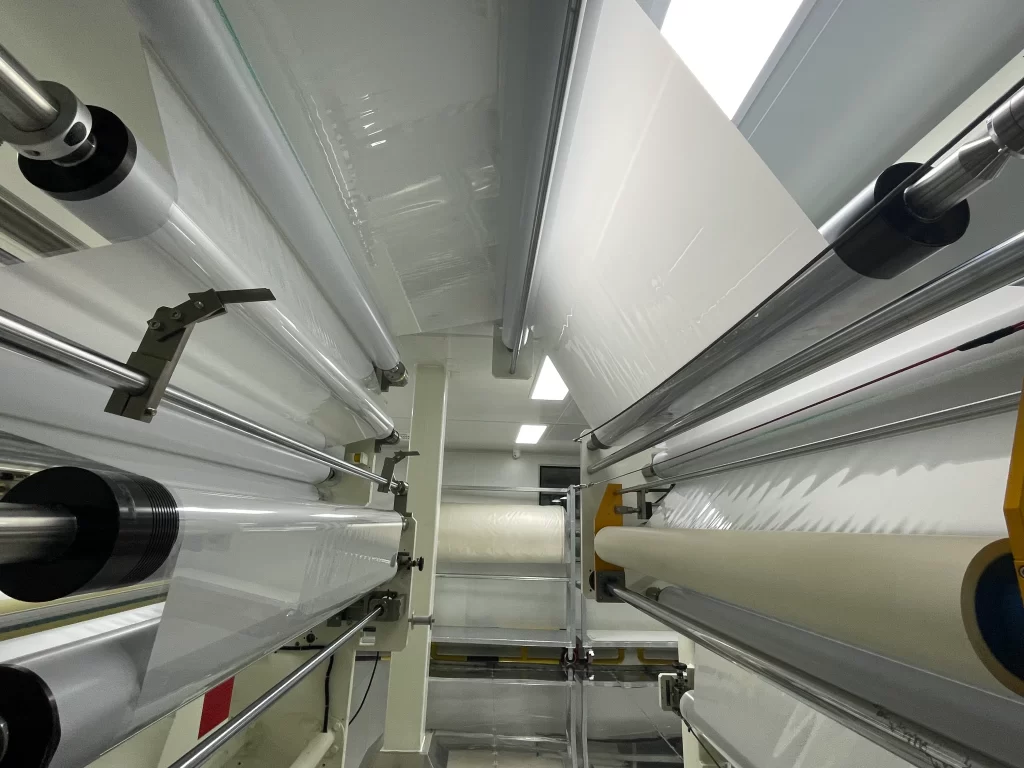
For shop owners, detailing studios, and installation professionals, the quality of PPF solutions you offer directly affects your reputation. Using film that installs cleanly, holds up over time, and delivers consistent results builds trust with customers and reduces callbacks.
Decowell provides premium paint protection film solutions for the global automotive market. Their range includes clear PPF solutions for invisible protection and colored PPF solutions for drivers who want to personalize their vehicles while keeping factory paint shielded underneath.
Decowell’s PPF solutions are formulated with high-grade TPU materials, engineered for installers who need consistent stretch, reliable adhesion, and a flawless finish. Whether you are installing a partial front-end kit or a full-vehicle wrap, Decowell films are designed to perform.
For car owners looking to protect their investment, Decowell offers the peace of mind that comes with knowing your paint is guarded against the daily threats of the road.
Decowell — trusted PPF solutions for vehicles that deserve the best.
Frequently Asked Questions About PPF Solutions
What exactly is paint protection film?
Paint protection film is a transparent or colored thermoplastic polyurethane (TPU) sheet applied to a vehicle’s painted surfaces. It acts as a physical barrier that absorbs impacts, resists scratches, blocks UV rays, and protects against chemical contaminants, all while preserving the appearance of the original paint underneath.
How long do PPF solutions typically last?
Quality PPF solutions generally maintain their protective properties and appearance for a significant number of years when properly installed and maintained. Lifespan depends on factors including film quality, climate conditions, driving habits, and care routines.
Will paint protection film change how my car looks?
A high-quality clear paint protection film is virtually invisible when professionally installed. Colored PPF solutions are designed to provide a vibrant, uniform finish that closely matches factory paint depth and gloss. At normal viewing distances, most observers cannot tell the difference between a colored PPF wrap and factory paint.
Can PPF solutions be removed without damaging the original paint?
Yes. Premium paint protection film uses adhesive systems engineered for clean removal. When the original paint is in good condition and the film is removed professionally using proper heat and techniques, the paint remains undamaged and unaltered.
How do I maintain a car with paint protection film?
Maintenance is simple. Wash regularly with pH-neutral car shampoo and a soft microfiber mitt. Avoid automatic brush car washes. Rinse thoroughly and dry with a clean cloth. Clean off bird droppings, tree sap, and bug splatter promptly. For minor scratches, expose the film to heat from sunlight or warm water to activate self-healing.
Is professional installation necessary for PPF solutions?
For full-panel or full-vehicle applications, professional installation is strongly recommended. Professional installers work in controlled environments, understand complex curves and edge tucking, and use proper techniques to achieve bubble-free, seamless results. DIY installation is possible for small areas but carries higher risk of visible flaws.
What is the difference between clear PPF and colored PPF?
Clear paint protection film is invisible and preserves your car’s factory color while adding protection. Colored PPF solutions combine the same protective properties — impact resistance, self-healing, UV blocking — with a complete color transformation, allowing you to change your vehicle’s appearance while keeping the original paint intact underneath.
Will PPF solutions protect against rock chips?
Yes. The TPU material used in quality PPF solutions is designed to absorb the kinetic energy of impacts from road debris, preventing damage from reaching the paint underneath. This is one of the primary reasons drivers choose paint protection film.
Can PPF solutions be applied to any vehicle?
Paint protection film can be applied to most vehicles with factory paint in good condition. It works on all painted exterior surfaces and can be custom-cut to fit any vehicle shape. Professional installers use pattern software or hand-cutting techniques to achieve precise coverage on any make or model.
What makes Decowell’s PPF solutions different?
Decowell is dedicated to providing premium PPF solutions that meet the needs of both professional installers and car owners. Their films are engineered for consistent quality, reliable performance, and lasting protection. Whether you need clear paint protection film for invisible defense or colored PPF solutions for a custom look, Decowell delivers products you can trust.