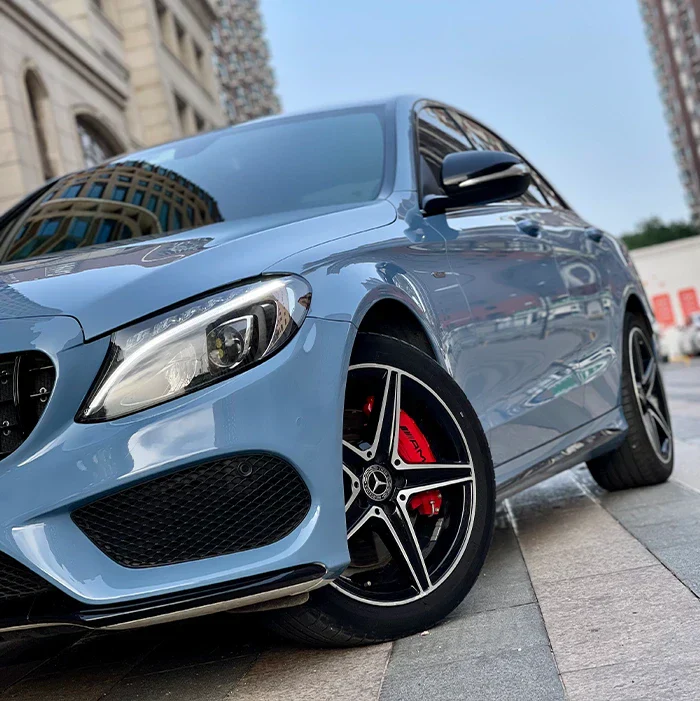
Home » Blue PPF vs Clear PPF vs Vinyl Wrap: Why Blue PPF Is the Smarter Choice for Your Car
Recent Posts
Blue PPF vs Clear PPF vs Vinyl Wrap: Why Blue PPF Is the Smarter Choice for Your Car
More and more drivers are discovering that blue PPF does more than just turn heads—it actually keeps factory paint safe from daily wear and tear. If you’ve been searching for a way to give your car that deep, glossy blue finish while also protecting it from rock chips, road debris, and UV damage, you’ve probably stumbled across a few different options: clear PPF, vinyl wraps, and colored PPF. In this guide, we’ll walk through what makes blue PPF different, how it stacks up against the alternatives, and why it’s becoming the go-to choice for car owners who want both style and substance. For shop owners looking to expand their offerings, adopting high-quality blue PPF from trusted manufacturers like Decowell can be a smart way to attract customers who care about aesthetics and protection in one package.
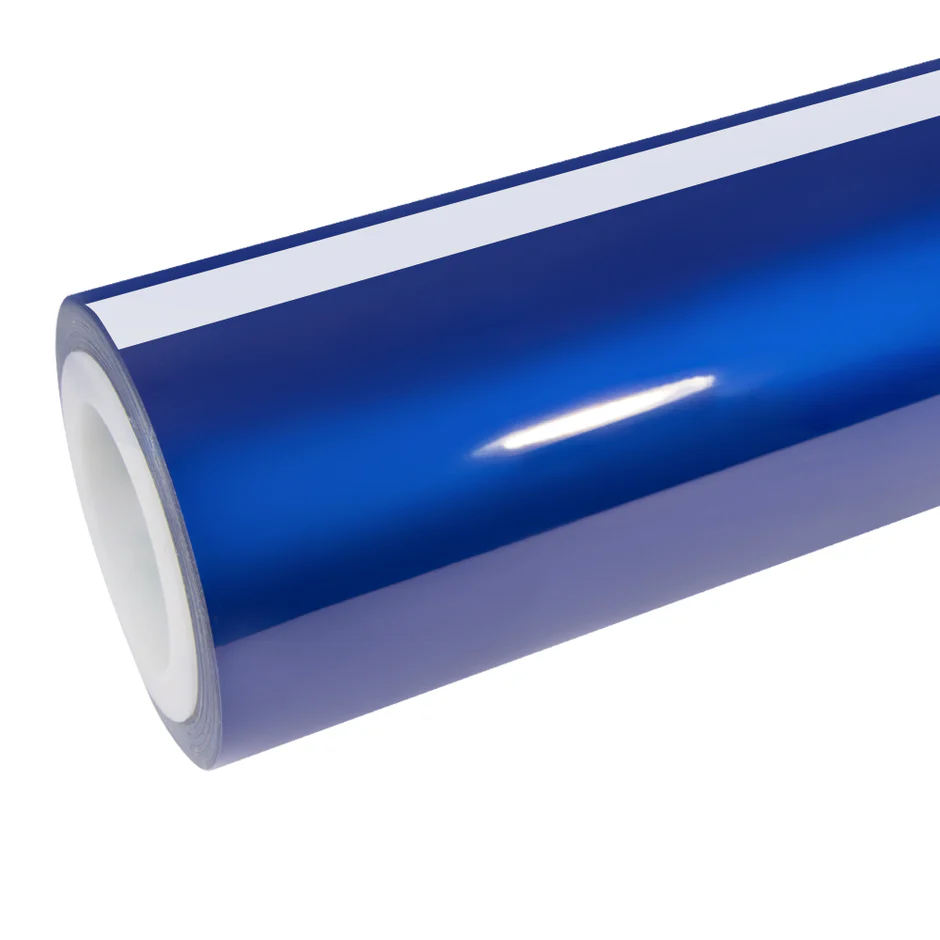
Table of Contents
What Is Blue PPF and How Does It Work?
Blue PPF is a colored version of traditional paint protection film—it’s made from thermoplastic polyurethane (TPU), the same impact-absorbing material used in premium clear PPF, but with stable pigments mixed in to create vibrant, long-lasting blue hues. Unlike vinyl wraps, which are designed primarily for color changes, blue PPF is engineered first and foremost as a protective barrier. High-quality films typically measure 6–8 mil in thickness and use a multi-layer construction that includes a self-healing top coat, a color layer, a TPU impact layer, and a pressure-sensitive adhesive that bonds securely without damaging factory paint.
Here’s what each layer actually does when you drive down the road. The self-healing top coat uses memory polymers to erase minor scratches and swirl marks when exposed to heat from sunlight or warm water. Beneath that, the color pigment layer delivers a consistent, vibrant blue finish that won’t fade or turn patchy over time. The TPU core absorbs impact energy from stone chips, road debris, and even minor abrasions—so the film takes the hit, not your paint. The adhesive backing allows for clean repositioning during installation and, just as importantly, clean removal years down the line. Together, these layers form a sacrificial barrier that shields your original clear coat from chips, stains, bird droppings, acid rain, and UV fading.
For professional installers, this layered construction also means predictable behavior on the job. Films that use quality TPU and well-engineered adhesives stretch evenly around complex curves without lifting or forming bubbles, which saves time and reduces frustration during full-vehicle wraps. Decowell’s blue PPF range is formulated with this kind of installer-friendly performance in mind, using advanced TPU chemistry that balances flexibility with strength—giving you enough give to wrap around bumpers and mirrors, but enough toughness to actually stop a rock from chipping the paint underneath.
The Real Protection: How Blue PPF Keeps Your Paint Safe
Let’s be honest—no one wants to watch their car’s factory paint get pelted by highway debris, etched by bird droppings, or faded by years of sun exposure. That’s where blue PPF earns its keep. Unlike a standard car wax or ceramic coating that sits on top of the clear coat as a thin sacrificial layer, blue PPF is a physical shield that absorbs impact and distributes force across its surface, preventing damage from reaching the paint at all.
In durability tests comparing colored PPF against vinyl wraps, the results are pretty clear: PPF consistently outperforms vinyl when it comes to real-world abuse. In one scratch resistance test, vinyl scratched easily under a metal brush, while colored PPF held up much better—and even when scratches did appear, lighter marks self-healed with heat or hot water thanks to its TPU construction. Stain resistance follows a similar pattern. When hit with coffee, barbecue sauce, and even permanent marker, colored PPF wiped clean more easily overall, thanks to its factory hydrophobic topcoat. And in the most telling test—an aggressive key scratch—vinyl left the paint underneath fully exposed, while colored PPF took the damage without transferring it to the paint.
Beyond scratches and stains, blue PPF also blocks UV radiation that would otherwise cause your paint to oxidize and fade over time. Premium formulations incorporate UV inhibitors directly into the film structure, so the barrier works from day one without yellowing or becoming brittle. That’s especially critical in sunny climates, where unprotected paint can start showing signs of fading within a couple of years.
For car owners who want to preserve resale value, the equation is simple: factory-original paint underneath a removable film holds its worth much better than repainted panels or UV-damaged clear coats. And because blue PPF is fully removable, you can return the car to its original color whenever you want—whether you’re trading it in, selling it privately, or just ready for a change.
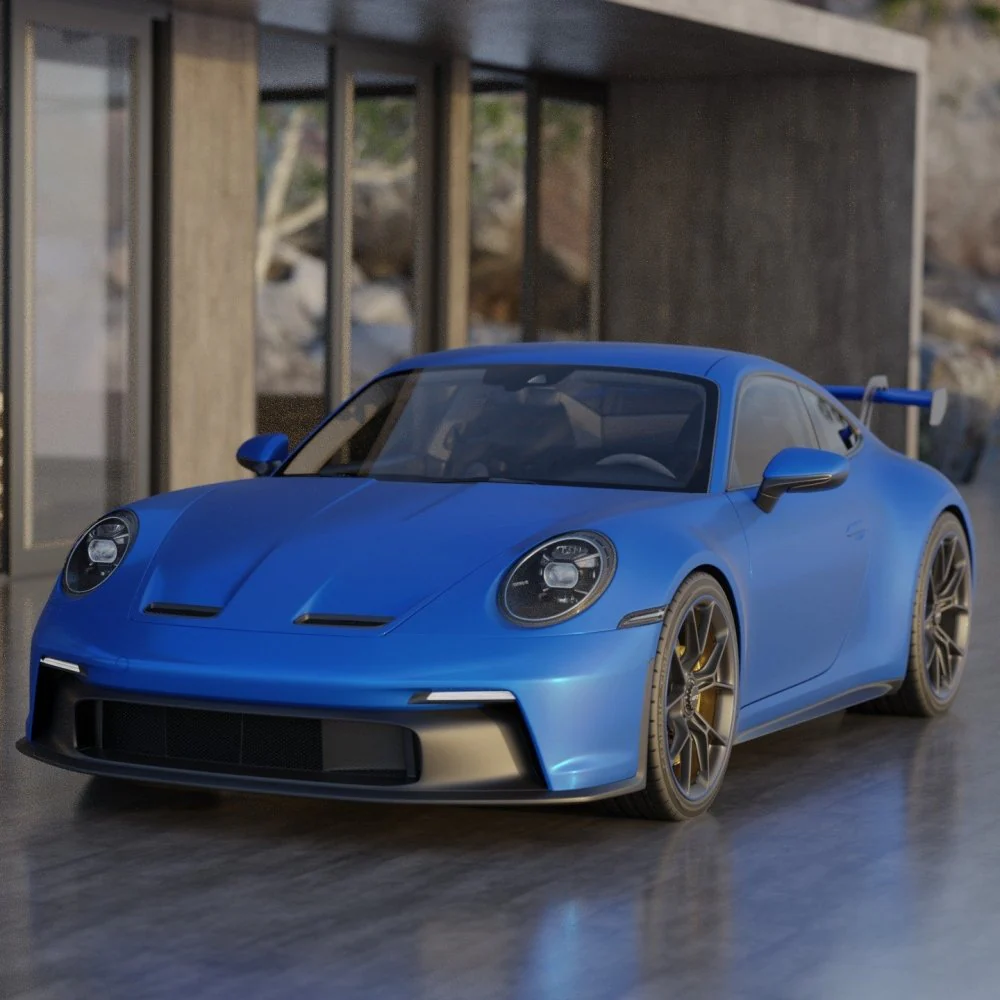
Blue PPF vs Vinyl Wrap: What’s the Real Difference?
On the surface, blue PPF and vinyl wraps might look similar—both are applied over factory paint, both come in glossy finishes, and both can transform the appearance of your vehicle. But once you look under the hood, so to speak, the differences become pretty obvious. Vinyl wraps are typically 2–4 mil thick, made from PVC, and designed mainly for cosmetic changes. They offer minimal impact protection, don’t self-heal, and generally last 2–5 years before showing signs of fading, cracking, or peeling. Blue PPF, on the other hand, is 6–8 mil thick, made from TPU, and built to absorb impacts, resist scratches, and keep paint safe for years. It self-heals, blocks UV, and lasts considerably longer—typically around 5–10 years with proper care.
In practice, that means a vinyl wrap might look great for the first year or two, but it won’t do much to stop a rock chip from reaching your paint. A blue PPF installation gives you both the cosmetic upgrade and the peace of mind that comes with knowing your factory finish is protected underneath. If you’re leasing your car, a vinyl wrap might be fine—you can peel it off before returning the vehicle. But if you own your car and plan to keep it for a while, blue PPF is the more cost-effective long-term investment, because you’re not just changing the color—you’re actually preserving the value of what’s underneath.
For detailing shops and wrap installers, this distinction matters when talking to customers. Many car owners don’t realize that vinyl wraps offer almost no impact protection. Being able to explain the difference—and offer premium blue PPF from a reliable partner like Decowell—positions your shop as the expert who cares about both style and substance, not just a quick color flip.
Installation and Maintenance: Keeping Your Blue PPF Looking Fresh
Installing blue PPF requires a bit more skill than applying a vinyl wrap, but the results are absolutely worth it. The process typically involves several key steps: thorough surface decontamination, careful film alignment, squeegeeing out slip solution and air bubbles, and post-heating edges to lock the film in place. A clean workspace is crucial—dust particles trapped under the film will show up as visible bumps, and contaminants like leftover wax or silicone can prevent the adhesive from bonding properly. Professional installers also pay close attention to how much they stretch the film. Overstretching beyond about 10–15% can create stretch marks, glue lines, and even distort the color, so it’s better to use controlled tension and work in sections, especially on large body panels.
Wet installation is generally recommended for blue PPF because it allows the film to glide across the surface for easier positioning, which means fewer bubbles and a cleaner final finish. For edges and corners, using warm water helps the adhesive activate faster, and a gentle post-heat can lock the film down without scorching it. With practice, installers can achieve a nearly invisible seam finish that looks just like factory paint—no raised edges, no bubbles, no orange peel texture.
Once installed, maintaining blue PPF is refreshingly straightforward. Use pH-neutral car shampoo and a soft microfiber wash mitt, and avoid automatic car washes with spinning brushes, which can abrade the film’s top coat over time. If you notice minor swirl marks or light scratches, park the car in direct sunlight or pour warm water over the affected area to activate the self-healing layer—those marks will usually disappear within minutes. For tougher stains like bird droppings or tree sap, clean them off as soon as possible to prevent etching, and stick to PPF-safe detailing sprays if you want to add an extra layer of slickness. Some owners even apply a ceramic coating on top of their blue PPF for even easier cleaning, though that’s entirely optional. The bottom line is that blue PPF requires less fussy maintenance than a vinyl wrap and holds its gloss far longer.
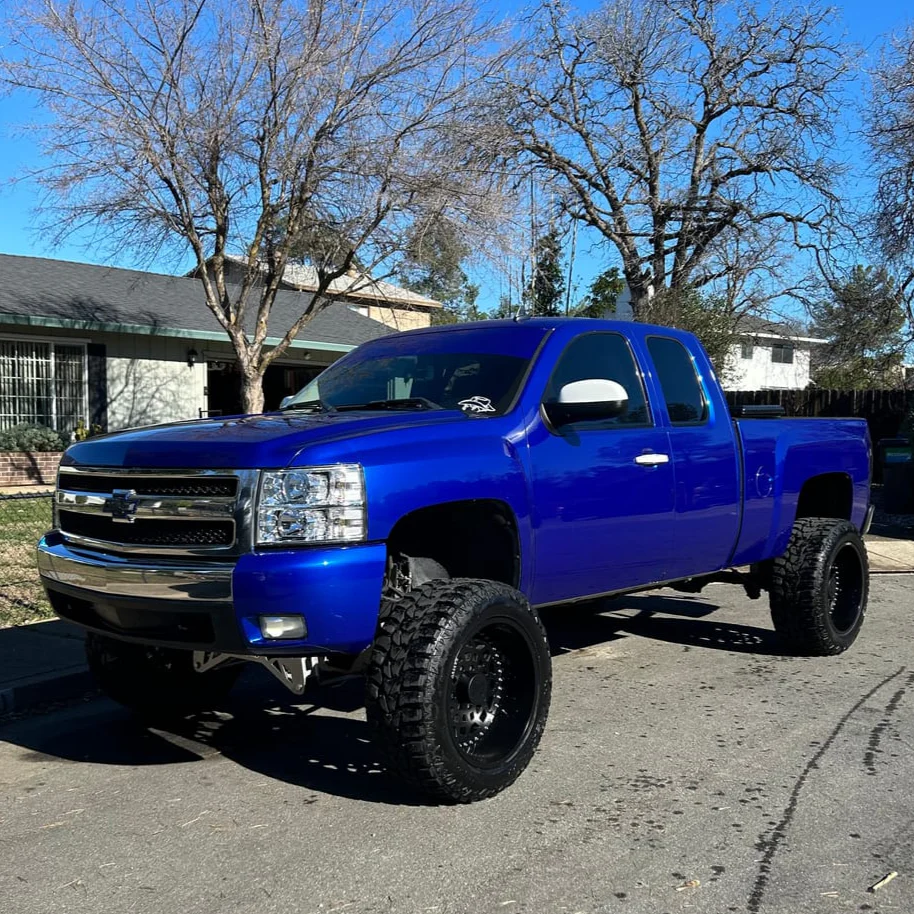
Who Should Choose Blue PPF?
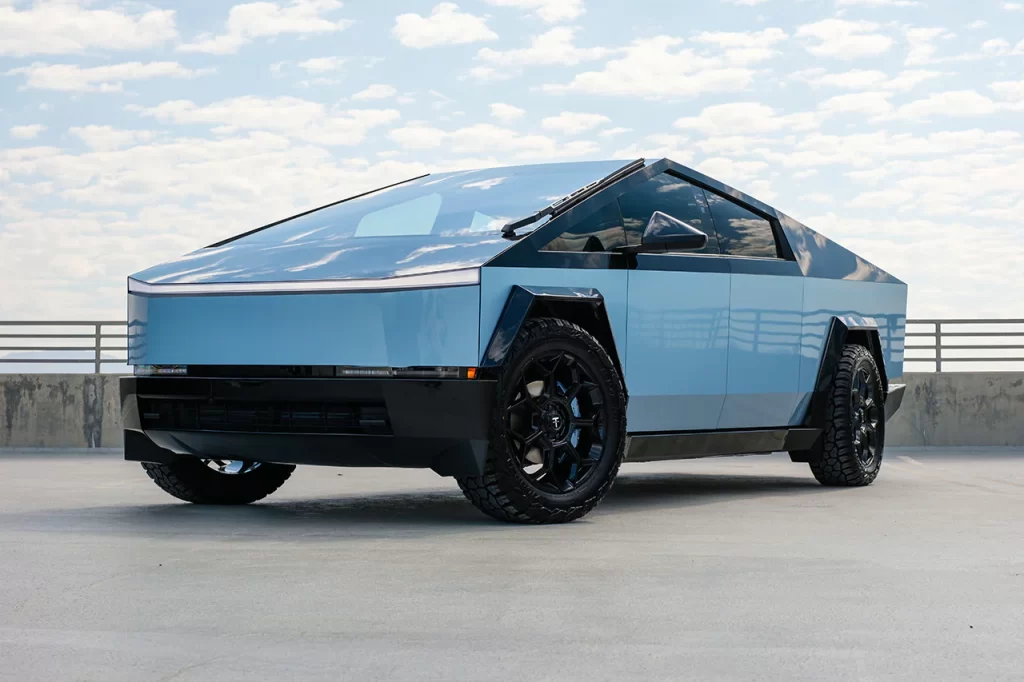
Blue PPF is an excellent fit for several types of drivers and businesses. If you’re an enthusiast who loves a sleek, glossy blue finish but doesn’t want to commit to a permanent repaint, blue PPF gives you that head-turning look with the added benefit of preserving your factory paint underneath. If you’re a daily driver who logs a lot of highway miles, blue PPF absorbs rock chips and road debris that would otherwise leave your front bumper looking sandblasted after a couple of years. If you drive a leased vehicle, applying blue PPF lets you enjoy a custom color while keeping the original paint in perfect condition for lease return—just have it professionally removed when the lease ends. And if you run a detailing studio or PPF installation shop, offering premium blue PPF alongside your clear film services opens up a whole new segment of customers who want color and protection together, without having to choose between the two.
For shop owners, carrying quality blue PPF from a manufacturer like Decowell means you can confidently sell a product that performs consistently roll after roll—same thickness, same adhesive behavior, same self-healing response. That consistency translates directly into fewer installation headaches, fewer customer comebacks, and a reputation for delivering flawless finishes. In a market where customers are increasingly aware that not all films are created equal, being able to point to the technical specs and real-world durability of your chosen blue PPF gives you a clear advantage over shops still pushing vinyl wraps as a “protective” option.
The Bottom Line
Choosing blue PPF means you don’t have to pick between a stunning color upgrade and serious paint protection—you get both in one film. Whether you’re a car owner wanting to refresh your ride while keeping the factory paint safe, or a shop owner looking to offer a premium service that customers actually appreciate, Decowell’s blue PPF range delivers the performance you need. With self-healing technology, UV resistance, stain-blocking hydrophobic top coats, and the proven impact absorption of TPU, blue PPF is a smarter, longer-lasting alternative to vinyl wraps—and a far more interesting choice than clear PPF.
FAQ About Blue PPF
What exactly is blue PPF?
Blue PPF is a premium thermoplastic polyurethane film that changes your car’s color to a glossy blue finish while simultaneously protecting the underlying paint from rock chips, road debris, scratches, UV damage, and environmental stains. Unlike vinyl wraps, which are mainly cosmetic, blue PPF is engineered for impact resistance and long-term paint preservation.
Is blue PPF better than clear PPF?
Both have their place. Clear PPF is invisible and offers excellent protection, but blue PPF gives you the same level of paint protection with the added benefit of a custom color transformation. If you want to keep your factory color and just add protection, clear is fine. If you want to change your car’s look while still protecting it, blue PPF is the smarter choice.
Does blue PPF look like real factory paint?
High-quality blue PPF looks incredibly close to factory paint. The glossy finish, color depth, and reflectivity are designed to mimic freshly polished clear coat. When professionally installed, most observers won’t be able to tell it’s a film at all—they’ll just see a beautiful blue car.
Can blue PPF be removed without damaging the paint?
Yes, premium blue PPF is designed for clean removal. The adhesive system bonds securely during use but releases cleanly when professionally removed using proper heat and techniques. That means you can enjoy the blue finish for years, then take it off to reveal the original factory paint underneath, completely intact.
How do I maintain blue PPF?
Maintenance is straightforward: wash with pH-neutral car shampoo and a soft microfiber mitt, avoid automatic brush car washes, and clean off bird droppings or tree sap promptly. Minor scratches will self-heal with heat from sunlight or warm water. For best results, use PPF-safe detailing products and avoid harsh chemicals or abrasive polishes.
Can blue PPF be applied to any car?
Blue PPF can be applied to most vehicles with factory paint in good condition. It works on full body wraps, partial coverage, or accent pieces like hoods, roofs, and mirror caps. Professional installation is recommended for best results, especially on complex curves and tight edges. For shop owners, Decowell’s blue PPF is formulated to stretch and conform to modern vehicle contours without lifting or bubbling, making it a reliable choice for daily installation work.