Home » Car PPF Colors in 2026: Trends, Finishes, and What You Need to Know
Recent Posts
Car PPF Colors in 2026: Trends, Finishes, and What You Need to Know
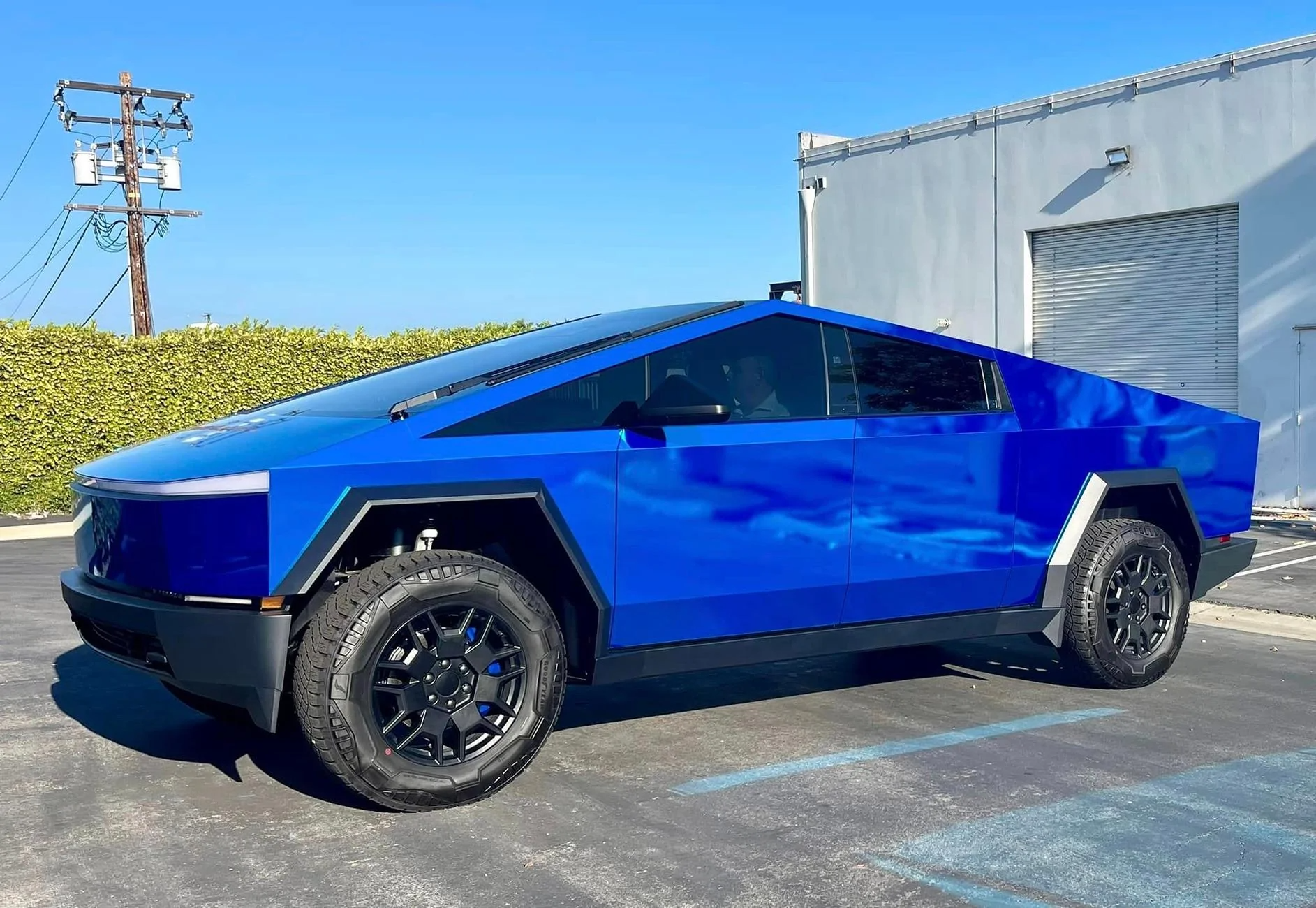
If you’ve been anywhere near the automotive world lately, you’ve probably noticed something shifting. Paint protection film isn’t just clear anymore. Car PPF colors have exploded onto the scene, and for good reason.
For years, car owners faced a frustrating choice: protect your paint with a clear film that keeps your car looking factory-fresh, or change your car’s color with a vinyl wrap that offers minimal protection. You couldn’t have both.
That’s changed.
Color PPF—paint protection film with actual color built right into the material—is now one of the fastest-growing segments in automotive customization. It delivers the same rock-chip resistance, self-healing capability, and UV protection as traditional clear PPF, but it also transforms your vehicle’s appearance in one single step. One film, one install, one result.
And honestly? The results are stunning.
So whether you’re a car enthusiast looking to give your ride a fresh look, a shop owner exploring new service offerings, or just someone who wants to understand what all the buzz is about, this guide covers everything you need to know about car PPF colors in 2026.
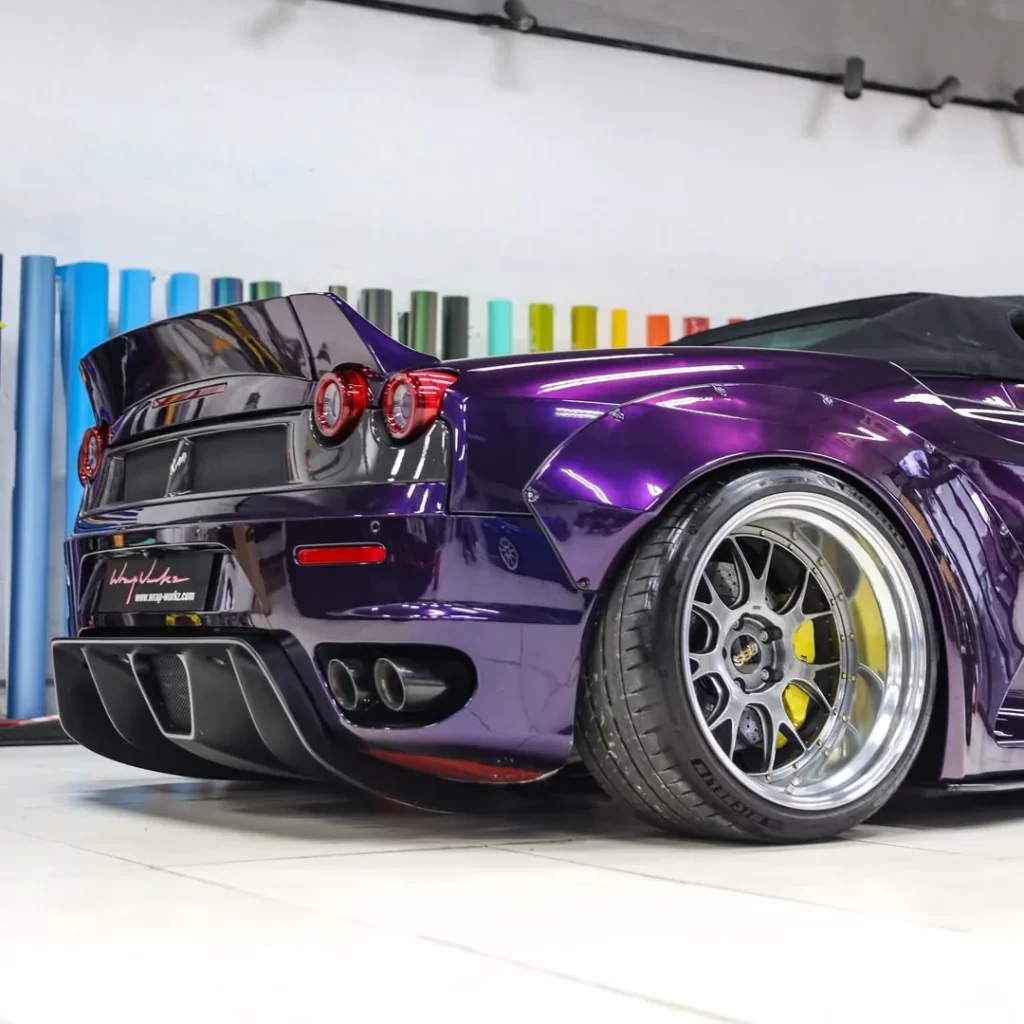
Table of Contents
What Exactly Is Color PPF?
Let’s start with the basics.
Color PPF is a specialized automotive film made from thermoplastic polyurethane (TPU)—the same family of materials used in premium clear paint protection films. But instead of being optically clear, it has a pigmented layer that gives it color.
Think of it as a multi-layer shield: a self-healing clear coat on top, a colored TPU layer in the middle, and a strong adhesive backing that bonds to your car’s paint. The result? A film that looks like paint, protects like armor, and can be removed later without damaging your factory finish.
Unlike vinyl wraps, which are primarily about aesthetics and offer limited protection, color PPF is engineered as a protective film that also happens to restyle your vehicle. It’s thicker (typically 7–9 mil), more durable, and purpose-built to absorb impacts from road debris. And yes, it self-heals—minor scratches and swirl marks disappear with heat from the sun or warm water.
Why Car PPF Colors Are Taking Over in 2026
The color PPF market isn’t just growing—it’s accelerating. The global paint protection film market was estimated at USD 488.4 million in 2026 and is projected to reach USD 775.6 million by 2034. And a big chunk of that growth is coming from color films.
So what’s driving the surge?
Drivers want both protection and style. Simple as that. Car owners are no longer asking for just protection or just a color change—they want both. And color PPF delivers exactly that in a single product.
More people are keeping their cars longer. With new vehicle prices climbing, owners are thinking long-term. Protecting the factory paint underneath a color PPF means higher resale value down the road. When it’s time to sell, you can simply remove the film and reveal pristine original paint underneath.
Customization is becoming mainstream. Social media and digital content have demystified PPF. Car enthusiasts everywhere now understand that PPF isn’t just for luxury exotics—it’s for anyone who wants to protect their investment and express their personal style.
Electric and premium vehicle owners are leading the charge. Owners of high-value cars are more willing to invest in advanced protection and reversible customization. Color PPF lets them personalize their vehicle without making permanent changes to the factory finish.
The Different Types of Car PPF Colors and Finishes
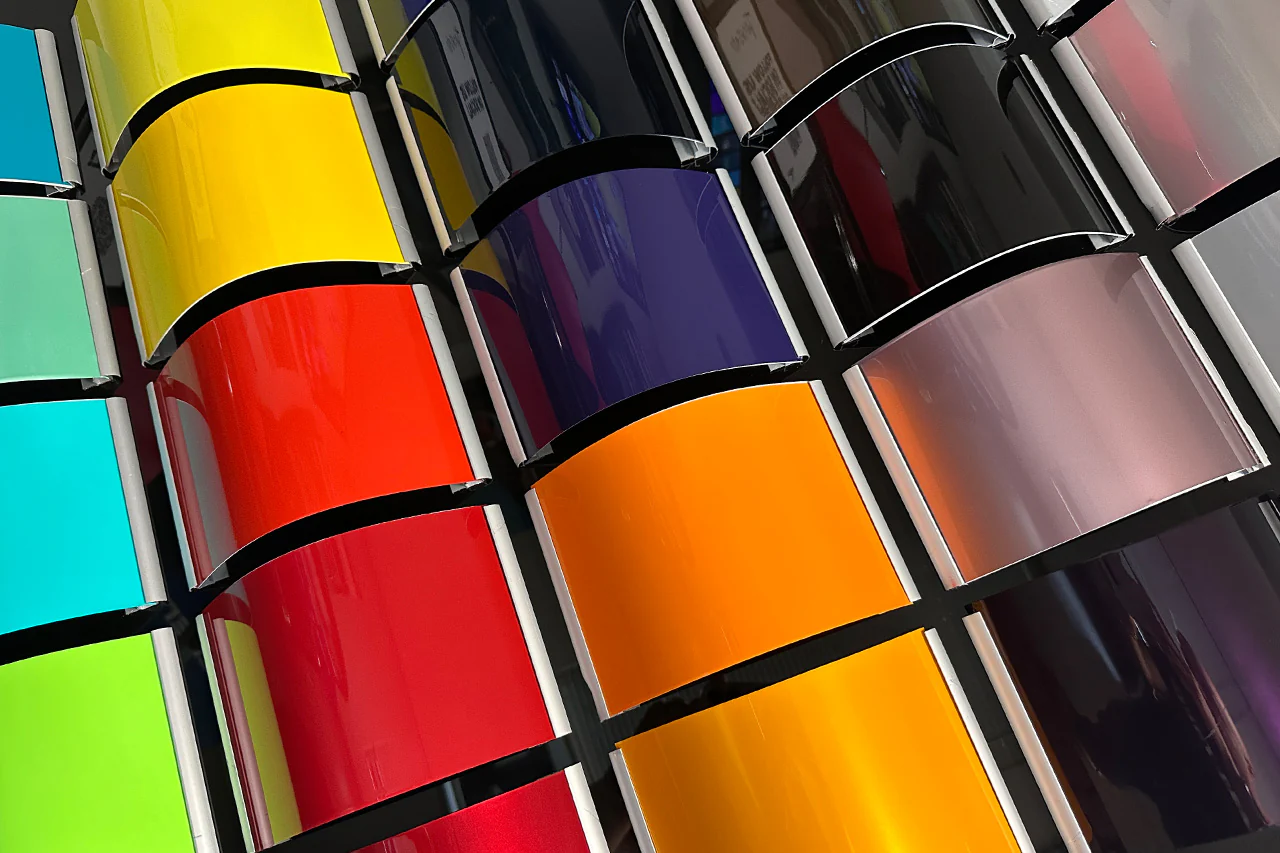
One of the most exciting things about color PPF in 2026 is the sheer variety. It’s no longer just a handful of basic shades—today’s color PPF offerings span dozens, even hundreds, of options.
Here’s a breakdown of the main finish types you’ll encounter:
Gloss Finish
Gloss color PPF delivers a high-shine, mirror-like finish that mimics a freshly painted car. It enhances depth and reflection, giving your vehicle that “just detailed” look. If you want your car to pop and shine like showroom paint, gloss is the way to go. Popular gloss options include deep reds, vibrant blues, and classic blacks.
Matte Finish
Matte color PPF creates a flat, non-reflective surface that gives vehicles a stealthy, aggressive appearance. It’s a favorite among owners of sports cars and luxury sedans who want an understated, modern look. Matte black and frozen grey are perennially popular choices.
Satin Finish
Satin sits right between gloss and matte—a smooth, semi-matte finish with just a hint of sheen. It offers depth without glare and has become one of the most sought-after finishes in 2026. Satin metallic shades, in particular, are trending hard right now.
Metallic Finish
Metallic color PPF incorporates fine metallic pigments that catch and reflect light, creating a dynamic, multidimensional appearance. The finish shifts and shimmers as you move around the vehicle, adding depth and sophistication. Metallic blues, silvers, and reds are all popular choices.
Color-Shift / Chameleon Finish
This is where things get really interesting. Color-shift PPF—also called chameleon or iridescent film—changes color depending on the viewing angle and lighting conditions. A film might shift from green to gold, blue to purple, or royal purple to hot pink. It’s a futuristic, head-turning effect that’s perfect for show cars, sports cars, and anyone who wants their vehicle to stand out.
Liquid Metal Finish
Liquid metal PPF creates a smooth, flowing metallic appearance that mimics polished metal. It’s sleek, premium, and increasingly popular among luxury vehicle owners.
Color PPF vs. Vinyl Wrap: The Real Difference
If you’re comparing color PPF to vinyl wraps, here’s the honest truth: they’re not in the same league.
Protection. Vinyl wraps are thin—typically around 3–4 mil. They change your car’s color but offer little real protection against rock chips, scratches, or road debris. Color PPF, on the other hand, is 7–9 mil thick and engineered specifically to absorb impacts. It’s built to protect, not just decorate.
Durability. A vinyl wrap typically lasts 2–5 years before fading, peeling, or cracking. High-quality color PPF lasts 7–10 years while maintaining its color and integrity.
Self-Healing. This is a game-changer. Color PPF has a self-healing top coat that repairs minor scratches and swirl marks with heat. Vinyl wraps don’t self-heal—scratches stay scratched until you replace the section.
Finish Quality. Color PPF looks like paint because it’s engineered to sit smooth and maintain optical clarity. Vinyl wraps can have visible texture or an artificial appearance.
Resale Value. Color PPF protects the original paint underneath, supporting higher resale value. Vinyl wraps don’t offer the same level of paint preservation.
Bottom line: if you just want to change your car’s look for a couple of years and cost is your top priority, vinyl might work. But if you want long-term protection, durability, and a paint-like finish, color PPF is the clear winner.
Popular Car PPF Colors Trending in 2026
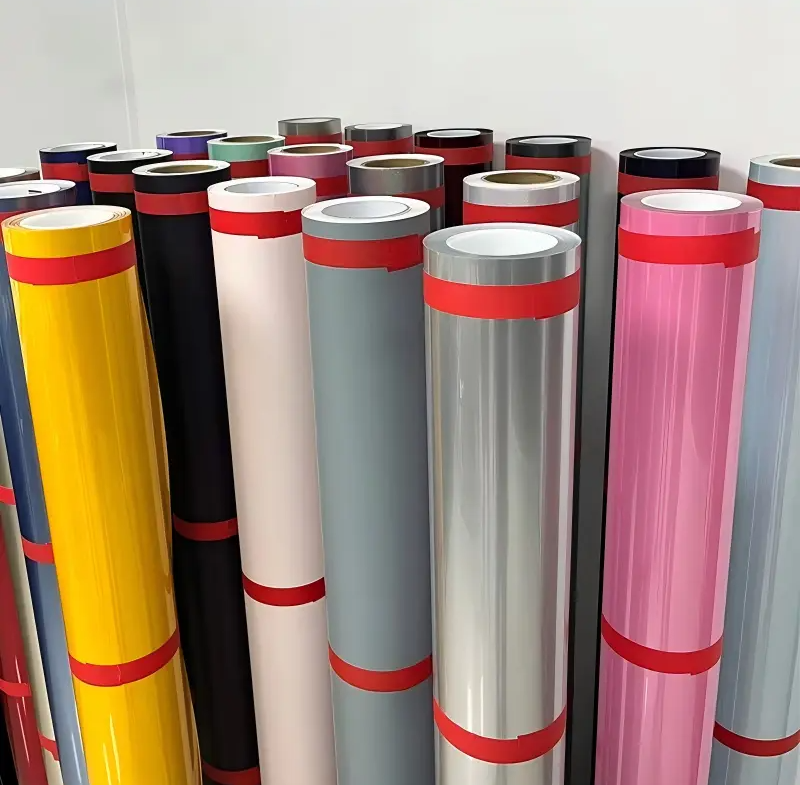
So what colors are people actually choosing? Here are some of the biggest trends in car PPF colors right now:
Satin Black and Matte Black. These remain absolute classics. Clean, stealthy, and endlessly versatile, black finishes work on virtually any vehicle.
Satin Metallics. Soft, glowing satin metallic shades are having a moment in 2026. Think subtle sheen with just a hint of metallic depth—sophisticated without being flashy.
Deep Greens, Navy Blues, and Burgundies. Rich, moody colors are gaining serious traction. These shades feel premium and timeless, perfect for luxury sedans and SUVs.
Frozen Grey and Muted Silver Tones. Understated and modern, these finishes offer a sophisticated alternative to traditional black or white.
Color-Shift and Chameleon Effects. For those who want to turn heads, color-shifting PPF is the ultimate statement. Green to gold, blue to purple, pink to gold—the options are as bold as you want them to be.
Bold Teals and Liquid Metal Effects. These eye-catching finishes are predicted to be big in 2026. They’re modern, vibrant, and impossible to ignore.
How to Choose the Right Car PPF Colors for Your Vehicle
Picking the right color PPF isn’t just about what looks cool (though that’s definitely part of it). Here are a few things to consider:
Think about your vehicle’s lines and curves. Some colors look better on certain body styles. A metallic finish, for example, can accentuate sharp creases and contours, while a matte finish might soften aggressive lines.
Consider your long-term plans. Color PPF is reversible. You can change your car’s color today and remove the film later to reveal the original factory paint. That flexibility means you can experiment with bolder choices without committing forever.
Match your personality. In 2026, car color is personal branding. Whether you prefer understated elegance or bold statements, there’s a color PPF that fits your style.
Think about resale. If you plan to sell your vehicle down the road, choosing a popular, well-executed color can help maintain value. And because color PPF protects the original paint, you’re preserving the car’s factory finish underneath.
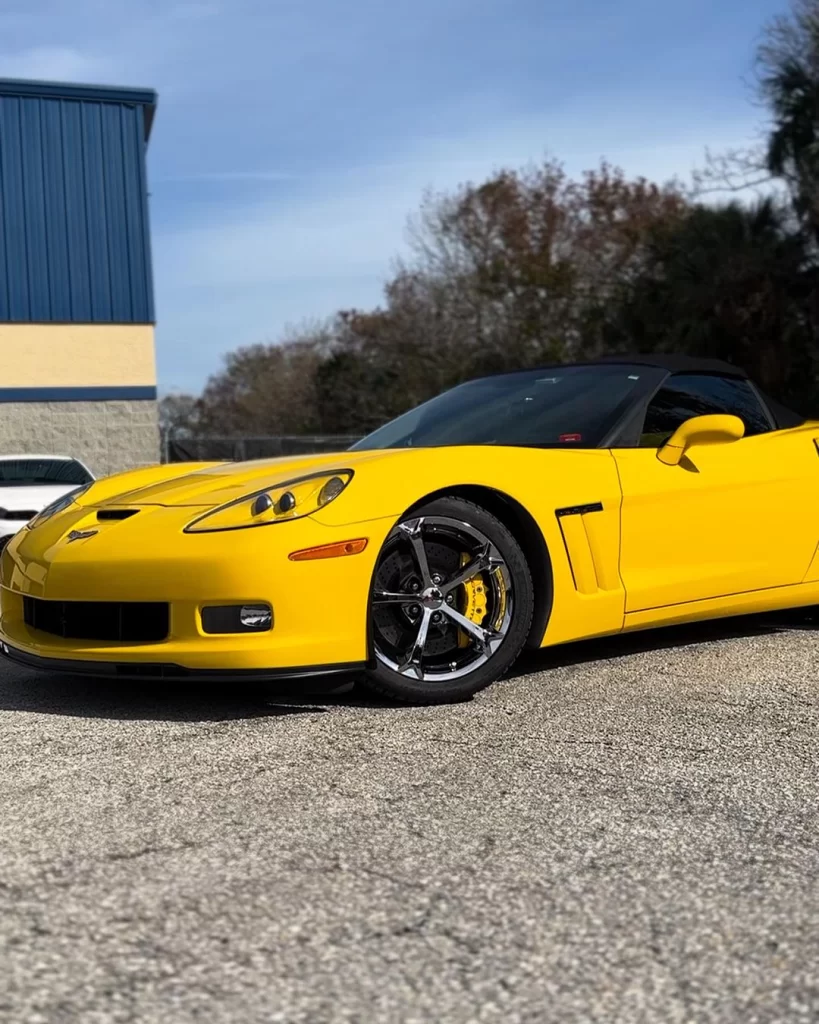
The Decowell Difference
When it comes to color PPF, quality matters. Not all films are created equal, and the difference shows up in color depth, durability, and installation experience.
That’s where Decowell comes in.
Decowell offers a premium range of color paint protection films designed for car enthusiasts, professional installers, and shop owners who demand the best. Engineered with advanced TPU technology, Decowell color PPF delivers the protection you expect—self-healing, UV resistance, impact absorption, and hydrophobic properties—while giving your vehicle a stunning, custom look.
Whether you’re after a sleek gloss finish, a stealthy matte look, a sophisticated satin metallic, or an eye-catching color-shift effect, Decowell has options to match your vision. Every film is crafted for consistent color, easy installation, and long-term performance.
And because Decowell understands that every vehicle and every customer is unique, their color PPF lineup is designed to offer real choice—without compromising on protection.
Frequently Asked Questions About Car PPF Colors
Q: Does color PPF protect as well as clear PPF?
A: Yes. The protective backbone of color PPF is the same TPU film and top coat used in premium clear PPF. You get the same rock-chip resistance, self-healing capability, and UV protection—just with added color.
Q: How long does color PPF last?
A: High-quality color PPF typically lasts between 7 and 10 years, depending on care, environmental conditions, and driving habits. It’s designed for long-term durability, not just a few seasons.
Q: Can I remove color PPF without damaging my paint?
A: Yes. Color PPF is designed to be safely removable when professionally installed and maintained. When removed correctly, it leaves the original factory paint intact and unblemished.
Q: Does color PPF fade over time?
A: Premium color PPF is engineered with UV-resistant layers to resist fading. While minimal changes can occur after several years, high-quality films maintain their vibrant color significantly longer than vinyl wraps.
Q: Is color PPF difficult to install?
A: Color PPF requires professional installation for the best results. The film is pigmented, so stretching behavior, heat sensitivity, and edge finishing require adjusted technique. Professional installers have the experience and tools to apply the film without bubbles, wrinkles, or imperfections.
Q: Can I apply color PPF over existing vinyl or clear PPF?
A: No. Color PPF is best applied directly to clean, smooth vehicle paint. Applying it over existing vinyl or clear PPF can trap moisture, create air bubbles, and compromise adhesion.
Q: Will color PPF look like paint?
A: Yes. One of the biggest advantages of color PPF is that once applied, it delivers a finish that’s virtually indistinguishable from factory paint. The TPU material sits smooth, and the self-healing top coat resists micro-texture, giving it a deep, paint-like appearance.
Q: What finishes are available in color PPF?
A: Color PPF is available in a wide range of finishes, including gloss, matte, satin, metallic, color-shift/chameleon, and liquid metal. The options continue to expand as the market grows.
Q: Is color PPF worth the investment?
A: For car owners seeking both protection and a distinct visual upgrade, absolutely. Color PPF protects against everyday wear and tear while providing personalization that can enhance resale value. It’s a smart investment for anyone who wants to keep their vehicle looking great and preserve its factory finish.
Final Thoughts
Car PPF colors have completely changed the game for automotive customization. No longer do you have to choose between protecting your paint and changing your car’s look. With color PPF, you get both—in one film, one install, and one stunning result.
Whether you’re refreshing an older vehicle, personalizing a new ride, or protecting a high-value investment, color PPF offers a solution that’s durable, reversible, and undeniably stylish.
And if you’re looking for a brand that delivers on quality, performance, and color selection, Decowell is worth a serious look. Their color PPF lineup combines advanced TPU protection with a wide range of finishes and shades designed to help you create the exact look you want.
Ready to explore what Decowell color PPF can do for your vehicle? Get in touch today. Your car deserves protection that looks as good as it performs.