Home » Transparent Car Protective Film: Paint Protection That Actually Works
Recent Posts
Transparent Car Protective Film: Paint Protection That Actually Works
Let‘s talk about PPF
You’ve probably heard the term thrown around in car communities, seen it on detailing forums, or had a friend who swears by it. But what exactly is a transparent car protective film? And more importantly, does it actually work?
Short answer: yes. Longer answer? Let me walk you through everything you need to know about paint protection film — how it works, why you might want it, and how to keep your car looking fresh for years without overcomplicating things.
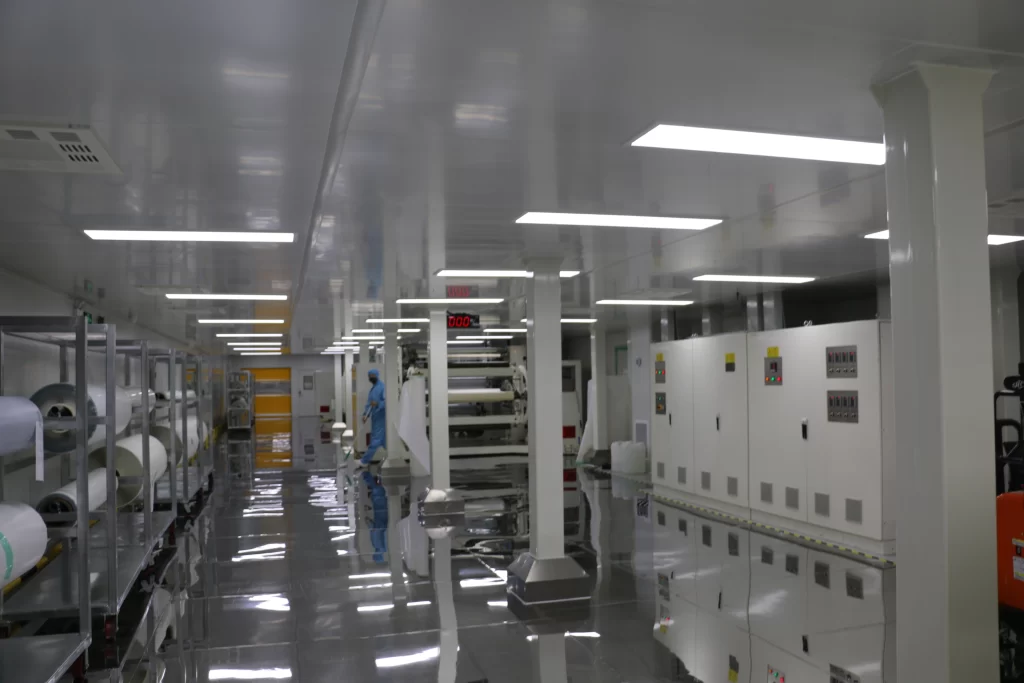
Table of Contents
What Is Transparent Car Protective Film Anyway?
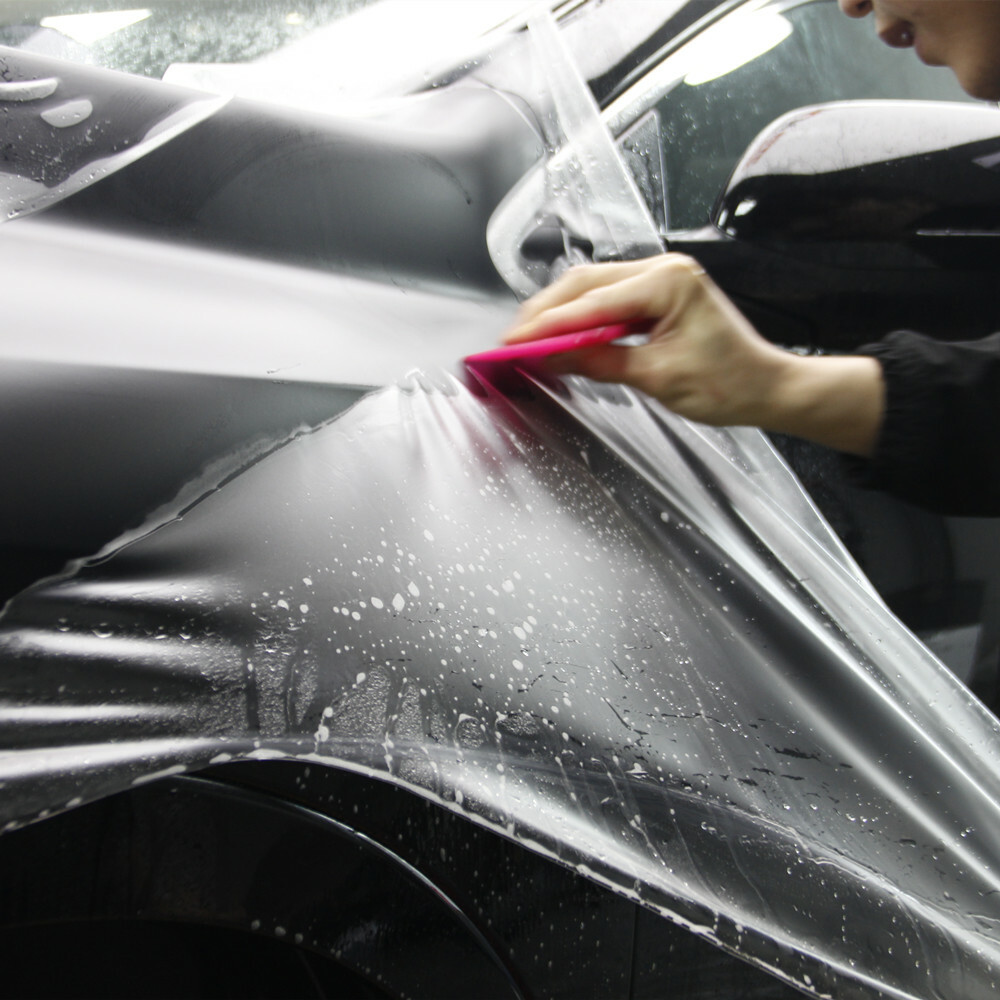
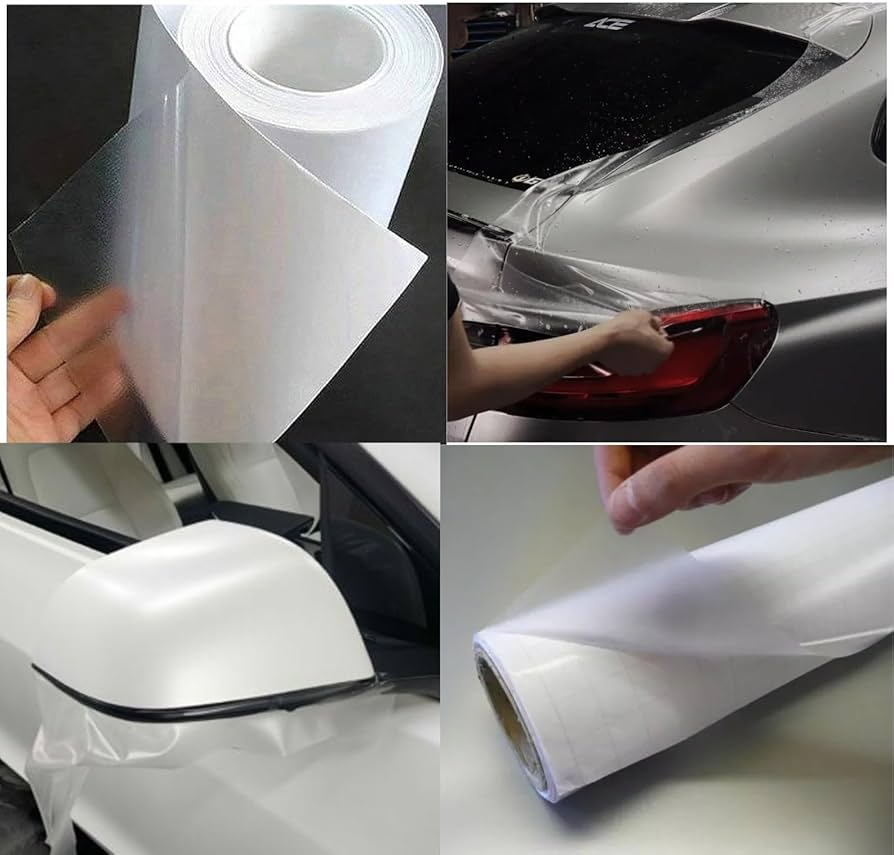
At its core, a transparent car protective film — often called PPF or clear bra — is a thin, flexible layer of polyurethane that gets applied directly onto your vehicle‘s painted surfaces. Think of it like a screen protector, but for your entire car. And just like that glass screen protector on your phone, you’re not supposed to notice it‘s there. That’s the whole point.
PPF was actually first developed back in the Vietnam War era to protect helicopter rotor blades from dust and stone damage during field operations. The technology worked so well that someone eventually thought, “Hey, why aren‘t we putting this on cars?” And here we are.
Modern paint protection films are made from thermoplastic polyurethane, or TPU for short. Unlike the older PVC-based films that turned yellow and cracked after a couple of years, TPU is flexible, optically clear, and holds up much better under sunlight. It sits on top of your paint like an invisible shield, absorbing impacts that would otherwise leave you staring at an ugly rock chip every time you walk up to your car.
How Does Self-Healing PPF Actually Work?
Here‘s where things get interesting. One of the coolest features of modern transparent car protective film is its ability to repair itself. Yes, you read that right.
When you see a minor scratch or swirl mark on a quality PPF, it’s not actually permanent damage to the material itself — it‘s just a displacement of the polymer chains in the top coat. When heat gets introduced — from sunlight, warm water, or even just the heat coming off your engine — those polymer molecules get excited and “relax” back into their original, lowest-energy state. The scratch closes up and disappears.
This self-healing function comes from the topcoat, not from the TPU base layer itself. The topcoat contains elastic polymer chains that can reflow under heat, allowing micro-scratches to recover completely. How long does this ability last? With proper care — regular gentle washing, avoiding harsh chemicals, and occasional ceramic boosters — you can keep that self-healing topcoat working effectively for many years. Without maintenance, the topcoat will naturally degrade over time from UV exposure and abrasion, and the self-healing performance will gradually fade.
So no, it’s not magic. It‘s just good material science.
Why Even Bother With Paint Protection Film?
If you care about your car’s appearance at all — and let‘s be honest, you probably do if you’re reading this — then PPF makes a lot of sense. Here‘s why.
Rock chips and road debris. This is the big one. Have you ever driven behind a gravel truck and heard that sickening ping sound? That’s the sound of your heart breaking. A good transparent car protective film absorbs those impacts so your paint doesn‘t have to. The TPU layer is designed to stretch and dissipate kinetic energy rather than just cracking like a rigid shell would.
UV protection. The sun is slowly baking your car’s clear coat every single day. Over time, UV rays cause oxidation, fading, and that dull, tired look that makes even a well-maintained car feel old. PPF blocks harmful UV radiation from reaching your paint, preserving the original color and gloss much longer.
Chemical resistance. Bird droppings, bug splatters, tree sap, acid rain — these aren‘t just annoying to clean off. They’re corrosive. If left on paint too long, they can etch permanent marks. Transparent car protective film creates a barrier that keeps these contaminants away from your factory finish.
Corrosion protection. Over time, road salt, humidity, and environmental pollutants eat away at your vehicle‘s bodywork. PPF acts as a sacrificial layer, taking the abuse so your paint doesn’t have to.
Easier maintenance. A car with PPF is noticeably easier to clean. Dirt and grime don‘t bond as aggressively to the film’s surface, and you can use gentle hand washing methods without worrying about introducing new swirl marks.
Preserved resale value. This one‘s simple: a car with intact, original paint is worth more than one covered in touch-up spots and stone chips. PPF helps you keep that factory finish pristine.
PPF vs. Ceramic Coating — What’s the Difference?
This is probably the most common question people ask, and it‘s an important one because they’re not the same thing at all.
Think of it this way: PPF is armor. A ceramic coating is a wax on steroids.
Paint protection film is a physical layer of urethane that you can actually feel and see (if you look closely at the edges). Its job is impact absorption — stopping rock chips, scratches, and physical damage from ever reaching your paint.
Ceramic coating is a liquid polymer that bonds chemically to your clear coat. It creates a slick, hydrophobic surface that repels water and dirt, makes washing easier, and provides excellent chemical resistance. But it offers almost zero protection against rock chips or physical impacts.
Here‘s the smart move: use both. Apply PPF on high-impact areas — hood, front bumper, side mirrors, door edges — and then top the whole car with a ceramic coating for that glass-like finish and easy cleaning. The ceramic coating also helps protect the PPF itself from UV degradation and makes it even more hydrophobic.
Professional Installation vs. DIY — Be Honest With Yourself
Here’s where a lot of people get into trouble. They see a PPF kit online for a few hundred dollars and think, “How hard can it be?”
The honest answer: it‘s pretty hard.
PPF installation requires meticulous surface preparation, proper solution ratios, heat control, stretching technique, and precise alignment. Professional installers spend years learning how to handle complex curves, deep recesses, and sharp body lines without trapping air bubbles or creating lifted edges.
Common DIY mistakes include:
Trapped air bubbles and contamination. Even a speck of dust under the film becomes a permanent eyesore.
Stretch marks and lifted edges. When the film is overstretched during installation, it creates tension that eventually pulls the edges up — letting dirt creep underneath and compromising the whole protective barrier.
Uneven cuts and visible seams. Pre-cut kits help, but without experience, it’s easy to end up with misaligned panels and rough edges that look worse than the rock chips you were trying to prevent.
Premature failure. Improperly installed film doesn‘t last. Edges lift within months, dirt gets underneath, and you’re left with a peeling mess that‘s expensive to remove.
That said, if you’re patient, detail-oriented, and only planning to protect small, flat areas like door edges or headlights, a good DIY kit can work. But for anything more than that — especially front bumpers or full hoods — leave it to the pros.
When choosing an installer, look for a clean dust-free workspace, proper edge sealing techniques, and the ability to wrap edges into hidden areas like door jambs. These small details make the difference between a film that looks invisible and one that screams “aftermarket.”
The Installation Process — What to Expect
Whether you go with a professional or tackle it yourself, here‘s roughly what the process looks like.
Step 1: Surface preparation. This is the most critical phase. The car gets thoroughly washed, then treated with a clay bar to remove embedded contaminants. Any existing paint imperfections — swirl marks, scratches, oxidation — should be corrected before the film goes on, because once PPF is applied, those flaws are sealed underneath forever.
Step 2: Film cutting. Modern installers often use computer-cut patterns designed specifically for your car’s make and model. This ensures precise fitment around sensors, badges, and body lines without needing to cut film on the paint itself — which eliminates blade-related risks.
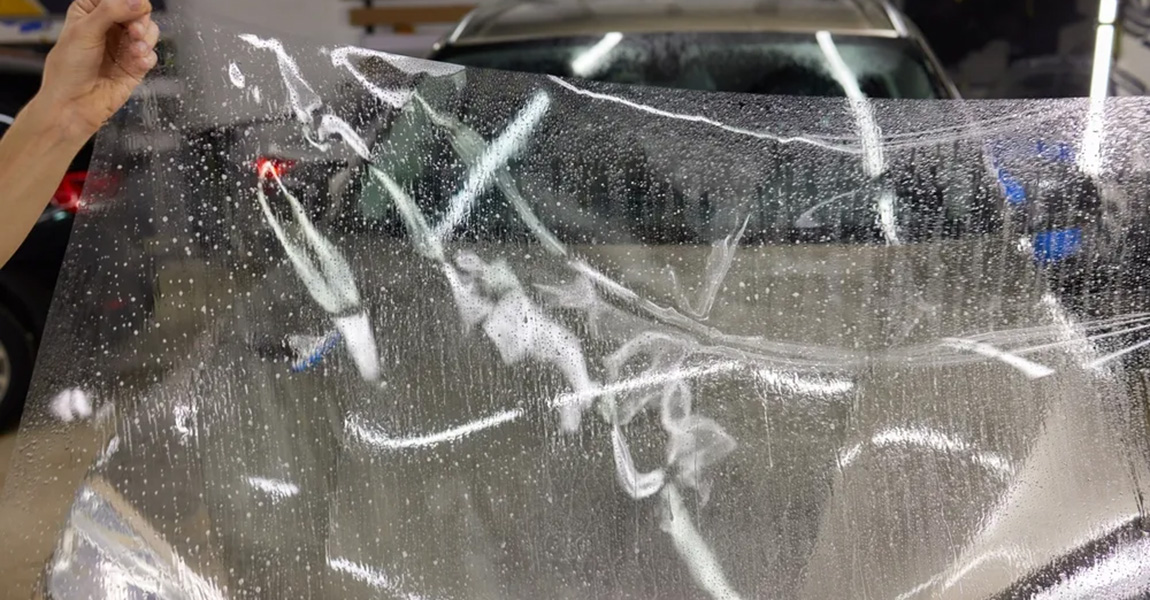
Step 3: Application. The film is applied using a wet installation method. A slip solution (water mixed with a tiny amount of baby shampoo or专门的 slip agent) allows the film to be positioned and repositioned until it‘s perfect. Then the installer uses a squeegee to push out the slip solution and air bubbles, working from the center outward.
Step 4: Heat forming. A heat gun is used to soften the film around curves, edges, and complex contours. This helps the PPF conform tightly without excessive stretching that could cause lifting later.
Step 5: Edge sealing. This is where the pros separate themselves from amateurs. The edges get carefully tucked into panel gaps, door jams, and behind trim pieces. Some installers use an isopropyl alcohol solution to activate the adhesive at the edges for a stronger, longer-lasting bond.
Step 6: Curing. After installation, the film needs time to fully bond. Most professionals recommend waiting before the first wash — usually around to let the adhesive cure completely.
Keeping Your PPF in Great Shape
Once your transparent car protective film is on, maintaining it isn‘t complicated. But there are a few things to keep in mind.
Hand washing is best. Automatic car washes — especially those with spinning brushes — can grab the edges of the film and cause lifting. They also use harsh detergents that can degrade the self-healing topcoat over time. Stick to gentle hand washing with a pH-neutral car shampoo.
Use the two-bucket method. One bucket for soapy water, one bucket for rinsing your wash mitt. This keeps dirt from being reintroduced to the surface and minimizes the risk of creating new scratches.
Avoid pressure washing the edges. If you use a pressure washer, keep the nozzle away from the edges of the film. High-pressure water can get underneath and start peeling the corners back.
Wipe off bird droppings and bug splatters promptly. Even though PPF is chemical-resistant, letting corrosive contaminants bake in the sun for days isn‘t doing anyone any favors. Clean them off sooner rather than later.
Consider a ceramic coating on top. As mentioned earlier, applying a ceramic coating over your PPF adds an extra layer of hydrophobicity, UV protection, and stain resistance. It makes cleaning even easier and helps extend the life of the self-healing topcoat.
Inspect edges occasionally. Once in a while, run your fingers along the film‘s edges — around panel gaps, door handles, and mirrors. If you notice any lifting, address it early before dirt gets trapped underneath.
Common Concerns — Let’s Address Them
Will it yellow over time? Cheap films do. Quality TPU-based PPF with proper UV stabilizers stays crystal clear for many years. The yellowing reputation comes from the old PVC films that were common years ago. Modern materials have come a long way.
Is self-healing permanent? The self-healing capability is durable but not infinite. The topcoat naturally ages due to UV exposure, abrasion, and environmental factors. With proper maintenance — regular washing, avoiding harsh chemicals — you can significantly extend the life of the self-healing layer. But like any protective coating, it will eventually need attention.
Can you wax or polish PPF? Yes, but use caution. Stick to waxes and sealants specifically labeled as PPF-safe. Avoid abrasive polishes or compounds unless you‘re a professional — they can thin out the self-healing topcoat. Some detailers recommend periodic application of ceramic boosters designed for PPF to replenish hydrophobic properties.
Does PPF completely prevent rock chips? It dramatically reduces them, but nothing is bulletproof against a large, sharp rock at highway speeds. What PPF does is absorb and disperse the energy of smaller impacts, preventing the vast majority of chips that would otherwise hit your paint. For everyday driving, it’s more than enough.
What if I need to remove it? PPF can be removed by a professional using heat and careful peeling techniques. Quality films with good adhesives come off cleanly without damaging the paint underneath. This is another area where quality matters — cheap films can leave behind adhesive residue that‘s a nightmare to clean off.
Frequently Asked Questions
Q: How long does transparent car protective film last?
With quality material and proper installation, expect many years of reliable protection. The self-healing topcoat will gradually become less effective over time with wear, but the impact protection remains. How long it lasts depends on how you drive, where you park, and how you maintain it.
Q: Can I put PPF over existing paint imperfections?
Technically yes, but you shouldn’t. Any scratch, swirl mark, or chip underneath the film will be permanently sealed in. Always correct paint issues before applying PPF.
Q: Does PPF make my car look different?
High-quality transparent car protective film is designed to be invisible. When properly installed, you shouldn‘t notice it’s there — just cleaner, better-protected paint underneath.
Q: Can I apply ceramic coating over PPF?
Yes, and many car enthusiasts do exactly that. The ceramic coating adds hydrophobicity and chemical resistance on top of the PPF‘s impact protection. Just make sure the PPF has fully cured before applying the coating.
Q: What’s the best way to clean bugs off PPF?
Soak them gently with a damp microfiber cloth or PPF-safe bug remover. Let the residue soften, then wipe away without aggressive scrubbing. Prompt cleaning prevents staining and makes the job much easier.
Q: Will a pressure washer damage my PPF?
Only if you‘re careless. Keep a safe distance, use a wide spray pattern, and never aim directly at the film’s edges. Hand washing is always the safest method.
Why Choose Decowell for Your Paint Protection Needs
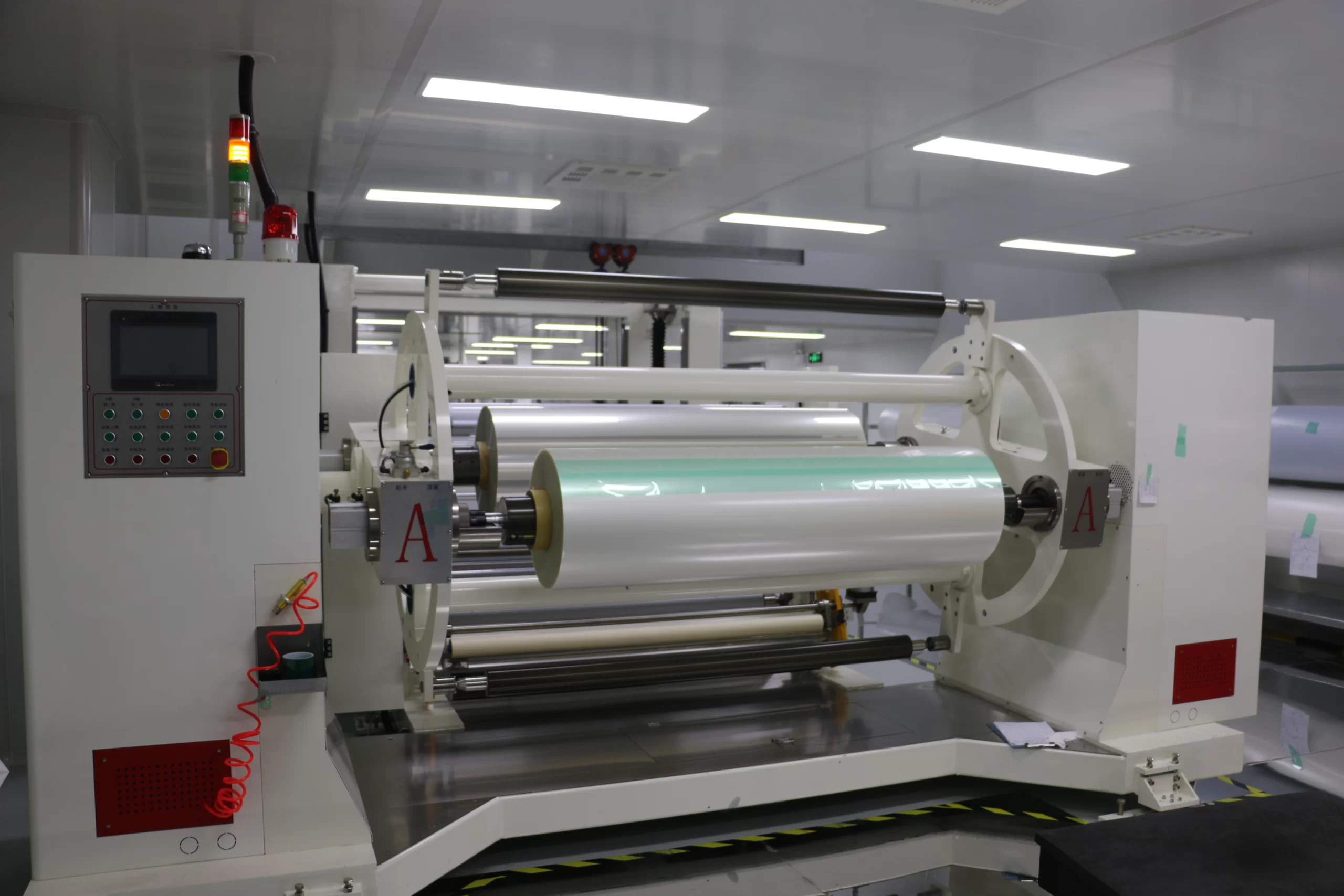
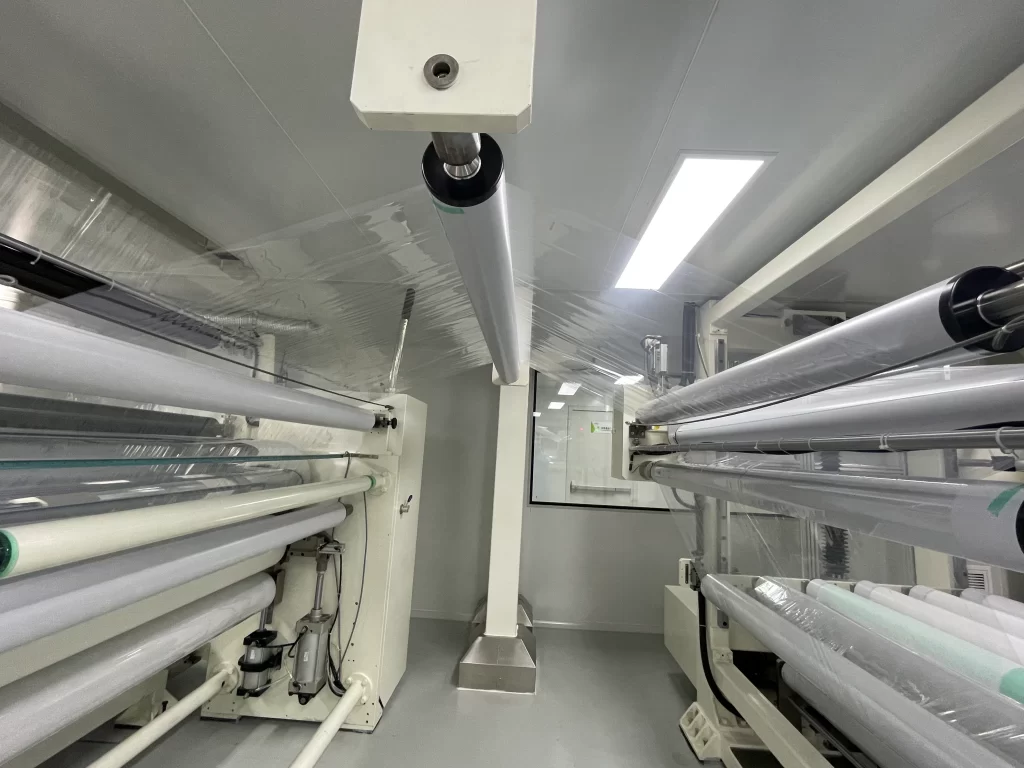
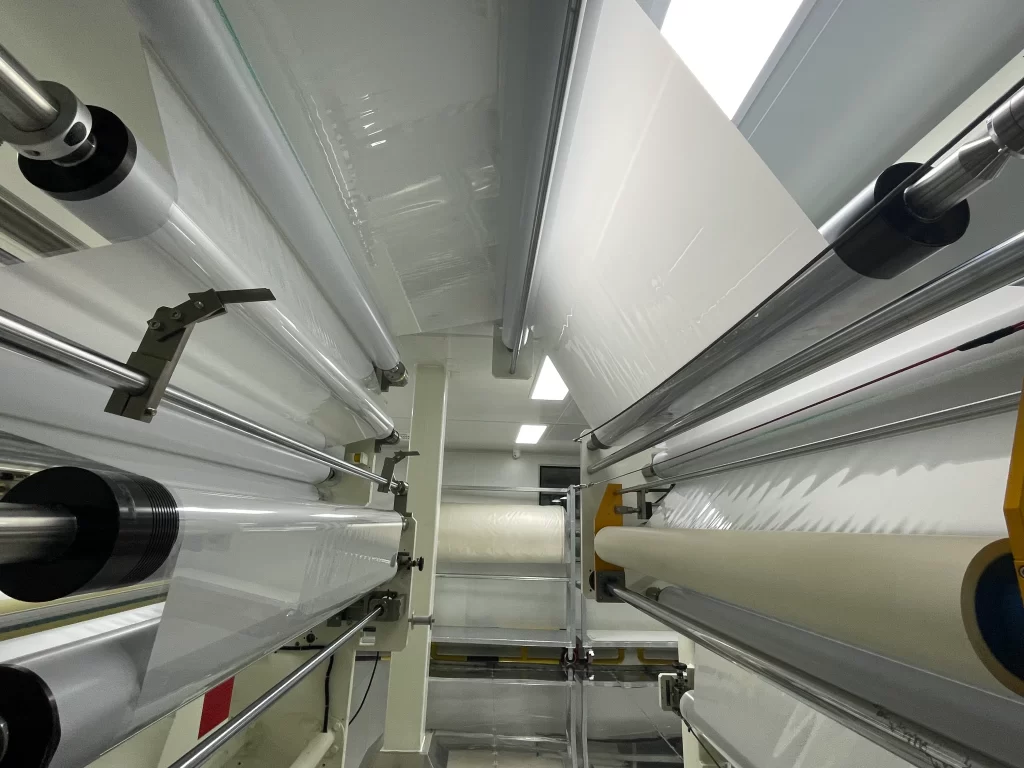
When it comes to protecting your vehicle‘s finish, the quality of the film matters just as much as the installation. Decowell offers high-performance transparent car protective film engineered with advanced TPU technology and precision manufacturing standards. Our paint protection film delivers reliable self-healing properties, excellent optical clarity, and strong resistance against UV degradation, chemical exposure, and physical impacts from road debris.
Whether you’re looking to protect a luxury daily driver, a weekend sports car, or a fleet of commercial vehicles, Decowell provides consistent, durable protection that preserves your paint‘s original appearance without altering its color or gloss. Our commitment to quality ensures that your investment stays protected for the long haul.
Transparent car protective film isn’t just about avoiding rock chips. It‘s about peace of mind. It’s about walking up to your car every morning and seeing the same flawless finish you fell in love with the day you bought it. It‘s about not cringing every time you hear gravel ping against your bumper.
And in a world where vehicle repair costs keep climbing and factory paint jobs keep getting harder to match, that peace of mind is worth more than you might think.
Ready to protect what matters? Contact Decowell today to learn more about our paint protection film solutions.