
Home » How to Get Film Off Inside Windshield: A Complete Guide to Crystal-Clear Visibility
Recent Posts
How to Get Film Off Inside Windshield: A Complete Guide to Crystal-Clear Visibility
You get in your car on a bright morning. The sun hits the windshield, and suddenly everything looks hazy. At night, oncoming headlights blur into streaks instead of staying sharp points of light. You wipe the glass with a cloth. The smears get worse. The next day, the same greasy layer is back.
If this sounds familiar, you are not alone. Millions of drivers deal with this exact problem. That stubborn film on the inside of your windshield isn’t ordinary dust. It is a sticky chemical residue that builds up over time, compromising your visibility and your safety on the road.
Getting film off inside windshield requires more than a quick wipe with a paper towel. You need the right tools, the right technique, and a solid understanding of what causes the haze in the first place. This guide walks you through everything you need to know—from why the film forms to how to remove it for good and keep it from coming back.
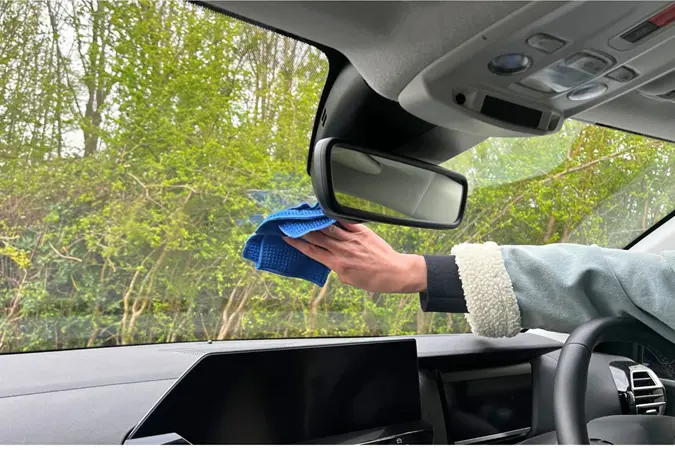
Table of Contents
What Actually Is That Film on the Inside of Your Windshield?
That hazy, greasy layer isn’t your imagination. It is a real chemical residue that gradually accumulates on the interior glass surface. And it is far more common than most drivers realize.
When you look closely, you will notice that the film often has a slightly greasy or oily texture. It may appear as a uniform haze across the windshield, or in some cases, a yellowish tint that becomes especially visible when sunlight hits it at an angle. At night, that same film scatters light from oncoming headlights, creating glare and halos that make driving more difficult and dangerous.
The problem is persistent. You can clean the windshield thoroughly, and within days or weeks, the film starts reappearing. That is because the sources of the residue are constantly active inside your vehicle.
Why Does Film Build Up on the Inside of Your Windshield?
Understanding the root causes is the first step toward solving the problem. The film on your interior windshield comes from several sources, and most of them are completely normal parts of daily driving.
Off-Gassing From Interior Plastics and Materials
The primary culprit behind that greasy haze is something called off-gassing. Your car’s dashboard, door panels, seats, and other interior components are made largely of plastics, vinyl, foams, and adhesives. Over time, these materials release volatile organic compounds (VOCs) into the cabin air. When your car heats up—especially when parked in direct sunlight—this off-gassing accelerates dramatically. The VOCs rise, hit the cooler glass surface of the windshield, and condense into a thin, sticky layer.
This process is so common that it is essentially unavoidable. The very materials that make modern car interiors comfortable and durable are also the source of that recurring haze. Newer cars often off-gas more aggressively, which is why many drivers notice the film building up faster on recently purchased vehicles. The famous “new car smell” is actually a concentrated dose of these same VOCs.
Smoking and Vaping Residue
If you or your passengers smoke or vape inside the car, you are adding a significant amount of residue to the interior environment. Cigarette smoke leaves behind tar and nicotine deposits that create a yellowish, sticky film that clings stubbornly to glass surfaces. Vaping contributes as well—the propylene glycol and vegetable glycerin in e-cigarette vapor condense on the windshield, forming its own greasy layer over time.
Dust, Pollen, and Everyday Particles
The air inside your car is never perfectly clean. Dust, pollen, pet dander, and other microscopic particles constantly circulate through the cabin. These particles settle on every surface, including the windshield. When they combine with the oily residue from off-gassing, they form a thicker, more visible layer of grime.
HVAC System and Cabin Air Filter
Your heating, ventilation, and air conditioning system pulls air from outside and recirculates air from inside the cabin. If your cabin air filter is old and clogged, it may actually release trapped dust and contaminants back into the airflow instead of capturing them. Those particles then settle on your windshield, adding to the film.
Skin Oils and Hand Contact
Every time you touch the interior glass to adjust your rearview mirror or wipe away a smudge, you transfer skin oils onto the surface. Those oils attract and trap more dust, creating a cycle of buildup that worsens over time.
Dashboard Cleaners and Interior Sprays
Ironically, some of the products meant to make your interior look better can actually make your windshield dirtier. Spray-on dashboard shines and interior protectants often contain silicone or oil-based ingredients. When these products heat up, they vaporize and condense on the windshield, leaving a fresh layer of greasy residue behind.
The Safety Risks of a Filthy Windshield
That haze on your windshield is not just an aesthetic annoyance. It is a genuine safety hazard with measurable consequences for your driving.
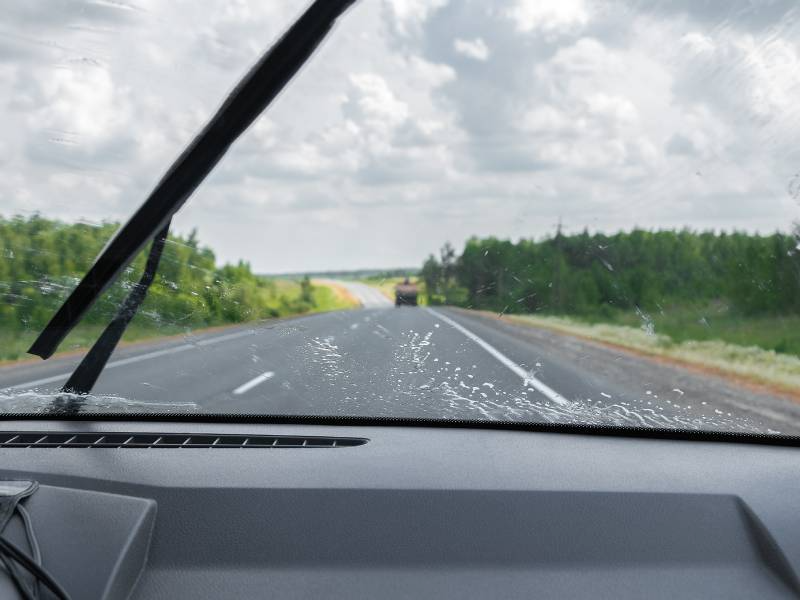
Reduced visibility is the most obvious risk. The film scatters light, making it harder to see clearly in bright sunlight, fog, rain, or snow. What should be a clear view of the road becomes a blurred, distorted image.
Increased glare is perhaps the most dangerous effect. When light from the sun or oncoming headlights hits the hazy windshield, it diffuses into a bright glare that can temporarily blind you. This is especially hazardous at night, when oncoming headlights can create starbursts and halos that make it difficult to judge distances or see pedestrians.
Eye strain and driver fatigue also come into play. Constantly trying to focus through a hazy windshield forces your eyes to work harder. Over long drives, this leads to fatigue, slower reaction times, and decreased awareness of your surroundings.
Many drivers don’t realize how bad their visibility has become until they finally clean the windshield properly. The difference is often dramatic—like removing a gray film you didn’t even know was there.
The Essential Tools You’ll Need
Before you start cleaning, gather the right supplies. Using the wrong tools can make the problem worse, leaving streaks, scratches, or even damaging your window tint.
Microfiber towels are non-negotiable. Use high-quality, lint-free microfiber cloths—at least two, but ideally three or four. These towels lift dirt and grime away from the glass instead of just pushing it around. Standard paper towels can leave lint behind and may scratch the glass surface.
An ammonia-free glass cleaner is essential, especially if your windows are tinted. Ammonia can damage window tint film over time, causing it to peel, bubble, or discolor. Look for a dedicated automotive glass cleaner formulated for interior use.
Isopropyl alcohol (70% or 91% concentration) is a powerful degreaser that cuts through stubborn oily film that regular glass cleaners can miss. Dilute it with water in a 1:1 ratio for best results.
Distilled water helps prevent mineral streaks that tap water can leave behind. If you are mixing your own cleaning solution, always use distilled water.
White vinegar is a natural alternative that cuts through grime effectively. A solution of equal parts white vinegar and water works well for general cleaning, though it may not be as powerful against heavy grease as alcohol.
A plastic razor blade scraper can be used for extreme cases of stubborn film. Keep it at a shallow angle and use light pressure to avoid scratching the glass.
Optional tools include a handheld steamer (excellent for loosening heavy film), a detailing clay bar (for embedded contaminants), and a reach tool for cleaning the lower corners of the windshield where it meets the dashboard.
Step-by-Step: How to Get Film Off Inside Windshield Like a Pro
Now for the main event. Follow these steps carefully for a streak-free, crystal-clear result.
Step 1: Choose the Right Time and Place
Park your car in the shade. Direct sunlight causes cleaning solutions to dry too quickly, which leaves behind streaks and hazy residue. If possible, clean your windshield in the early morning or late afternoon when the glass is cool to the touch. A garage is ideal if you have access.
Step 2: Clean the Outside First
It might sound counterintuitive, but starting with the exterior windshield makes it much easier to spot streaks on the inside. A clean exterior also gives you a true baseline—you will know immediately if any remaining haze is coming from the inside surface.
Step 3: Remove Loose Dust
Before applying any liquid, wipe the entire interior windshield with a dry microfiber towel. This simple step removes loose dust and particles that could otherwise be ground into the glass during wet cleaning, causing scratches.
Step 4: Apply Cleaner to the Towel, Not the Glass
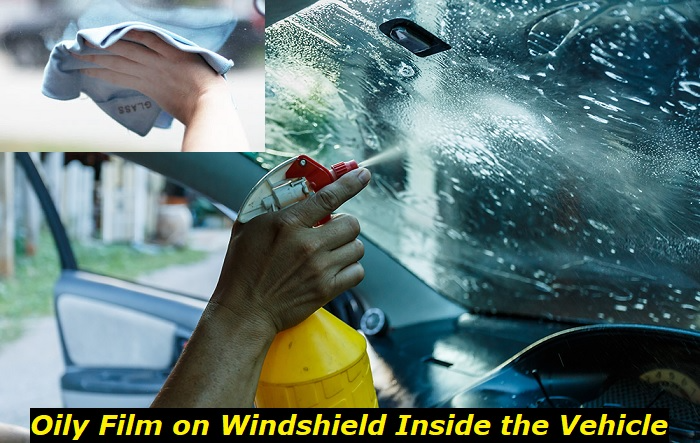
Here is one of the most important tips: never spray cleaning solution directly onto the windshield. Spray it onto your microfiber towel instead. Direct spraying creates overspray that lands on your dashboard, steering wheel, and electronic components. That overspray can damage surfaces over time and adds more residue to the cabin air that will eventually end up back on your glass.
Step 5: Wipe in Overlapping Strokes
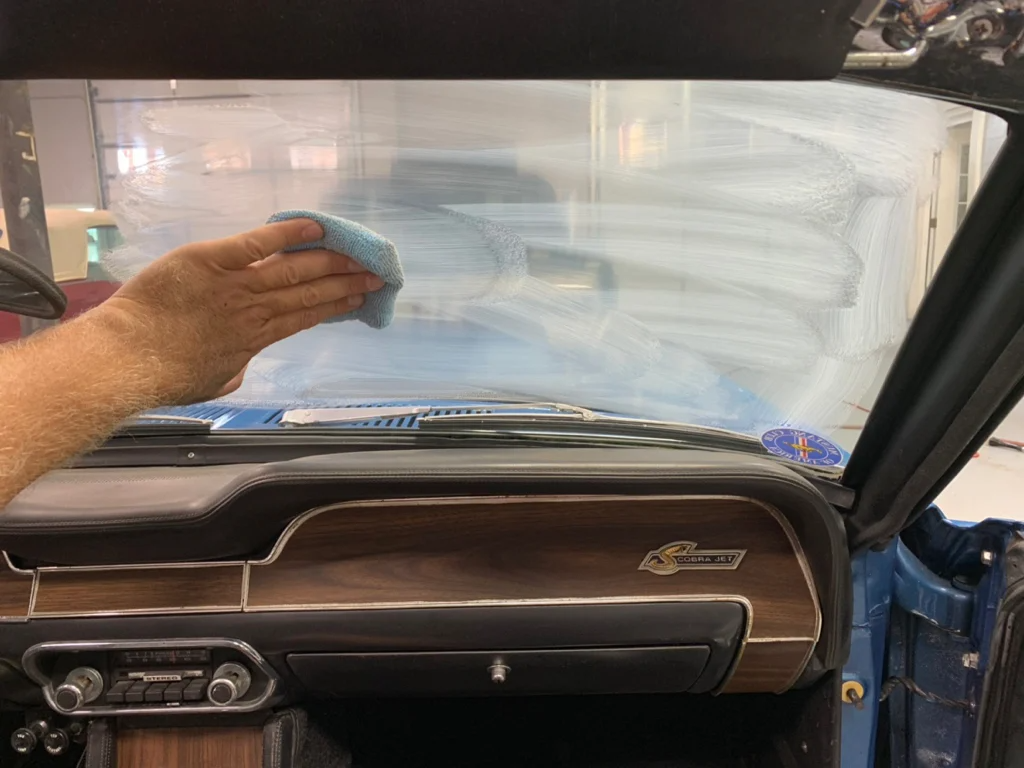
Using the dampened microfiber towel, wipe the inside of the windshield in overlapping circular or side-to-side motions. Work systematically from one side of the glass to the other, ensuring you cover every inch. Turn the towel frequently to expose a fresh, clean surface. If the towel gets saturated with grime, it will just spread the dirt around instead of lifting it away.
Step 6: Switch to a Clean Dry Towel for Buffing
After you have wiped the entire windshield, grab a second clean, dry microfiber towel. Buff the glass thoroughly to remove any remaining cleaner and residue. This final dry pass is what eliminates streaks and leaves the glass truly clear.
Step 7: For Stubborn Film, Use Isopropyl Alcohol
If the standard glass cleaner doesn’t remove all the film, mix a solution of 50% isopropyl alcohol and 50% water. Dampen a fresh microfiber towel with the solution and wipe the windshield again. Alcohol cuts through greasy residues—especially those from off-gassing and smoke—that ordinary cleaners can leave behind. Follow up with your glass cleaner and another buffing pass with a dry towel.
Step 8: Don’t Forget the Edges
The area where the windshield meets the dashboard collects the most grime. Fold your microfiber towel into a flat pad and push it into the lower corners. You can also use a cotton swab or a small detailing tool to reach these tight spaces.
Step 9: Inspect From Multiple Angles
After cleaning, sit in the driver’s seat and look at the windshield from different angles. Step outside the car and view the glass from the front. Check in both natural daylight and under artificial lighting if possible. If you see any streaks, repeat the process on those areas.
Step 10: Apply a Vertical/Horizontal Test
Here is a professional trick: wipe the inside of your windshield in horizontal strokes and the outside in vertical strokes. This way, when you see a streak, you will immediately know which side of the glass needs attention. Horizontal streak = inside. Vertical streak = outside.
Common Mistakes That Make the Problem Worse
Many drivers unintentionally make their windshield haze worse through simple errors. Here is what to avoid.
Using household glass cleaners like Windex on tinted windows. These often contain ammonia, which can damage window tint film, causing it to bubble, peel, or discolor over time.
Cleaning in direct sunlight. Heat causes cleaning solutions to evaporate before you can wipe them away properly, leaving behind hazy residue and stubborn streaks.
Using paper towels or abrasive materials. Paper towels shed lint and can leave micro-scratches on the glass. Abrasive scrub pads should never be used on automotive glass.
Reusing dirty towels. Once a microfiber towel becomes saturated with grime, it stops cleaning effectively and starts spreading dirt back onto the glass. Always switch to a fresh towel.
Spraying cleaner directly onto the windshield. Overspray lands on your dashboard and interior surfaces, where it can vaporize again later and contribute to future film buildup.
Skipping the final dry buff. Leaving any residue of cleaner on the glass guarantees streaks the first time sunlight hits it.
Not cleaning the dashboard first. Dust and particles on the dashboard can get stirred up during glass cleaning and immediately re-contaminate the freshly cleaned surface.
How to Keep the Film From Coming Back
Getting the film off is one thing. Keeping it off is another challenge entirely. These preventive measures will dramatically reduce how often you need to clean your interior windshield.
Use a windshield sunshade whenever you park in direct sunlight. Sunshades keep the dashboard cooler, which significantly slows the off-gassing process that creates the majority of interior film.
Park in the shade whenever possible. The cooler your interior stays, the less your dashboard and plastics release VOCs into the cabin air.
Lower your windows slightly when parked in a safe location. Allowing hot air to escape prevents it from building up inside the cabin and driving the off-gassing process.
Replace your cabin air filter regularly. A clean cabin air filter traps dust, pollen, and other airborne particles before they can circulate through the cabin and settle on your windshield. Most manufacturers recommend replacement every 12,000 to 15,000 miles.
Avoid smoking or vaping inside your vehicle. This single change will dramatically reduce the amount of sticky residue that builds up on your glass.
Never spray dashboard shine products inside the car. If you want to use interior protectants, spray them onto an applicator outside the vehicle, then wipe the dashboard. Never spray these products near your windshield or while inside the closed cabin.
Use recirculation mode sparingly. Running your HVAC system in recirculation mode keeps the same air moving around the cabin repeatedly, which concentrates VOCs and other residues. Fresh air mode brings in outside air and helps dilute the concentration of contaminants.
Run your air conditioner regularly. Even in cooler weather, using your AC helps remove moisture from the cabin air, which reduces the conditions that cause film to form.
When the Film Might Indicate a Mechanical Problem
In most cases, interior windshield film is caused by normal off-gassing and everyday use. But sometimes, a persistent, oily film can signal a more serious issue.
A leaking heater core can release coolant vapor into the cabin. This coolant condenses on the windshield, creating an oily, sticky film that returns rapidly even after thorough cleaning. Warning signs include a sweet smell (like antifreeze) when you turn on the heat, a film that feels unusually greasy or bubbly, low coolant levels without visible external leaks, and excessive fogging that doesn’t clear with normal defrosting. If you notice these symptoms, have your vehicle inspected by a professional immediately. Inhaling coolant fumes can be hazardous, and a leaking heater core can lead to engine overheating.
The Role of Window Film in Maintaining Interior Cleanliness
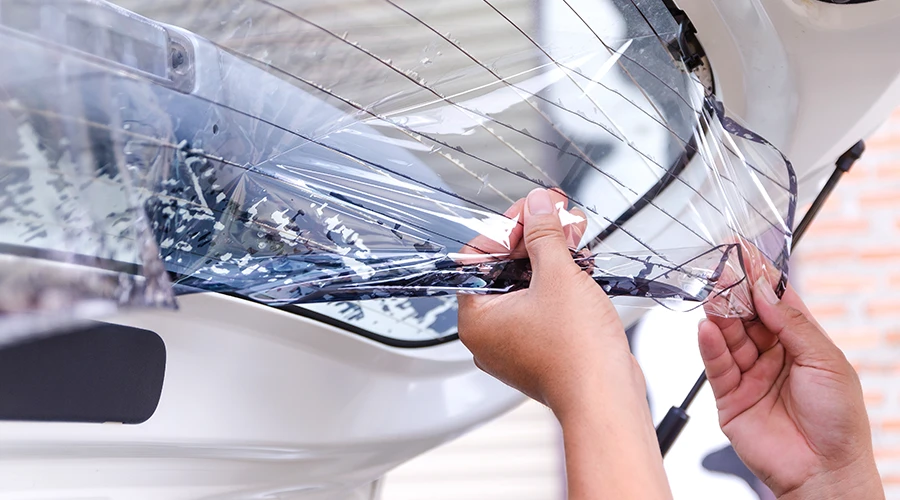
Here is something many drivers don’t consider. The quality and type of window film on your vehicle directly affects how easily your interior glass stays clean—and how quickly that greasy haze builds up.
Premium-grade window films, particularly those made from high-quality TPU (thermoplastic polyurethane) materials, offer more than just UV protection and heat rejection. Their advanced surface properties can actually help reduce the accumulation of interior film. Hydrophobic top coats cause moisture and airborne particles to bead up and roll away rather than clinging stubbornly to the glass. This means less residue buildup between cleanings and easier removal when you do need to clean.
Furthermore, high-quality window films are engineered to maintain optical clarity for the long term. Cheaper films can degrade under UV exposure, developing their own haze or discoloration that adds to visibility problems rather than solving them.
The automotive window film market continues to grow rapidly, reflecting increasing consumer awareness of the benefits of professional-grade protection. In 2025, the global automotive window film market was valued at billions of dollars, with steady annual growth projected for the foreseeable future. More drivers than ever are recognizing that the right window film is not just an aesthetic upgrade—it is an investment in comfort, safety, and long-term vehicle preservation.
Frequently Asked Questions
Q1: Why does the inside of my windshield keep getting hazy even after I clean it?
The haze comes from off-gassing. Your car’s dashboard and interior plastics release VOCs (volatile organic compounds) when they heat up. Those VOCs condense on the cooler glass surface, creating a thin, greasy film. This process is continuous, which is why the film returns regularly.
Q2: Can I use Windex or household glass cleaner on my windshield?
You should avoid household glass cleaners if your windows have aftermarket tint. Many contain ammonia, which can damage window tint film over time, causing bubbling, peeling, or discoloration. Use an ammonia-free automotive glass cleaner instead.
Q3: Does vaping inside the car leave residue on the windshield?
Yes. The propylene glycol and vegetable glycerin in e-cigarette vapor condense on the glass, forming a greasy film over time. While it is generally easier to clean than cigarette smoke residue, it still contributes significantly to interior windshield buildup.
Q4: What is the best way to clean the inside of my windshield without streaks?
Use two microfiber towels: one for cleaning, one for buffing. Spray cleaner onto the towel, not the glass. Wipe in overlapping strokes. Buff dry with the second towel. Work in the shade when the glass is cool. For stubborn film, use a 50/50 mix of isopropyl alcohol and water.
Q5: How can I prevent dashboard off-gassing from coating my windshield?
Use a windshield sunshade whenever you park in direct sunlight. The sunshade keeps the dashboard cooler, which significantly reduces the release of VOCs. Parking in the shade and cracking your windows slightly also help.
Q6: How often should I replace my cabin air filter to help with windshield film?
Most manufacturers recommend replacing your cabin air filter every 12,000 to 15,000 miles, or at least once per year. A clean filter traps dust and particles before they can circulate through the cabin and settle on your glass.
Q7: Is there a difference between fog and film on the windshield?
Yes. Fog is temporary condensation caused by humidity differences between the inside and outside of the vehicle. It clears when you run your defroster. Film is a permanent greasy residue that requires cleaning to remove. Both can impair visibility, but they have different causes and solutions.
Q8: Could a mechanical issue be causing the film on my windshield?
In some cases, yes. A leaking heater core can release coolant vapor into the cabin, creating an oily, sticky film that returns quickly after cleaning. If you notice a sweet smell or suspect coolant vapor, have your vehicle inspected by a professional.
Q9: Does the type of window film on my car affect how easily the windshield gets dirty?
Yes. Premium TPU-based window films often feature hydrophobic top coats that repel moisture and airborne particles, making them easier to keep clean. High-quality films also maintain optical clarity over time without developing their own haze or discoloration.
Q10: Is a dirty windshield really a safety risk?
Absolutely. The film scatters light from the sun and oncoming headlights, creating glare that reduces your ability to see clearly. This is especially dangerous at night, when headlight glare can obscure pedestrians, animals, and other vehicles. A clean windshield is essential for safe driving.
Clear Vision Starts With Smart Choices
That stubborn film on your inside windshield isn’t just an annoyance. It compromises your safety every time you drive. The good news is that removing it is straightforward with the right technique and tools. The even better news is that you can dramatically reduce how often it returns by making a few simple changes to your driving and parking habits.
But the foundation of a truly clear, protected windshield starts with what you put on your glass in the first place.
Protect Your View with Decowell Film
At Decowell Film, we understand that visibility and protection go hand in hand. Our premium-grade automotive window films are engineered with advanced TPU technology, delivering exceptional optical clarity, UV protection, heat rejection, and hydrophobic properties that make maintenance easier.
Whether you are looking for paint protection film, colored PPF, sunroof film, or high-performance window tint, Decowell Film has the expertise and product quality to meet your needs. Our films are designed to preserve your vehicle’s appearance, enhance your driving comfort, and keep you safe on the road—mile after mile, year after year.
We serve automotive professionals, installers, distributors, and vehicle owners who demand the best. Consistent quality. Reliable performance. Long-lasting protection. That is what Decowell Film delivers.