Home » Sunroof Film Protection: Why Your Panoramic Glass Needs It
Recent Posts
Sunroof Film Protection: Why Your Panoramic Glass Needs It
Your sunroof offers some of the best views from inside your vehicle. On a clear morning or a starry night, the open sky above makes every drive feel just a little bit special. Modern panoramic glass roofs turn the entire cabin into a lookout point, flooding the interior with natural light and giving passengers a sense of airiness and freedom that no other car feature can deliver.
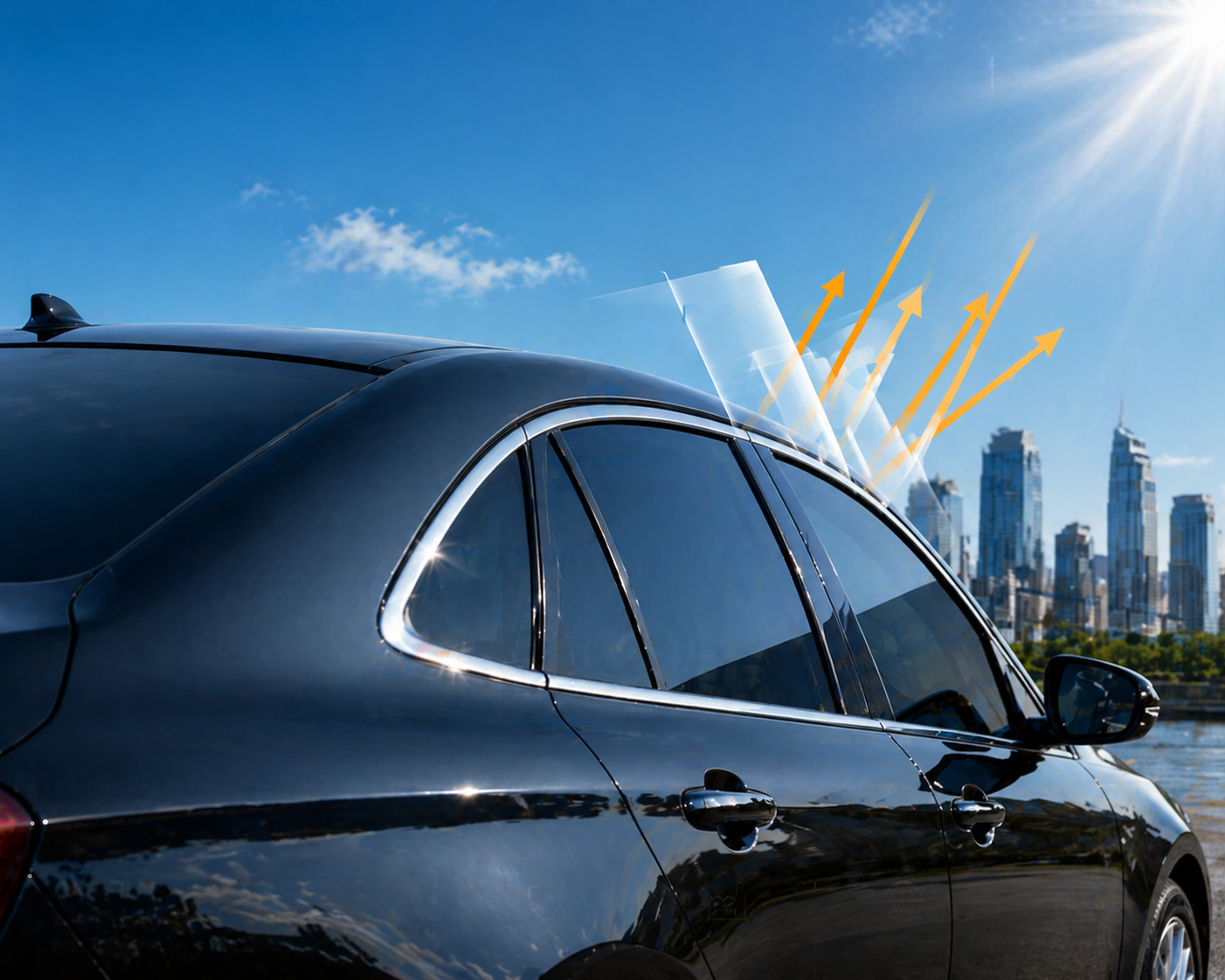
But here’s the catch. That beautiful glass also becomes a superhighway for unwanted sunlight. On a hot afternoon, the temperature inside a vehicle with an exposed panoramic roof can climb alarmingly fast. You crank the AC harder. Your system works longer to cool things down. Meanwhile, harmful UV rays slip right through, landing on your seats, dashboard, and steering wheel. Over time, the leather fades. The dashboard surface develops tiny cracks. And even your skin gets more exposure than it should.
People spend thousands of dollars protecting their paint with clear PPF, but overlook the massive glass panel sitting right above their heads.
Sunroof film solves that problem in one elegant step. It acts as a guardian for your panoramic glass, blocking the damaging rays while keeping the interior cooler and the view just as spectacular. But not all films work the same way. Depending on what you pick, you could be making a real investment in comfort and protection, or just putting a cheap dark sticker on your roof that falls apart in a few months.
This guide will walk you through the entire landscape of sunroof film. We’ll talk about why today’s drivers are turning to this upgrade in record numbers, what the different film types do, how they stack up against each other, and what to look for when you’re ready to protect your vehicle. If you’ve ever wondered whether putting film on your sunroof is worth the effort, here’s everything you need to know.
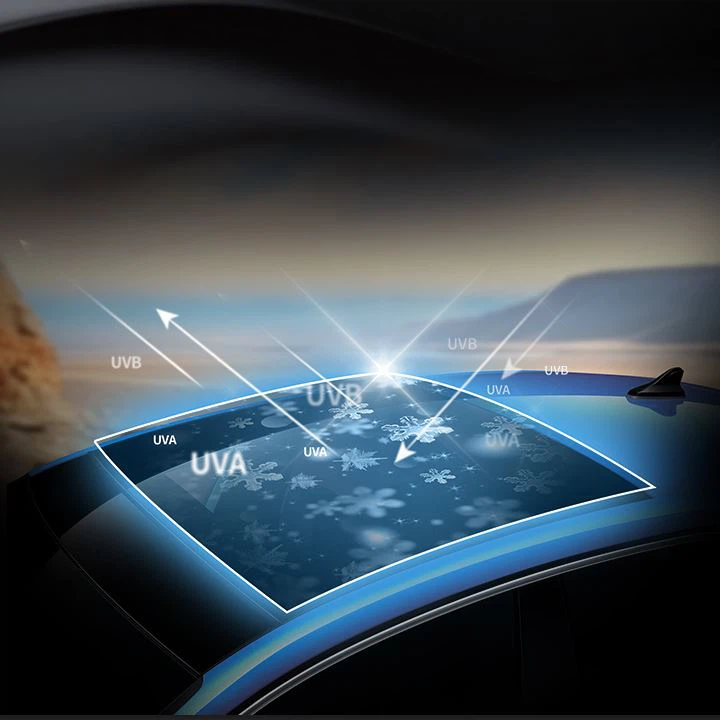
Table of Contents
Why Sunroof Film Is Suddenly Everywhere
The numbers tell a pretty clear story. The global car sunroof film market was valued at roughly US1,018millionin2024,andisprojectedtoreacharoundUS1,018millionin2024,andisprojectedtoreacharoundUS1,299 million by 2031, growing at a steady annual rate. That’s not a small bump. Across the broader automotive films sector, the market hit US6.48billionin2024andisexpectedtoclimbtoUS6.48billionin2024andisexpectedtoclimbtoUS9.68 billion by 2032. And within that, automotive window films alone—which include sunroof products—are forecast to grow from US4.22billionin2025toUS4.22billionin2025toUS6.31 billion by 2032, at a compound annual growth rate of 5.9%.
So what’s driving this growth? A few things are happening at once.
First, panoramic sunroofs are appearing on more and more vehicles. What used to be a luxury option reserved for high-end sedans and SUVs is now a standard feature across a huge range of mainstream cars and electric vehicles. EVs in particular have embraced large glass roofs as a way to create open, airy interiors. But more glass means more sunlight entering the cabin, and that’s where sunroof film comes in as an essential upgrade.
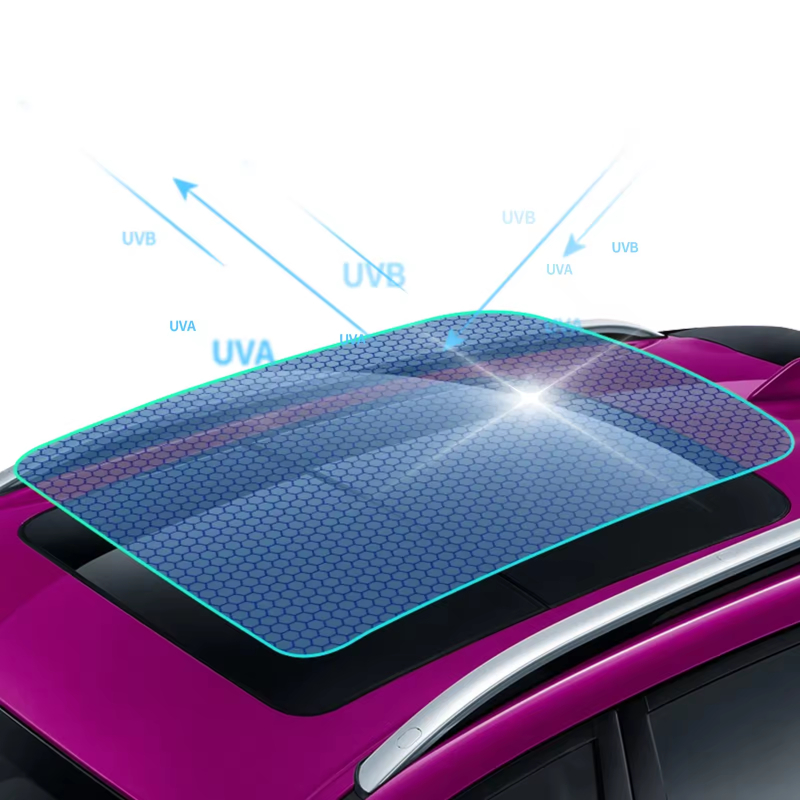
Second, consumers are becoming more aware of long-term UV damage. The connection between sun exposure and interior deterioration isn’t something people used to think about. Now, car owners recognize that every hour of sunshine hitting the dashboard causes cumulative wear that’s irreversible. Sunroof film blocks up to 99% of harmful UV rays, preserving the factory-fresh condition of seats, upholstery, and trim pieces.
Third, the aftermarket customization trend is huge. People want their cars to reflect their personal style, and they want those cars to stay looking good years down the road. Sunroof film fits perfectly into that mindset—it’s an upgrade you can see and feel immediately.
The market is also being shaped by new technologies. Manufacturers are producing smarter films with better heat rejection, self-healing surfaces, and hydrophobic coatings that repel water and dirt. Advances in film chemistry mean you don’t have to trade performance for aesthetics anymore. The old trade-offs are disappearing.
What Sunroof Film Actually Does
Before we dive into the different types, let’s quickly cover the job sunroof film is supposed to do.
At its core, sunroof film is a thin, adhesive-backed layer applied to the glass surface. Depending on the specific product, it can be installed either on the inside of the glass or on the exterior. Its primary functions include:
UV blocking. This is non-negotiable. The best sunroof films block approximately 99% of ultraviolet radiation, effectively protecting both the vehicle’s interior materials and the occupants’ skin from long-term damage.
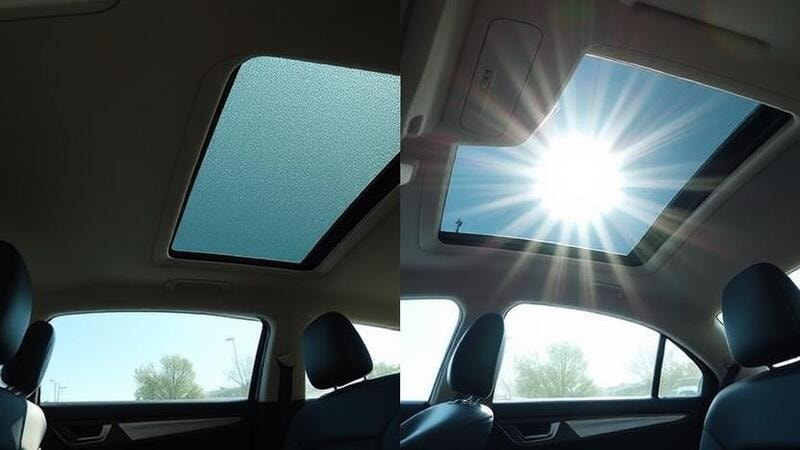
Heat reduction. Infrared radiation is what makes the cabin feel unbearably hot on summer days. High-quality films reject a substantial portion of infrared heat, which means the interior stays cooler even when the sun is directly overhead. You don’t have to blast the AC as much, and that translates into better energy efficiency—something EV owners particularly appreciate.
Glare control. Driving with the sun pouring through a panoramic glass roof can be genuinely distracting. Bright glare makes it harder to see the road, reflect off other vehicles, and generally creates an uncomfortable driving experience. Sunroof film cuts that glare down significantly, helping you focus on what matters.
Physical protection. Some sunroof films—especially those based on TPU (thermoplastic polyurethane)—also act as a sacrificial barrier. They absorb impacts from small stones, road debris, and other hazards that would otherwise strike the glass directly. The film takes the hit so your glass stays intact.
Aesthetic enhancement. A well-chosen sunroof film gives the glass a clean, uniform appearance that complements the vehicle’s overall design. Depending on your preference, you can go for a completely clear finish that preserves the original look, or a subtle tint that adds a touch of sophistication.
Privacy. Darker films or those with reflective finishes can limit visibility from the outside, providing an extra layer of discretion for valuables stored inside the vehicle.
It’s worth noting that these benefits vary dramatically depending on the type of film you choose. The cheaper alternatives offer some of these functions, but the better ones deliver all of them simultaneously—and they keep doing it for years without degrading.
The Main Types of Sunroof Films
Not all sunroof films are engineered the same way. The technology behind the film directly determines what kind of performance you can expect. Let’s go through the major categories.
Dyed Films
Dyed films are the entry-level option. A layer of dye is added to an adhesive substrate, creating a darkened appearance that reduces glare and adds a bit of privacy.
The pros: They’re affordable and easy to find. For someone on a very tight budget, dyed films offer a basic level of glare control that’s better than nothing.
The cons: They don’t reject much heat. They provide limited UV protection at best. And they fade over time. Within a few years of exposure to sunlight, the dye degrades, turning purple or hazy. When the film fades, so does its functionality.
For a sunroof, which receives direct overhead sunlight more consistently than any other glass surface on the car, dyed film is generally not a smart investment. It looks acceptable at first, but it won’t hold up.
Metalized Films
Metalized films incorporate tiny metallic particles into the film structure. These particles reflect sunlight away from the glass, providing better heat rejection than dyed options.
The pros: Improved heat control compared to dyed films. Better UV protection. The metallic layer also adds a subtle reflective appearance that some people find visually appealing.
The cons: Metalized films can interfere with electronic signals—GPS, mobile connectivity, keyless entry systems, and cellular reception. In a modern vehicle packed with antennas and sensors, that’s a genuine concern. Additionally, the metallic layer can create a hazy or distorted view, especially when looking through the glass at certain angles.
For side windows, metalized films are sometimes acceptable. For a sunroof where optical clarity matters, many drivers find the trade-offs frustrating.
Ceramic Films
Ceramic films represent a major step forward in performance. Instead of using dyes or metals for heat rejection, these films incorporate nanoceramic particles that block infrared radiation without relying on dark tints or conductive materials.
The pros: Outstanding heat rejection without sacrificing clarity. Nanoceramic materials can block up to 99% of infrared rays while maintaining high visible light transmission, which means the view through the glass remains crisp and natural. Ceramic films also provide excellent UV protection, typically blocking 99% of harmful rays. Because they contain no metal, they cause zero interference with electronic signals. Your navigation, phone connection, and Bluetooth all work exactly as they should. They’re also highly durable, resisting fading, bubbling, and peeling for the long haul.
The cons: Ceramic films are more expensive than dyed or metalized alternatives. For many car owners, that higher upfront cost is justified by the superior performance and extended lifespan. But it’s a consideration if you’re working with a limited budget.
For sunroof applications, ceramic film is widely considered the gold standard. It gives you the best of all worlds: heat reduction, UV protection, optical clarity, and no signal problems. If you plan to keep your car for more than a few years, the performance difference becomes even more pronounced.
TPU-Based Protective Films
Now let’s talk about a different category entirely. Traditional sunroof films—whether dyed, metalized, or ceramic—are designed primarily for optical and thermal performance. They’re installed on the inside of the glass and focus on blocking heat and UV.
TPU-based sunroof films take a different approach. Thermoplastic polyurethane is a high-performance polymer known for its elasticity, impact resistance, and durability. In the automotive world, TPU is the same material used for premium paint protection films applied to body panels. When this same material is engineered for sunroof use, the result is a film that delivers physical protection on top of thermal and UV performance.
TPU sunroof film typically measures 6 to 10 mils in thickness—several times thicker than conventional tint films. That thickness provides genuine resistance against stone chips, scratches, and minor impacts. Flying debris that would normally leave a mark on the glass gets absorbed by the film instead.
Self-healing is another standout feature. The top coat of quality TPU films contains elastomeric polymers that can recover from light surface scratches when exposed to heat—from the sun, warm water, or a heat gun. Minor abrasions simply disappear over time, keeping the surface smooth and clear.
These films also resist yellowing. Traditional films can develop an unattractive yellow or amber cast after extended UV exposure. Premium TPU formulations are engineered to stay optically clear for years.
Hydrophobic coatings add another layer of practical benefit. Water beads up and rolls off the surface rather than spreading into ugly spots, making the glass much easier to keep clean. Dust and contaminants don’t stick as readily.
The biggest advantage of TPU sunroof film is that it combines everything in one package—UV blocking, infrared heat rejection, scratch resistance, impact protection, and self-healing properties—into a single layer.
TPU Sunroof Film vs. Traditional Sunroof Tint
You might be wondering how TPU film compares to standard ceramic tint. Both are premium options, but they serve slightly different priorities.
If your main goal is heat rejection and glare reduction, a high-quality ceramic interior film will absolutely get the job done. It blocks UV, cuts infrared heat, and preserves optical clarity. For many drivers, that’s plenty.
But TPU film offers two additional layers of protection that ceramic tint cannot. The first is physical impact resistance. A typical ceramic tint is thin—usually around 1 to 2 mils—and it won’t stop a stone chip from damaging the glass. TPU film, at 6 to 10 mils, creates a genuine barrier against flying debris. The second is self-healing capability. Traditional ceramic tint, no matter how advanced, cannot repair scratches. Once a scratch appears, it’s permanent. TPU’s self-healing top coat makes minor abrasions disappear.
For people who drive on highways frequently, park outdoors, or simply want the most comprehensive protection possible, TPU film is the stronger choice. For those primarily concerned about temperature and UV, ceramic tint remains a solid option.
Some installers actually recommend combining the two: a ceramic interior film for heat control, plus a TPU exterior film for impact protection. That’s the ultimate solution, but it’s also more expensive. For most drivers, a high-quality TPU film on its own offers an excellent balance of thermal performance and physical protection.
The Real Cost of Not Using Sunroof Film
Let’s talk about what happens if you skip sunroof protection entirely. It’s easy to think of film as an optional accessory, something nice to have but not strictly necessary. The truth is that the damage from unprotected glass is cumulative, and it shows up in ways that cost real money.
UV exposure degrades automotive interiors at a chemical level. The dyes in leather seats break down. Vinyl trim pieces become brittle. Dashboard surfaces develop fine cracks that spread over time. Once that damage occurs, fixing it is expensive. Full upholstery replacement can cost thousands of dollars.
Heat buildup forces your air conditioning system to work harder, consuming more energy. For gasoline vehicles, that means lower fuel economy. For electric vehicles, it directly reduces driving range. The difference is measurable, especially on hot days when the AC is running continuously.
Physical damage to the sunroof glass itself is another risk. A single stone chip may be repairable, but a full replacement of a panoramic glass roof is a major expense. Installation of new glass requires careful labor, and the cost often runs into the thousands.
The sunroof film market is growing quickly because more drivers are realizing that prevention is cheaper than repair. A one-time investment in quality film protects the vehicle for years, preserving both its condition and its resale value.
Installation: What to Expect
Getting sunroof film installed properly makes all the difference between a result that looks invisible and one that looks like a messy DIY project. The basic process follows a few standard steps.
First, the glass surface is thoroughly cleaned. Any dust, oil, or residue on the glass will show up as visible defects under the film. Professional installers use specialized cleaning solutions and lint-free towels to prepare the surface.
If the film is being applied to the exterior of the glass, the edges of the sunroof are also cleaned. For TPU films that wrap around the glass perimeter, the preparation takes extra care.
Next, the film is either pre-cut using a computer pattern or cut to size during installation. Many premium TPU films are designed with precision patterns that match specific vehicle models exactly. The film is then positioned on the glass, aligned carefully to ensure even coverage.
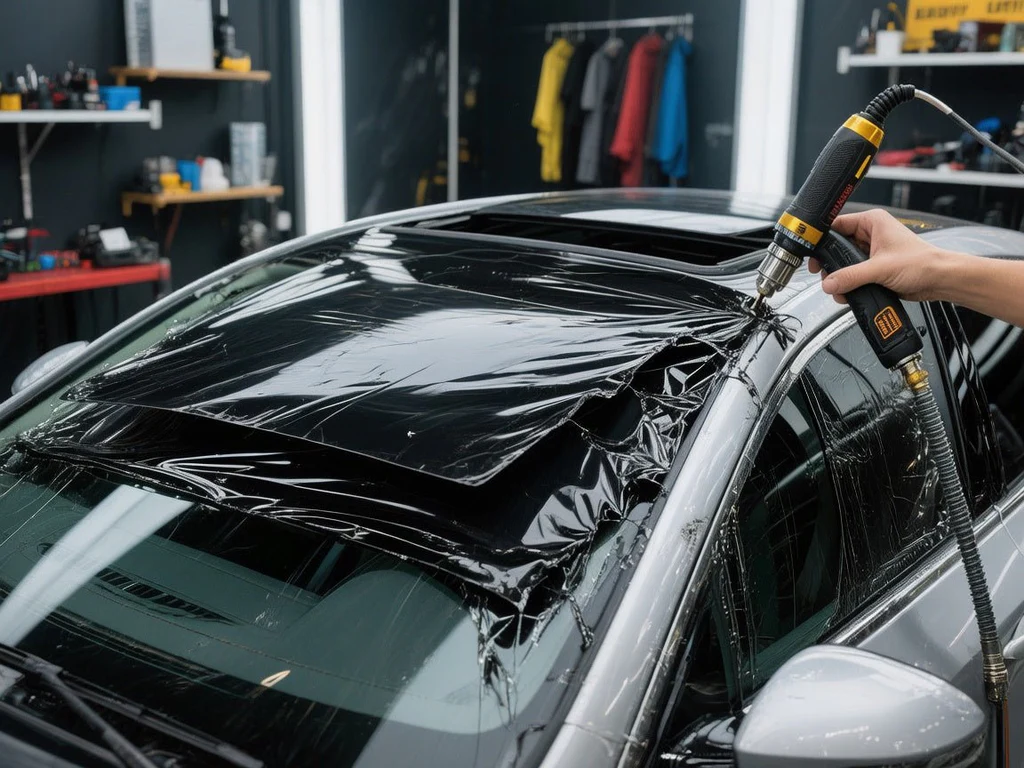
Application involves working the film onto the surface using a squeegee, pushing out any air bubbles that might be trapped underneath. The film must adhere uniformly across the entire glass area. For exterior films, the edges are typically wrapped around the glass perimeter to prevent lifting or peeling over time.
After the film is applied, it needs time to cure. Most films require at least 48 hours before the sunroof should be opened or washed. During this curing window, the adhesive fully bonds to the glass surface.
Professional installation is strongly recommended for best results. While some DIY enthusiasts successfully apply their own film, the margin for error is small. Air bubbles, trapped dust particles, and misaligned edges are all hard to fix once the film is on.
Maintenance and Care
One of the best things about sunroof film is how easy it is to maintain. The basic rules are simple.
Wash the film gently. Use a soft microfiber cloth and a mild, pH-neutral cleaner. Harsh chemicals, abrasive sponges, and stiff brushes can damage the protective top coat. The hydrophobic surfaces that many premium films incorporate actually make cleaning easier—water and dirt bead up and roll away rather than clinging stubbornly.
Avoid automatic car washes that use high-pressure water jets or stiff rotating brushes. The abrasion can scratch the film over time. Hand washing is always safer.
Don’t open the sunroof for a day or two after installation. This gives the adhesive time to fully cure.
After that, you can operate the sunroof normally. The film is designed to flex and move with the glass.
For TPU films with self-healing capabilities, small scratches from washing or road debris will disappear on their own with exposure to heat—direct sunlight or warm weather is usually enough to activate the healing process.
There’s no special ongoing maintenance required beyond cleaning. The film will continue doing its job without any additional treatments.
Frequently Asked Questions
Q1: Does sunroof film really reduce interior heat?
Yes, significantly. High-quality sunroof films block a substantial portion of infrared radiation, the part of sunlight that causes heat buildup. The cabin stays noticeably cooler, especially on sunny days, which reduces the load on your air conditioning system.
Q2: Will sunroof film affect my view through the glass?
No—if you choose a high-quality product. Premium films are optically clear with excellent light transmission. The view remains crisp and natural. Lower-tier films can introduce haze or distortion, which is why quality matters.
Q3: Is sunroof film different from window tint for side windows?
Technically, the films can be similar, but the requirements are different. Sunroof glass receives direct overhead sunlight and is often laminated for safety. The best sunroof films are engineered specifically for overhead glass applications, with appropriate UV blocking and heat rejection characteristics.
Q4: Does TPU film feel different from regular tint?
TPU film is thicker and has a different texture because of its protective layers. Once installed, you don’t feel a difference day to day. The added thickness is what provides impact resistance.
Q5: How long does sunroof film last?
Quality films from reputable manufacturers are engineered for long-term durability. They maintain their clarity, UV protection, and heat rejection properties across many years of service. Budget films degrade much faster.
Q6: Will the film turn yellow over time?
Not with properly formulated TPU films. Premium TPU is engineered for UV stability and resists yellowing. In contrast, lower-quality films can develop an amber or yellow cast with extended sun exposure.
Q7: Can I install sunroof film myself?
Professional installation is strongly recommended. Proper surface preparation, precise positioning, and bubble-free application require experience and the right tools. A DIY installation often ends with visible imperfections that can’t be fixed without removing and reapplying the film.
Q8: Is sunroof film safe for panoramic glass roofs?
Yes, TPU-based exterior films are specifically designed for laminated and panoramic glass applications. They block heat without trapping it, unlike some interior tints which can potentially create stress points.
Q9: Does sunroof film block UV completely?
The best sunroof films block approximately 99% of harmful UV radiation, providing protection comparable to high-quality sunglasses for your vehicle’s interior and for the occupants inside.
Q10: Is sunroof film worth it for a leased vehicle?
It depends. If you plan to purchase the vehicle at lease end or want to avoid wear-and-tear charges for interior damage, sunroof film can be a smart investment. If you’re returning the vehicle soon, the equation changes—though protection of the interior condition can still help with lease-end inspection.
Q11: Does TPU film interfere with cellular signals or GPS?
No. TPU contains no metallic components, so there is zero signal interference. Everything—navigation, phone calls, streaming, Bluetooth—functions exactly as it should.
Q12: Does sunroof film make the car harder to see out of at night?
For clear films, the answer is no. Visible light transmission remains high, so nighttime visibility is unaffected. Darker films will reduce light transmission, so choose based on your priorities—clarity and protection vs. privacy and glare reduction.
Protect Your Sunroof with Decowell Film
At Decowell Film, we specialize in high-performance automotive protection solutions engineered to meet the demands of today’s drivers. Our TPU-based sunroof films deliver everything this guide has discussed: excellent UV blocking, effective infrared heat rejection, self-healing scratch resistance, hydrophobic easy-clean surfaces, and impact protection for the glass itself.
Our products are manufactured with premium-grade polyurethane materials, ensuring long-term optical clarity and resistance to yellowing. The self-healing top coat means minor surface marks disappear with exposure to heat, keeping the glass looking flawless through years of daily use. And the hydrophobic properties make routine maintenance almost effortless—water beads up and rolls away, so the glass stays cleaner for longer.
Whether you’re an installer looking to expand your service offerings, a distributor seeking reliable supply, a dealership wanting to add value for customers, or a car owner ready to protect your investment, Decowell Film has the expertise and product quality to support you.
Our team understands what matters in the real world: consistent performance, easy installation, and results that last. We’re committed to providing films that deliver on every promise—protection, clarity, durability, and style.
Contact Decowell Film today to learn more about our sunroof protection solutions. Let’s talk about how we can help you keep vehicles cooler, interiors preserved, and drivers happier on every sunny day.