Home » Windshield Film Removal: Banishing That Hazy Windshield Film for Good
Recent Posts
Windshield Film Removal: Banishing That Hazy Windshield Film for Good
You know the feeling. You’re driving home after a long day, the sun is setting right in front of you, and suddenly your entire view turns into a blurry, hazy mess. You check your wipers—they’re fine. You check the outside of the glass—it’s clean. But that stubborn windshield film on the inside is ruining your visibility and making night driving downright dangerous.
If this sounds familiar, you’re not alone. That greasy, cloudy buildup on your car’s windshield is one of the most common—and most frustrating—problems drivers face. The good news? Windshield film removal is actually pretty straightforward once you know what you’re dealing with and how to tackle it properly. Let’s break it all down.
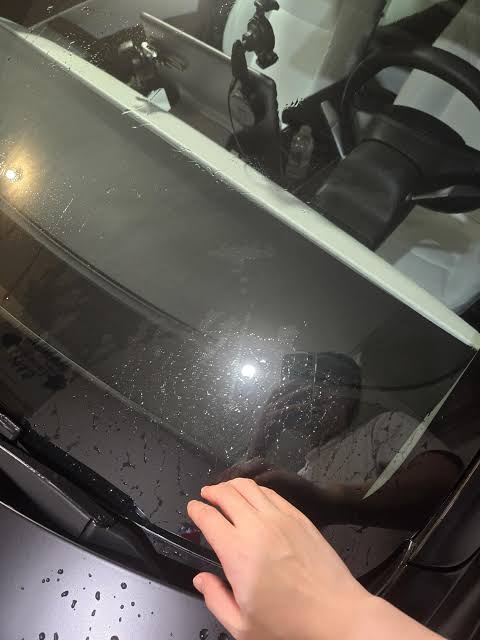
Table of Contents
What Actually Is That Windshield Film?
Before we get into how to remove film from windshield surfaces, it helps to understand what you’re actually fighting against.
That hazy film on the inside of your windshield isn’t just regular dust or dirt. It’s a chemical residue that forms from a process called off-gassing. Here’s what’s happening: every time your car sits in the sun or heats up, the plastics, vinyl, foams, adhesives, and fabrics inside your vehicle release volatile organic compounds (VOCs) into the cabin air. These microscopic chemicals float around, eventually condensing on the cooler surface of your windshield, where they form that stubborn, greasy layer.
That “new car smell” everyone loves? Yeah, that’s actually you inhaling those same VOCs—including toluene, benzene, and formaldehyde. Not exactly comforting, right?
Heat makes the problem significantly worse. Polymer chemist Marc Hillmyer explains that when it gets hot enough, more and more compounds exude from plastic materials through a vaporization process, creating heavier film buildup. So if you park in the sun regularly, your windshield film problem will be much worse.
Other Common Causes of Windshield Film
While off-gassing is the primary culprit, windshield film can also come from:
Smoking or vaping inside the vehicle – tobacco and vapor create a sticky, stubborn residue that’s tough to remove
Certain air fresheners and interior detailing products – some of these evaporate and deposit directly onto your glass
A dirty cabin air filter – old filters release dust and pollutants that stick to the glass
Heater core coolant leaks – if the film smells sweet (like antifreeze), you might have a coolant leak vaporizing into the cabin
Just breathing – over months and years, even exhaled moisture and particles contribute
How to Keep Windshield Film from Coming Back
Dealing with a foggy windshield once is frustrating. Having it come back again and again is even worse. Here’s how to keep that stubborn windshield film from forming repeatedly.
1. Control the Heat
Heat accelerates film buildup by causing your dashboard and upholstery to release more VOCs. To reduce this:
Cover your windshield with a sunshade when parked to minimize plastic off-gassing
Park in the shade whenever possible
Crack your windows slightly to allow heat and gases to escape
2. Choose Your Interior Products Wisely
Avoid cleaning your dashboard with ammonia-based products. Over time, they vaporize and deposit a fresh layer of residue on your windshield. Stick to alcohol-based or silicone-free products that clean without contributing to windshield film.
Also, go easy on glossy dashboard sprays and leather conditioners. While they make your interior look great, they release microscopic oils that float up and cling to your glass.
3. Ditch the Air Fresheners
Hanging air fresheners are a major contributor to windshield film. The chemicals they release condense on your glass, adding to that greasy layer.
4. Replace Your Cabin Air Filter Regularly
Old, clogged cabin air filters release dust, pollutants, and particles that eventually stick to your glass. Replace your cabin air filter every 12,000 to 15,000 miles to maintain better air quality and protect your windshield.
5. Wipe Regularly
Wipe your windshield regularly with a dry microfiber cloth. This helps clear the film before it builds up into that stubborn, greasy layer.
6. Avoid Smoking in Your Vehicle
Tobacco creates a stubborn, sticky residue that’s tough to wipe away. If you or your passengers smoke, that film will keep coming back no matter how well you clean.
7. Use Recirculation Mode Sparingly
Running your climate control on recirculation mode speeds up film accumulation because those VOC molecules just keep circling around inside the cabin air supply. Fresh air intake helps flush them out.
The Windshield Film Removal Secret Most People Miss
Here’s something most drivers don’t realize: your choice of windshield protection matters just as much as how you clean it.
When you’re dealing with persistent windshield film, the glass itself plays a role. Lower-quality glass or poorly treated surfaces are more prone to residue adhesion. That’s where quality products like Decowell Film make a real difference.
Decowell Film is designed with advanced surface technology that resists the adhesion of VOCs, oils, and other contaminants. While ordinary glass lets those microscopic particles cling and build up over time, Decowell Film creates a barrier that makes it harder for that greasy residue to take hold in the first place. You’ll spend less time scrubbing and more time enjoying a crystal-clear view of the road ahead.
Professional drivers and automotive enthusiasts choose Decowell Film because it doesn’t just protect—it performs. Whether you’re dealing with harsh sunlight, temperature extremes, or the daily onslaught of interior off-gassing, Decowell Film helps maintain the clarity and integrity of your windshield.
FAQ: Windshield Film Removal
Q: Why does my windshield get that greasy film even though I never touch it?
A: It’s called off-gassing. Your dashboard, seats, adhesives, and other interior materials release volatile organic compounds (VOCs) over time, especially when heated. These chemicals float through the cabin and condense on your windshield, creating that greasy film.
Q: Can I use Windex on my car windshield?
A: You can, but it’s not recommended—especially if you have aftermarket tint. While some say Windex with ammonia is safe, it’s better to play it safe and use an ammonia-free glass cleaner. Ammonia can damage tint film and harm your dashboard materials over time.
Q: Will my wipers clean the film off?
A: No. Windshield wipers clean the outside of your glass. The film that matters most for visibility is on the inside, where your wipers can’t reach.
Q: How often should I clean the inside of my windshield?
A: Once or twice a year is usually enough for most vehicles. However, if you park in the sun frequently, smoke, use air fresheners, or have a newer car with more off-gassing materials, you may need to clean it more often.
Q: Does vinegar really work for windshield film removal?
A: Yes! White vinegar is excellent for cutting through oily residue. A 50/50 mix of vinegar and water, or even a 10% vinegar solution, works great for breaking down that greasy film.
Q: Can a dirty cabin air filter cause windshield film?
A: Absolutely. Old, clogged filters release dust, pollutants, and particles that eventually stick to your glass. Replacing your cabin air filter regularly helps keep your windshield cleaner.
Q: Why does the film come back so quickly after I clean it?
A: If the film keeps returning rapidly, you might have a heater core coolant leak. Coolant vapor can enter the cabin through air vents and condense on the glass. Check if the film smells sweet (like antifreeze)—that’s a telltale sign. Alternatively, you may be using interior products that are contributing to the problem.
Q: Is windshield film dangerous?
A: Yes. That foggy layer causes severe glare, makes night driving dangerous, and reduces overall visibility. A clean windshield isn’t just about aesthetics—it’s about safety.
Q: Does Decowell Film prevent windshield film buildup?
A: Decowell Film is engineered with advanced surface technology that resists the adhesion of VOCs, oils, and other contaminants. While no product can completely eliminate off-gassing, Decowell Film makes it significantly harder for that greasy residue to take hold, meaning less frequent cleaning and better long-term clarity.
The Bottom Line
Windshield film is annoying, persistent, and—let’s be honest—kind of gross when you think about what it actually is. But windshield film removal doesn’t have to be complicated. With the right technique, the right tools, and a little consistency, you can banish that hazy film for good.
Start with a proper deep clean using vinegar, rubbing alcohol, or an ammonia-free glass cleaner. Wipe with high-quality microfiber cloths using overlapping circular motions. Protect your dashboard from drips. And most importantly, address the root causes: control heat buildup, choose your interior products carefully, replace your cabin air filter, and consider upgrading to a quality product like Decowell Film that helps keep your windshield cleaner for longer.
Because at the end of the day, whether you’re driving to work, picking up the kids, or just heading out for a weekend cruise, you deserve a clear view of the road ahead. Don’t let windshield film take that away from you.
Ready to experience the difference? Learn more about Decowell Film and how it can transform your driving experience. Contact our team today for more information.