Home » Automotive Film News: How PPF, Color Changing Film & Smart Window Tint Are Transforming The Way We Drive In 2026
Recent Posts
Automotive Film News: How PPF, Color Changing Film & Smart Window Tint Are Transforming The Way We Drive In 2026
The automotive film industry is on fire right now. If you’ve been paying attention to what’s happening with paint protection film, automotive window tint, and color change film, you’ve probably noticed things are moving fast — really fast.
We’re seeing a perfect storm of innovation, shifting consumer habits, and serious money flowing into the automotive film space. The numbers alone tell a pretty compelling story. The global automotive film market was valued at over $10 billion in 2025 and is projected to keep climbing toward $15 billion by 2032. Paint protection film, once a niche product for exotic car owners, has exploded into a mainstream category valued at over $1 billion in 2025, with projections pushing past $1.7 billion by 2032 at a CAGR of over 7%.
So what’s driving all this growth? Let’s break down the biggest trends, latest product launches, and industry shifts shaping automotive film news in 2026. Then we’ll talk about why Decowell Film is positioned to become your go-to choice for paint protection and window film solutions.
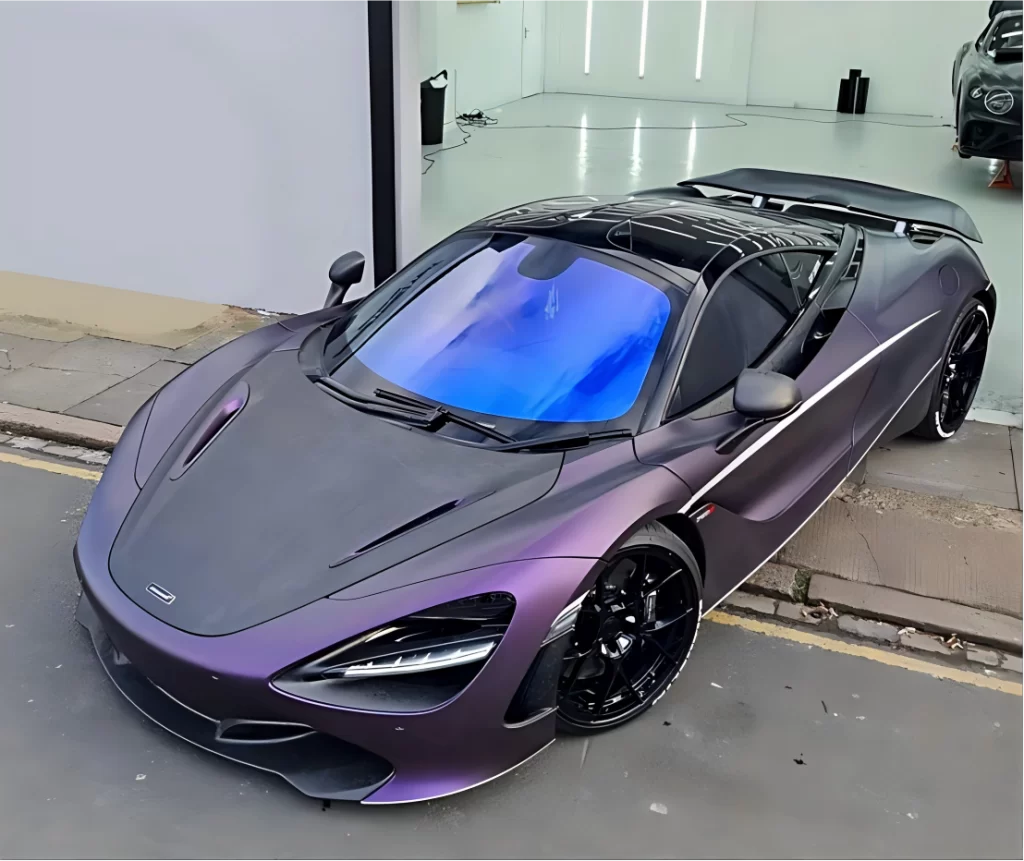
Table of Contents
1. PPF Market Hits Record Growth: Why More Drivers Are Choosing Protection Over Repairs
Here’s something that might surprise you. A national survey of U.S. auto dealers found that 96% of dealership professionals believe applying paint protection film to a new vehicle helps retain more of its value over the ownership period. Even better — 70% of those surveyed said value retention gains can hit up to 15%.
Think about what that means in real dollars. The average price of a new car in the U.S. crossed $50,000 for the first time in 2025. A 15% value retention boost on a $50,000 vehicle is $7,500. Suddenly, that PPF installation doesn’t look like an expense anymore — it looks like an investment that pays for itself and then some.
The same survey found that 92% of dealers said vehicles with PPF applied to all exterior surfaces would have higher resale value as pre-owned inventory. And 9 out of 10 dealers would recommend customers protect all exterior surfaces rather than just the front end.
Why is PPF adoption accelerating so quickly? A few reasons:
Rising vehicle costs. When you’re spending $50,000+ on a new car, protecting that finish becomes a no-brainer. A single rock chip repair can run $100-$300. Repainting a panel? $500-$1,500 easy. Add those costs up over five years of ownership and you’re looking at thousands in potential paint repair bills.
Longer ownership cycles. The average age of cars on American roads is now 12.6 years. When you’re planning to keep a vehicle for over a decade, investing in paint protection that preserves the finish for the long haul makes perfect sense.
Mainstream adoption. As one industry expert put it, “The most compelling reason for optimism is the mainstreaming of PPF as a standard investment — not just for high-end luxury vehicles, but for everyday drivers”.
The paint protection film market is projected to grow from $1.07 billion in 2025 to $1.16 billion in 2026, with a CAGR of 7.41%, eventually reaching $1.77 billion by 2032. That’s serious momentum by any measure.
Decowell Film offers premium TPU-based paint protection that delivers exactly what today’s drivers need: self-healing properties that erase light scratches with heat, UV resistance that prevents yellowing, and long-term durability that protects your investment for years. Whether you need clear PPF or colored protection, Decowell has options designed for real-world driving conditions — not just garage queens.
2. Color PPF: The Biggest Shift in Automotive Customization Since Vinyl Wraps
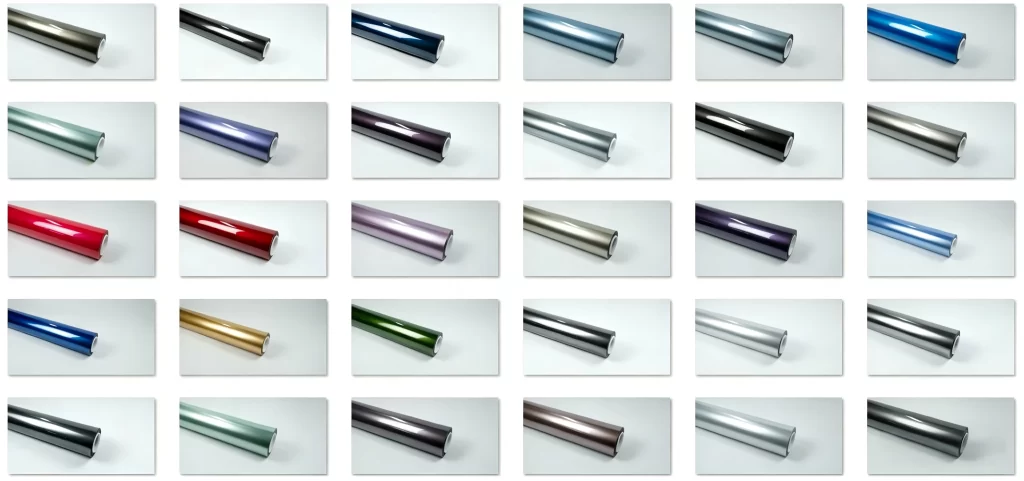
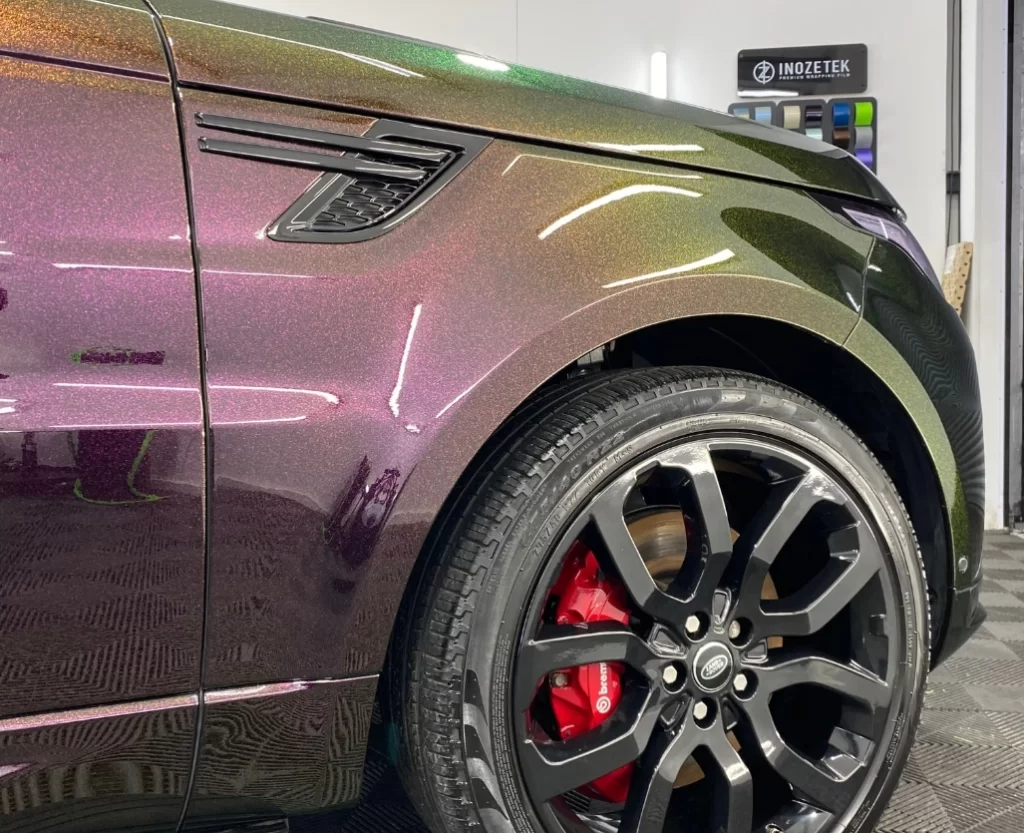
If there’s one trend that’s generating the most buzz in automotive film news right now, it’s the rise of colored paint protection film. Color PPF has emerged over the past 12 to 18 months as a major trend in vehicle customization.
Here’s the simple version: traditional vinyl wraps change your car’s color but offer almost no protection against rock chips, scratches, or UV damage. Traditional clear PPF offers great protection but doesn’t change how your car looks. Color PPF does both — and that’s why people are losing their minds over it.
Colored PPF combines full paint protection with a bold new option for vehicle customization. It looks like a full respray but also protects the vehicle underneath. The pigment is integrated directly into the TPU layer rather than printed on top or applied as a separate coating, which means the color won’t fade, discolor, or show inconsistencies over time.
Why is this such a big deal? Because it solves a problem that’s been around for years. Drivers no longer want to choose between protection and personalization. They want both.
Some colored PPF products now offer up to five years of durability, helping preserve color, gloss, and structural integrity over time. The films feature self-healing top coats that make small to medium surface scratches disappear when exposed to heat.
Industry experts see color PPF as a game-changer for professional installers. “Base PPF products keep improving, and with the rise of color PPF and other innovations, shops can now offer more customization and value than ever before”.
Colored PPF is also capturing a portion of the traditional vinyl wrap market. With benefits like self-healing capabilities, hydrophobic performance, and resistance to yellowing, color PPF is poised to attract more consumers toward professional PPF service providers.
Decowell Colored Paint Protection Film brings this same innovation to your vehicle. Whether you want a sleek satin finish, a deep gloss look, or something truly unique, Decowell’s colored PPF integrates premium protection with stunning aesthetics. You get impact resistance, self-healing technology, and a finish that rivals factory paint — all without permanent modification. And when you’re ready for a change? The film removes cleanly, revealing your original paint underneath. Perfect for lease vehicles, changing tastes, or simply protecting resale value.
3. Window Film Technology: Ceramic, Graphene & Smart Tint Lead the Way
Window film technology has come a long way from the cheap dyed films that turned purple after a year in the sun. Today’s premium automotive window films use advanced materials to deliver real performance without the drawbacks of older technologies.
The window films market size in 2026 is estimated at $2.66 billion, growing from 2025 value of $2.50 billion with 2031 projections showing $3.62 billion, growing at 6.39% CAGR over 2026-2031.
Nano-Ceramic Window Film: The Current Gold Standard
Nano-ceramic window tint has set the standard for premium results. In 2026, these films leverage microscopic ceramic particles to deliver unmatched heat rejection — blocking up to 98% of IR rays for cooler cabins and less AC use. They also provide 99%+ UV protection, shielding passengers and interiors from skin damage and fading.
Because ceramic window film contains no metal, it won’t interfere with GPS, cell signals, satellite radio, or Bluetooth — a huge consideration in modern vehicles packed with electronics. This signal-safe performance means all your modern apps, radios, and ADAS features work flawlessly.
Graphene-Infused Window Tint: The New Contender
One of the buzziest new materials in window tinting is graphene — famous for its ultra-tough carbon lattice and incredible conductivity. In 2026, graphene-infused auto tints are quickly gaining traction.
Graphene window film offers superb strength and scratch resistance, outperforming even the hardest traditional films. It provides improved heat and solar management — graphene conducts thermal energy, boosting overall cooling ability — with excellent clarity and no signal interference, making it perfect for new EV and connected vehicles.
Smart Tint & Photochromic Films
Photochromic or “smart” window tints are now moving beyond concept to real-world, affordable installations. These advanced films automatically adjust their darkness based on sunlight intensity, providing hands-free adaptive shading — windows get darker when the sun is intense, lighter on cloudy days or at night.
At major industry exhibitions like CIAACE 2026 in Beijing, smart films have been a major highlight. New smart films like photochromic films and sensor-integrated monitoring films can read driver preferences and alert abnormal situations. Smart technology is redefining film, increasing its value, and representing the future of automotive films.
EV Window Film: A Growing Priority
Electric and hybrid vehicles are especially sensitive to heat because climate control drains battery range. The latest energy-efficient tints for 2026 provide infrared rejection built for EV needs — minimizing AC use and extending driving range.
As one industry expert notes, “EVs have cameras and sensors that can be affected by certain films — Autopilot/FSD cameras, rain sensors, ADAS systems, heads-up displays”. That’s why sensor-safe films that don’t interfere with modern electronics have become critical for EV owners.
Radiative Cooling Film: The Next Frontier
In groundbreaking news from February 2026, a joint research team from Seoul National University, MIT, and Hyundai-Kia developed a “transparent radiative cooling film” that reduces vehicle overheating without electricity. Applying this film can lower interior temperature by up to 6.1°C and reduce cooling energy consumption by approximately 20%.
This film differs from conventional coatings because it not only blocks heat from entering but also emits heat already inside the vehicle outward. The time required for the interior to reach a comfortable temperature after turning on the AC was reduced by approximately 17 minutes compared to vehicles without the film. Commercialization is expected in 2–3 years.
Decowell Ceramic Window Film delivers premium performance today. With advanced nano-ceramic technology, Decowell window film blocks over 99% of harmful UV rays, rejects up to 95% of infrared heat, and contains zero metal for perfect signal compatibility. Available in multiple VLT levels to suit your privacy preferences and local regulations, Decowell window film keeps you cool, protected, and connected — without compromise.
4. The EV Factor: Why Electric Vehicle Owners Are Flocking to Automotive Films
Electric vehicles are changing the automotive film market in ways that weren’t true just a few years ago. EV owners have unique needs that make paint protection and window film even more valuable.
First, EV owners tend to keep their vehicles longer and care more about preserving range. Heat rejection from quality window film reduces AC load, which directly impacts driving range in hot weather. Some estimates suggest that aggressive AC use in an EV can reduce range by 15-20% on hot days — window film that blocks infrared heat can claw back much of that loss.
Second, the large glass roofs on many EVs — think Tesla Model Y, Ford Mustang Mach-E, Hyundai Ioniq 5 — let in massive amounts of solar heat. Ceramic window film applied to these panoramic roofs makes a dramatic difference in cabin comfort without affecting visibility.
Third, EV owners tend to be tech-savvy and research-heavy buyers. They understand the value proposition of PPF and are more likely to invest in protecting their vehicle’s finish. As the EV market continues to grow — with over 10 million EVs on the road globally — demand for automotive films tailored to EV needs will only increase.
The automotive wrap films market grew from $8.69 billion in 2025 to $10.54 billion in 2026 at a CAGR of 21.3%, with EV owners representing a significant portion of new demand.
Decowell Film is fully compatible with all EV makes and models. Our ceramic window films contain no metal, so there’s zero interference with Autopilot, ADAS cameras, rain sensors, or heads-up displays. Our PPF protects the vulnerable front ends and painted surfaces of EVs from road debris — and with EVs often costing more than their gas counterparts, that protection is money well spent.
5. Sustainability & Eco-Friendly Films: The Industry’s Green Shift
The automotive film industry is also responding to growing environmental concerns. Manufacturers are introducing bio-based TPU sources and increasing scrutiny of PVC additives, encouraging suppliers to diversify raw material sources and invest in transparent supply chain traceability.
The shift toward eco-friendly products is a notable trend, with manufacturers introducing PVC-free and biodegradable wrapping films to meet sustainability goals. These innovations align with growing consumer preferences for environmentally friendly products.
Some of the most exciting developments include radiative cooling films that could reduce CO2 emissions by approximately 25.4 million tons annually if applied to all passenger vehicles in the United States — equivalent to removing about 5 million vehicles from the roads.
Decowell Film is committed to responsible manufacturing practices. Our TPU-based films are engineered for longevity, which means less waste over time. A single PPF installation that lasts 5-10 years generates far less environmental impact than repeated paint repairs or resprays. When you choose Decowell, you’re choosing protection that lasts — and that’s better for your wallet and the planet.
6. Professional Installation: Why Quality Matters
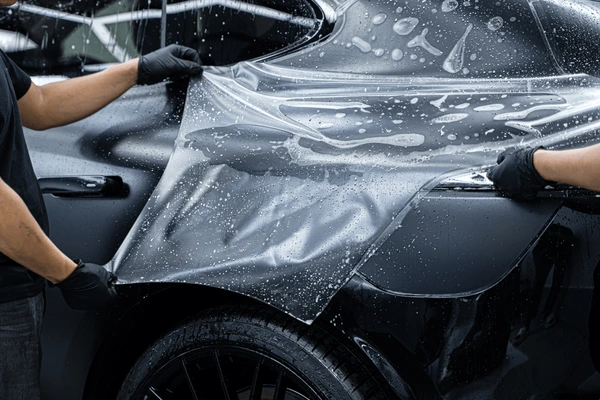
With all these innovations in film technology, one thing hasn’t changed: professional installation is critical to getting the results you expect.
The old saying in the industry — “30% film quality, 70% installation skill” — is being addressed by better products, but skill still matters enormously. A poorly installed film will bubble, lift at the edges, trap contaminants underneath, and generally look terrible. A professionally installed film is nearly invisible and will perform as advertised for years.
Professional PPF installation follows a consistent sequence: thorough decontamination wash, clay bar treatment to remove embedded particles, isopropyl alcohol wipe-down to remove wax and residue that would prevent adhesive bonding, then careful application of the film using specialized tools and techniques.
Color PPF installation has its own challenges. Installers should not stretch the film beyond 10-15% as this can increase the risk of fingers, stretch marks, glue lines, orange peel, and distortion.
Advanced techniques like the full folding method — tucking the film deep into crevices like bumper edges to eliminate visible cuts or seams — are what separate professional installers from amateurs.
Decowell Film works with a network of professional installers who understand how to get the best results from our products. When you choose Decowell, you’re not just buying film — you’re buying a complete solution backed by expertise and quality assurance. For best results, always have Decowell Film installed by a certified professional.
Frequently Asked Questions About Automotive Film
Q: How much does paint protection film cost in 2026?
A full-vehicle PPF installation typically runs between $4,000 and $8,000 depending on vehicle size, film quality, and installer rates. Front-end-only coverage (hood, bumper, mirrors, fenders) runs $600-$2,000. While the upfront cost seems high, remember that 96% of dealers believe PPF helps retain vehicle value, with gains up to 15%. On a $50,000 vehicle, that’s up to $7,500 of retained value — more than enough to justify the investment.
Q: How long does paint protection film last?
Premium TPU-based PPF like Decowell Film typically lasts 5 to 10 years, depending on driving conditions, maintenance, and exposure. High-quality films often carry warranties extending up to 10 years. Proper care — regular washing with pH-neutral soap, avoiding harsh chemicals, and parking indoors when possible — will maximize longevity.
Q: Does window film affect night visibility?
High-quality ceramic window film does not significantly affect night visibility when properly selected and installed. Cheap dyed or metallized films can cause haze or distortion, but premium nano-ceramic films offer crystal-clear visibility even in darker shades. Always choose quality film and professional installation for best results.
Q: Will window film interfere with my phone, GPS, or ADAS systems?
Not if you choose ceramic or carbon film. Metal-based films can interfere with GPS, cell signals, and satellite radio because metal particles block radio frequencies. Decowell Ceramic Window Film contains no metal, so you get full heat rejection and UV protection with zero signal interference — keeping your Autopilot, ADAS cameras, and connectivity working perfectly.
Q: Is paint protection film worth it on a used car?
Absolutely. If you’ve just bought a used car with decent paint, applying PPF locks in that condition and prevents further deterioration. Even on a vehicle with some existing imperfections, PPF stops new damage from occurring. Just be aware that the film won’t hide existing scratches or chips — those should be addressed before installation.
Q: Can I install PPF or window film myself?
Technically yes, but practically no. Professional installation is strongly recommended for both products. PPF installation requires meticulous surface preparation, precise cutting, and significant experience to avoid bubbles, lifting edges, or contamination under the film. Window film installation requires similar skill, especially on modern vehicles with complex curved glass. A poorly installed film looks worse than no film at all.
Q: How do I maintain Decowell Film?
Easy. Wash your car regularly using a pH-neutral car soap and a soft microfiber mitt. Avoid automatic car washes with harsh brushes. For PPF, avoid applying waxes or sealants that contain petroleum distillates. For window film, use ammonia-free glass cleaners to prevent damage to the film’s coatings.
Q: Is colored PPF better than vinyl wrap?
For most drivers, yes. Color PPF combines the aesthetic customization of vinyl wrap with the physical protection of clear PPF — self-healing, impact resistance, UV protection, and full paint preservation. Vinyl wraps offer zero protection against rock chips and scratches. Color PPF offers both style and substance in a single product.
Q: What’s the difference between matte, satin, and gloss PPF?
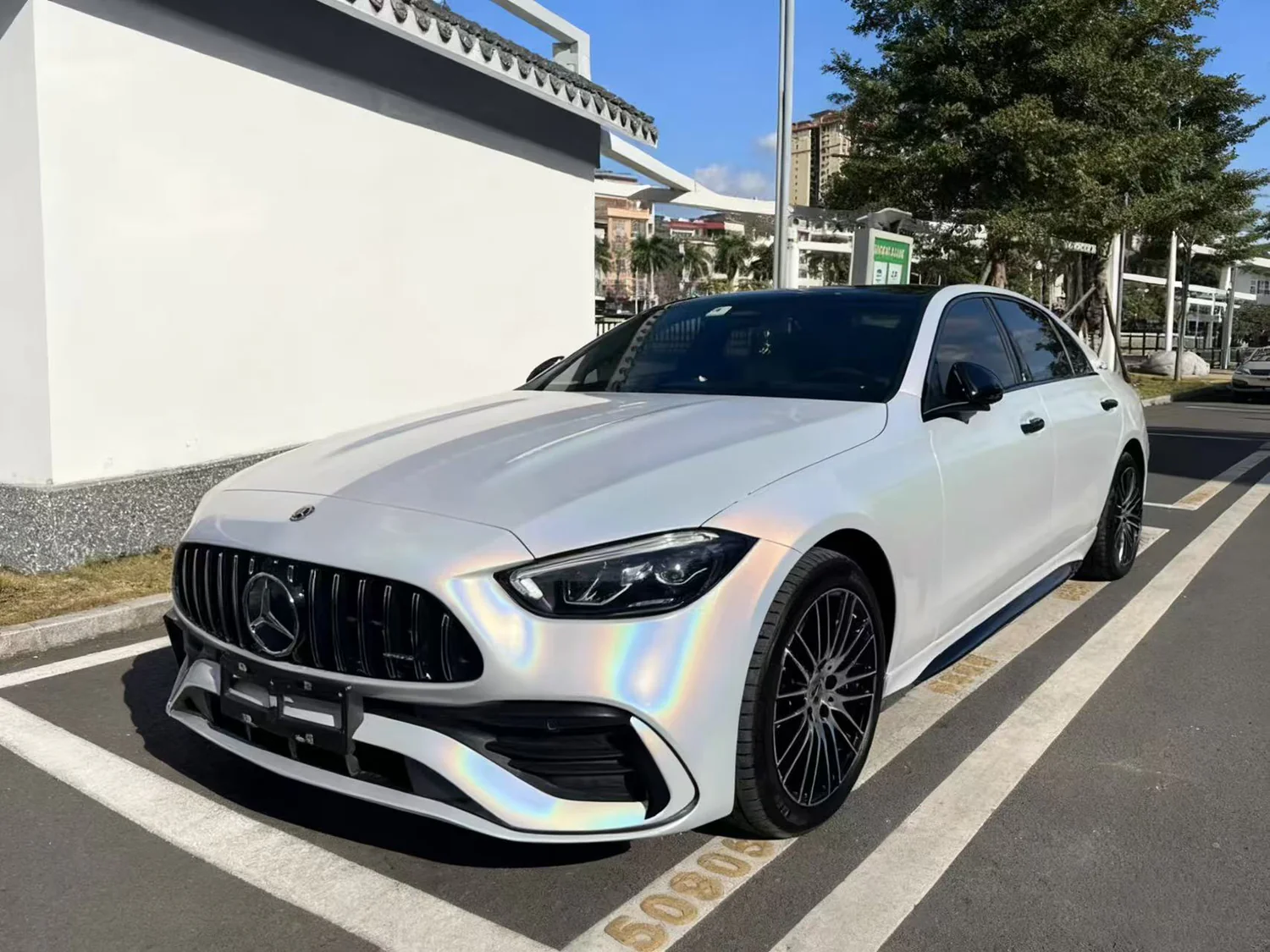
Gloss PPF maintains or enhances the factory shine of your paint, making it look wet and deep. Satin PPF offers a low-sheen finish between gloss and matte — understated but not flat. Matte PPF provides a completely non-reflective, flat finish that gives vehicles a modern, aggressive appearance. All three offer the same core protection benefits; the difference is purely aesthetic.
Q: Can I ceramic coat over Decowell PPF?
Yes — and many enthusiasts do exactly that. Apply Decowell PPF first to provide impact and scratch protection, then top it with a ceramic coating to add hydrophobic properties and an extra layer of gloss. The ceramic coating makes the PPF easier to clean and maintain. This combination is widely considered the ultimate paint protection solution.
Q: Does Decowell offer warranties?
Yes. Decowell stands behind its products with comprehensive warranty coverage. Paint protection film typically carries extended warranties aligned with industry standards, while window film warranties vary by product line. Contact Decowell directly or speak with an authorized installer for detailed warranty information specific to your chosen product.
Q: How do I choose the right window tint VLT for my vehicle?
Visible Light Transmission (VLT) percentage indicates how much light passes through the film. Lower percentages = darker tint. Common choices: 5% (limo tint, maximum privacy, not legal in most states for front windows), 20% (dark but visible, popular for rear windows), 35% (moderate, legal in many states for front windows), 50% (light, good for windshields). Always check local regulations before choosing your VLT level.
Q: Is Decowell Film compatible with electric vehicles?
Yes — and it’s specifically designed with EVs in mind. Decowell Ceramic Window Film contains no metal, ensuring zero interference with ADAS cameras, Autopilot systems, rain sensors, and heads-up displays. The heat rejection properties also help preserve EV range by reducing the load on climate control systems.
Q: How do I know if I’m getting quality automotive film or cheap junk?
Look for TPU construction in PPF (not PVC or lower-grade plastics), ceramic or carbon technology in window film (not dyed or metallized), and clear warranty terms from a reputable brand. Cheap films yellow, fade, bubble, or delaminate within months. Quality films like Decowell Film maintain their appearance and performance for years. If the price seems too good to be true, it probably is.
Q: Where can I buy Decowell Film?
Visit Decowell’s official website to find authorized distributors and certified installers in your area. You can also request a quote online for your specific vehicle make and model.
Why Decowell Film Should Be Your Choice
Look, the automotive film market has exploded in 2026. There are more options, more technologies, and more claims than ever before. But here’s what hasn’t changed: quality matters. And that’s where Decowell Film comes in.
Decowell Paint Protection Film is built on premium TPU chemistry with real self-healing properties. Light scratches disappear with heat. Rock chips get absorbed instead of transferred to your paint. UV rays get blocked before they can yellow your finish. And the film stays clear and glossy for years — not months.
Decowell Colored Paint Protection Film takes protection to the next level by integrating pigment directly into the TPU layer. You get full-body protection and a complete color transformation in one product. No fading. No discoloration. Just stunning, durable color that looks like a fresh respray but protects like premium PPF.
Decowell Ceramic Window Film delivers industry-leading heat rejection, over 99% UV protection, and crystal-clear visibility — all with zero signal interference. Your GPS, cell service, satellite radio, and ADAS systems work exactly as they should. Your cabin stays cooler. Your interior stays protected from fading. And you stay comfortable year-round.
The numbers don’t lie. The automotive film market is growing fast. PPF adoption is going mainstream. Color PPF is revolutionizing vehicle customization. And smart window films are making driving more comfortable and energy-efficient than ever.
Don’t trust your vehicle’s finish to cheap materials or inexperienced installers. Choose Decowell Film — the smart choice for protection, personalization, and peace of mind.
Ready to protect your ride? Contact Decowell today to find an authorized installer near you, request a quote for your specific vehicle, or learn more about which Decowell Film solution fits your needs.
Visit our website, follow us on social media for the latest automotive film news and installation tips, and join thousands of satisfied drivers who’ve chosen Decowell Film to protect what matters most.
Decowell Film. Protect. Personalize. Drive with confidence.