Home » Tuning Car Color Film: Why Color PPF Outperforms Traditional Vinyl Wraps for Style and Protection
Recent Posts
Tuning Car Color Film: Why Color PPF Outperforms Traditional Vinyl Wraps for Style and Protection
Looking for the best way to transform your ride’s look while keeping the factory paint safe from the daily grind of the road? You’ve come to the right place. The vehicle customization scene has changed fast in the last few years. Gone are the days when you had to choose between making your car look amazing and keeping it properly protected. Today’s tuning car color film — specifically colored paint protection film — gives you both in one single product.
But here’s the big question that every car owner asks: is color PPF really better than a vinyl wrap? The short answer is yes, and the long answer is packed with pretty convincing reasons why you should make the switch. The global automotive film market hit around USD 5.4 billion in 2024 and is on track to nearly double to USD 10.5 billion by 2035. People aren’t just wrapping cars for looks anymore — they want real protection that lasts. And that’s exactly what tuning car color film delivers.
In this guide, we’ll break down everything you need to know about tuning car color film. We’ll compare it head-to-head against vinyl wraps, walk through the hottest colors and finishes for 2026, and show you why Decowell Film is the name to trust when you want both show-stopping style and serious durability. Let’s get into it.
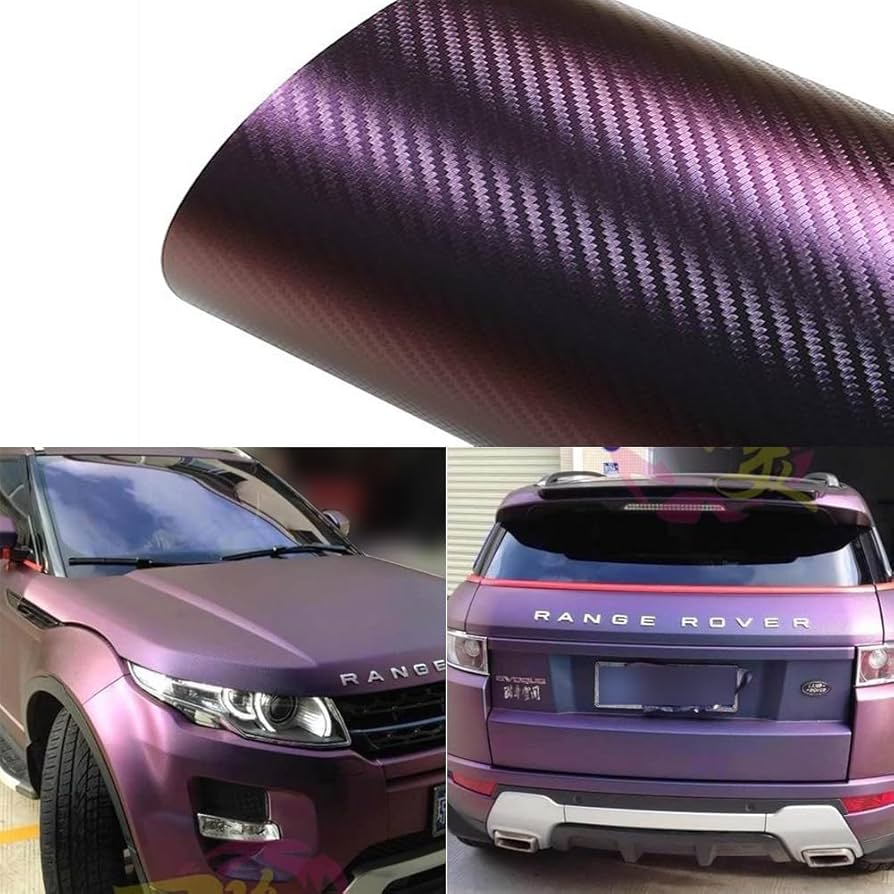
Table of Contents
What Exactly Is Tuning Car Color Film?
Before we dive into the comparisons, let’s get clear on what tuning car color film actually is. You’ve probably seen cars on the road with stunning matte finishes, eye-popping metallic flake, or color-shift effects that seem to change as they drive by. Many of those aren’t paint jobs — they’re colored paint protection film.
Tuning car color film — also called color PPF or colored paint protection film — is a pigmented thermoplastic polyurethane (TPU) membrane that does two things at once. First, it changes your car’s color or finish exactly like a traditional vinyl wrap would. Second, and more importantly, it shields your factory paint from rock chips, scratches, UV damage, bird droppings, bug acids, and pretty much everything else the road throws at your car.
The base material here is TPU, not PVC. That’s not just a technical detail — it’s the main reason why tuning car color film is so much tougher than what you’re used to seeing in the vinyl world. TPU is elastic, durable, and has what experts call “memory” — it bounces back from impacts and can even heal minor surface scratches when exposed to heat. Traditional vinyl wraps are made from polyvinyl chloride (PVC), which is great for color variety but falls short when real protection matters.
Think of it this way: vinyl wrap is like a stylish jacket. It looks good, it’ll keep light dust off, but it won’t stop a rock at highway speed. Tuning car color film is like body armor that also happens to look amazing.
Tuning Car Color Film vs. Vinyl Wrap: Head-to-Head Comparison
Let’s put these two side by side and see how they stack up across the metrics that actually matter to car owners. We’ll look at material composition, thickness and durability, self-healing capability, lifespan, protection against rock chips and scratches, and cost. This is the comparison you need before making any buying decision.
Material Composition
Tuning Car Color Film (Color PPF): Made from aliphatic TPU — the same material used in clear paint protection film. The stack-up includes a self-healing top coat, a pigmented TPU layer, a TPU base, high-grade acrylic adhesive, and a release liner. This multi-layer construction gives the film its strength and elasticity.
Vinyl Wrap: Made from PVC — either cast (more conformable) or calendered (budget-oriented). The stack-up is simpler: colored or printed PVC film, often a protective laminate on top, pressure-sensitive adhesive, and liner. PVC is flexible but lacks the energy-absorbing properties of TPU.
Thickness
Thickness is where the real difference starts to show. A good quality tuning car color film typically measures 7 to 9 mils thick (around 175 to 230 microns). A vinyl wrap, even with a laminate, usually comes in at just 3 to 4 mils thick (75 to 100 microns). That extra thickness isn’t just for show — it’s the physical barrier that stops rocks and debris from reaching your paint. You can feel it during installation and you’ll definitely see the results months later on the highway.
Durability and Lifespan
High-quality tuning car color film lasts anywhere from 7 to 10 years with proper care, often outlasting the vehicle itself. The TPU construction resists yellowing, cracking, and delamination. Vinyl wraps typically last 3 to 5 years before fading, shrinking, or peeling begins — especially in sun-intensive climates. That means tuning car color film lasts about twice as long as vinyl. Over a 10-year period, you might wrap your car once with color PPF, or two or three times with vinyl. Do the math and the value proposition becomes pretty clear.
Self-Healing Capability
This is one of the coolest features of modern tuning car color film. Color PPF comes with a self-healing topcoat that automatically repairs light scratches, swirl marks, and wash marring when exposed to heat — whether from the sun, warm water, or a heat gun. Those annoying spiderweb marks that build up over time simply disappear.
Vinyl wraps have no self-healing mechanism. Any scratch stays visible until you replace that entire section of the wrap. For daily drivers, this is a massive difference in how good your car looks year after year.
Protection Against Rock Chips and Scratches
When a rock hits your hood at 70 mph, the difference between TPU and PVC becomes painfully obvious. Tuning car color film’s TPU substrate absorbs and dissipates impact energy, preventing paint chips and dents. The film’s greater thickness and elasticity mean it can handle the kinetic energy of fast-moving gravel without transferring damage to the paint underneath.
Vinyl wraps offer some protection against light surface scratches under ideal conditions, but they lack the structural integrity to handle real impacts. As one professional installer put it during a pen-poke test, the vinyl gave way much more easily while the PPF held on. Data clearly shows that PPF outperforms vinyl wrap in every category related to physical protection.
UV Protection and Color Stability
Both products offer UV protection, but the quality differs significantly. Tuning car color film uses UV stabilizers embedded in the TPU itself, preventing both the film and the paint underneath from fading or yellowing over time. The result is color vibrancy that lasts for years.
Vinyl wraps are more susceptible to UV degradation. Fading, especially on reds and darker colors, becomes noticeable after a couple of years in sunny climates. The film can become brittle and harder to remove over time.
Hydrophobic Properties
Premium tuning car color film features hydrophobic topcoats that repel water and contaminants. Water beads up and rolls off, taking dirt and grime with it. This makes your car much easier to clean between washes and keeps it looking cleaner for longer.
Standard vinyl wraps generally don’t have hydrophobic properties built in. Water tends to sheet rather than bead, and contaminants can stick more stubbornly to the surface.
Aesthetic Quality
Here’s where vinyl wraps have traditionally had an edge — color and finish variety. Vinyl wraps come in an enormous range of colors, finishes (gloss, matte, satin, chrome, carbon fiber, brushed metal), and custom prints. But tuning car color film has been catching up fast. Modern color PPF offers gloss, matte, satin, metallic, and color-shift finishes with a deeper, more “paint-like” optical clarity because TPU sits smoother and the self-healing topcoat resists micro-texture. Many car enthusiasts say colored PPF looks closer to actual paint than vinyl ever does.
Removal and Resale Value
Both products are removable without damaging the factory paint underneath — assuming you use quality materials and professional installation. But here’s where tuning car color film really shines: when you remove it after years of driving, the paint underneath is still pristine because the film absorbed all the impacts and environmental damage. That preserved factory finish can increase your vehicle’s resale value by keeping the original paint in perfect condition.
Vinyl removal is generally easier because the film is thinner, but the paint underneath may have taken more abuse over the same period since vinyl offers less impact protection.
Cost Comparison
Let’s talk money. High-quality tuning car color film costs more upfront — typically 30% to 50% more than a standard vinyl wrap installation. A full vinyl color-change wrap runs between $2,500 and $5,500 depending on the vehicle size and finish. Color PPF installation is generally more expensive, often $4,000 to $8,000+ for a full vehicle.
But look at the long-term value. Color PPF lasts 7 to 10 years, while vinyl lasts 3 to 5 years. Over a 10-year period, you might pay for one color PPF installation or two vinyl wraps. Add in the cost of potential paint repairs that vinyl doesn’t prevent, and the value equation shifts even more toward color PPF.
2026 Tuning Car Color Film Trends: What’s Hot Right Now
If you’re thinking about transforming your car with tuning car color film, you’ll want to know what’s trending in 2026. Color preferences shift every year, and right now we’re seeing some exciting directions in the automotive customization world.
Satin Finishes Are Taking Over
Satin has officially overtaken matte as the most requested finish category. Where matte is completely flat with zero reflection, satin offers a soft, low-gloss sheen that splits the difference between matte and gloss. The result looks like liquid metal in certain light — refined enough for a luxury sedan but aggressive enough for a sports car. Satin gray, satin black, satin bronze, and satin green are the top sellers in 2026.
Color-Shift and Chameleon Films
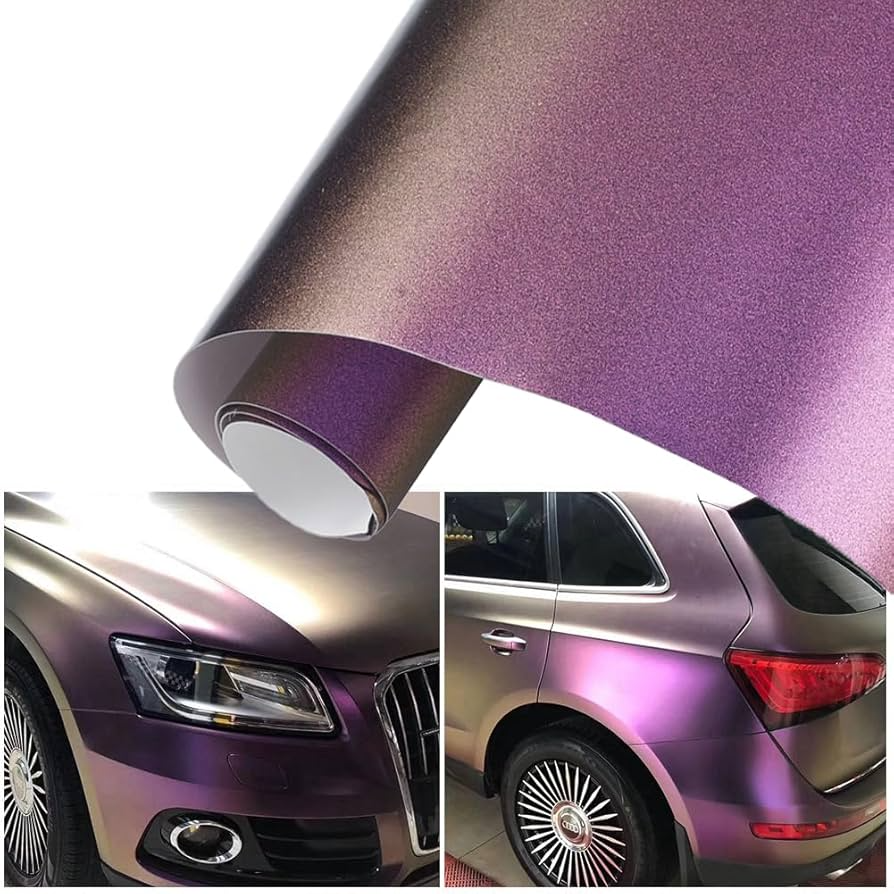
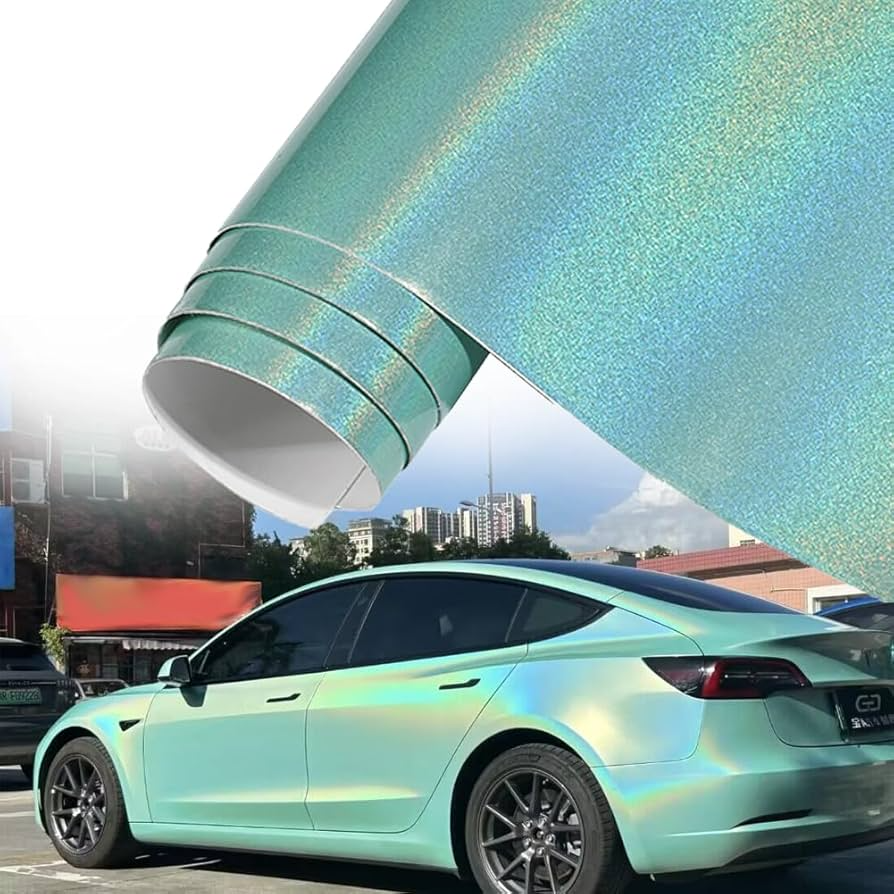
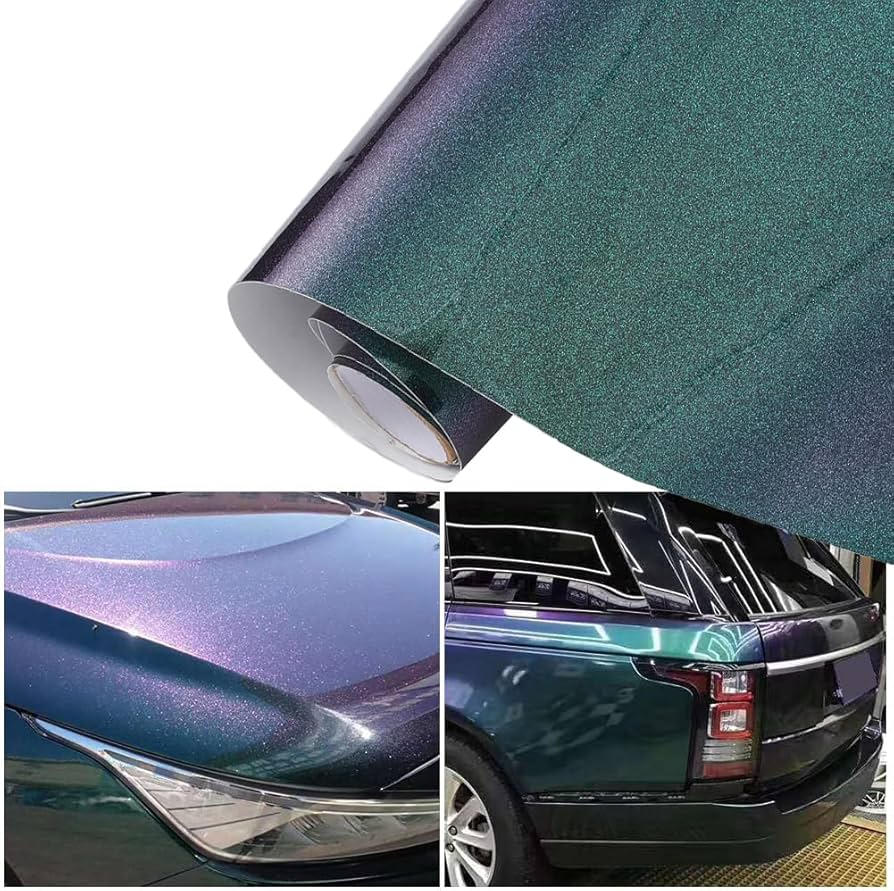
Color-shift wraps are the fastest-growing trend in 2026. These films display two or more colors depending on the viewing angle and lighting conditions. A panel that looks deep purple in shade can shift to teal in direct sunlight or gold under streetlights. Popular combinations include purple-to-teal, emerald-to-gold, deep blue-to-bronze, and black-to-red.
Warm Satin Neutrals
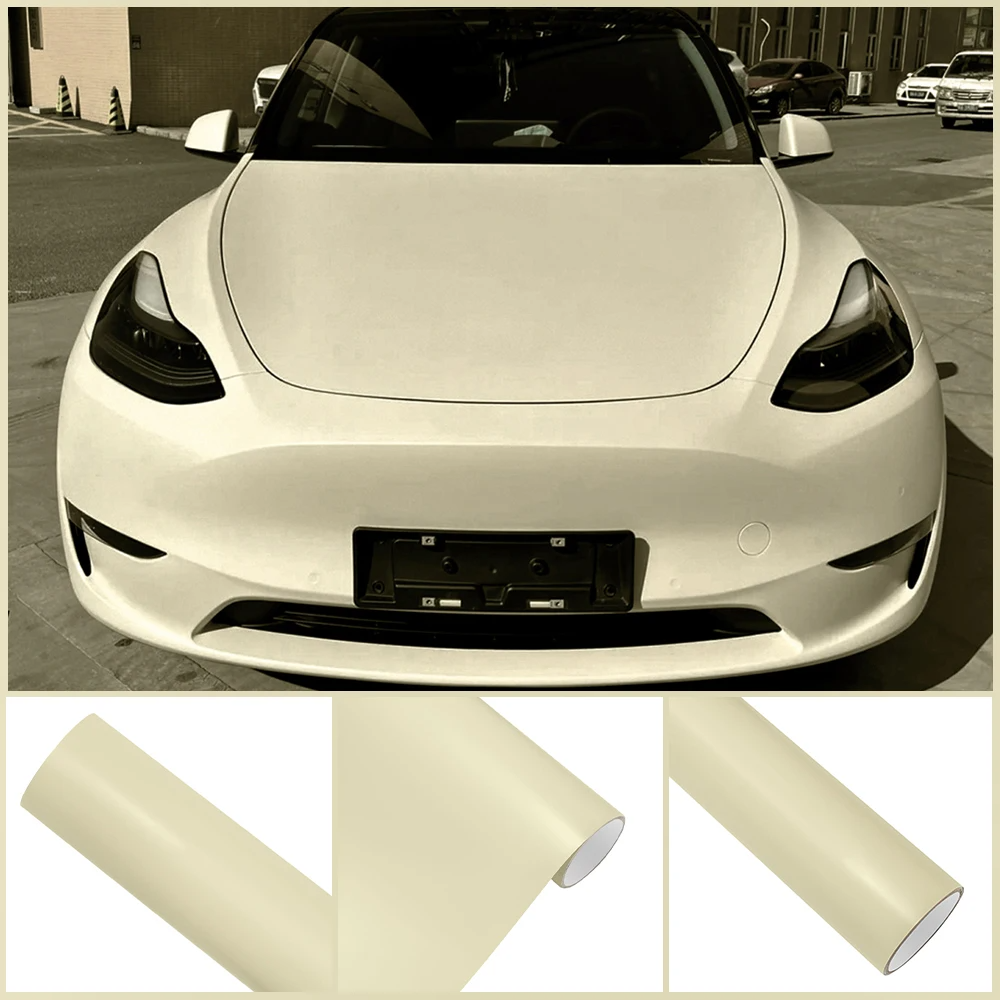
Warm satin neutrals like beige, taupe, cream, and desert tan are gaining traction among car owners who want understated elegance. These colors provide a sophisticated look while blending seamlessly with various vehicle styles. Earth tones are becoming top sellers for SUVs and trucks, especially Land Rover, Jeep, and G-Wagon owners in the European market.
Vibrant Gloss Metallics
Gloss metallic finishes aren’t going away. Bold colors like gloss metallic blue, racing red, midnight purple, cosmic blue, and emerald green are flying off the shelves. These appeal to drivers who want to keep that “factory shine” but stand out in traffic.
Deep Jewel Tones
Rich sapphire blue, emerald green, and garnet red are gaining traction among owners who want bold color without the loudness of neon finishes. Jewel tones in metallic or satin finishes add depth and complexity that solid colors can’t match.
Carbon Fiber Patterns
Carbon fiber-style tuning car color film is especially popular among performance car enthusiasts who want to enhance the sporty aesthetic of their vehicles. These patterns mimic the look of real carbon fiber and are perfect for hoods, roofs, spoilers, and accent pieces.
Key Benefits of Tuning Car Color Film You Should Know
Let’s break down the specific advantages of choosing tuning car color film for your vehicle. These are the reasons why more and more car owners are making the switch from vinyl.
1. Rock Chip and Scratch Resistance
The TPU substrate in tuning car color film soaks up impact energy and prevents paint chips. At highway speeds, a vinyl wrap simply can’t handle the force of a rock strike. Color PPF can. This is the single biggest advantage of tuning car color film over vinyl — real protection for real driving conditions.
2. Self-Healing Technology
Minor scratches and swirl marks disappear with heat. Sunlight, warm water, or a heat gun activates the topcoat, causing the polymer to relax and flow back into place. Your car stays looking new without constant polishing or touch-ups.
3. UV Protection and Anti-Yellowing
Premium tuning car color film uses non-yellowing TPU formulas with UV stabilizers. The film resists yellowing, fading, and degradation even under harsh sun exposure. Your color stays vibrant for years, not months.
4. Hydrophobic Surface for Easy Cleaning
Water beads up and rolls off, taking dirt, grime, and contaminants with it. The hydrophobic topcoat makes washing easier and keeps your car looking cleaner longer between washes. This is a huge time-saver for daily drivers.
5. Stain Resistance
Tuning car color film resists staining from bird droppings, bug splatter, road tar, tree sap, and harsh chemicals like road salt. These contaminants can etch into vinyl wraps and factory paint, but quality color PPF provides a protective barrier that’s much more resistant to chemical attack.
6. Paint-Like Depth and Clarity
Because TPU sits smoother than PVC and the self-healing topcoat resists micro-texture, color PPF has a deeper, more “paint-like” optical clarity. Even up close, it’s hard to tell that it’s a film and not a custom paint job. That level of finish impresses even the most well-versed automotive enthusiasts.
7. Preserves Resale Value
This is a big one for anyone who doesn’t plan to keep their car forever. When you remove quality tuning car color film after years of driving, the factory paint underneath is still in pristine condition because the film absorbed all the impacts and environmental damage. That preserved finish can significantly increase your vehicle’s resale value.
Why Choose Decowell Film for Your Tuning Car Color Film?
Now that you understand what tuning car color film can do for your vehicle, let’s talk about why Decowell Film should be your go-to choice for this investment.
Decowell has established itself as a trusted name in the automotive film industry, delivering high-quality tuning car color film that combines striking aesthetics with real-world durability. Every roll of Decowell Film is engineered to provide the protection your car deserves while giving you the custom look you want.
Here’s what makes Decowell Film stand out from the crowd:
Premium TPU Construction: Decowell Film uses high-grade thermoplastic polyurethane as its base material — the same durable material found in the best clear paint protection films. This means you get real rock chip resistance, not just surface-level protection.
Self-Healing Technology: Decowell’s tuning car color film features an advanced self-healing topcoat that repairs minor scratches and swirl marks with heat. Those little imperfections from automatic car washes or light debris simply disappear.
UV and Stain Resistance: Decowell Film incorporates UV stabilizers and stain-resistant properties into every layer. Your color stays vibrant, and harmful contaminants like bird droppings and bug acids won’t etch into the surface.
Hydrophobic Topcoat: The proprietary hydrophobic surface repels water and contaminants, making your car easier to clean and keeping it looking cleaner longer between washes.
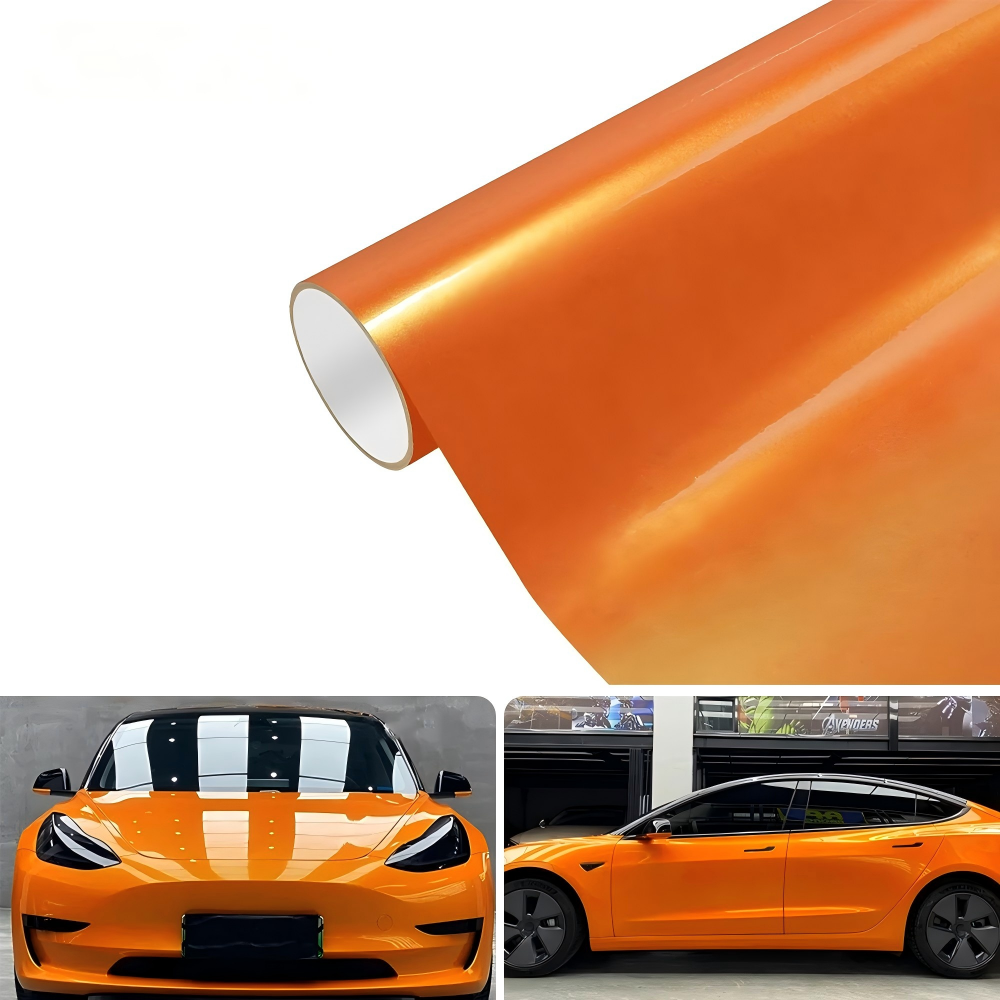
Wide Range of Finishes and Colors: From gloss and matte to satin and metallic, Decowell offers a diverse palette of colors and finishes to match your personal style. Whether you want a sleek satin gray, a bold gloss red, a sophisticated matte black, or an eye-catching color-shift effect, Decowell has you covered.
Long-Lasting Durability: Decowell’s tuning car color film is built to last, with a lifespan that significantly outlasts traditional vinyl wraps. You’re making an investment that protects your car for years to come.
Professional-Grade Quality: Decowell Film is designed for professional installation, conforming smoothly around curves, edges, and recessed areas. The result is a seamless, bubble-free finish that looks like a factory paint job.
Ready to transform your vehicle with Decowell Film? Contact our team today to discuss your project, request samples, or place an order. Whether you’re a professional installer looking for reliable products or a car owner ready to give your ride a fresh new look, Decowell has the tuning car color film solution you need.
FAQ — Frequently Asked Questions About Tuning Car Color Film
Q1: How long does tuning car color film last compared to vinyl wrap?
High-quality tuning car color film lasts 7 to 10 years with proper care, while vinyl wraps typically last 3 to 5 years before fading, shrinking, or peeling. Color PPF also resists yellowing and UV damage much better than vinyl.
Q2: Can tuning car color film really stop rock chips?
Yes. The TPU construction and greater thickness (7–9 mils) absorb and dissipate impact energy from rocks and road debris. Vinyl wraps (2–4 mils) lack the structural integrity to handle real impacts.
Q3: Does tuning car color film self-heal scratches?
Absolutely. The self-healing topcoat on quality color PPF repairs light scratches, swirl marks, and wash marring when exposed to heat — from the sun, warm water, or a heat gun. Vinyl wraps have no self-healing capability.
Q4: Can I wash and maintain tuning car color film like normal paint?
Yes, with some care. You can wash it with regular car shampoos and pH-neutral cleaners. For matte or satin finishes, use specialized matte-safe products to avoid streaks. Avoid harsh chemicals, degreasers, and abrasive cleaning agents. Hand washing or touchless car washes are recommended.
Q5: Will tuning car color film damage my factory paint when removed?
No. Quality tuning car color film from reputable brands like Decowell is designed to be removed cleanly without damaging the factory paint underneath. In fact, because the film protected the paint from impacts and environmental damage, the factory finish is often in better condition than unwrapped cars of the same age.
Q6: Is tuning car color film more expensive than a vinyl wrap?
Yes, upfront. A full color PPF installation typically costs more than a vinyl wrap — roughly $4,000 to $8,000+ versus $2,500 to $5,500 for vinyl. However, color PPF lasts 7–10 years versus 3–5 years for vinyl, so the long-term value often favors color PPF, especially when you factor in the paint protection benefits.
Q7: What colors and finishes are available in tuning car color film?
Modern color PPF offers gloss, matte, satin, metallic, and color-shift finishes. Popular colors for 2026 include satin gray, satin black, matte deep green, gloss metallic blue, color-shift teal-to-purple, earth tones like desert tan, and deep jewel tones like emerald green and sapphire blue.
Q8: Can tuning car color film be applied over existing vinyl wrap?
Technically yes, but it’s not recommended. Color PPF is best applied directly to factory paint for maximum adhesion and protection. If you already have a vinyl wrap, consider having it removed first before applying color PPF.
Q9: Is tuning car color film worth it for daily drivers?
Yes — arguably more so than for show cars. Daily drivers face constant threats from rocks, road debris, bird droppings, bug splatter, UV exposure, and parking lot dings. Color PPF provides real protection that vinyl wraps can’t match. The investment pays off in preserved paint condition and higher resale value.
Q10: How do I find a professional installer for tuning car color film?
Look for certified installers with experience in paint protection film, not just vinyl wraps. Search for “paint protection film near me” or ask for recommendations from local car enthusiast groups. A quality installation is crucial for performance and durability — choose an experienced professional.
Q11: Does tuning car color film void my vehicle’s warranty?
No. Quality paint protection film from reputable brands does not void factory warranties. It’s considered a protective accessory, not a modification that affects mechanical components.
Q12: Can I apply tuning car color film myself?
Professional installation is highly recommended. Color PPF is thicker and less forgiving than vinyl wrap, requiring specialized tools, experience, and a dust-free environment to achieve a bubble-free, seamless finish. Improper installation can lead to visible seams, trapped debris, and premature lifting.
Final Thoughts: Is Tuning Car Color Film Right for You?
Let’s be real — tuning car color film isn’t for everyone. If you change your car’s color every year or two and budget is your main concern, a vinyl wrap might still make sense for you. But if you care about protecting your investment, keeping your car looking great for years, and getting real value from your customization dollars, tuning car color film is absolutely the way to go.
The numbers don’t lie. Color PPF lasts twice as long as vinyl, self-heals scratches that would permanently mar vinyl, and actually stops rock chips instead of just looking pretty. The global automotive film market is booming for good reason — people have figured out that protection and style don’t have to be a trade-off.
Decowell Film delivers the quality and performance you need in a tuning car color film. With premium TPU construction, self-healing technology, hydrophobic properties, UV resistance, and a wide range of stunning colors and finishes, Decowell gives you the best of both worlds — head-turning style and real, lasting protection.
Ready to give your car a fresh new look that actually protects? Contact Decowell today to explore our tuning car color film options. Whether you’re dreaming of a sleek satin gray finish, a bold gloss metallic color, or an eye-catching color-shift effect, we’ve got the perfect film for your ride. Don’t settle for a vinyl wrap that only looks good from a distance. Choose Decowell — where protection meets perfection.