Home » Matte PPF: Stealth Paint Protection for Your Vehicle
Recent Posts
Matte PPF: Stealth Paint Protection for Your Vehicle
Paint Protection Film has come a long way. Not long ago, it only came in one finish: clear. The whole point was invisibility — a film you couldn’t see, protecting paint you could. Then matte PPF arrived, and everything changed.
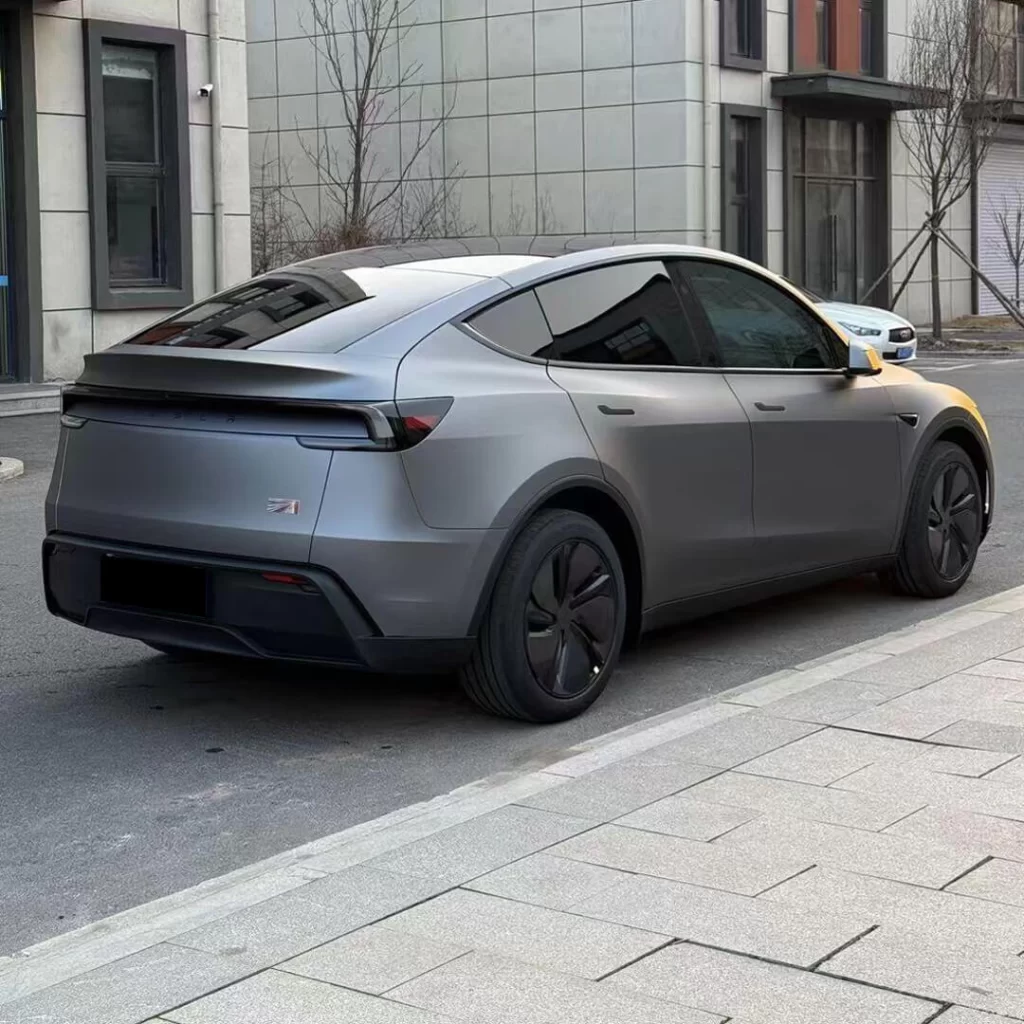
Today, matte paint protection film isn’t just about shielding your car from rock chips and scratches. It’s about making a statement. It’s about transformation. It’s about giving your vehicle a look that turns heads without screaming for attention.
So what exactly is matte PPF, why is everyone talking about it, and is it the right choice for your vehicle? Let’s break it down.
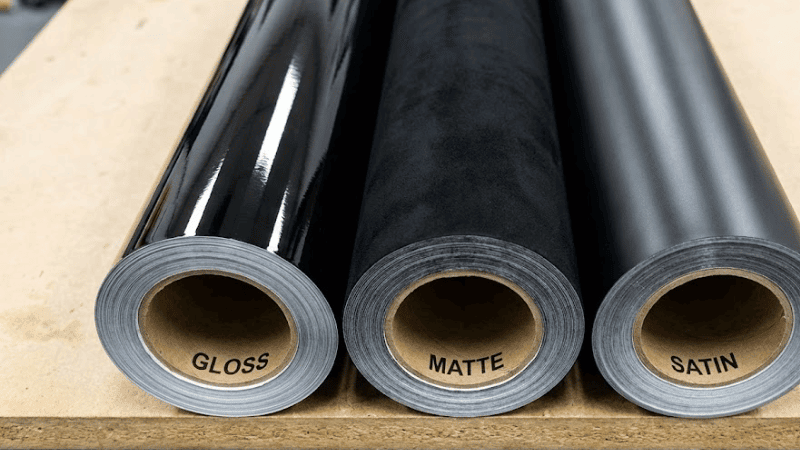
Table of Contents
What Is Matte PPF?
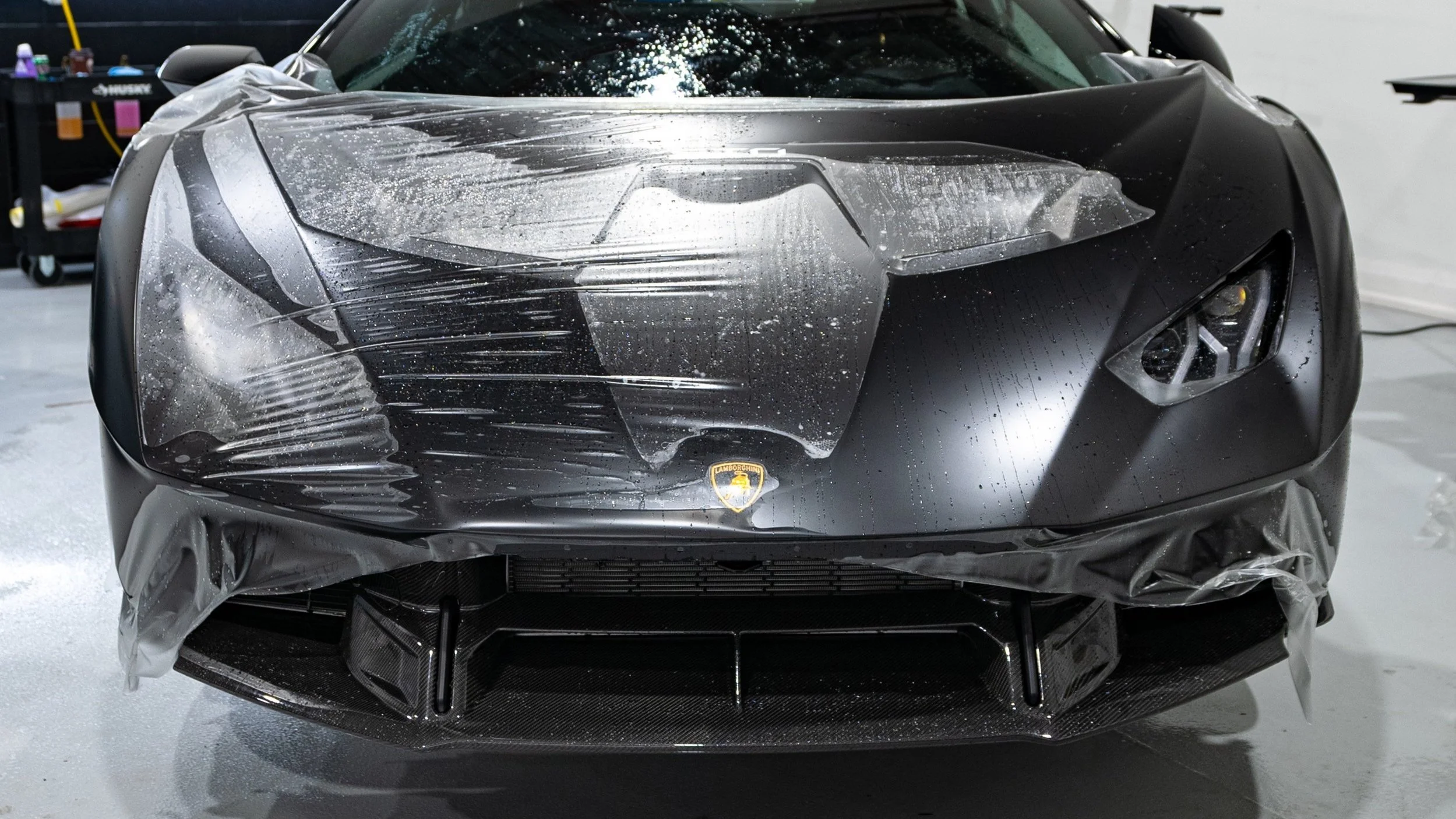
Matte PPF is a premium paint protection film with a diffused, non-reflective surface finish that creates a satin or flat appearance on your vehicle. Unlike traditional clear gloss films that preserve or enhance your car’s factory shine, matte PPF completely transforms the look — turning a glossy factory color into a sophisticated, understated finish without repainting.
The film is typically constructed from high-grade thermoplastic polyurethane (TPU) with a self-healing topcoat. This combination delivers the same robust protection as traditional PPF while completely changing the visual character of your car.
Why Matte PPF Is Taking Over
The automotive world has fallen hard for matte finishes. Here’s why:
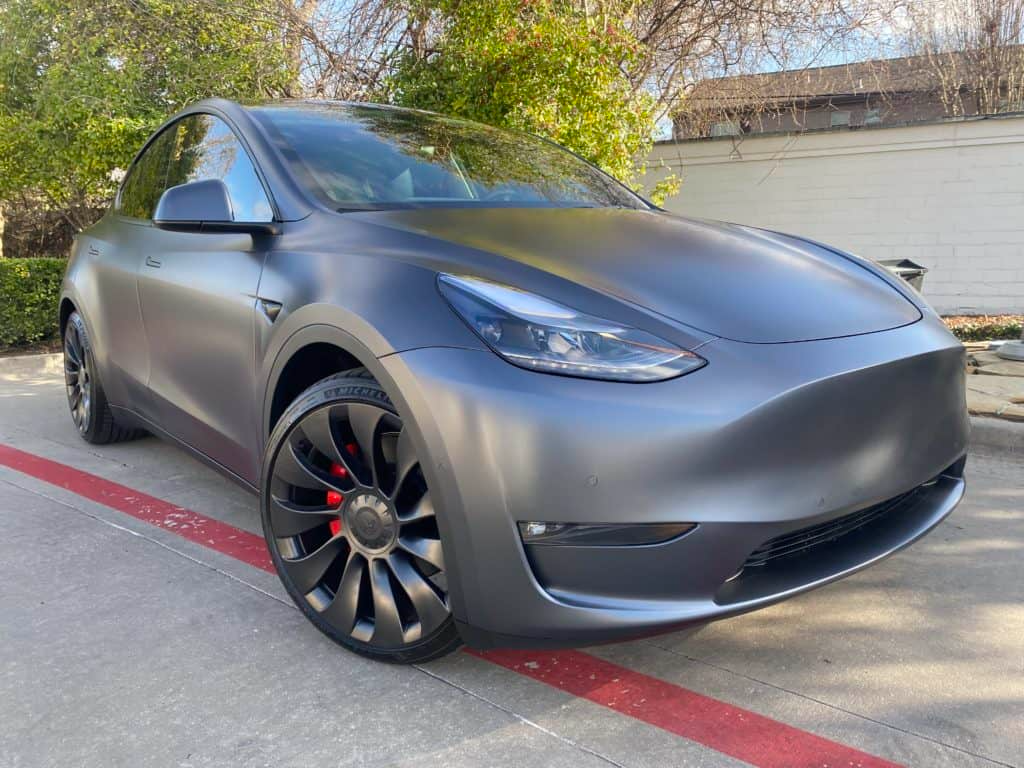
The Stealth Factor. Matte PPF delivers what many call the “stealth” look. It eliminates reflections almost entirely, giving your car a flat, bold appearance that feels aggressive and unique. This is a favorite for modern SUVs, high-performance sports cars, and drivers who want to stand out with a finish that’s anything but ordinary.
The Transformation. Perhaps the most exciting aspect? You don’t need to buy a car with factory matte paint. Matte PPF can transform any glossy paint into a non-reflective, flat finish. A gloss white vehicle covered in matte PPF looks fundamentally different — not just a color change, but a texture and depth change that can make a mass-market car read as considerably more distinctive.
The Forgiveness Factor. Here’s something most people don’t realize: matte PPF is actually more forgiving with surface preparation than gloss PPF. The diffused finish hides minor surface imperfections — fine swirls, light etching — that gloss film would magnify. If your paint has some minor wear and tear, matte PPF can be a smart way to give it a fresh look without extensive paint correction.
The Glare Reduction. Matte surfaces significantly reduce glare under direct sunlight. This isn’t just about looks — it’s about comfort and visibility too.
Matte PPF vs Gloss PPF: What’s the Difference?
Here’s the honest truth: matte and glossy paint protection films give you the same level of reliable protection. Both shield your paint from rock chips, scratches, UV rays, and environmental contaminants. Both feature self-healing technology that allows minor scratches to disappear with heat. Both have hydrophobic properties that repel water and make cleaning easier.
The difference lies entirely in appearance and maintenance.
Gloss PPF enhances paint vibrancy and shine for a showroom finish. It maintains the original factory glossy look and is typically easier to clean with conventional automotive products. It’s the go-to choice for owners who want invisible protection that preserves their car’s original aesthetic.
Matte PPF creates a unique non-reflective finish — modern, stealthy, and distinctive. It masks minor imperfections, swirl marks, and dust better than gloss. However, it requires more specialized maintenance and matte-specific cleaning products.
Think of it this way: gloss PPF is about preservation; matte PPF is about transformation.
What Matte and Gloss PPF Have in Common
Before we dive deeper into matte, let’s acknowledge what both finishes share:
Thickness & Durability. Both matte and gloss PPFs have comparable thickness and act as a physical shield against rock chips, scratches, UV rays, and environmental contaminants.
Self-Healing Topcoat. Both feature elastomeric polymers in the topcoat — flexible molecular chains that move around and reshape when exposed to heat from sunlight or warm water. Minor scratches and swirl marks literally “heal” themselves.
Hydrophobic Properties. Both create a water-repellent surface that causes water, dirt, and contaminants to roll off. This prevents staining and corrosion accumulation while making cleaning easier.
Long-Term Protection. Both offer multi-year protection when properly installed, resisting yellowing, cracking, and peeling over time.
The Matte PPF Difference: What Sets It Apart
So if the protection is the same, why choose matte? Here’s what makes it special:
1. The Visual Impact
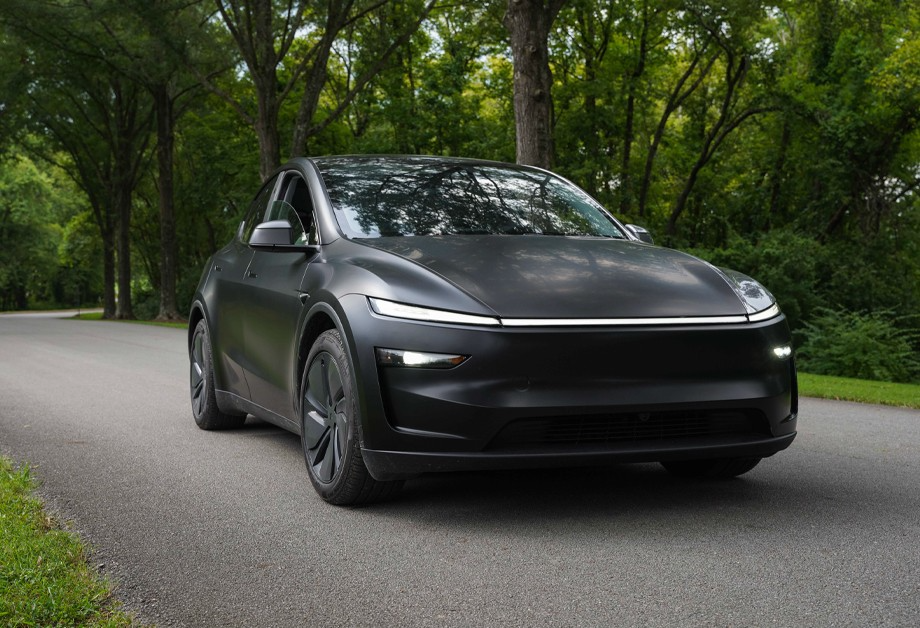
Matte PPF has a flat, non-reflective surface that reduces shine. It gives your vehicle a sophisticated, modern look that’s perfect for drivers who want something different. Sports cars, luxury SUVs, and performance vehicles all wear matte finishes exceptionally well.
Matte PPF makes a bold, aggressive statement. It’s the finish of choice for drivers who want something distinctive and statement-making.
2. Imperfection Hiding
Minor scratches, swirl marks, dust, and light imperfections are far less noticeable on matte surfaces than on glossy ones. This is a huge practical advantage for daily drivers.
3. The Transformation Effect
Applied over gloss paint, matte PPF completely changes your car’s appearance — without repainting, without commitment, and with full paint protection in place. It’s like getting a new car without buying one.
Matte PPF Maintenance: What You Need to Know
Let’s address the elephant in the room. Matte PPF does require more careful maintenance than gloss. But “more careful” doesn’t mean “difficult.” It just means “different.”
The Golden Rule: Never use wax, polish, or any product containing gloss-enhancing agents on matte PPF. These products will leave permanent shiny patches that compromise the matte appearance.
The Right Products: Use only pH-neutral shampoos specifically formulated for matte finishes. Standard automotive soaps often contain hidden gloss enhancers that can damage your finish.
The Right Technique: Hand washing is strongly recommended. Use the two-bucket method — one bucket for soap solution and one for clean rinse water. Avoid automatic car washes with spinning brushes.
What to Avoid: No wax, no polish, no buffing, no abrasive towels, no automatic car washes. Matte finishes cannot be corrected like gloss paint — once damaged, the only solution is replacing that section of film.
Quick Action on Contaminants: Bird droppings, tree sap, and bug splatter should be removed immediately. Acidic contaminants can stain even the strongest PPF if left too long.
Matte-Safe Detail Spray: For that freshly-cleaned look between washes, use a spray detailer formulated specifically for matte finishes and paint protection film care.
The short answer? Matte PPF is not automatically harder to maintain, but it is less forgiving when you use the wrong product or technique.
Installation: Why Professional Matters
Installing matte PPF requires more precision than clear gloss film. Any imperfections, stretching, or trapped particles can show more clearly with matte finishes. Professional installation is strongly recommended.
Key considerations for matte PPF installation include:
Temperature Control: Work indoors at 70–79°F (21–26°C) for optimal adhesive behavior
Edge Wrapping: Proper tucking around panels ensures no gloss paint peeks through
Lighting Control: Installers must check under proper lighting to ensure even coverage
Matte Uniformity: Re-wetting tools often prevents micro-gloss lines from forming in the satin topcoat
Over-tensioning matte films during installation can cause sheen variation, so installers need to be especially careful with heat and stretch.
Is Matte PPF Right for You?
Matte PPF is ideal for:
Performance vehicles and SUVs that benefit from an aggressive, modern look
Enthusiasts who want to stand out from the crowd
Dark-colored or metallic paint jobs that gain depth from a matte finish
Anyone seeking a wrap-like aesthetic without removing or repainting their vehicle
Owners with minor paint imperfections that would show under gloss film
Matte PPF works particularly well on darker colors and muted tones. The non-reflective surface creates visual depth that complements angular vehicle designs.

The Bigger Picture: PPF Market Trends
The paint protection film market is growing rapidly. The global PPF market was valued at approximately $0.97 billion in 2024 and is projected to reach $1.4 billion by 2031, growing at a compound annual growth rate of 5.60%.
Matte and satin finishes are a significant part of this growth. Manufacturers are increasingly introducing matte finishes to cater to growing demand for personalized vehicle aesthetics. The trend toward matte and satin finishes has been fueled by luxury, EV, and collectible car owners seeking protection without compromising visual appeal.
This isn’t a passing fad. Matte PPF is here to stay.
Frequently Asked Questions About Matte PPF
Q1: Is matte PPF harder to maintain than gloss PPF?
Not harder — just different. Matte PPF requires specific products designed for matte finishes. Use pH-neutral, matte-safe shampoos and avoid waxes or gloss enhancers. With the right products and technique, maintenance is straightforward. The film’s hydrophobic properties actually make routine cleaning quite easy.
Q2: Can matte PPF be applied over glossy paint?
Absolutely. This is one of the biggest advantages of matte PPF. It transforms any glossy paint into a sleek, non-reflective matte finish — no repainting required. You get a completely new look with full paint protection.
Q3: Does matte PPF self-heal?
Yes. High-quality matte PPF features the same self-healing technology as gloss PPF. Minor scratches and swirl marks disappear when exposed to heat from sunlight, warm water, or a heat gun.
Q4: Will matte PPF protect my car from rock chips and scratches?
Yes. Matte PPF provides the same level of protection as traditional clear PPF. It acts as a physical shield against rock chips, scratches, UV rays, and environmental contaminants.
Q5: Can I wax my car with matte PPF?
No. Wax, polish, and any product with gloss-enhancing agents should never be used on matte PPF. These products will leave uneven, permanent shiny patches that compromise the matte appearance. Use only matte-specific cleaners and sealants.
Q6: How long does matte PPF last?
With proper care, high-quality matte PPF offers multi-year protection. It resists yellowing, cracking, and peeling over time. Proper installation and maintenance are key to maximizing longevity.
Q7: Does matte PPF show fingerprints and smudges?
Matte surfaces can show fingerprints and oily smudges more readily than gloss, especially on darker colors. However, the film’s hydrophobic properties make these easy to clean with a matte-safe detail spray.
Q8: Can I use an automatic car wash with matte PPF?
No. Automatic car washes with spinning brushes can damage matte PPF, creating permanent marks and friction patterns. Hand washing is the preferred method. Touchless washes may be safer but still use harsh detergents that can contain gloss enhancers.
Q9: Is matte PPF worth it?
For car owners who want a modern, distinctive look without compromising protection, absolutely. Matte PPF offers all the protective benefits of traditional PPF while giving your vehicle a sleek, aggressive aesthetic. It’s especially valuable for transforming glossy paint into a stealth finish without permanent modification.
Q10: What’s the difference between matte PPF and satin PPF?
Matte PPF has a completely flat, non-reflective surface that suppresses all reflections. Satin PPF sits between matte and gloss — it has a soft, low-gloss sheen that’s more reflective than matte but far more understated than a full-gloss finish. Matte makes a bold, aggressive statement; satin offers a more subtle, balanced finish.
Why Decowell Film for Matte PPF
When it comes to paint protection film, quality matters. Decowell Film brings precision engineering and advanced material science to every roll of matte PPF.
Decowell’s matte paint protection film is crafted from high-grade thermoplastic polyurethane (TPU) with a self-healing topcoat that delivers the same robust protection as premium gloss films — but with that sought-after stealth aesthetic. The film features hydrophobic properties that repel water, dirt, and contaminants, making maintenance simpler than you might expect.
Whether you’re protecting a daily driver, a weekend sports car, or a luxury SUV, Decowell Film’s matte PPF delivers the visual transformation and paint protection you’re looking for. The diffused, non-reflective finish turns any glossy paint into a sophisticated, modern matte surface — without the commitment or cost of a factory matte paint job.
From the self-healing technology that keeps your finish flawless to the UV resistance that prevents yellowing over time, Decowell Film’s matte PPF is engineered to perform. It’s protection that doesn’t just preserve — it transforms.
Final Thoughts
Matte PPF represents the best of both worlds: uncompromising paint protection with a bold, modern aesthetic. It’s for drivers who want their vehicle to stand out, who appreciate the stealth look, and who understand that protection doesn’t have to be invisible to be effective.
Yes, matte PPF requires more careful maintenance than gloss. But for the visual impact and the transformation it delivers, that small trade-off is well worth it. With the right products and techniques, keeping your matte PPF looking flawless is entirely manageable.
The rise of matte PPF isn’t just a trend — it’s a shift in how car owners think about paint protection. It’s no longer just about keeping your paint safe. It’s about making your car look exactly the way you want it to look.
Ready to transform your vehicle with matte PPF? Decowell Film’s premium matte paint protection film delivers the stealth aesthetic, the robust protection, and the quality you deserve. Explore the possibilities and give your car the finish it’s been waiting for.