Home » Plástico PPF: Your Vehicle’s Paint – Why Every Car Owner Needs Paint Protection Film
Recent Posts
Plástico PPF: Your Vehicle's Paint – Why Every Car Owner Needs Paint Protection Film
Introduction: What Is Plástico PPF and Why Should You Care?
Let’s be honest – nobody likes seeing their car’s paint get destroyed by rocks, bugs, or the sun. You spend good money on your vehicle, and the last thing you want is a hood covered in chips or a bumper that looks like it’s been through a war zone.
That’s where plástico PPF comes in.
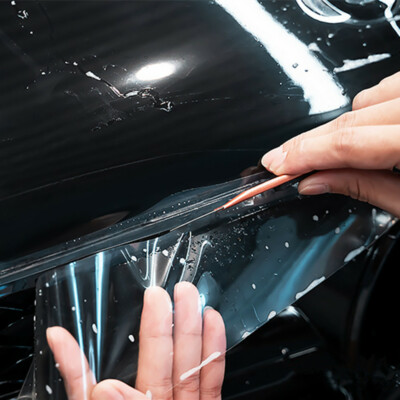
Paint Protection Film – or PPF, as most people call it – is a transparent, durable layer of thermoplastic polyurethane (TPU) that gets applied directly onto your car’s painted surfaces. Think of it like a screen protector for your phone, but way tougher and designed for your vehicle.
Here’s something interesting: PPF wasn’t even invented for cars. It was originally developed by 3M to protect helicopter rotor blades from debris during the Vietnam War. Fast forward a few decades, and the technology has been fine-tuned for automotive use – and it’s now more accessible than ever.
The global Paint Protection Film market is growing fast. It was valued at around USD 1.65 billion in 2025 and is projected to hit USD 2.89 billion by 2034, growing at a solid 6.2% annually. That’s not just a trend – that’s car owners waking up to the fact that protecting their paint is a smart investment.
So what exactly does plástico PPF do? It acts as a physical barrier between your car’s factory paint and everything the road throws at it – stone chips, road debris, bug splatter, bird droppings, tree sap, and even the sun’s harsh UV rays. And the best part? High-quality films are optically clear, so you get all that protection without changing how your car looks.
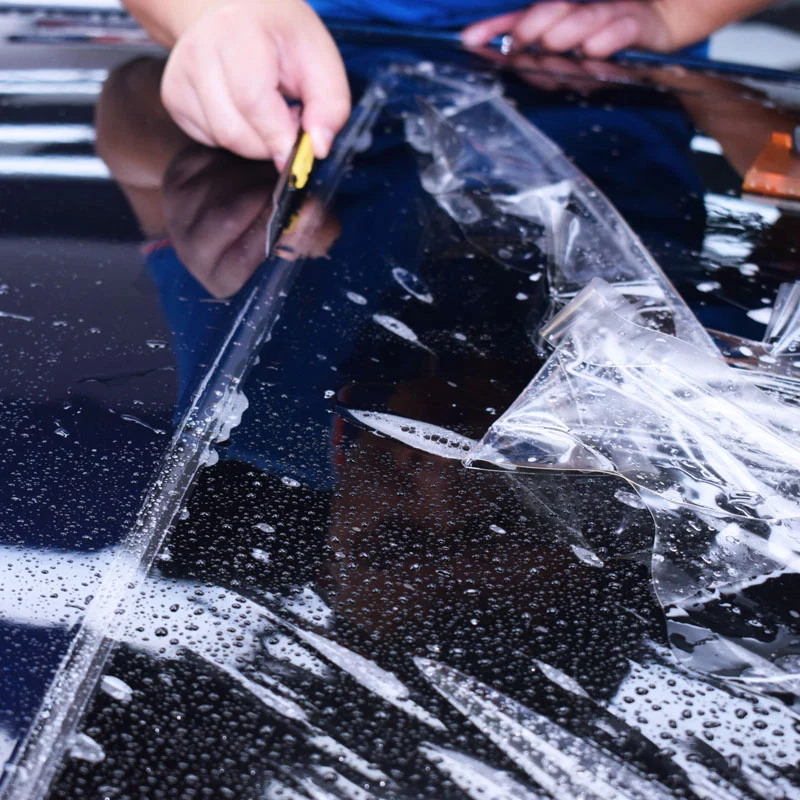
Table of Contents
Why Your Car Needs Plástico PPF – The Real-World Benefits
Protection Against Rock Chips and Road Debris
This is the big one. Every time you drive on the highway, you’re essentially inviting small rocks and debris to attack your front bumper and hood. Over time, these impacts create tiny chips that expose the metal underneath, leading to rust and expensive repaint jobs.
Plástico PPF absorbs these impacts like a shield. The film takes the hit so your paint doesn’t have to. Vehicles equipped with PPF experience about 30% less paint damage over time compared to unprotected cars. That’s a massive difference.
UV Protection – Because the Sun Is Not Your Friend
Ever seen a car with faded, oxidized paint? That’s UV damage. The sun’s ultraviolet rays break down the chemical bonds in your paint over time, causing it to lose its color and shine.
Quality plástico PPF blocks ultraviolet radiation – some products are rated at SPF 285 or higher. This helps slow down fading, oxidation, and discoloration, keeping your car looking fresh for years.
Self-Healing Technology – Yes, It Heals Itself
This sounds like science fiction, but it’s real. Many modern PPF products feature self-healing technology. Light surface scratches and swirl marks can gradually disappear on their own or when exposed to heat from the sun, warm water, or even a heat gun.
Imagine parking your car in the sun and coming back to find that minor scratches have vanished. That’s what self-healing plástico PPF does.
Hydrophobic and Stain-Resistant Properties
Nobody likes cleaning bug splatter or bird droppings off their car. Premium PPF comes with a hydrophobic topcoat that repels water and makes cleaning much easier. Water beads up and rolls off, carrying dirt and contaminants with it.
Stain resistance is another huge plus. Bug splatter, bird droppings, and tree sap can etch into your paint if left too long. Plástico PPF creates a barrier that resists these stains, so you don’t have to panic every time a bird flies overhead.
Preserves Resale Value
Here’s a fact that might surprise you: a dealership survey found that PPF can add up to 15% to a vehicle’s resale value. 92% of U.S. auto dealers believe PPF creates higher resale value.
When it comes time to sell your car, having factory-fresh paint is a major selling point. Buyers are willing to pay more for a vehicle that looks like it just rolled off the showroom floor.
Plástico PPF vs Ceramic Coating – What’s the Difference?
A lot of people get confused between PPF and ceramic coating. They’re both paint protection, but they work in completely different ways.
Ceramic coating is a liquid polymer that bonds with your paint at a molecular level. It creates a hard, hydrophobic layer that repels water and contaminants. It protects against UV rays, chemical stains, and makes cleaning easier. But here’s the catch – ceramic coating does not provide meaningful impact protection. It won’t stop a rock from chipping your paint.
Plástico PPF, on the other hand, is a thick, flexible urethane film – about 150 microns thick. It’s a physical barrier that absorbs the force of impacts rather than letting them reach your clear coat.
Think of it this way: ceramic coating protects against what lands on your paint, while PPF protects against what hits it.
Many car enthusiasts actually do both – they apply PPF on high-impact areas like the front bumper and hood, then top it with ceramic coating for extra gloss and easier cleaning.
Types of Plástico PPF – Which One Is Right for You?
Not all PPF is the same. Here are the main types available:
Gloss PPF
This is the most common type. It’s optically clear and preserves your car’s original glossy finish. If you want invisible protection that doesn’t change how your car looks, gloss PPF is your go-to.
Matte or Satin PPF
If your car has a factory matte or satin finish, you need matte PPF. It maintains that unique, non-reflective look while adding a protective layer. You can also use matte PPF to transform a glossy car into a stealthy, matte-looking machine.
Colored PPF
Want to change your car’s color while protecting it at the same time? Colored PPF is available in hundreds of colors, including gloss, satin, matte, metallic, and even textured finishes. It’s like a vinyl wrap and PPF had a baby.
Textured PPF
For something truly unique, textured PPF offers finishes like camouflage, forged carbon, and other patterns. It’s protection with personality.
Where Should You Apply Plástico PPF?
Most people don’t wrap their entire car in PPF – although you absolutely can. The most common approach is to apply it to high-impact zones:
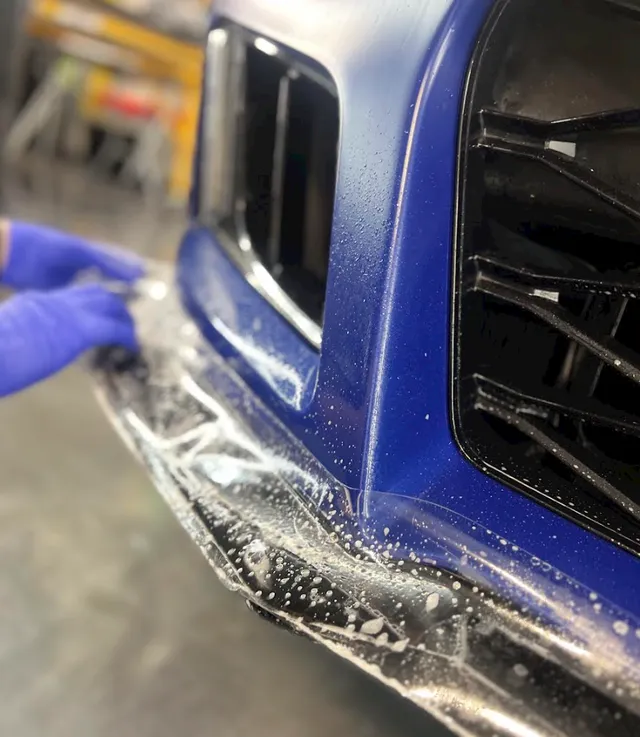
Front bumper and hood – these take the most rock hits
Side mirrors – they stick out and catch debris
Rocker panels – lower areas that get kicked up by tires
Door handles and door edges – high-touch areas prone to scratches
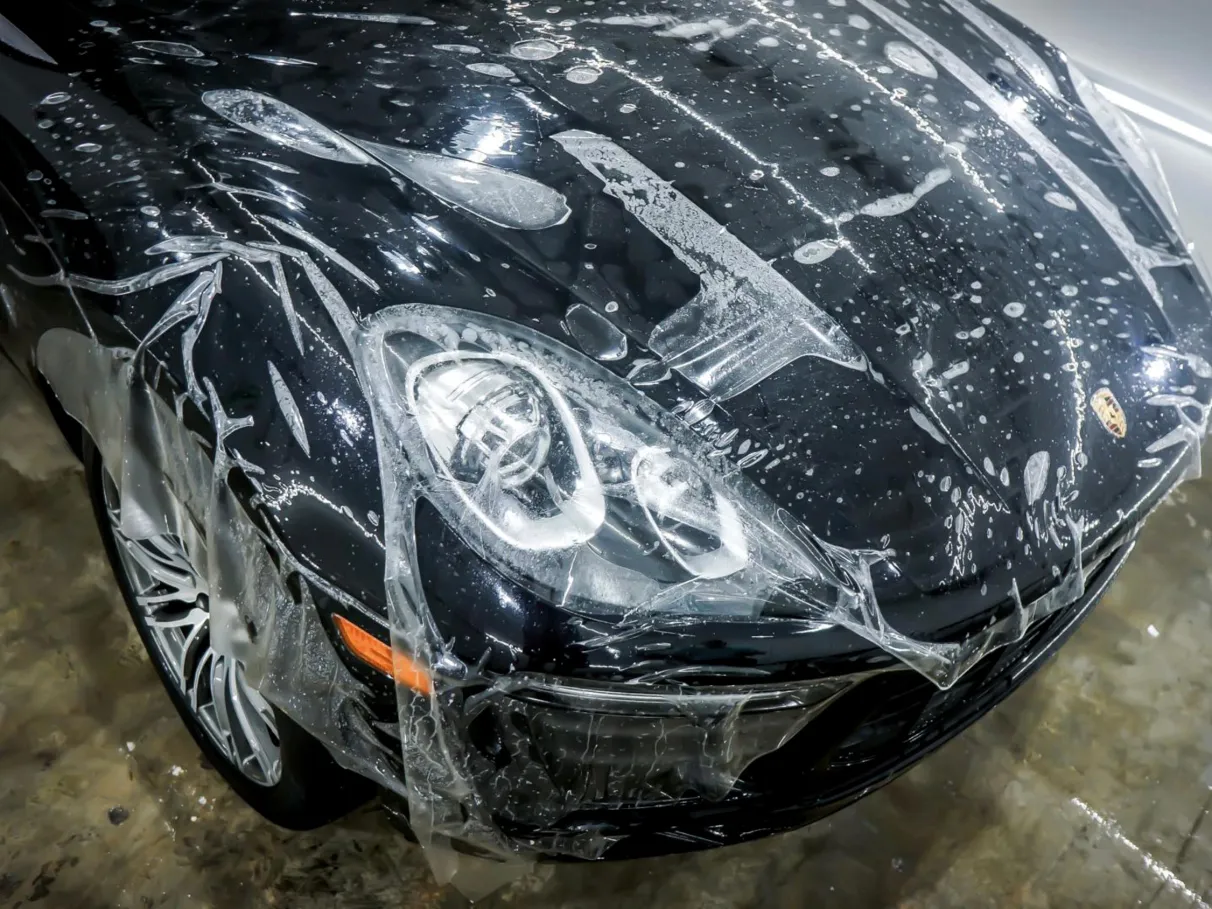
Headlights and fog lights – protection against yellowing and cracking
Some owners opt for full-front coverage (bumper, hood, fenders, and mirrors) for maximum protection against highway debris. Others go all-in with a full vehicle wrap.
Common Myths About Plástico PPF – Debunked
Myth #1: PPF makes your car look yellow over time.
Not with quality TPU-based films. Modern PPF is engineered to resist yellowing from UV exposure. Cheap films might yellow, but premium plástico PPF stays clear for years.
Myth #2: PPF is impossible to remove.
Good PPF is designed to be removable. With proper technique and some heat, it comes off cleanly without damaging the paint underneath – assuming the paint was in good condition when applied.
Myth #3: PPF is only for luxury cars.
While it’s true that many luxury car owners use PPF, it’s becoming increasingly common on everyday vehicles too. With new car prices averaging over $50,000 in the U.S., protecting your investment makes sense regardless of what you drive.
Myth #4: You can install PPF yourself and save money.
You might be able to do small pieces like mirror caps, but larger jobs are best left to professionals. The material is tricky to work with, and improper installation leaves bubbles, dirt, and visible seams. Plus, manufacturer warranties usually require professional installation.
How to Maintain Your Plástico PPF
Once you’ve got PPF on your car, maintenance is pretty straightforward:
Wait before washing – Don’t wash your vehicle for at least 7 days after installation to let the adhesive fully cure
Use pH-neutral soap – Avoid harsh chemicals and abrasive pads
Hand wash when possible – It’s gentler on the film than automatic car washes
Avoid high-pressure washing near edges – It can lift the film
Wax or ceramic coating is optional – You can apply wax or ceramic coating over PPF for extra gloss and hydrophobic properties
Regular maintenance helps ensure your plástico PPF continues protecting your car effectively for years to come.
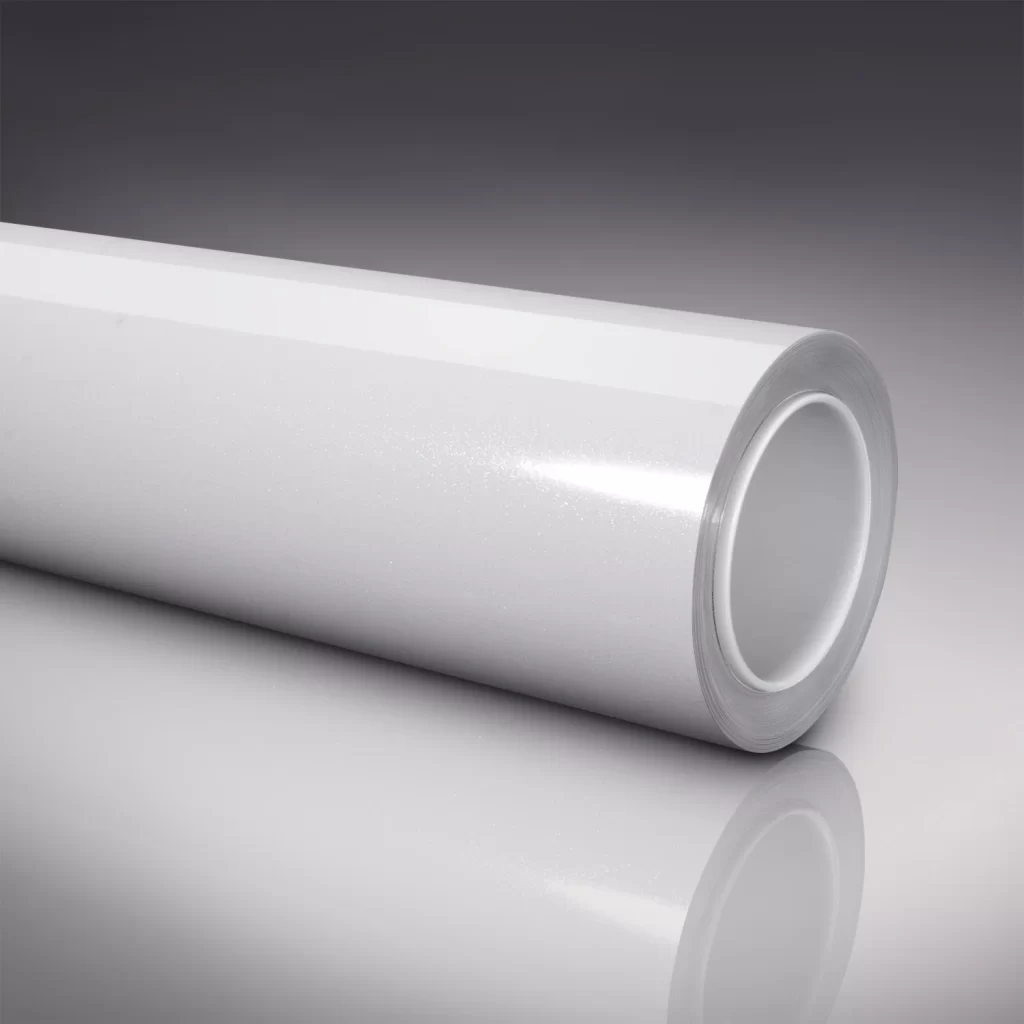
Why Choose Decowell for Your Plástico PPF Needs?
When it comes to protecting your vehicle’s paint, you want a brand you can trust. Decowell is a name that stands for quality and reliability in the automotive protection industry.
Decowell offers high-quality paint protection films designed to meet the needs of vehicle owners who demand the best. Whether you’re protecting a daily driver, a weekend toy, or a luxury vehicle, Decowell’s plástico PPF delivers:
Superior UV and heat resistance – engineered to withstand extreme temperatures without degrading
Self-healing properties – minor scratches disappear with heat exposure
Hydrophobic topcoat – makes cleaning easy and repels water, dirt, and stains
Optical clarity – invisible protection that preserves your car’s original beauty
Durable construction – built to last and protect for years
Decowell understands that every car is different. That’s why they offer a range of PPF options to suit different needs and preferences – from clear gloss for invisible protection to matte and colored films for those who want to make a statement.
When you choose Decowell, you’re not just buying a product – you’re investing in peace of mind. Your car’s paint stays protected, your resale value stays high, and you get to enjoy your vehicle without constantly worrying about rock chips and scratches.
Frequently Asked Questions About Plástico PPF
Q: How long does plástico PPF last?
A: High-quality PPF typically lasts between 5 and 10 years with proper maintenance. Premium films from established manufacturers often come with warranties extending up to 10 or 12 years.
Q: Can PPF be applied to any car?
A: Yes, PPF can be applied to virtually any vehicle – new or used. On new cars and fresh repaints, it’s completely safe. On older paint, it’s generally safe, but there’s a small risk that removing the film could pull up compromised paint.
Q: Does PPF protect against dents?
A: PPF protects against scratches and minor impacts, but it won’t prevent dents from major accidents. Think of it as armor against surface damage, not collision protection.
Q: Is PPF worth the money?
A: For most car owners, yes. The upfront cost is offset by savings on paint repairs, repainting, and the preserved resale value. If you plan to keep your car for several years or care about its appearance, PPF is a smart investment.
Q: Can I put ceramic coating over PPF?
A: Yes, absolutely. Many detailers apply ceramic coating over PPF to enhance hydrophobicity, add extra gloss, and make the film even easier to clean. It’s a great combination.
Q: Will PPF change the color of my car?
A: Clear gloss PPF is optically transparent and won’t change your car’s color. Matte PPF will give a matte finish, and colored PPF will change the color entirely – it’s a matter of which type you choose.
Q: How much does PPF cost?
A: Costs vary widely depending on coverage area, film quality, and installer rates. Partial coverage like front bumper and hood is more affordable, while full vehicle wraps are more expensive. It’s best to get a quote from a professional installer.
Q: Can I wash my car normally with PPF?
A: Yes, but with some precautions. Use pH-neutral soap, avoid abrasive pads, and wait at least a week after installation before washing.
Final Thoughts
Your car’s paint is one of the first things people notice – and it’s also one of the most expensive things to fix. Rock chips, scratches, UV damage, and stains add up over time, turning a beautiful vehicle into something that looks tired and worn.
Plástico PPF is the solution. It’s a proven technology that protects your investment, preserves your car’s appearance, and gives you peace of mind every time you hit the road.
The market is growing for a reason – car owners are realizing that prevention is cheaper than repair. Whether you’re driving a brand-new luxury sedan, a rugged SUV, or a classic sports car, paint protection film is one of the best decisions you can make for your vehicle.
Decowell offers the quality and reliability you need to keep your car looking its best for years to come. With advanced UV resistance, self-healing technology, hydrophobic properties, and a range of finishes to choose from, Decowell’s plástico PPF delivers protection you can see – and protection you can’t.
Don’t wait until your paint is already damaged. Protect it now with Decowell.
Ready to protect your vehicle? Contact Decowell today to learn more about our paint protection film solutions and find the right product for your car.