Home » How to Get Rid of Film on Windshield: Crystal-Clear Visibility
Recent Posts
How to Get Rid of Film on Windshield: Crystal-Clear Visibility
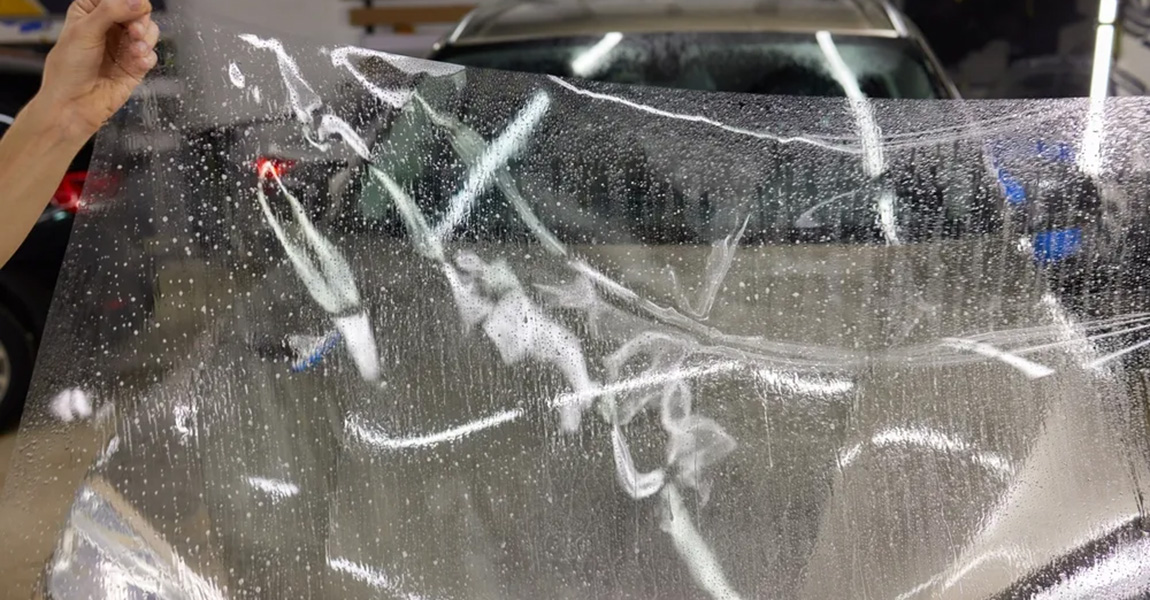
That hazy, greasy layer on your windshield isn’t just annoying—it’s a safety hazard. You know the feeling: driving into the sun and suddenly everything goes milky white, or night driving where every oncoming headlight turns into a blinding starburst. That stubborn film on windshield surfaces is one of the most common frustrations for drivers, and yet most people don’t even know what causes it or how to properly get rid of it.
If you’ve been fighting that film on windshield glass with household cleaners and paper towels, only to watch it come back worse than before, you’re not alone. The good news? Once you understand what you’re dealing with, getting rid of that film on windshield surfaces is actually straightforward. Better yet, with the right protection in place, you can stop fighting that film on windshield buildup for good.
Let’s dive into everything you need to know about that frustrating film on windshield glass—what it is, why it keeps coming back, how to remove it properly, and how to keep your view crystal clear mile after mile.
Table of Contents
What Exactly Is That Film on Windshield Glass?
That greasy layer you’re battling isn’t just ordinary dirt. The primary culprit behind that persistent film on windshield interiors is a process called outgassing—also known as off-gassing.
Here’s what’s happening: modern vehicle interiors are packed with synthetic materials—vinyl dashboards, plastic trim, adhesives, upholstery—all designed to be durable and flexible. But over time, heat and sunlight break down these chemical bonds, releasing volatile organic compounds (VOCs) into the cabin air. These chemical vapors rise and condense onto the cooler surface of your windshield glass, creating that stubborn, greasy layer that standard glass cleaners just smear around.
The problem gets worse in hot weather. When your car sits in the sun, the interior temperature skyrockets, accelerating the release of these chemicals. That’s why you’ll often notice more film on windshield glass during summer months or if you park in direct sunlight regularly.
Other Contributors to Windshield Film
Beyond outgassing, several other factors add to that film on windshield surfaces:
Smoke and vape residue — Tobacco and vapor residue deposits a sticky mixture that bonds tightly to glass
HVAC system contaminants — Your ventilation system can blow microscopic pollutants and oils onto the glass
Human skin oils and breath — Moisture and oils from passengers contribute over time
Dashboard cleaners and protectants — Silicone-based products can add to the oily film
Air fresheners — Hanging fresheners release chemicals that settle on glass
The film on windshield surfaces is a chemical byproduct, not just simple dust. That’s why a quick wipe with a paper towel and glass cleaner often makes things worse—it just smears the oily residue around instead of actually removing it.
Why Getting Rid of Film on Windshield Matters
That haze isn’t just unsightly. That film on windshield glass:
Reduces visibility — especially when driving into direct sunlight
Creates dangerous glare — oncoming headlights scatter across the film at night
Makes your defroster less effective — the film insulates the glass
Accelerates wiper wear — dirty film causes wipers to chatter and streak
Simply put, that film on windshield surfaces is a safety issue. Clear visibility isn’t a luxury—it’s a necessity.
How to Get Rid of Film on Windshield: The Right Way
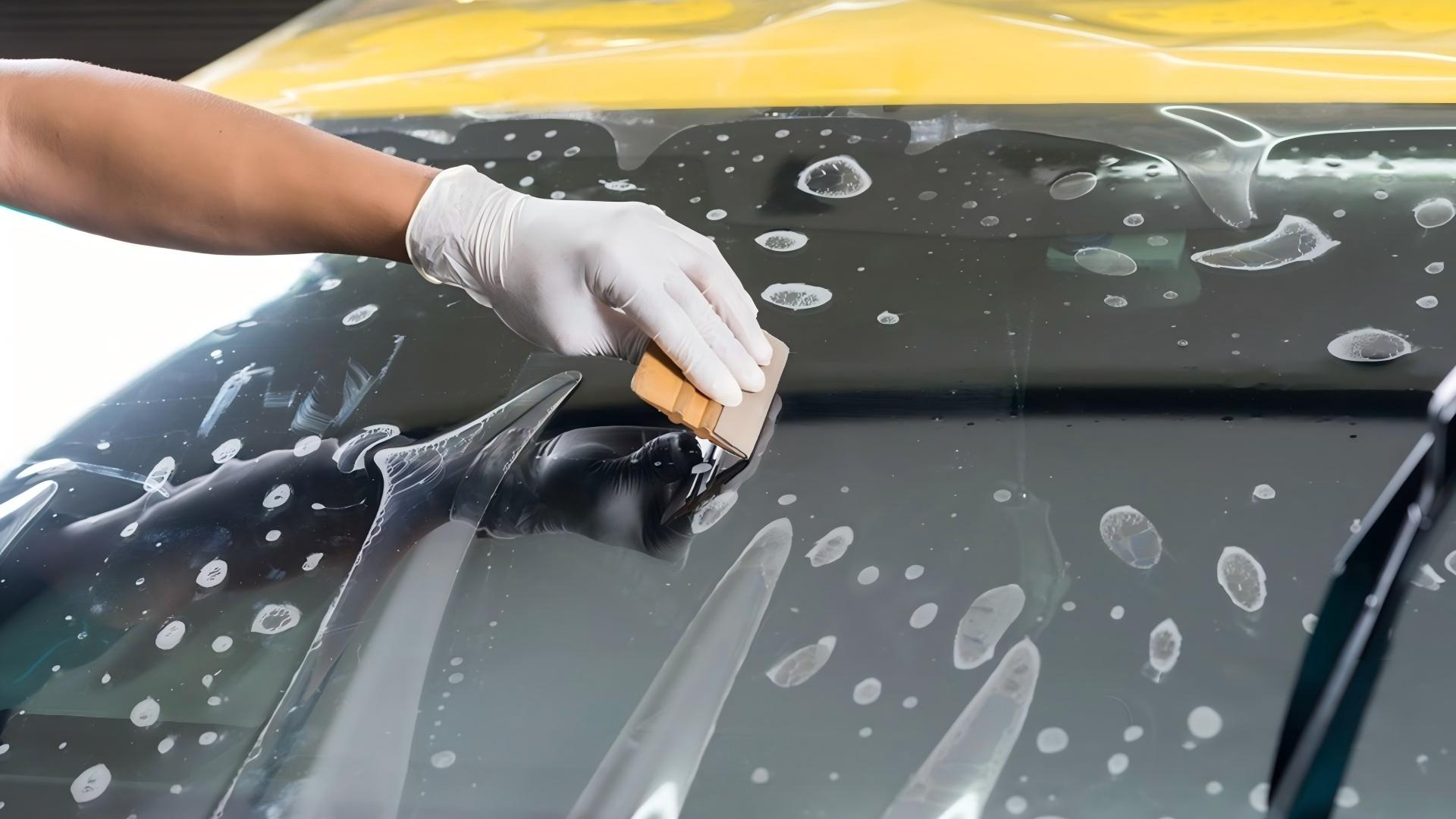
Getting rid of that film on windshield surfaces requires the right technique and the right tools. Here’s a step-by-step approach that actually works.
What You’ll Need
2–3 clean microfiber towels (dedicated to glass only—never use towels that have touched wax or polish)
Ammonia-free automotive glass cleaner or a DIY 50/50 mix of isopropyl alcohol and distilled water
Optional: Plastic scraper tool for stubborn spots
Optional: White vinegar and water mixture (equal parts)
⚠️ Important: Never use ammonia-based cleaners like Windex on your windshield—ammonia can damage window tint and leave streaks behind. Also avoid abrasive materials like scrub pads, steel wool, or paper towels.
Step 1: Prep the Area
Park in the shade. Direct sunlight causes cleaning solutions to evaporate too quickly, leaving streaks behind. Make sure the windshield is cool to the touch before you start.
Step 2: Start with the Outside First
Clean the exterior of your windshield before tackling the inside. This helps you identify where the stubborn film is and makes it easier to chase down streaks that are on the interior.
Step 3: The Dry Prep Phase
Before applying any liquid, use a dry microfiber towel to wipe the entire interior surface. This mechanical action breaks the static bond of the oily residue and removes the first layer of haze. You’ll be amazed at how much film comes off with just a dry wipe.
Step 4: Chemical Degreasing
Spray your chosen cleaner onto a microfiber towel—never directly onto the windshield. Spraying directly risks overspray on your dashboard and surrounding surfaces.
Wipe the glass using firm pressure with overlapping circular or up-and-down motions. Focus on the lower edge of the windshield where the dashboard meets the glass—this is where the highest concentration of film usually accumulates.
Pro tip: Work in small sections (about 12-inch squares) to prevent the cleaner from drying before you can wipe it away. And change to a fresh section of your towel frequently—once it gets visibly dirty, you’re just redistributing the grime.
Step 5: The Streak-Free Finish
Immediately after your cleaning pass, grab your second, completely dry microfiber towel and buff the glass until it’s perfectly clear. This two-towel method is crucial because the first towel removes the film while the second dries and polishes before the solution can evaporate and leave streaks.
Step 6: The Visual Check
Inspect the glass from different angles and lighting conditions to confirm clarity. If you see streaks, buff them out with a fresh dry towel.
Technique Hack: Directional Wiping
Here’s a detailer’s secret: use vertical wiping motions on the interior and horizontal motions on the exterior. That way, if you see a streak afterward, you’ll instantly know which side it’s on.
What NOT to Use on Windshield Film
Avoid these common mistakes that can damage your glass or make the film worse:
| ❌ Don’t Use | ✅ Instead Use |
|---|---|
| Ammonia-based cleaners (Windex) | Ammonia-free automotive glass cleaner |
| Paper towels or shop rags | Clean microfiber towels |
| Abrasive scrub pads or steel wool | Soft microfiber or plastic scraper |
| Dish soap or household degreasers | Dedicated automotive glass cleaner |
| Dry wiping dusty glass | Rinse first, then wipe |
Remember: If you have window tint or a windshield protection film, ammonia-based cleaners can permanently damage the surface.
How to Prevent Windshield Film from Coming Back
Getting rid of that film on windshield surfaces is one thing—keeping it gone is another. Here are practical steps to prevent that film from returning:
1. Use a Sunshade
Heat accelerates the outgassing process dramatically. A reflective sunshade when parked in direct sunlight significantly lowers interior temperature and reduces the amount of vaporized material released.
2. Crack Your Windows
When it’s safe to do so, leave your windows slightly cracked to allow VOCs to escape instead of condensing on your windshield.
3. Park in the Shade
Simple but effective. The cooler your interior stays, the less outgassing occurs.
4. Clean Your Dashboard Regularly
Wipe down your dashboard and interior plastics with a water-based, non-silicone interior cleaner. This prevents chemicals from ever reaching the glass in the first place.
5. Keep Your Wiper Blades Clean
Dirty wiper blades smear road grime across your windshield and can cause scratches over time. Lift the wipers and wipe the rubber edges with a damp microfiber towel regularly.
6. Avoid Smoking and Vaping in the Car
Tobacco and vape residue is one of the stickiest contributors to windshield film.
7. Choose Quality Glass Cleaner
Use a dedicated automotive glass cleaner—not household products—for regular maintenance.
8. Replace Worn Wiper Blades
Old, cracked wiper blades don’t just clean poorly—they can damage your windshield and any protection film you have installed.
The Long-Term Solution: Windshield Protection Film
If you’re tired of constantly battling that film on windshield surfaces, there’s a smarter approach. Instead of just cleaning the glass over and over, consider protecting it.
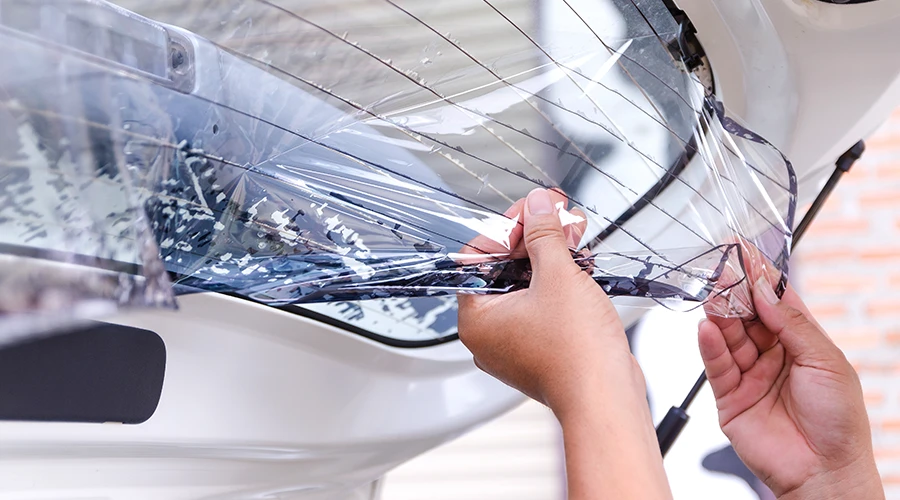
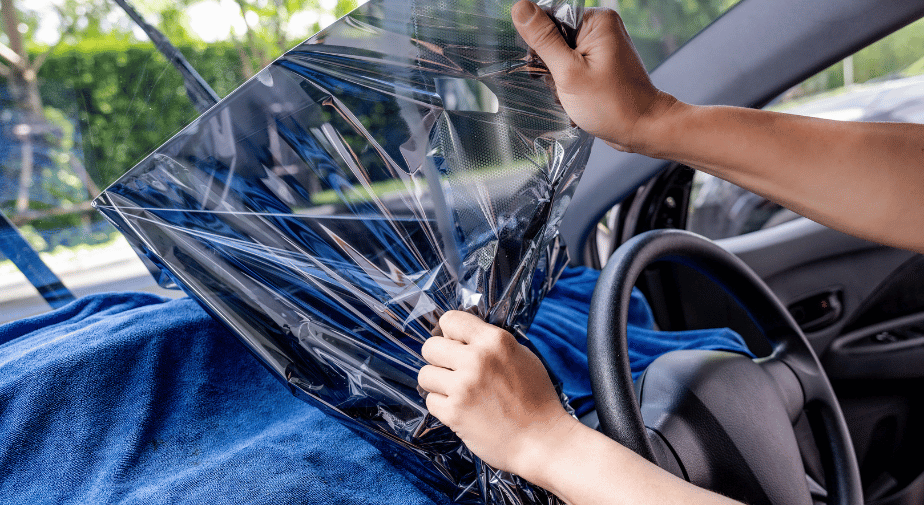
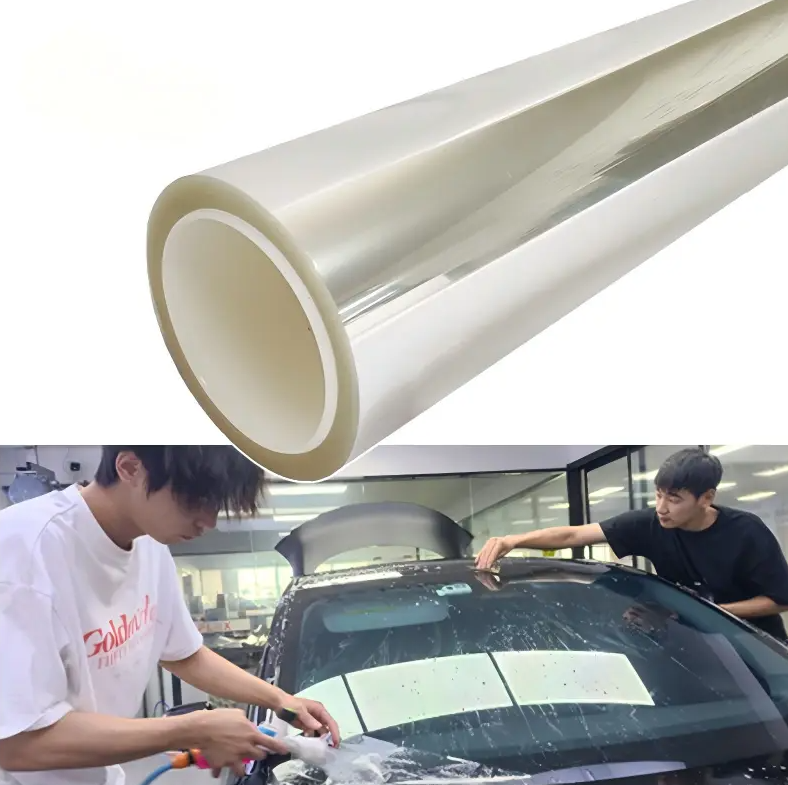
Windshield protection film is a transparent, impact-resistant layer applied to the exterior of your windshield. It acts as a sacrificial barrier—it takes the abuse from rocks, road debris, bugs, and harsh weather so your actual windshield glass doesn’t have to.
How Protection Film Helps with Windshield Film
A quality windshield protection film:
Creates a smoother surface that’s easier to clean
Reduces dirt and grime adhesion so less film builds up
Protects against wiper scratches that can trap contaminants
Preserves optical clarity better than bare glass over time
The key is that with a protection film in place, you’re cleaning the film surface rather than the glass itself. And because the film is designed to be hydrophobic and smooth, contaminants don’t bond as aggressively.
Why Choose Decowell Windshield Protection Film?
When it comes to protecting your windshield from film, scratches, chips, and the daily abuse of the road, Decowell stands out as a trusted choice for drivers who demand clarity and durability.
Decowell windshield protection film is engineered to provide:
Superior optical clarity — crystal-clear visibility without distortion
Impact resistance — absorbs rock chips and road debris before they reach your glass
Hydrophobic properties — water beads and rolls off, taking dirt with it
UV protection — blocks harmful rays that can damage your interior
Easy maintenance — cleans up quickly with basic automotive glass cleaner
Durable construction — stands up to highway driving and harsh weather
The Decowell film acts as a sacrificial layer on your windshield. When it takes a hit from a rock or gets scratched by a dirty wiper blade, the film absorbs the damage instead of your glass. That means fewer chips, fewer cracks, and far fewer expensive windshield replacements.
And because Decowell film is designed for easy cleaning, you’ll spend less time fighting that stubborn film on windshield surfaces and more time enjoying a clear view of the road ahead.
Decowell understands what drivers need: protection that doesn’t compromise visibility. Whether you’re commuting daily on highways, driving through construction zones, or just want to keep your windshield in showroom condition, Decowell windshield protection film delivers the performance you’re looking for.
Frequently Asked Questions
Q: Why does my windshield keep getting a film even after I clean it?
The film is caused by outgassing from your dashboard and interior plastics, which is an ongoing process. Heat accelerates it, so the film will continue to form as long as your interior materials release VOCs. Regular cleaning and using a sunshade can help reduce buildup.
Q: Can I use Windex to clean film off my windshield?
No. Ammonia-based cleaners like Windex can damage window tint and windshield protection film. They also tend to leave streaks. Use an ammonia-free automotive glass cleaner instead.
Q: What’s the best homemade cleaner for windshield film?
A 50/50 mixture of isopropyl alcohol and distilled water is highly effective and recommended by professional detailers. White vinegar and water (equal parts) also works well.
Q: How often should I clean my windshield to prevent film buildup?
For most drivers, a weekly rinse and microfiber wipe is sufficient. If you drive in heavy traffic, construction zones, or bad weather, you may need to clean more frequently.
Q: Will a windshield protection film prevent film from forming?
A protection film won’t stop outgassing from your dashboard, but it creates a smoother, more hydrophobic surface that’s easier to clean and less prone to contamination buildup. It also protects your glass from scratches that can trap dirt and make film worse over time.
Q: Can I use a razor blade to remove stubborn film?
Only on bare glass, and only with extreme caution. Never use a razor blade directly on windshield protection film—it will damage the surface. For film surfaces, use a plastic scraper at a very shallow angle.
Q: How do I know if my windshield has a protection film?
Look closely at the edge of your windshield. A protection film typically has a visible edge line and may have a slightly different texture than bare glass. If you’re unsure, consult your installer or a professional.
Q: Does Decowell film require special cleaning products?
No. Decowell windshield protection film can be cleaned with standard ammonia-free automotive glass cleaner and a soft microfiber towel. Avoid harsh chemicals, abrasive scrubbers, and pressure washers aimed directly at the edges.
Q: Will windshield protection film affect my visibility at night?
A quality film like Decowell is optically clear and designed not to distort vision. In fact, by preventing scratches and reducing glare from film buildup, it can actually improve nighttime visibility.
Final Thoughts
That stubborn film on windshield surfaces doesn’t have to be a constant battle. By understanding what causes it—outgassing from your vehicle’s interior—and using the right cleaning techniques, you can keep your windshield clear and your driving safe.
Remember the essentials:
Clean with ammonia-free products
Use clean microfiber towels (two-towel method)
Work in the shade
Clean your wiper blades regularly
Park with a sunshade when possible
And for the ultimate protection against windshield film, scratches, chips, and the daily wear of the road, consider Decowell windshield protection film. It’s the smart investment that keeps your view clear and your windshield safe—mile after mile.
Ready to protect your windshield the right way?
Contact us today to learn more about Decowell windshield protection film and how it can keep your glass clear, protected, and film-free for the long haul.