Home » PPF Industry News 2026: Color Revolution, Self-Healing Tech, and the Future of Paint Protection Film
Recent Posts
PPF Industry News 2026: Color Revolution, Self-Healing Tech, and the Future of Paint Protection Film
The paint protection film industry is having a moment. If 2025 was the year PPF went mainstream, 2026 is the year it’s completely reinventing itself. From color-changing films that make vinyl wraps look outdated to self-healing technologies that sound like science fiction, the industry is moving fast—and vehicle owners are taking notice.
Let’s break down what’s happening in the world of paint protection film right now, and why Decowell Film is positioned at the heart of it all.
Table of Contents
The Market Is Booming—And It’s Not Just Luxury Cars Anymore
Here’s the numbers that matter: The global paint protection films market was valued at USD 1.07 billion in 2025 and is projected to hit USD 1.16 billion in 2026, growing at a CAGR of 7.41% to reach USD 1.77 billion by 2032. Another report puts the market at USD 637.8 million in 2025, with expectations to reach USD 1.1 billion by 2035. Either way you slice it, this is a growth industry.
What’s driving this surge? It’s not just the usual suspects—luxury car owners and collectors—anymore. Paint protection film is going mainstream. Everyday drivers are starting to see PPF as an essential investment rather than an optional upgrade. With new car prices climbing and advanced paint finishes becoming more expensive to repair, protecting what’s underneath is starting to make financial sense for a whole lot more people.
Social media and digital content have also played a huge role in demystifying PPF. Consumers now understand that paint protection film is essentially an insurance policy for their vehicle’s finish—one that preserves resale value and saves money on paint corrections down the road.
Color PPF: The Trend That’s Eating Vinyl’s Lunch
If there’s one story dominating PPF industry news in 2026, it’s the rise of colored paint protection film. And honestly? It’s not hard to see why.
Traditional vinyl wraps serve one purpose: aesthetic change. Colored PPF does that and provides actual protection—rock chip defense, scratch resistance, self-healing properties, the whole package. It’s like getting a custom paint job and an armored shield at the same time.
The numbers back this up. Color PPF is one of the fastest-growing segments in the automotive protection industry. In the U.S., cities like Los Angeles, New York, and Miami are leading the charge, driven by high concentrations of car enthusiasts who want their vehicles to stand out. Europe is seeing similar momentum, particularly in Germany and the UK, where car owners traditionally prioritize precision and longevity.
What’s interesting is who’s buying it. Many color PPF customers are actually existing clear PPF owners who are upgrading—they already know the protection is solid, now they want the style too. Others are vinyl wrap users making the switch because they’re tired of dealing with peeling edges and limited durability.
The finishes available in 2026 are wild. We’re talking satin warm neutrals, bold teals, liquid metal effects, chameleon films that shift color in different light. Gloss, matte, metallic—pretty much any look you can imagine, you can now get with actual paint protection built in.
Self-Healing Tech: Not Marketing Hype, Actual Science
Let’s talk about the elephant in the room—or rather, the scratch that magically disappears.
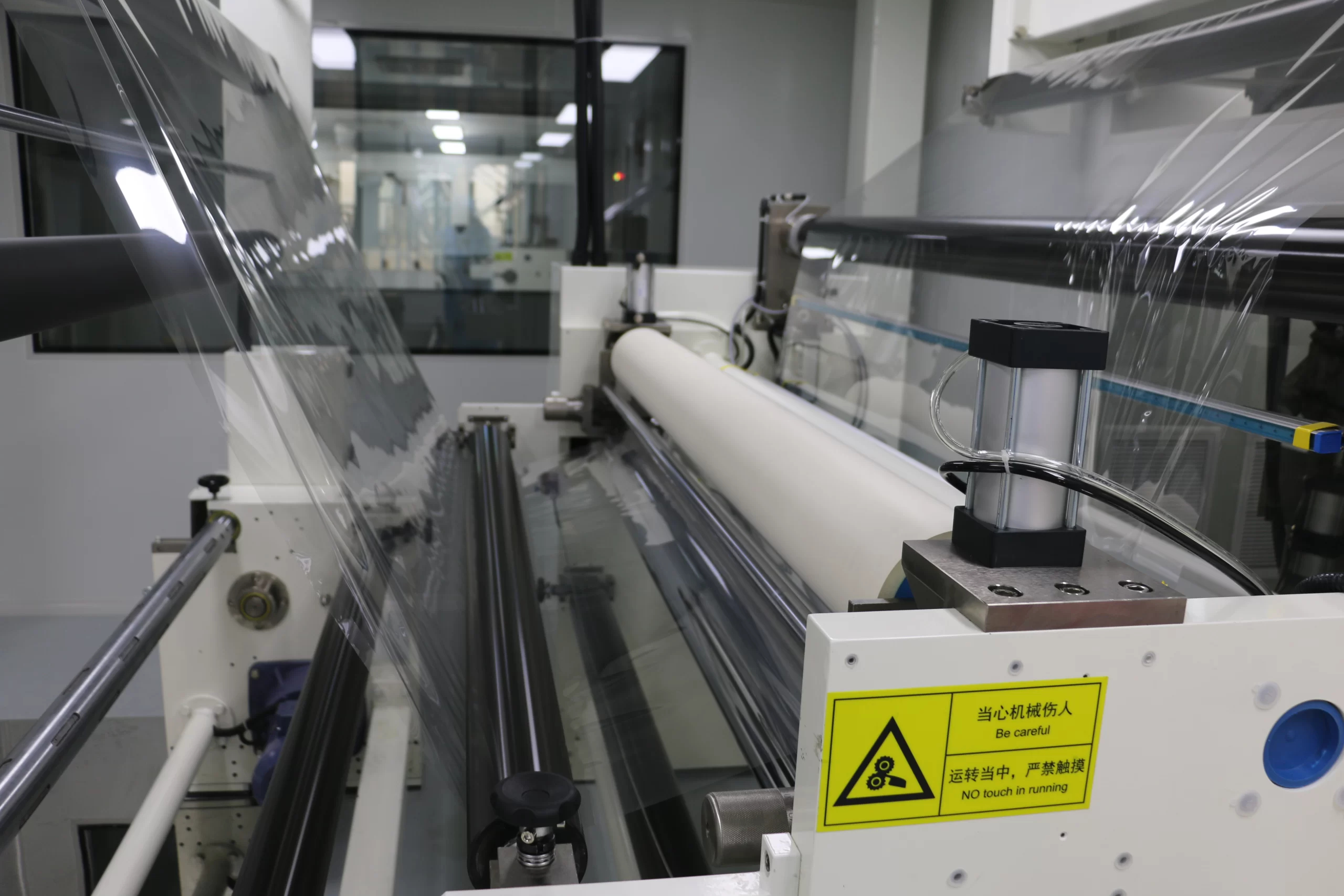
Self-healing paint protection film has been around for a while, but the technology in 2026 is genuinely next-level. The top coat of premium PPF is engineered with polymer arrangements that aren’t fixed in a rigid lattice. When the film gets scratched, heat—from sunlight, warm water, or a heat gun—triggers those polymers to relax and flow back into their original position, effectively erasing the scratch.
Some newer formulations are even pushing beyond heat activation. 3M expanded its PPF portfolio in early 2026 to include intrinsically self-healing polymers that rely on reversible hydrogen bonding to repair surface damage at room temperature. No heat gun required—the film just heals itself.
For vehicle owners, this means the film stays flawless for years without the need for polishing or replacement. For installers, it means happier customers and fewer callbacks. It’s a win-win.
TPU Dominates—And Keeps Getting Better
Thermoplastic polyurethane (TPU) continues to be the material of choice for premium paint protection film, and for good reason. The TPU segment alone accounted for USD 483.3 million in 2025.
Why TPU? The stuff is incredibly flexible, optically clear, and self-healing. It resists yellowing, stands up to UV exposure, and maintains its integrity across a wide temperature range. Polyvinyl chloride (PVC) still has a place in the market as a budget option, but its tendency to yellow and crack over time makes it a non-starter for anyone serious about long-term protection.
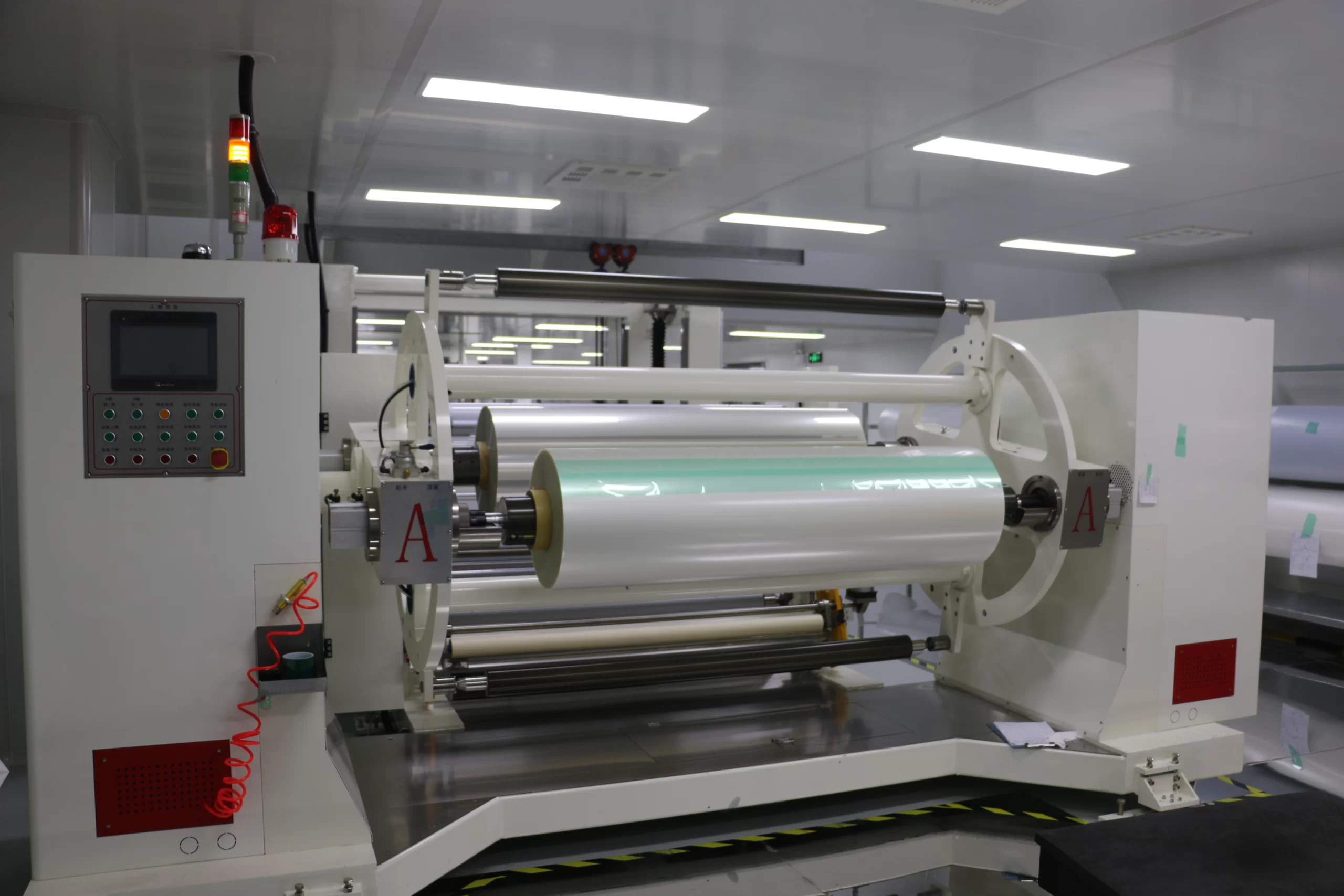
The real innovation in 2026 is happening at the chemistry level. Manufacturers are investing heavily in advanced polymer technologies that enhance durability, clarity, and self-healing performance. Multi-layered TPU constructions with ceramic-infused top coats are becoming more common, delivering integrated hydrophobicity, anti-yellowing, and chemical resistance.
Beyond Cars: PPF Is Everywhere Now
Here’s something that might surprise you: paint protection film isn’t just for cars anymore.
The PPF market is expanding beyond automotive into electronics, and the growth is significant. Think about it—your phone screen, tablet, laptop, even your smartwatch. All of these devices have screens that scratch, and TPU-based protective films are the perfect solution.
The electrical and electronics segment is projected to grow at a CAGR of 5.82% through 2031, driven by demand for anti-fingerprint clarity on cabin displays and consumer tablets. As vehicle dashboards sport 20-inch screens and consumers demand scratch protection for their devices, PPF manufacturers are adapting.
Other niches are emerging too—construction, aerospace, marine. Multi-layer composites with fire retardance or UV stability are finding applications beyond the automotive world. The addressable market for paint protection film is getting bigger by the day.
OEM Integration: Factory-Installed PPF Is Coming
Another major trend in 2026: automotive manufacturers are starting to install PPF at the factory level.
Electric vehicle makers, in particular, are leading this charge. Tesla installs XPEL Ultimate Plus under controlled robotics, reducing cycle time to under two hours and integrating coverage into the basic vehicle warranty. FAW-Volkswagen has certified BASF’s RODIM TPU, signaling that European and Asian factories are adopting similar approaches.
Why does this matter? OEM integration secures high-volume contracts for large converters and obliges smaller installers to shift their focus toward customization and rapid service. It also means more consumers are getting exposed to PPF earlier in the vehicle ownership journey—which ultimately grows the entire market.
For independent installers, the opportunity is shifting toward color customization, specialty finishes, and services that OEMs can’t easily replicate at scale.
Why Decowell Film Is the Name to Watch
With all this growth and innovation, choosing the right paint protection film partner matters more than ever. That’s where Decowell Film comes in.
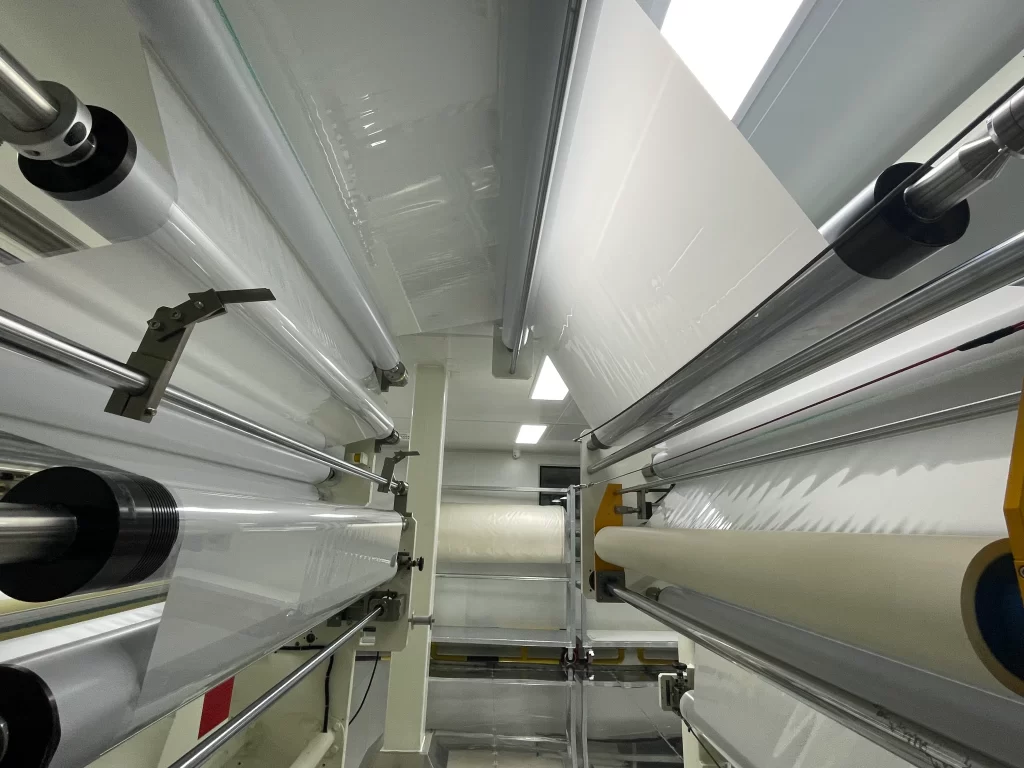
Decowell Film represents the next generation of paint protection film manufacturing—combining advanced TPU technology, precision engineering, and a deep understanding of what vehicle owners actually want. Whether you’re looking for crystal-clear protection, bold color options, or self-healing performance that stands up to real-world abuse, Decowell Film delivers.
What sets Decowell Film apart? It’s the attention to detail. The film is engineered with multi-layer TPU construction that provides exceptional impact resistance while maintaining optical clarity and color stability. The self-healing top coat is designed to activate quickly with ambient heat, keeping the film looking fresh year after year. And the adhesive system ensures clean installation without the headaches of lifting or bubbling.
For installers, dealers, and distributors looking to capture the growing PPF market, Decowell Film offers the quality, consistency, and support needed to build a profitable business. For vehicle owners, it’s the peace of mind that comes with knowing your investment is protected by one of the best films on the market.
The paint protection film industry is evolving fast. Don’t get left behind.
FAQ
Q: What is paint protection film (PPF)?
A: Paint protection film is a durable, thermoplastic polyurethane (TPU) layer applied to a vehicle’s painted surfaces to protect against scratches, stone chips, UV damage, and environmental contaminants. Unlike vinyl wraps, PPF offers actual physical protection in addition to aesthetic enhancement.
Q: How long does paint protection film last?
A: Premium TPU-based PPF typically lasts 7-10 years with proper care, maintaining clarity and color stability throughout its lifespan.
Q: What’s the difference between clear PPF and colored PPF?
A: Clear PPF is transparent and preserves the original paint color while adding protection. Colored PPF adds a pigmented layer that changes the vehicle’s appearance while providing the same level of protection—essentially combining a custom color change with paint protection.
Q: Does PPF really self-heal?
A: Yes. The top coat of premium PPF is engineered with polymers that relax and flow back into place when exposed to heat—from sunlight, warm water, or a heat gun—effectively erasing minor scratches and swirl marks.
Q: Is PPF better than ceramic coating?
A: They serve different purposes. PPF provides physical protection against rock chips and scratches—it’s armor for your paint. Ceramic coating provides chemical protection against contaminants and makes the surface easier to clean. Many vehicle owners choose to apply both: PPF on high-impact areas, ceramic coating over everything for easy maintenance.
Q: Can PPF be removed without damaging the paint?
A: Yes. Quality PPF is designed to be removable without damaging the underlying paint, provided it’s installed and removed properly by a professional.
Q: Is colored PPF better than a vinyl wrap?
A: For most vehicle owners, yes. Colored PPF offers the same aesthetic transformation as vinyl but with superior protection, self-healing properties, and significantly longer durability (7-10 years vs. 2-4 years for vinyl).
Q: Where can I get Decowell Film?
A: Decowell Film is available through authorized distributors and professional installers worldwide. Contact us directly to find a dealer near you or to discuss wholesale opportunities.
Ready to Protect? Let’s Talk.
The paint protection film industry is growing faster than ever, and Decowell Film is ready to help you capture the opportunity. Whether you’re a professional installer looking for premium film, a dealer expanding your product lineup, or a vehicle owner who wants the best protection available—we’re here to help.
Contact Decowell Film today to learn more about our products, request samples, or discuss your specific needs.
Decowell Film—Protection That Performs. Style That Stands Out.