Home » PPF: Why Your Car Deserves the Invisible Shield
Recent Posts
PPF: Why Your Car Deserves the Invisible Shield
Let’s be honest for a second. You know that feeling. You walk back to your car after a quick stop at the store, and there it is—a fresh, jagged scratch staring back at you. Maybe it’s from a rogue shopping cart, a pebble kicked up on the highway, or that narrow parking spot you barely squeezed into. Whatever the cause, that scratch feels like a permanent tattoo on your pride and joy.
For car enthusiasts and everyday drivers alike, keeping a vehicle looking showroom-fresh is a never-ending battle. The open road is full of hazards: rock chips, road debris, bug splatter, bird droppings, tree sap, and harsh UV rays. These elements don’t just dull your car’s finish—they actively degrade it over time.
This is where Paint Protection Film (PPF) comes in. Once considered an optional extra for supercar owners, PPF has rapidly become an essential investment for anyone who wants to protect their vehicle’s paint and preserve its value. In this guide, we’ll break down everything you need to know about PPF, from the science behind self-healing technology to why it’s the smartest decision you can make for your car.
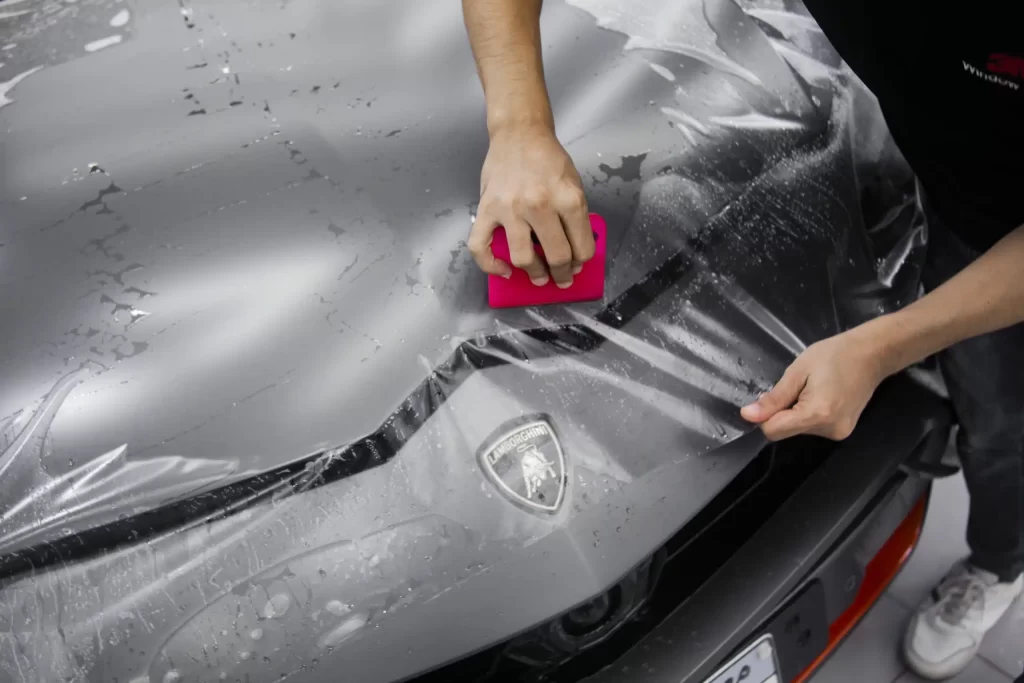
Table of Contents
What Exactly is Paint Protection Film?
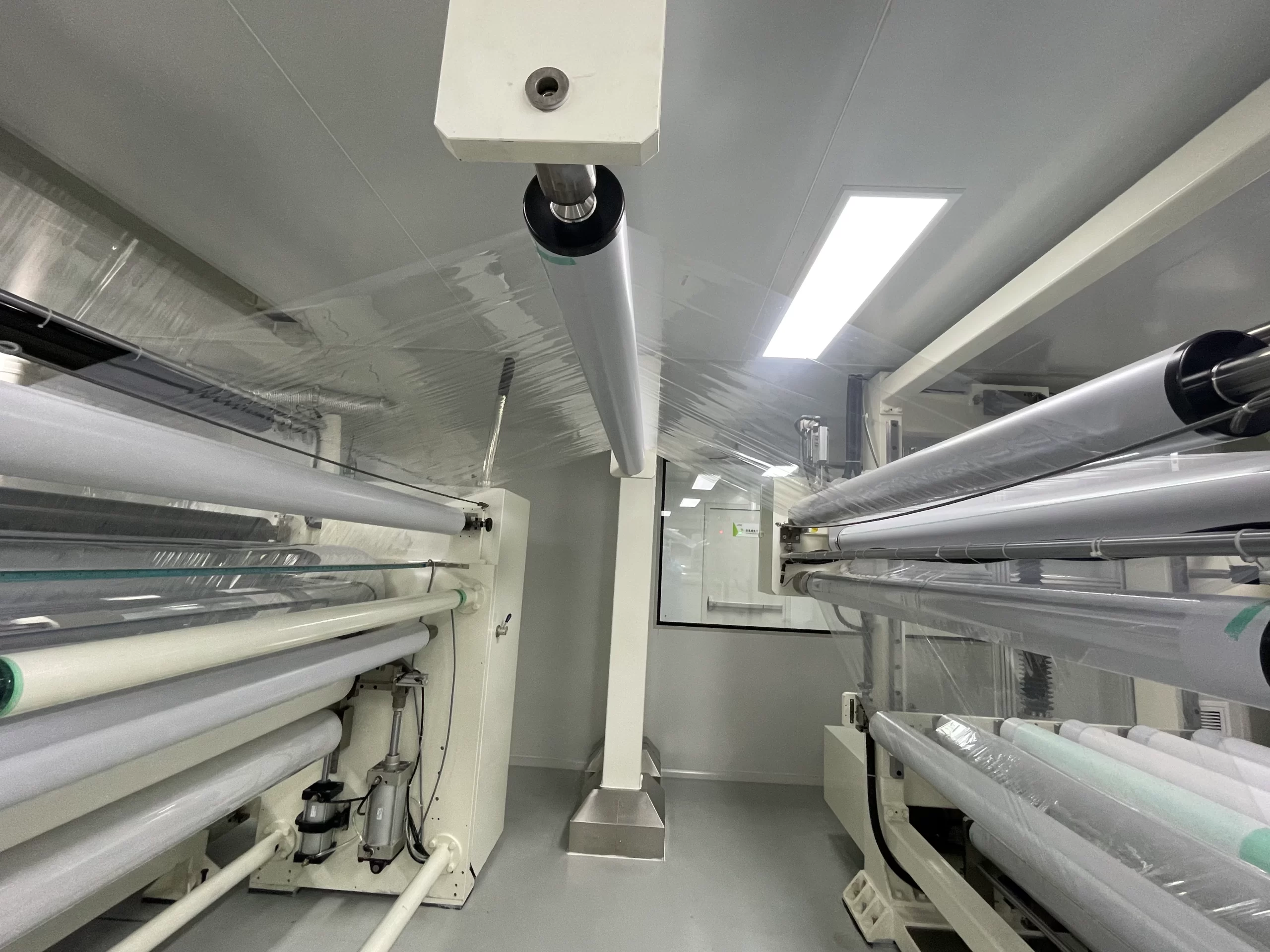
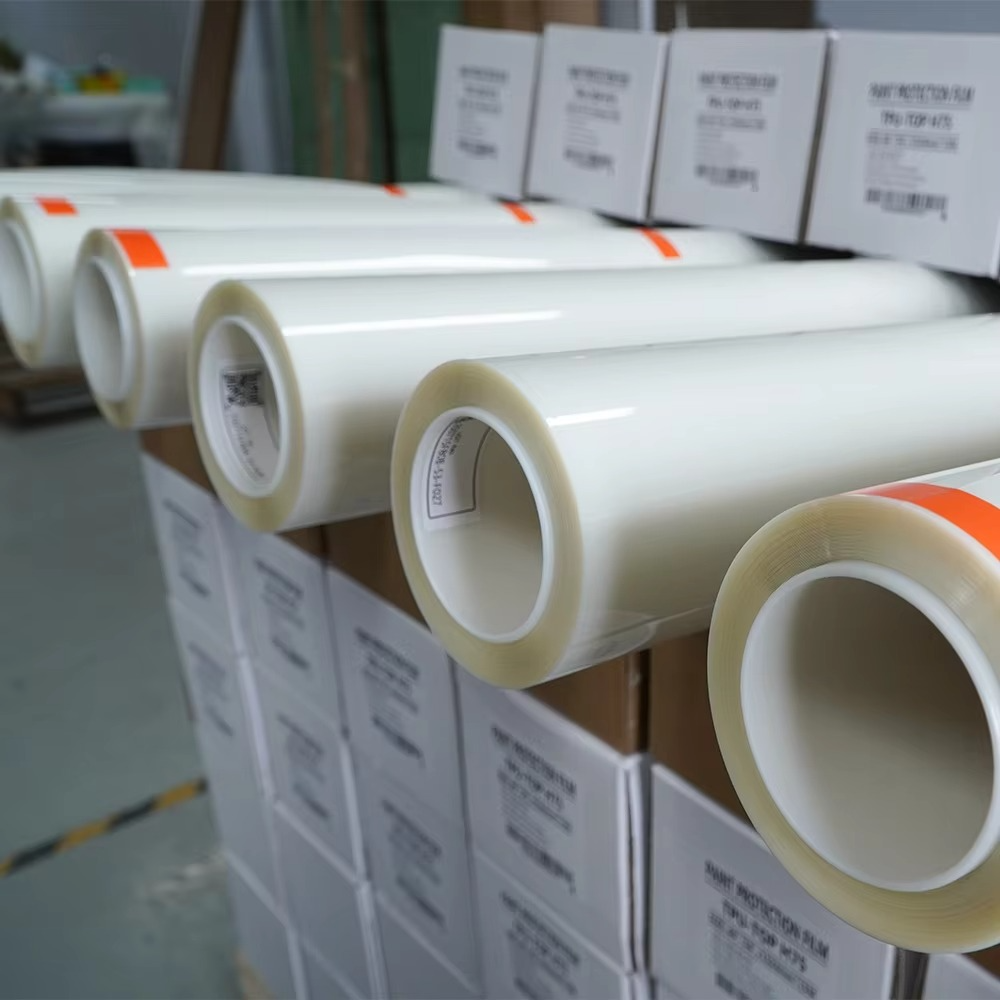
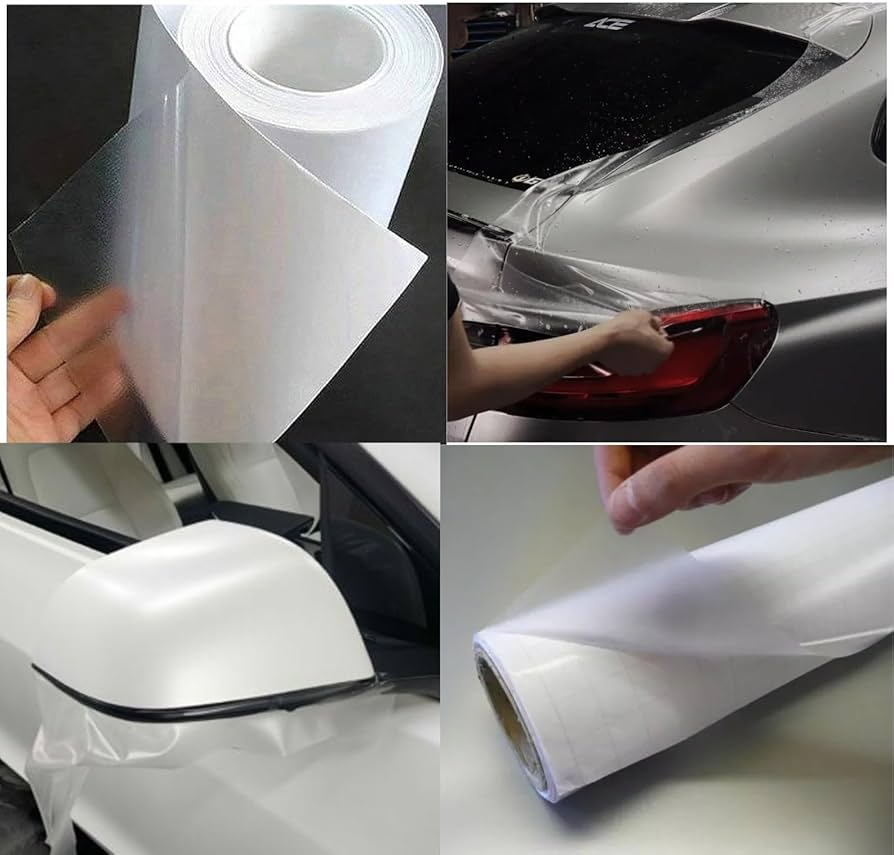
Paint Protection Film, commonly referred to as PPF, is a transparent, thermoplastic polyurethane film applied to the painted surfaces of a vehicle. Think of it as an invisible shield—a sacrificial layer that takes the hits so your factory paint doesn’t have to.
Modern PPF is engineered to be optically clear, meaning it doesn’t alter the color or finish of your paint. Instead, it enhances the depth and gloss, making your car look even better while providing a robust barrier against the elements. Unlike the thick, yellowing “clear bras” of the early 2000s—which were often made from rigid PVC—today’s films are crafted from advanced Thermoplastic Polyurethane (TPU). This material is flexible, durable, and designed to conform perfectly to every curve and contour of your vehicle.
How Does PPF Work?
At its core, PPF works by absorbing and dispersing the energy of impacts, preventing them from reaching your car’s delicate paint. But the real magic lies in the advanced material science behind it.
The top layer of a premium PPF contains elastomeric polymers—long molecular chains that are not fixed in a rigid lattice. When the film is scratched, these polymers are displaced. However, when heat is introduced—whether from the sun, warm water, or a heat gun—the molecules become excited and “relax” back into their natural, lowest-energy state. This process effectively closes the gap and erases the scratch.
This is what’s known as self-healing technology. It’s not marketing hype; it’s grounded in simple thermodynamics. Some advanced films even feature active self-healing technology that is triggered immediately upon scratching, without the need for heat. The result is a film that continuously maintains a flawless, pristine finish, even after minor abrasions.
The Unmatched Benefits of Paint Protection Film
Why are millions of car owners turning to PPF? The benefits go far beyond just preventing scratches.
1. Ultimate Physical Protection Against Rock Chips and Road Debris
This is the primary function of PPF. Whether you’re cruising on the highway or navigating gravel roads, your car’s front end—the hood, bumper, and mirrors—is constantly bombarded by debris. PPF acts as a durable, stretchable barrier that absorbs these impacts, preventing unsightly chips and dents. Unlike ceramic coatings, which offer virtually zero impact resistance, PPF is a tangible layer of urethane designed to stop rocks in their tracks.
2. Self-Healing Properties
We’ve touched on this, but it’s worth repeating. Minor scratches and swirl marks are inevitable. With PPF, these imperfections disappear with exposure to heat. Imagine washing your car and watching those fine spider-web swirls vanish in the afternoon sun. That’s the power of modern PPF.
3. Stain and Chemical Resistance
Environmental contaminants are a silent killer of automotive paint. Bird droppings, tree sap, and bug splatter are highly acidic and can etch into your clear coat in a matter of hours if left untreated. High-quality PPF creates an impassable guard against these organic substances. The film is chemically resistant, meaning contaminants sit on the surface and can be wiped away without permanently staining the film or damaging the paint underneath.
4. Hydrophobic Properties
The best PPF films feature a hydrophobic topcoat that repels water, mud, and grime. Water beads up and slides off the surface, making your car significantly easier to clean. This slick surface also prevents dirt from bonding to the film, so your car stays cleaner for longer.
5. UV Protection
The sun’s UV rays are relentless. Over time, they cause paint to oxidize, fade, and lose its luster. PPF acts as a sunscreen for your car, blocking harmful UV radiation and preventing your factory paint from fading. This keeps the color vibrant and rich for years to come.
6. Preserves Resale Value
This is perhaps the most compelling reason to invest in PPF. A vehicle’s exterior condition is one of the strongest factors influencing its resale value. Dealership surveys have shown that vehicles equipped with PPF can command significantly higher prices on the pre-owned market. In fact, a 2025 industry survey reported that vehicles with PPF showed higher value retention, with improvements reported up to 15%. By keeping the factory paint in pristine condition, you’re essentially freezing the state of your car, protecting it from chips, rust, and scratches.
7. Long-Term Cost Savings
While the upfront cost of PPF is higher than a wax or sealant, it’s a one-time investment that saves you money in the long run. Without PPF, you’re paying for touch-up paint, paint corrections, and costly resprays. A single investment in PPF eliminates these recurring expenses, protecting your car for years to come.
PPF vs. Ceramic Coating: What’s the Difference?
This is one of the most common questions car owners ask. While both offer protection, they serve very different purposes.
Ceramic Coating is a liquid polymer that chemically bonds with your car’s clear coat. Its primary functions are hydrophobicity and chemical resistance. It makes the car easier to clean, protects against bird droppings and acid rain, and adds a deep, glossy shine. However, it offers virtually zero impact resistance. It cannot stop a rock chip.
Paint Protection Film (PPF) is a physical, tangible layer of urethane. Its primary function is impact absorption. It is the only solution that prevents rock chips and deep scratches.
Think of it this way: Ceramic coating protects against what lands on your paint, while PPF protects against what hits it. Many car enthusiasts opt for the best of both worlds: applying PPF to high-impact areas (hood, bumper, mirrors) and topping it with a ceramic coating for unmatched gloss and ease of maintenance.
The Rising Demand for PPF: A Market on the Move
The Paint Protection Film market is experiencing explosive growth. Driven by increasing demand for vehicle protection against scratches, dents, and environmental damage, the market is fueled by advancements in material science and a rising awareness among car owners.
The global PPF market was valued at over USD 1 billion in 2025 and is projected to reach nearly USD 1.55 billion by 2030, growing at a compound annual growth rate (CAGR) of over 7%. The automotive sector dominates this market, with a growing trend toward vehicle customization and aesthetic enhancements. As production volumes continue to rise globally, the demand for durable paint protection solutions is only set to increase.
How to Make Your PPF Last: Post-Installation Care
Once you’ve invested in PPF, proper maintenance is key to ensuring it lasts. Here are a few golden rules:
Wait Before Washing: Fresh PPF needs time to set. Avoid washing your car for at least 48-72 hours after installation to allow the adhesive to fully cure and edges to relax.
Wash Properly: Always use a pH-neutral car shampoo and a clean microfiber wash mitt. Wash in straight lines, not circles, to minimize the risk of introducing scratches. Rinse the mitt often to prevent grit from scratching the film.
Avoid Harsh Chemicals: Steer clear of strong solvents, abrasive polishes, and stiff brushes. These can stain, dull, or damage the film.
Treat Spots Fast: Bird droppings, bug splatter, and tree sap are acidic. Remove them as soon as possible to prevent etching.
Pressure Washer Caution: If you use a pressure washer, keep the nozzle at a safe distance and use a wide fan angle. Never aim the jet directly at the film’s edges, as this can cause lifting.
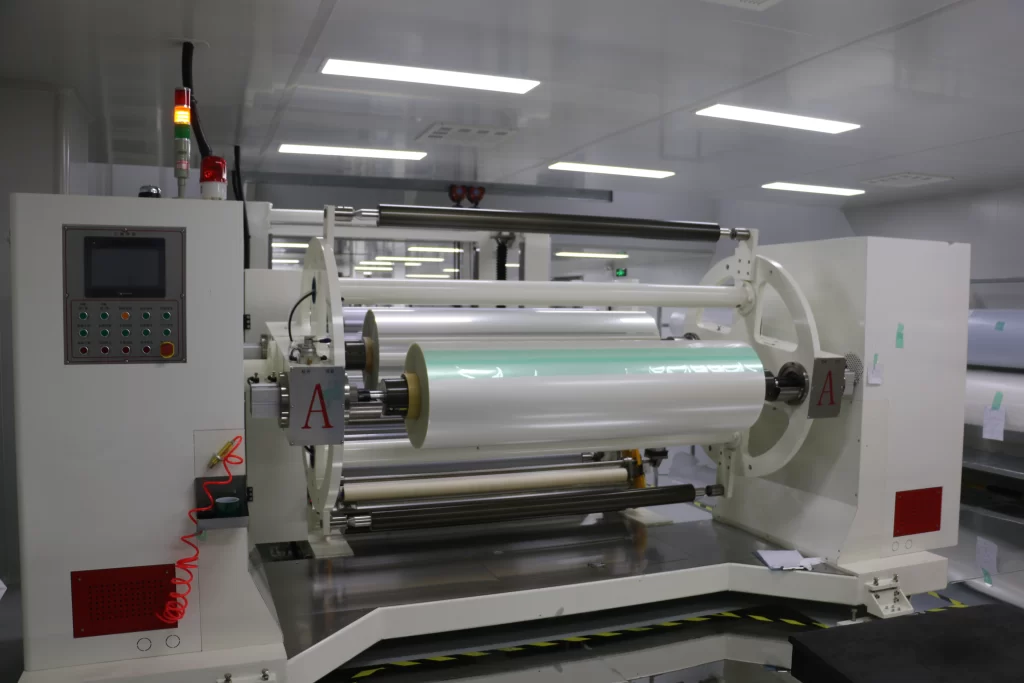
Why Decowell Film is the Smart Choice for Your Vehicle
When it comes to protecting your car, you shouldn’t settle for anything less than the best. That’s where Decowell Film comes in. Decowell is committed to delivering premium Paint Protection Film that combines cutting-edge technology with superior performance.
Decowell PPF is engineered with advanced thermoplastic polyurethane, providing a crystal-clear, high-gloss finish that enhances the depth and color of your paint while offering robust protection against rock chips, scratches, and environmental contaminants. The film features advanced self-healing properties, meaning minor scratches and swirl marks disappear with exposure to heat, keeping your car looking flawless.
With a hydrophobic, stain-resistant topcoat, Decowell Film repels water, mud, and grime, making your vehicle significantly easier to clean and maintain. It also provides excellent UV protection, preventing your factory paint from fading and oxidizing over time.
Choosing Decowell Film means choosing peace of mind. Whether you’re looking for full-body coverage or protection for high-impact areas like the hood and bumper, Decowell offers solutions tailored to your needs. Protect your investment, preserve your car’s resale value, and enjoy the confidence that comes with knowing your vehicle is shielded by one of the most advanced PPF films on the market.
FAQ
Q1: Does PPF really self-heal?
Yes. Premium PPF features self-healing properties. Minor scratches and swirl marks disappear when exposed to heat—whether from the sun, warm water, or a heat gun. The elastomeric polymers in the film return to their original state, effectively erasing the damage.
Q2: Will PPF turn yellow or peel over time?
No, not if you choose a high-quality film like Decowell. Modern PPF is engineered with advanced TPU materials that resist UV radiation and oxidation, preventing yellowing. Professional installation ensures that edges are properly sealed to prevent peeling.
Q3: Which is better, PPF or Ceramic Coating?
It depends on your needs. PPF provides superior physical protection against rock chips and deep scratches, while ceramic coating offers chemical resistance and a glossy finish. Many car owners choose to apply both: PPF for impact zones and ceramic coating for the rest of the vehicle.
Q4: How do I make sure my PPF lasts?
Proper maintenance is key. Wait 48-72 hours before washing after installation. Always use pH-neutral car shampoo and a clean microfiber mitt. Avoid harsh chemicals and abrasive tools. Treat bird droppings and bug splatter immediately.
Q5: Does PPF add to the resale value of my car?
Absolutely. Vehicles with PPF consistently command higher resale prices. A 2025 industry survey reported that PPF can improve value retention by up to 15%. By keeping the factory paint in pristine condition, you’re protecting one of your car’s most valuable assets.
Q6: Can PPF be safely removed?
Yes. Professional-grade PPF is designed to be removed with the assistance of heat, leaving no residual adhesive and causing no damage to the underlying clear coat.
Stop Wasting Time and Start Driving
Your car is one of your greatest investments. Don’t let the fear of rock chips, scratches, and environmental damage steal the joy of driving. With Decowell Film, you can enjoy the open road with complete peace of mind, knowing your vehicle is protected by world-class paint protection film.
Are you ready to give your car the ultimate shield? Contact Decowell today to learn more about our premium PPF solutions and find out how we can keep your car looking showroom-fresh for years to come.