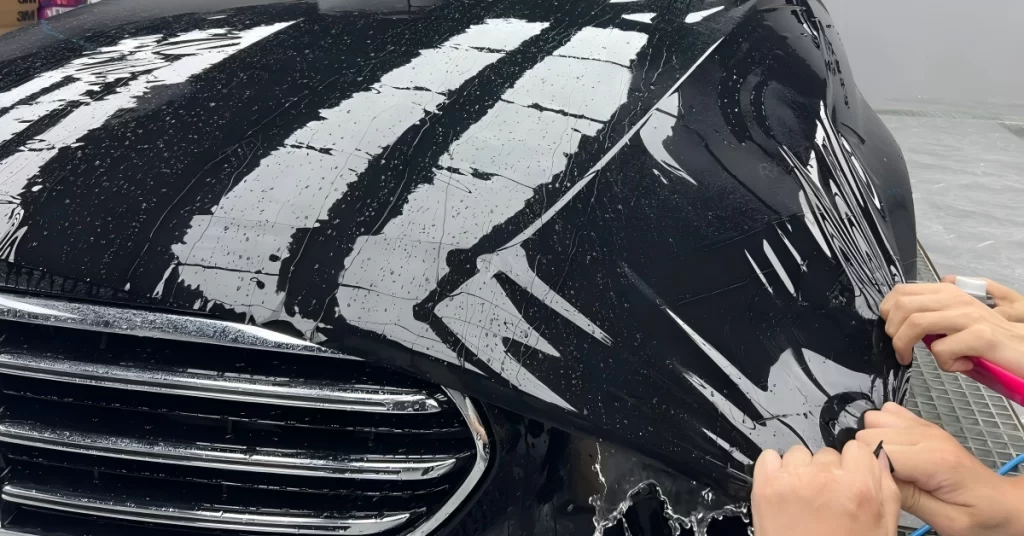
Home » Black Automotive PPF for a Flawless Show-Car Finish
Recent Posts
Black Automotive PPF for a Flawless Show-Car Finish
If you own a black car, you already know the struggle. The glossy, deep shine after a fresh wash looks incredible for maybe an hour. Then come the swirl marks. The tiny scratches from improper wiping. The water spots that refuse to budge. And worst of all — the dreaded rock chips that expose white primer against your beautiful black paint.
Here’s the honest truth: black paint shows everything. Every single imperfection. That microscopic swirl from a microfiber towel? It glares right back at you under sunlight. The tiny stone chip that bounced off the freeway? It looks like a glaring white star on an otherwise flawless galaxy. Keeping a black vehicle looking perfect takes near-constant effort.
That’s where black automotive PPF comes into the picture. Paint protection film has completely evolved over the last few years. It’s no longer just a “clear bra” for the front end. Today’s films are self-healing, hydrophobic, and engineered to deliver real protection without sacrificing how your car looks.
In this guide, we’ll walk you through everything you need to know about protecting black automotive paint. Whether you own a luxury sedan, a performance SUV, or something you’ve poured your heart into — this is for you. And yes, there’s a brand that takes black automotive PPF seriously: Decowell. More on that later.
Let’s dive in.
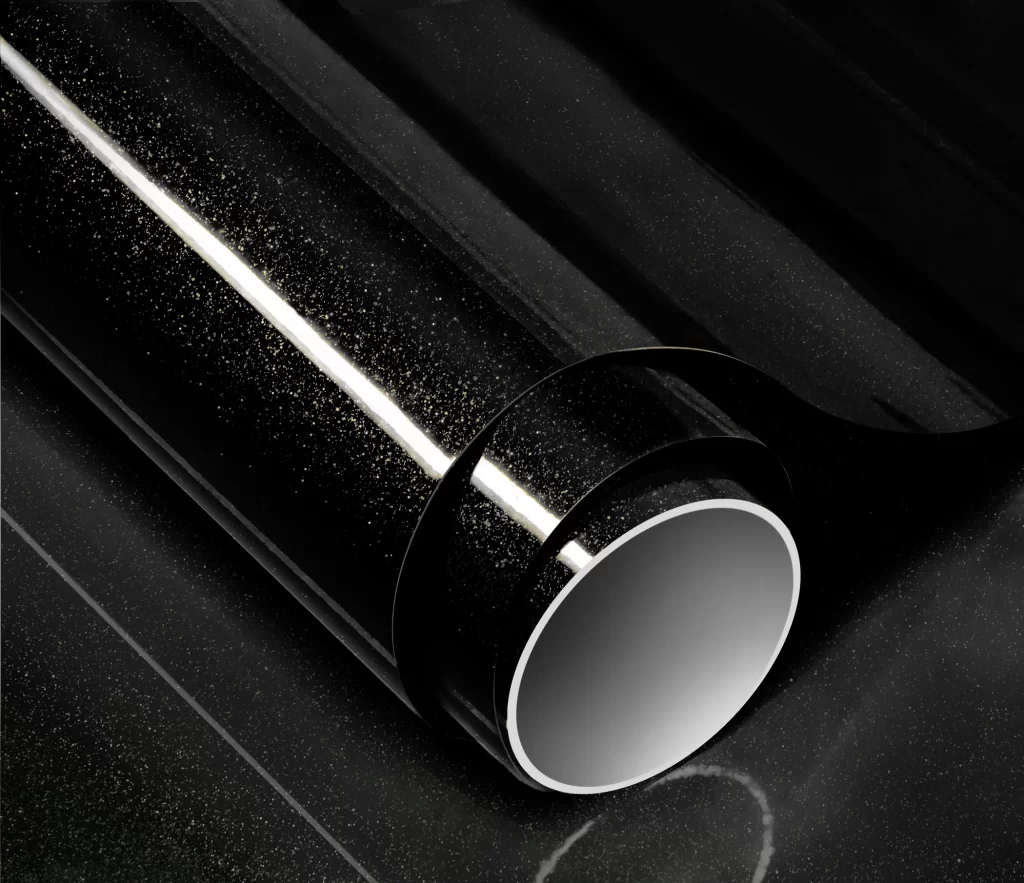
Table of Contents
Why Black Automotive Paint Demands More Protection
Here’s something that anyone shopping for a black car learns fast: you can’t treat it the same way you treat a white car or a silver car. Dark pigments absorb more heat, which makes them more vulnerable to UV degradation over time. But that’s actually the lesser issue. The real headache is surface damage.
Black paint has zero tolerance for scratches. On a light-colored car, those fine swirl marks might be invisible unless you look really close. On black paint, they feel like they’ve been highlighted with a neon marker. Every trip through an automatic car wash, every time you wipe off bird droppings with a dry cloth, every piece of road debris that kicks up — it all leaves a mark.
Paint protection film solves this by taking the abuse for you. Think of it like a screen protector for your entire car. Instead of debris hitting your factory clear coat, it hits the film. Micro-scratches from improper washing don’t reach the paint. And here’s the cool part: modern TPU-based PPF actually heals itself.
The film has a top coat engineered with polymer chains that aren’t locked into a rigid structure. When a scratch happens — which is essentially a displacement of those polymers — exposure to heat makes the molecules relax back into their original arrangement. Warm water from a garden hose. Summer afternoon sun. Even the heat radiating from your engine bay. That’s enough to make light scratches disappear. No special equipment needed.
For black automotive paint, this self-healing property is a total game changer. The swirl marks that would normally plague your clear coat happen on the film’s surface instead, and they vanish when the top coat warms up. The result stays swirl-free and mirror-like.
Beyond scratches, PPF also stops rock chips and pitting before they ever reach your factory paint. The film typically runs around 8 mils thick — that’s enough to absorb impacts from gravel, sand, and highway debris. It also shrugs off bird droppings, tree sap, and road chemicals. Your original black paint stays untouched underneath.
Black Automotive PPF Finish Options: Gloss, Satin, or Matte?
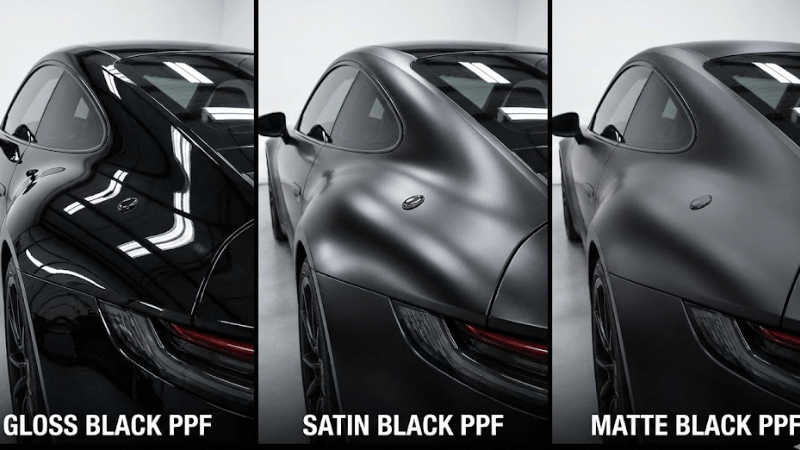
One thing that surprises a lot of people: black automotive PPF isn’t just about clear protection. You can actually change the look of your car while protecting it. Let’s break down the three main options.
Gloss Black PPF
This is the most popular choice for good reason. Gloss black PPF gives you that deep, wet, piano-black shine that looks like the car just rolled out of a concours showroom. The film’s clarity and reflectivity can actually make the paint look deeper than the original factory finish. If you love that dripping-wet glossy look, gloss is your pick.
Gloss black PPF works beautifully on luxury sedans, sports cars, and any vehicle where you want the paint to pop. It maintains the original character of the car while adding serious scratch and chip resistance.
Satin Black PPF
Satin sits right between gloss and matte. It knocks down the harsh reflections but doesn’t kill them entirely. Think frosted glass or anodized aluminum — when sunlight hits a satin curve, you still see a soft, glowing highlight. The look is premium and high-tech without being aggressive.
Satin PPF actually does something really clever: it accentuates body lines. On a car with curves, satin highlights the shape, whereas gloss sometimes over-reflects details. Car manufacturers like Mercedes and BMW use satin finishes for their factory special editions for this exact reason.
Matte Black PPF
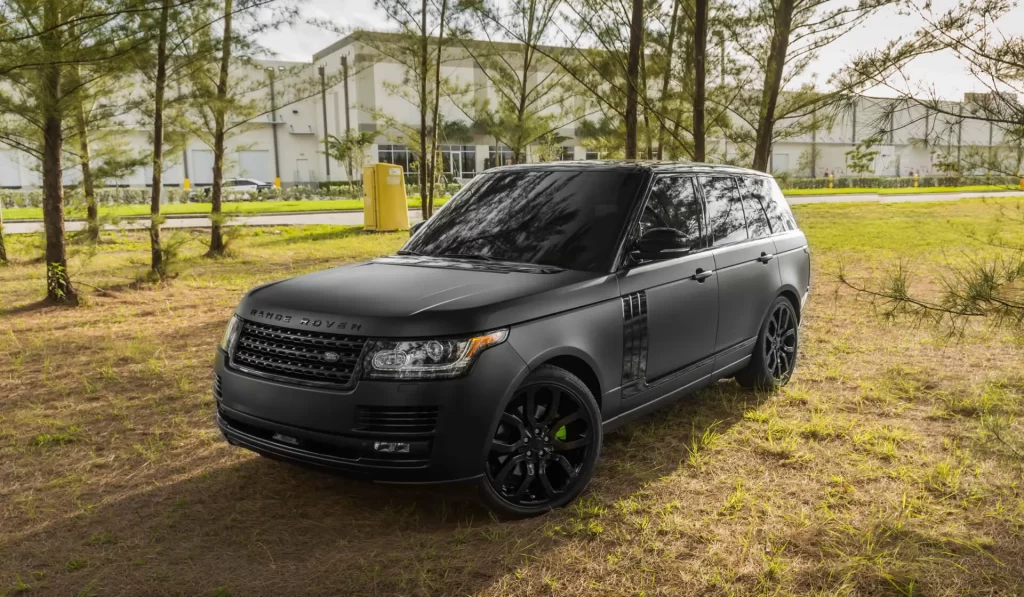
Matte is the true stealth look. It absorbs basically all the light that hits it. Think of a chalkboard or dry concrete — zero reflection, completely flat. This look is rugged and military-inspired. But here’s a word of caution: on luxury cars, true matte can sometimes look unfinished or cheap if not applied perfectly.
Matte also has a practical downside: it’s an oil magnet. Greasy fingerprints leave shiny spots that are hard to clean without specialized chemicals. Satin and gloss don’t have this problem. Their smoother surfaces mean dust, sand, and fingerprints wipe off easily.
Which One Is Right?
Honestly? Most people end up choosing between gloss and satin. Gloss if you want that dripping-wet show-car shine. Satin if you want something understated and modern. But here’s the good news — whichever you pick, you’re still getting the same core protection against rock chips, scratches, and UV damage.
How Black Automotive PPF Compares to Ceramic Coating
This question comes up constantly: should I get paint protection film or a ceramic coating? The answer is not one or the other — they solve different problems.
Ceramic coating is a liquid polymer that chemically bonds to your paint. It makes the surface hydrophobic, so water beads off and dirt doesn’t stick as easily. It adds gloss and protects against chemical stains from bird droppings, tree sap, and acid rain. But here’s the critical limitation: ceramic coating offers almost zero impact resistance. A rock chip will punch right through ceramic coating and damage your paint. Same thing goes for scratches.
PPF, on the other hand, is a physical barrier. It’s a tangible urethane film that absorbs impact. Rock chips bounce off. Scratches hit the film instead of the paint. It’s the only automotive protection that actually prevents physical damage. Now, the dream setup? Use both. Put PPF on high-impact zones like the hood, front bumper, and mirrors. Then apply a ceramic coating over the whole car, including the PPF. You get impact protection from the film plus hydrophobic slickness from the coating. Best of both worlds.
The Growth of the PPF Market and Why Quality Matters
The paint protection film industry is growing fast. In 2025 alone, the global automotive PPF market was valued at over USD 327 million, with projections showing it hitting nearly USD 507 million by 2032. That translates to a compound annual growth rate of about 6.5 percent.
What’s driving this growth? Better materials, for one thing. Older PPF used PVC, which yellowed and cracked under UV exposure. Modern films use thermoplastic polyurethane — or TPU for short. TPU is stretchy, impact-resistant, and optically clear. It remains stable for years without discoloring. The self-healing top coats are another big factor. Consumers are demanding films that repair themselves, and manufacturers are delivering.
But here’s something to keep in mind: not all PPF is created equal. The adhesive quality varies. The top coat’s clarity varies. The thickness and impact resistance vary. Low-quality films might look fine initially, but they can yellow, peel at edges, or fail to self-heal properly. That’s why choosing the right film matters so much. A high-end black automotive PPF from a reputable source can last a decade or more with proper care. A cheap one? Maybe a year or two before problems show up.
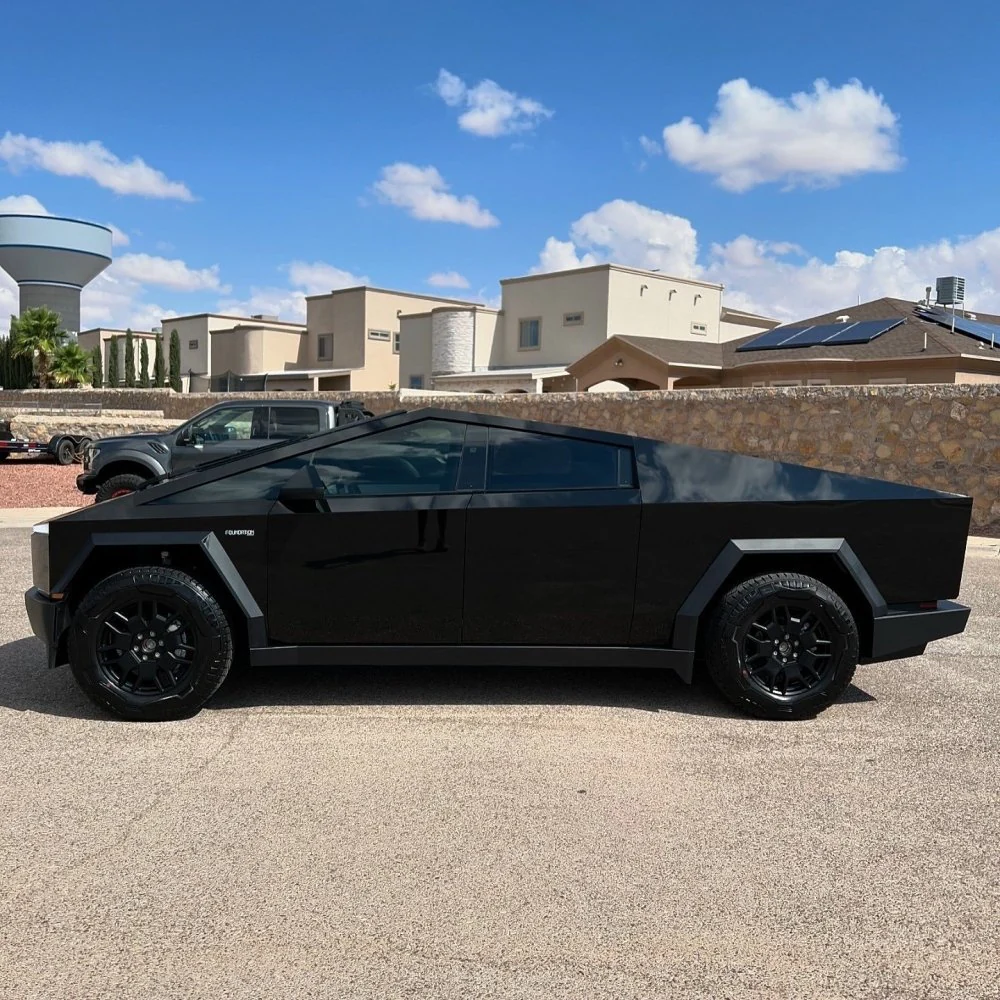
Installation and Maintenance: What Black-Car Owners Need to Know
Let’s talk about installation first. PPF is only as good as the person putting it on. Surface preparation matters enormously, especially for black paint. The film will magnify anything underneath it — dust, debris, even tiny paint imperfections. Before installing PPF, the paint should ideally be corrected. Any existing swirl marks should be polished out. The surface must be decontaminated and perfectly clean.
Once the film is on, maintenance is refreshingly simple. You can wash it just like you’d normally wash your car. Use pH-neutral car shampoo and a soft wash mitt. Avoid automatic car washes — the brushes can create edge lift. Hand washing is always the safer bet. After washing, you can apply wax or a ceramic coating on top of the PPF if you want even more gloss and easier cleaning. But it’s not required.
One big misconception: some people worry that PPF will turn yellow. Modern TPU-based films use UV-resistant top coats that stay crystal clear. Premium brands warranty their films against yellowing for anywhere from five to ten years. As long as you choose a quality product, your black paint’s color and clarity will remain unchanged underneath the film.
The Black Automotive PPF Market in 2026
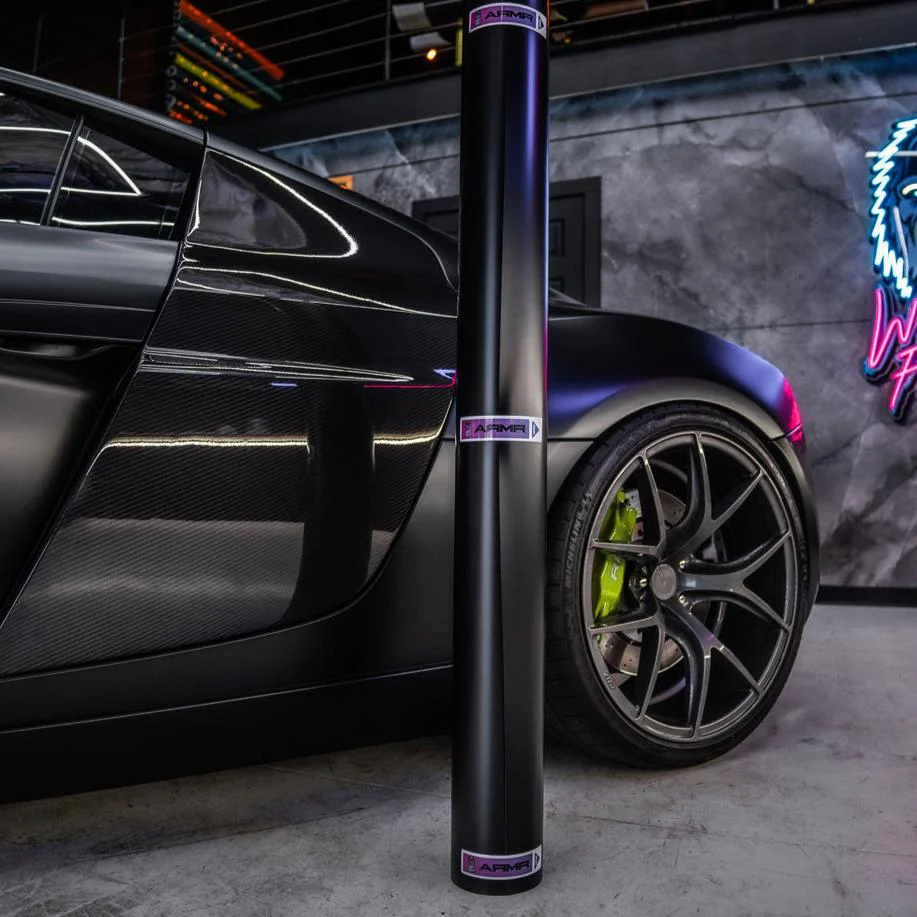
So what’s trending right now? Black remains one of the most requested colors in paint protection film, hands down. In 2026, buyers are favoring deeper gloss blacks and refined satin tones that enhance body lines without looking overly aggressive. Classic neutrals like black continue to dominate orders. But the finish quality is noticeably upgraded compared to what was available just a few years ago.
Another major trend: advanced UV resistance. People in sunny regions have noticed that uncovered paint fades faster — especially on hoods and roofs. New films counteract this by absorbing more UV and keeping paint color truer to its original shade.
Regional Differences
Color preferences vary significantly by region. European markets tend to favor understated tones and satin finishes. North America shows strong interest in bold yet refined black profiles. For distributors and installers in the automotive aftermarket, understanding these regional differences matters. Black automotive PPF isn’t a one-size-fits-all category. Different markets want different aesthetics, and the smart players tailor their inventory accordingly.
Why Black Is the Most Visible Test of Quality
Here’s a perspective from professional detailers: black paint reveals the quality of your work faster than any other color. Install a cheap PPF poorly on a white car, and the issues might be subtle. Install it even slightly imperfectly on a black car, and every flaw screams for attention. That’s why black automotive PPF has become the benchmark for quality. The brands that perform well on black cars earn reputations that extend across their entire product line.
For consumers, this means one thing: don’t cut corners. The initial cost of a quality black automotive PPF is higher than cheap alternatives. But when you factor in the long-term cost of paint repairs, color matching issues, and the frustration of seeing imperfections every time you walk up to your car, paying for quality is the smarter financial move.
Introducing Decowell Film: Premium Black Automotive PPF
At this point, you’ve got the full picture. The technology behind self-healing TPU. The trade-offs between gloss, satin, and matte finishes. The difference between PPF and ceramic coatings. The reasons why black paint demands more. And the reality that not all films deliver the same results.
Now, let’s talk about a solution that meets these demands.
Decowell is a manufacturer of high-performance paint protection film designed for the automotive aftermarket. The product lineup includes black automotive PPF across multiple finish options, engineered with several key features:
Thermoplastic polyurethane construction for impact resistance and optical clarity
Self-healing top coats that eliminate light scratches and swirl marks with heat exposure
Hydrophobic surface properties that make cleaning easier and keep the film looking fresh
UV-resistant formulations to prevent yellowing and maintain long-term color stability
Decowell offers black automotive PPF suitable for full-vehicle wraps, partial protection packages, and everything in between. The film conforms to complex curves and contours. The adhesive is automotive-grade, bonding securely without damaging the original clear coat underneath. When properly installed and maintained, Decowell Film provides durable protection that preserves your vehicle’s resale value.
Whether you’re protecting a daily driver from highway debris or wrapping a weekend show car for that perfect finish, Decowell Film is built to deliver. The black automotive PPF options are engineered specifically with the challenges of dark paint in mind — scratch visibility, UV absorption, and the need for consistent, streak-free appearance.
For distributors, installers, and automotive professionals looking for a reliable black automotive PPF partner, Decowell offers quality, consistency, and support. The brand focuses on what actually matters in PPF — material science, durability, installation performance, and real-world protection.
Frequently Asked Questions About Black Automotive PPF
Q1: Is black automotive PPF worth it for my daily driver?
Absolutely. Daily drivers face constant exposure to road debris, highway sandblasting, parking lot door dings, and automatic car wash micro-scratches. Your daily driver probably sees more abuse than your weekend car ever will. Black automotive PPF takes that abuse so your paint doesn’t have to. The cost of repainting a front bumper or correcting deep scratches usually exceeds the cost of applying PPF to high-impact areas in the first place.
Q2: Will PPF make my black paint look dull or hazy?
Not if you choose quality film. High-end black automotive PPF is optically clear and designed to maintain the depth, gloss, and reflectivity of your paint. In fact, many owners report that gloss black PPF actually enhances the look — it adds a wet, show-car shine that factory paint alone can’t match. The key is using a premium product and having it installed correctly.
Q3: How long does black automotive PPF last?
With proper care, quality TPU-based PPF typically lasts five to ten years. Some premium films last even longer. The top coat resists yellowing. The adhesive remains stable. And because the film self-heals, surface wear accumulates much more slowly compared to unprotected paint. Warranty terms vary by manufacturer, but five to ten years is the industry standard range for reputable products.
Q4: Can I wash my car normally with PPF installed?
Yes, mostly. You should stick to pH-neutral car shampoos and soft wash mitts. Avoid automatic car washes with spinning brushes — the friction can lift the film edges over time. Hand washing is the safest method. After washing, you can dry normally. The film’s hydrophobic properties actually make it easier to dry because water beads up and rolls off the surface. No special products are required outside of standard car care.
Q5: Does black PPF protect against UV damage and fading?
It does. Modern TPU-based PPF includes UV inhibitors that block harmful radiation before it reaches your paint. This is particularly important for black cars because dark pigments absorb more UV energy, accelerating degradation. The film essentially acts as a sacrificial layer — the UV hits the film instead of the clear coat. Your original paint stays protected and preserves its color depth much longer than unprotected black paint.
Q6: Can PPF be removed without damaging the underlying paint?
Yes, when installed properly with automotive-grade adhesive. Quality PPF is designed to be removable. With the right tools and techniques — usually gentle heat combined with careful peeling — the film comes off cleanly without pulling up paint or leaving residue. The original factory paint underneath remains completely intact. This matters for lease returns and resale, or for anyone who wants the option to revert later.
Q7: What finish should I choose: gloss, satin, or matte?
This is personal preference. Gloss gives you the classic wet, mirror-like show-car shine. Satin delivers a subtle, sophisticated look that reduces harsh reflections while still showing body lines. Matte is the most aggressive, with zero reflection for a rugged stealth appearance. Each finish offers the same core protection — the only difference is aesthetics. Think about your car’s personality and your personal taste. If in doubt, gloss is the safest bet for most people. Satin is for owner-drivers who want something a little different. Matte is for the bold crowd.
Final Thoughts on Black Automotive PPF
Black cars look incredible when they’re clean and polished. The depth, the reflection, the way light plays across the body — it’s hard to beat. But maintaining that look takes work. Every wash has to be careful. Every drive risks another stone chip. Every parking lot visit adds another potential scratch.
Black automotive PPF changes the equation. Instead of constant vigilance, you get real protection. The scratches that would normally ruin your weekend appear on a film that heals itself. The rock chips that would expose white primer bounce off an impact barrier. The UV rays that would fade your clear coat get blocked before they cause damage.
Does that mean PPF is invisible armor? Not exactly — it’s a physical film, so you can see it if you look close enough at edges and seams. But on black paint, properly installed premium film blends in remarkably well. The protection-to-visibility ratio is better than anything else available.
If you’re serious about keeping your black car looking flawless, black automotive PPF is the best investment you can make. It preserves the finish. It protects the value. And it saves you from the constant anxiety of wondering whether today’s drive might be the one that leaves a permanent mark.
Decowell Film exists to provide that protection. With TPU construction, self-healing top coats, and finish options that cover gloss, satin, and beyond, Decowell delivers the quality that black automotive paint demands. The brand focuses on what actually moves the needle in automotive protection — material engineering, installation performance, and real-world durability.
Ready to give your black car the protection it deserves? Reach out to Decowell to learn more about black automotive PPF options, customization possibilities, and how to become a distributor or partner in your market.
Contact Decowell Film today for inquiries, samples, and distributor information. Your black car — and your peace of mind — will thank you.