Home » What Is Paint Protection Film and Why Your Car Needs It
Recent Posts
What Is Paint Protection Film and Why Your Car Needs It
You spend good money on your car. You wash it, wax it, park it carefully, and cringe every time you hear a tiny rock ping against the hood on the highway. If that sounds familiar, you’re not alone. And if you’ve been wondering whether there’s actually something you can do about it—something that doesn’t involve wrapping your car in bubble wrap—then let’s talk about Paint Protection Film.
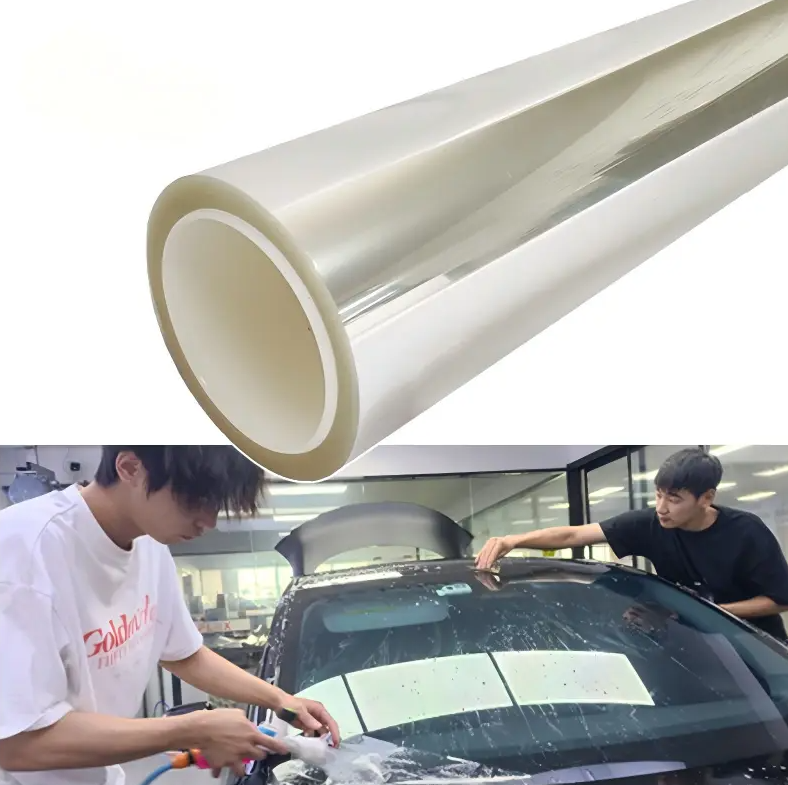
Table of Contents
What Exactly Is Paint Protection Film?
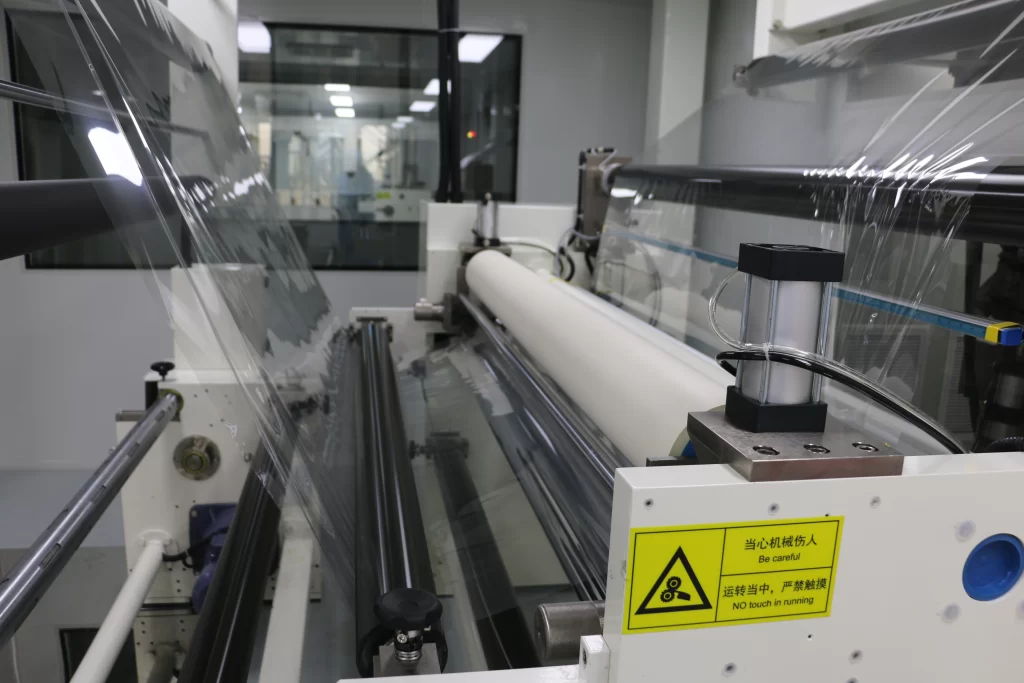
Paint Protection Film—often shortened to PPF, and sometimes still called “clear bra” by old-timers in the industry—is a transparent, durable thermoplastic urethane film applied directly to a vehicle’s painted surfaces. Think of it like a screen protector for your phone, but for your car’s paint. It’s thin enough to be virtually invisible once professionally installed, yet tough enough to absorb impacts from road debris, stone chips, and light abrasions that would otherwise leave permanent marks on your factory finish.
Modern PPF is a far cry from the thick, yellowing plastic films of the early 2000s. Today’s films are made from high-grade thermoplastic polyurethane (TPU)—an elastomeric material that’s flexible, optically clear, and engineered to stretch and return to its original state. The industry has largely moved away from older PVC-based materials, which were prone to cracking and discoloration over time. Premium TPU films now offer exceptional clarity, long-term durability, and resistance to yellowing.
How Does Paint Protection Film Work?
At its core, PPF acts as a sacrificial layer. When a rock kicks up from the road, the film takes the hit instead of your paint. When a shopping cart bumps into your door, the film absorbs the impact. When bird droppings or tree sap land on your hood, the film shields the clear coat beneath from chemical etching.
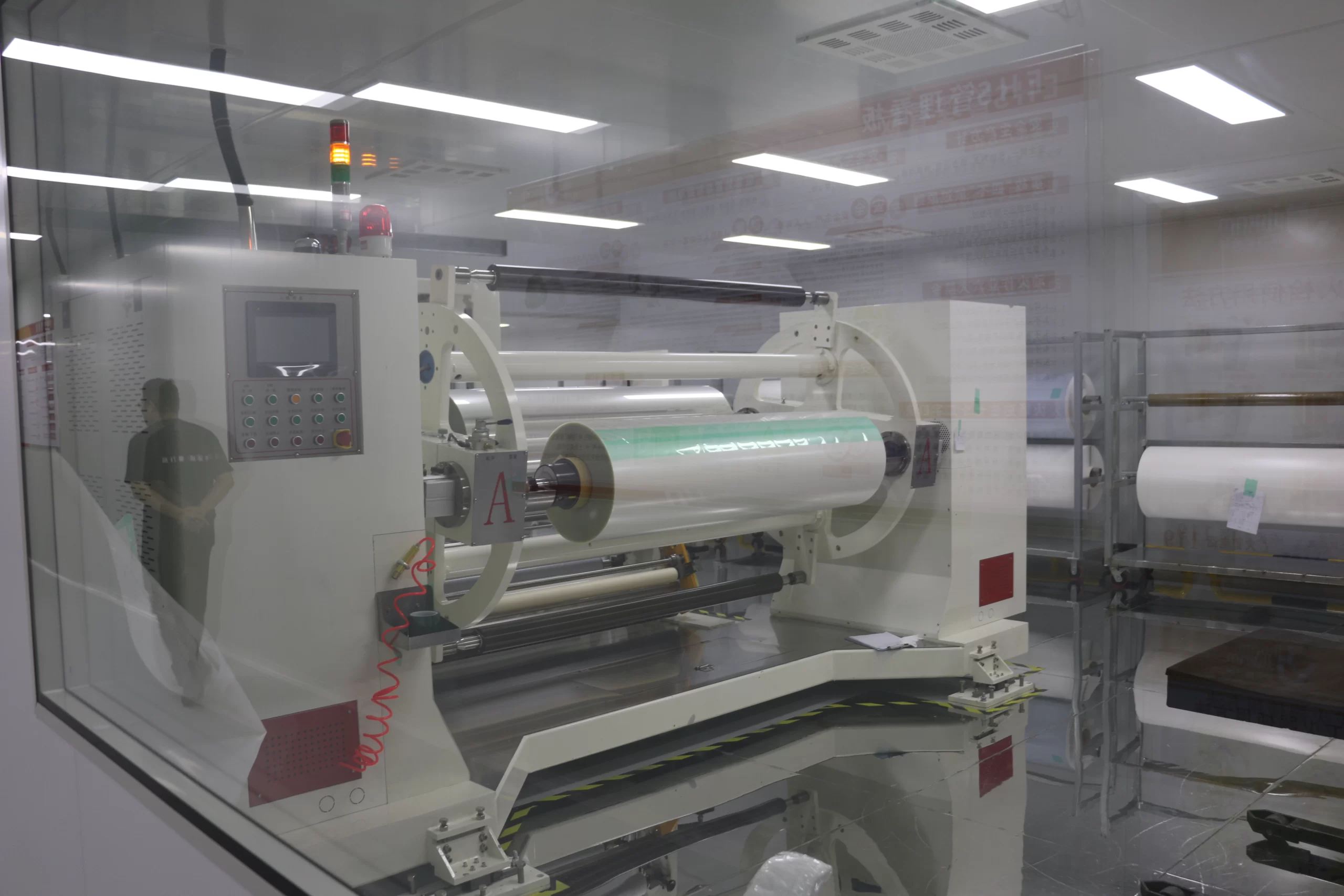
The film is applied panel by panel using a slip solution, then carefully squeegeed to remove air bubbles and ensure a seamless finish. Professional installation is key—certified installers work in controlled, dust-free environments and use specialized techniques to achieve precise fitment and optimal adhesion. The result is a virtually invisible layer of armor that preserves your car’s original paint without changing its appearance.
The Science Behind Self-Healing Technology
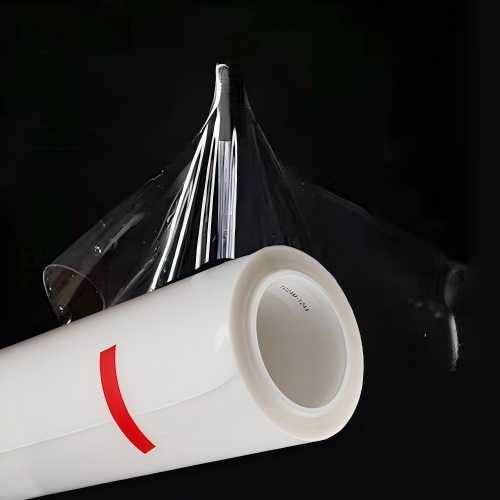
One of the most impressive features of modern Paint Protection Film is its self-healing capability. This isn’t marketing hype—it’s real materials science. The top coat of premium PPF is engineered with loose polymer arrangements that aren’t fixed in a rigid lattice. When a scratch occurs—essentially a displacement of these polymers—the introduction of heat excites the molecules. This energy allows the polymers to relax back into their natural, lowest-energy state, effectively closing the gap and erasing the swirl mark.
The heat can come from direct sunlight, warm water, or even a hair dryer. Some films activate their self-healing properties at temperatures above 40°C, while others respond at room temperature. Either way, minor scratches and swirl marks disappear like magic, keeping your car looking flawless with minimal effort.
Hydrophobic and Self-Cleaning Properties
Beyond impact protection and self-healing, many premium Paint Protection Films now feature hydrophobic topcoats. This means water beads up and rolls off the surface rather than clinging to it. Dirt, mud, and grime have a harder time sticking, which makes washing your car significantly easier. The hydrophobic effect also helps protect against acid rain, bird droppings, and tree sap—substances that can permanently etch unprotected paint.
Some advanced films go a step further by integrating ceramic-infused technology into the PPF itself. This combines the physical armor of traditional PPF with the slick, self-cleaning properties of a ceramic coating, giving you the best of both worlds in a single product.
What Does Paint Protection Film Protect Against?
The list is long, and it covers pretty much everything your car encounters on a daily basis:
Stone chips and road debris – The number one enemy of your front bumper and hood.
Bug splatter and bird droppings – Highly acidic and capable of etching paint within hours.
Light scratches and swirl marks – From washing, drying, or accidental contact.
UV exposure – Prolonged sunlight fades and oxidizes paint over time.
Tree sap and chemical stains – Sticky, stubborn, and damaging if left untreated.
Road salt and environmental contaminants – Especially harsh in winter months.
The film doesn’t make your car indestructible—deep cuts, dents, and accident damage are beyond its scope. But for the everyday wear and tear that slowly degrades a vehicle’s appearance, PPF is the most effective solution available.
Paint Protection Film vs. Ceramic Coating: What’s the Difference?
This is one of the most common questions car owners ask, and the answer is straightforward: they solve different problems.
Ceramic coating is a liquid polymer that chemically bonds to your clear coat. Its primary functions are hydrophobicity, gloss enhancement, and chemical resistance. It makes your car easier to clean and protects against bird droppings, acid rain, and UV rays—but it offers virtually zero impact resistance. A ceramic coating won’t stop a rock chip.
Paint Protection Film, on the other hand, is a physical barrier—a tangible layer of urethane that sits between your paint and the outside world. Its primary function is impact absorption. It’s the only solution that prevents rock chips and deep scratches.
The two aren’t mutually exclusive. Many enthusiasts apply PPF to high-impact areas (bumper, hood, mirrors, fenders) and top it with a ceramic coating for ease of maintenance and extra gloss. Together, they provide comprehensive protection that covers both physical and environmental threats.
Where Should You Apply Paint Protection Film?
The most common approach is to protect high-impact areas—the parts of your car most vulnerable to damage:
Front bumper
Hood (full or partial)
Front fenders
Side view mirrors
Rocker panels
Door edges and door cups
Rear guards behind the rear wheels
For owners who want maximum protection, full-body coverage is also an option. This involves applying PPF to every painted surface of the vehicle. It’s a significant investment, but for luxury vehicles, sports cars, or cars you plan to keep for many years, full coverage offers peace of mind and preserves resale value.
How Long Does Paint Protection Film Last?
With proper care, a high-quality Paint Protection Film can last anywhere from five to ten years in real-world use. Key factors include the quality of the film itself, the environment it’s exposed to, and how well it’s maintained. Premium TPU films with advanced self-healing topcoats tend to outlast older PVC-based products by a significant margin.
Professional installation also plays a major role in longevity. A poorly installed film can peel, lift at the edges, or trap dirt and moisture underneath—all of which shorten its lifespan.
How to Maintain Paint Protection Film
Maintaining PPF is surprisingly simple, but there are a few rules to follow:
Wash with pH-neutral shampoo – Avoid aggressive cleaners, solvents, or alcohol-based products.
Use a soft microfiber cloth – Never use abrasive sponges, brushes, or rough materials.
Rinse thoroughly – Make sure all soap residue is removed.
Pat dry – Don’t leave the car to air-dry; use a clean microfiber towel.
Avoid automatic car washes – The harsh brushes and chemicals can damage the film over time.
Wax sparingly – If you choose to wax, use a non-abrasive product formulated for PPF.
Park in the shade when possible – Prolonged direct sunlight isn’t harmful to quality PPF, but it’s still good practice.
After installation, allow the film to cure properly—this can take anywhere from 48 hours to a couple of weeks depending on weather and humidity. During this period, avoid washing the vehicle or exposing it to harsh conditions.
Is Paint Protection Film Worth It?
The short answer: it depends on your vehicle, your driving habits, and your budget.
For daily drivers that spend hours on highways, PPF is a no-brainer. Highway driving exposes your car to constant gravel, debris, and stone chips—and the front bumper and hood take the worst of it. For luxury vehicles, sports cars, or anything with a complex metallic or pearl finish, PPF is an investment in preserving factory paint and maintaining resale value. Paint repairs are expensive, and factory paint can never be perfectly replicated.
For budget-conscious owners or vehicles with lower value, partial coverage might be the smarter play. Protecting just the front bumper, hood, and mirrors covers the most vulnerable areas without the cost of full-body application.
The global Paint Protection Film market was valued at over USD 1 billion in 2025 and is projected to grow significantly in the coming years. This growth is driven by rising vehicle ownership, increasing awareness of paint protection, and the rapid adoption of new energy vehicles—which often have higher paint repair costs. Simply put, more car owners than ever are recognizing the value of protecting their investment.
Why Choose Decowell Paint Protection Film
When it comes to protecting your vehicle, the quality of the film matters as much as the installation. Decowell offers premium Paint Protection Film engineered with advanced TPU technology, self-healing properties, and superior optical clarity. Our films are designed to withstand the rigors of daily driving while maintaining the showroom finish you expect.
Decowell PPF delivers:
Superior impact resistance – Engineered to absorb and deflect road debris.
Self-healing topcoat – Minor scratches and swirl marks disappear with heat.
Hydrophobic surface – Water beads and rolls off, making cleaning effortless.
Exceptional clarity – Virtually invisible once installed, preserving your car’s original appearance.
Long-lasting durability – Built to protect for years without yellowing or cracking.
Whether you’re protecting a daily driver, a weekend toy, or a high-end luxury vehicle, Decowell has a Paint Protection Film solution tailored to your needs. Our films are trusted by professional installers and car enthusiasts alike—because when it comes to your paint, only the best will do.
Ready to protect your investment? Contact Decowell today to learn more about our Paint Protection Film range and find an authorized installer near you. Your car deserves the best—give it the protection it deserves with Decowell.
Frequently Asked Questions
Q: What is Paint Protection Film (PPF)?
A: Paint Protection Film is a transparent, durable thermoplastic urethane film applied to a vehicle’s painted surfaces to protect against stone chips, scratches, bug splatter, bird droppings, and environmental damage. It acts as a sacrificial layer, absorbing impacts and preserving the original factory paint.
Q: How does self-healing PPF work?
A: Self-healing PPF features a top coat engineered with loose polymer arrangements. When the film is scratched, applying heat (from sunlight, warm water, or a heat gun) excites the molecules and allows them to relax back into their original position—effectively erasing the scratch.
Q: What’s the difference between PPF and ceramic coating?
A: PPF is a physical barrier that protects against rock chips, scratches, and impact damage. Ceramic coating is a liquid polymer that bonds to the clear coat, providing hydrophobicity, gloss, and chemical resistance—but no impact protection. Many owners use both for comprehensive protection.
Q: How long does Paint Protection Film last?
A: With proper care, high-quality PPF can last five to ten years. Factors affecting lifespan include film quality, environmental exposure, installation quality, and maintenance routine.
Q: Can I install PPF myself?
A: While DIY installation is possible, professional installation is strongly recommended. Certified installers work in dust-free environments and use specialized techniques to ensure seamless application, precise fitment, and optimal adhesion.
Q: How do I maintain Paint Protection Film?
A: Wash with pH-neutral shampoo and a soft microfiber cloth. Avoid aggressive cleaners, solvents, and automatic car washes. Rinse thoroughly and pat dry.
Q: Is PPF worth the investment?
A: For daily drivers, highway commuters, luxury vehicles, and sports cars, yes. PPF preserves factory paint, prevents costly cosmetic repairs, and helps maintain resale value. For budget-conscious owners, partial coverage on high-impact areas offers excellent value.
Q: Can PPF be removed without damaging the paint?
A: Yes. Quality PPF is designed to be removable without damaging the underlying paint, provided it was installed correctly and the paint was in good condition at the time of application.
Q: Does PPF change the appearance of my car?
A: Modern PPF is optically clear and virtually invisible once professionally installed. It preserves the depth and shine of your factory paint without altering its appearance. Matte and colored PPF options are also available for those who want a different finish.
Q: Where should I apply PPF on my car?
A: The most common areas are high-impact zones: front bumper, hood, front fenders, side mirrors, rocker panels, door edges, and rear wheel guards. Full-body coverage is also available for maximum protection.
Decowell – Premium Paint Protection Film for the discerning driver. Protect what matters.