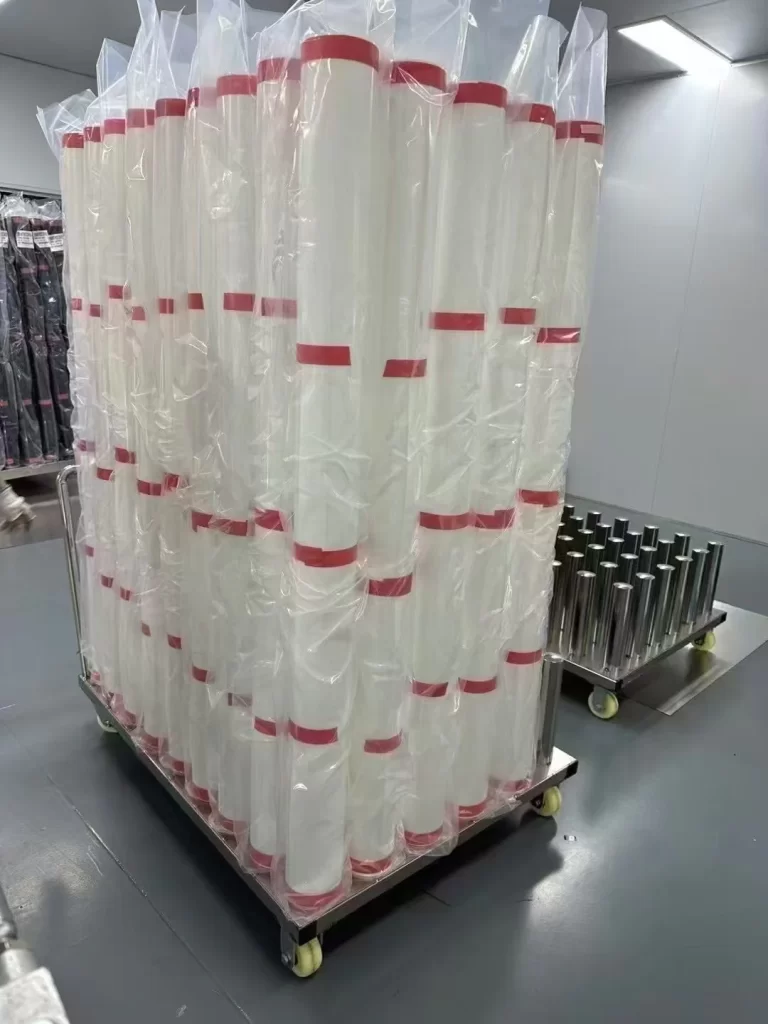
Home » Top Paint Protection Film Manufacturers: What Sets Industry Leaders Apart in 2026
Recent Posts
Top Paint Protection Film Manufacturers: What Sets Industry Leaders Apart in 2026
Introduction: The Rising Demand for Paint Protection Film
If you own a vehicle—or if you sell to people who do—you already know the sinking feeling of spotting that first stone chip on a pristine hood. It’s the reason the paint protection film market has quietly become one of the most dynamic segments in the automotive aftermarket.
The numbers tell a compelling story. The global paint protection film market was valued at approximately USD 527.5 million in 2025 and is projected to reach USD 744.8 million by 2033. Other industry trackers put the figure even higher—MarketsandMarkets estimates the market will hit USD 1.55 billion by 2030, growing at a CAGR of 7.2%. Either way, we’re looking at sustained, double-digit growth trajectory that shows no signs of slowing.
What’s driving this surge? More car owners than ever are treating their vehicles as long-term investments rather than disposable assets. The rise of premium vehicle ownership, the explosion of aftermarket customization culture, and growing awareness of how environmental contaminants degrade factory paint have all converged to make PPF a mainstream consideration rather than a niche luxury. Self-healing films, durable thermoplastic polyurethane (TPU) materials, and professional installation services are now accelerating adoption across both premium and mass-market vehicles.
For B2B buyers—whether you run a 4S dealership group, an installation shop, or a distribution network—understanding what separates a reliable paint protection film manufacturer from a mediocre one has never been more critical. This article breaks down the key factors that define industry-leading PPF manufacturers and explains why Decowell has emerged as a name worth paying attention to.
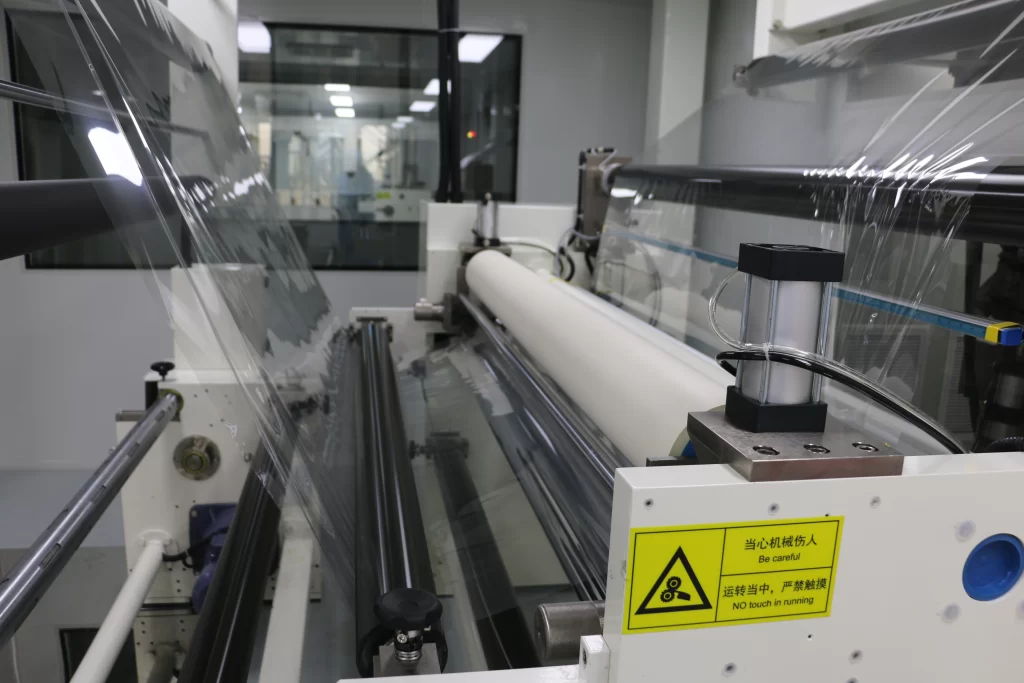
Table of Contents
What Makes a Paint Protection Film Manufacturer “Top-Tier”?
Not all PPF manufacturers are created equal. The difference between a film that yellows in 18 months and one that stays crystal-clear for years comes down to manufacturing discipline, raw material sourcing, and R&D depth. Here’s what to look for:
1. Vertical Integration
The best paint protection film manufacturers control their entire supply chain—from TPU polymerization to precision coating. Why does this matter? Because every handoff in the production process introduces variables: inconsistent thickness, contamination, adhesion failure. Vertical integration means quality traceability. You can pinpoint exactly where a problem originated and fix it at the source.
2. R&D Capability
PPF technology isn’t static. The films being installed today are radically different from what was available five years ago. Modern PPF products deliver self-healing capabilities, enhanced optical properties, hydrophobic coatings that resist stains and UV radiation, and improved thermoplastic polyurethane (TPU) and adhesive technologies that bring better product durability. Manufacturers without serious R&D infrastructure simply can’t keep up.
3. Global Quality Certifications
IATF 16949 (automotive quality management), ISO 9001, ISO 14000—these aren’t just acronyms to decorate a website. They represent audited, verifiable standards that separate serious manufacturers from fly-by-night operations.
4. Production Capacity and Scalability
Can the manufacturer handle bulk orders without compromising quality? Do they have multiple coating lines? What’s their monthly output? These questions matter when you’re scaling a business and need reliable, consistent supply.
5. Global Logistics and Export Experience
A paint protection film manufacturer that’s never shipped outside its home market probably isn’t equipped to handle the complexities of international B2B trade. Look for manufacturers with established export channels, customs experience, and a track record of serving clients in your region.
The Technology Behind Modern PPF: What’s Changing in 2026
The PPF industry is experiencing a technological inflection point. Here are the trends shaping how paint protection film manufacturers operate today:
TPU Dominance: Thermoplastic polyurethane now accounts for over 82% of the PPF market by revenue. It’s not hard to see why—TPU offers superior elasticity, optical clarity, and durability compared to PVC alternatives. The TPU segment alone was valued at USD 437.1 million in 2024 and continues to be the fastest-growing material segment in the market.
Self-Healing Technology: This isn’t science fiction anymore. Today’s premium PPF films feature topcoats that “heal” fine scratches and swirl marks when exposed to heat—whether from sunlight, warm water, or a heat gun. The global self-healing protective film market is projected to grow from USD 1.07 billion in 2025 to USD 1.49 billion by 2031.
Enhanced Hydrophobic and Anti-Stain Properties: Modern films repel water, dirt, and contaminants more effectively than ever before. This isn’t just about aesthetics—it makes maintenance easier and extends the film’s effective lifespan.
Customization and Color Options: The days of “clear only” are long gone. Color PPF and matte/satin finishes are booming segments, driven by consumer demand for personalization. Manufacturers that offer broad color palettes and custom development capabilities have a distinct competitive edge.
Decowell: A Paint Protection Film Manufacturer Built Different
Now let’s talk about one manufacturer that’s been quietly building something impressive.
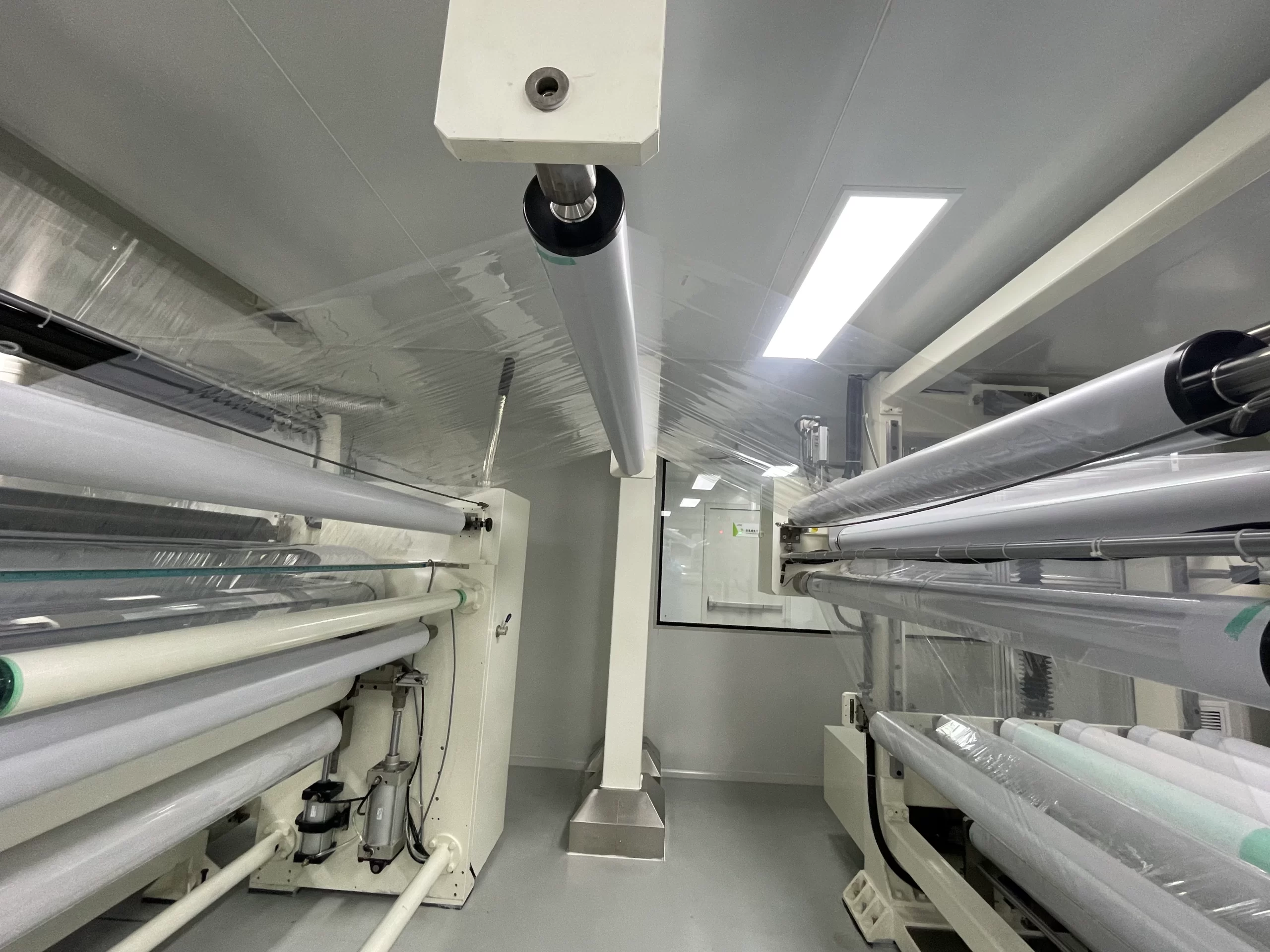
Decowell is a national high-tech enterprise specializing in R&D, production, and sales of automotive and architectural films. Founded in 2012, the company operates a complete diamond-grade PPF industrial chain covering TPU synthesis, pelletizing, casting/calendering, and precision coating. Their production facility in Chuzhou, Anhui Province spans 10,000 square meters, with headquarters in Hangzhou.
Here’s what makes Decowell stand out among paint protection film manufacturers:
Full Vertical Integration
Decowell doesn’t outsource critical production steps. They control the entire process—from TPU synthesis to final coating—ensuring quality traceability at every stage. This isn’t common even among established PPF manufacturers. Most rely on third-party suppliers for raw materials or intermediate processing. Decowell’s vertical integration means consistent quality, faster response times, and greater flexibility for custom orders.
National-Leading R&D Infrastructure
Decowell is home to a nationally accredited post-doctoral research center and a provincial key enterprise research institute. They maintain long-term collaborations with top-tier academic institutions including Tsinghua University, Nanjing University, the Chinese Academy of Sciences, and Dalian University of Technology. Their core expertise spans polymer synthesis, coating formulation engineering, functional structure design, precision coating technology, and industrialization of emerging technologies.
This isn’t window dressing. Decowell holds multiple national invention patents and utility model patents—tangible proof of genuine innovation rather than marketing hype.
World-Class Manufacturing Standards
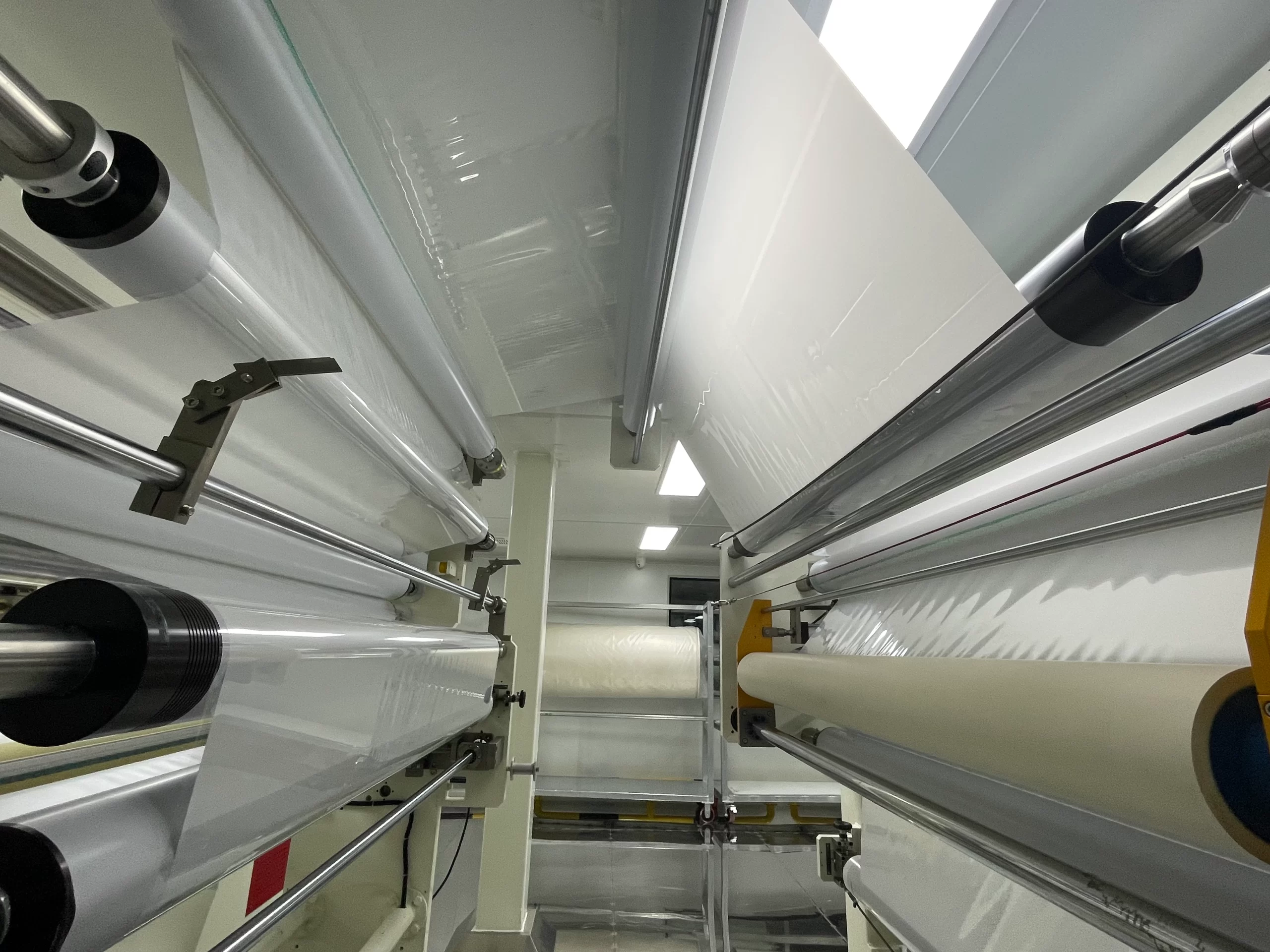
Decowell sources only the world’s finest raw materials—imported optical-grade aliphatic TPU substrates and premium adhesive systems—processed on globally advanced automotive film coating lines and PPF casting lines. Every stage, from casting/calendering to precision coating, is fully automated to ensure consistent thickness tolerance, optical clarity, and weatherability that meet or exceed Tier-1 international standards.
Comprehensive Product Portfolio
Decowell offers a full range of automotive film solutions:
Paint Protection Film (PPF) : Imported aliphatic TPU substrate with yellowing resistance, scratch resistance, and self-healing properties. Multiple thickness grades available from entry-level to flagship protection.
Automotive Window Film: 5G Nano-Ceramic IR Film with high visibility, superior heat rejection, and signal-friendly properties. Plus safety and security film for glass shatter resistance.
Vehicle Color Change Film: Full-series cast film construction with long-term conformability and residue-free removal. Hundreds of colors and finishes, with custom development supported.
Architectural Film: Solar control, safety/security, and decorative films for commercial curtain walls, residential glazing, and public infrastructure.
Specialty Applications: Film solutions for marine vessels, high-speed rail, industrial equipment, and other specialized environments.
Global Reach and Track Record
Decowell exports to 40+ countries and regions including the USA, Germany, Japan, the Middle East, and Southeast Asia. They serve as a certified OEM supplier to multiple internationally recognized brands. Annual revenue exceeds ¥500 million RMB, with 2,000+ 4S dealership partners and 30+ self-operated stores across key Chinese cities.
Certifications That Matter
Decowell holds ISO 9001 (Quality Management), QC 080000 (Hazardous Substance Process Management), ISO 14000 (Environmental Management), GB/T 29490-2013 (Intellectual Property Management), and IATF 16949 (Automotive Quality Management)—the gold standard for automotive suppliers.
More Than a Supplier—A Strategic Partner
Here’s where Decowell really differentiates itself. They understand the pain points facing 4S groups and channel partners: product commoditization, lack of installation training, delayed after-sales support. Decowell delivers more than high-performance films. They provide:
Film sales programs and secondary upgrade solutions
Full-scope new media marketing services
Offline store operations consulting
Professional skills training and workforce development
They position themselves as a “full-function automotive film protection service provider”—not just another label on the shelf.
Why Choose Decowell? A Quick Summary
| Advantage | What It Means for You |
|---|---|
| Full Vertical Integration | Quality traceability from TPU polymerization to precision coating |
| National-Leading R&D | Post-doctoral labs, provincial key labs, joint labs with 985 universities |
| International Quality Control | IATF 16949 certified; batch-to-batch consistency matching Tier-1 global brands |
| Zero Mold Cost Customization | Parameter-level development; rapid response to differentiated needs |
| Omni-Channel Service | 4S groups, e-commerce/new media, authorized dealers, overseas OEM—multi-model synergy |
| Two Decades of Expertise | Deep product knowledge and business understanding |
FAQ: Paint Protection Film Manufacturers
Q: What should I look for when choosing a paint protection film manufacturer?
A: Prioritize manufacturers with vertical integration, strong R&D capabilities, IATF 16949 and ISO certifications, proven export experience, and the production capacity to scale with your business. Also verify their raw material sources—premium manufacturers use imported optical-grade aliphatic TPU from suppliers like Lubrizol, Covestro, or Huntsman.
Q: What’s the difference between TPU and PVC paint protection film?
A: TPU (thermoplastic polyurethane) offers superior elasticity, optical clarity, yellowing resistance, and durability compared to PVC. TPU now accounts for over 82% of the PPF market by revenue and is the preferred material for premium applications. PVC is more affordable but doesn’t offer the same performance or longevity.
Q: How important is self-healing technology in modern PPF?
A: Extremely. Self-healing topcoats that repair fine scratches and swirl marks when exposed to heat have become a baseline expectation for premium PPF products. The global self-healing protective film market is projected to reach USD 1.49 billion by 2031.
Q: Can paint protection film manufacturers customize products for my specific needs?
A: Yes—but not all manufacturers offer this capability. Look for manufacturers with in-house R&D and flexible production lines. Decowell, for example, offers fully customizable product development tailored to client specifications, cost parameters, and application scenarios—truly delivering “on-demand R&D, flexible production.”
Q: Why is vertical integration important in PPF manufacturing?
A: Vertical integration means the manufacturer controls quality at every stage—from raw material synthesis to final coating. This reduces variability, ensures consistency across batches, and allows faster troubleshooting when issues arise. It’s the difference between a supplier and a true manufacturing partner.
Q: Which regions offer the best growth opportunities for PPF distributors?
A: Asia Pacific is currently the fastest-growing region, driven by expanding automobile manufacturing and rising automotive sales in countries like India, Thailand, and Indonesia. Europe remains the largest market by revenue, while North America—particularly the U.S.—continues to show strong demand.
Q: How do I verify a paint protection film manufacturer’s quality claims?
A: Request third-party certification documentation (IATF 16949, ISO 9001, ISO 14000). Ask for sample testing and batch-to-batch consistency data. Visit the factory if possible—or at minimum, request a virtual tour. Reputable manufacturers like Decowell are transparent about their facilities and processes.
Final Thoughts: The Future Belongs to Manufacturers Who Deliver More Than Film
The paint protection film market is growing, but competition is intensifying. Success in this space no longer comes from simply offering a clear film in a box. Buyers want partners who understand their business, provide training and marketing support, and deliver consistent quality batch after batch.
Decowell embodies this next-generation approach to manufacturing. They’re not just a paint protection film manufacturer—they’re a strategic partner with the R&D depth, production capacity, and global reach to help you grow your business.
If you’re sourcing PPF for a 4S dealership group, distribution network, or OEM partnership, Decowell deserves a place on your shortlist. Their commitment to “quality car film, accessible to every driver” isn’t just a slogan—it’s a measurable standard enforced across raw materials, equipment, processes, quality control, service, and delivery.
Ready to explore what Decowell can do for your business? Reach out for a professional consultation and discover why they’re trusted by partners in 40+ countries worldwide.
Decowell—Building China’s No. 1 Automotive Film Brand, One Roll at a Time.