Home » Protective Film for Vehicles: Why Every Car Owner Needs Paint Protection Film
Recent Posts
Protective Film for Vehicles: Why Every Car Owner Needs Paint Protection Film
Introduction
You know that sinking feeling when you walk back to your car and spot a fresh rock chip on the hood? Or that sickening moment when you discover a key scratch running along the door? Every car owner has been there. The good news is that modern technology has given us a way to practically eliminate these worries. Paint protection film, often called PPF, has evolved from a niche product for supercar owners into an essential safeguard for anyone who values their vehicle’s appearance.
Think of protective film for vehicles as an invisible shield—like a second skin for your car that takes the hits so your paint doesn’t have to. But here’s the thing: not all paint protection films are created equal. The material science behind them, the quality of the thermoplastic polyurethane (TPU), and the engineering of the self-healing top coat all make a massive difference in how well your car stays protected. That’s where Decowell comes in.
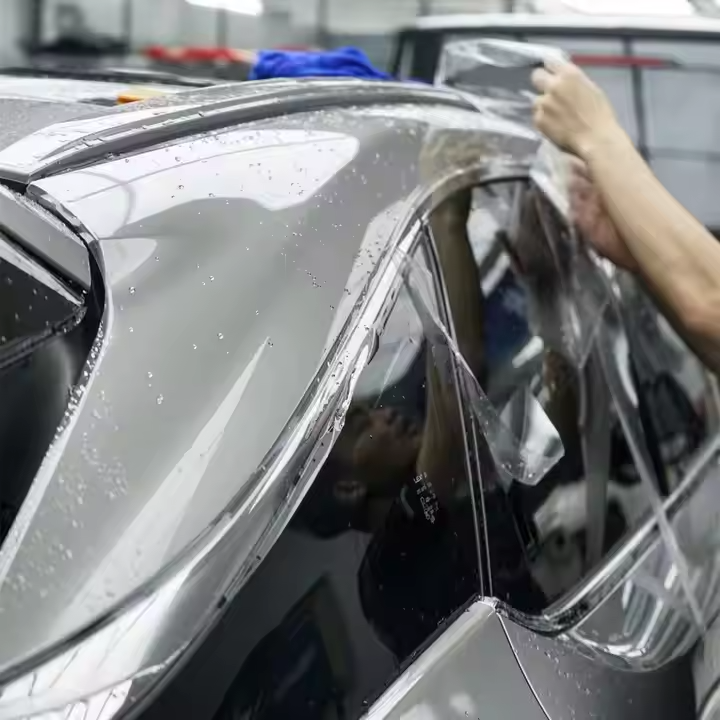
Table of Contents
What Exactly Is Paint Protection Film?
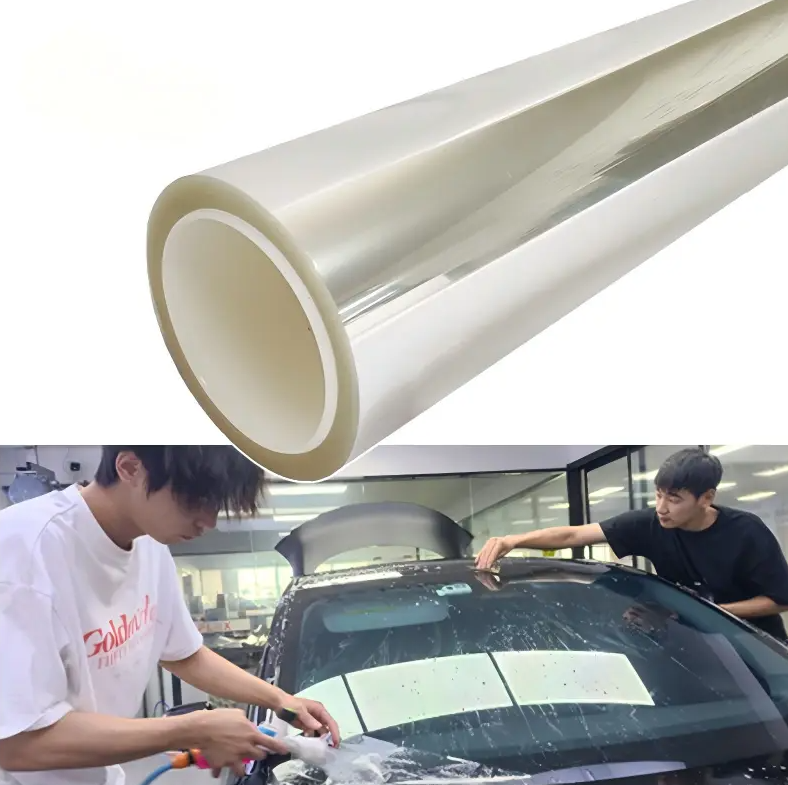
Paint protection film is a transparent, durable urethane film applied to the exterior surfaces of a vehicle to protect the factory paint from scratches, stone chips, UV damage, and environmental contaminants. It’s not just a fancy sticker—it’s a highly engineered elastomeric barrier designed to absorb impact and preserve your car’s original finish.
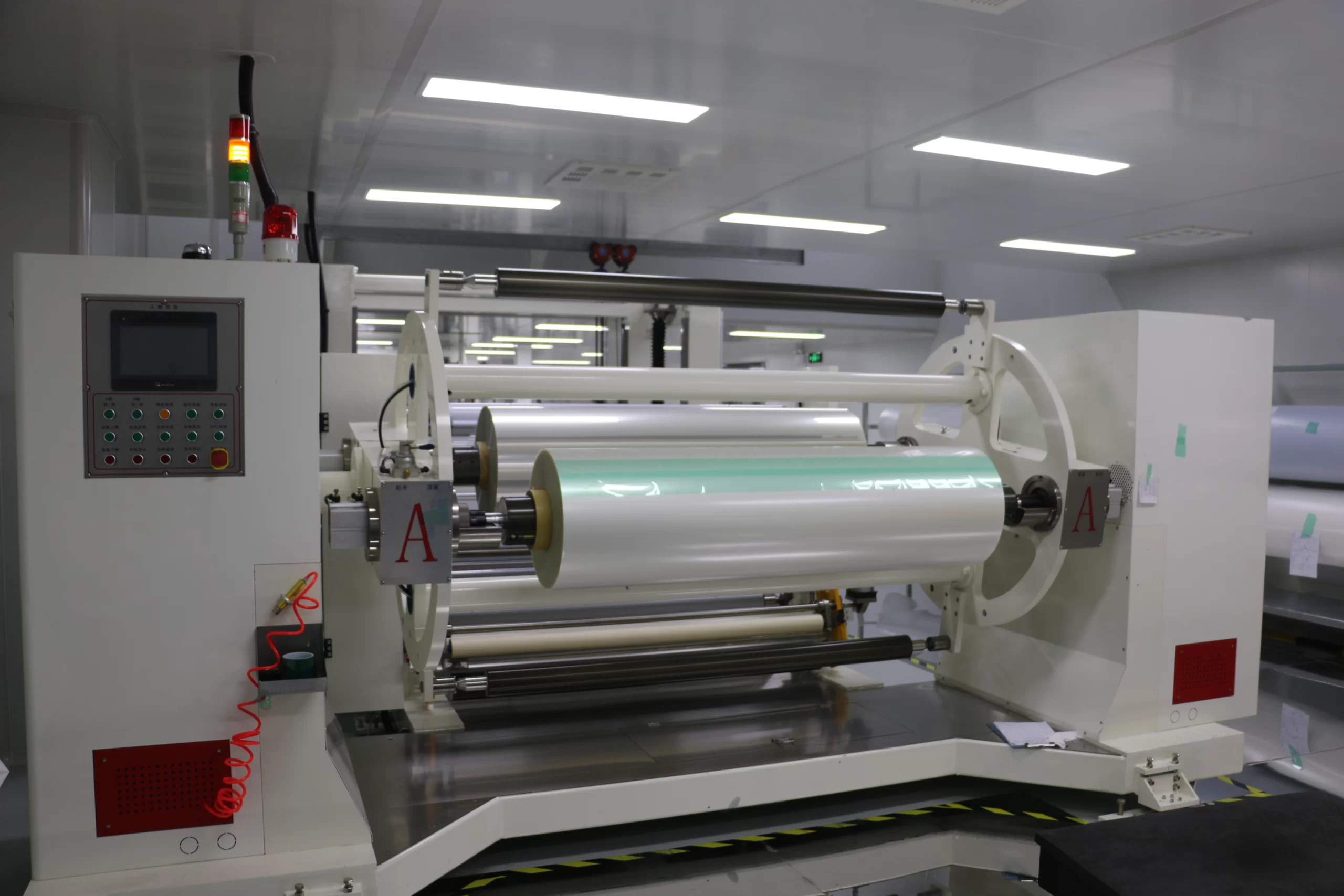
Modern paint protection film is made from thermoplastic polyurethane (TPU), which is a massive upgrade from the old PVC films that used to yellow and crack. TPU is flexible, optically clear, and chemically stable. At a molecular level, its polymer chains can stretch and return to their original state, which is exactly what allows the film to absorb the kinetic energy of road debris rather than just chipping like a hard shell would.
The global paint protection film market has been growing steadily, valued at over USD 1 billion in 2025 and projected to reach USD 1.77 billion by 2032. That growth tells you something—more and more drivers are waking up to the fact that protective film for vehicles is no longer a luxury; it’s a smart investment.
The Key Benefits of Protective Film for Vehicles
Protection from Road Debris and Stone Chips
Every time you hit the highway, your car’s front end becomes a target. Small rocks, gravel, and other debris fly up from the road and strike your paint at high speed. Paint protection film acts as a physical barrier that absorbs these impacts, preventing the kind of chips and pitting that can ruin a car’s appearance. It’s the only solution that actually stops rock chips dead in their tracks.
Self-Healing Properties
This is where paint protection film gets really interesting. The self-healing technology sounds like science fiction, but it’s grounded in real material science. The top coat of premium PPF is engineered with loose polymer arrangements that aren’t fixed in a rigid structure. When a scratch occurs—essentially a displacement of these polymers—the introduction of heat (from the sun, a hot engine, or warm water) excites the molecules. This energy allows the polymers to relax back into their natural, lowest-energy state, effectively closing the gap and erasing the scratch. Minor swirl marks and scratches literally disappear with exposure to sunlight or heat above 50°C.
UV Resistance and Protection from Fading
Over time, the sun’s ultraviolet rays can fade and discolour your car’s paint. The clear coat on your car is constantly under attack from UV radiation, and once that clear coat degrades, the colour underneath starts to fade. Paint protection film is formulated with UV inhibitors that block these harmful rays, keeping your paint looking fresh and vibrant for years. This is especially important if you live in sunny climates or park your car outdoors.
Maintaining Resale Value
A car with protected paint will hold its value significantly better than one with chips, scratches, and faded clear coat. When it comes time to sell or trade in your vehicle, the condition of the paint is one of the first things a buyer notices. Protecting the original clear coat from UV degradation and micro-abrasions is the most effective way to retain that “excellent” rating over the ownership cycle. A car that looks showroom-fresh after five years commands a much higher price than one that’s covered in battle scars.
Hydrophobic and Easy to Maintain
Quality paint protection film features a hydrophobic top coat that repels water, mud, and grime. This means dirt doesn’t stick as easily, and when you wash your car, contaminants slide right off. You can simply wash your car with pH-neutral soap and water to keep it looking brand new. The film also provides chemical resistance against bird droppings, tree sap, bug splatter, and road salt—all of which can etch into unprotected paint.
Customizable Appearance Options
Paint protection film isn’t just about protection anymore—it’s also about style. Modern films come in a variety of finishes including clear gloss, matte, and satin. Gloss PPF gives your paint a mirror-like showroom shine while keeping the protection invisible. Matte PPF creates a non-reflective, satin-like finish that’s perfect for those who want a stealth look. Satin PPF sits somewhere in between, preserving the definition of your car’s lines while muting some of the shine. You can protect your vehicle and change its look at the same time.
Types of Protective Film for Vehicles
Clear Gloss PPF
This is the most common type of paint protection film. It’s optically transparent, meaning it doesn’t alter the appearance of your car’s paint at all. It provides a high-shine, reflective finish that mimics the look of a freshly waxed car. Clear gloss PPF is ideal for those who want invisible protection while preserving the vehicle’s original paint finish.
Matte PPF
Matte paint protection film is designed for car owners who prefer a classic matte or satin finish. It suppresses reflections and creates a non-reflective, smooth appearance. This type of film is often used to protect custom matte-painted cars or to upgrade a gloss finish with a sleek, stealth look—no repainting required.
Satin PPF
Satin is catching on as the middle ground between glossy and matte. Unlike matte, which suppresses all reflections entirely, satin tends to preserve the definitions of the vehicle’s body lines while only muting some of the shine. Satin also tends to hide scratches and imperfections better than glossy PPF, making it a great choice for daily drivers.
Self-Healing PPF
Many modern paint protection films include self-healing properties built into the top coat. When the film gets warm due to external heat or artificial heat from a hot air gun, minor scratches and swirl marks disappear. This technology is common across high-quality PPF, whether clear, matte, or satin.
Where to Apply Paint Protection Film
Paint protection film can be applied to virtually any exterior surface of a vehicle, but it’s most commonly installed on high-impact areas that are most vulnerable to road debris. These include:
Front bumper and grille – takes the brunt of stone chips
Hood – constantly exposed to flying debris
Fenders – vulnerable to kicks and road spray
Side mirrors – often the widest point of the car
Door edges and handle cavities – prone to fingernail scratches
Rocker panels – hit by gravel and sand from the road
Rear bumper – protects against loading and unloading scratches
Many owners choose to have the entire vehicle wrapped in paint protection film for comprehensive protection, though partial coverage on the most vulnerable areas is also a popular and cost-effective option.
Paint Protection Film Aftercare: Do’s and Don’ts
Once you’ve invested in protective film for your vehicle, proper maintenance is key to maximising its lifespan. Here’s what you need to know.
The First 48 Hours After Installation
The first few days are critical. The film needs time to cure and bond properly to the paint surface. During this period:
Do: Let the film settle. Avoid any activity involving water, chemicals, or physical friction for at least 48 hours.
Don’t: Touch or press on bubbles. If you notice small bubbles, don’t panic—this is usually residual moisture that will evaporate over time. Pressing or peeling these areas can cause adhesive failure or permanent curling.
Do: Park your car indoors or in the shade. Direct sunlight or excessive heat can cause uneven curing.
Don’t: Wash or wax the vehicle. Wait until the film is completely cured before any external maintenance.
Long-Term Maintenance
Washing: Hand washing remains the gold standard for vehicles with paint protection film. Use a microfiber wash mitt and pH-neutral car shampoo. Avoid harsh chemicals, abrasive sponges, or petroleum-based solvents. If you must use an automatic car wash, a touchless one is the safest option.
Drying: Use clean microfiber towels to dry the surface. Don’t let water sit and evaporate naturally, as hard water can leave mineral deposits.
Protection: You can apply a ceramic coating on top of paint protection film for even easier maintenance. Ceramic coatings provide a hydrophobic surface that repels water and dirt. Just make sure the products are compatible.
Scratches: Allow the self-healing properties to work. Minor scratches will disappear with exposure to heat from the sun or warm water. For deeper scratches, consult a professional.
Contaminants: Remove bird droppings, bug splatter, and tree sap immediately. These are acidic and can etch into the film if left on the surface.
Common Myths About Paint Protection Film Debunked
Myth 1: PPF Will Turn Yellow Over Time
This used to be true for early-generation PVC films, which would crack, yellow, and peel under UV exposure. But modern paint protection film uses UV inhibitors and stabilizers that keep the film crystal clear for years. High-quality TPU films resist yellowing even on white paint systems.
Myth 2: PPF Will Ruin Your Paint When Removed
This fear usually comes from bad experiences with low-quality films or improper installation. When applied to factory paint by a professional, removal should not damage the vehicle. Issues only arise with repainted cars, low-quality adhesives, or manufacturer paint defects.
Myth 3: You Don’t Need PPF If You Have Ceramic Coating
Ceramic coating and paint protection film serve completely different purposes. Ceramic coating is a liquid polymer that bonds to the clear coat—it adds shine, hydrophobic properties, and makes cleaning easier, but it offers virtually zero impact resistance. PPF is a physical barrier that actually absorbs impacts from rocks and debris. The ideal setup? PPF on high-impact zones, with ceramic coating on top for the best of both worlds.
Myth 4: PPF Is Maintenance-Free
While paint protection film does an incredible job protecting your paint, it still requires proper care to maximize its lifespan. Regular washing prevents dirt buildup, and routine cleaning keeps the film looking flawless. But compared to unprotected paint, maintenance is significantly easier.
Myth 5: PPF Is Only for Exotic Cars
Paint protection film was originally developed for helicopter blades and later used in NASCAR and on luxury cars. But today, it’s mainstream. Whether you drive a daily commuter or a weekend toy, paint protection film is for anyone who wants to keep their car cleaner with less effort and preserve resale value.
Paint Protection Film vs Ceramic Coating: What’s the Difference?
This is one of the most common questions car owners ask, and the answer is simple: they solve two different problems.
Paint Protection Film is a physical barrier—a tangible layer of urethane that sits on top of your paint. Its primary function is impact absorption. It’s the only solution that prevents rock chips and deep scratches. PPF is thicker, more durable, and can last 5 to 10 years with proper care.
Ceramic Coating is a liquid polymer that chemically bonds to the clear coat. Its primary functions are hydrophobicity and chemical resistance. It makes the car easier to clean and protects against bird droppings, acid rain, and UV rays, but it offers virtually zero protection against physical impacts. Ceramic coating typically lasts 2 to 5 years.
Think of it this way: ceramic coating protects against what lands on your paint, while paint protection film protects against what hits it. For comprehensive protection, many enthusiasts combine both—PPF on high-impact areas topped with ceramic coating for easy maintenance.
Why Choose Decowell Paint Protection Film
When it comes to protecting your vehicle, the quality of the film matters enormously. Not all paint protection films are created equal. There are significant differences in durability, clarity, self-healing properties, and ease of maintenance.
Decowell’s paint protection film is engineered with premium thermoplastic polyurethane (TPU) that offers exceptional clarity, durability, and self-healing performance. Our protective film for vehicles is designed to:
Absorb impacts from stone chips and road debris
Self-heal minor scratches with exposure to heat
Block UV rays to prevent fading and discolouration
Repel water and contaminants with a hydrophobic top coat
Maintain optical clarity so your paint’s depth and brilliance shine through
Preserve resale value by keeping your paint in showroom condition
Available in clear gloss, matte, and satin finishes, Decowell paint protection film lets you protect your vehicle and customize its appearance at the same time. Whether you’re safeguarding a daily driver or a prized possession, our film turns vehicles into works of art while offering unmatched defense.
Conclusion
Paint protection film has evolved from its early days of yellowing and cracking into a must-have for modern car owners. It’s not just hype—it works, it lasts, and it’s one of the best investments you can make to preserve the beauty and value of your vehicle.
Whether you’re worried about rock chips on the highway, scratches from parking lots, or the gradual fading of your paint from UV exposure, protective film for vehicles gives you peace of mind every time you get behind the wheel. With proper care and attention, paint protection film will provide long-term protection, preserve your car’s appearance, and give you the security that comes with knowing your paint is safe from the harsh realities of daily driving.
Ready to protect your vehicle with Decowell paint protection film? Get in touch with our team today to learn more about our range of protective film for vehicles and find the perfect solution for your car.
FAQ
Q1: What is paint protection film and how does it work?
Paint protection film is a transparent, durable urethane film applied to a vehicle’s exterior surfaces. It works as a physical barrier that absorbs impacts from road debris, stone chips, and scratches, while also blocking UV rays and repelling contaminants. Premium films feature self-healing technology that allows minor scratches to disappear with exposure to heat.
Q2: How long does paint protection film last?
With proper care and maintenance, high-quality paint protection film can last between 5 and 10 years. The lifespan depends on the quality of the film, the conditions it’s exposed to, and how well it’s maintained.
Q3: Can I wash my car after paint protection film installation?
You should wait at least 48 to 72 hours after installation before washing your vehicle. Avoid pressure washing for at least 7 days, and when you do wash, use pH-neutral soap and a soft microfiber mitt.
Q4: Can paint protection film be applied over ceramic coating?
Generally, no. Ceramic coating should be professionally removed from the vehicle before applying paint protection film. However, you can apply ceramic coating on top of paint protection film for added hydrophobic properties and easier maintenance.
Q5: Will paint protection film damage my car’s paint when removed?
No. When applied to factory paint by a professional, paint protection film can be removed without damaging the paint underneath. Issues only arise with repainted cars, low-quality adhesives, or manufacturer paint defects.
Q6: What’s the difference between gloss, matte, and satin PPF?
Gloss PPF provides a high-shine, reflective finish that’s nearly invisible. Matte PPF creates a non-reflective, satin-like finish. Satin PPF sits between the two, muting some shine while preserving the definition of the vehicle’s body lines.
Q7: Is paint protection film worth the investment?
Absolutely. Paint protection film protects your vehicle from scratches, stone chips, UV damage, and environmental contaminants. It preserves your car’s appearance and resale value, and with self-healing properties, it keeps your car looking newer for longer. For anyone who values their vehicle, it’s one of the best investments you can make.
Q8: Can I install paint protection film myself?
While DIY kits are available, professional installation is recommended for the best results. Improper installation can lead to bubbles, peeling, or an unappealing appearance. Professional installers have the experience and tools to ensure flawless coverage.
Q9: Does paint protection film protect against UV rays?
Yes. High-quality paint protection film is formulated with UV inhibitors that block harmful ultraviolet rays, preventing paint fading and discolouration over time.
Q10: Can paint protection film be removed and replaced?
Yes. Paint protection film is intended to be long-lasting, but it can be removed and replaced when necessary. Professional removal is recommended to prevent damage to the underlying paint.