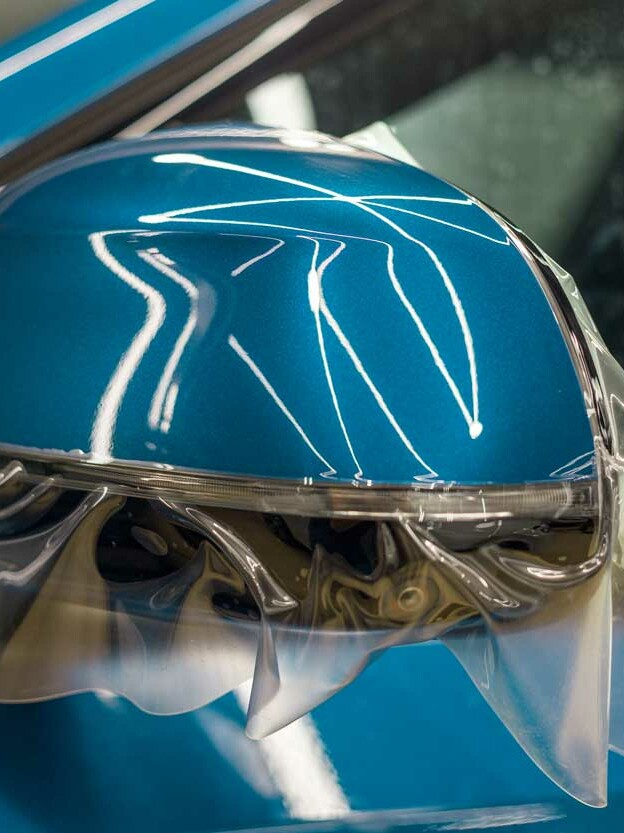
Home » Is Blue Scratch Protection Film the Best of Both Worlds? Here’s Why You Need It on Your Car.
Recent Posts
Is Blue Scratch Protection Film the Best of Both Worlds? Here’s Why You Need It on Your Car.
When you think of paint protection, the first image that probably comes to mind is a transparent, nearly invisible wrap that preserves your car‘s original color while shielding it from road debris, rock chips, and minor scratches. Clear PPF has been the standard for years. But here’s something you don’t hear enough about: colored paint protection film is having a serious moment. And among all the shades out there, blue scratch protection film is quietly becoming one of the most practical, stylish, and surprisingly functional choices on the market.
Let’s cut to the chase. Automotive paint has changed. Modern cars use water-based paints that are thinner, softer, and more prone to damage than the solvent-based finishes of the past. A ceramic coating can make your car look glossy and help with water beading, but it won‘t stop a rock chip or a nasty key scratch. If you want physical protection, you need a physical barrier. That’s where paint protection film (PPF) comes in.
But here‘s the twist: why settle for invisible when you could have vibrant and protective at the same time? Enter the blue scratch protection film. It’s not just about changing the color of your car. It‘s about locking in that deep, rich blue finish while building a layer of self-healing armor between your paint and the outside world.
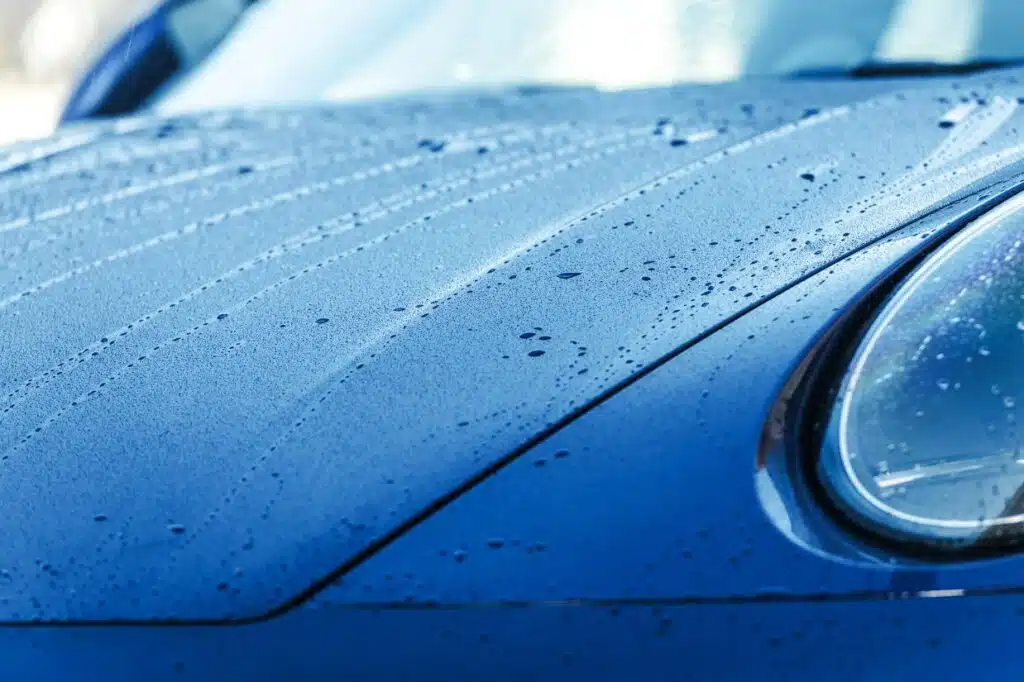
Table of Contents
Blue is having a real moment in the automotive world, and it’s not just hype.
For years, white, black, and silver dominated the roads. They‘re safe, neutral, and they sell. But according to recent color trend data, blue has quietly climbed up the charts. After several years of stability, blue has ticked up and remains a safe—but more expressive—alternative to the usual grayscale monotony. It’s that perfect middle ground: more personality than gray, less flashy than neon yellow. In the world of vinyl wraps and paint protection, blue consistently ranks as a fan favorite—representing confidence, calm, and a touch of sophistication.
And it‘s not just about the shade anymore. The finishes available today have exploded. You can go for a gloss blue wrap that mimics a fresh factory paint job, a satin or matte blue that gives off a sleek, modern vibe, or something with a bit of sparkle like metallic or pearlescent blue. Matte and satin finishes have gained serious traction for their contemporary, understated look, while gloss finishes remain the go-to for that high-shine, “like new” appearance.
If you want something that feels timeless yet on-trend, modern blues in gloss or satin hit the mark perfectly. And the beauty of choosing a blue scratch protection film over a standard clear film? You get the exact same physical barrier—the impact absorption, the scratch resistance—but your car looks like it just rolled out of a custom paint booth.
How does a self-healing blue PPF actually work?
Let’s get into the details, because this is where the magic happens.
Quality paint protection film isn‘t just a sticker. It’s a multi-layered engineering marvel. At its core is thermoplastic polyurethane (TPU) , a material that‘s highly elastic, chemically stable, and significantly more durable than the older PVC-based films that used to dominate the market. Aliphatic TPU—the high-grade stuff—doesn’t yellow under UV exposure, which means that deep blue stays deep blue for years. The earliest PPF products were known for turning yellow, cracking, and looking like a cheap plastic cover. Modern TPU films solved all of that.
The real game-changer is the self-healing topcoat. This top layer is made from elastomeric polymers that exist in a semi-solid state. When the surface gets scratched (pushing the polymers out of place), applying heat—whether from the sun, hot water, or a heat gun—excites the molecules. They snap back to their original, lowest-energy state, and the scratch simply disappears. This isn‘t science fiction. It’s the actual technology working behind the scenes, keeping your blue scratch protection film looking flawless.
Beyond self-healing, a well-engineered PPF offers a whole toolkit of protection. It blocks UV rays (preventing the blue from fading), creates a hydrophobic surface that makes water bead up and slide off (think lotus leaves, not sponges), and stands up to everything from acid rain and bird droppings to road salt and stubborn tree sap. Basically, if Mother Nature or highway debris throws something at your paint, the film takes the hit. And if it‘s a minor scratch, the film fixes itself.
Can you apply it yourself or should you leave it to the pros?
This is the million-dollar question. While many PPF products are marketed as “DIY-friendly” with wet-application systems and air-release channels, the honest answer is: professional installation goes a long way. Applying a full car wrap, especially in a vivid color like blue, takes skill. You need to wrap around complex curves, stretch the material without tearing, and get edges perfectly tucked without lifting or trapping dust underneath. A bad installation job can ruin even the best film, leaving bubbles, peeling corners, and an uneven finish that screams “aftermarket.”
On the other hand, if you’re just covering a specific high-impact area like the hood, front bumper, or side mirrors, a confident DIY enthusiast with the right tools—a squeegee, a heat gun, and a lot of patience—can absolutely get good results. Just know that most brands will strongly suggest buying more than you think you need because you‘ll likely make mistakes on the first try.
Here’s another quick reality check: PPF and ceramic coating are not rivals. They work best when they work together. PPF provides the physical shield against rock chips and scratches, while a ceramic coating applied over the film enhances gloss and makes the surface incredibly easy to clean. Water, dirt, and grime just slide right off. Using both together is widely considered the ultimate protection package.
What about resale value? Does a colored PPF actually help or hurt?
This is a fair question. A standard clear PPF preserves the original factory paint underneath, which is a massive selling point when it comes time to trade in or sell. A well-maintained car with its original paint intact is worth more money. Period. By sealing the factory paint under a self-healing layer, you‘re effectively freezing the car’s exterior condition in time, helping it stay in that higher-tier condition bracket.
A blue scratch protection film takes that a step further. If you apply a full blue wrap over your car‘s original paint—say it was white or silver underneath—you’re getting both protection and a complete color transformation. But here‘s the catch: when you remove the film years later, the original paint underneath is still pristine. So you can enjoy a custom blue look for as long as you want, and then peel it off to reveal the unblemished original finish. That’s reversible customization at its finest. It‘s like having two cars in one.
Of course, if your car is already a rare or highly desirable factory blue color, you might prefer a clear film that lets that original color shine through. But if you’ve always wanted to drive a head-turning blue but didn‘t want to commit to a permanent repaint, a blue scratch protection film is the way to go.
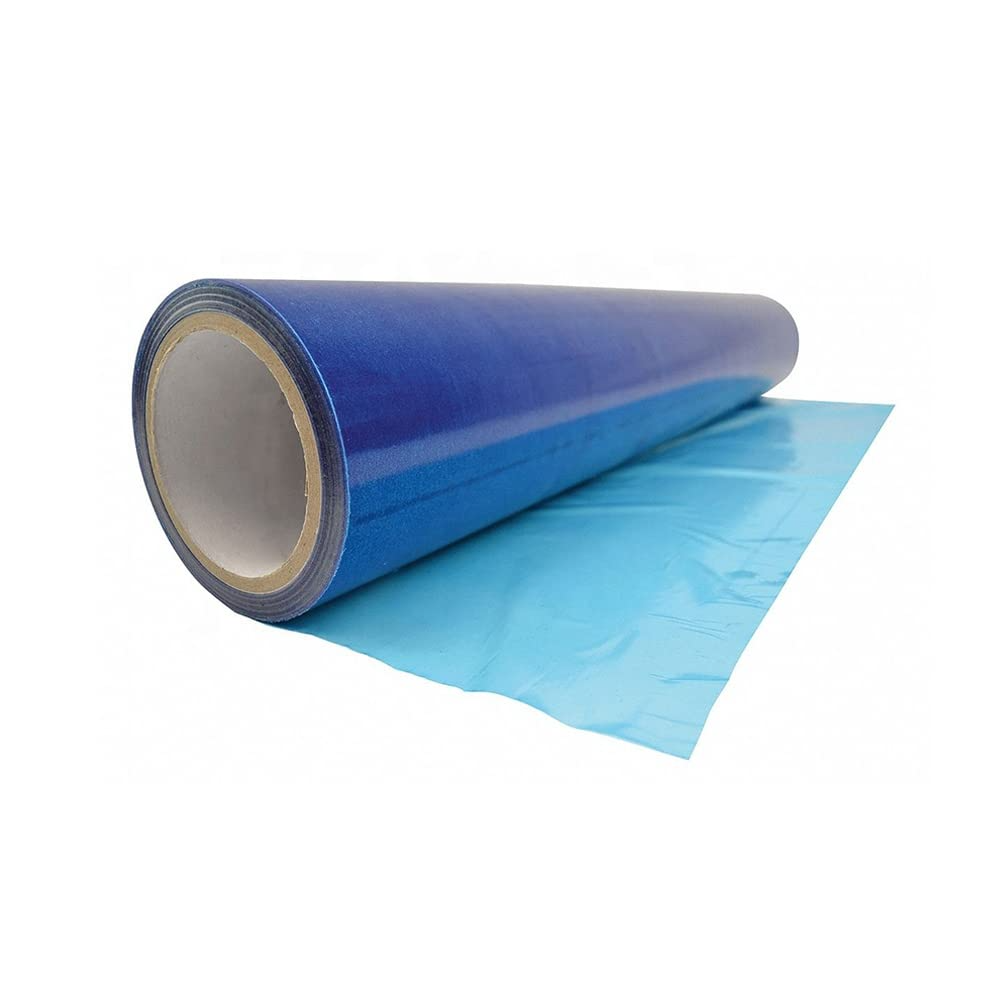
How to pick a reliable supplier for blue scratch protection film
Not all PPF is created equal. The market is growing fast—global PPF market size was valued at around $1.09 billion in 2025 and is expected to keep climbing. TPU films are dominating the premium segment because of their elasticity, UV resistance, and self-healing topcoats. That’s the gold standard.
When you‘re looking for a blue scratch protection film, you want to look for a few key things. First, the core material should be high-quality TPU, not PVC. TPU stretches better, handles complex curves more easily, and doesn’t yellow like PVC does over time. Second, the self-healing topcoat should be heat-activated—meaning sunlight, warm water, or a heat gun can make light scratches vanish. Third, the film needs to be removable without residue. Nobody wants to peel off an old wrap and find sticky glue or damaged paint underneath.
Finally, don’t overlook the finish. A quality blue PPF should have depth, clarity, and a finish that looks like real paint, not plastic. Metallic particles should blend seamlessly, gloss levels should be consistent, and matte finishes should look refined, not dull.
That brings me to Decowell.
When it comes to blue scratch protection film, Decowell has built a reputation around delivering exactly what car owners and installers are looking for. Their colored PPF lineup combines premium TPU construction with advanced self-healing topcoats, ensuring that every blue shade—whether you prefer a deep navy, a glossy electric blue, or something in between—stays vibrant and protected for the long haul. The film stretches smoothly around headlights, mirrors, bumpers, and hoods without pulling away from edges or trapping air bubbles underneath. Removal is clean and residue-free, which means you can swap colors or go back to your original paint whenever you feel like a change.
And here‘s a practical detail worth mentioning: Decowell supports bulk orders, OEM and custom packaging, and flexible shipping timelines, which makes them a solid partner whether you’re a professional installer stocking up or a distributor expanding your PPF lineup. Every roll is backed by consistent quality standards, so you know what you‘re getting from batch to batch.
If you’ve been looking for a blue scratch protection film that doesn‘t compromise on aesthetics or durability, Decowell is worth a close look.
FAQ
1. What exactly is a blue scratch protection film?
It’s a colored variant of paint protection film (PPF). Made from thermoplastic polyurethane (TPU) with a self-healing topcoat, it not only changes your car’s color to a vibrant blue but also creates a physical barrier against scratches, rock chips, UV rays, and chemical stains. The self-healing layer allows minor scratches to disappear when exposed to heat.
2. Can I apply blue scratch protection film myself or should I hire a professional?
While many films come with DIY-friendly air-release adhesives, professional installation is strongly recommended for full coverage or large panels. Experienced installers have the skill and tools to wrap complex curves smoothly, avoid bubbles, and ensure edges stay down. If you‘re only covering a small area like a hood or bumper, a confident DIYer can succeed with patience.
3. Does blue PPF work on any car, or are some surfaces harder to wrap?
Blue PPF works on any painted surface. However, deep curves, sharp edges, and textured bumpers require more skill to wrap cleanly. High-quality TPU film stretches more than standard vinyl, which helps it conform to complex body lines. For the best results, have the film applied by someone who knows how to heat-stretch and tuck edges properly.
4. Will a blue scratch protection film turn yellow or fade over time?
Premium TPU-based film resists yellowing thanks to its aliphatic polymer chemistry. Cheaper films (often PVC-based) are more prone to UV degradation and will eventually turn yellow or lose color vibrancy. Decowell‘s blue PPF is engineered with UV-stable materials that hold their hue and clarity for extended periods.
5. How do I take care of blue PPF to keep it looking new?
Wash it like you would normal paint—by hand or with a touchless car wash. Avoid harsh brushes or abrasive chemicals. If the film gets light surface scratches, parking in the sun or pouring warm water over the area will often heal them. For added gloss and easier cleaning, you can apply a ceramic coating on top of the PPF, but that’s optional.
6. Is Decowell‘s blue scratch protection film removable without damaging the original paint?
Yes. Decowell’s film uses a removable acrylic adhesive that bonds securely during use but peels off cleanly when you‘re ready to change or remove it. No residue is left behind, and the original factory paint stays fully intact underneath—as long as the paint was in good condition before application.
7. How is blue PPF different from a regular blue vinyl wrap?
A standard vinyl wrap is primarily for color change and offers very little impact protection. PPF is thicker, more elastic, and engineered to absorb physical damage. A blue scratch protection film gives you a color upgrade and a self-healing protective layer. Vinyl wraps might look similar from a distance, but they won’t stop rock chips or heal scratches.
8. Can I use blue PPF just on certain parts of my car instead of the whole vehicle?
Absolutely. Many drivers apply PPF to high-impact zones like the front bumper, hood, side mirrors, and door edges. If you‘re mixing clear PPF on some panels and blue PPF on others, just be mindful of how the transition lines look. Some people prefer a full wrap for a seamless finish.
9. Will applying blue PPF lower my car’s resale value?
It shouldn‘t, as long as the original paint underneath remains in good condition. A well-installed blue PPF protects the factory finish. When you remove it, the original paint is often in better shape than unprotected surfaces. Some buyers may prefer the original color, but you can always remove the film before selling to reveal the pristine paint underneath.
10. How do I get a sample or place an order for Decowell blue scratch protection film?
You can reach out to Decowell directly through their official channels. In your inquiry, mention the specific blue shade and finish you’re interested in—whether gloss, matte, metallic, or something custom. For bulk orders, customization options like logo printing on the liner and tailored packaging are available. Decowell typically responds with samples, technical data, and lead time details based on your needs.