Home » How to Choose the Right PPF Distributor in 2026: Automotive Professionals
Recent Posts
How to Choose the Right PPF Distributor in 2026: Automotive Professionals
Introduction: Why the PPF Distributor You Choose Matters More Than Ever
The automotive aftermarket has never been more competitive. If you run a detailing shop, an installation studio, or you’re looking to build a regional supply operation, one decision will shape your business for years to come: which PPF distributor you partner with.
Here’s the reality most people don’t talk about. The global paint protection film market was valued at nearly one billion US dollars in 2025 and is projected to continue climbing at a steady compound annual growth rate through 2032. That growth isn’t just about more cars on the road. It’s driven by car owners who now treat paint protection as a standard investment rather than a luxury upgrade. New energy vehicles, premium fuel cars, and customized builds all carry higher paint repair costs, which pushes more consumers toward protective solutions.
But here’s the catch. Not every PPF distributor is equipped to help you capture that demand. Some are simply resellers with no technical depth. Others offer inconsistent product batches, zero installer training, and no real support when something goes wrong. Choosing the wrong partner doesn’t just cost you money — it costs you your reputation with customers.
This guide is built for shop owners, procurement managers, and entrepreneurs who want to understand how the PPF distribution channel actually works, what separates a reliable supplier from a risky one, and how to position your business for long-term growth.
And along the way, we’ll show you why more professionals are turning to Decowell Film as their go-to partner for paint protection film.
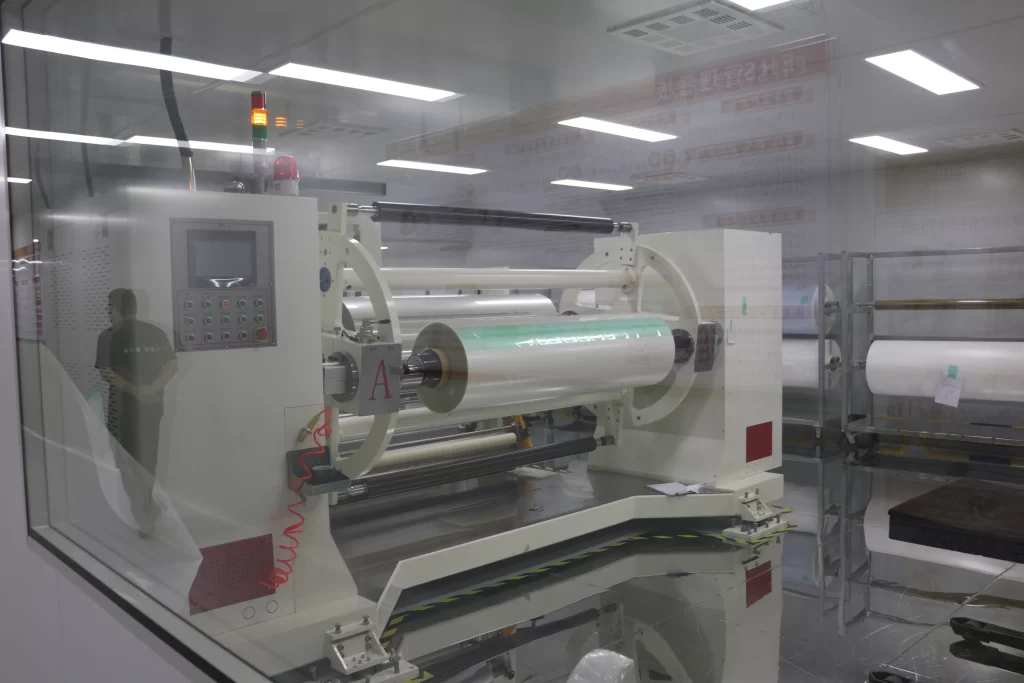
Table of Contents
Understanding the PPF Distribution Channel: Who Does What
Before you evaluate any distributor, you need to understand where they sit in the supply chain. The PPF industry operates on a tiered structure, and knowing which tier you’re dealing with tells you a lot about pricing, product access, and the level of support you can expect.
Tier 1: The Film Manufacturer
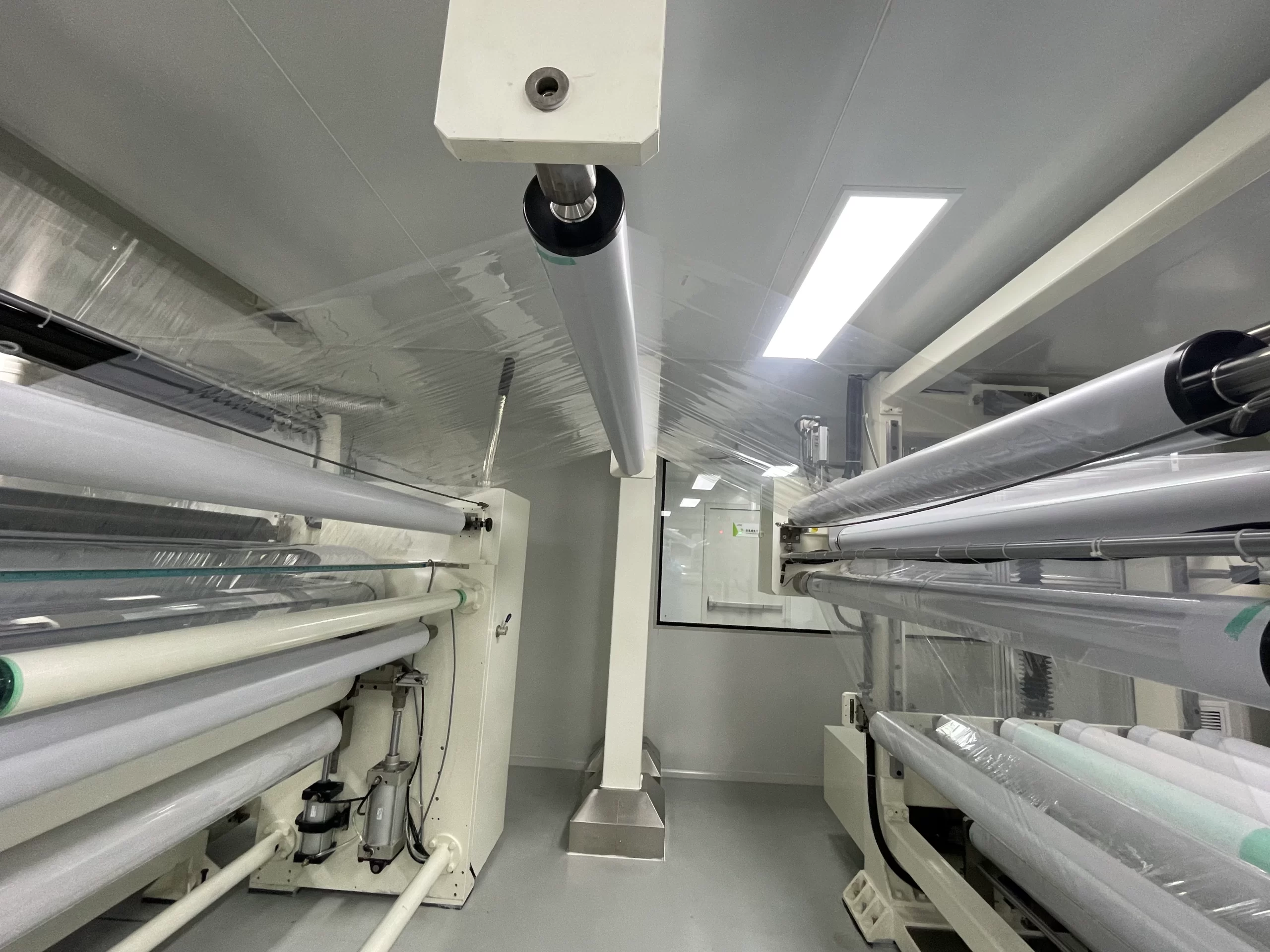
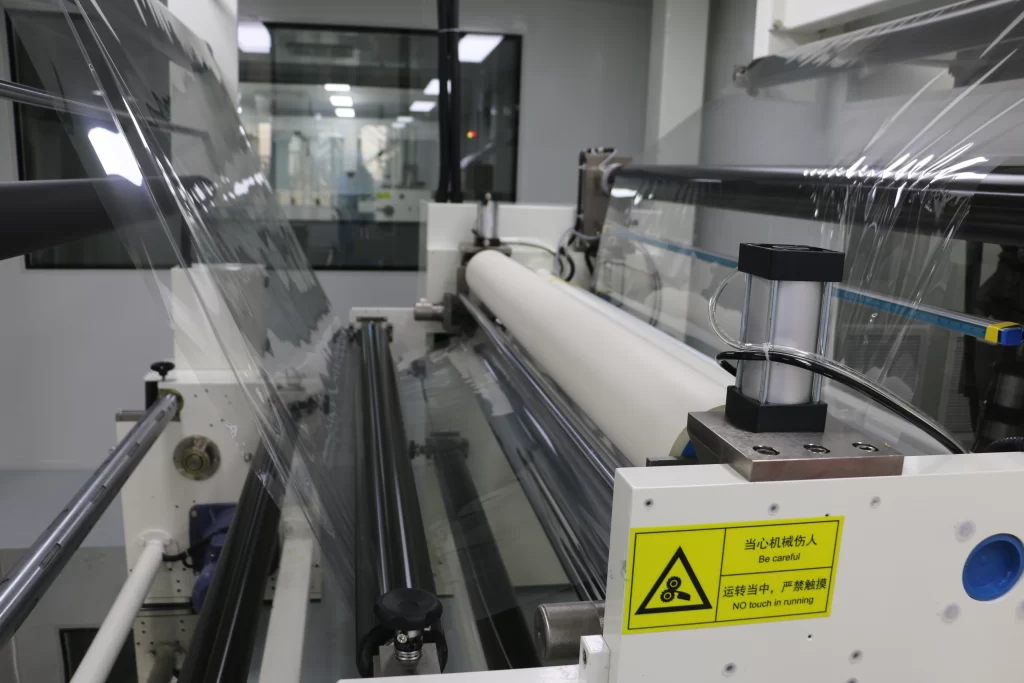
This is the factory. They produce the thermoplastic polyurethane (TPU) film, apply the top coat, engineer the adhesive layer, and control quality at the source. Manufacturers typically sell in master-roll quantities to distributors and large-volume buyers.
Tier 2: Master Distributor / Regional Importer
This is the company that handles import, customs, warehousing, and downstream distribution for an entire region or country. They buy in bulk directly from the factory and recruit sub-distributors and dealers beneath them. This tier typically carries the heaviest inventory and the deepest logistics responsibility.
Tier 3: Authorized Dealer / Sub-Distributor
Dealers at this level purchase in case quantities and resell to installation shops. They may also provide local training, handle warranty processing, and offer technical support within their territory.
Tier 4: The Installer
This is the shop that applies film to vehicles. They buy per roll or per square foot from their dealer or distributor, and they’re the ones who face the end customer directly.
Understanding this hierarchy helps you identify where your business fits and what kind of partner you actually need. If you’re a single installation shop, you might only need a reliable dealer who can supply consistent product and answer technical questions. If you’re building a regional distribution operation, you need a manufacturer or master distributor who can support you with volume pricing, marketing assets, and territory protection.
What Makes a PPF Distributor Worth Partnering With
Not all distributors are created equal. Here are the criteria that separate a strong partner from a weak one.
Product Consistency and Batch Reliability
This is the number one concern among professional installers. If the film you receive in March behaves differently from the film you received in January — different stretch, different clarity, different adhesive tack — your installation quality suffers, and your customers notice.
A reliable PPF distributor maintains strict batch control. They can tell you exactly which production lot your roll came from, and they can provide test data on abrasion resistance, UV stability, and thermal cycling performance upon request. When a supplier can’t produce this documentation, it’s a red flag.
At Decowell Film, every production batch goes through multi-point quality inspection before it leaves the facility. We document adhesion strength, optical clarity, self-healing performance, and anti-yellowing characteristics for each lot, so you never have to guess whether the film on your rack will perform the way it did last time.
Technical Support Beyond the Sale
A box of film arrives at your door. Then what? If your installer runs into a problem — a stubborn contour, an adhesive issue, a customer complaint about haze — who do you call?
Strong distributors invest in real technical support. That means phone or video access to people who actually understand film installation, not just order processing. It means having a resource for troubleshooting, surface preparation guidance, and application technique refinement.
This is where Decowell Film stands apart. We don’t just ship product and disappear. Our team provides paint protection film installation guidance, surface prep protocols, and real-time troubleshooting support for our distribution partners. When your installers succeed, your business grows — and that’s good for both of us.
Training and Certification
Installer training is one of the strongest indicators of a distributor’s commitment to quality. Programs that combine hands-on workshops with online coursework ensure that every installer in the network meets a consistent standard.
Leading industry training models typically include:
Hands-on workshops that cover prep work, film stretching, trimming, and post-installation inspection
Online modules with assessments to verify comprehension
Ongoing education on new products, techniques, and market trends
A distributor that offers structured training isn’t just selling you film — they’re investing in your capability to install it well. That translates directly into fewer comebacks, higher customer satisfaction, and stronger word-of-mouth referrals.
Marketing and Lead Generation Support
You can have the best film in the world, but if nobody knows your shop offers it, you’re leaving money on the table. Distributors who provide marketing assets — high-resolution photography, video content, social media templates, and co-branded promotional materials — give their partners a significant competitive advantage.
Beyond assets, some distributors operate dealer locator tools that route customer inquiries directly to certified installers in their area. If you’re not already asking potential partners about their marketing support infrastructure, you should be.
Warranty Infrastructure and Claim Processing
Warranty handling is one of the most overlooked aspects of distributor selection. When a customer files a claim, the process should be straightforward: document the issue, submit the batch number, and receive a resolution. If your distributor makes this process complicated or slow, you’ll be the one fielding angry phone calls from customers.
A strong partner has a clear, documented warranty process. They track batch numbers, respond to claims quickly, and don’t leave you hanging.
How to Evaluate a PPF Distributor: A Practical Checklist
When you’re comparing potential distribution partners, use this checklist to separate the serious players from the pretenders.
1. Request samples before committing to inventory.
Any reputable distributor will send sample rolls so you can test the film on actual installations. Pay attention to clarity, stretch behavior, adhesive tack, and how the film handles complex curves.
2. Ask for batch-specific test data.
Don’t accept generic spec sheets. Ask for test reports tied to the specific production lot you’re considering. Key metrics include tensile strength, elongation rate, hydrophobic contact angle, and UV stability data.
3. Inquire about MOQ flexibility.
Some distributors require large minimum orders that tie up your capital. Others offer flexible starting quantities so you can test the market before scaling up. The right answer depends on your business stage, but a distributor who offers trial-friendly terms is usually more confident in their product.
4. Check territory protection policies.
If you’re investing in building a market for a specific brand, you want to know that your distributor won’t sell to three other shops on the same street. Ask about exclusivity terms, performance requirements, and how territory boundaries are defined.
5. Evaluate response speed.
How quickly does the distributor respond to your initial inquiry? How long does it take to get answers to technical questions? Response time is often a preview of what the ongoing relationship will look like.
6. Look at their product range.
Can they supply clear film, matte finishes, and color-change options? A distributor with a narrow product range limits your ability to serve different customer segments. A broad, well-organized catalog signals a mature supply chain.
The Shift Toward Factory-Direct Partnerships
One of the most significant trends reshaping the PPF distribution landscape is the move toward factory-direct relationships. Traditional multi-tier distribution — where film passes through a master distributor, then a regional dealer, then a local sub-distributor before reaching the installer — adds cost at every layer. Each handoff introduces markup, delay, and potential inconsistency.
Factory-direct partnerships cut through that. When a manufacturer works directly with regional distribution partners, both sides benefit: the distributor gets better margins and faster access to new products, while the manufacturer gets direct feedback from the market and tighter quality control.
Decowell Film operates on this model. We work directly with our distribution partners, providing paint protection film at terms that make sense for growing businesses. No layers of middlemen. No mystery about where the product comes from. Just a direct line between our factory and your operation.
This approach also means faster iteration. If installers in your region report that a particular finish or thickness would serve their customers better, that feedback reaches our production team directly. The result is a product lineup that evolves with the market rather than lagging behind it.
Key Product Considerations for PPF Distributors
When you’re evaluating film for your distribution business, understanding the technical fundamentals helps you ask better questions and make smarter decisions.
Thickness: The Mil Ladder
Paint protection film thickness is measured in mils (thousandths of an inch). Most premium aftermarket films fall in the 6 to 10 mil range. The thickness breaks down into layers:
Top coat — the self-healing and hydrophobic layer
TPU body — the impact-absorbing core
Adhesive — the pressure-sensitive bonding layer
Release liner — removed during installation
For daily-driver applications, 8 mil is widely considered the sweet spot. Thicker films (10 mil) offer more impact resistance but trade off stretch and conformability, which makes installation more difficult on complex body panels.
Understanding this specification helps you advise your installer customers on the right product for their application, whether it’s a daily-driver sedan or a track-focused build.
Self-Healing Performance
Self-healing is one of the most attractive features of modern paint protection film. When the top coat is heated — by sunlight, warm water, or a heat gun — minor scratches and swirl marks reflow and disappear. This isn’t magic; it’s polymer science at work.
However, not all self-healing films perform equally. The speed of recovery and the threshold of what can be healed vary between products. Deep gouges that penetrate the TPU body layer won’t heal. Understanding these limitations helps you set accurate expectations with end customers and avoid unnecessary warranty claims.
Hydrophobic Top Coat Technology
Hydrophobic (water-repelling) top coats make the film easier to clean and help prevent water spotting. The effectiveness of this feature is measured by the contact angle — the angle at which a water droplet sits on the film surface. Higher angles mean better water beading and easier maintenance for the vehicle owner.
This is a selling point that resonates with customers. When you can demonstrate that water beads and rolls off a protected surface, it makes the value proposition tangible.
How to Build a Successful PPF Distribution Business
If you’re already distributing PPF or planning to enter this space, here are the strategies that separate thriving distributors from struggling ones.
Start With Installation Experience
The most successful PPF distributors often started as installers. Why? Because they understand the product from the application side. They know what makes a film easy or difficult to work with. They know the pain points installers face. And they can speak the language of their customers credibly.
If you don’t have installation experience, partner with someone who does. Your technical credibility depends on it.
Build a Support Network, Not Just a Customer List
Distribution is a relationship business. The shops that buy from you aren’t just accounts — they’re partners. When they succeed, you succeed. When they struggle, you feel it too.
Practical ways to build this network:
Visit workshops to understand their installation environment and challenges
Host training sessions where installers can learn new techniques
Share leads when customers contact you directly
Provide marketing materials that help them promote their services
Stay in contact — not just when you want an order, but regularly
Focus on Product Education
Your customers need to understand why the film you’re distributing is worth using. That means going beyond feature lists and teaching them about material science, performance differences, and application best practices. Educated installers make better decisions, produce better results, and become more loyal to the brands they trust.
Why Decowell Film Is the PPF Distribution Partner for 2026
Let’s talk about why Decowell Film should be at the top of your consideration list.
Direct Factory Relationship
We don’t route your orders through layers of middlemen. When you partner with Decowell Film, you’re working with the source. That means better communication, faster response times, and a direct channel for your feedback.
Consistent, Tested Product
Every roll of paint protection film that leaves our facility is batch-tested for clarity, adhesion, self-healing performance, and UV resistance. You get documented quality, not just promises.
Flexible Distribution Terms
We understand that different businesses have different needs. Whether you’re a growing installation shop looking for your first supply partner or an established distributor expanding your product portfolio, we structure partnerships that make sense for your stage of growth.
Real Technical Support
Our team is available to help your installers with application questions, troubleshooting, and product education. We want your team to succeed with our film because that success is what builds lasting partnerships.
A Product Line Built for the Market
Clear film, matte finishes, color-change options — Decowell Film offers a range of paint protection film solutions to help you serve every customer segment in your market.
Ready to explore a distribution partnership? Reach out to the Decowell Film team today and let’s talk about how we can grow together.
Frequently Asked Questions
Q1: What is a PPF distributor, and how do they differ from a PPF manufacturer?
A PPF distributor is a business that purchases paint protection film from a manufacturer and resells it to installation shops, detailing studios, and other end users. The manufacturer produces the film itself, controlling the TPU formulation, top coat application, and quality testing. Some companies operate as both manufacturer and distributor, selling directly to the market without intermediaries. This direct model is increasingly common because it reduces cost layers and improves communication between production and the installation community.
Q2: How do I choose the right PPF distributor for my shop?
Start by evaluating product consistency — ask for batch-specific test data and sample rolls you can install before committing to inventory. Then assess the support infrastructure: Do they offer installation training? Can you reach a technical support person when you have a problem? How quickly do they process warranty claims? Also consider MOQ requirements, territory policies, and product range. A distributor who is flexible on starting quantities and invests in training is usually a stronger long-term partner than one who competes purely on lowest price.
Q3: What should I look for when evaluating paint protection film quality?
Focus on the fundamentals. Clarity should be high — no visible haze or orange peel texture. The film should stretch smoothly and conform to complex curves without whitening or adhesive failure. Self-healing performance should be noticeable under warm water or sunlight. Adhesive tack should be strong enough to hold but allow repositioning during installation. Ask for documentation on UV stability, yellowing resistance, and abrasion testing. If a supplier can’t provide this data, treat it as a warning sign.
Q4: Can I start a PPF distribution business without installation experience?
Yes, but it’s significantly harder. The most effective distributors understand the product from the installer’s perspective. If you don’t have hands-on experience, consider partnering with someone who does, or invest time in learning the technical fundamentals of film installation. Your credibility with installer customers depends on your ability to speak their language and understand their challenges. Distributors who can’t answer technical questions rarely build lasting relationships.
Q5: How does Decowell Film support its distribution partners?
Decowell Film works directly with distribution partners to provide consistent, quality-tested paint protection film with responsive technical support. We offer paint protection film solutions across clear, matte, and color-change categories, and we’re committed to helping our partners grow through flexible terms, product education, and direct communication. To learn more about partnership opportunities, contact our team directly.
Q6: What are the most common mistakes new PPF distributors make?
The most common mistake is choosing a supplier based on price alone. Cheaper film often means inconsistent quality, which leads to failed installations, unhappy customers, and warranty headaches. Another mistake is neglecting installer training — if your customers can’t install the film well, they won’t reorder. Finally, many new distributors underestimate the importance of marketing support. Providing your installer customers with promotional assets and lead generation tools is not optional; it’s essential for mutual growth.
Q7: How important is territory protection for PPF distributors?
Territory protection matters if you’re investing significant resources in building a market for a specific brand. Without it, your distributor can sell to competing shops in your area, diluting your investment and creating price competition that hurts everyone. Before signing any distribution agreement, clarify exclusivity terms, performance thresholds, and geographic boundaries. A distributor who is vague about territory policies may not be the right partner for long-term growth.
Q8: What is the difference between factory-direct PPF and traditional distribution?
Factory-direct means you’re purchasing film directly from the manufacturer without intermediaries. Traditional distribution involves a chain: manufacturer → master distributor → regional dealer → sub-distributor → installer. Each layer adds cost and can introduce delays or inconsistencies. Factory-direct partnerships typically offer better pricing, faster access to new products, and a direct feedback loop to the production team. This model is becoming more common as the PPF market matures and buyers demand greater transparency.
Conclusion: Your Distribution Partner Is Your Growth Engine
The PPF market is growing, and the opportunity for well-positioned distributors and installation shops has never been larger. But growth doesn’t happen by accident. It happens when you choose the right partners, invest in training, maintain product quality, and build relationships that go beyond transactions.
Decowell Film exists to be that kind of partner. We believe that paint protection film distribution works best when the manufacturer and the distributor share a common goal: delivering products that installers trust, that customers value, and that build lasting reputations.
If you’re ready to explore what a direct, supportive distribution partnership looks like, we’d love to hear from you. Contact Decowell Film today and let’s start building something together.