Home » Decowell Film: Colored Paint Protection Film 2026
Recent Posts
Decowell Film: Colored Paint Protection Film 2026
Why color PPF is replacing vinyl wraps — and what you need to know before choosing a film for your vehicle
Something interesting has been happening in the automotive aftermarket over the past couple of years. Vehicle owners who once lined up for vinyl wraps are now asking a different question entirely: “Can I change the color and protect the paint at the same time?”
That question has a straightforward answer, and it’s why colored paint protection film — commonly shortened to “color PPF” — has become one of the fastest-growing categories in car customization. Instead of choosing between aesthetics and protection, you get both in a single installation.
This guide is about Decowell Film, a name that has been quietly building a reputation in the color PPF space by focusing on something most film manufacturers treat as an afterthought: giving drivers an actual range of color choices without compromising on the protective engineering underneath.
We’ll cover what makes color PPF different from vinyl, how to evaluate film quality, what finishes are worth considering, installation considerations, maintenance, and the questions buyers ask most often. Whether you’re an installer looking to expand your service menu or a vehicle owner researching your options, this should give you a practical framework for making a decision you won’t regret six months from now.
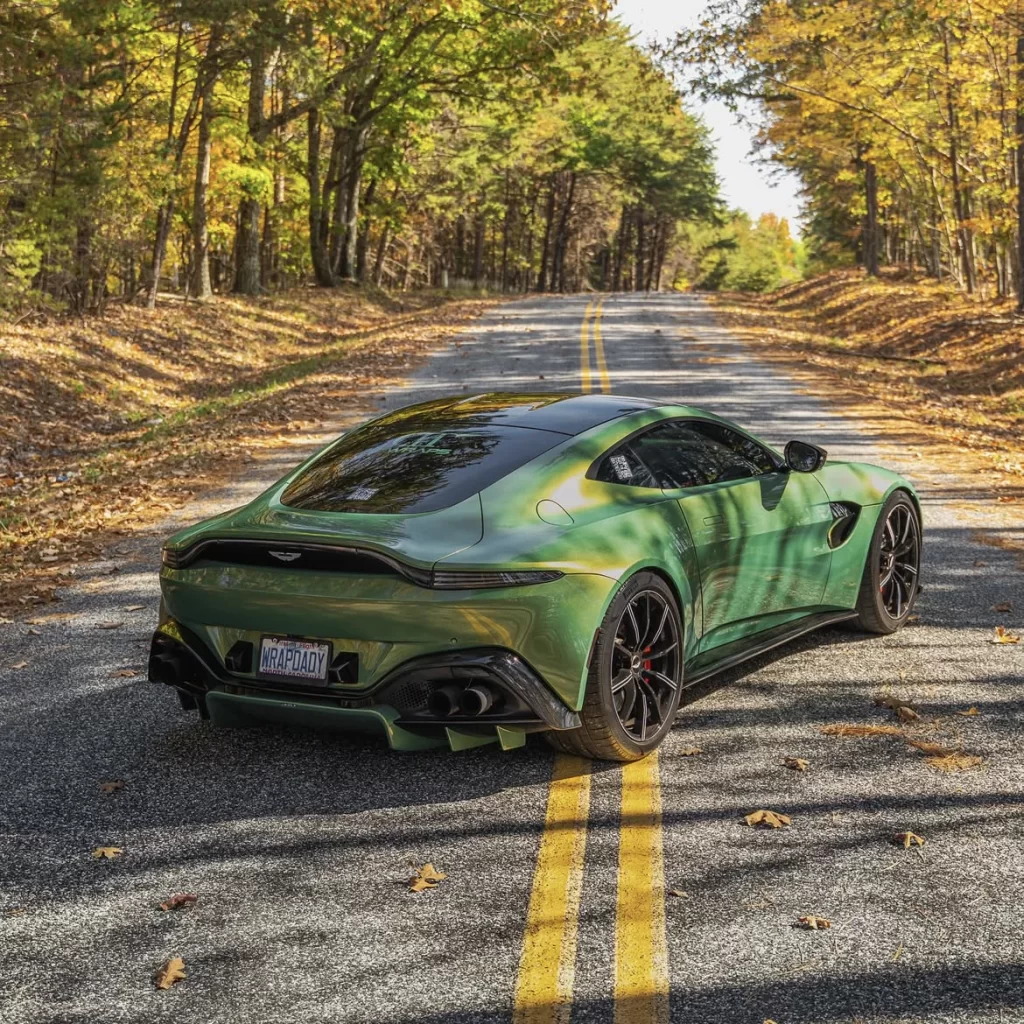
Table of Contents
What Exactly Is Color PPF?
Let’s start with the fundamentals, because there’s a lot of confusion in the market about what color PPF actually is.
Paint protection film — PPF for short — is a thick, transparent urethane film that’s applied to a vehicle’s painted surfaces to absorb impacts from rocks, road debris, bug splatter, and environmental contaminants. The original versions were literally called “clear bras” because that’s exactly what they looked like: a clear layer over the front end of the car.
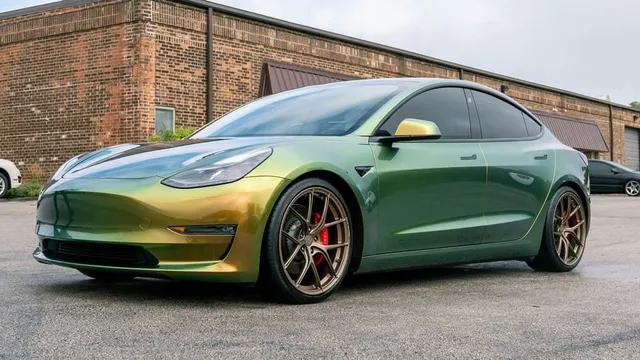
Color PPF takes that same protective foundation and adds a pigment layer. The result is a film that changes your vehicle’s appearance while still delivering the impact resistance, self-healing properties, and UV protection that made clear PPF popular in the first place.
The key distinction here is material composition. Color PPF is built on thermoplastic polyurethane (TPU) — the same material used in premium clear films — with a color layer incorporated into the film‘s structure. Vinyl wraps, by comparison, are made from polyvinyl chloride (PVC), which is thinner, less elastic, and lacks the self-healing top coat that defines modern PPF.
This isn’t a minor technical difference. It’s the reason color PPF can stretch around complex curves without stress marks, why it resists yellowing far better than vinyl, and why it can actually recover from light scratches when exposed to heat. When someone says color PPF is “vinyl wrap with protection,” they’re oversimplifying to the point of being wrong.
Why the Category Is Growing
Part of the appeal is simple economics. A repaint costs thousands and permanently alters the vehicle. A vinyl wrap changes the look but offers almost no protection against rock chips or scratches. Color PPF sits in a different position entirely — it’s a protective investment that happens to transform the vehicle’s appearance.
There’s also a practical consideration that’s driving adoption among daily drivers, not just show-car enthusiasts. Factory paint on modern vehicles is thinner than it was a decade ago, and highway driving chips it faster than most people expect. Once a color PPF film is applied, the original paint underneath is essentially sealed away from that damage. When the film eventually comes off, the paint beneath is in the same condition it was on installation day.
Decowell Film: What Sets It Apart
Now, let’s talk about the brand at the center of this guide.
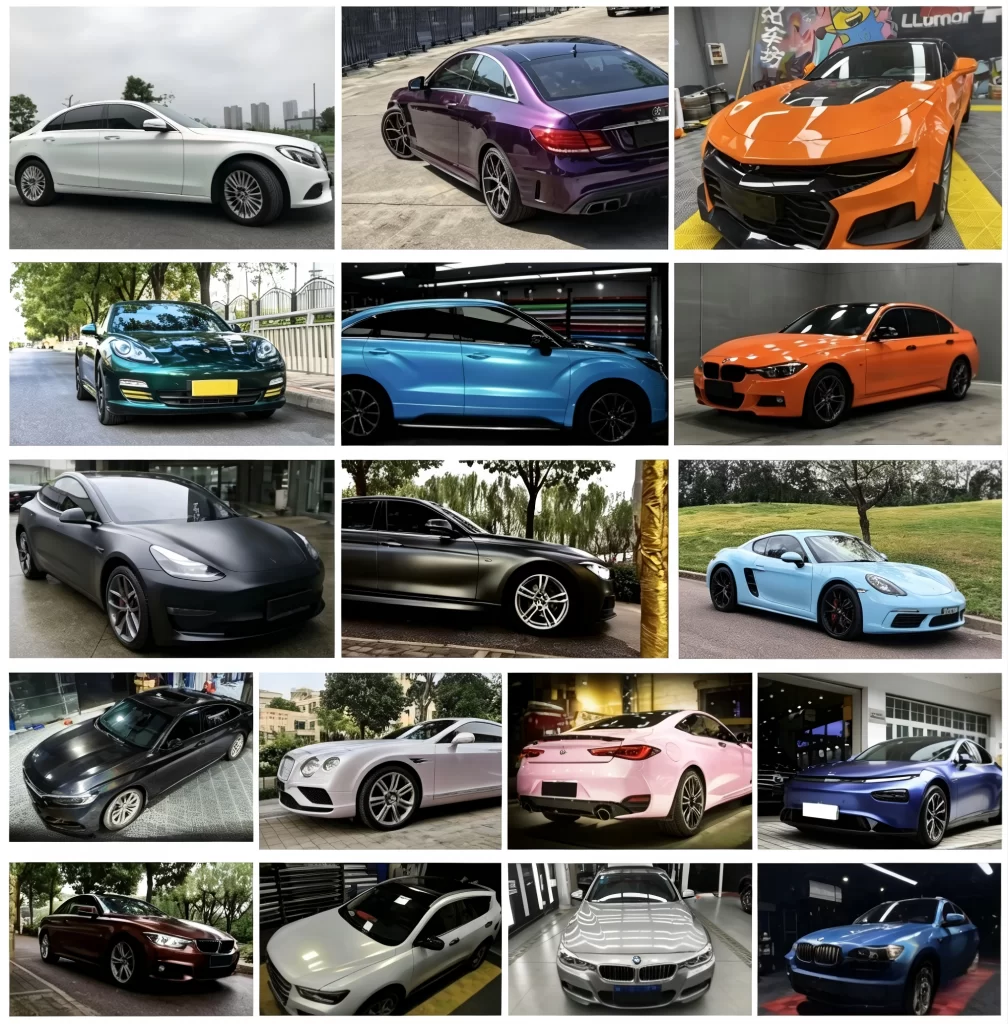
Decowell Film has positioned itself in the color PPF market around a principle that sounds obvious but is surprisingly rare: give customers enough color variety to actually find what they want. Walk into most PPF suppliers and you’ll find maybe a dozen color options. Decowell’s approach is closer to a full catalog — hundreds of shades spanning the spectrum from subtle OEM-style neutrals to bold statement colors.
But color range alone doesn’t make a film worth installing. The more important question is what’s underneath the pigment layer.
Decowell’s color PPF is built on a TPU construction with a self-healing top coat. The film‘s thickness — a specification that directly correlates with impact resistance — puts it firmly in the premium category. The surface carries hydrophobic properties, which means water beads and rolls off rather than sitting on the film and leaving mineral deposits behind. And critically for colored films, the top coat is engineered to resist yellowing, which is the failure mode that turns a beautiful color change into a faded disappointment after a few summers of sun exposure.
The films are designed for professional installation, which matters more for color PPF than it does for clear film. A clear PPF install with a small imperfection is barely noticeable. A color PPF install with the same imperfection is immediately visible because the color layer highlights every stretch mark, every trapped particle, every misaligned edge.
Why Installers Are Paying Attention
If you run a wrap shop or detailing business, you’ve probably noticed that customers are getting more specific about what they want. “A color change” isn’t a sufficient answer anymore — they want a particular shade, a particular finish, a particular look that matches what they saw on social media or at a car meet.
A supplier with a shallow catalog forces you to either disappoint customers or spend hours hunting for film from multiple sources. A supplier with a deep catalog gives you the ability to say yes more often. That’s the practical argument for Decowell Film from an installer’s perspective, and it’s a significant one.
There’s also the question of installation support. Color PPF is less forgiving than vinyl, and the learning curve is real. Film that’s engineered with installer-friendly characteristics — consistent adhesive, predictable stretch behavior, clean repositionability during the wet or dry application process — reduces the risk of expensive mistakes. Decowell’s films are designed with these installation characteristics in mind, which is part of why shops that have moved to color PPF tend to stay with it once they’ve dialed in their process.
Understanding Film Construction: What Actually Matters
When you’re comparing color PPF options, the specification sheet can look like alphabet soup. Here’s what the key terms actually mean and why they matter.
The TPU Foundation
TPU is the base material, and it’s the single most important factor in film performance. It determines how the film stretches, how it recovers from impact, how it ages, and how it behaves during installation.
TPU comes in different grades. The aliphatic variety — as opposed to aromatic — is the standard for premium films because it resists UV degradation and doesn’t yellow over time. Decowell’s color PPF uses aliphatic TPU as its foundation, which is the same material choice you’ll find in the films that hold up best over a five-to-ten year period.
Film Thickness
Thickness is typically expressed in mils (thousandths of an inch). Clear PPF and color PPF generally run in the 7 to 8 mil range, compared to 3 to 4 mils for vinyl wrap. That extra material isn’t just marketing — it’s what absorbs the energy from a rock strike before it reaches the paint.
A thicker film isn’t automatically better. Beyond a certain point, additional thickness makes the film harder to install without delivering meaningful gains in protection. But within the range of films being compared, thickness is a reasonable proxy for durability.
The Self-Healing Top Coat
This is where premium PPF separates itself from everything else. The top coat is an elastomeric layer with a molecular structure that allows it to “flow” back into shape when heated. Light scratches — the kind you get from washing, from brushing against the car, from parking under trees — essentially disappear when the film warms up.
The heat source doesn’t need to be dramatic. Direct sunlight on a warm day is usually enough. Warm water from a hose or a bucket accelerates the process.
For color PPF specifically, the self-healing top coat serves a second purpose: it protects the color layer from the fine scratches that would otherwise accumulate and dull the finish over time.
Hydrophobic Performance
A hydrophobic top coat causes water to bead and roll off the surface rather than spreading and sitting. The practical benefit is easier cleaning — dirt and grime don’t bond as aggressively to a hydrophobic surface, so a simple wash removes more of it.
There’s a protective benefit as well. Water sitting on a film surface can leave mineral deposits when it evaporates, and those deposits can stain or etch the surface if left long enough. Hydrophobic films reduce that risk significantly.
UV Stability and Color Retention
This is the specification that matters most for color PPF, and it’s the one that’s hardest to evaluate from a spec sheet alone. UV exposure degrades polymers over time. In clear films, the failure mode is yellowing. In colored films, the failure mode can be fading, color shift, or both.
Premium color PPF formulations incorporate UV inhibitors and stabilizers that block the vast majority of harmful UV radiation. The top coat provides an additional barrier. The combination is what allows a quality film to maintain its appearance over years of sun exposure rather than months.
The Finish Options: More Than Just Color
Color is the headline, but finish is what determines the character of the vehicle. Two cars with the same color in different finishes look completely different.
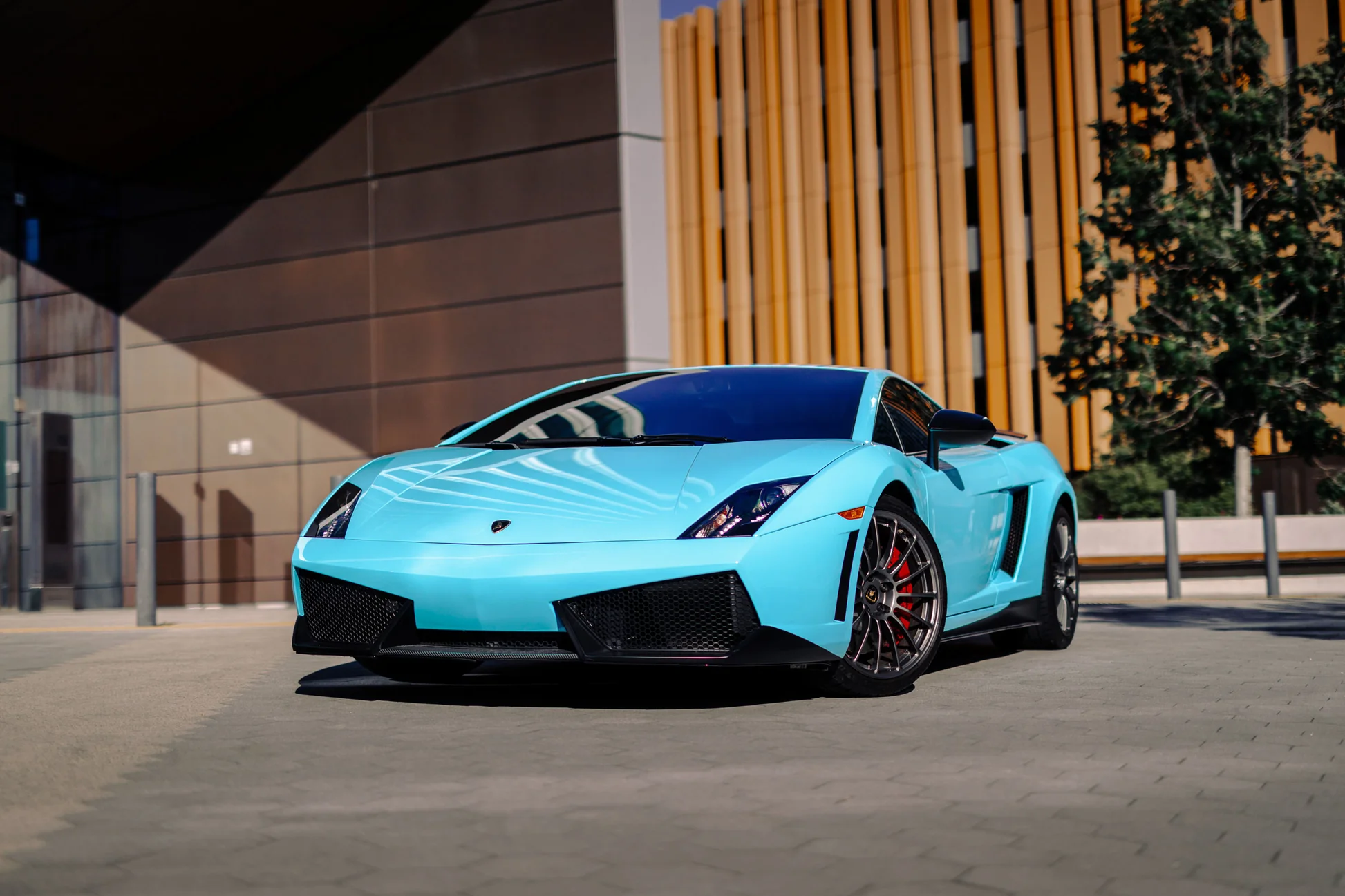
Gloss
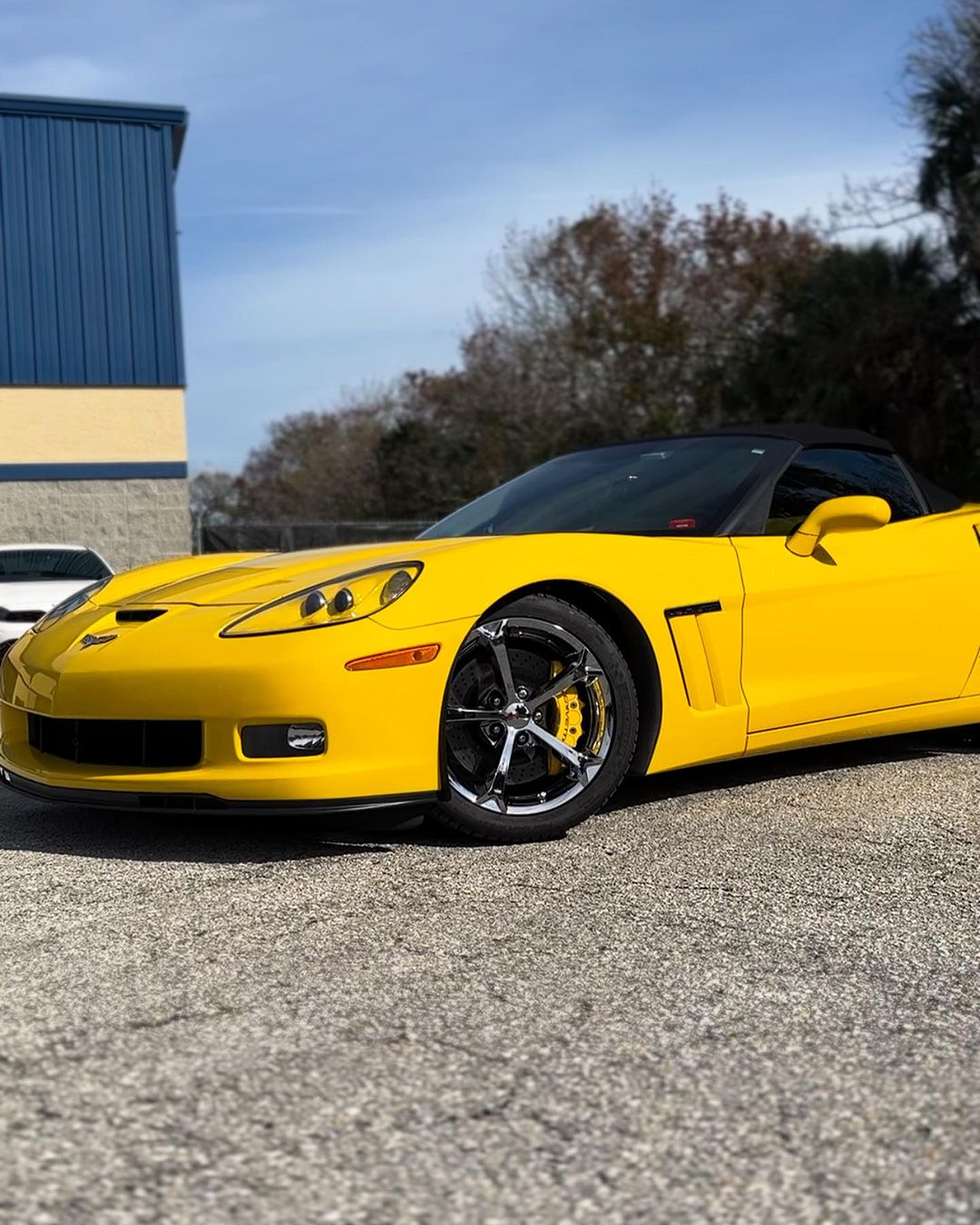
The traditional showroom look. Gloss color PPF has a deep, mirror-like reflectivity that makes colors pop and gives the vehicle a freshly detailed appearance that lasts. If you want people to notice the color, gloss is the finish that does it.
Gloss is also the finish that shows imperfections most readily. Any dust particle trapped under the film or any stretch mark from installation will be visible. This is why gloss installations demand the highest level of installer skill.
Satin
Satin sits between gloss and matte. It has a soft sheen — reflective enough to show the contours of the bodywork, but not so reflective that it looks like a mirror. Satin finishes have a refined, understated quality that works particularly well on luxury vehicles and modern performance cars.
From an installation perspective, satin is more forgiving than gloss because minor surface irregularities are less visible. From an ownership perspective, satin hides light dust better than gloss, which means the car looks cleaner between washes.
Matte
Matte is the finish that changes the vehicle’s personality most dramatically. A matte finish absorbs light rather than reflecting it, creating a flat, stealthy appearance that’s particularly striking on aggressive body shapes.
Matte color PPF requires different maintenance than gloss. You can’t wax it or use products designed for glossy surfaces, because those products will leave residue in the matte texture and create shiny patches. Dedicated matte-safe cleaners are the way to go. But for owners who want a look that stands out without being loud, matte is hard to beat.
Metallic and Effect Finishes
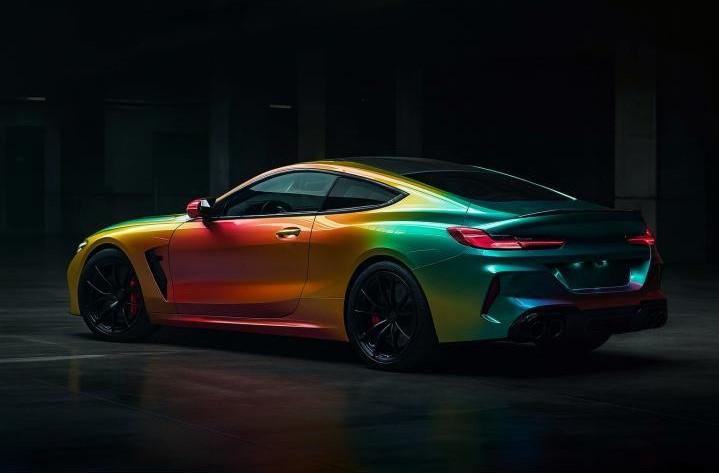
Beyond the three core finishes, color PPF is available in metallic formulations that incorporate fine particles to create depth and sparkle, and specialty effect finishes that shift appearance based on viewing angle or lighting conditions.
These finishes are the ones that generate the most interest at car shows and on social media, and they’re a significant reason color PPF has gained traction beyond the practical daily-driver market.
Color PPF vs. Vinyl Wrap: The Honest Comparison
This is the question that comes up in every conversation about color PPF, so let’s address it directly.
| Factor | Color PPF | Vinyl Wrap |
|---|---|---|
| Base material | TPU (thermoplastic polyurethane) | PVC (polyvinyl chloride) |
| Typical thickness | 7–8 mil | 3–4 mil |
| Primary purpose | Protection + color change | Color change / aesthetics |
| Self-healing | Yes (heat-activated) | No |
| Rock chip resistance | High | Low to moderate |
| UV / yellowing resistance | High (aliphatic TPU) | Moderate |
| Typical service life | 7–10 years | 3–5 years |
| Removal | Clean, with proper technique | Can leave adhesive residue |
The practical takeaway: vinyl is a styling product that happens to offer light protection; color PPF is a protection product that happens to offer styling.
If your only goal is to change the color as inexpensively as possible, vinyl still has a place. It’s thinner, easier to install, and available in some exotic finishes — chrome, holographic — that PPF doesn’t yet offer.
But if you want the color change to last, if you want the paint underneath to be protected while it’s covered, and if you want the film to resist the kind of damage that accumulates over years of driving — color PPF is the more capable solution.
There’s a resale consideration here too. A vinyl wrap that’s been on the car for four years is often showing its age — edges lifting, color fading, adhesive residue at the removal stage. A quality color PPF film that’s been properly maintained looks closer to how it did on installation day. When the time comes to sell or trade, the paint underneath is in better condition, and the vehicle presents better.
Installation: Why Color PPF Demands a Professional
Clear PPF is somewhat forgiving. A small bubble or a slightly imperfect edge on a clear film is nearly invisible against the paint beneath it. Color PPF has no such tolerance. The color layer acts as a magnifying glass for every installation flaw.
This isn’t a reason to avoid color PPF. It’s a reason to take installation seriously.
Surface Preparation Is Everything
The single most common cause of color PPF failure is inadequate surface preparation. Dust, wax residue, and microscopic contaminants trapped between the film and the paint create visible defects that can’t be fixed after the fact — the film has to come off and the process starts over.
Professional installers follow a multi-step prep process: a thorough wash, a clay bar treatment to remove embedded particles, a wipe-down with isopropyl alcohol or a dedicated prep solution to strip oils and waxes, and an air blow-out of seams, badges, and panel gaps where debris tends to collect.
If your installer skips any of these steps, the film will fail prematurely. There’s no way around it.
Environmental Control
Color PPF installation should happen in a clean, dust-free environment with controlled temperature and humidity. The ideal range is roughly 18°C to 30°C. Too cold, and the film becomes stiff and difficult to stretch. Too hot, and the adhesive becomes too aggressive, making repositioning difficult. High humidity interferes with adhesion.
This is one of the reasons DIY color PPF installations so often end in disappointment. A home garage that works fine for vinyl wrap isn’t necessarily adequate for color PPF.
The Skill Factor
Applying color PPF is a physical skill that takes time to develop. The film is thicker than vinyl. It requires more pressure to conform around complex curves. Heat management is more critical — overheating can distort the color layer, while underheating leaves the film too stiff to stretch properly.
For vehicle owners, this means one thing: find an installer with specific color PPF experience. Not just PPF experience, and not just wrap experience. The combination matters.
For installers reading this, the learning curve is real but manageable. Starting with simpler panels — hoods, roofs, trunk lids — before moving to complex bumper shapes is a reasonable progression. Decowell’s films are designed with installation characteristics that support this kind of skill development, which is part of what makes them approachable for shops expanding into color PPF services.
Maintenance: Keeping Color PPF Looking New
One of the advantages of color PPF over vinyl is that maintenance is simpler. Vinyl often needs special conditioners to prevent drying and cracking. Color PPF‘s self-healing top coat means minor scratches take care of themselves, and the hydrophobic surface makes washing easier.
That said, there are things you should and shouldn’t do.
Washing
Use a pH-neutral car soap and the two-bucket method — one bucket for soapy water, one for rinsing your wash mitt. This prevents dirt from being reintroduced to the surface and causing scratches.
A gentle hand wash is always preferable to an automated car wash. Brush-style car washes are particularly problematic because the brushes can catch edges and cause lifting. Touchless washes are a better option if you must use an automated system, but the cleaning results are less thorough.
For matte finishes, use a dedicated matte-safe cleaner. Products designed for glossy surfaces contain ingredients that can leave a residue in the texture of a matte film.
What to Avoid
Abrasive polishes or compounds — these can damage the top coat
Solvent-based cleaners — they can break down the adhesive or the film itself
High-pressure spray directed at edges — this can force water under the film and cause lifting
Automatic brush car washes — the bristles catch film edges
Self-Healing in Practice
If you notice light scratches on the film surface, you don’t need to do anything special. Park the car in the sun on a warm day, or pour warm (not hot) water over the affected area. The scratches will fade as the top coat relaxes.
Deeper scratches that penetrate through the top coat and into the color layer won’t self-heal. This is one of the trade-offs of a colored film versus a clear one — a deep scratch on a clear film is often invisible, while the same scratch on a colored film reveals the underlying paint.
Frequently Asked Questions
How long does Decowell Film color PPF last?
With proper installation and maintenance, a quality color PPF film should maintain its appearance and protective properties for seven to ten years. The actual lifespan depends on environmental exposure — vehicles parked outdoors in intense UV environments age faster than garaged vehicles — and on how well the film is maintained. Regular washing with pH-neutral products and avoiding abrasive cleaners will maximize service life.
Does color PPF damage the paint when it’s removed?
No, when the film is properly installed over healthy paint and removed correctly. The adhesive is designed to release cleanly, and the film actually protects the paint from the UV exposure, contamination, and physical damage that would otherwise degrade it over time. In most cases, the paint underneath the film is in better condition than unprotected paint on the same vehicle. The exception is if the paint was already compromised — peeling clear coat, poorly repaired panels — in which case the film can lift fragile paint during removal. This is one reason why proper surface preparation and paint inspection before installation matters.
Can I install Decowell Film color PPF myself?
While DIY installation of clear PPF is possible with patience and practice, color PPF is significantly less forgiving because the color layer makes every imperfection visible. The film is thicker than vinyl, requires controlled heat for stretching, and demands a clean, dust-free environment. Most vehicle owners will get better results — and a longer-lasting installation — by working with an experienced installer who has specific color PPF experience.
How is Decowell Film different from a vinyl wrap?
The fundamental difference is the material. Decowell Film’s color PPF is built on a TPU base with a self-healing top coat, while vinyl wraps use a thinner PVC material. This means color PPF provides actual impact protection against rock chips and road debris, resists yellowing and fading far better, and lasts considerably longer. Vinyl is primarily a styling product; color PPF is a protection product that also changes the vehicle’s appearance.
What finishes are available?
Decowell Film offers gloss, satin, matte, metallic, and specialty effect finishes across its color range. Gloss provides a traditional showroom look with maximum reflectivity. Satin offers a softer, more refined sheen. Matte creates a flat, stealthy appearance. Metallic and effect finishes add depth and visual interest through light-responsive particles and color-shifting properties. The finish you choose determines both the aesthetic character of the vehicle and, to some extent, the maintenance requirements.
Does color PPF require special maintenance?
Color PPF is actually easier to maintain than vinyl in most respects. The hydrophobic top coat repels water and dirt, making washing more effective. The self-healing top coat means light scratches disappear on their own with sun exposure. Use a pH-neutral car soap and the two-bucket washing method, avoid abrasive products and brush-style car washes, and the film will maintain its appearance for years. Matte finishes require matte-safe cleaners rather than standard gloss products.
Can color PPF be applied over a vinyl wrap?
Technically, some films can be applied over vinyl, but it’s not recommended practice. The adhesion characteristics are different, the vinyl’s texture can telegraph through the PPF, and if the vinyl fails underneath, the PPF fails with it. For maximum performance and longevity, color PPF should be applied directly to properly prepared paint.
How does color PPF affect resale value?
A vehicle with intact, well-maintained color PPF presents better at resale because the paint underneath is preserved in near-original condition. The film itself can be removed, revealing factory paint that hasn’t been subjected to years of UV exposure, rock chips, and environmental contamination. Dealers and private buyers recognize this — a vehicle with documented paint protection tends to command a stronger price than an equivalent vehicle with unprotected, weathered paint.
What’s the difference between gloss and matte finishes in terms of durability?
The core protective properties — impact resistance, self-healing, UV stability — are essentially the same across finishes. The difference is in maintenance and appearance. Gloss finishes show dust and water spots more readily but are more forgiving in terms of cleaning products. Matte finishes hide light dust better but require matte-safe cleaners and cannot be polished or waxed. Both finishes have their place; the choice comes down to the look you want and your willingness to follow the appropriate maintenance routine.
How do I choose the right color for my vehicle?
Start with the finish you want — gloss for maximum impact, satin for understated refinement, matte for a stealth look — and then work through the color options within that finish category. Consider how the color interacts with your vehicle’s body lines and existing trim. Dark colors in matte finishes tend to look particularly aggressive; lighter colors in satin finishes have a more elegant quality. If you’re uncertain, ask your installer about ordering a small sample of the film to see it against your vehicle’s actual paint before committing to a full installation.
Making the Decision
The color PPF market has matured to the point where the technology is genuinely capable of delivering on its promise. Modern TPU films with self-healing top coats, hydrophobic surfaces, and UV-stable color layers can protect a vehicle’s paint while transforming its appearance — and they can do both for the better part of a decade.
What separates a good outcome from a disappointing one is less about the category and more about the specific choices: the film quality, the finish selection, the installer’s skill, and the owner’s commitment to proper maintenance.
Decowell Film has built its position in this market around giving buyers more options — more colors, more finishes, more ways to find the exact look they’re after — while maintaining the material quality that makes color PPF worth the investment in the first place. The films are designed for professional installation, engineered for long-term durability, and backed by a catalog that can accommodate everything from subtle OEM-style color changes to full-scale custom builds.
If you’re an installer looking to expand your color PPF offerings, or a vehicle owner ready to protect your paint while giving your car a new identity, it’s worth exploring what Decowell Film has available. The full catalog of colors and finishes is available on their website, and their team can help with product selection based on your specific application.
Some decisions in the automotive world are easy. This one requires a bit more thought — but the result, when it’s done right, is a vehicle that looks the way you want and stays protected for years to come.