Home » Headlight Protection Films: Keep Your Lenses Clear and Safe
Recent Posts
Headlight Protection Films: Keep Your Lenses Clear and Safe
You‘ve probably noticed it walking through a parking lot. A car that looks decent from the side, maybe even nice. But the headlights? They’re foggy. Yellowish. Tired.
Maybe you‘ve owned a vehicle like that yourself. Or maybe your own car’s headlights are starting to lose that crisp, clean look they had when you first drove it off the lot.
Here‘s the thing most people don’t realize until it‘s too late: headlights degrade faster than almost any other exterior component on modern vehicles. Not because they’re poorly made. But because they‘re made of polycarbonate plastic, and polycarbonate and UV light don’t get along.
This comprehensive guide walks you through everything about headlight protection films — what they are, why you need them, how to pick the right one, and how to keep your headlights looking and performing like new for years. Let‘s get started.
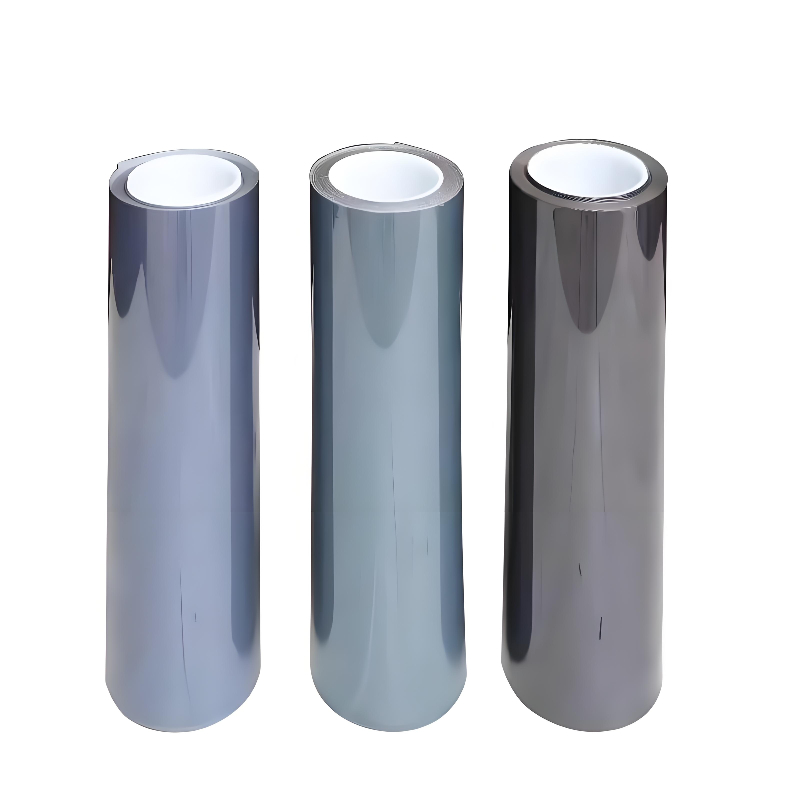
Table of Contents
Why Your Car’s Headlights Need Protection
Modern headlights use polycarbonate lenses. Compared to old-school glass, polycarbonate is lighter, more impact-resistant, and easier to shape into those sleek aerodynamic designs we all love. But there‘s a catch. Polycarbonate is highly sensitive to ultraviolet radiation.
Every time you park under the sun, UV rays start breaking down the molecular structure of the plastic. The factory applies a thin UV coating when the headlight is manufactured, but that coating is typically only 10 to 20 microns thick — barely enough to last through the warranty period. It‘s not designed for years of daily exposure.
Once that factory coating fails, oxidation begins. Oxygen molecules bond with the damaged plastic. A cloudy layer forms. Chemical changes create that amber discoloration. And soon enough, your headlights are scattering light instead of projecting it forward.
This is more than an appearance issue. When headlight lenses become hazy and yellowed, forward illumination can drop significantly, making nighttime driving much more dangerous. Proper headlight visibility isn‘t cosmetic — it’s safety.
What Is a Headlight Protection Film?
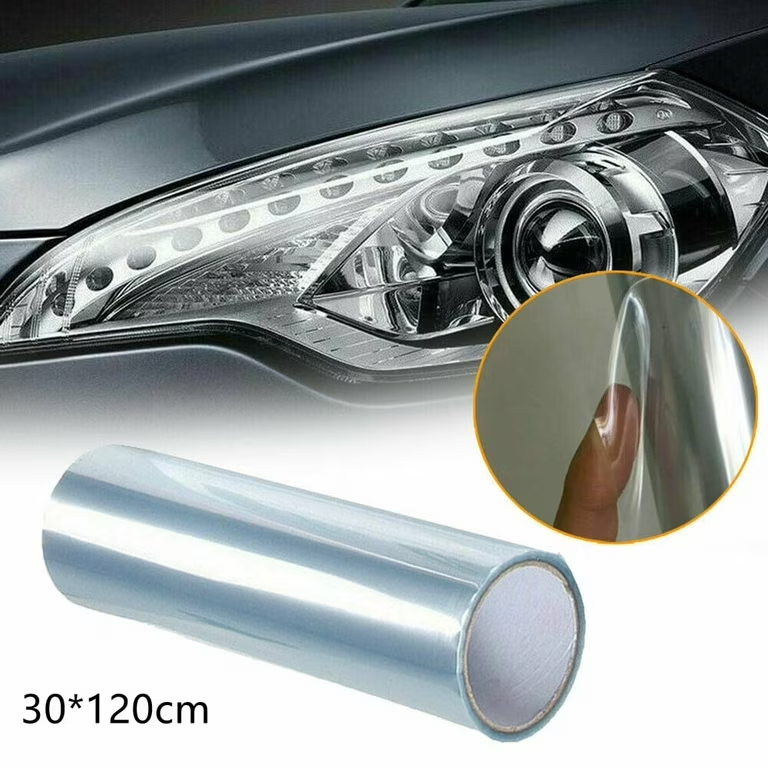
A headlight protection film is a clear, durable layer applied directly to your headlight lenses. Think of it like a high-end screen protector for your car — except it‘s engineered for stone chips, road salt, UV exposure, and extreme weather instead of pockets and fingerprints.
What it‘s made from
High-quality headlight protection films are primarily manufactured from thermoplastic polyurethane, commonly known as TPU. This material offers the flexibility needed to wrap smoothly around complex headlight curves while providing the toughness to absorb routine wear that would otherwise damage the lens directly.
What a quality film should do
A proper headlight protection film does several things at once:
Stays optically clear — no cloudiness or distortion
Blocks UV radiation to prevent yellowing and oxidation
Resists impacts from small stones and road debris
Remains removable without leaving residue behind
Market Growth and Why More Car Owners Are Choosing Protection
The numbers tell a clear story. The global car headlight protection film market continues to expand, driven by increasing awareness among vehicle owners about preserving their headlights against environmental damage, road debris, and UV radiation. As vehicles age and owners look for cost-effective ways to maintain appearance and safety, demand for durable protection films keeps rising.
More car owners are realizing that prevention beats restoration. A professional restoration might remove existing oxidation, but without protection, the lenses will yellow again within 12 to 18 months. Protection film changes the game entirely — it’s a sacrificial layer that takes the punishment instead of your expensive headlights.
Types of Headlight Protection Films
Not all headlight films are built the same. Here‘s what you‘ll typically find.
Clear protection films
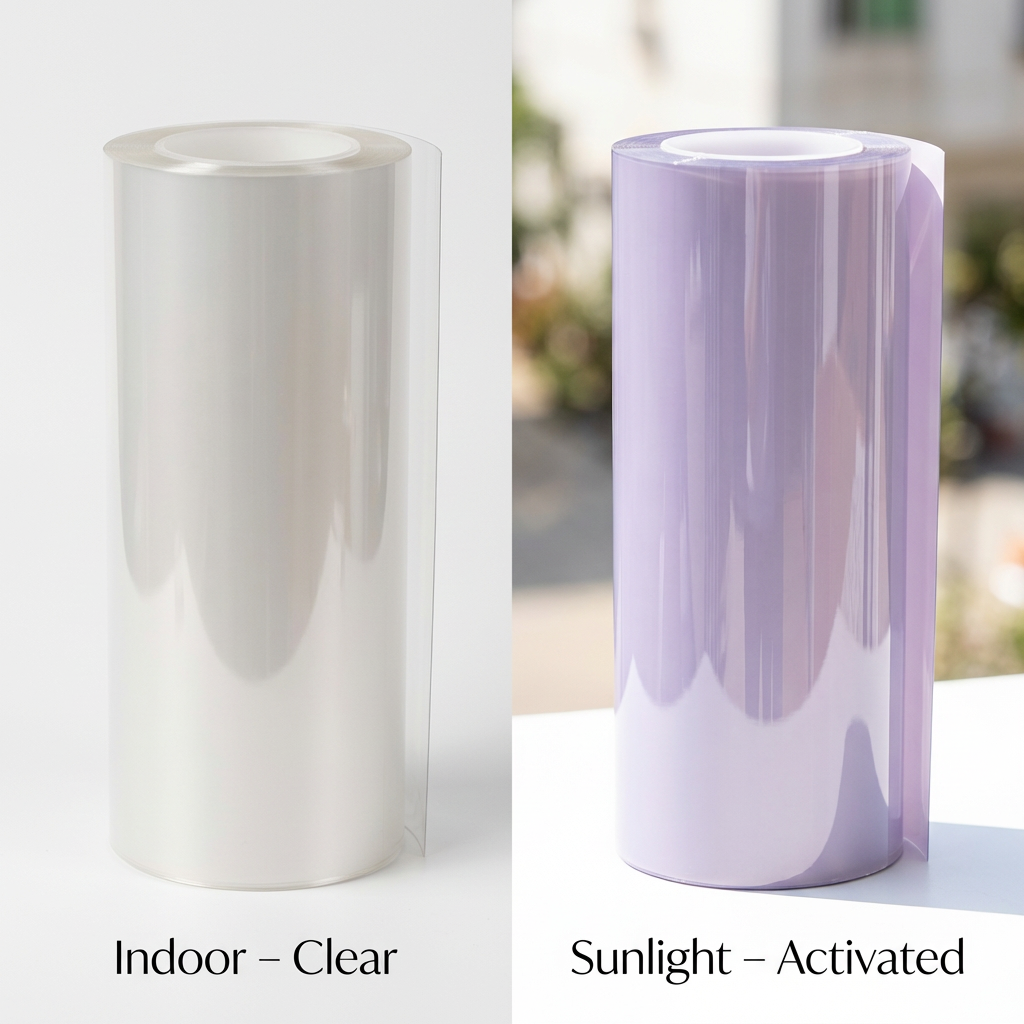
These are transparent layers designed primarily for protection without any change to appearance. They preserve original headlight brightness and clarity while blocking UV rays and resisting scratches.
Self-healing films
Self-healing technology has become increasingly common in higher-end products. The film contains elastomeric polymers that flow back into place when exposed to heat — sunlight, warm water, or a heat gun. Minor surface scratches and swirl marks essentially disappear. It‘s not magic. It‘s material science.
Tinted or colored films
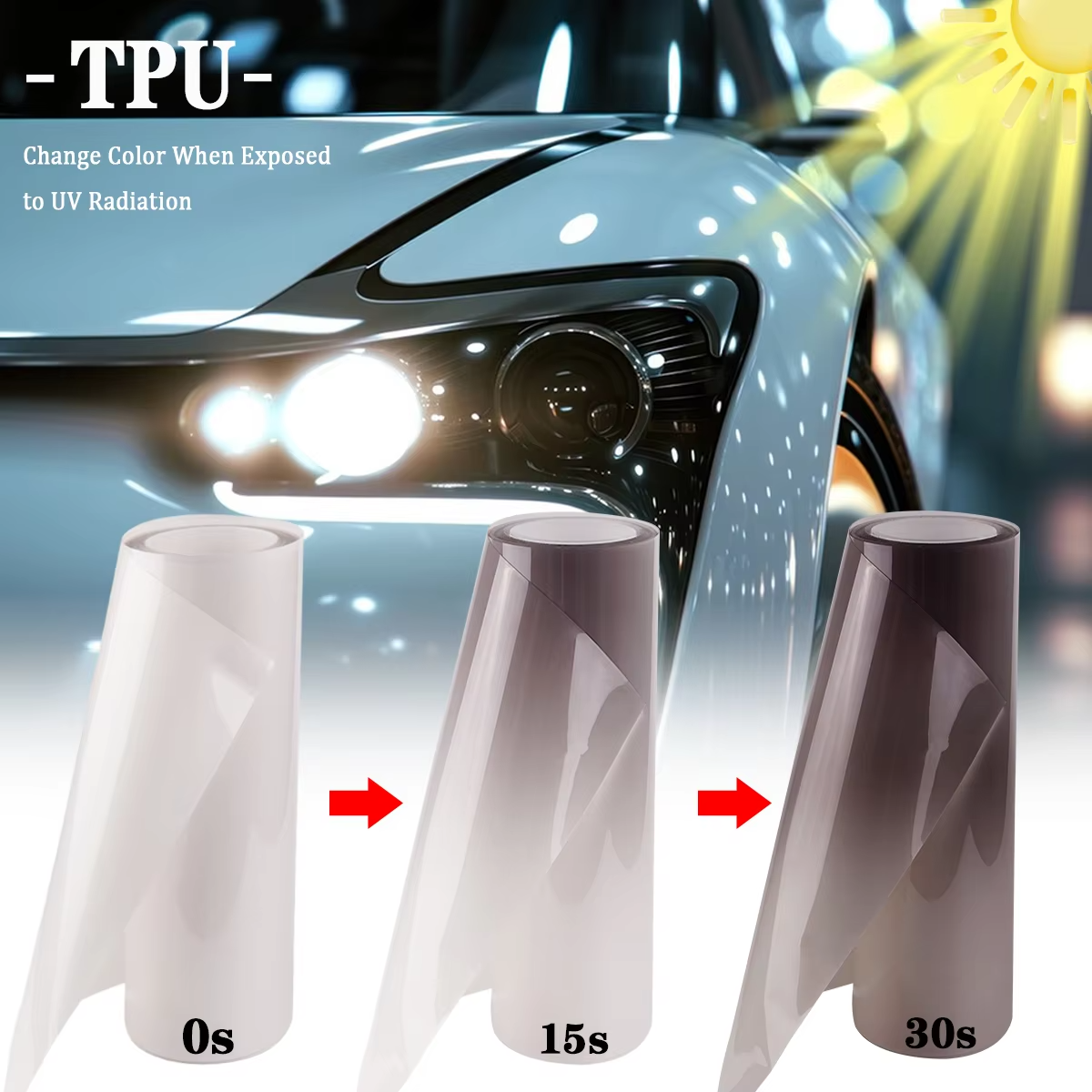
These alter the appearance of headlights while still providing protection. Tint can range from light smoke to darker finishes. However, legality varies significantly by region. In most states and countries, any film that reduces light output or changes the color of headlights from white is considered illegal for on-road use.
For daily drivers on public roads, clear protection film is almost always the smartest and safest choice.
TPU vs. Other Materials: What Actually Lasts
When you‘re shopping for headlight protection films, you‘ll encounter different materials. Here‘s the honest breakdown.
TPU (Thermoplastic Polyurethane)
TPU is the industry standard for serious protection. It offers superior flexibility, impact resistance, optical clarity, and UV stability. Quality TPU films resist yellowing and maintain performance across a wide temperature range. For drivers who want long-term protection, TPU is the answer.
PVC (Polyvinyl Chloride)
PVC films are generally less expensive but come with trade-offs. They don‘t offer the same durability or self-healing capabilities. PVC can yellow over time and lacks the flexibility to conform to complex curves without lifting or bubbling. For a few dollars saved, you‘re sacrificing years of reliable protection.
Other alternatives
Some films use other material blends or polyester-based constructions. These can look acceptable on day one but typically fail much faster than TPU, especially under continuous UV exposure and temperature cycling.
Bottom line: if you want protection that lasts and actually works, TPU is the material to look for.
What To Look For in a Quality Headlight Protection Film
Here‘s a practical checklist for evaluating your options.
UV resistance
This is non‑negotiable. A film without effective UV blockers is just plastic over plastic. Quality films use UV inhibitors that prevent yellowing and material degradation over time.
Optical clarity
The film should be virtually invisible once installed. No haze. No distortion. No reduction in light output. Good films maintain over 90% light transmission while still providing full protection.
Self-healing capability
Self-healing isn‘t a gimmick. It genuinely extends the life and appearance of the film. Minor scratches from car washes, road grit, or incidental contact heal when exposed to heat. That means your headlights stay clearer longer.
Thickness and durability
Film thickness typically ranges from 6 to 10 mils. Thicker films offer more impact resistance against stone chips and gravel. Thinner films conform more easily to complex curves. The right balance depends on your specific vehicle and driving conditions.
Hydrophobic properties
Some films include hydrophobic topcoats that cause water to bead up and roll off. This makes cleaning easier and prevents water spots and mineral deposits from building up on the surface.
Adhesive quality
The adhesive needs to bond securely without lifting over time, but it also needs to remain removable without residue or damage to the factory clear coat. High-quality acrylic adhesives strike that balance effectively.
Installation: Professional or DIY?
Installation method matters. A great film installed poorly will fail. A decent film installed correctly can perform admirably.
Professional installation
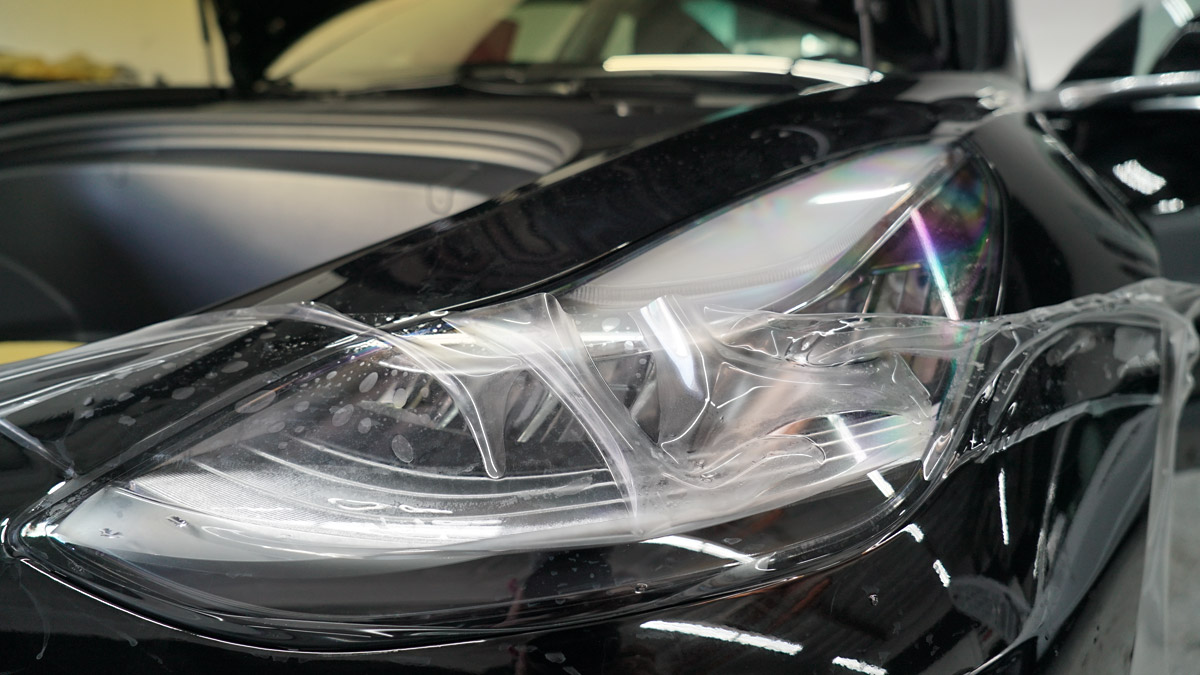
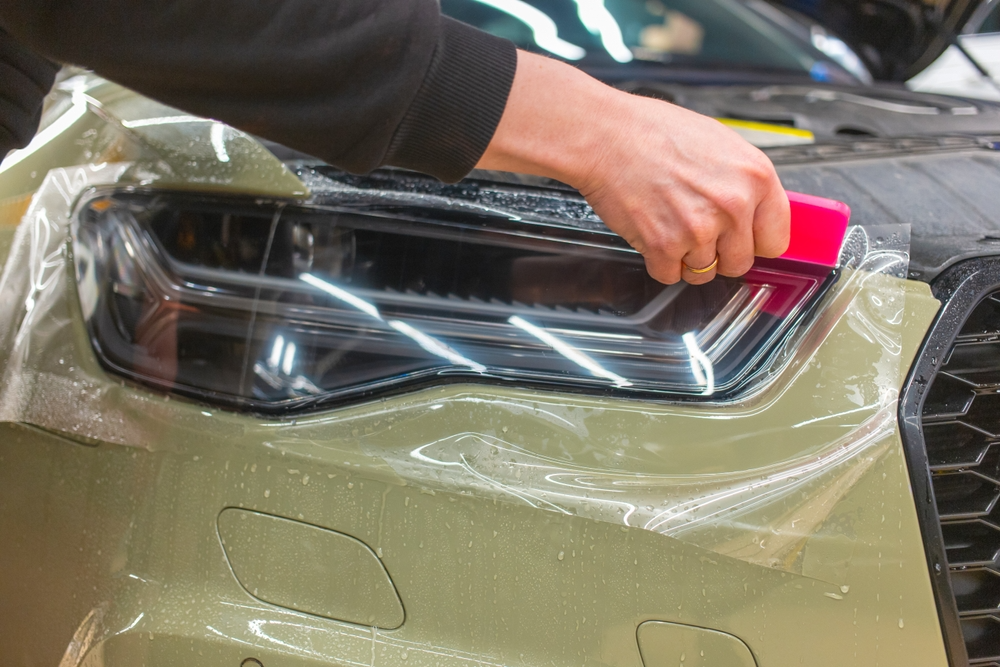
Professional installers have experience, proper tools, and controlled environments. They can handle complex headlight curves, ensure full coverage, and avoid common mistakes like trapped bubbles, lifted edges, or contamination under the film. For expensive vehicles or drivers who want perfect results, professional installation is worth considering.
DIY installation
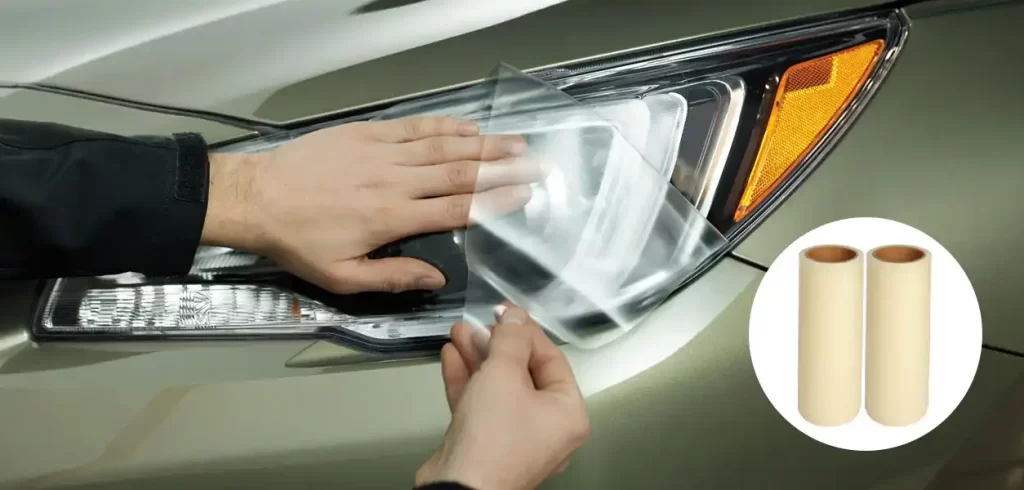
Pre‑cut kits have made DIY installation much more accessible. Most kits include the film, a spray bottle, squeegee, and instructions. The process generally follows these steps:
Thoroughly clean the headlight surface with isopropyl alcohol to remove all dirt, oils, and residues
Mix a slip solution (water with a few drops of neutral soap)
Spray both the headlight surface and the adhesive side of the film
Position the film — the slip solution allows repositioning
Use a squeegee to push out excess solution and air bubbles from center to edges
Allow proper drying time before exposing the film to water or stress
The wet application method is more forgiving and produces better results for beginners. Just be patient and take your time.
Common installation mistakes to avoid
Skipping proper surface preparation — contamination leads to adhesive failure
Rushing the positioning — once the film sticks, repositioning becomes difficult
Using too little slip solution — the film won‘t slide into correct alignment
Applying in direct sunlight — heat makes the adhesive too aggressive
Forgetting to seal edges — exposed edges can lift or collect dirt
Restoration vs. Protection: Which Comes First?
This is a common question. Your headlights are either healthy or they‘re not. Here‘s the simple approach.
For new or clear headlights
Apply protection film immediately. That‘s it. Prevention costs less and takes less time than fixing damage later.
For slightly yellow or hazy headlights
Professional restoration can remove the damaged outer layer through wet sanding and polishing, revealing clear plastic underneath. After restoration, applying protection film prevents the same damage from recurring. This combination — restore first, then protect — is the most cost‑effective long‑term strategy.
For severely damaged or cracked headlights
Restoration may not be enough. Deep crazing, cracks, or internal damage usually means replacement is necessary. After installing new headlights, apply protection film immediately to preserve them.
Restoration alone, without protection, typically lasts only about 12 to 18 months before oxidation returns. Protection film, properly installed over healthy lenses, lasts five years or more.
Maintenance and Care
Headlight protection films require minimal maintenance, but a little attention goes a long way.
Regular washing
Wash your headlights with the rest of your vehicle using pH‑neutral car shampoo and a soft microfiber mitt. Avoid harsh brushes or abrasive chemicals that could scratch or degrade the film surface.
Avoid automatic car washes with stiff brushes
Brushless automatic car washes are generally safe. Tunnel washes with spinning brushes create friction that can scratch the film surface over time, even on self‑healing films.
Dealing with stubborn contaminants
Bird droppings, bug residue, and tree sap should be removed promptly to prevent etching. A quick wipe with isopropyl alcohol diluted with water works effectively without damaging the film.
Inspection
Periodically check the edges of the film for any lifting or contamination buildup. Catching small issues early prevents them from becoming big problems.
Legal Considerations
Before adding any film to your headlights, understand your local regulations.
Clear protective films that do not reduce light output or alter color are generally acceptable in most jurisdictions. They protect without interfering with lighting performance.
Tinted films are a different story. Most states and countries prohibit any covering that reduces required light output or changes headlight color from white. Even light smoke tints can fail safety inspections or result in traffic citations.
For daily drivers on public roads, clear protection film is the safe and sensible choice. Reserve tinted options for show cars, off‑road vehicles, or auxiliary lights where local laws permit.
Frequently Asked Questions (FAQs)
Q: What is a headlight protection film and do I really need it?
A: A headlight protection film is a clear TPU layer applied to your headlight lenses to block UV rays, resist scratches, and absorb impacts from road debris. You need it if you want to prevent the yellowing, hazing, and pitting that inevitably affects unprotected polycarbonate headlights over time.
Q: How long does headlight protection film last?
A: High-quality TPU protection film typically lasts five to ten years with proper installation and basic maintenance.
Q: Can I apply headlight protection film myself?
A: Yes, pre‑cut kits make DIY installation possible. The wet application method works well for beginners. However, professional installation ensures the best results, especially on complex headlight shapes.
Q: Does headlight protection film affect light output?
A: No. High-quality clear TPU film maintains excellent optical clarity and light transmission. It should be virtually invisible when properly installed. Always verify that the film you choose is designed specifically for headlight applications.
Q: What‘s the difference between clear film and tinted film?
A: Clear film provides UV protection and impact resistance without changing headlight appearance. Tinted film adds a colored or darkened look but may be illegal for on-road use in many areas. Clear film is the safer, more practical choice for daily driving.
Q: Will protection film prevent UV yellowing?
A: Yes, quality TPU film includes UV inhibitors that block the harmful wavelengths responsible for polycarbonate degradation. This prevents the oxidation and yellowing that plague unprotected headlights.
Q: What about ceramic coating? Can it replace film?
A: Ceramic coating offers some UV protection and makes cleaning easier, but it provides almost no impact resistance against stone chips and road debris. For comprehensive protection that includes impact absorption and scratch resistance, protection film is the better choice.
Q: Can headlight protection film be removed?
A: Yes, quality film is designed to be removable without damaging the underlying lens or leaving adhesive residue when properly installed and removed by an experienced professional.
Q: Will the film yellow over time?
A: Premium TPU film with proper UV inhibitors resists yellowing for years. Lower-quality films or alternative materials may yellow as they age. Material quality directly correlates with long‑term clarity.
Making the Right Choice for Your Vehicle
Headlight protection isn‘t complicated once you understand the basics. Polycarbonate lenses degrade under UV exposure. Factory coatings fail within a few years. Restoration fixes existing damage temporarily. Protection film prevents damage from starting in the first place.
For new vehicles or freshly restored headlights, applying protection film immediately is simply smart ownership. It preserves your headlights‘ appearance and safety performance for years instead of months. Compared to the cost of replacement headlights or repeated restorations, protection film offers exceptional value.
Your headlights are your most important safety feature for night driving. They also significantly affect your vehicle‘s appearance and resale value. Protecting them isn‘t an upgrade — it‘s a smart investment in safety and longevity.
Why Decowell Headlight Protection Film
Decowell brings years of manufacturing expertise to headlight protection, delivering TPU-based films that combine advanced material science with practical, durable performance.
Decowell‘s headlight protection films are manufactured with premium TPU materials that offer excellent optical clarity, UV resistance, and impact absorption. The films incorporate self-healing properties that allow minor surface scratches to recover when exposed to heat, keeping your headlights clearer for longer.
Rigorous testing and quality control ensure consistent thickness, adhesive performance, and long‑term stability. Decowell offers customizable options for partners seeking private-label solutions, with flexible production tailored to client specifications. The company operates a fully integrated manufacturing process, allowing quality traceability from raw material to finished roll.
For automotive professionals, distributors, and vehicle owners who want reliable headlight protection, Decowell combines manufacturing capability with a genuine partnership approach. Whether you need bulk rolls or custom solutions, Decowell delivers film that protects what matters — your headlights, your safety, and your investment.
Ready to protect your headlights? Reach out to Decowell today to discuss your headlight protection film needs, request samples, or explore partnership opportunities. Clear, safe headlights start with the right protection.