Home » Top Paint Protection Film Suppliers: How to Choose a Reliable PPF Manufacturer in 2026
Recent Posts
Top Paint Protection Film Suppliers: How to Choose a Reliable PPF Manufacturer in 2026
Introduction: Why PPF Suppliers Matter More Than Ever
Let‘s be honest—if you’re in the automotive aftermarket business, you‘ve probably noticed something over the past couple of years. More and more car owners are asking about paint protection film. Not just the luxury crowd anymore. Everyday drivers are getting curious. They’re tired of watching their new car‘s front bumper turn into a speckled mess of stone chips after a few highway drives.
Paint protection film suppliers are riding a serious wave right now. The numbers don’t lie. Back in 2025, the global PPF market was sitting at about USD 1.09 billion. By 2030, projections say it‘ll hit USD 1.54 billion—that’s steady growth at around 7.2% year over year. Another report puts the Asia Pacific region alone at nearly 46% of the global market share in 2025. And the automotive segment? It still dominates, holding over 82% of the market in 2026.
Why all this growth? Simple. People care more about keeping their cars looking fresh. Vehicle protection isn‘t optional anymore—it’s a necessity for anyone who drives on real roads with real rocks and road salt and bug splatters. And that‘s where choosing the right paint protection film suppliers becomes critical. Not all PPF is created equal. And not all manufacturers deliver what they promise.
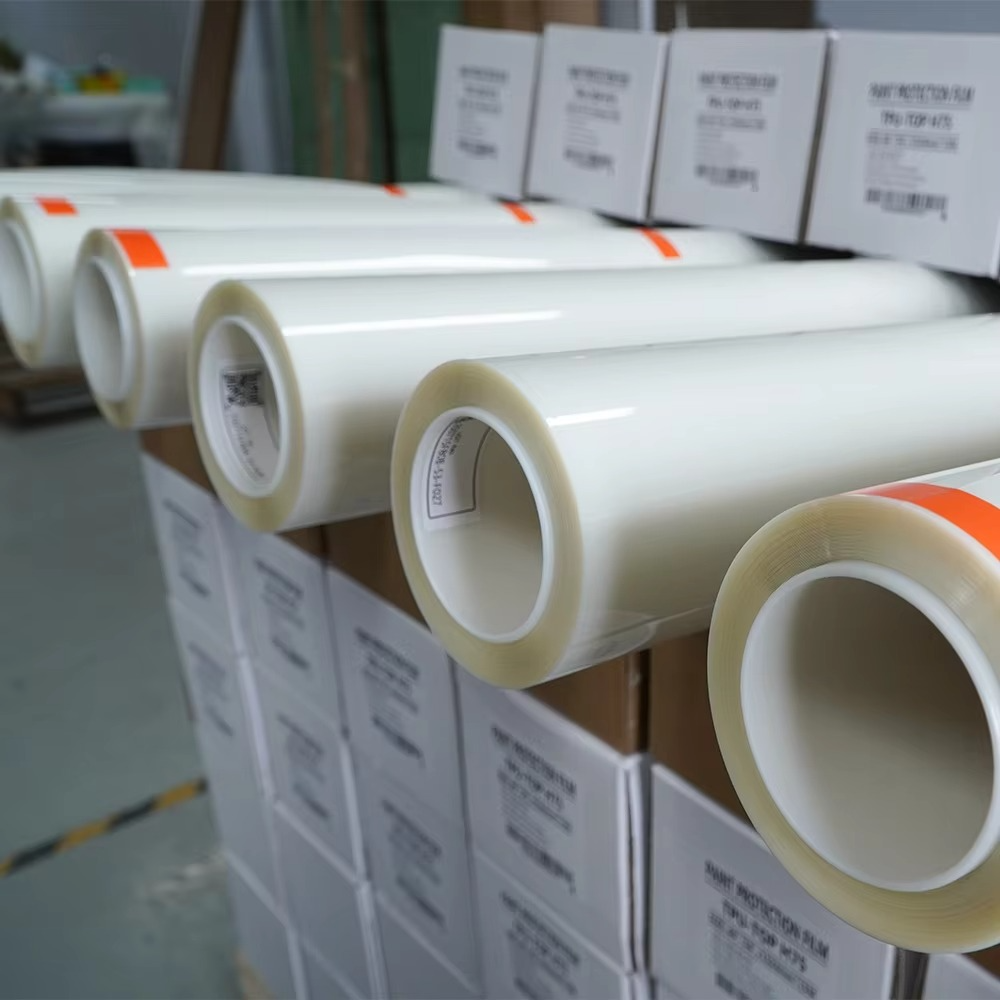
Table of Contents
What Exactly Is Paint Protection Film Anyway?
Before we dive into how to find the right paint protection film suppliers, let’s get clear on what we‘re actually talking about. Paint protection film—often shortened to PPF or called “clear bra” in some circles—is a thermoplastic polyurethane (TPU) film applied directly to a vehicle’s painted surfaces. Think of it like a second skin for your car‘s paintwork, but way tougher than that sounds.
A quality PPF forms a sacrificial barrier. It takes the hits so your original paint doesn’t have to. We‘re talking stone chips, minor abrasions, bug droppings, road debris—all that nasty stuff that usually ends up etched into your clear coat.
But here‘s the thing. Paint protection film isn’t just one generic product anymore. Modern paint protection film suppliers offer films with all kinds of advanced features. Self-healing properties let minor scratches disappear when exposed to heat—sunlight or warm water works wonders. Hydrophobic coatings make water bead up and roll right off. Anti-yellowing TPU formulations keep the film clear and transparent even after years of UV exposure.
So when you‘re looking for paint protection film suppliers, you’re not just buying a roll of plastic. You‘re buying technology. Engineering. Chemistry. The kind that determines whether your customers come back happy or come back with complaints.
The Three Main Types of PPF You’ll Encounter
Not every paint protection film is built the same way. If you‘re serious about sourcing from paint protection film suppliers, understanding the differences in materials is half the battle.
TPU (Thermoplastic Polyurethane) — This is the gold standard. Premium TPU films offer superior transparency, flexibility, and long-term durability. They resist yellowing under UV exposure and maintain their elasticity even when temperatures fluctuate dramatically. TPU films typically come with self-healing topcoats that repair surface scratches when heat is applied. According to market data, TPU accounted for nearly 48% of the PPF market in 2026. Why? Because it simply performs better.
PVC (Polyvinyl Chloride) — PVC films are more affordable. They’re the second-largest segment in the PPF market and appeal to budget-conscious buyers or entry-level applications. But here‘s the trade-off: PVC films don’t offer the same longevity or self-healing capabilities as TPU. They can yellow over time and aren‘t as flexible when conforming to complex curves.
PET (Polyethylene Terephthalate) — This is the third most common material, valued for optical clarity and cost efficiency. It shows up in certain applications where transparency matters but heavy-duty protection isn’t the main priority.
For serious distributors or private-label brands, TPU-based paint protection film is almost always the right call. Yes, it costs more upfront. But the performance difference? Night and day.
The Features That Separate Good PPF from Great PPF
When you‘re comparing different paint protection film suppliers, don’t just look at price sheets. Look at feature sets. Here‘s what actually matters.
Self-healing — This is probably the feature customers ask about most. Quality TPU films contain elastomeric coatings that repair minor scratches and swirl marks when exposed to heat—think sunlight, warm water, or a heat gun. The film‘s surface actually flows back into place. It’s not magic. It‘s material science. And it’s a game-changer for keeping vehicles looking new.
Hydrophobic properties — Water beading isn‘t just for Instagram videos. A good hydrophobic coating means dirt, mud, and grime don’t stick as easily. Cars stay cleaner longer. Maintenance gets easier. And the film resists water stains and mineral deposits that can otherwise etch into the surface over time.
UV and yellowing resistance — Paint protection that turns yellow after two years isn‘t protection—it’s a problem. Premium paint protection film suppliers use aliphatic TPU chemistry that resists UV degradation. The film stays clear, the original paint color stays true, and nobody ends up with a “yellow car” that was supposed to be white.
Optical clarity — Great PPF is practically invisible when applied correctly. No haze. No distortion. Just a deep, glossy finish that actually makes the paint look better. Some paint protection film suppliers now offer films with optical clarity exceeding 90% transmission ratings.
Thickness options — Films typically range from 6 to 10 mils total thickness. Thicker films offer more impact resistance. Thinner films conform more easily to complex curves. The best paint protection film suppliers offer multiple thickness grades so buyers can match the film to the application.
What to Look for in Paint Protection Film Suppliers (The Real Checklist)
Alright, so you know what good PPF looks like. Now how do you find paint protection film suppliers who actually deliver it consistently? Here‘s a practical checklist.
Vertical integration matters. Paint protection film suppliers who control their own manufacturing process—from TPU synthesis and pelletizing all the way through casting, coating, and slitting—tend to produce more consistent quality. When a single factory handles everything, there’s less finger-pointing when something goes wrong. If you can find paint protection film suppliers who keep the whole chain in-house, you‘re looking at better batch-to-batch consistency and shorter problem-solving loops.
Third-party test reports tell the real story. Any paint protection film suppliers can make claims. The trustworthy ones back it up with data. Look for tensile strength of at least 18–40 MPa, elongation at break exceeding 150–300%, and contact angle readings above 90° for hydrophobic performance. Ask for UV aging reports showing no discoloration after extended testing. If a supplier hesitates to share test results, that’s a red flag.
On-time delivery and reorder rates. In B2B sourcing, talk is cheap. Numbers don‘t lie. Reliable paint protection film suppliers maintain on-time delivery rates above 97%. High reorder rates—say, above 40%—tell you that buyers keep coming back because the product and service actually work.
Customization flexibility. Not every buyer wants the same thing. Some need custom packaging with their own branding. Others need specific roll widths or thickness variations. The best paint protection film suppliers offer adjustable options—everything from gloss levels and matte finishes to color PPF variants and digital cut patterns tailored to specific vehicle models.
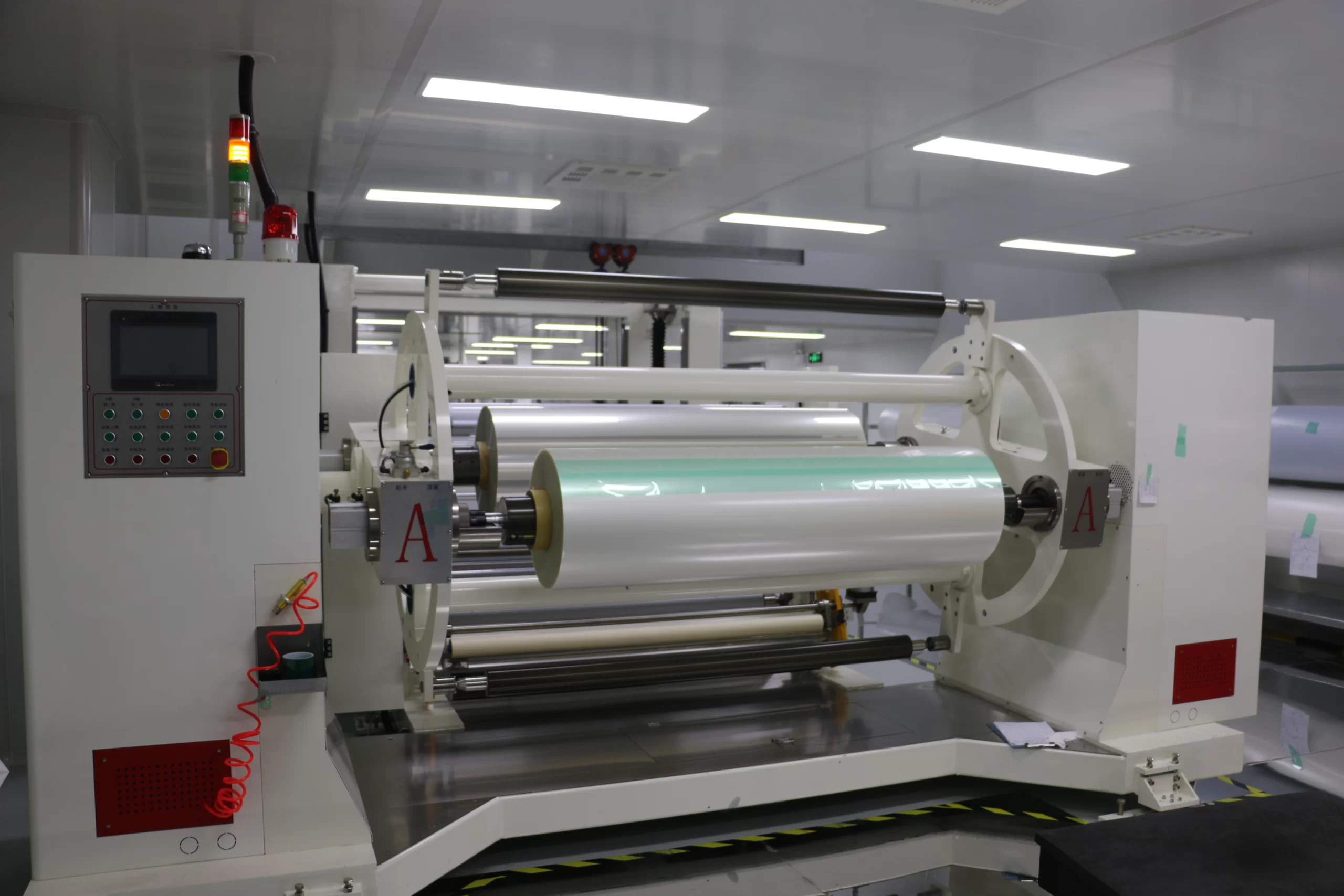
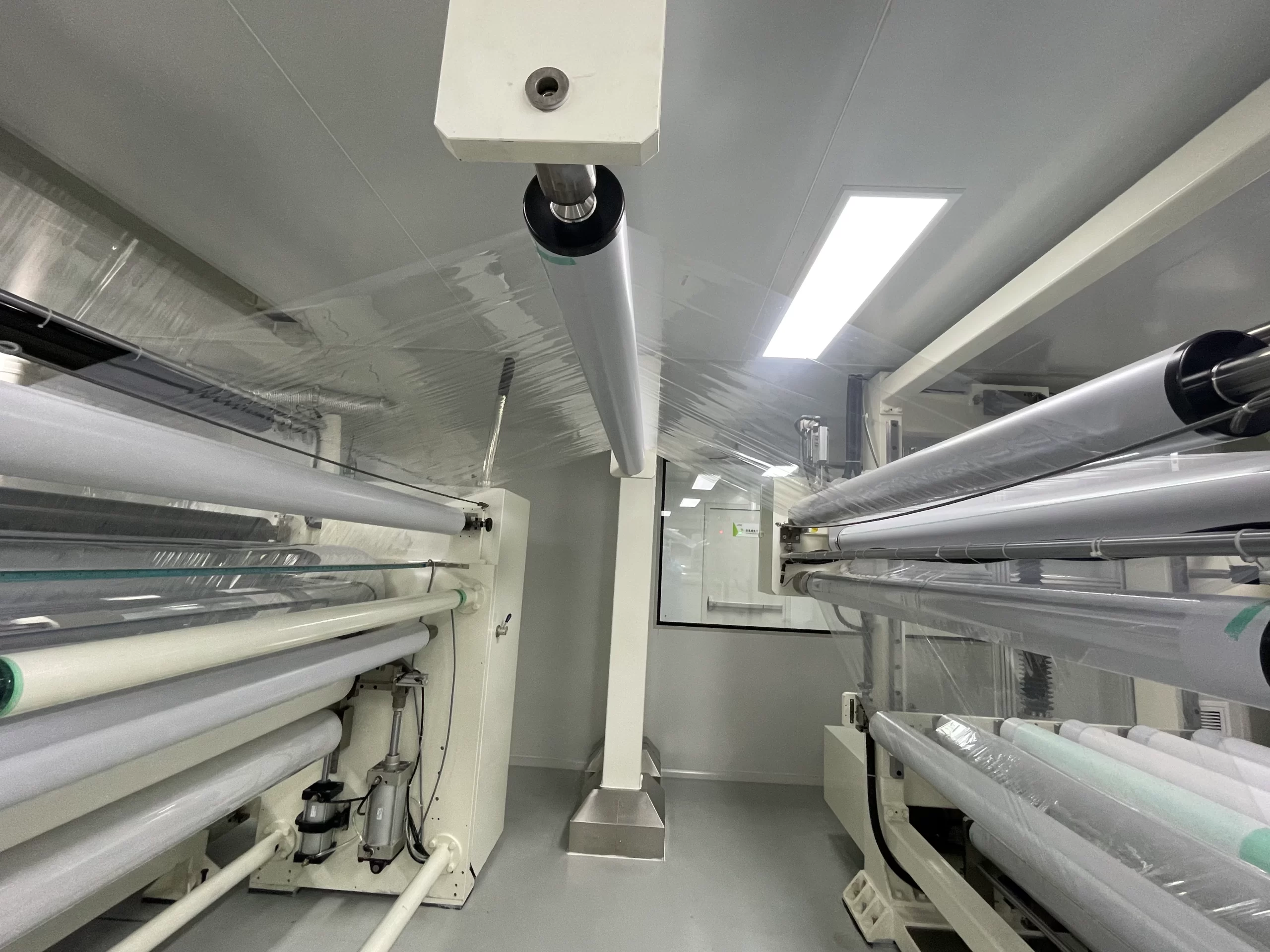
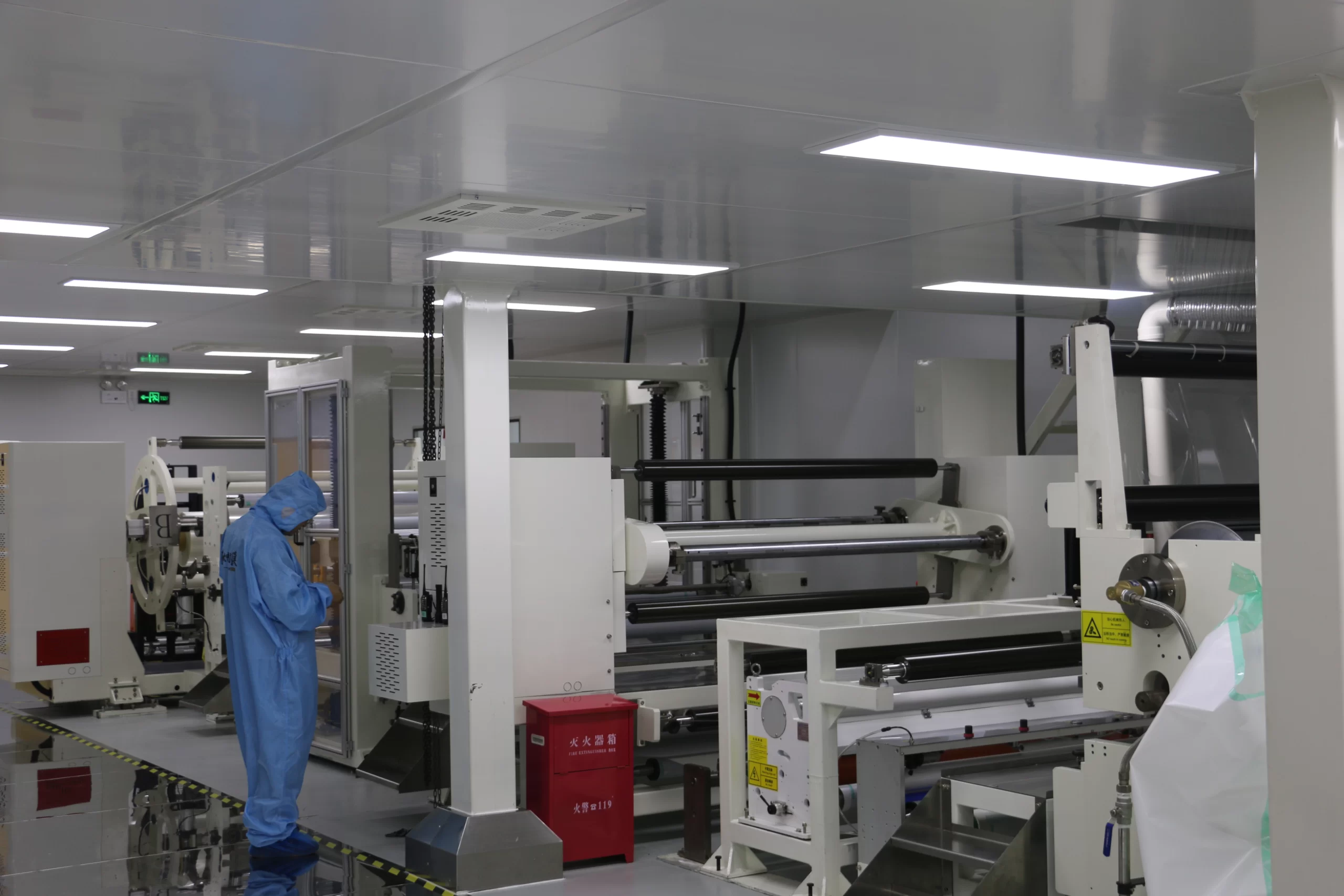
Clean production environments. PPF manufacturing is sensitive. Dust, dirt, and contamination ruin optical clarity and cause adhesive failures. Paint protection film suppliers who operate clean and dust‑free coating lines demonstrate a commitment to quality that shows up in the finished product. If you can tour the facility (virtually or in person), pay attention to how organized and clean everything looks.
Manufacturing Capabilities That Separate Leaders from Followers
When you’re evaluating paint protection film suppliers, look beyond the marketing language. Ask about the actual equipment and processes.
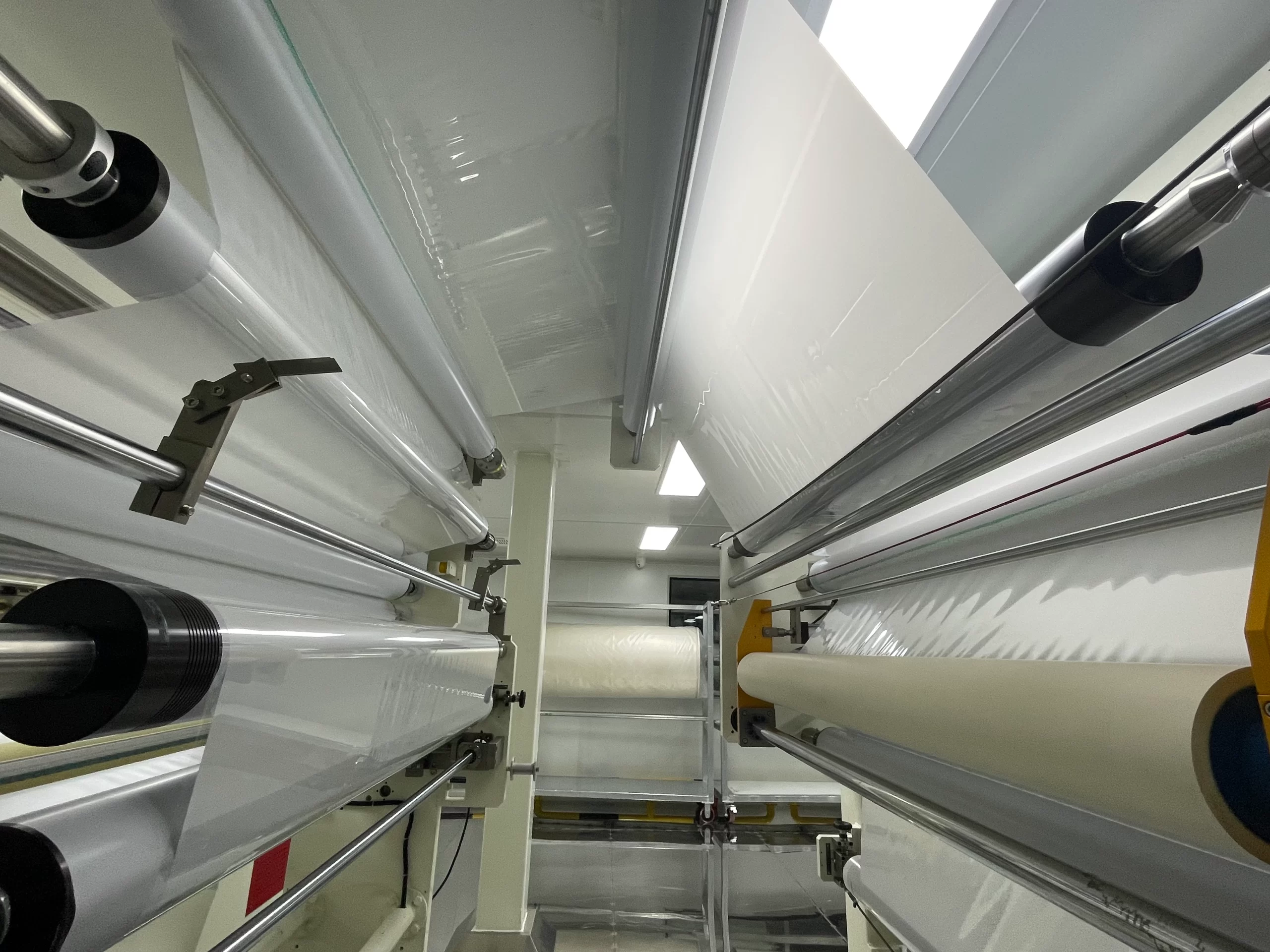
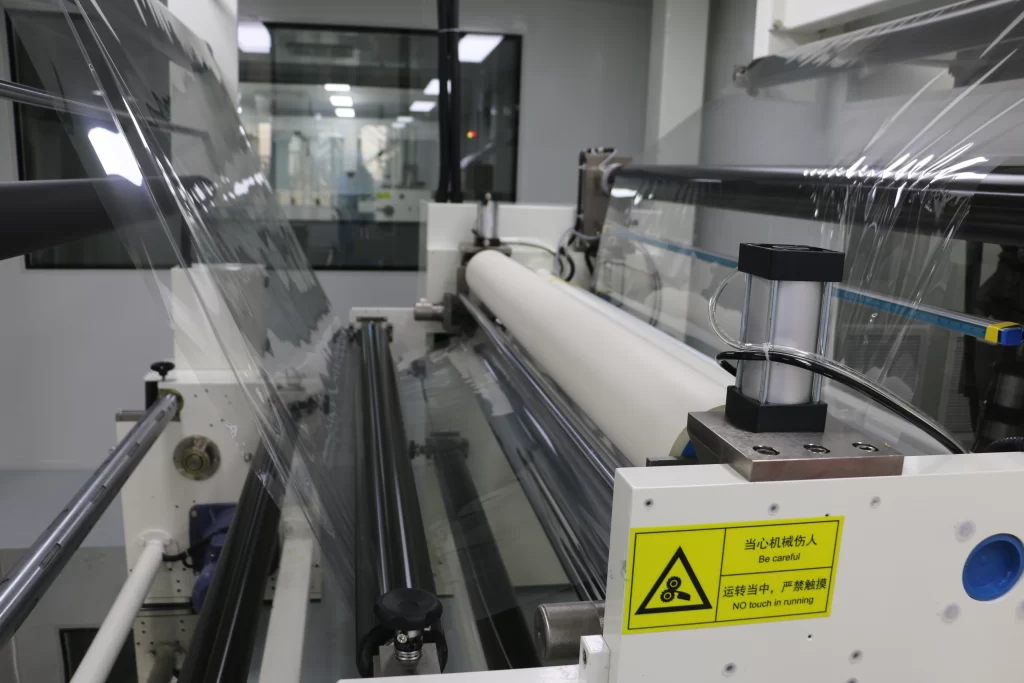
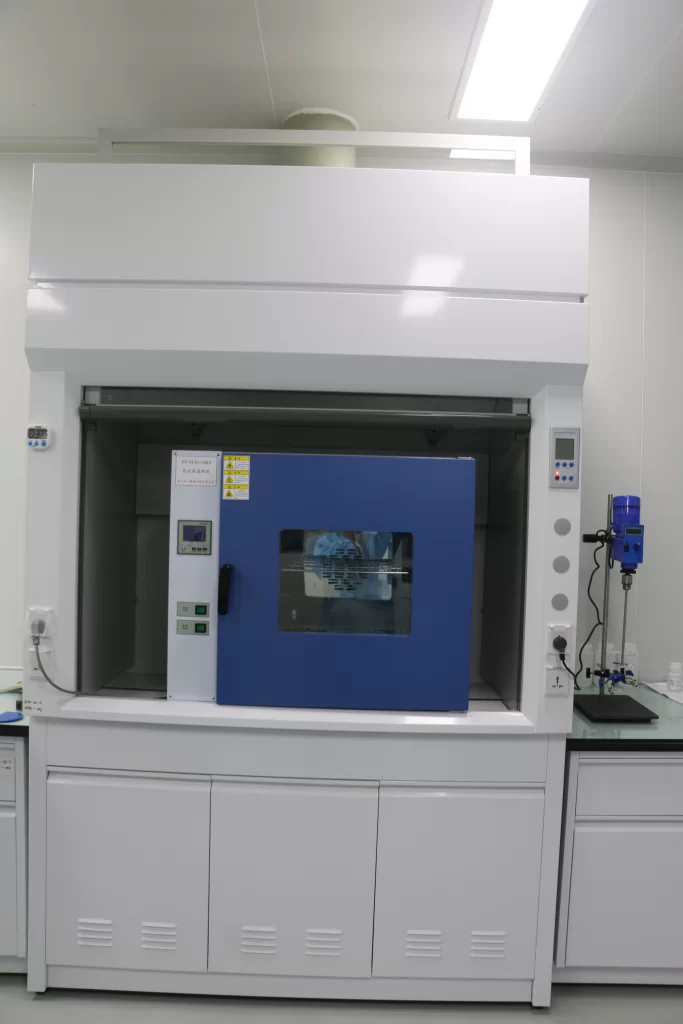
Advanced coating lines make a difference. Precision laminating systems ensure consistent adhesive bonding across the entire roll width. Automated slitting machines cut rolls to exact specifications without edge curling or waste. UV-curing ovens and climate-controlled curing workshops stabilize the adhesive and topcoat layers for long-term performance.
And here‘s something that doesn’t get talked about enough: in-house R&D. Paint protection film suppliers who invest in research and development tend to stay ahead of the curve. They‘re the ones who introduce new topcoat chemistries, better self-healing formulations, and more durable adhesive systems. They don’t just follow market trends—they help create them.
The Rise of Paint Protection Film Suppliers in Asia
Here‘s a trend worth paying attention to. Asia Pacific currently leads the global PPF market with about 46% share, driven by strong automotive production and rising consumer demand for vehicle protection. The region’s dominance isn‘t accidental.
What makes Asian paint protection film suppliers competitive? Vertical integration plays a big role. Many have built complete supply chains that include everything from raw TPU extrusion to precision coating and slitting, all within a single industrial campus. This integration reduces material costs, shortens lead times, and makes quality control more manageable.
Proximity to major shipping ports is another advantage. Paint protection film suppliers based near Shenzhen, Shanghai, or Guangzhou can get products onto vessels or cargo planes much faster than inland competitors. Air freight within 48 hours and sea container readiness in under two weeks are real selling points for time-sensitive orders.
Cost efficiency also matters. Manufacturing in Asia typically offers meaningful savings compared to European or North American suppliers, without necessarily sacrificing technical quality when proper due diligence is applied.
But here‘s the most important shift happening right now: Asian paint protection film suppliers are no longer just cheap alternatives. Many now operate cutting-edge R&D centers, hold international certifications, and produce films that meet or exceed global performance benchmarks. The gap has narrowed significantly.
Industry Certifications: Your Shortcut to Trustworthy Suppliers
You don’t have time to personally inspect every roll of paint protection film that lands at your warehouse. That‘s why certifications exist. They’re third-party validation that a manufacturer follows established quality standards.
ISO 9001 tells you the supplier has a documented quality management system. IATF 16949 goes further—it‘s specifically for automotive quality management and indicates the supplier meets rigorous industry standards.
Environmental certifications like ISO 14001 and hazardous substance compliance like RoHS and REACH matter too, especially if you’re exporting to Europe or North America where chemical regulations are strict.
Don‘t just ask if a supplier has certifications. Ask to see them. Legitimate paint protection film suppliers will share documentation without hesitation.
OEM and Private Label Capabilities
For many buyers, finding paint protection film suppliers who offer OEM or private-label services is the whole point. You don’t want someone else‘s brand on your products. You want your own.
The best paint protection film suppliers understand this. They offer customizable solutions that include logo printing on backing liners, custom packaging design, specific color tinting options, and even unique thickness combinations. Some will emboss your brand directly onto the film or liner—a subtle but effective way to reinforce brand identity.
But here‘s the key question: does the supplier treat customization as an add-on hassle, or as a core service? The right paint protection film suppliers build their operations around flexibility. They know that different markets need different products, and they’re ready to adapt.
Protecting Your Investment: Quality Assurance You Can Trust
Even with the best paint protection film suppliers, you need your own QA process. Here‘s a practical approach.
Request physical samples before placing any bulk order. Samples tell you things spec sheets can’t—like how the film feels during installation, whether edges lift after a few days, and how well it conforms around complex curves. Install a sample on a test panel. Leave it in the sun for a week. See what happens.
Ask for third-party test results. A good supplier won‘t hesitate to share data on tensile strength, elongation, UV resistance, and adhesive stability. Look for results that match or exceed industry benchmarks.
Consider pre-shipment inspections for large-volume orders. Third-party inspection services can verify that the finished goods match your specifications before they leave the factory. It‘s an extra cost, but it’s cheap insurance compared to receiving a container of unusable film.
Build a relationship, not just a transaction. The paint protection film suppliers who last are the ones who treat you as a long-term partner. Communication matters. Responsiveness matters. If a supplier answers questions slowly before you‘ve placed an order, imagine how slow they’ll be after they have your money.
FAQ: Answering Common Questions About Paint Protection Film
What does paint protection film actually protect against?
PPF is designed to shield painted surfaces from stone chips, road debris, bug splatters, minor scratches, and environmental contaminants like tree sap or bird droppings. It acts as a sacrificial layer—the film takes the damage so the original paint underneath stays pristine. For high-impact areas like the front bumper, hood, and side mirrors, it‘s practically essential if you care about keeping the car looking new.
How does self-healing PPF work?
The self-healing effect comes from the film’s elastomeric topcoat. When the coating is exposed to heat—sunlight, warm water, or a heat gun—the polymer chains temporarily relax and flow back into place. Minor surface scratches and swirl marks essentially “disappear” as the material resets. It‘s not permanent magic; deep scratches that cut through the coating won’t heal. But for the kind of everyday wear and tear that happens during car washing or from light contact, self-healing works remarkably well.
Is paint protection film really worth it?
For car owners who plan to keep their vehicles for more than a couple of years, absolutely. The film preserves the factory paint finish, which directly impacts resale value. It also saves money on paint correction and detailing over time. For distributors, PPF is one of the fastest-growing categories in the automotive aftermarket. Car owners are more educated than ever about paint protection, and they’re actively seeking out quality films.
Can PPF be applied over existing ceramic coating?
Technically yes, but it‘s not recommended. Ceramic coatings create a slick surface that can interfere with PPF adhesive bonding. Most professional installers prefer to apply PPF directly to clean, bare paint, then apply ceramic coating on top of the film if additional hydrophobic properties are desired. If a customer already has ceramic coating, the coating usually needs to be removed before PPF installation for proper adhesion.
How do you maintain paint protection film?
Washing PPF is similar to washing painted surfaces, with a few extra precautions. Hand washing is best—use a pH-neutral car shampoo and soft microfiber mitts. If you use a pressure washer, keep the nozzle at least 30 inches away from the film and avoid direct spraying at the edges to prevent lifting. Avoid automatic car washes with stiff brushes, as they can scratch the film‘s topcoat. For stubborn stains, isopropyl alcohol diluted with water works well without damaging the film.
What’s the difference between paint protection film and vinyl wrap?
This gets confusing because both are thin films applied to car surfaces. But they serve completely different purposes. Vinyl wrap is typically about 20 microns thick and is used primarily for changing a vehicle‘s color or adding graphics. It offers minimal protection against impacts or scratches. PPF, by contrast, is 145 to 250 microns thick—roughly 7 to 12 times thicker—and is made from TPU specifically engineered to absorb impact and resist abrasion. Think of vinyl as cosmetic makeup and PPF as actual armor. Some color PPF products now combine the two—color-changing film with protective properties—but traditional clear PPF remains the standard for protection-focused applications.
How long does paint protection film typically last?
Quality TPU-based PPF installed correctly can last anywhere from five to ten years or more, depending on environmental conditions and maintenance. Factors like UV exposure, climate, washing habits, and whether the vehicle is garaged all affect longevity. Premium films with advanced topcoats resist yellowing and maintain their clarity much longer than entry-level options. The good news? Even when PPF eventually needs replacement, it preserves the original paint underneath so well that the car often looks almost new when the film comes off.
Making Your Final Decision
Choosing among paint protection film suppliers isn‘t about finding the cheapest quote. It’s about finding a partner who delivers consistent quality, stands behind their products, and communicates clearly. The market is growing fast, and the distributors who lock in reliable supply relationships now will be the ones winning business three years from now.
Take your time. Ask tough questions. Request samples. Talk to other buyers if you can. And remember—the best paint protection film suppliers aren‘t just selling rolls of film. They’re selling peace of mind for your customers.
Why Decowell Stands Out Among Paint Protection Film Suppliers
When you‘re searching for paint protection film suppliers who combine technical expertise, manufacturing scale, and genuine partnership, Decowell deserves your attention.
Founded in 2012, Decowell has grown into a fully integrated smart factory encompassing R&D, production, sales, and operational services. The company operates from a 10,000-square-meter production facility in Chuzhou, Anhui Province, with its headquarters in Hangzhou‘s Gongshu District. Decowell holds recognition as a national high-tech enterprise and has contributed to drafting China’s national industry standards for automotive paint protection film and vehicle wrap film—a distinction that speaks volumes about their technical authority.
Complete vertical integration sets Decowell apart. Unlike many paint protection film suppliers who outsource critical steps, Decowell operates a complete diamond-grade PPF industrial chain covering TPU synthesis, pelletizing, casting and calendering, and precision coating. This end-to-end control ensures quality traceability from raw material to finished roll and eliminates the finger-pointing that happens when multiple subcontractors are involved.
The R&D backbone is genuinely impressive. Decowell houses a nationally accredited post-doctoral research center and a provincial key enterprise research institute. Long-term collaborations with Tsinghua University, Nanjing University, the Chinese Academy of Sciences, and Dalian University of Technology keep Decowell at the forefront of polymer synthesis, coating formulation engineering, and functional structure design. Multiple national invention patents and utility model patents validate their technical capabilities.
Certifications you can trust. Decowell operates under ISO 9001, IATF 16949, and other leading industry accreditations. These aren‘t just wall decorations—they’re third-party validation of consistent quality management and automotive-grade manufacturing processes.
Premium raw materials, premium results. Decowell sources only imported optical-grade aliphatic TPU substrates and premium adhesive systems, processed on globally advanced automotive film coating lines and PPF casting lines. Every manufacturing stage is fully automated, delivering consistent thickness tolerance, optical clarity, and weatherability that meets or exceeds Tier-1 international standards.
Flexibility without friction. Looking for customizable product development? Decowell offers on-demand R&D and flexible production tailored to client specifications, cost parameters, and application scenarios. Whether you need specific thickness grades, custom packaging, or entirely new formulations, Decowell treats customization as a core capability—not a special favor.
Market presence that proves reliability. With annual revenue exceeding ¥500 million RMB, over 2,000 4S dealership partners, 30+ self-operated stores across China, and exports to 40+ countries including the USA, Germany, Japan, and the Middle East, Decowell has demonstrated operational stability and global reach. They serve as a certified OEM supplier to multiple internationally recognized brands—a testament to their manufacturing discipline and quality consistency.
More than a supplier—a strategic partner. Decowell understands that paint protection film suppliers need to do more than ship rolls of film. They offer film sales programs, secondary upgrade solutions, full-scope new media marketing services, offline store operations consulting, and professional skills training. Their vision—“Quality Car Film, Accessible to Every Driver”—drives everything they do.
The bottom line. If you‘re evaluating paint protection film suppliers for OEM partnerships, private-label distribution, or large-volume procurement, Decowell belongs on your shortlist. Vertical integration, national R&D credentials, premium raw material sourcing, automated precision manufacturing, and a proven track record with global partners all point in one direction. Decowell isn’t just another paint protection film supplier. They‘re the kind of partner who grows with you.
Ready to Source High-Quality Paint Protection Film?
Stop searching through endless lists of paint protection film suppliers who talk big but deliver small. Decowell combines the technical depth, manufacturing scale, and partnership mindset you need to succeed in today’s competitive automotive aftermarket.
Whether you need bulk PPF rolls for distribution, private-label solutions with your own branding, or custom formulations tailored to specific vehicle applications, Decowell has the capability and experience to deliver.
Reach out today. Let‘s talk about what Decowell can do for your business.