Home » Decowell Byron Blue: Color PPF That Brings Ocean Depth to Your Ride
Recent Posts
Decowell Byron Blue: Color PPF That Brings Ocean Depth to Your Ride
Let’s be honest for a second. When you think about changing your car’s color, what’s the first thing that comes to mind? Probably a vinyl wrap, right? Maybe you’ve seen those sleek matte finishes or glossy color-shift jobs on Instagram and thought, “I want that for my car.”
But here’s the thing most people don’t realize until after they’ve spent thousands of dollars: a vinyl wrap changes how your car looks, but it barely protects it. You drive down a gravel road, pick up a few rock chips, and suddenly that perfect finish has permanent battle scars. The wrap doesn’t heal. The damage stays. And underneath, your factory paint might still get hurt anyway.
Enter Decowell Byron Blue.
This isn’t just another color change film. It’s a colored paint protection film (color PPF) — one that gives you the head-turning look you want and the serious protection your car deserves, all rolled into one product. Think of it as a custom paint job and a suit of armor combined.
In this guide, we’re going to walk through everything you need to know about Decowell Byron Blue. What makes it different. Why it’s blowing up in 2026. What the numbers actually mean. And most importantly, whether it’s the right move for your vehicle. Let’s dive in.
Table of Contents
What Is Decowell Byron Blue?
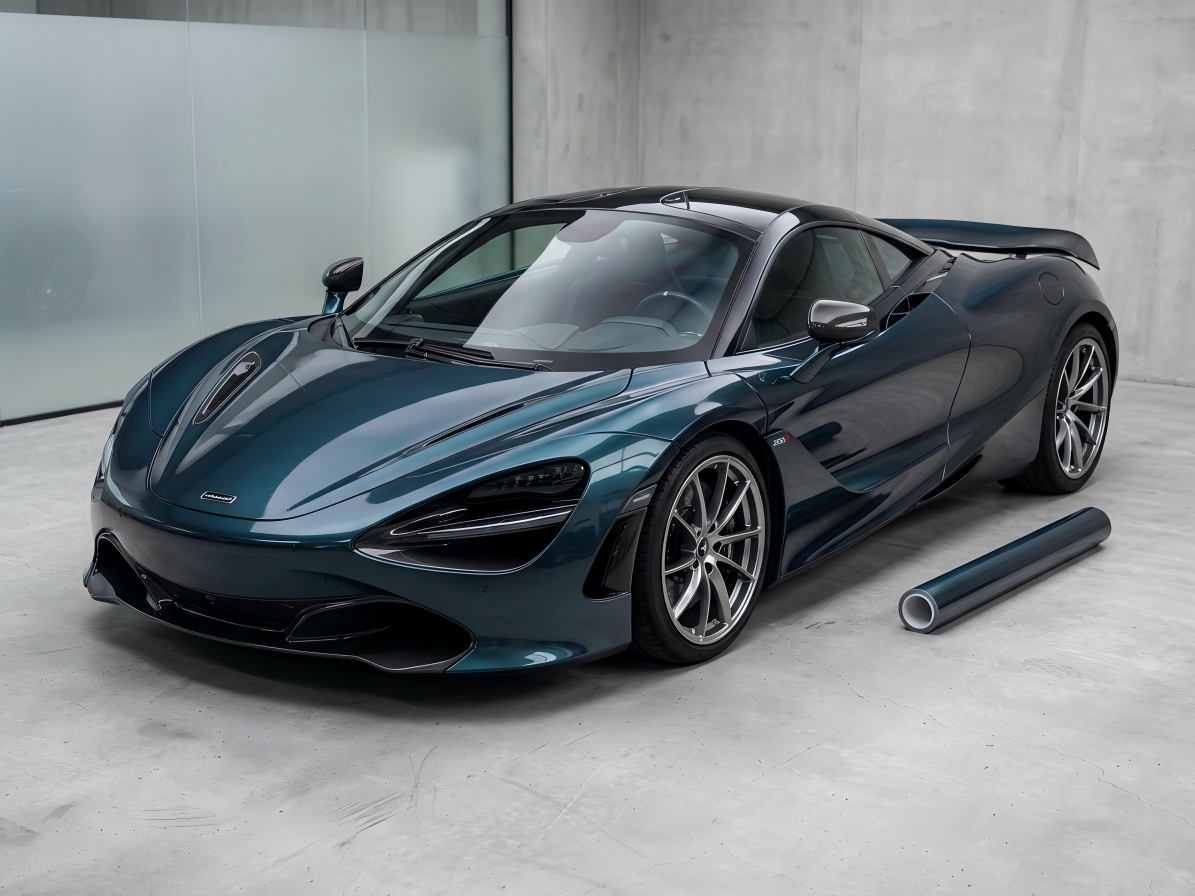
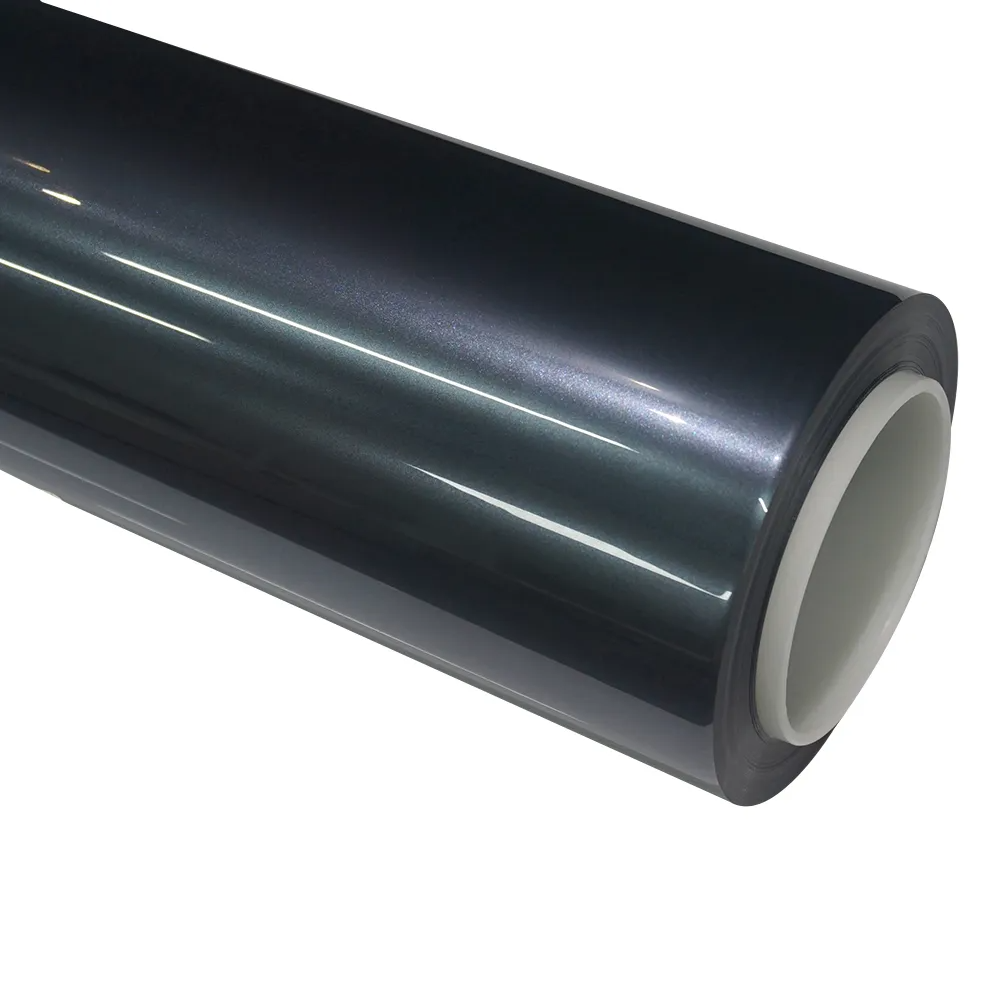
Decowell Byron Blue is a premium TPU-based colored paint protection film — not a vinyl wrap, not a cheap dyed film, but a genuine thermoplastic polyurethane (TPU) membrane with deep, vibrant blue pigmentation built right into the material.
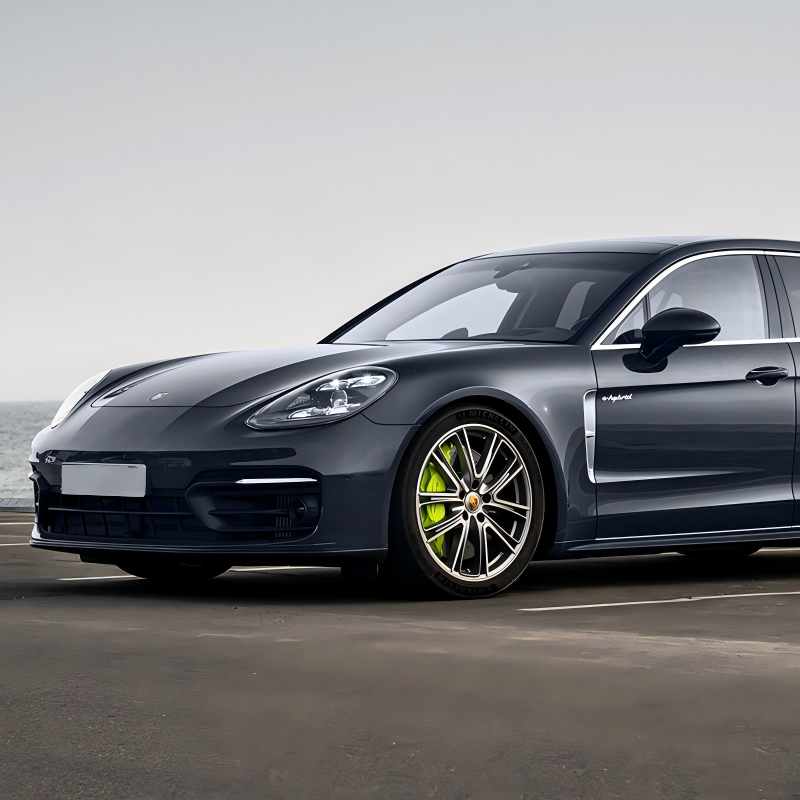
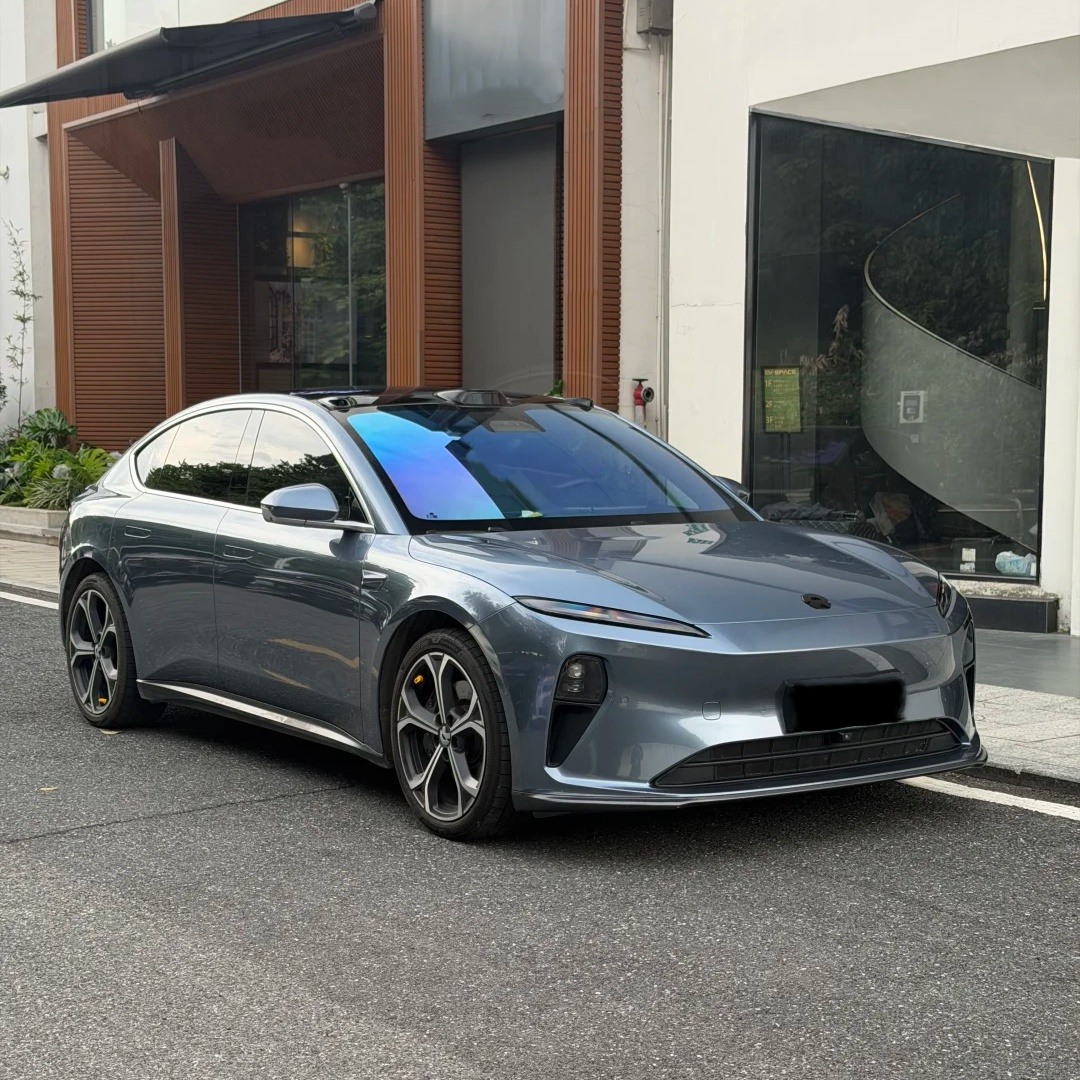
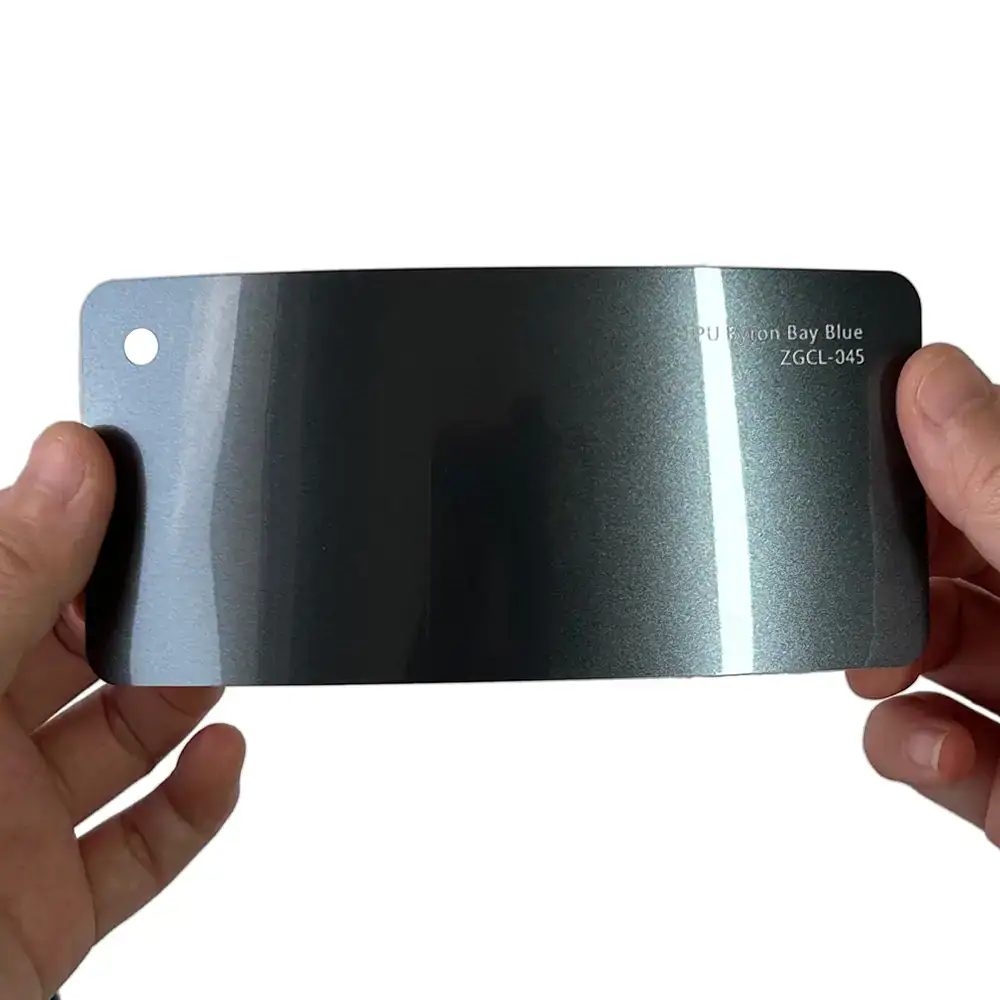
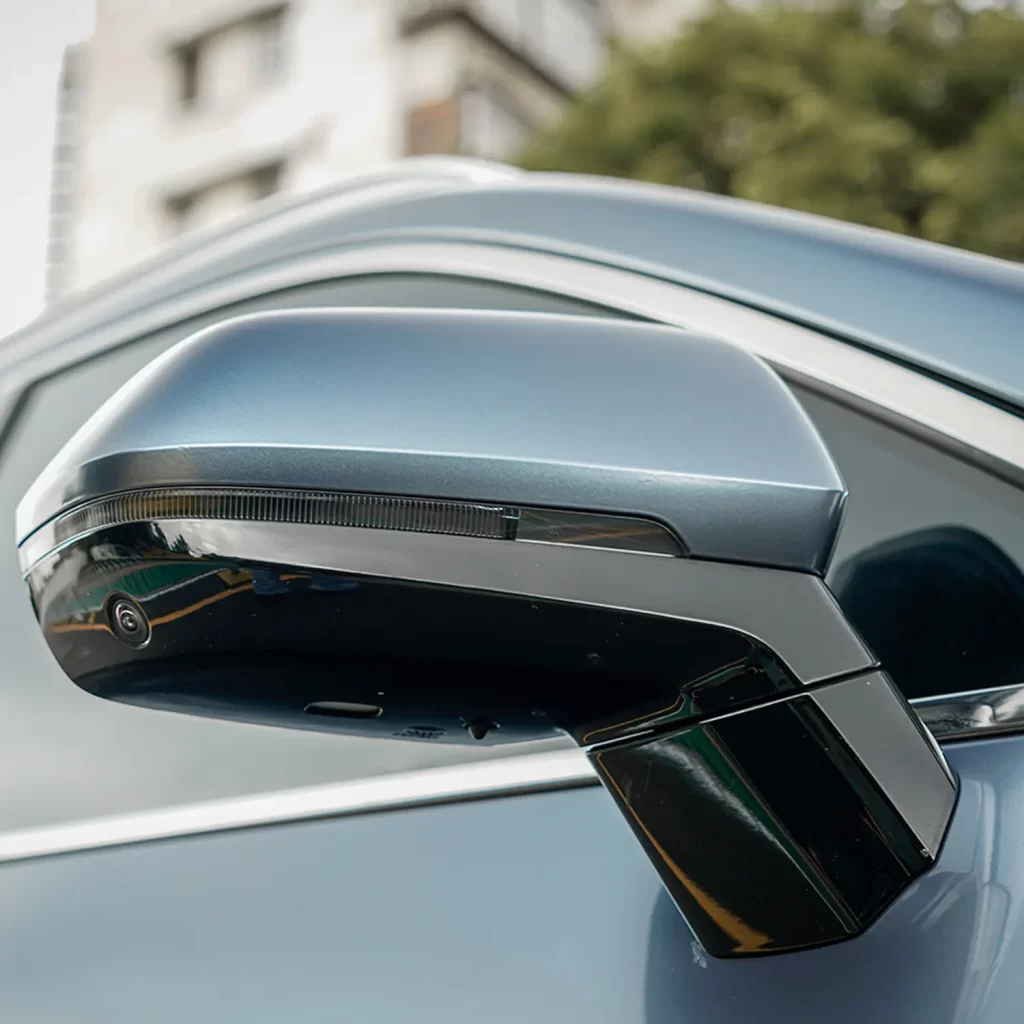
The name “Byron Blue” takes inspiration from one of the most stunning natural blues on the planet — the crystal-clear coastal waters of Byron Bay, Australia. It’s a rich, oceanic blue that shifts in character depending on the light. In direct sunlight, it glows with a bright, almost turquoise energy, fresh and alive. In the shade, it deepens into a sophisticated sapphire tone, elegant and refined. At dusk, it takes on a metallic navy character, sleek and modern. It’s one of those colors that keeps you looking back at your car every time you park it.
But the real magic of Decowell Byron Blue isn’t just in how it looks — it’s in how it protects. The film is engineered with a multi-layer TPU construction, including:
A self-healing topcoat that erases light scratches and swirl marks with heat
A hydrophobic surface that repels water, dirt, and contaminants
High UV resistance that prevents fading and yellowing year after year
Superior impact absorption that blocks rock chips and road debris
This isn’t a film you choose just for aesthetics. It’s a film you choose because you care about your car’s long-term condition and you refuse to compromise between looking good and staying protected.
Decowell Byron Blue delivers both. Every single day.
Color PPF vs Vinyl Wrap: Why Material Chemistry Matters
One of the biggest misconceptions in the automotive customization world is that all car color films are basically the same. They’re not. Not even close. The material difference between color PPF (like Decowell Byron Blue) and traditional vinyl wrap is night and day, and understanding that difference will save you from making an expensive mistake.
Let’s break it down layer by layer.
Material Composition
Color PPF (Decowell Byron Blue) is made from thermoplastic polyurethane (TPU) — a highly elastic, impact-resistant polymer originally developed for military and industrial applications. TPU has remarkable physical properties: it stretches without tearing, absorbs impact energy rather than transferring it, and can actually “remember” its original shape after deformation. The multi-layer construction includes a self-healing topcoat, the pigmented TPU core, a high-bond adhesive, and a release liner.
Vinyl wrap, on the other hand, is made from polyvinyl chloride (PVC) — a material designed for flexibility and low cost, not for impact resistance. PVC is thin, lightweight, and takes color well, but it lacks the structural integrity to stop a rock traveling at highway speed. It’s great for aesthetics, poor for protection.
Thickness
Thickness is where the difference becomes obvious. A quality color PPF like Decowell Byron Blue typically comes in at 7.5 to 8 mils thick (that’s roughly 0.19 to 0.20 millimeters) [8†L33-L34][10†L14-L15]. A standard vinyl wrap, even a premium one, usually measures only 2 to 4 mils thick [3†L46-L47]. That means color PPF is roughly two to four times thicker than vinyl.
That extra thickness isn’t just for show. It’s the physical barrier that stops rocks, gravel, and debris before they can touch your factory paint. You can feel it during installation, and you’ll definitely see the results after a few months of real-world driving.
Protection Performance
This is the category where color PPF completely leaves vinyl in the dust. Because TPU is engineered to absorb impacts rather than puncture, Decowell Byron Blue provides genuine protection against rock chips, scratches, abrasions, and road debris [8†L40-L42][6†L5-L7]. Vinyl wraps, being thinner and less elastic, offer minimal impact protection — they’ll stop some light surface scratching, but a decent rock hit will go right through.
Decowell Byron Blue also includes a self-healing topcoat. When the film gets light scratches or swirl marks — the kind that come from automatic car washes, tree branches, or careless washing — you can apply heat (sunlight, warm water, or a heat gun) and the scratches literally disappear. The polymer relaxes and flows back into place, restoring a flawless finish. Vinyl wraps have no self-healing capability whatsoever — every scratch stays visible forever.
Lifespan and Durability
Because Decowell Byron Blue is built from premium TPU materials, it’s designed to last. The film resists yellowing, cracking, bubbling, and delamination even under harsh UV exposure and extreme temperature swings. The color stays vibrant year after year without fading. [8†L24-L28]
Vinyl wraps have a much shorter useful life. Most start showing signs of wear — fading, shrinking, peeling at the edges — within three to five years, especially in sunny or hot climates. Some cheaper films degrade even faster. Over a ten-year period, you might wrap your car once with color PPF, or two or three times with vinyl. Do the math.
Hydrophobic Surface
Decowell Byron Blue features an advanced hydrophobic topcoat that repels water, dirt, and oils [8†L29-L30][11†L5-L6]. Water beads up and rolls off the surface, taking contaminants with it. That means less time cleaning, fewer water spots, and a cleaner-looking car between washes.
Most vinyl wraps don’t have hydrophobic properties built in. Water sheets rather than beads, and dirt can stick more stubbornly to the surface. Some installers will apply a ceramic coating on top of vinyl to improve water repellency, but that’s an extra step and an extra cost.
UV and Stain Resistance
Decowell Byron Blue blocks over 99% of harmful UV radiation, protecting both the film itself and the factory paint underneath from fading, oxidation, and UV-related damage [8†L28-L29][6†L12-L14]. The film also resists staining from bird droppings, bug splatter, tree sap, road tar, and harsh chemicals — things that can permanently etch into vinyl wraps or unprotected paint.
Aesthetic Quality
Here’s where people expect vinyl to win — and historically, it has. Vinyl wraps offer an enormous range of colors, finishes, and textures. But the gap is closing fast. Decowell Byron Blue delivers a paint-like depth and clarity that many vinyl wraps simply can’t match [5†L39-L40].
Why? Because TPU sits smoother on the surface than PVC, and the self-healing topcoat resists the micro-texture that can make vinyl look slightly plasticky up close. The result is a finish that looks and feels like a real custom paint job — not a sticker.
Quick Comparison Table
| Feature | Decowell Byron Blue (Color PPF) | Traditional Vinyl Wrap |
|---|---|---|
| Material | TPU (thermoplastic polyurethane) | PVC (polyvinyl chloride) |
| Thickness | 7.5–8 mils | 2–4 mils |
| Self-Healing | Yes — with heat | No |
| Rock Chip Protection | Excellent | Minimal |
| Scratch Resistance | High | Moderate |
| UV Resistance | 99%+ UV block, anti-yellowing TPU | Varies — fades over time |
| Hydrophobic | Yes (built-in topcoat) | No (needs ceramic coating) |
| Lifespan | Long-lasting, premium performance | 3–5 years typical |
| Finish Quality | Paint-like depth and gloss | Varies — can look like vinyl up close |
There’s a reason why color PPF is becoming the go-to choice for owners who actually care about their vehicles. Decowell Byron Blue delivers real protection. Real durability. And a look that stands out for all the right reasons.
Decowell Byron Blue: Specifications and Features
Let’s get into the technical details. Here’s what Decowell Byron Blue brings to the table.
Material Quality
Decowell Byron Blue is constructed using high-grade aliphatic TPU — the same premium material used in top-tier clear paint protection films. This isn’t economy-grade material. It’s built to absorb impacts, resist punctures, and maintain its flexibility and clarity for the long haul.
Thickness
The film comes in at 8 mils total thickness, with the TPU core providing the bulk of the protective performance [10†L14-L15]. This thickness puts it in the same league as premium clear PPF products — not some thin decorative film that looks good but doesn’t protect.
Self-Healing Technology
This is one of Decowell Byron Blue’s standout features. The self-healing topcoat automatically repairs light scratches, swirl marks, and wash marring when exposed to heat [10†L16]. The heat — whether from direct sunlight, warm water, a hair dryer, or a heat gun — activates the topcoat’s polymer chains, causing them to relax and flow back into their original configuration. The scratch disappears. The finish returns to flawless.
For daily drivers, this is a massive advantage. Those little imperfections that build up over time — from washing, from tree branches, from parking lot brushes — simply vanish. Your car stays looking newer, longer.
Hydrophobic Protection
The hydrophobic surface chemistry repels water, dirt, and oils [11†L5-L6][8†L29-L30]. When water hits the surface, it beads up and rolls off, carrying contaminants with it. That means less time spent washing, fewer water spots, and a car that looks cleaner between washes.
UV and Stain Resistance
Decowell Byron Blue blocks over 99% of harmful UV radiation [8†L28-L29]. That’s critical for two reasons. First, it prevents the film itself from yellowing or degrading over time. Second, it protects your factory paint underneath from fading, oxidation, and UV-related damage.
The film also resists chemical stains from bird droppings, bug splatter, tree sap, and road tar — common contaminants that can permanently etch into unprotected paint or lower-quality films [8†L41-L43].
Temperature Resistance
Decowell Byron Blue is engineered to perform in extreme conditions, with a temperature resistance range from -40°C to +120°C (-40°F to +248°F) [10†L17-L18]. Whether you’re parked in a blazing desert summer or driving through a freezing northern winter, the film maintains its flexibility, adhesion, and appearance. No cracking. No bubbling. No peeling.
Color Stability and Gloss
The 60° surface gloss rating of 97 places Decowell Byron Blue in the premium category for optical clarity [10†L18]. The deep, saturated Byron Blue color is infused directly into the TPU material, which means the color won’t fade or shift over time. What you see on day one is what you’ll see years down the road.
Installation
Decowell Byron Blue is designed for professional wet installation [8†L30-L31]. The repositionable adhesive allows installers to align the film precisely before pressing it into place, which means fewer bubbles, cleaner edges, and a better overall finish. This isn’t a DIY project for most people — professional installation is highly recommended to get the flawless results this film is capable of delivering.
Byron Blue and the 2026 Automotive Color Trends
So why blue? And why now?
If you’ve been paying attention to automotive styling trends in 2026, you’ve probably noticed something: blue is everywhere. And not just any blue. Rich, deep, oceanic blues are having a major moment in the custom car world. Let’s look at why.
Blue Is the Most Popular Chromatic Color Globally
Across global car sales, blue consistently ranks as the most popular non-grayscale color, representing about 7–9% of the market depending on the region and year [2†L17-L23]. In North America, blue accounts for nearly 10% of vehicle sales, making it the top choice among drivers who want actual color rather than white, black, or silver [2†L8-L9].
Blue’s popularity isn’t static — it’s growing. According to automotive color reports, blue hues have climbed steadily over the past several years, gaining market share as more drivers look for ways to express individuality through their vehicle’s appearance [2†L33-L37].
This isn’t a fad. Blue has staying power. It conveys trust, confidence, sophistication, and a sense of calm — all qualities that resonate with car buyers and enthusiasts alike.
Jewel Tones and Deep Blues Dominate 2026 Trends
Automotive color trends for 2026 are moving away from the safe neutrals that have dominated for years. Instead, drivers are embracing jewel tones, saturated blues, and dynamic finishes that change character with the light [14†L11-L15][1†L16-L20].
Deep sapphire blues, midnight navies, and oceanic tones like Byron Blue are leading the charge. These colors offer the depth and richness of a premium paint job while providing the protective benefits of modern color PPF technology.
Decowell Byron Blue fits perfectly into this trend — not as a follower, but as an example of what premium automotive color should look like in 2026 and beyond.
Color-Shift and Dynamic Finishes Are Exploding
One of the most talked-about trends in 2026 is color-shifting PPF — films that change hue depending on the viewing angle and lighting conditions [1†L17-L20][1†L21-L24]. Popular combinations include purple-to-teal, emerald-to-gold, and deep blue-to-bronze.
Byron Blue has natural color-shift characteristics built into its pigmentation. In direct sunlight, it glows bright turquoise. In the shade, it deepens into a rich sapphire. At twilight, it takes on a moody metallic navy character. That kind of dynamic visual interest — a film that never looks exactly the same twice — is exactly what today’s car enthusiasts are looking for.
Blue-Green Tones Are Rising Rapidly
The vehicle wrap industry has seen strong demand for blue and blue-green finishes in 2026, described by industry professionals as “cooler and more sophisticated color palettes” that offer both boldness and versatility [13†L9-L11][13†L15-L18]. Shades of blue-green offer a unique balance: they’re distinctive enough to stand out but refined enough to look at home on luxury vehicles and sports cars alike.
Byron Blue captures this balance perfectly. It’s bold without being loud. Sophisticated without being boring. Distinctive without being try-hard.
Matte and Satin Blue Finishes Remain Strong
While gloss finishes always have their place, matte and satin blue films have carved out a dedicated following among drivers who want something more understated [2†L19-L20]. These finishes absorb light rather than reflecting it, creating a quiet, premium look that photographs beautifully.
Decowell Byron Blue is available in a stunning high-gloss metallic finish, delivering the deep, paint-like clarity that gloss enthusiasts love. But even in gloss, the color has enough complexity to satisfy drivers who want more than flat, one-dimensional pigment.
The Key Benefits of Choosing Decowell Byron Blue
Let’s summarize the practical, everyday benefits that matter to real car owners.
Benefit #1: Genuine Rock Chip Protection
Every time you drive on a highway or a gravel road, your car’s front bumper, hood, and fenders are getting pelted with tiny projectiles. Rocks. Gravel. Sand. Road debris. Vinyl wraps offer almost no protection against this kind of impact — they’re just too thin. Decowell Byron Blue’s 8-mil TPU construction absorbs impact energy and stops debris before it can reach your factory paint.
What this means for you: No more rock chips. No more touch-up paint. Your factory finish stays pristine underneath the film.
Benefit #2: Self-Healing Scratches and Swirl Marks
Light scratches from automatic car washes, tree branches, parking lot brushes, and careless washing are inevitable. But with Decowell Byron Blue, they don’t have to stick around. Heat activates the self-healing topcoat, and those annoying swirl marks disappear.
What this means for you: Your car looks newer, longer. No need for constant polishing or professional paint correction.
Benefit #3: UV Block That Actually Works
The sun is brutal on car paint. Over time, UV radiation fades colors, oxidizes clear coats, and turns vibrant finishes dull and lifeless. Decowell Byron Blue blocks over 99% of harmful UV rays, protecting both the film itself and the paint underneath.
What this means for you: Your car’s color stays vibrant. No fading. No oxidation. No yellowing.
Benefit #4: Hydrophobic Surface for Easy Cleaning
Water, dirt, and grime don’t stick to Decowell Byron Blue like they do to vinyl wraps or bare paint. The hydrophobic topcoat makes water bead up and roll off, taking contaminants with it. Cleaning becomes faster and easier, and your car stays looking cleaner between washes.
What this means for you: Less time washing your car. Fewer water spots. A finish that looks fresh longer.
Benefit #5: Stain Resistance Against Nature’s Worst
Bird droppings. Bug splatter. Tree sap. Road tar. These contaminants can permanently etch into unprotected paint or lower-quality wraps. Decowell Byron Blue resists chemical staining, giving you time to clean off messes without permanent damage.
What this means for you: Peace of mind when you park under trees or drive through bug season. Your finish stays intact.
Benefit #6: Preserves Resale Value
This might be the most underrated benefit of all. When you sell your car years down the road, the condition of the original paint is one of the biggest factors in its resale value. Decowell Byron Blue acts as a sacrificial barrier — it absorbs all the impacts, scratches, and environmental damage so your factory paint doesn’t have to. When the film comes off, the paint underneath is still showroom-fresh.
What this means for you: Higher resale value when it’s time to sell. Or, if you keep the car, permanent peace of mind that your investment is protected.
Real-World Driver Perspectives
Let’s step away from the spec sheet for a moment and talk about what it’s actually like to drive a car wrapped in Decowell Byron Blue.
If you live anywhere with real seasons — hot summers, cold winters, rain, snow, road salt — you know how quickly a car’s exterior can take a beating. Daily drivers face constant threats: rocks from highway construction zones, gravel from side roads, bug guts that bake onto the paint in summer, road salt that corrodes exposed metal in winter, bird droppings that etch into the clear coat if you don’t notice them immediately.
A vinyl wrap helps with the looks, but it doesn’t help with the protection. Get a decent rock chip at highway speed, and that vinyl is punctured. The paint underneath is still vulnerable. The damage is still done.
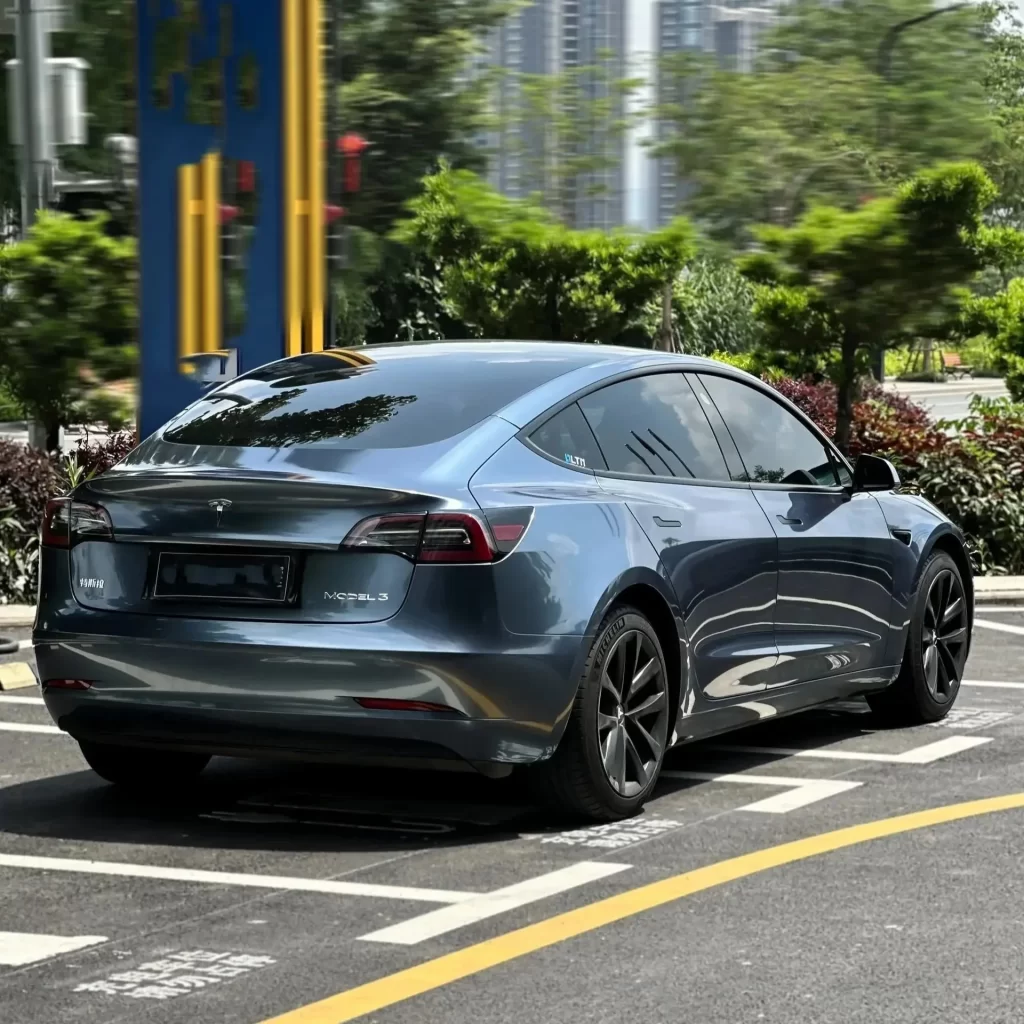
Decowell Byron Blue changes that equation entirely. The TPU layer absorbs the impact. The self-healing topcoat erases minor surface scratches. The hydrophobic surface makes water and grime slide right off. The UV block prevents fading and oxidation.
It’s like having a permanent ceramic coating and a full-body armor system all in one product — plus a head-turning color that makes your car stand out from every other white, black, or silver vehicle in the parking lot.
Why Choose Decowell Film for Byron Blue?
Now that you understand what color PPF can do — and why Decowell Byron Blue is a standout choice — let’s talk about why Decowell Film should be your trusted partner for this investment.
Decowell has built a reputation for delivering premium-quality automotive films that combine striking aesthetics with real-world durability. Unlike brands that focus purely on color variety or purely on protection, Decowell understands that modern car owners want both. You shouldn’t have to choose between looking good and staying protected.
Here’s what makes Decowell different:
Premium TPU Construction. Decowell Byron Blue is built from high-grade aliphatic TPU — the same durable material found in the best clear paint protection films. This isn’t thin, economy-grade material. It’s engineered to absorb impacts, resist punctures, and maintain its flexibility and clarity for the long haul.
Self-Healing Technology. Decowell integrates advanced self-healing topcoats into every roll of Byron Blue. Minor scratches and swirl marks disappear with heat, keeping your finish flawless without constant polishing or touch-ups.
Hydrophobic Surface Protection. Decowell Byron Blue features a hydrophobic topcoat that repels water, dirt, and contaminants. Washing is easier, water spots are fewer, and your car stays cleaner longer between washes.
UV and Stain Resistance. Decowell Byron Blue blocks over 99% of harmful UV rays and resists staining from bird droppings, bug splatter, tree sap, and road tar. Your color stays vibrant. Your paint stays protected.
Wide Rib of Finishes and Colors. Beyond Byron Blue, Decowell offers a diverse palette of colors and finishes to match any personal style. From bold gloss metallics to sophisticated satin finishes to eye-catching color-shift effects, Decowell has options for every taste.
Professional-Grade Quality. Decowell film is designed for professional installation, conforming smoothly around curves, edges, and recessed areas. The result is a seamless, bubble-free finish that looks like a factory paint job.
Global Industry Presence. Decowell participates actively in international automotive trade exhibitions and maintains partnerships with certified installers worldwide. When you choose Decowell, you’re choosing a brand with global reach and local support.
Ready to transform your vehicle with Decowell Byron Blue? Contact our team today to discuss your project, request samples, or place an order. Whether you’re a professional installer looking for reliable products or a car owner ready to give your ride a fresh new look, Decowell has the color PPF solution you need.
Frequently Asked Questions
Q1: What is Decowell Byron Blue? Is it a vinyl wrap?
Decowell Byron Blue is not a vinyl wrap. It’s a colored paint protection film (color PPF) made from premium TPU (thermoplastic polyurethane). Unlike vinyl wraps made from PVC, color PPF combines a full color transformation with serious paint protection — including impact resistance, self-healing, UV blocking, and hydrophobic properties.
Q2: How long does Decowell Byron Blue last compared to vinyl wrap?
Decowell Byron Blue is built for the long term. The TPU construction resists yellowing, fading, cracking, and delamination, while premium pigments maintain color vibrancy. Vinyl wraps typically last 3–5 years before showing signs of wear; color PPF like Decowell Byron Blue lasts significantly longer, delivering years of protective performance.
Q3: Does Decowell Byron Blue really self-heal scratches?
Yes. The self-healing topcoat automatically repairs light scratches, swirl marks, and wash marring when exposed to heat — from sunlight, warm water, or a heat gun. Those annoying spiderweb marks that build up over time simply disappear. Vinyl wraps have no self-healing capability.
Q4: Can Decowell Byron Blue stop rock chips?
Yes. The 8-mil TPU construction absorbs and dissipates impact energy from rocks and road debris, protecting your factory paint beneath. Vinyl wraps are typically only 2–4 mils thick and offer minimal impact protection.
Q5: Is Decowell Byron Blue difficult to maintain?
Not at all. The hydrophobic topcoat makes water bead up and roll off, taking dirt and contaminants with it. Washing is easier and your car stays cleaner longer between washes. Use pH-neutral car shampoo and a soft microfiber cloth or sponge. Avoid abrasive cleaners, ammonia-based products, and stiff brushes.
Q6: Will Decowell Byron Blue damage my factory paint when removed?
No. Decowell Byron Blue is designed for clean removal without damaging the factory paint underneath. In fact, because the film protected the paint from impacts and environmental damage, the factory finish is often in better condition than unwrapped cars of the same age.
Q7: What colors and finishes does Decowell offer?
Decowell offers a wide range of premium colors and finishes. Byron Blue is available in a stunning high-gloss metallic finish that captures the depth and complexity of ocean waters. For other color options and textures, contact Decowell directly.
Q8: Is Decowell Byron Blue worth it for daily drivers?
Absolutely. Daily drivers face constant threats — rocks, road debris, bird droppings, bug splatter, UV exposure, parking lot scratches, automatic car wash swirl marks. Decowell Byron Blue provides real protection that vinyl wraps can’t match. The investment pays off in preserved paint condition and long-term peace of mind.
Q9: Can I install Decowell Byron Blue myself?
Decowell Byron Blue is designed for professional wet installation. The repositionable adhesive requires experience to apply without bubbles, wrinkles, or edge lifting. For the best results — meaning a seamless, bubble-free, perfect finish — professional installation is highly recommended.
Q10: How do I find a professional installer for Decowell Byron Blue?
Contact Decowell directly for installer recommendations. Quality professional installation is crucial for the film to perform as designed. Look for certified installers with specific experience in paint protection film, not just vinyl wraps.
Q11: Is Decowell Byron Blue available for full vehicle wraps or just accents?
Both. Decowell Byron Blue is ideal for full vehicle color changes, but it works equally well for accent applications — hoods, roofs, mirrors, spoilers, and other areas where you want a pop of distinctive color combined with serious protection.
Q12: Does Decowell offer customization services beyond standard colors?
Yes. Decowell provides customization services based on customer needs. With advanced equipment and strong backing from raw material suppliers, Decowell can create new film features, colors, and textures to fulfill specific requirements. Contact Decowell directly for more information on customization options.
Final Thoughts: Is Decowell Byron Blue Right for You?
Let’s be real for a minute. Decowell Byron Blue isn’t for everyone. If you change your car’s color every year, want the absolute lowest upfront cost, and don’t care much about protecting your factory paint from rock chips and road debris, a vinyl wrap might still make sense for you.
But if you care about your vehicle. If you want your color change to last. If you dread seeing rock chips appear on your new finish. If you want your car to look amazing and stay protected for years, not months. If you want a finish that actually looks like paint, not plastic. Then Decowell Byron Blue is absolutely worth your serious consideration.
Blue is the most popular non-grayscale color globally, and deep oceanic blues like Byron Blue are leading the 2026 color trends [2†L16-L23][14†L11-L15]. Color PPF technology has evolved to the point where you no longer have to choose between style and protection. Decowell Byron Blue delivers both — in one product, on one installation, for the long haul.
The global automotive film market is growing rapidly, and more drivers than ever are discovering that colored paint protection film is the smart choice for vehicles they actually care about [4†L4-L5]. Don’t settle for a vinyl wrap that only looks good from a distance. Don’t accept compromises between aesthetics and protection.
Choose Decowell. Where protection meets perfection.
Ready to upgrade your ride with Decowell Byron Blue?
Contact Decowell today to explore our full range of premium color PPF options. Whether you’re dreaming of Byron Blue’s oceanic depth, a bold gloss metallic, an understated satin finish, or an eye-catching color-shift effect, Decowell has the perfect film for your vehicle.
Visit our website to request samples, connect with a Decowell specialist, or find a professional installer near you. Your cooler, safer, more head-turning ride is just one installation away. Make the smart choice. Make it Decowell.
Decowell Film — Style That Protects. Protection That Lasts.