Home » Color PPF Wrap: The Smart Way to Protect and Restyle Your Vehicle in One Go
Recent Posts
Color PPF Wrap: The Smart Way to Protect and Restyle Your Vehicle in One Go
Introduction: Why the Old Choice Between Color and Protection No Longer Makes Sense
For decades, car owners faced a frustrating dilemma. If you wanted a different color, you went with a vinyl wrap — affordable, quick, and visually striking, but offering next to nothing in terms of paint protection. If you wanted to shield your factory finish from rock chips and road debris, you installed a clear paint protection film — effective, invisible, but utterly boring from a styling perspective.
That either-or situation is exactly what color PPF wrap was designed to eliminate. This film category sits at the intersection of appearance and defense: it changes your vehicle’s color while simultaneously delivering the kind of impact resistance you’d expect from a dedicated protective film. In other words, you no longer have to pick between looking good and staying protected.
If you’re a car owner, an installer, or a distributor exploring this category for the first time, this guide will walk you through what color PPF wrap actually is, how it differs from traditional vinyl, where it makes the most sense, and what to look for when choosing a supplier. By the end, you’ll have a clear picture of whether this product is right for your needs — and if so, how to get it from a manufacturer you can rely on.
Table of Contents
What Exactly Is a Color PPF Wrap?
A color PPF wrap is a multi-layer thermoplastic polyurethane (TPU) film that combines two functions in a single product: it changes the visual appearance of a vehicle and it protects the underlying paint from physical and environmental damage. The film is typically built on an aliphatic TPU base, which gives it elasticity, impact absorption, and long-term color stability.
The construction of a quality color PPF wrap usually includes several distinct layers. At the top, there’s a self-healing clear coat that can recover from light scratches when exposed to heat — whether from sunlight or warm water. Below that sits the pigment layer, which holds the actual color. Then comes the TPU base layer, which provides the film’s structural integrity and impact resistance. Finally, there’s a pressure-sensitive adhesive designed to bond securely to automotive paint without leaving residue upon removal.
What makes this film different from a standard clear PPF is obvious: the pigment. What makes it different from vinyl is more subtle but far more important. Vinyl is made from polyvinyl chloride (PVC), a material that’s thinner, less elastic, and incapable of absorbing impact energy the way TPU does. A color PPF wrap is, at its core, a protective film that happens to be colored — not a decorative film that happens to be somewhat thick.
Color PPF Wrap vs. Vinyl Wrap: What Actually Sets Them Apart
The comparison between color PPF and vinyl wrap comes up constantly, and for good reason. On the surface, both products achieve a similar visual outcome: your car ends up in a different color without a repaint. But once you look beneath that surface, the differences become significant.
Material Composition: TPU vs. PVC
The fundamental distinction lies in the base material. Color PPF wrap uses thermoplastic polyurethane — specifically, aliphatic TPU, which is known for its resistance to yellowing and its ability to maintain color consistency over time. Vinyl wrap uses PVC, which is cheaper to produce but lacks the same level of elasticity and impact resistance.
This material difference isn’t just a technical footnote. It determines how the film behaves in real-world conditions. TPU stretches and conforms to complex curves without losing its integrity. PVC, especially the calendered variety used in budget wraps, tends to be stiffer and more prone to cracking in cold temperatures or fading under prolonged UV exposure.
Thickness and Protection
Thickness is one of the most telling indicators of what a film can actually do. A typical color PPF wrap measures between 6 and 8.5 mil, with some premium products reaching 8.5 mil on an aliphatic TPU construction. Vinyl wrap, by comparison, usually comes in at 2 to 4 mil.
That extra thickness translates directly into protection. When a rock or piece of road debris strikes the surface, a thicker TPU film can absorb and distribute the impact energy, preventing damage from reaching the paint. Vinyl, being thinner and less elastic, often transfers that energy straight through — which means the paint underneath can still get chipped even though the surface is covered.
Self-Healing Capability
Self-healing is a feature that has become almost synonymous with quality PPF, and it’s one of the clearest points of differentiation. The top coat of a color PPF wrap contains shape-memory polymers that allow minor scratches and swirl marks to disappear when the film is exposed to heat. This means that the kind of light marring that accumulates from washing, parking, and everyday driving can simply vanish on its own.
Vinyl wrap does not have this capability. Scratches on vinyl stay visible, and over time, the surface can become dull and tired-looking. This is one of the reasons installers who work with daily-driven vehicles often steer customers toward color PPF rather than vinyl.
Durability and Color Stability
How long a film lasts depends on several factors — sun exposure, driving conditions, maintenance habits — but the material foundation matters enormously. A well-made color PPF wrap can maintain its appearance and protective properties for many years, with the color pigment mixed into the TPU layer rather than printed or laminated on top. This mass-pigmentation approach means the color doesn’t sit on the surface where it can fade or peel; it’s part of the film itself.
Vinyl wrap, particularly in sunny climates, is known for fading over time. Reds can turn pink, blacks can take on a purple hue, and gloss finishes can become hazy. The lifespan of a vinyl wrap is typically shorter, and its appearance degrades more noticeably as it ages.
Visual Finish and Paint-Like Quality
One of the most striking aspects of premium color PPF is how closely it mimics factory paint. Because the film sits smoothly on the surface and the self-healing top coat resists micro-texture, the result is a deep, reflective finish that looks less like a film and more like a high-quality paint job.
Vinyl wraps can look good, especially in the hands of a skilled installer, but they often exhibit a slight texture or “orange peel” effect that betrays their nature as a film. The gap between vinyl and paint in terms of visual authenticity has narrowed over the years, but color PPF still holds the advantage in this regard.
Where Color PPF Wrap Makes the Most Sense
Not every vehicle owner needs a color PPF wrap, and it’s worth being honest about that. But for certain use cases, this product solves problems that neither vinyl nor clear PPF can address on their own.
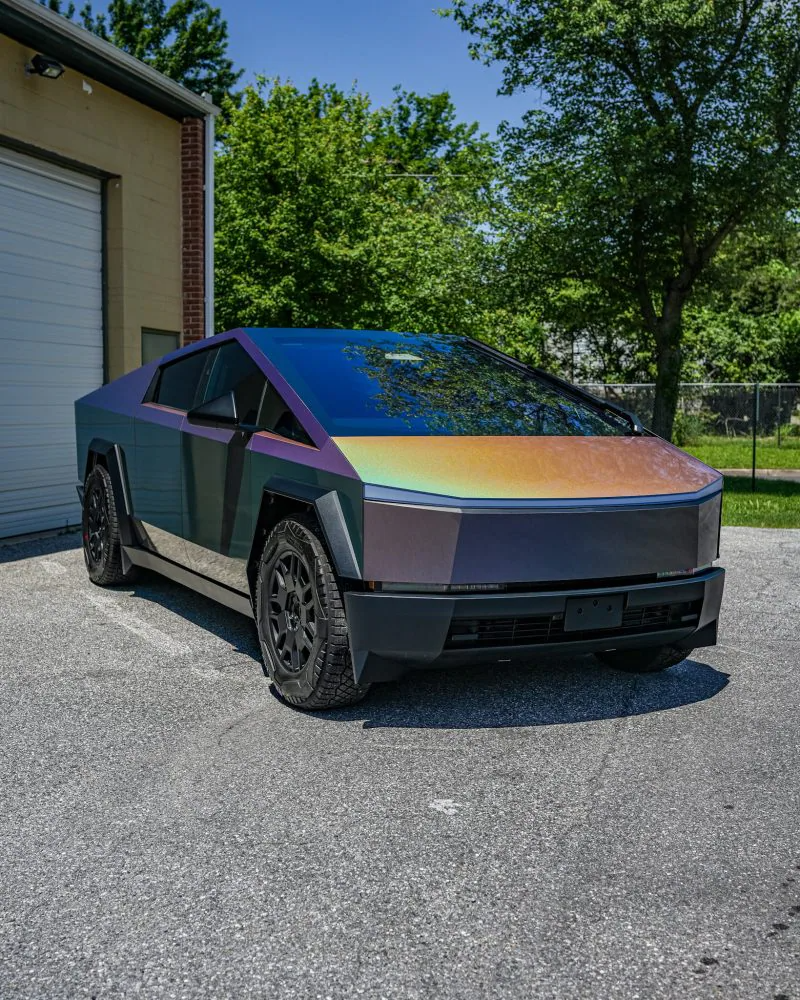
Daily drivers in harsh environments. If your car spends its life on highways, in areas with gravel or road construction, or in climates with intense sun exposure, a color PPF wrap offers a level of protection that vinyl simply cannot match. The TPU base absorbs impacts from stone chips, while the UV inhibitors in the film help prevent both the film and the paint underneath from fading.
Vehicles where resale value matters. Factory paint in good condition commands a premium in the used car market. By covering the original finish with a removable protective film, you preserve that paint while still enjoying a customized appearance. When the film is eventually removed, the paint underneath is in the same condition as the day it was installed.
Owners who want a color change without commitment. A full repaint is permanent and irreversible. A color PPF wrap is not. If you decide you want a different look after a few years, the film can be removed and replaced — or simply removed to reveal the original color.
Leased vehicles. Many lease agreements have strict rules about paint condition. A color PPF wrap protects the factory finish from the wear and tear that could otherwise result in penalties at the end of the lease, while also giving the driver the freedom to personalize the vehicle during the lease term.
Installers and distributors targeting premium clients. For professionals in the automotive aftermarket, color PPF represents a product that commands a higher price point than vinyl while delivering demonstrable value. Clients who understand the difference between “cheap color change” and “color change plus real protection” are often willing to invest in the latter.
What to Look for in a Color PPF Wrap Supplier
If you’re in the market for color PPF — whether as an end user, an installer, or a distributor — the quality of the film you choose will determine everything about the final result. Here are the factors that matter most.
Aliphatic TPU base material. Not all TPU is created equal. Aromatic TPU is cheaper but more susceptible to yellowing and degradation under UV exposure. Aliphatic TPU, which is what quality manufacturers use, offers significantly better color stability and longevity. When evaluating a supplier, ask specifically about the TPU chemistry and the source of the raw material pellets.
Co-extrusion manufacturing. There are two main ways to make a colored PPF: lamination (where a colored layer is applied on top of a clear film) and co-extrusion (where the color is integrated into the TPU during the manufacturing process). Co-extruded films are more resistant to delamination and color shift, and they tend to produce a cleaner, more consistent finish.
Self-healing top coat. This is non-negotiable for a quality product. A self-healing top coat is what allows the film to recover from light scratches and maintain its appearance over time. Without it, the film will show every swirl mark and wash scratch.
Hydrophobic surface treatment. A good color PPF wrap should repel water and contaminants, making the vehicle easier to clean and helping the finish stay glossy between washes. Some films also include anti-yellowing additives in the top coat, which further extend the film’s service life.
Color consistency across batches. For distributors and installers who order in volume, batch-to-batch color consistency is critical. A supplier that can’t guarantee this will create problems for anyone doing multi-panel installations or servicing repeat customers.
Private label and OEM options. For distributors looking to build their own brand, the ability to source private-label color PPF with custom packaging and branding is a significant advantage. This allows you to differentiate your product line without investing in film manufacturing yourself.
Installation Considerations for Color PPF Wrap
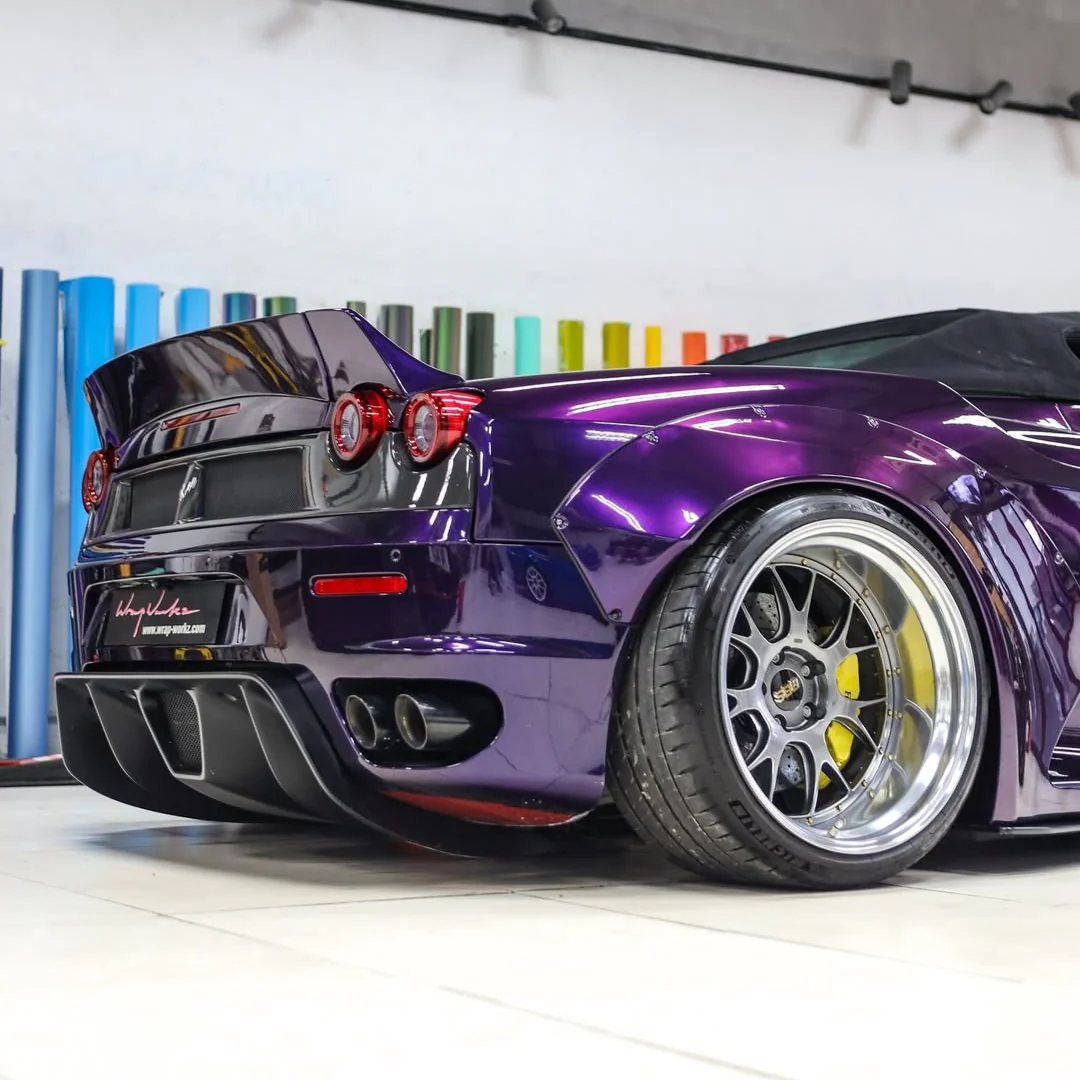
Installing a color PPF wrap is not the same as installing vinyl. The film is thicker, more rigid, and less forgiving of mistakes. While some enthusiastic DIYers have successfully applied precut kits, the general recommendation is to work with a trained professional for anything beyond a small accent piece.
The installation process typically involves thorough surface preparation — washing, decontaminating, and removing any wax or oil from the paint. The film is then positioned, squeegeed to remove air bubbles and excess slip solution, and carefully heated and stretched around curves and edges. Post-heating is important for activating the adhesive and ensuring edges stay sealed.
One of the advantages of working with a quality color PPF is that the film’s conformability makes the installation process smoother. A well-engineered TPU film stretches predictably and adheres evenly, which reduces the risk of lifting, bubbling, or visible seams. This is particularly important on modern vehicles with complex body lines and aggressive styling.
Maintenance: Keeping Your Color PPF Wrap Looking Its Best
The maintenance routine for a color PPF wrap is straightforward, but a few habits will make a significant difference in how long the film looks new.
Hand washing with a pH-neutral soap and a clean microfiber cloth is the safest approach. Avoid automatic brush car washes, which can leave fine scratches on the surface, and skip harsh chemicals or abrasive cleaners that could degrade the film’s top coat. When drying, use a clean microfiber towel rather than letting the vehicle air-dry, which can leave water spots.
For light scratches that do appear, the self-healing properties of the film mean they will often disappear on their own when exposed to heat — parking in the sun or using warm water during a wash is usually enough. For more stubborn marks, a heat gun on a low setting can be used carefully, though it’s best to consult a professional if you’re unsure.
It’s also worth inspecting the edges and seams periodically, especially after the first week or so following installation. If any edges show signs of lifting, a quick pass with a heat gun and a squeegee can usually reseal them.
Why Decowell Film Is the Right Partner for Color PPF Wrap
For installers, distributors, and brands looking to enter or expand in the color PPF category, the supplier you choose will shape your product offering, your margins, and your reputation. Decowell Film has built its position in the industry by focusing on the fundamentals that matter most: material quality, manufacturing consistency, and the flexibility to support different business models.
Decowell Film’s color PPF wrap products are built on aliphatic TPU base material, which provides the elasticity, impact resistance, and color stability that distinguish quality film from entry-level alternatives. The films feature a self-healing top coat that recovers from light scratches with ambient heat, along with a hydrophobic surface treatment that makes maintenance easier and helps the finish stay cleaner between washes.
For distributors, Decowell Film offers factory-direct supply with a range of color and finish options to suit different market demands. Whether you’re looking for gloss, matte, satin, or metallic finishes, the product line is designed to cover the styles that customers actually ask for. The manufacturing process emphasizes batch-to-batch color consistency, which is essential for installers doing multi-panel work and for distributors building a reliable product catalog.
What sets Decowell Film apart, however, is the level of support available for partners who want to do more than simply resell film. Private label and OEM options allow distributors to build their own brand identity with custom packaging and branding, without having to invest in film production capabilities. This is a significant advantage for companies that want to differentiate themselves in a competitive market.
For installers, Decowell Film’s color PPF wrap offers a product that balances ease of installation with long-term performance. The film’s conformability and adhesive system are designed to work well in professional installation environments, reducing the risk of callbacks and rework. And for end customers, the result is a finish that looks like paint, protects like a dedicated PPF, and holds up to real-world driving conditions.
If you’re evaluating suppliers for color PPF wrap — whether you’re a distributor looking for a reliable manufacturing partner, an installer wanting a product you can stand behind, or a brand exploring private label options — Decowell Film is worth a serious conversation. The company’s focus on material quality and partner support makes it a strong fit for businesses that view color PPF not as a commodity, but as a product that can build customer loyalty and long-term value.
Frequently Asked Questions About Color PPF Wrap
Is color PPF wrap the same thing as a vinyl wrap?
No. They share the goal of changing a vehicle’s appearance, but they are fundamentally different products. Color PPF wrap is made from TPU and functions primarily as a protective film that happens to be colored. Vinyl wrap is made from PVC and functions primarily as a decorative film with minimal protective capability. The thickness, elasticity, self-healing properties, and durability of the two products are not comparable.
Can I install a color PPF wrap myself?
Small accent pieces and precut kits can sometimes be installed by a motivated DIYer with the right tools and patience. However, full-vehicle installations of color PPF are significantly more challenging than vinyl wraps. The film is thicker, less forgiving, and requires controlled stretching and heat application. For anything beyond a small panel, professional installation is strongly recommended.
Will a color PPF wrap damage my car’s paint when it’s removed?
When a quality film is installed on original factory paint and removed professionally, it should not cause any damage. In fact, the film protects the paint underneath while it’s on the vehicle. The key factors are using a reputable film with a clean-removal adhesive system and having the removal done by someone who knows what they’re doing. Films applied over poorly cured or low-quality repaints carry more risk, so it’s worth confirming the paint’s condition before installation.
How long does a color PPF wrap last?
The lifespan depends on factors like sun exposure, driving conditions, and maintenance. A quality color PPF wrap made with aliphatic TPU and a self-healing top coat is designed for long-term use, maintaining both its protective properties and its appearance over many years. Regular cleaning and periodic inspections will help extend the film’s service life.
Does color PPF wrap look like real paint?
A high-quality color PPF wrap is designed to mimic the depth, gloss, and consistency of factory paint. Because the film sits smoothly on the surface and the top coat resists micro-texture, the result is a finish that most people cannot distinguish from a high-quality repaint at normal viewing distances. The visual authenticity depends on both the film quality and the installer’s skill.
Can I put a clear PPF over a color PPF wrap?
It’s generally not necessary, since the color PPF already includes a protective top coat with self-healing properties. Layering a clear PPF on top would add thickness and could affect the visual clarity. If additional protection is desired in high-impact areas, a quality color PPF with a robust top coat should be sufficient.
Is color PPF wrap more expensive than vinyl?
Yes, color PPF wrap costs more than vinyl — both in terms of material and, typically, installation labor. The higher cost reflects the more expensive raw materials (aliphatic TPU versus PVC), the more complex manufacturing process (co-extrusion versus simple lamination), and the additional protective capabilities that vinyl does not offer. For many buyers, the value proposition of getting both a color change and real paint protection in one product justifies the difference.
What finishes are available for color PPF wrap?
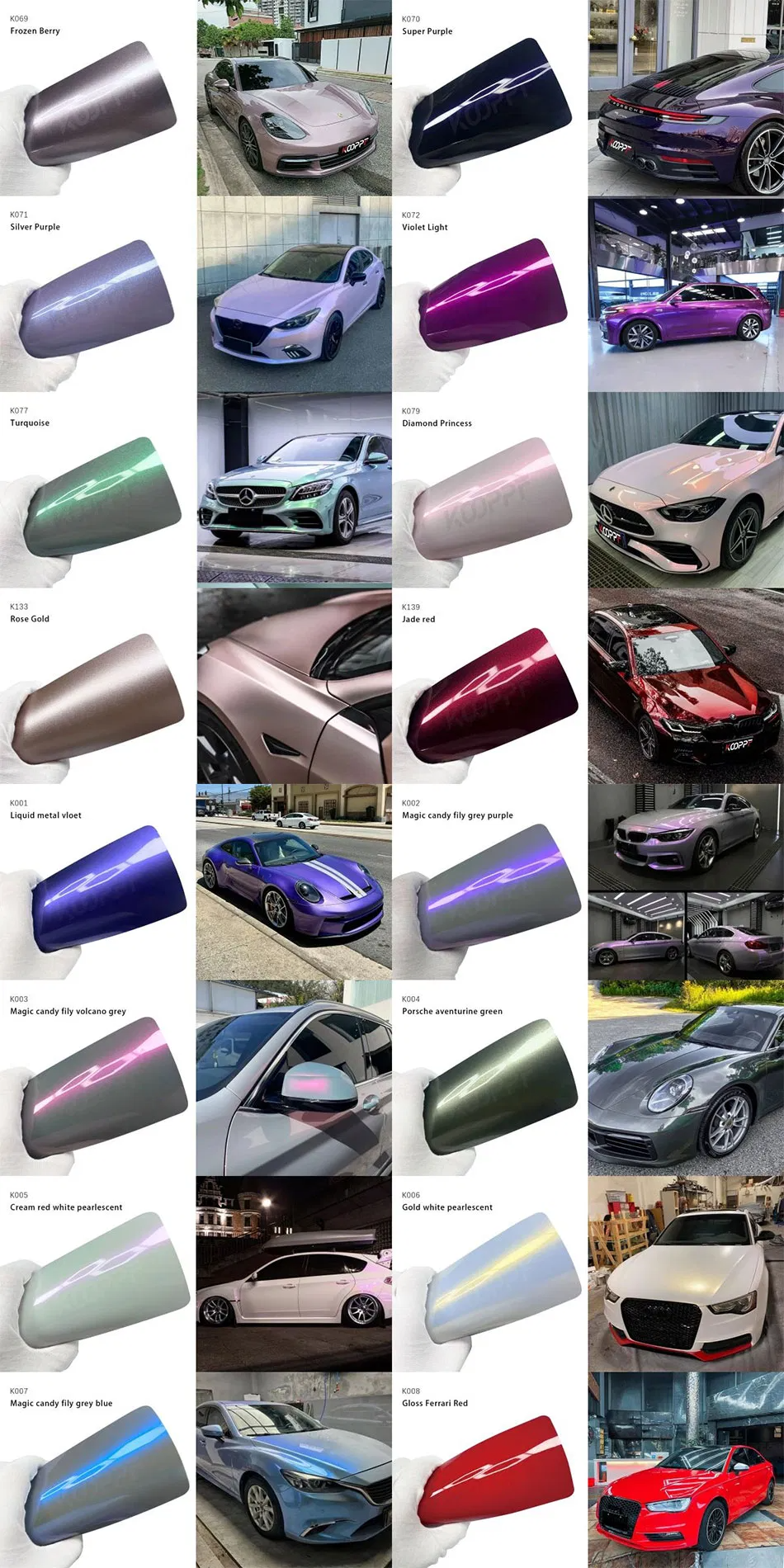
Common finishes include gloss, matte, satin, and metallic. Some manufacturers also offer specialty effects like color-shift or textured finishes, though the range is typically narrower than what’s available in vinyl. The exact selection depends on the supplier and the product line.
Can color PPF wrap be applied over a repainted panel?
It can, but with caveats. The paint must be fully cured before installation — applying film over fresh paint can trap solvents and cause adhesion issues. The quality of the repaint also matters; a poorly applied or low-quality repaint may not provide a stable substrate for the film. It’s best to consult with the installer about the specific paint condition before proceeding.
What should I look for when choosing a color PPF wrap supplier?
Focus on the material first: aliphatic TPU base, co-extruded construction, self-healing top coat, and hydrophobic surface treatment. Then consider the supplier’s manufacturing consistency, color range, and whether they offer private label or OEM options if you’re building a brand. A supplier who can provide technical documentation and samples for evaluation is generally a better partner than one who can only offer a catalog.
Conclusion: One Film, Two Jobs — Done Right
The appeal of color PPF wrap comes down to a simple proposition: you get the visual transformation of a wrap and the protective performance of a PPF in a single product. For vehicle owners, that means a customized look without sacrificing the condition of the factory paint. For installers, it means a premium offering that stands apart from commodity vinyl. For distributors and brands, it means a product category with real differentiation and room for growth.
The key is choosing a film that’s actually built to deliver on both fronts — not a thin vinyl with a protective-sounding label, but a genuine TPU film with the material quality and engineering to back up its claims. That’s where the choice of supplier becomes critical.
Decowell Film has positioned itself as a manufacturer that understands this. The company’s color PPF wrap products are built around aliphatic TPU, self-healing technology, and manufacturing practices that prioritize consistency and performance. For partners looking to build a color PPF offering that customers will come back for, Decowell Film offers the material foundation and the business support to make it work.
If you’re ready to explore what a properly made color PPF wrap can do for your vehicle — or your product line — reach out to Decowell Film to discuss your requirements, request samples, and learn more about how the product can fit into your plans.