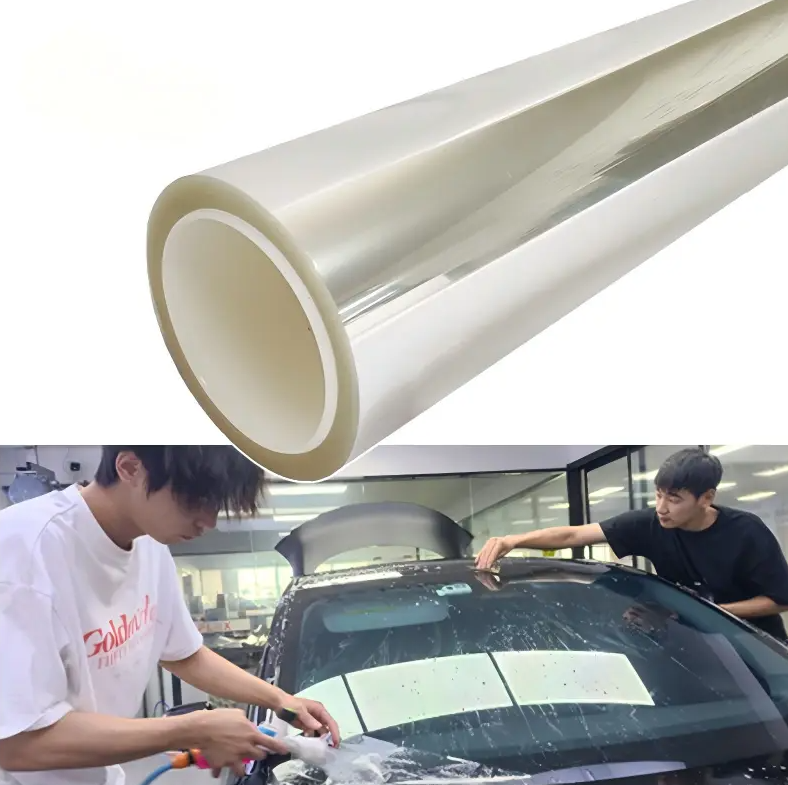
Home » PPF Solution: Paint Protection Film in 2026
Recent Posts
PPF Solution: Paint Protection Film in 2026
Introduction: Why Your Paint Needs a PPF Solution
Let’s be honest—nothing ruins your day quite like that first stone chip on a brand-new car. You’re cruising down the highway, feeling good, and then ping—a tiny rock has just left its mark on your pristine paintwork. Sound familiar?
You’re not alone. Every driver faces this. And with modern paint repairs costing a small fortune—especially on cars with metallic, pearl, or matte finishes—the anxiety is real. That’s where a proper PPF solution comes in.
Paint Protection Film—or PPF, as most of us call it—isn’t just another car care fad. It’s a legitimate, battle-tested shield that’s been protecting everything from military helicopters to million-dollar supercars. And today? It’s accessible to anyone who cares about keeping their ride looking showroom-fresh.
So whether you’re driving a family SUV, a weekend sports car, or an EV that you want to keep flawless, this guide will walk you through everything you need to know about finding the right paint protection film solution for your vehicle.
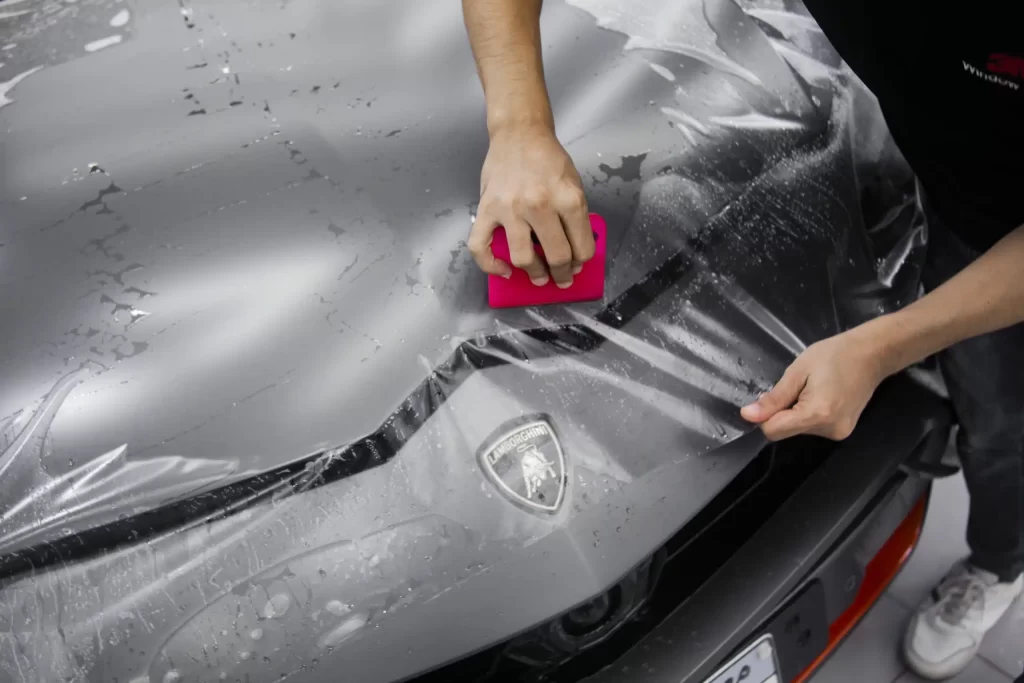
Table of Contents
What Exactly Is Paint Protection Film?
At its core, Paint Protection Film is a transparent thermoplastic polyurethane (TPU) film applied directly onto your vehicle’s painted surfaces. Think of it as an invisible suit of armour—one that takes the hits so your paint doesn’t have to.
Modern PPF is optically clear, highly flexible, and virtually invisible once installed. But here’s the kicker—many premium films now feature self-healing technology. That means minor scratches and swirl marks literally disappear when exposed to heat. Sunlight, warm water, or a gentle heat gun can erase those annoying little marks.
How PPF Is Built
A quality paint protection film isn’t just a single layer of plastic—it’s a carefully engineered multi-layer construction:
Adhesive layer: Bonds to your paint using a repositionable acrylic adhesive that releases cleanly when removed
TPU core (6–8 mil thick): The structural backbone that absorbs impacts from rocks and debris
Self-healing topcoat: A cross-linked polyurethane layer with shape-memory properties that repairs light scratches
Total thickness typically ranges from 8 to 10 mils, including the adhesive. Some thicker variants exist for track or off-road use, trading a little extra texture for more puncture resistance.
What Does PPF Protect Against?
A good PPF solution defends your vehicle against:
Stone chips and road debris
Light scratches and swirl marks
Bug splatter and bird droppings
Tree sap and road tar
UV damage and oxidation
Water spots and chemical stains
Minor scuffs from daily wear
While no film is indestructible, replacing damaged PPF is far easier—and significantly cheaper—than repairing factory paint.
Types of Paint Protection Film
Not all PPF solutions are created equal. Depending on your goals and budget, you have several options:
Clear Gloss PPF
The most common choice. Designed to be virtually invisible, it preserves your factory paint’s gloss while providing a physical barrier against damage. Perfect if you love your car’s original colour and just want to keep it that way.
Matte (Stealth) PPF
Gives a gloss-painted vehicle a satin or frozen-style finish. Also the go-to solution for protecting factory matte paint, which can’t be polished like conventional finishes. The best part? It’s completely reversible.
Coloured PPF
Combines paint protection with a colour change. Available in gloss, satin, and matte finishes, it lets you transform your vehicle’s appearance while still benefiting from impact resistance and self-healing properties. Think of it as a vinyl wrap that actually protects.
PPF vs Ceramic Coating: What’s the Difference?
This is the question every car owner asks. Here’s the simple breakdown:
| Feature | PPF | Ceramic Coating |
|---|---|---|
| Protection type | Physical barrier | Chemical/ hydrophobic layer |
| Stone chip resistance | Excellent | Minimal |
| Scratch protection | High (self-healing) | Low |
| UV protection | Yes | Yes |
| Lifespan | 5–10+ years | 2–5 years |
| Thickness | 8–10 mil | Microscopic |
Ceramic coating protects against what lands on your paint. PPF protects against what hits it.
Many owners actually combine both—PPF for physical protection and ceramic coating on top for extra slickness and easier cleaning.
Coverage Options: How Much PPF Do You Need?
Paint protection film solutions come in different coverage packages:
Partial front: Bumper, partial hood and fenders, headlights, mirrors. Budget-friendly protection for the most exposed zones.
Full front: Full hood, full fenders, bumper, headlights, mirrors. The sweet spot for most drivers.
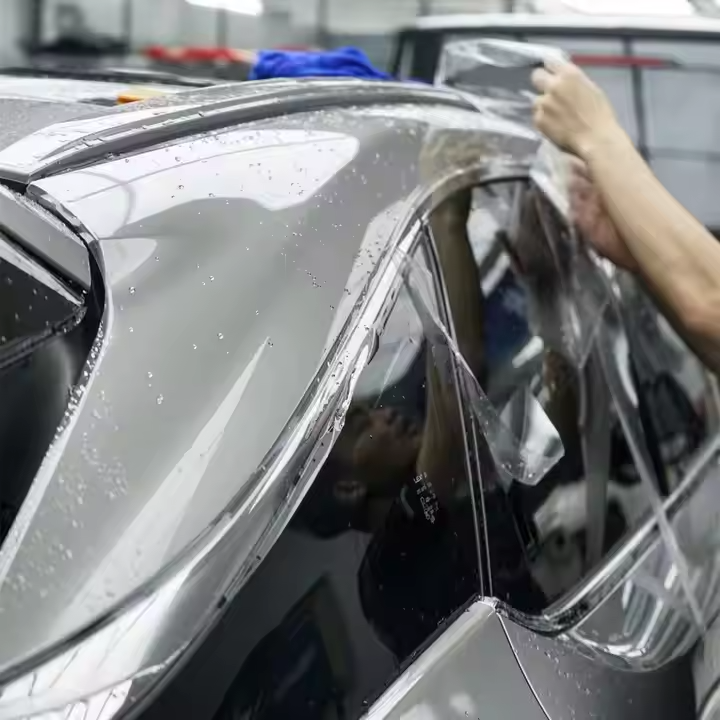
High-impact add-ons: A-pillars, roof edge, rocker panels, lower doors, door cups, door edges.
Full body: Every painted exterior panel. Maximum protection, maximum investment.
Interior touch points: Centre consoles, door sills, door kickers. Great starter projects.
PPF Installation: What to Expect
Whether you’re going pro or tackling it yourself, understanding the installation process helps set realistic expectations.
Professional Installation
Pros complete a full front in a day and a full body over several days. They bring pattern libraries, climate-controlled spaces, and years of blade control experience. The result? Flawless edges, hidden seams, and zero bubbles.
DIY Installation
DIY is totally possible—especially on flat areas or with pre-cut kits. A first hood might take an afternoon; a full front can span a weekend. The key is patience, cleanliness, and the right tools.
The Installation Process (Step by Step)
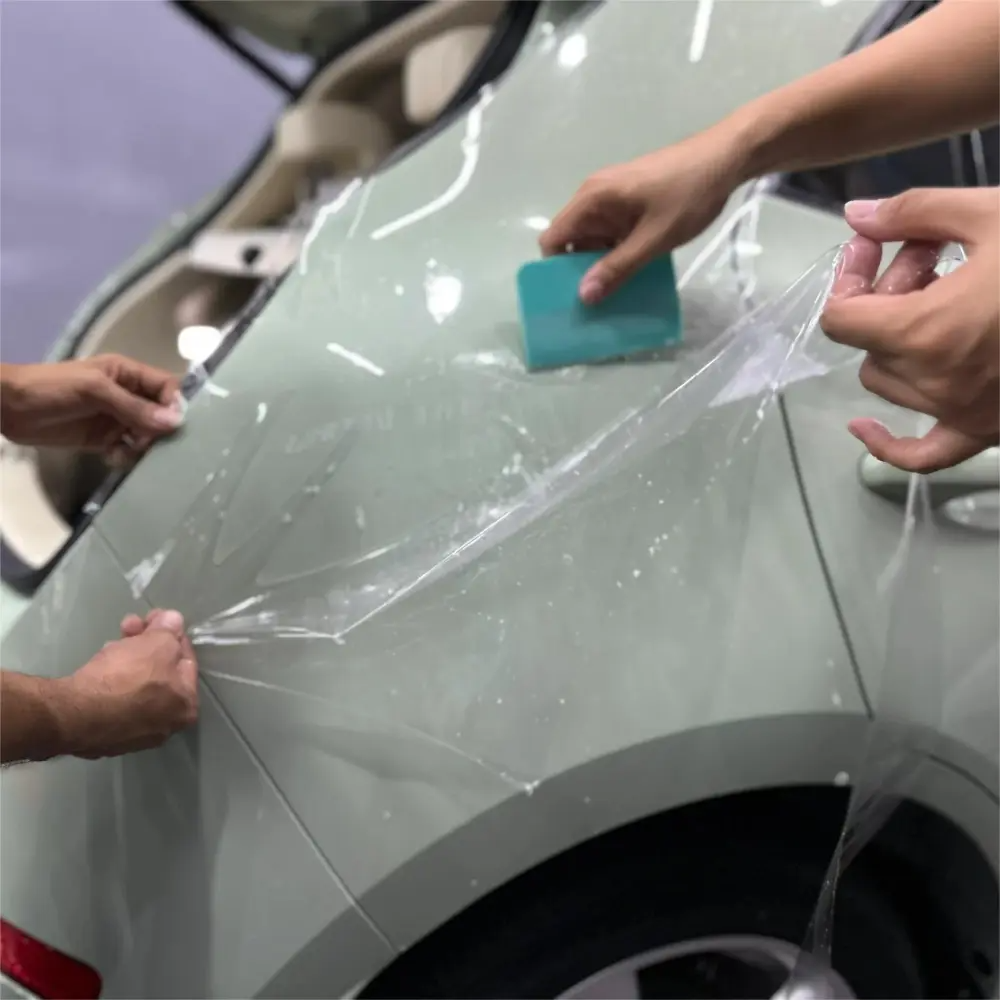
Here’s how it typically goes down:
Step 1: Wash and prep the surface
Thorough washing, clay bar treatment to remove embedded contaminants, and an alcohol wipe to eliminate oils and wax.
Step 2: Paint correction (if needed)
Existing swirl marks or scratches are polished out—otherwise they’ll be trapped under the film forever.
Step 3: Mix your solutions
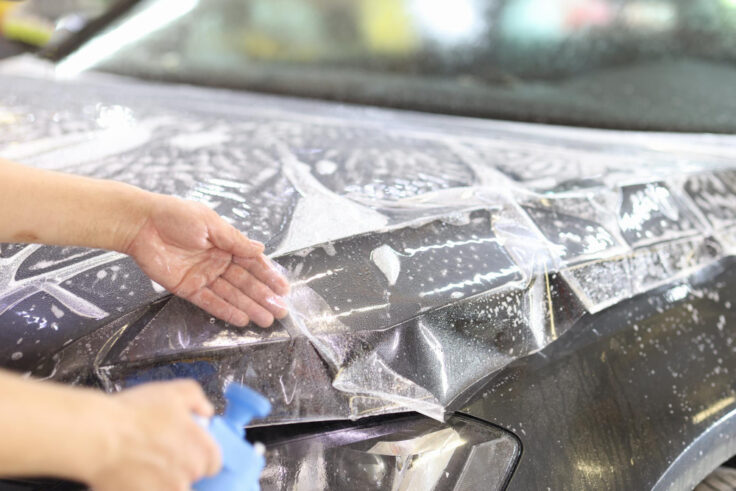
Slip solution: Distilled water with a few drops of shampoo. Lets the film slide into position.
Tack solution: Isopropyl alcohol and water. Makes the film grip once it’s in the right place.
Step 4: Position the film
Generously spray slip solution on both the panel and the film’s adhesive side. Place the film and slide it into perfect alignment.
Step 5: Squeegee out the solution
Start from the centre and work outward, pushing air and liquid toward the edges.
Step 6: Tackle curves with heat
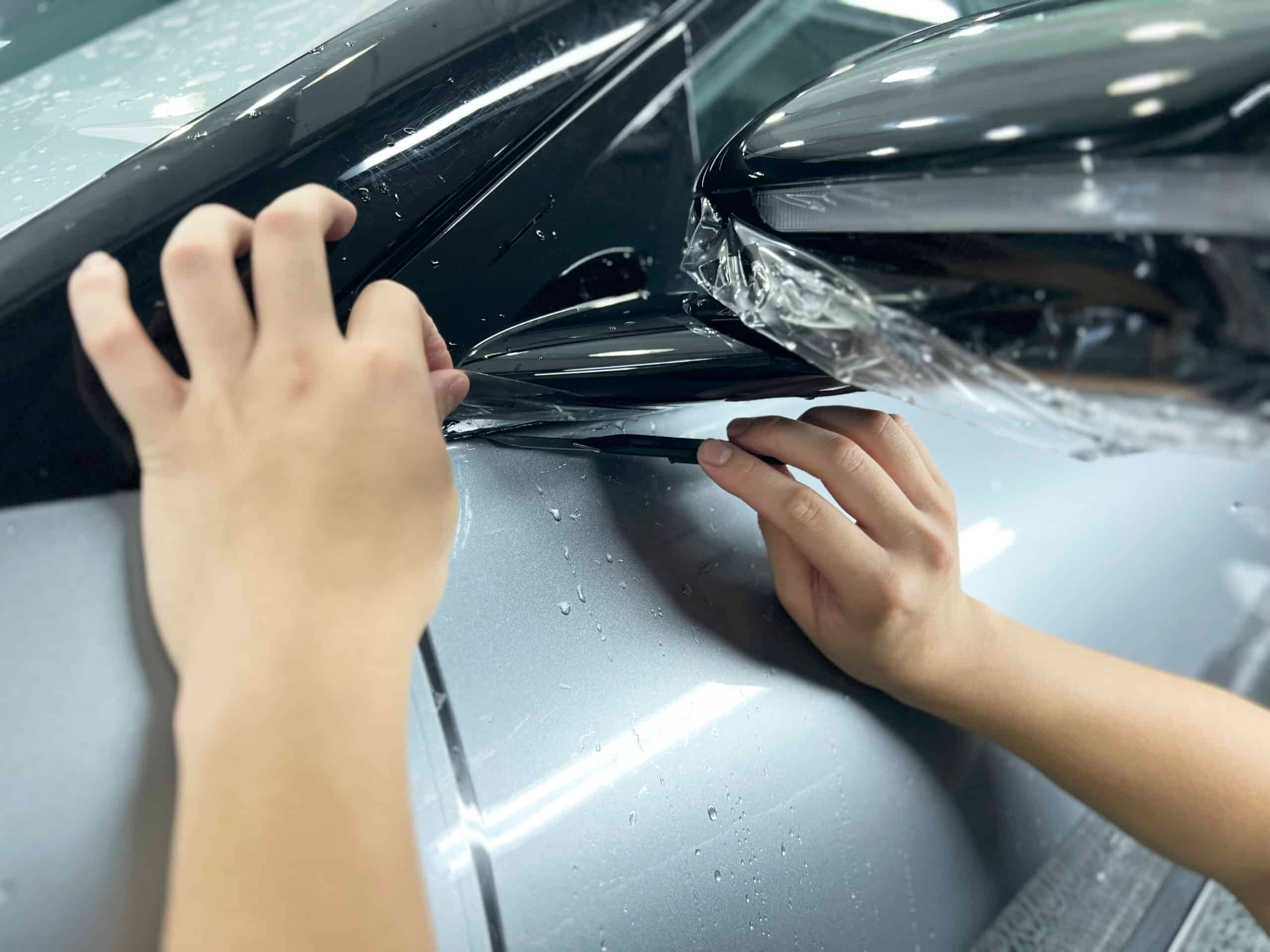
Warm the film gently with a heat gun to make it pliable around bumpers, mirrors, and other complex shapes.
Step 7: Wrap and seal edges
Tuck film around panel edges for a clean, invisible finish.
Step 8: Curing time
Allow 24 to 48 hours for the film to fully cure. Don’t wash the car during this period.
Common Installation Mistakes to Avoid
Even experienced installers can slip up. Here’s what to watch out for:
Skipping the alcohol wipe: Dirt or wax under the film traps bubbles permanently
Overstretching the film: Causes edges to lift later
Rushing the squeegee: Creates bubbles and wrinkles
Ignoring heat on complex shapes: Film won’t conform properly
Poor lighting: Makes it impossible to see contaminants or bubbles
PPF Maintenance: Keeping Your Investment Protected
Once your PPF solution is installed, proper care extends its lifespan significantly.
Dos
Wash regularly (at least every two weeks) with pH-neutral car soap
Use a clean microfiber wash mitt
Rinse thoroughly and dry with a high-quality microfiber cloth
Remove bug splatter and bird droppings promptly
Apply PPF-safe protective layers if desired
Don’ts
Don’t wash the car for at least 48–72 hours after installation
Don’t use high-pressure washers too close to film edges
Don’t use harsh chemicals, solvents, or abrasive polishes
Don’t use commercial car washes with harsh chemicals
Self-Healing Maintenance
One of the coolest features of modern PPF is self-healing. Light scratches and swirl marks disappear when exposed to heat—whether from sunlight, warm water, or a heat gun. This means your car stays looking flawless with minimal effort.
The Future of PPF: What’s Coming in 2026 and Beyond
The paint protection film market is evolving fast. The global PPF market was valued at USD 1.09 billion in 2025 and is projected to reach USD 1.54 billion by 2030. Here’s what’s driving that growth:
Self-Healing Gets Smarter
New-generation films can now repair micro-scratches at temperatures as low as 20°C—making self-healing practical in everyday conditions.
Hydrophobic Topcoats
Water and dirt bead up and roll off, making cleaning easier and keeping the film looking fresh longer.
EV-Specific Films
With the rapid growth of electric vehicles, manufacturers are developing PPF solutions tailored to EV requirements—enhanced aerodynamic smoothness and resistance to chemicals from battery cooling systems.
Coloured PPF Expands
More colours and finishes are becoming available, letting owners change their vehicle’s appearance while still getting full PPF protection.
Why Choose Decowell for Your PPF Solution?
When it comes to protecting your vehicle, you want a partner who understands quality, durability, and value. Decowell brings years of expertise in high-performance film solutions, delivering paint protection that stands up to real-world conditions.
Decowell’s PPF solutions are engineered with:
Premium TPU materials for maximum impact resistance
Advanced self-healing topcoats that keep your car looking new
Optical clarity that preserves your paint’s true colour and depth
Hydrophobic properties for easier cleaning and maintenance
Precision manufacturing that ensures consistent quality
Whether you’re protecting a daily driver, a weekend toy, or a fleet vehicle, Decowell offers a paint protection film solution tailored to your needs. Clear gloss, matte stealth, or coloured finishes—Decowell has you covered.
Don’t let stone chips, scratches, and UV damage ruin your investment. Choose a PPF solution that delivers real protection.
FAQ
1. What is PPF and how does it work?
PPF (Paint Protection Film) is a transparent thermoplastic polyurethane film applied to a vehicle’s painted surfaces. It acts as a sacrificial layer that absorbs impacts from stone chips, scratches, and road debris before they reach your paint.
2. How long does PPF last?
With proper care, quality PPF typically lasts 7–10+ years. Premium films are engineered with anti-yellowing technology to maintain clarity over time.
3. Can I install PPF myself?
Yes—especially on flat areas or with pre-cut kits. However, full-body installations and complex curves are best left to professionals.
4. Does PPF really self-heal?
Yes. Modern PPF topcoats have shape-memory properties. When exposed to heat—from sunlight, warm water, or a heat gun—minor scratches and swirl marks disappear.
5. PPF vs ceramic coating—which is better?
They serve different purposes. PPF provides physical protection against rock chips and scratches. Ceramic coating offers a hydrophobic chemical layer that repels water and dirt. Many owners use both for maximum protection.
6. How do I maintain my PPF?
Wash regularly with pH-neutral soap and a microfiber mitt. Avoid harsh chemicals and high-pressure washers near edges. Remove bug splatter and bird droppings promptly.
7. Will PPF damage my paint when removed?
No—quality PPF from reputable manufacturers uses adhesives designed to release cleanly from factory paint. Repaints of unknown quality carry higher risk.
8. Can PPF be applied over existing paint damage?
PPF won’t hide existing scratches or chips—they’ll remain visible under the film. Paint correction is recommended before installation.
9. How much does PPF cost?
Coverage ranges from partial front ($1,200–$1,800) to full body ($5,500–$8,000+). Pricing varies by vehicle size, film quality, and installer expertise.
10. Is PPF worth it?
If you care about your vehicle’s appearance and resale value, absolutely. PPF preserves factory paint, prevents costly repaints, and keeps your car looking newer for longer.
Final Thoughts
Your car is one of your biggest investments. Protecting it shouldn’t be an afterthought. A quality PPF solution from a trusted brand like Decowell gives you peace of mind every time you hit the road.
No more flinching at every loose stone. No more anxiety about tight car parks. No more watching your paint slowly degrade from UV exposure and daily wear.
With Decowell’s paint protection film, you get invisible armour that works as hard as you do—keeping your vehicle looking immaculate for years to come.
Ready to protect your ride? Get in touch with Decowell today and discover the PPF solution that’s right for you.
Decowell – Your Partner in Paint Protection