
Home » White PPF on Light-Colored Vehicles: What Every Owner Should Know Before Installing Paint Protection Film
Recent Posts
White PPF on Light-Colored Vehicles: What Every Owner Should Know Before Installing Paint Protection Film
White, silver, and pearl-finish cars have always held a special place in the automotive world. They reflect heat better than dark colors, hide minor dust and dirt reasonably well, and tend to command stronger resale value in many markets. But here is the reality that catches many white car owners off guard: white paint is not low-maintenance—it just fails differently.
On dark paint, swirl marks and micro-scratches catch reflected light and show up as silvery cobweb patterns. Owners of dark cars tend to notice paint degradation early and seek correction quickly. Light-colored paint, on the other hand, diffuses reflected light in a way that hides fine scratches longer—but it does not hide chips, iron fallout staining, or oxidation.
A stone chip on a white hood does not disappear. It sits there as a dark gray or rust-ringed dot that grows in contrast over time. Yellow stains from tree sap etch into the clear coat and become permanent without paint correction. Road film and oxidation build up gradually, turning that crisp white finish into something dull and chalky.
This is where white PPF—paint protection film engineered specifically for light-colored vehicles—changes the conversation entirely.
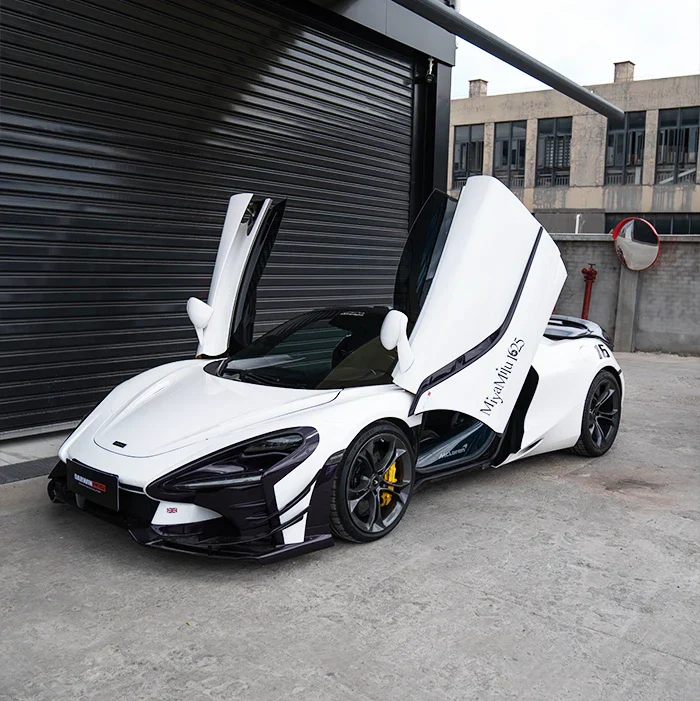
Table of Contents
What Is White PPF and How Does It Protect Your Vehicle?
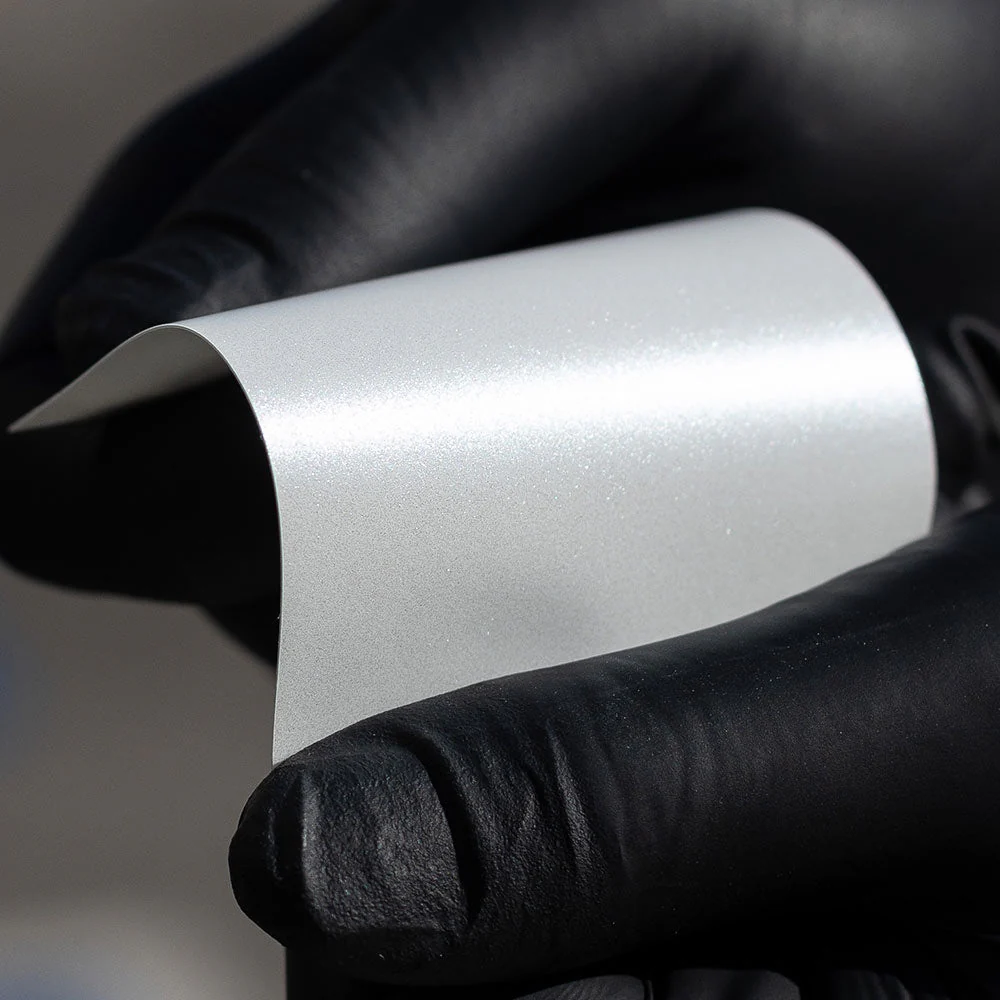
Paint protection film, commonly referred to as PPF or clear bra, is a transparent, self-healing layer made from high-grade thermoplastic polyurethane (TPU). When applied to a vehicle’s painted surfaces, it acts as an invisible shield against rock chips, scratches, bird droppings, tree sap, and UV damage.
Unlike wax or sealants that wash away, or ceramic coatings that only offer chemical resistance, paint protection film is a physical barrier. It absorbs the impact of road debris before that energy reaches the clear coat. It self-heals minor scratches when exposed to heat—whether from the sun or warm water. And for white car owners specifically, white PPF means protection without altering that clean, bright aesthetic you paid for.
The film typically consists of multiple layers: a clear topcoat for scratch and stain resistance, a TPU base layer for impact absorption and flexibility, and an adhesive layer that bonds to the paint. Premium white PPF products are engineered with aliphatic TPU, which resists yellowing and maintains optical clarity over the long term.
The Yellowing Question: Separating Myth from Reality
Let us address the elephant in the room. This is the number one concern stopping white car owners from getting paint protection film, and rightfully so. Nobody wants their pristine white vehicle to look like it is wearing a dirty, yellowed plastic cover.
Why Does PPF Yellow?
Yellowing happens due to oxidation—when the film’s polymer structure breaks down under UV exposure, heat, and environmental pollutants. In regions with intense sun, combined with pollution and dust, this process accelerates.
However, here is the crucial truth: not all PPF yellows equally.
Old-generation films (TPH/PVC): These were notorious for yellowing within one to two years. If someone tells you their PPF on a white car turned yellow quickly, they likely had an inferior product.
Modern TPU films: High-quality TPU films contain advanced UV stabilizers and anti-yellowing additives. Premium films maintain clarity for years when maintained properly. Today’s white PPF is engineered with advanced thermoplastic urethane and powerful UV-resistant topcoats that resist yellowing under normal conditions.
The honest reality is that even the best paint protection film will show some yellowing if you park exclusively in direct sunlight for years, never wash or maintain the film, or live in highly polluted urban areas with no garage.
But here is the trade-off: yellowing happens gradually over many years with quality film, while unprotected white paint suffers permanent rock chip damage, staining, and oxidation within months. You are choosing between very slow yellowing—reversible by film replacement—versus permanent paint damage that requires expensive repainting.
Decowell Film is engineered with aliphatic TPU and advanced UV inhibitors specifically to address this concern. The formulation maintains optical clarity and resists discoloration, ensuring that white PPF stays as clean and bright as the day it was installed.
The Edge Problem: Why Installation Quality Matters More on White Cars
This is the aspect that many articles ignore, but it is critical for white car owners. Poor PPF installation is far more visible on white than on any other color.
The Dirt Line Issue
When paint protection film is installed with improper edge wrapping or cutting, dirt, grime, and pollutants accumulate at the film’s edges over time. This creates a visible black or gray outline around protected panels. On white cars, this outline screams “cheap PPF job” and looks worse than having no film at all.
Why This Happens
Improper edge wrapping: Installers cut the film on the panel instead of wrapping edges around, leaving exposed adhesive that collects dirt
Lifting edges: Poor adhesion causes edges to lift, creating gaps where contaminants accumulate
Visible seams: Overlapping film pieces create lines that collect dirt and become highly visible on white paint
The Solution: Professional Edge Wrapping
The only way to avoid dirty edges is to go with an installer that wraps all edges around the panel so the PPF edge is not left visible. This technique—often called edge wrapping or full-wrap installation—requires more skill and labor than using pre-cut templates.
With Decowell Film, professional installers can achieve seamless coverage with edges wrapped around panel contours. The film becomes truly invisible on white cars, with no visible edges or outlines even after years of driving.
Gloss vs. Matte White PPF: Which Finish Is Right for You?
White PPF comes in two primary finishes: gloss and matte (sometimes called satin or stealth). Each offers distinct visual outcomes and practical considerations.
Gloss White PPF
Gloss paint protection film provides a reflective finish that amplifies color vibrancy and depth. On white vehicles, gloss PPF slightly deepens the perceived saturation of the paint—most owners read this as the paint looking newer rather than different. The difference in sheen between a protected hood and an unprotected roof panel is visible under certain lighting angles but is not something a person would notice in everyday conditions.
Matte White PPF
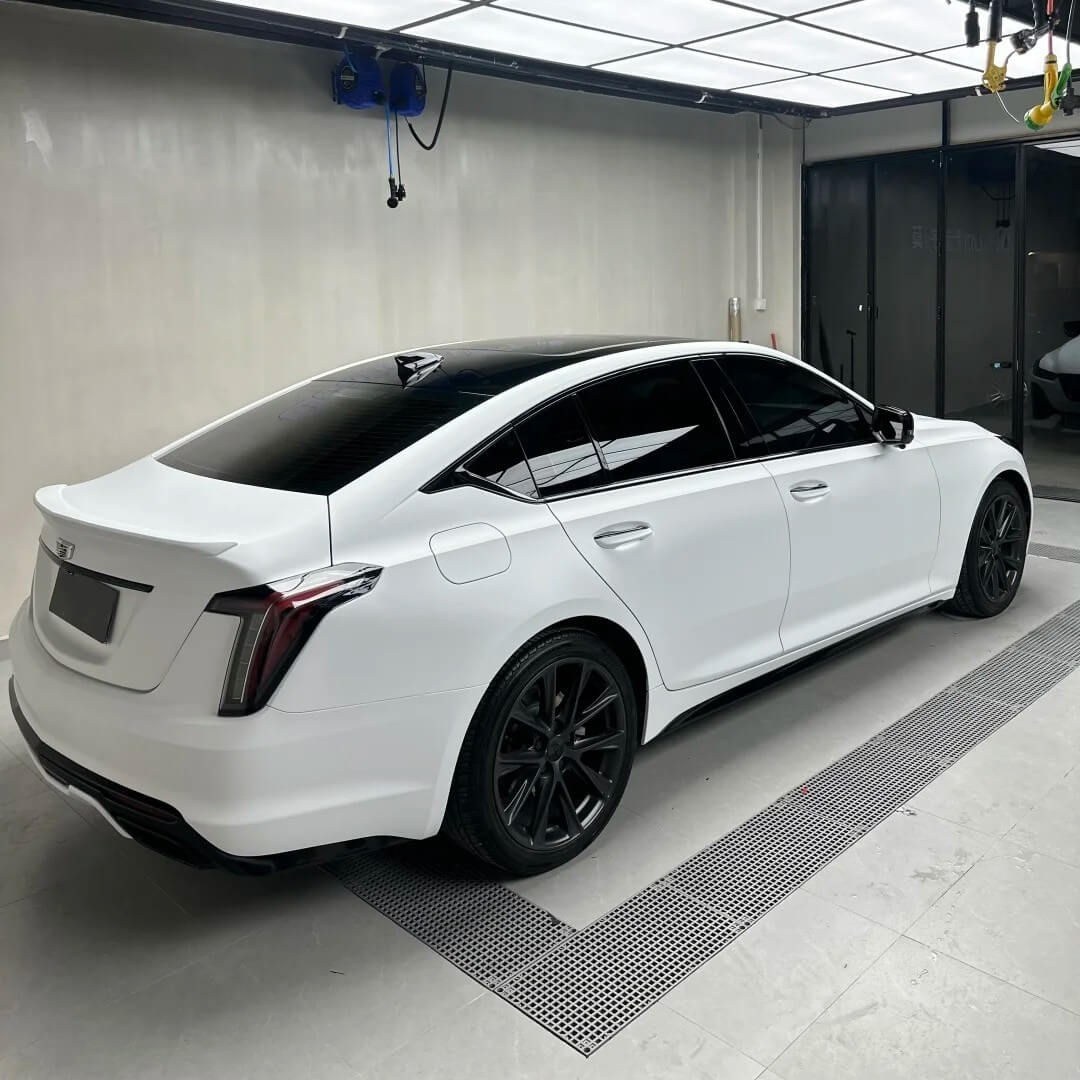
Matte PPF gives white panels a modern satin look, softens reflections, and adds impact resistance. The satin topcoat diffuses light, helping to hide fine wash marring and blending minor texture differences across panels. Matte protection films are engineered to read in the low to mid gloss range—typically around 15–25 GU—so reflections look soft and uniform on white panels.
Matte-finish white PPF is particularly popular for vehicles with factory matte or satin paint, which is becoming more common on white and light gray OEM finishes. It preserves the flat appearance while providing the same physical protection.
Decowell Film offers both gloss and matte finishes, allowing owners to choose the aesthetic that best complements their vehicle while enjoying the same high level of protection.
Benefits of White PPF: Why Light-Colored Vehicles Need It Most
Beyond the yellowing concern, paint protection film offers white car owners specific advantages that other colors do not experience as dramatically.
1. Rock Chip and Stone Chip Protection
White paint shows dark chips instantly. That dark primer or metal underneath creates a stark contrast. White PPF means the film takes the hit—not your paint. The self-healing TPU absorbs impacts and recovers from minor damage with heat.
2. Stain Resistance Against Bird Droppings and Tree Sap
Bird droppings and tree sap are acidic and etch into white paint, leaving yellow stains that are nearly impossible to remove without paint correction. The non-porous surface of paint protection film allows you to wipe these contaminants away immediately without staining.
3. Protection Against Oxidation of the Paint Itself
Here is the irony: people fear PPF yellowing, but white paint itself oxidizes and yellows over time from UV exposure, especially on horizontal panels like the hood and roof. Quality white PPF contains UV inhibitors that actually prevent your white paint from yellowing underneath.
4. Easier Cleaning and Maintenance
The hydrophobic topcoat on modern paint protection film makes water bead up and roll off, taking dirt with it. Dust and grime do not stick as aggressively, making weekly washing faster. For white car owners who wash frequently to maintain that clean look, this is a significant time-saver.
5. Preserved Resale Value
White cars have strong resale value in many markets, but only when the paint is flawless. Buyers scrutinize white cars more carefully because every imperfection shows. White PPF protects the original paint, and when removed before sale, reveals factory-fresh paint that commands premium pricing.
Coverage Zones: Where to Apply White PPF
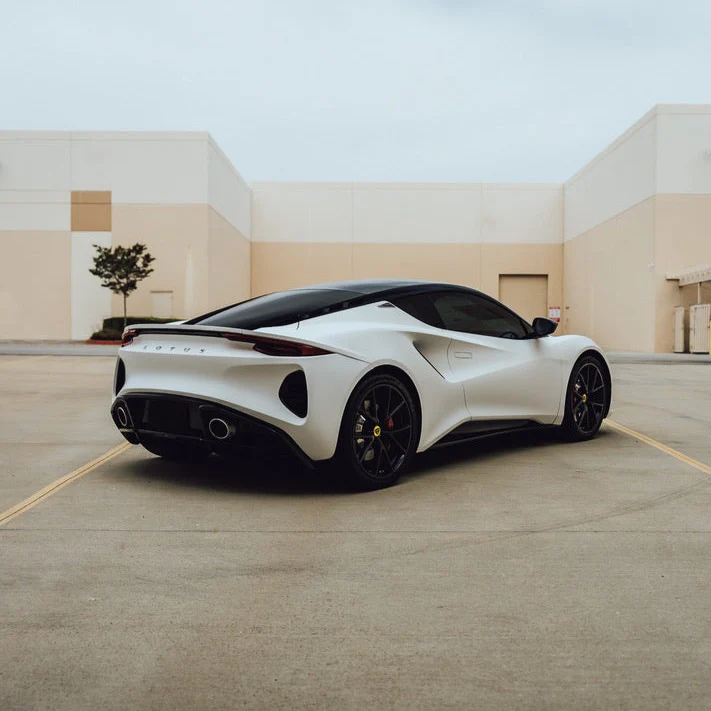
Not every paint protection film installation covers the entire vehicle. Most owners work with a budget and a risk assessment, choosing which panels receive film based on exposure. For light-colored vehicles, the priority order tends to be consistent.
Front Bumper (Highest Priority)
The front bumper collects chips, road tar, insect impact, and parking lot contact from every mile driven. On white paint, a front bumper that goes unprotected for years of driving will show it plainly.
Hood (Second Priority)
The hood—particularly the leading edge and the forward third—is the second most commonly requested zone. Gravel trajectories from highway driving land heavily here, and on white paint, a cluster of chips along the leading edge is one of the first things a prospective buyer notices.
Fender Edges, Mirror Caps, and Rocker Panels
These areas follow depending on the owner’s driving profile. Drivers who spend significant time on highways encounter more debris per mile than drivers whose routes are primarily surface streets.
Full-Body Coverage
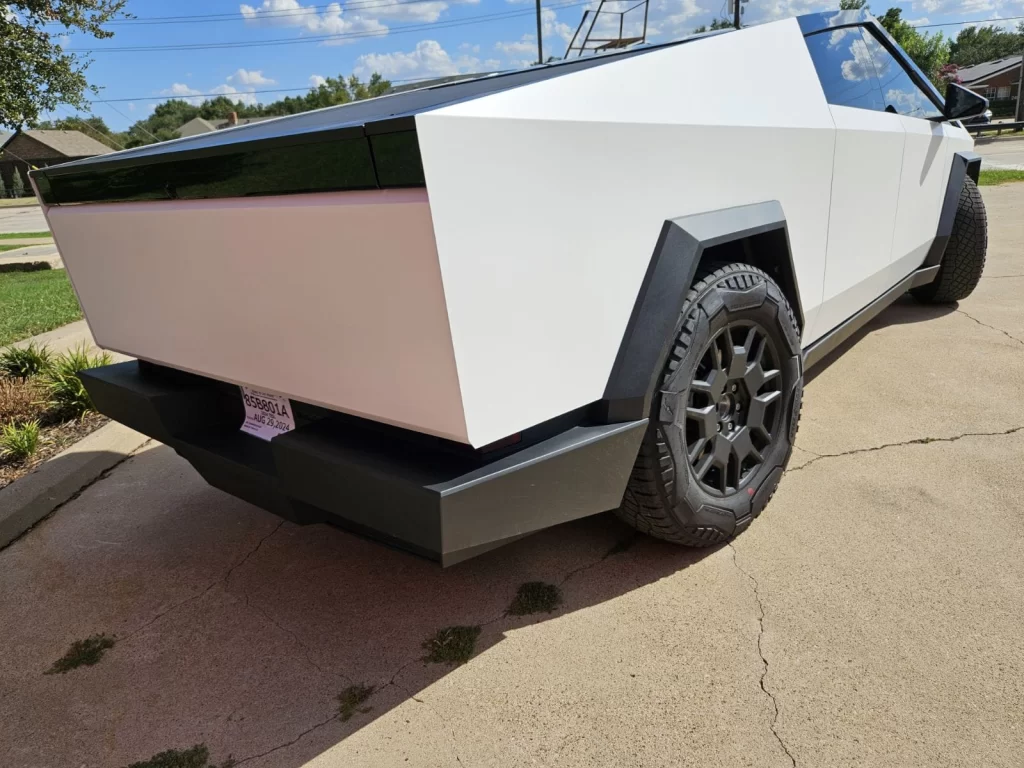
Full-body white PPF offers the most comprehensive protection and eliminates the visible boundary between protected and unprotected paint. It is a larger investment but appropriate for new vehicles where the cost of future paint correction and spot repairs over time would approach or exceed the cost of full coverage.
Decowell Film provides coverage options for every budget and protection need—from front-end packages to full-body installations.
White PPF vs Ceramic Coating: Understanding the Difference
This is one of the most common debates among car owners. Let us settle it with facts.
| Feature | White PPF | Ceramic Coating |
|---|---|---|
| Physical Protection | Superior. Absorbs rock chips, scratches, and impacts | Minimal. Only protects against minor swirls |
| Self-Healing | Yes. Minor scratches disappear with heat | No. Scratches are permanent |
| Stain Resistance | Excellent. Non-porous surface repels contaminants | Good. Hydrophobic, but can still stain |
| Thickness | Substantial barrier (measured in microns) | Nano-coating (less than 1 micron) |
Paint protection film is a physical barrier that absorbs impacts. Ceramic coating is a chemical barrier that repels contaminants but offers little protection against stone chips.
For white car owners, white PPF is the clear choice if you do highway driving (high stone chip risk), own a vehicle where paint repair is expensive, hate seeing dark chips on your white panels, or want self-healing scratch protection.
Many owners choose to apply ceramic coating over their paint protection film for additional hydrophobic properties and even easier cleaning. This combination offers the best of both worlds.
Maintenance Tips for White PPF
Getting paint protection film is an investment. Proper maintenance extends its life and prevents premature aging.
1. Wash Regularly—But Correctly
Use pH-neutral car shampoo only. Use microfiber wash mitts—never regular cloth. Use the two-bucket method to avoid scratching. Rinse thoroughly to remove soap residue. Avoid automatic car washes with spinning brushes, which are hard on film edges.
2. Avoid Hard Water Spots
Hard water etching is a major issue in many regions. Water spots on white PPF create visible marks. Dry the car immediately after washing. Use a deionized water rinse if possible. Keep a quick detailer spray for spot-free drying.
3. Park Smart
UV exposure accelerates aging. When possible, use covered parking. Apply windshield sun shades. Consider a car cover for extended outdoor parking.
4. Remove Contaminants Immediately
Bird droppings, tree sap, and insect splatter will not stain paint protection film like they stain paint, but leaving them on increases cleaning difficulty. Wipe off immediately with a damp microfiber. Use a dedicated bug and tar remover if needed. Never let contaminants bake in the sun.
5. Self-Healing Properties
White PPF responds to heat. Minor surface scuffs from contact—a shopping cart, a jacket zipper, a key graze—will recover when the panel heats up in the sun or when warm water is poured over the area. This property applies to both gloss and matte finishes.
Frequently Asked Questions About White PPF
Q: Is white PPF worth it for a white car?
Yes. High-quality white PPF offers superior protection against chips, scratches, and stains, while advanced UV inhibitors prevent yellowing. It preserves the car’s pristine white finish and maintains resale value. The alternative—unprotected white paint—suffers permanent damage from rock chips, oxidation, and staining within months.
Q: Does white PPF turn yellow on white cars?
Older, inferior PPFs might yellow. However, modern, high-quality paint protection film from reputable manufacturers features anti-yellowing agents and UV blockers, ensuring the film remains clear and stable for its service life. Decowell Film is engineered with aliphatic TPU and advanced UV inhibitors specifically to resist yellowing.
Q: What are the main benefits of white PPF on white cars?
Benefits include protection from stone chips and scratches, self-healing of minor damage, resistance to stains (bird droppings, tree sap, hard water), UV protection against fading, and maintaining the car’s resale value.
Q: Can you see white PPF on a white car?
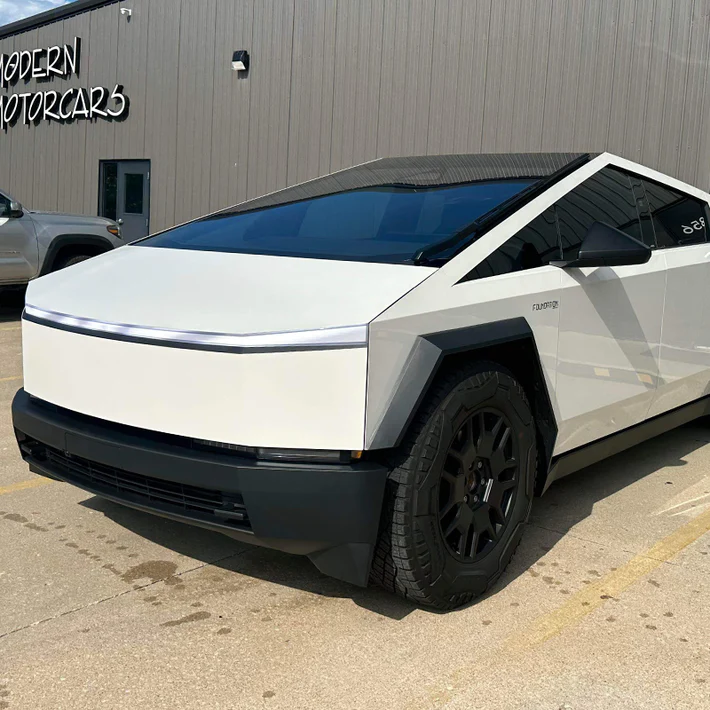
When installed correctly with edge-wrapping technique, white PPF is effectively invisible on white paint. The glossy version will slightly deepen the perceived saturation of the paint—most owners read this as the paint looking newer rather than different. Matte versions preserve the factory matte appearance. The key is professional installation that wraps edges around panels to prevent visible dirt lines.
Q: How long does white PPF last on a white car?
High-quality paint protection film typically lasts many years, depending on the film’s grade, environmental exposure, and proper maintenance. Premium films maintain clarity and protection throughout their service life when properly cared for.
Q: What is the difference between gloss and matte white PPF?
Gloss white PPF provides a reflective finish that amplifies color vibrancy and depth. Matte PPF gives white panels a modern satin look, softens reflections, and helps hide fine wash marring. Both offer the same level of physical protection—the choice is aesthetic.
Q: Can white PPF be applied to a used car?
Yes. Paint protection film can be applied to used cars, although paintwork inspection and potentially paint correction may be needed beforehand. Any imperfection beneath the film will be visible, so the paint surface should be properly prepared.
Q: Is professional installation necessary for white PPF?
Yes—especially for white cars. Professional installation ensures a bubble-free finish, precise fit, and most importantly, proper edge wrapping that prevents the visible dirt lines that plague poorly installed PPF on white vehicles. Improperly installed film can lead to unsightly bubbles, creases, and mismatched edges.
Q: How do you clean white PPF?
Wash with pH-neutral car shampoo using a microfiber wash mitt. Avoid automatic car washes with spinning brushes. Dry immediately to prevent water spots. Remove bird droppings and tree sap promptly.
Q: Can you apply ceramic coating over white PPF?
Yes. Many owners apply ceramic coating over their paint protection film for additional hydrophobic properties, enhanced gloss, and even easier cleaning. This combination offers comprehensive protection.
Why Choose Decowell Film for Your White Vehicle
When protecting a white car, the quality of both the film and the installer is critical. Decowell Film is engineered specifically to address the unique challenges of light-colored vehicles.
Advanced Aliphatic TPU Base: Decowell Film uses aliphatic TPU, which resists yellowing and maintains optical clarity far better than traditional films. This means your white PPF stays crystal clear and bright.
Superior UV Protection: The formulation includes advanced UV stabilizers and anti-yellowing additives that protect both the film and the underlying paint from harmful UV exposure.
Hydrophobic Topcoat: The non-porous surface repels water, dirt, and contaminants, making cleaning easier and preventing stains from setting in.
Self-Healing Technology: Minor scratches and swirl marks disappear with heat exposure—whether from the sun or warm water—keeping your white PPF looking flawless.
Gloss and Matte Options: Decowell Film is available in both gloss and matte finishes, allowing you to choose the aesthetic that best complements your vehicle.
Professional-Grade Installation: Decowell Film is designed for professional installation with edge-wrapping capability, ensuring seamless coverage with no visible edges or dirt lines.
Making the Decision for Your Vehicle
The decision to protect a white, silver, or light gray vehicle with white PPF is a practical one. Road debris, UV exposure, and environmental contaminants create conditions that accelerate the surface damage light-colored paint accumulates over time.
White PPF does not make the vehicle look different in any way that owners or observers would describe as artificial. Done correctly, it makes the paint look preserved—which, after many years, is exactly what it will be.
The question is not whether paint protection film for white cars is perfect; it is whether it is the best solution for your specific situation. If you drive a vehicle where paint repair is expensive, do regular highway trips, or plan to keep your car for many years, white PPF is a smart investment that protects your paint, maintains resale value, and saves money on repaints.
Decowell Film delivers the protection your white vehicle deserves—engineered for clarity, built for durability, and designed to keep your paint looking factory-fresh for years to come.
Ready to protect your white vehicle with premium paint protection film? Contact Decowell today to learn more about our white PPF solutions and find an authorized installer near you.