Home » Paint Protection Film News Today: Self-Healing Tech, Color Revolution & What’s Next for Vehicle Protection
Recent Posts
Paint Protection Film News Today: Self-Healing Tech, Color Revolution & What’s Next for Vehicle Protection
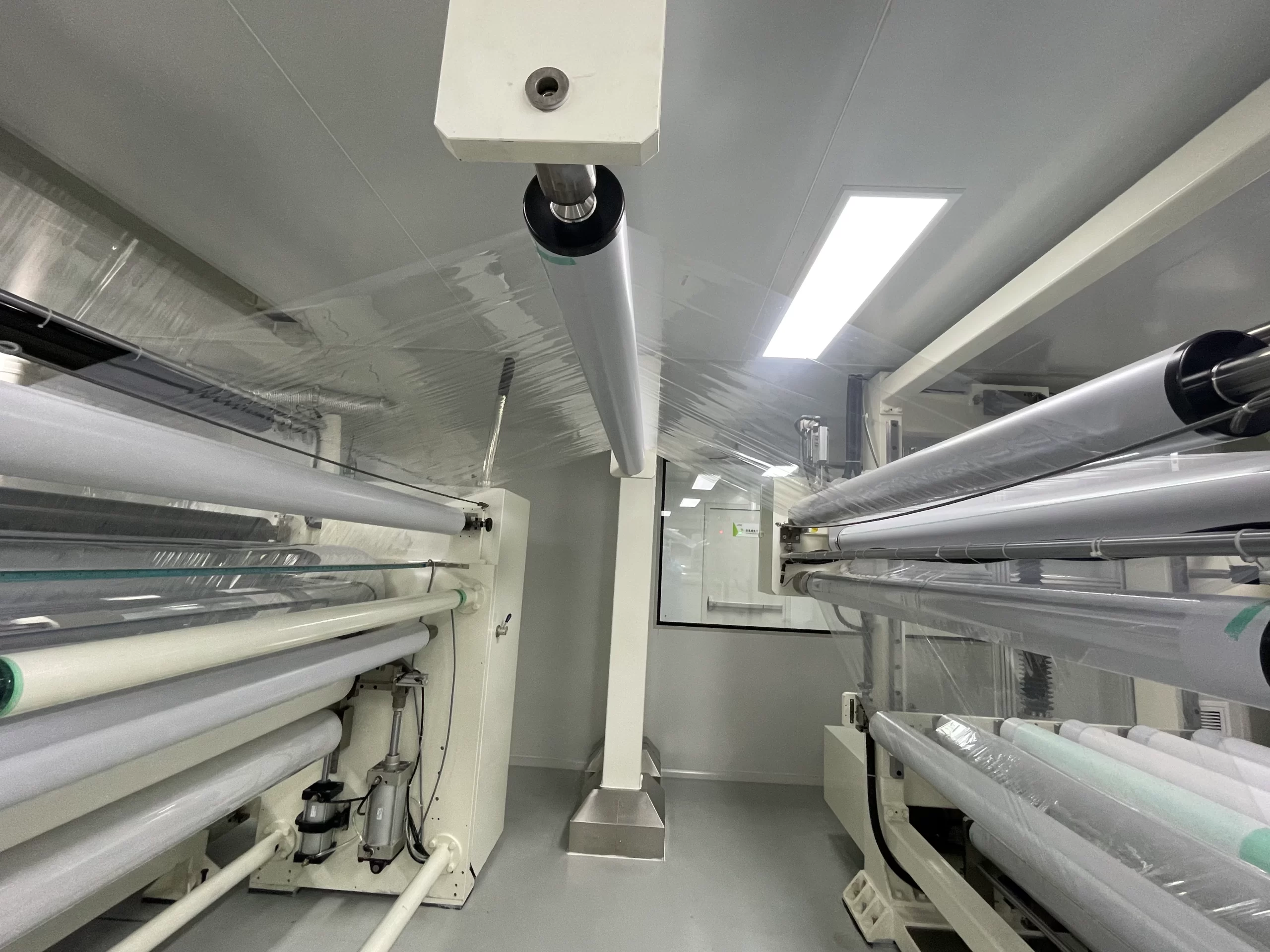
The paint protection film industry is evolving at an unprecedented pace. What was once a niche product reserved for exotic car collectors has rapidly transformed into a mainstream essential for everyday drivers, luxury owners, and automotive enthusiasts alike. From breakthrough self-healing polymer technologies to the explosive rise of color paint protection film, 2026 is shaping up to be a landmark year for the PPF market. This article covers the latest paint protection film news, emerging trends, and what these developments mean for vehicle owners and industry professionals.
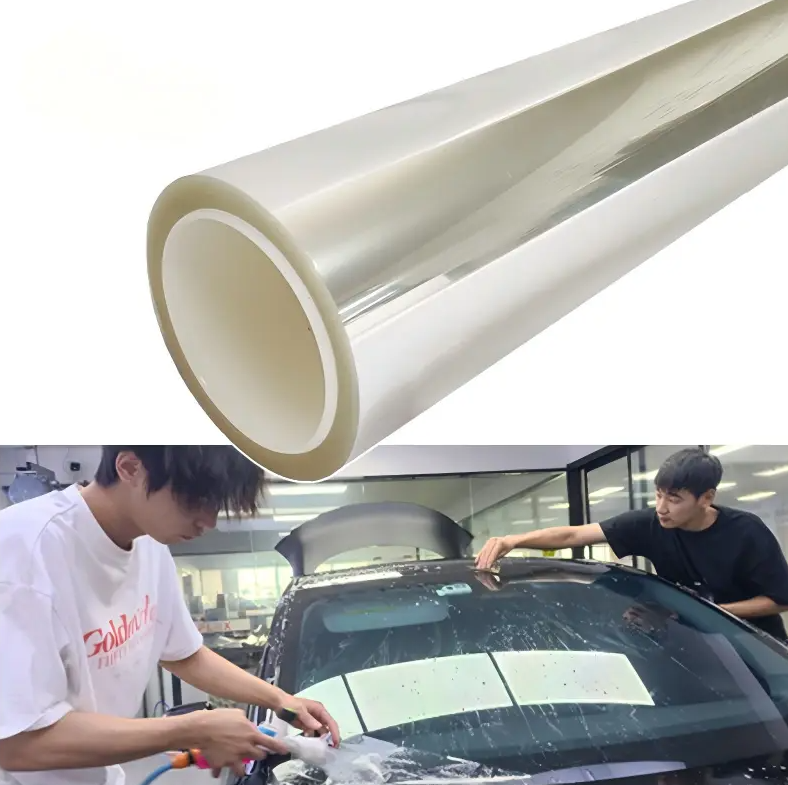
Table of Contents
The Market Momentum: Paint Protection Film Goes Mainstream
The numbers tell a compelling story. The global paint protection films market was valued at approximately USD 1.07 billion in 2025 and is projected to grow to USD 1.16 billion in 2026, with a compound annual growth rate of 7.41% that could see the market reach USD 1.77 billion by 2032. Other analyses peg the market at USD 637.8 million in 2025 with a 5.8% CAGR through 2035. Regardless of the specific figures, the direction is clear: paint protection film is no longer a luxury add-on but a standard consideration for vehicle preservation.
What‘s driving this surge? Several factors are at play. Consumer awareness has expanded dramatically, driven by social media content, rising new vehicle prices, and increased visibility of premium aftermarket services. More drivers understand that paint protection film is essentially an insurance policy that significantly preserves a vehicle’s finish and maximizes resale value. As vehicle transaction prices continue to climb and advanced paint finishes become more expensive to repair, PPF is shifting from a niche upsell into a mainstream investment.
The trend extends beyond luxury vehicles. Mid-priced vehicles, including SUVs and passenger cars, are now major adopters of paint protection film. Developing markets like India and China are creating enormous opportunities, with Nippon Paint India targeting 25-26% annual growth in its automotive aftermarket business, doubling down on paint protection films and dealership networks.
Self-Healing Paint Protection Film: The Technology That Keeps Getting Better
Perhaps the most exciting development in paint protection film news today is the continued evolution of self-healing technology. Modern self-healing PPF is engineered with elastomeric polymers in the top coat that exist in a semi-solid state. When exposed to heat—whether from sunlight, warm water, or a heat gun—these polymers reflow and close light scratches and swirl marks. This isn‘t marketing hype; it’s grounded in thermodynamics.
The latest innovations are pushing the boundaries even further. Some next-generation self-healing films now repair surface damage immediately at ambient temperature without requiring external heat activation. This means light swirls and fine marks begin repairing themselves automatically, keeping painted surfaces smooth and reflective with no additional effort. These advancements in polymer structures ensure the healing process occurs significantly faster, reducing the need for frequent touch-ups and maintaining a consistently polished appearance.
Industry experts note that self-healing capabilities, combined with hydrophobic performance and resistance to yellowing, are poised to capture a portion of the traditional vinyl wrap market. As one industry observer put it, the “magic” of modern PPF lies in the top coat’s ability to maintain optical clarity while offering genuine protection.
Color Paint Protection Film: The Revolution You Can See
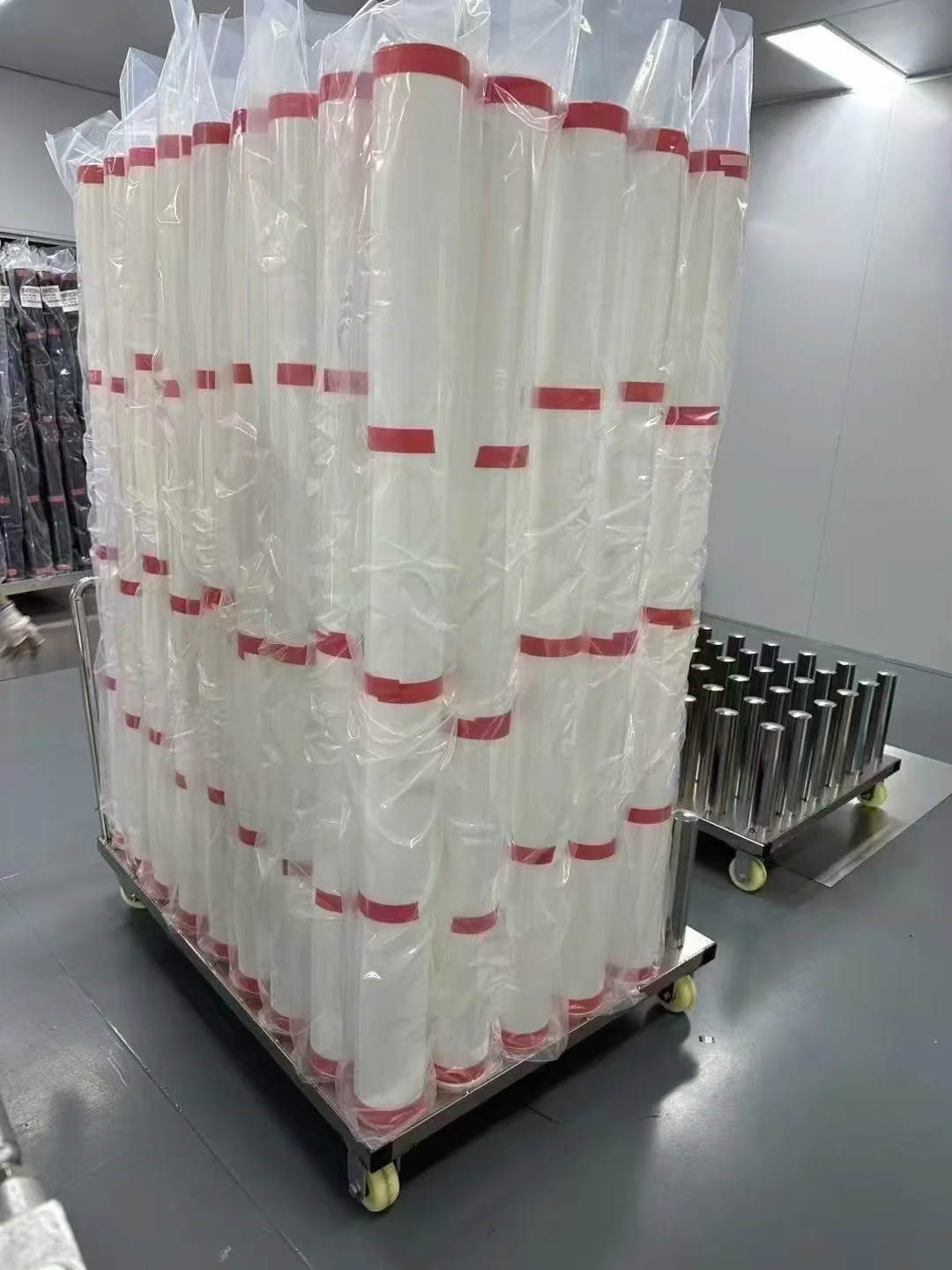
If self-healing technology represents the invisible evolution of paint protection film, color PPF is the visible revolution. Over the past 12 to 18 months, colored paint protection film has emerged as one of the fastest-growing trends in vehicle customization. Unlike traditional vinyl wraps that offer color changes but minimal protection, color PPF delivers the same color-change effect with all the protective benefits of traditional PPF: self-healing, UV resistance, impact resistance, and hydrophobic top coat.
The market response has been remarkable. Shops carrying color PPF report average ticket increases of 40-60% on full wraps compared to clear-only installations. Customers who might have spent $3,000 on a clear front-end kit are now spending $5,000 to $8,000 on full-body color wraps. This dual-purpose film opens up new revenue streams beyond traditional clear protection.
The color palette continues to expand. Recent launches include gloss finishes in Obsidian Black, White, Rock Grey, Dark Blue, Olive Green, Metallic Garnet Red, Metallic Purple, Metallic Silver, Metallic Gold, and Metallic Midnight Sand. Industry observers note that warm satin neutrals, vibrant teals, and muted metallics are key trends, allowing for personalization while providing vehicle protection. Additional colors and finishes are planned for later in 2026.
This is not a short-term trend. Color PPF is a response to changing customer expectations and a mature technology solution. For detailing shops focused on growth, it represents a significant opportunity to capture the high-margin color change market while offering superior protection.
Beyond the Surface: What Modern Paint Protection Film Really Delivers
Understanding the full scope of paint protection film benefits helps explain why the market is growing so rapidly. At its core, PPF acts as a barrier—protecting paint from stone chips, bird and tree droppings, and the sun‘s harmful UV rays—without detracting from a car’s aesthetics. But modern films offer much more:
Scratch and Swirl Mark Protection: Paint protection film helps reduce visible scratches and swirl marks that accumulate from daily driving and regular washing. The self-healing top coat takes this a step further by actually repairing minor damage.
Chemical and Stain Resistance: Premium PPF resists bird droppings, bug splatter, road salts, and acidic fallout that can etch and stain unprotected paint. The best films repel water, mud, and grime, actually making it easier to keep the car clean.
UV Protection: Integrated UV blockers safeguard paint pigments from fading and oxidation, preserving showroom shine for years.
Preserved Resale Value: A well-maintained appearance is a deciding factor for potential buyers. Vehicles equipped with paint protection film tend to command premium prices in the used car market.
Easier Maintenance: The hydrophobic properties of modern PPF mean water, mud, and grime bead up and slide off effortlessly, making routine washes quicker and more effective.
The TPU Advantage: Why Material Matters
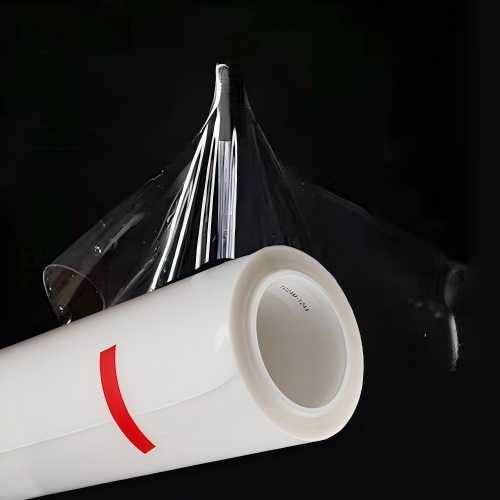
Thermoplastic Polyurethane (TPU) has emerged as the dominant material in the paint protection film market, and for good reason. TPU-based films are favored due to their self-healing properties, elasticity, non-yellowing characteristics, and recyclability. The TPU segment accounts for a significant majority of the market, driven by excellent flexibility, high transparency, and self-healing functionality that makes them highly suitable for high-end automotive applications.
Manufacturers are continuously advancing R&D to introduce films with superior self-healing, UV resistance, hydrophobicity, and durability. These innovations in multi-layered TPU and ceramic-coated films are enhancing product performance and appeal. The increasing focus on advanced material engineering is driving manufacturers to enhance resistance against abrasion, UV exposure, and environmental degradation.
Beyond Automotive: Expanding Applications
While automotive and transportation remains the dominant segment—accounting for over 70% of the U.S. paint protection film market—applications are expanding. The electrical and electronics segment is the second fastest-growing, with films used in cell phones, LED screens, and household appliances. The aerospace and defense segment is poised for higher growth, with paint protection films used to protect vessels against oxidation and corrosion. Marine applications, including offshore wind energy and deep-sea exploration, are also creating new opportunities.
What‘s Next: The Future of Paint Protection Film
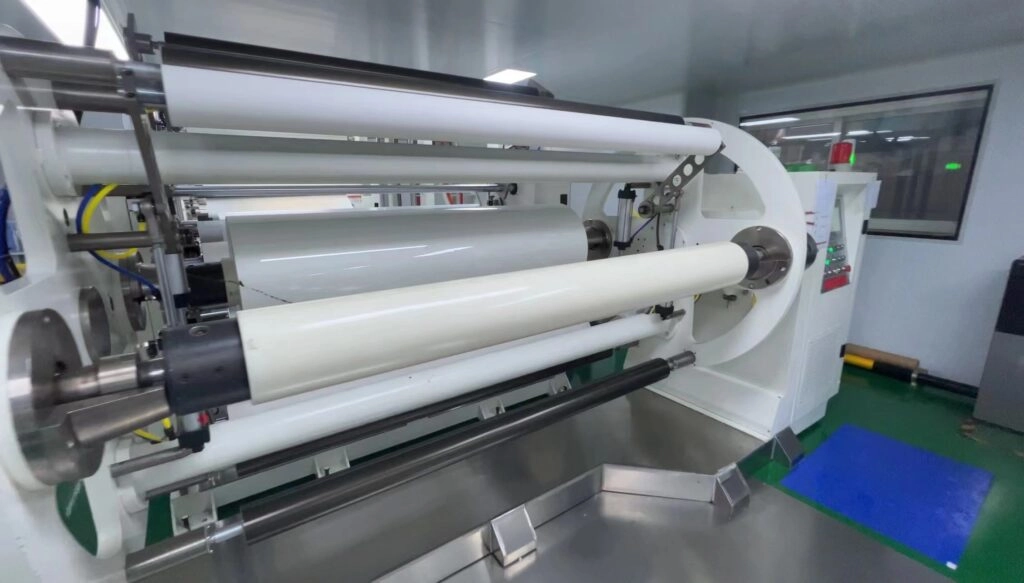
Looking ahead, several trends will shape the paint protection film industry. OEM partnerships are deepening, with vehicle manufacturers accelerating the integration of PPF as factory options, moving from aftermarket to original equipment. Digital transformation is enabling more consistent film quality and faster installation cycles. Some innovators are exploring “Intelligent PPF” with integrated sensors for real-time damage reports, while sustainability-focused product development includes bio-based and eco-friendly PPF materials.
The rise of digital channels and e-commerce platforms is expanding buyer access, while professional installation networks are formalizing standards and certification programs. The buyer journey increasingly blends online discovery with in-person technical validation, driving demand for clear product data and demonstrable performance metrics.
Decowell Film: Your Trusted Partner in Paint Protection
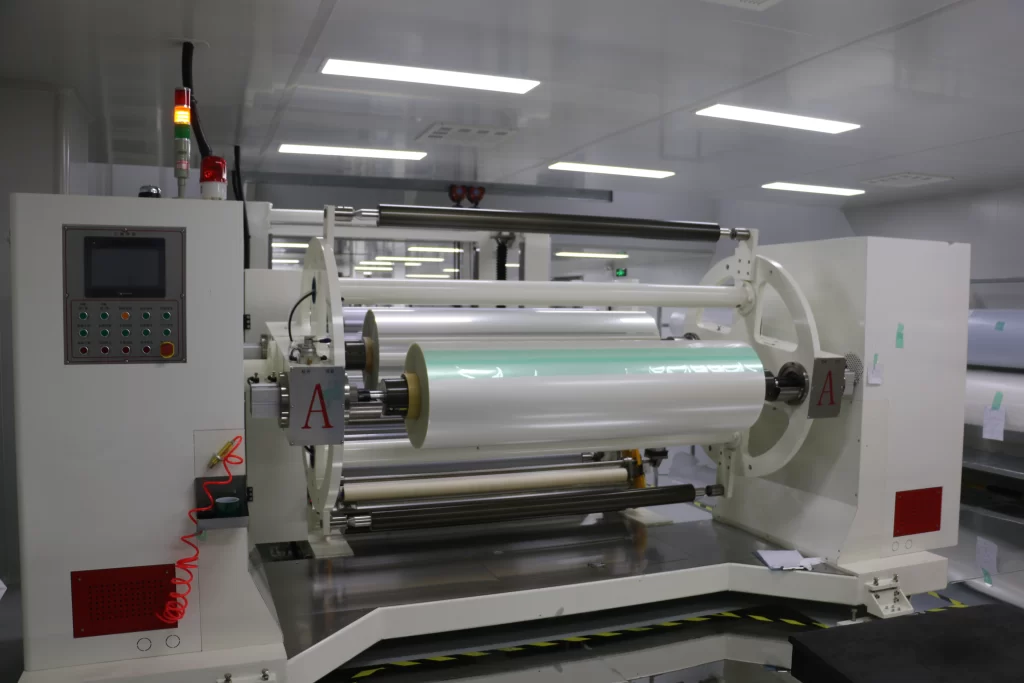
In this rapidly evolving landscape, choosing the right paint protection film partner matters more than ever. Decowell Film stands at the forefront of paint protection film innovation, delivering premium-quality PPF solutions that combine advanced material science with real-world performance.
Decowell Film‘s paint protection film products are engineered with the latest TPU technology, featuring superior self-healing properties that keep vehicles looking showroom-fresh mile after mile. Whether you’re protecting a daily driver, a luxury sedan, or a weekend toy, Decowell Film offers the durability, clarity, and protection that modern vehicle owners demand.
The company‘s commitment to quality extends beyond the film itself. Decowell Film understands that professional installation is key to maximizing PPF performance, which is why they support their products with comprehensive technical resources and installer support. From gloss finishes that mirror factory paint to matte and stealth options for customized looks, Decowell Film‘s diverse product range meets the needs of every vehicle and every owner.
As the paint protection film market continues its impressive growth trajectory, Decowell Film remains dedicated to innovation, quality, and customer satisfaction. Their paint protection film solutions are designed not just to protect vehicles, but to provide peace of mind—knowing that your investment is safeguarded against the hazards of everyday driving.
Ready to experience the Decowell Film difference? Contact the Decowell Film team today to learn more about their paint protection film products, request samples, or discuss how their solutions can meet your specific vehicle protection needs. Whether you’re a professional installer, a dealership, or a vehicle owner looking for the best protection available, Decowell Film has the expertise and products to deliver exceptional results.
Frequently Asked Questions About Paint Protection Film
Q: What is paint protection film (PPF)?
A: Paint protection film is a transparent or colored polyurethane-based layer applied over painted vehicle surfaces to protect against scratches, stone chips, UV damage, and environmental contaminants. Modern PPF is virtually invisible when professionally installed and can include self-healing properties that repair minor damage.
Q: How does self-healing paint protection film work?
A: Self-healing PPF features a specialized elastomeric top coat. When exposed to heat—from sunlight, warm water, or a heat gun—the polymer chains reflow and close light scratches and swirl marks, restoring the film‘s original smooth appearance.
Q: Is paint protection film only for new cars?
A: No. While many owners apply PPF to new vehicles to preserve factory paint, it’s equally valuable for older vehicles. Paint protection film can prevent further damage, hide existing minor imperfections, and significantly improve a used vehicle‘s appearance and resale value.
Q: How long does paint protection film last?
A: With proper care and professional installation, high-quality paint protection film can last for many years. Modern TPU-based films are engineered for long-term durability, resisting yellowing, cracking, and delamination.
Q: Does paint protection film damage the paint when removed?
A: No. Quality PPF is designed with advanced adhesive technology that allows safe removal without damaging the underlying paint. Professional removal using appropriate techniques and tools ensures the paint remains pristine.
Q: Can paint protection film be applied over existing paint imperfections?
A: While PPF can hide minor swirl marks and light scratches, it‘s generally recommended to address significant paint imperfections before installation. The film will preserve whatever condition the paint is in at the time of application.
Q: What’s the difference between clear PPF and color PPF?
A: Clear PPF provides invisible protection while maintaining the vehicle‘s original color. Color PPF offers the same protective benefits but changes the vehicle’s appearance with a new color or finish—combining protection with customization.
Q: How do I maintain paint protection film?
A: Maintaining PPF is straightforward. Regular washing with mild soap and water, avoiding harsh chemicals and abrasive materials, and periodic inspection for any lifting edges will keep the film performing optimally. The hydrophobic properties of modern PPF actually make cleaning easier.
Q: Is paint protection film worth the investment?
A: For most vehicle owners, yes. PPF protects against costly paint damage, preserves resale value, reduces maintenance efforts, and provides peace of mind. As vehicle repair costs continue to rise, the value proposition of paint protection film becomes even stronger.
Q: Where can I get paint protection film installed?
A: Professional installation is recommended for optimal results. Certified installers have the training, tools, and experience to ensure proper adhesion, edge sealing, and a flawless finish. Decowell Film can connect you with qualified installers in your area.