Home » Automotive Protection Film: Preserving Your Vehicle’s Paint for Years to Come
Recent Posts
Automotive Protection Film: Preserving Your Vehicle’s Paint for Years to Come
If you’ve ever cringed at the sound of a rock hitting your hood or noticed a fresh chip in your paint after a long highway drive, you’re not alone. Every car owner knows that feeling. The road is full of surprises — gravel kicked up by the car ahead, stray branches brushing against your door, bird droppings that seem to appear out of nowhere — and every single one leaves its mark.
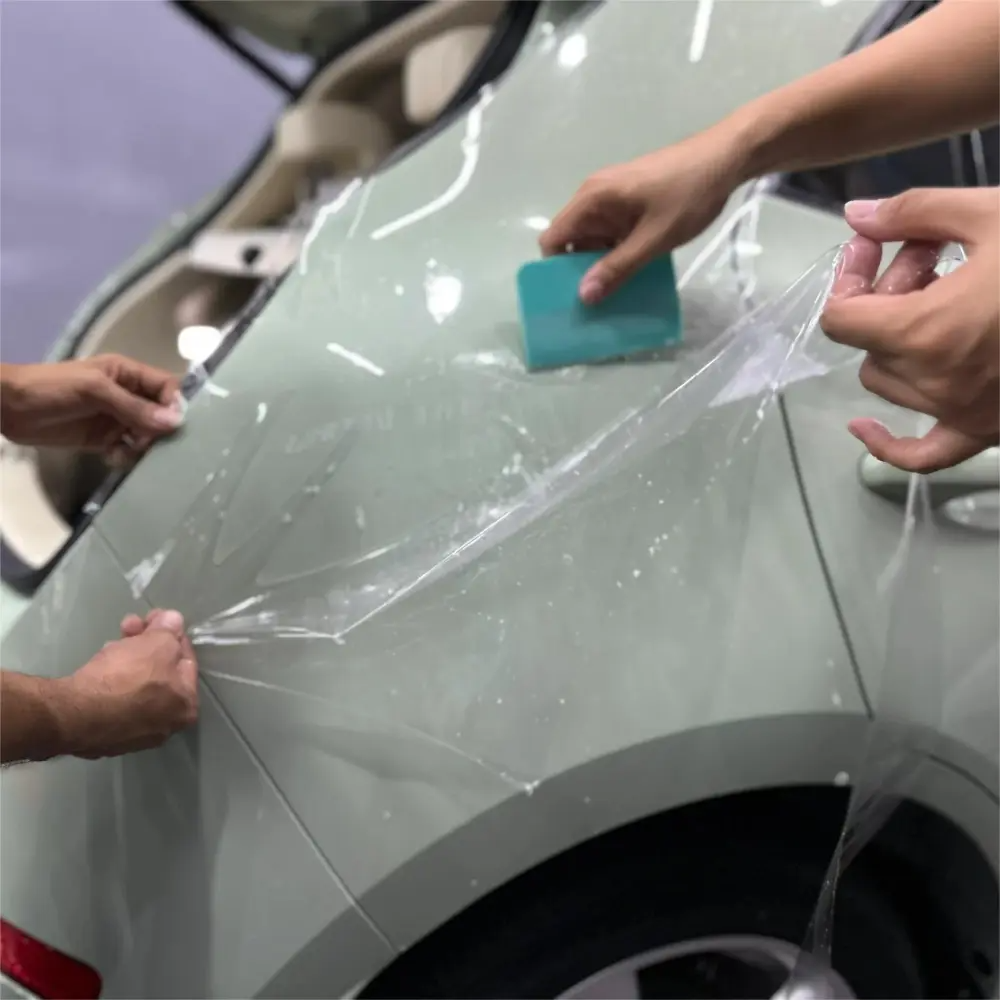
That’s where automotive protection film, often called paint protection film (PPF), comes in. It’s not just another car care product. It’s a transparent, self-healing plastic film applied directly to your vehicle’s painted surfaces, designed to take the hit so your paint doesn’t have to. Think of it as an invisible shield — a sacrificial layer that absorbs damage from rocks, gravel, sand, road salt, tree sap, bug splatter, and even the occasional careless shopping cart.
But is automotive protection film really worth it? And what should you look for when choosing one? Let’s break it all down.
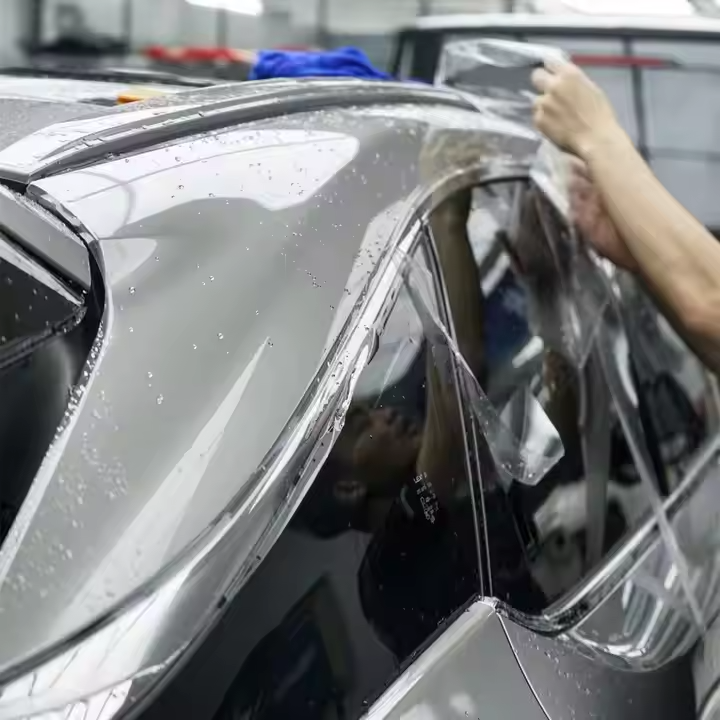
Table of Contents
What Exactly Is Automotive Protection Film?
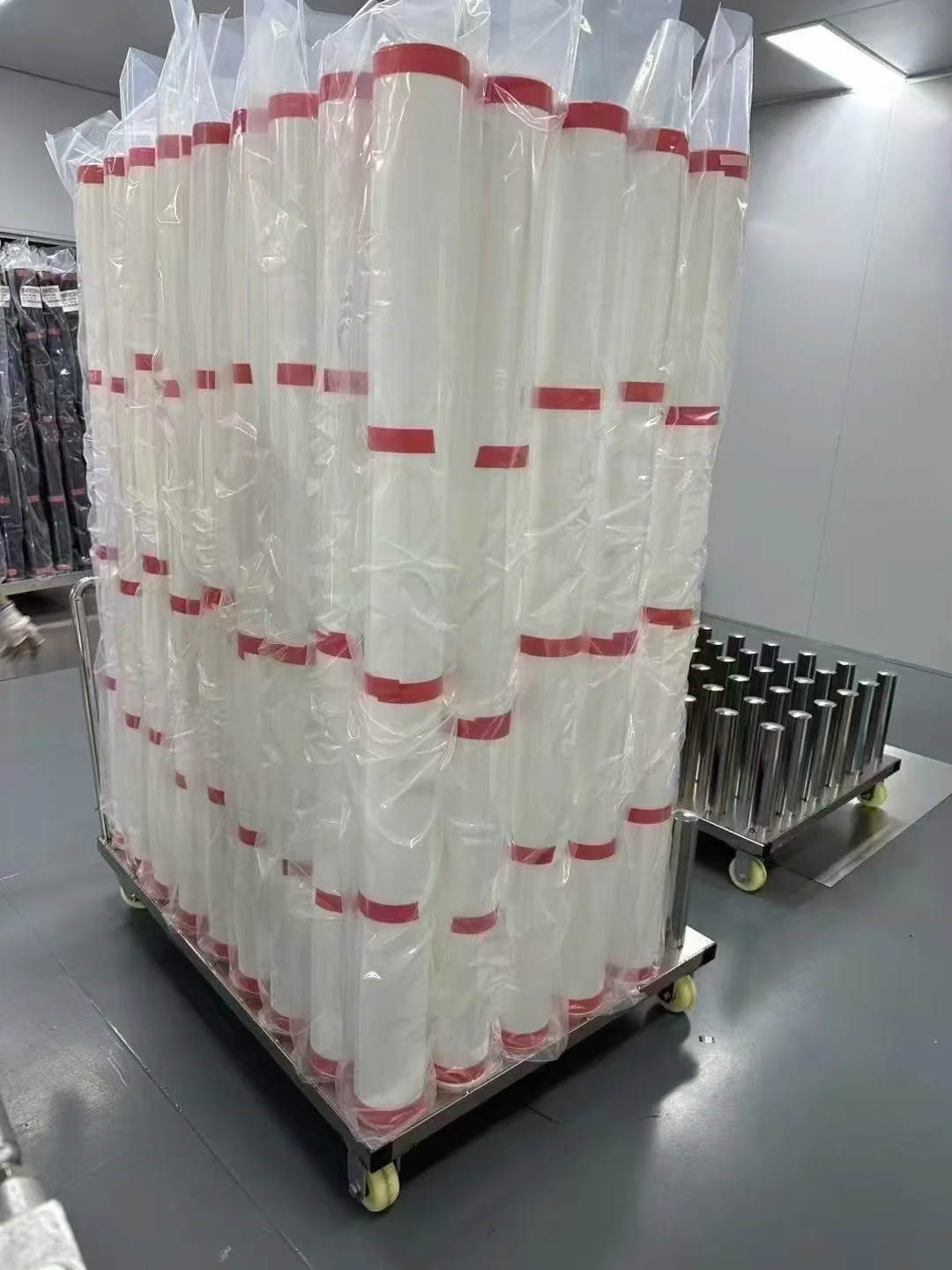
At its simplest, automotive protection film is a thermoplastic polyurethane (TPU) film that bonds to your car’s exterior. Unlike vinyl wraps, which are mostly about changing colors and appearances, PPF’s main job is protection. It’s thick, durable, and engineered to withstand impacts that would otherwise chip or scratch your factory paint.
The modern PPF is a precision-engineered multi-layer composite, typically between 150 and 250 microns in total thickness. Each layer serves a specific purpose — from the adhesive that bonds securely to the clear coat, to the top coat that gives the film its self-healing and hydrophobic properties. The result is a nearly invisible layer that lets your car’s original paint shine through while quietly doing the hard work of keeping it safe.
Today’s automotive protection film can also come in different finishes. If you love the deep, reflective look of a freshly waxed car, clear gloss PPF enhances that natural shine. Prefer a more understated, modern aesthetic? Matte and satin finishes are widely available, offering that stealth look without sacrificing any protection.
Where Did Automotive Protection Film Come From?
Here’s a fun piece of trivia: automotive protection film has military roots. During the Vietnam War, the U.S. military needed a way to protect helicopter rotor blades from sand erosion, debris, and shrapnel during flight. The solution was a heavy-duty polyurethane film — thick, functional, and tough enough to survive combat conditions.
Over the decades, that military-grade urethane was refined, slimmed down, and adapted for consumer automotive use. The same engineering principle that kept helicopter blades intact now keeps rock chips off your hood on the freeway. The DNA is military. The execution is refined for your daily driver.
That journey from the battlefield to your garage took decades. Racing teams in the 1980s were among the first civilians to adopt it, protecting leading edges of race cars from track debris. By the 1990s, thinner, more conformable versions reached consumer vehicles. The early 2000s brought self-healing topcoats and computer-plotted templates that eliminated the need to cut film directly on the car with a blade. Fast forward to today — automotive protection film is virtually invisible, UV-stable for many years, and available in finishes ranging from clear gloss to matte to vibrant colors.
Why Automotive Protection Film Matters More Now Than Ever
If you think about it, your car’s factory paint has never been more vulnerable. Over the past two decades, automotive manufacturers have significantly reduced paint thickness to meet environmental regulations and cut production costs. Modern factory paint is often 30% to 40% thinner than paint from the 1990s. Thinner paint means less margin for error — a small rock chip that would have barely left a mark twenty years ago can now penetrate all the way to the primer or bare metal.
That’s why automotive protection film has become essential for anyone who cares about their vehicle’s appearance. It adds back that margin of safety that modern paint lacks. And as more drivers become aware of this vulnerability, the global PPF market is expanding rapidly. The market was valued well into the hundreds of millions in recent years, with steady growth projected through the next decade. Car enthusiasts, daily commuters, and luxury owners alike are increasingly treating automotive protection film not as an optional extra, but as a core part of vehicle ownership.
The Core Benefits of Automotive Protection Film
Let’s get into the specifics. What does automotive protection film actually do for your car?
Physical impact protection. This is the number one reason people choose PPF. Automotive protection film acts as a physical barrier that absorbs impacts from road debris — stones, gravel, small pieces of metal — before they reach your paint. Unlike wax or ceramic coatings, which offer virtually no impact resistance, PPF is thick enough to take the hit. For daily drivers who spend hours on highways, and especially for off-road vehicles that encounter mud, gravel, and branches, this protection is invaluable.
Self-healing technology. One of the most impressive features of modern automotive protection film is its ability to repair itself. Minor scratches, swirl marks, and light abrasions literally disappear when exposed to heat — whether from the sun, warm water, or even a heat gun. This means your car maintains that flawless, just-detailed look without constant polishing or touch-ups. It’s like having a film that actively fights back against daily wear.
UV resistance and fade prevention. The sun is relentless. Over time, UV rays break down the chemical bonds in automotive paint, causing oxidation, fading, and a dull, chalky appearance. Quality automotive protection film is engineered with UV-stable top coats that block a significant portion of harmful UV radiation, keeping your paint vibrant and fresh-looking for years.
Hydrophobic properties that make cleaning easier. Premium PPF is designed to repel water, dirt, mud, and grime. This means rain beads up and rolls off, taking surface dirt with it. Your car stays cleaner for longer, and when it’s time to wash, a simple soap-and-water routine is often all it takes. No harsh chemicals, no aggressive scrubbing, no risk of scratching the paint.
Preserved resale value. Here’s a number that gets people’s attention. Some estimates suggest automotive protection film can add up to 15% to a vehicle’s resale value. A car with flawless, chip-free factory paint simply commands a higher price on the used market. For leased vehicles, PPF can also help avoid expensive lease-return penalties for paint damage. The way to think about it is simple: the investment you make in protection today directly translates into value when it’s time to sell.
Customizable look. Protection doesn’t have to mean boring. Automotive protection film is available in multiple finishes — clear gloss, satin, matte, and even color options. Want to give your car a stealthy, matte appearance while keeping the paint underneath pristine? You can do that. Prefer the deep, wet-looking shine of a showroom finish? Clear gloss PPF delivers that too.
Automotive Protection Film vs Ceramic Coating vs Vinyl Wrap vs Wax
A common question is how automotive protection film stacks up against other paint protection methods. The short answer: they’re not the same thing, and they’re not really competing with each other. Each serves a different purpose.
PPF is physical armor. It’s thick, impact-absorbing, and designed to stop rocks, scratches, and debris. Ceramic coating, on the other hand, is a thin liquid layer — measured in microns, not millimeters — that bonds to your paint at a molecular level. It provides excellent chemical resistance, hydrophobic properties, and a deep gloss, but it offers almost no protection against physical impacts. A rock chip will go right through a ceramic coating and into your paint. A car key dragged across a ceramic-coated panel will leave a scratch just as easily as on unprotected paint.
That’s why many car enthusiasts and professional detailers actually recommend using both. Automotive protection film applied to high-impact zones — hood, front bumper, mirror caps, rocker panels — stops the rocks. A ceramic coating applied over the entire vehicle — including over the PPF — provides chemical resistance, hydrophobic properties, and enhanced gloss everywhere.
Vinyl wraps are primarily aesthetic. They change your car’s color or add graphics, and they offer a light layer of protection against minor scratches, but they’re not engineered for impact resistance like PPF is. Traditional wax? That’s basically a sacrificial layer that wears off after a few weeks and offers minimal protection against anything beyond light environmental contaminants.
If you want maximum protection for your vehicle — the kind that keeps your factory paint looking new after years of driving — automotive protection film is the undisputed foundation.
Who Should Consider Automotive Protection Film?
The honest answer is: almost anyone who drives a car they care about. But certain groups benefit more than others.
Luxury and exotic car owners. When you’ve invested in a high-value vehicle, keeping that paint in showroom condition is a top priority. Automotive protection film preserves that factory finish, protects resale value, and gives you peace of mind every time you take the car out. For leased luxury vehicles, avoiding lease-return penalties for paint damage is another compelling reason.
Daily commuters. Think about how many miles you drive each week. Think about the highways, the construction zones, the gravel trucks, the winter road salt. Daily drivers face constant exposure to paint-damaging hazards. PPF saves you from the cumulative damage that would otherwise require expensive repainting or touch-ups down the road.
Off-road and winter drivers. Gravel, brush, mud, road salt, sand — off-road conditions and harsh winter roads are brutal on automotive paint. A thicker, heavy-duty automotive protection film is particularly popular in these use cases, where impact energy is higher and exposure to abrasives is constant.
Fleet and commercial vehicle operators. If you run a fleet of vehicles, keeping them presentable without constant repainting is a major cost-saving opportunity. Automotive protection film on high-impact areas significantly reduces maintenance costs and downtime.
Anyone planning to sell or trade in their vehicle. Factory-original paint in excellent condition is one of the strongest selling points on the used market. Automotive protection film keeps that paint pristine, which means stronger offers and faster sales.
What to Look for in Automotive Protection Film
Not all automotive protection films are created equal. Here are the key factors to consider.
Material quality. Premium automotive protection film is made from thermoplastic polyurethane — not cheaper alternatives like PVC. TPU offers superior elasticity, UV resistance, and self-healing properties.
Self-healing capability. A quality automotive protection film should be able to repair minor scratches and swirl marks when exposed to heat. This isn’t a gimmick — it’s a genuine benefit that keeps your car looking new for much longer.
Hydrophobic top coat. Water repellency isn’t just about aesthetics. A hydrophobic surface means dirt and contaminants have less to cling to, making your car easier to clean and reducing the risk of water spots and etching.
UV stability. Look for automotive protection film that resists yellowing over time. High-quality films use UV-stable top coats that preserve optical clarity and depth for many years, even under constant sun exposure.
Clarity and gloss. A good PPF should be virtually invisible once installed. You shouldn’t be able to see the film’s edges or notice any distortion in the paint’s appearance. Clear gloss finishes should enhance your car’s natural shine, not dull it.
Finish options. Whether you want clear gloss, matte, satin, or color PPF, the best products offer multiple finish options so you can customize the look of your vehicle while protecting it.
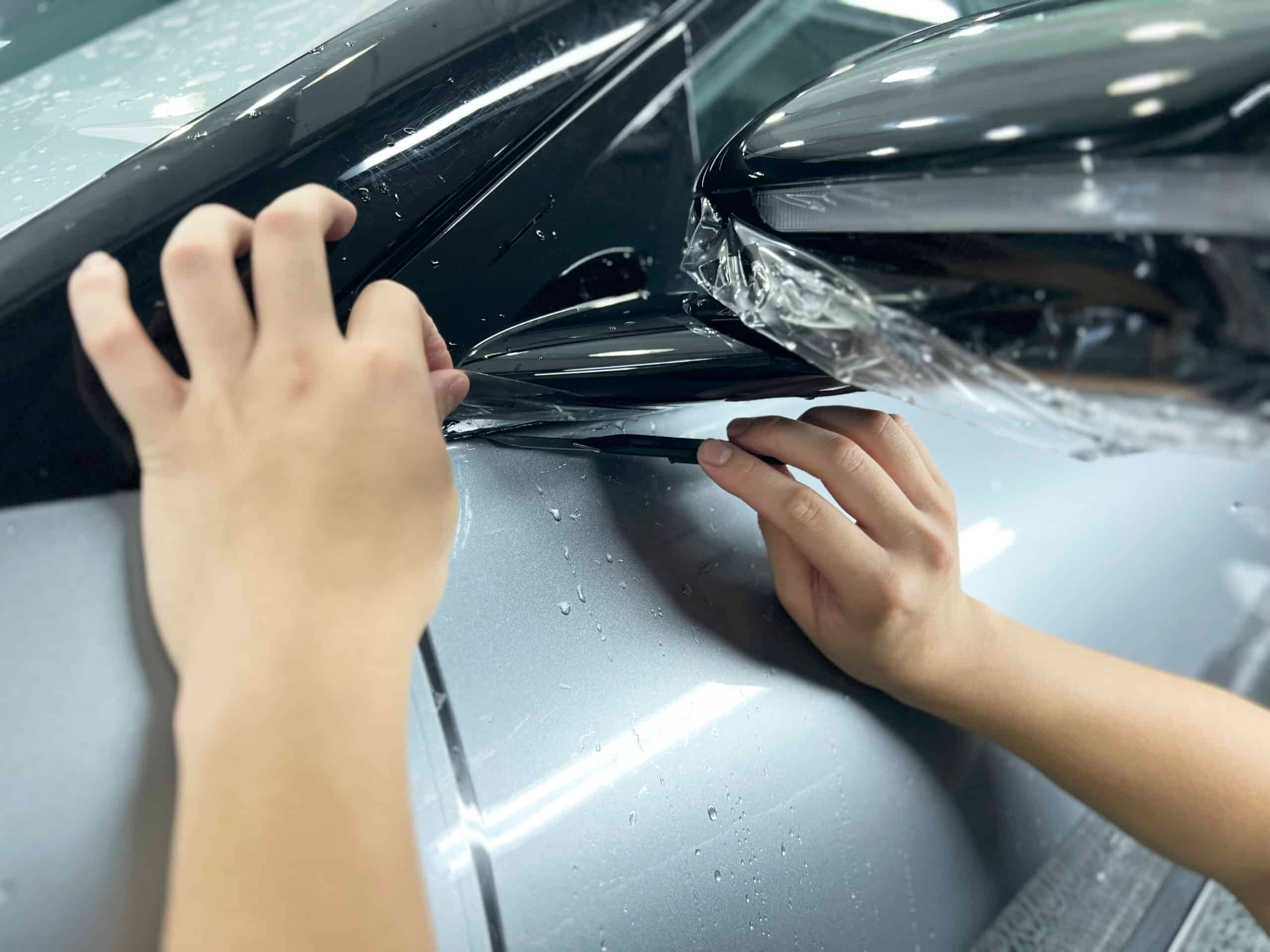
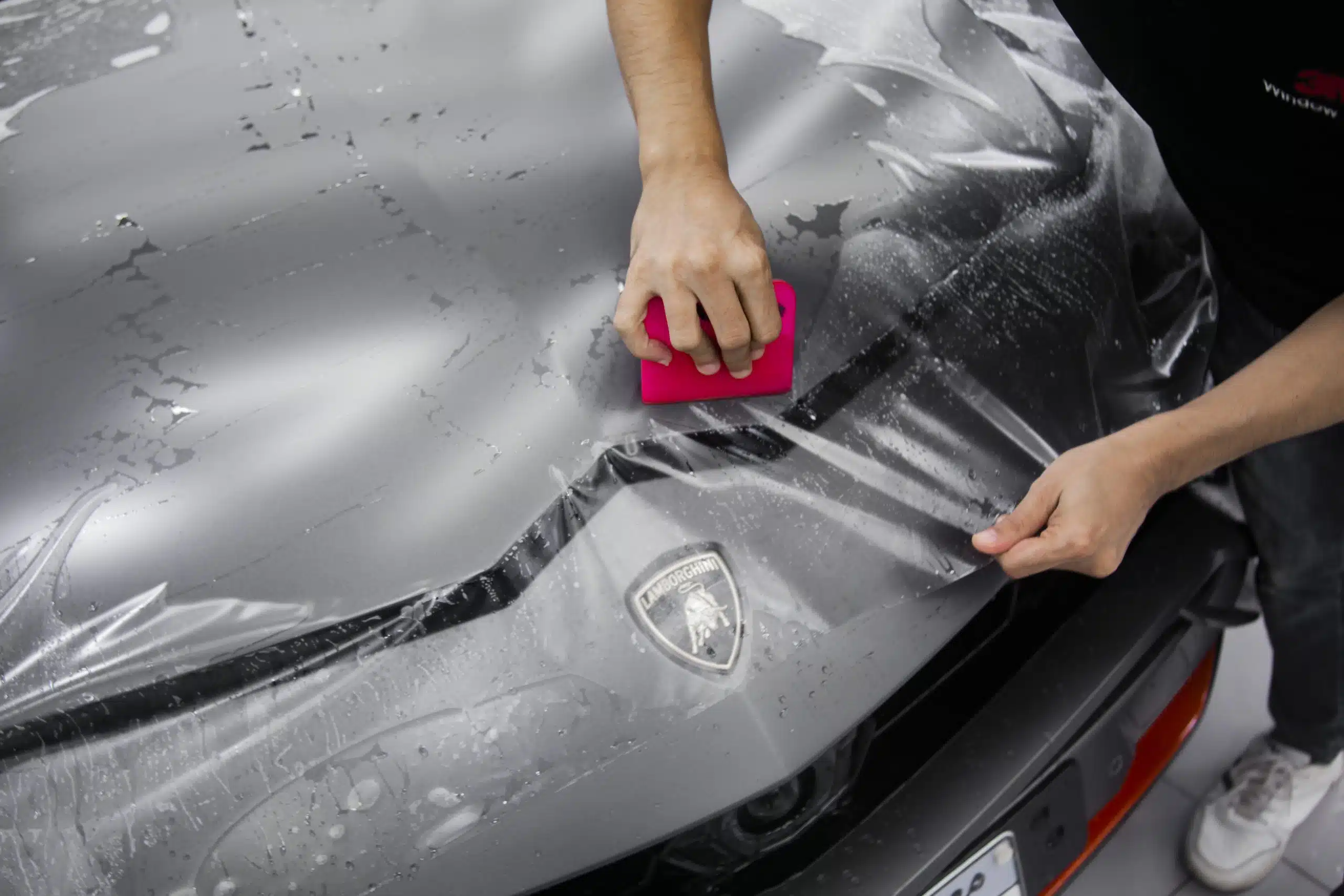
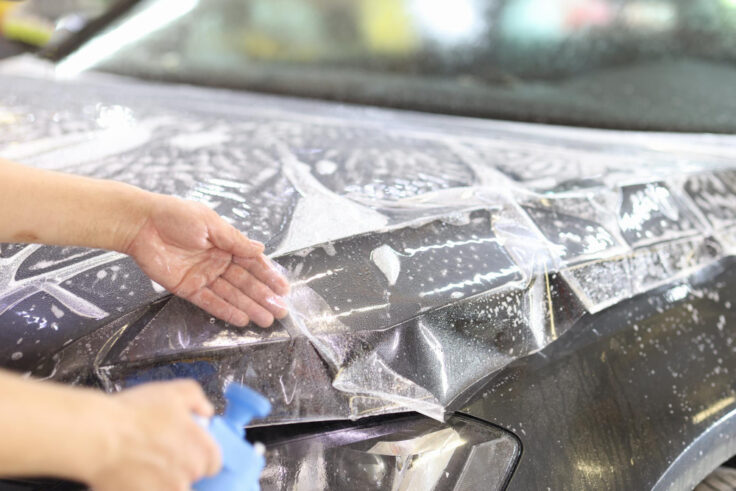
Installation precision. Even the best automotive protection film will disappoint if it’s poorly installed. Professional installation using computer-plotted, vehicle-specific templates ensures seamless coverage without bubbles, wrinkles, or visible edges. Installation that requires cutting film directly on your car with a blade is outdated and introduces unnecessary risk of paint damage.
Some daily drivers opt for full-vehicle coverage. Others choose partial coverage — hood, front bumper, mirror caps, door edges, and rocker panels — where impact risk is highest. There’s no wrong answer, as long as you’re protecting the areas that matter most to you.
Frequently Asked Questions
How long does automotive protection film last?
A high-quality PPF will provide many years of reliable protection, depending on the material quality and how the vehicle is maintained.
Can automotive protection film be removed without damaging the paint?
Yes. Professionally installed and properly maintained PPF can be removed cleanly, leaving your factory paint untouched underneath. The adhesive is designed to release without harming the clear coat.
Does automotive protection film require special maintenance?
Not really. You can wash a PPF-protected car just like you would any other vehicle — with soap, water, and a soft microfiber mitt. Avoid abrasive brushes and harsh chemicals, but that’s good practice for any car.
Will automotive protection film yellow over time?
Premium PPF is engineered with UV-stable materials that resist yellowing for many years. Lower-quality films may yellow, which is why choosing a well-made product matters.
Can automotive protection film be applied to specific areas instead of the whole car?
Absolutely. Many car owners choose partial coverage — front bumper, hood leading edge, mirror caps, door cups, rocker panels — where impact risk is highest. This gives you protection where you need it most while keeping costs manageable.
Does automotive protection film work in extreme weather?
Yes. Modern PPF is designed to perform across a wide range of temperatures and weather conditions. It protects against UV damage in hot climates, resists salt corrosion in coastal areas and winter roads, and maintains its flexibility in cold temperatures.
What’s the difference between clear bra and full PPF?
“Clear bra” is an older term that originally referred to partial PPF coverage on the front of the vehicle (like a bra for the hood and bumper). Today, automotive protection film is a more comprehensive product available in multiple finishes, with full-vehicle applications and better optical clarity than those early clear bra products.
Why Choose Decowell Film?
When it comes to automotive protection film, you want a product that delivers on every promise — real impact protection, genuine self-healing capability, UV stability that resists fading, hydrophobic performance that makes cleaning effortless, and optical clarity that lets your car’s original beauty shine through.
That’s exactly what Decowell Film delivers. Our automotive protection film is engineered with premium thermoplastic polyurethane, advanced self-healing top coats, and UV-stable formulations that keep your paint looking showroom-fresh. Whether you need clear gloss to enhance your car’s natural shine, matte PPF for that modern stealth aesthetic, or full-vehicle coverage for maximum peace of mind, Decowell Film has you covered.
Don’t wait until the first rock chip or parking lot scratch to think about protection. Your car’s factory paint is only original once. Protect it with Decowell Film — the smart choice for car owners who take pride in their vehicles.