Home » PPF or Wrap: How to Choose Between Paint Protection Film and Vinyl Wrap for Your Ride
Recent Posts
PPF or Wrap: How to Choose Between Paint Protection Film and Vinyl Wrap for Your Ride
Introduction
Let’s be honest—your car is more than just a way to get from point A to point B. It’s a statement. A reflection of your taste. And for a lot of us, it’s also a pretty serious investment. So why should you have to choose between keeping that investment safe and making it look the way you want?
For years, car owners faced exactly that dilemma. You could either slap on a clear paint protection film (PPF) to guard against rock chips and scratches—but your car would still look exactly like everyone else’s. Or you could go for a vinyl wrap to turn heads, but you’d be sacrificing real protection. And neither option was cheap.
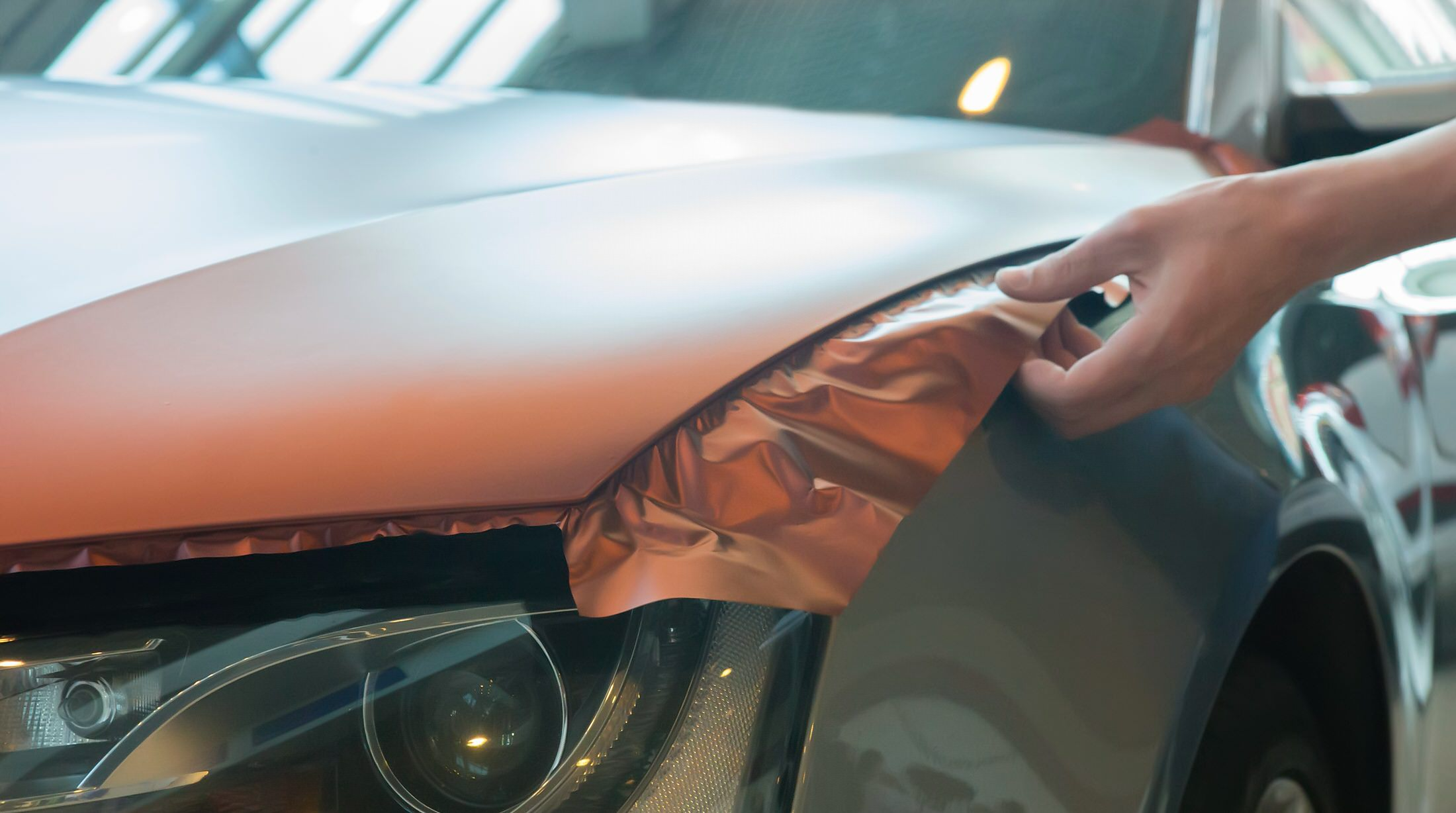
That’s where colored PPF comes in. It’s the best of both worlds: the self-healing, impact-resistant armor of traditional PPF, infused with rich, paint-like color. No compromise. No trade-offs.
Whether you’re a weekend enthusiast dreaming of a satin-finished showstopper, a daily commuter who wants to keep that new-car shine intact, or a shop owner looking to offer your clients something they’ll genuinely love—this guide has you covered. We’ll walk you through everything: what colored PPF actually is, how it stacks up against vinyl wraps and clear PPF, what colors and finishes are trending, how much you should expect to pay, and how to keep it looking fresh for years.
And yes—we’ll also tell you why Decowell Film is quietly becoming one of the smartest choices on the market. Let’s dive in.
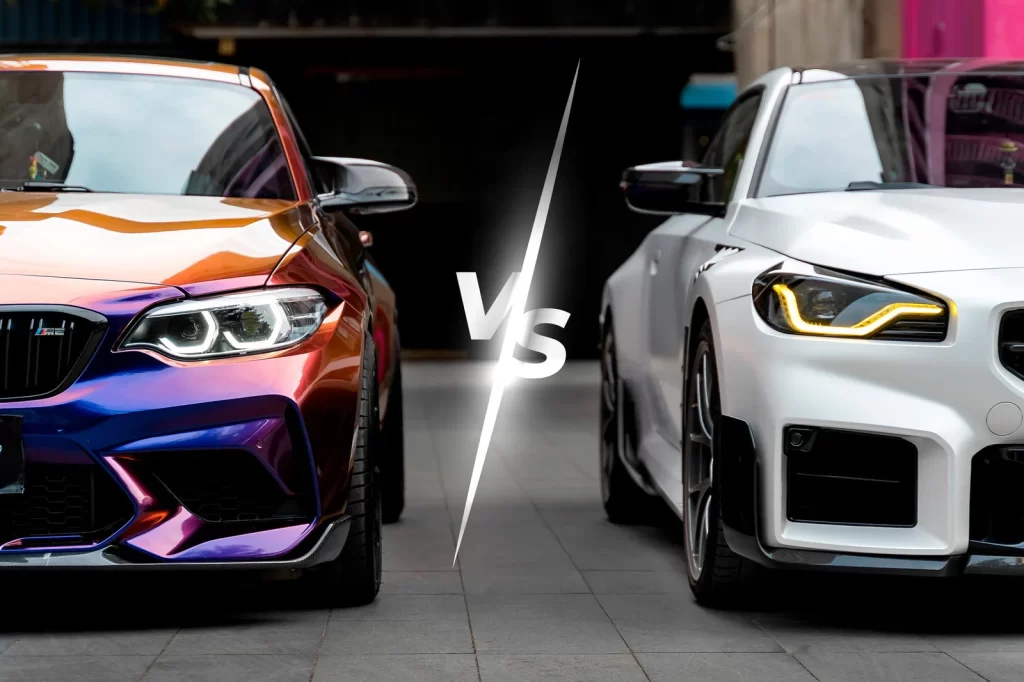
Table of Contents
First Things First: What Are We Actually Talking About?
Paint Protection Film (PPF) started out as a clear, almost invisible shield designed for one job: taking hits so your paint doesn‘t have to. It’s made from thermoplastic polyurethane, which is fancy science-speak for “really tough, slightly stretchy stuff that bounces back.” Traditional PPF is completely clear, but now things have gotten a whole lot more interesting with colored PPF hitting the scene.
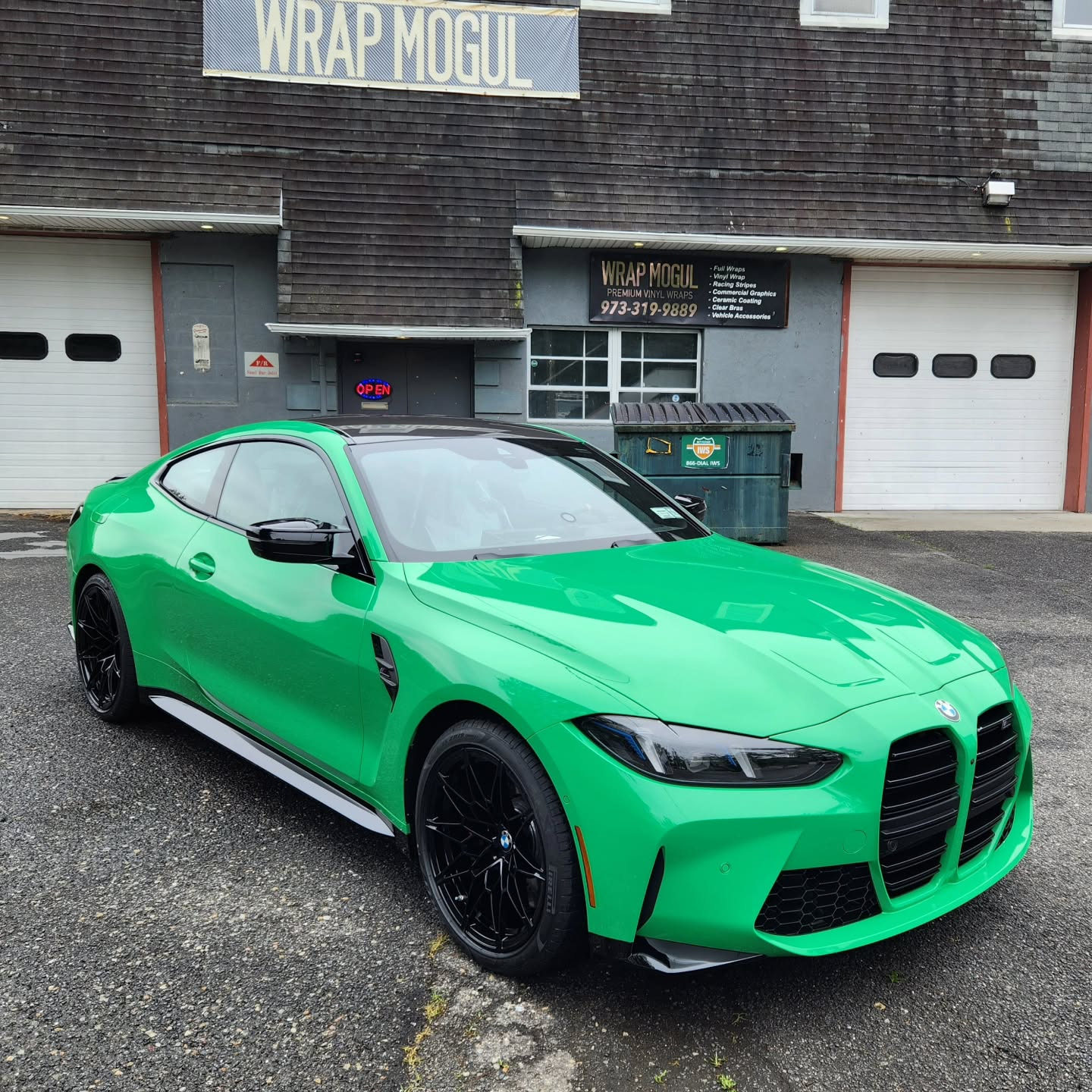
Vinyl wrap, on the other hand, is made from polyvinyl chloride. You‘ve probably seen it everywhere—matte black sedans, neon green sports cars, cars wrapped in chrome that look like rolling mirrors. Vinyl’s whole reason for existing is style. It comes in pretty much every color, finish, and texture you can dream up. It‘s the go-to for anyone who wants to change their car’s look without committing to a permanent paint job.
But here‘s where people get tripped up: colored PPF and vinyl wrap can look identical sitting side by side on a sample rack. So how do you tell them apart? And more importantly, how do you choose the right one?
The Chemistry Behind the Film (Don’t Worry, I‘ll Keep It Simple)
The real difference between these two starts at the molecular level. Color PPF is built around aliphatic TPU—the same family of material used in clear paint protection film. Its typical construction includes a self-healing clear coat on top, a pigmented TPU layer in the middle, a TPU base, and a high-grade acrylic adhesive. On your car, that TPU structure acts like a memory foam mattress: it absorbs energy and springs back into shape.
Vinyl wrap, meanwhile, is PVC-based. It’s available in either cast (more flexible) or calendered (budget-friendly) versions. The stack-up is simpler: a colored or printed PVC film, sometimes with a protective laminate, plus a pressure-sensitive adhesive. It‘s great for color and graphics, but it doesn’t absorb impacts nearly as well as TPU, and it won‘t fix itself if it gets scratched.
Thickness: Why a Few Mils Make a Huge Difference
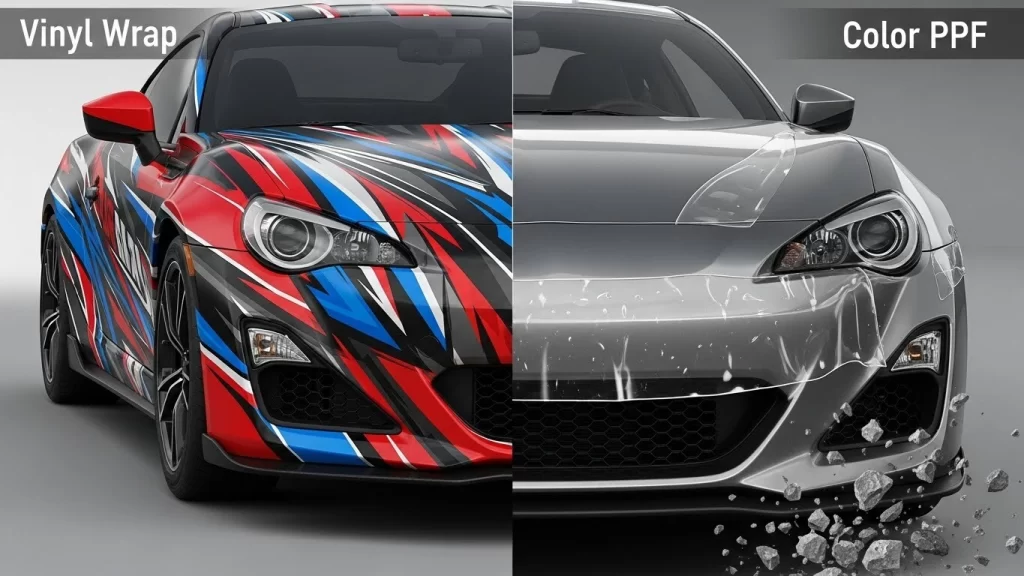
Here’s a number that tells you a lot about what a film can actually handle: thickness. Most vinyl wraps measure around 3 to 4 mils thick. Color PPF? Typically 7 to 9 mils. That extra thickness isn‘t just for show—it’s what gives PPF its ability to shrug off rock chips that would otherwise leave you staring at an ugly paint blemish.
Think of it like this: vinyl is a rain jacket. It‘ll keep light stuff off, but it’s not stopping a serious impact. Color PPF is more like a motorcycle jacket with built-in armor—it takes the hit so you don‘t have to.
Self-Healing: The Party Trick That Actually Works
One of the coolest things about modern PPF is self-healing technology. And no, this isn’t marketing hype. The top coat of quality TPU PPF is engineered with loose polymer chains. When a scratch displaces those polymers, adding heat—from sunlight, warm water, or even just a hot engine—excites the molecules and lets them relax back into their original arrangement. The scratch literally disappears.
Vinyl wraps don‘t have this ability. A scratch on vinyl stays a scratch until you replace that section. Some premium vinyls have laminate layers that offer minimal self-healing, but it’s nowhere near what TPU can do.
How Long Will It Last? (Be Honest With Yourself)
If you‘re the type of person who trades in cars every couple of years, vinyl wrap might be perfect for you. A quality vinyl wrap typically lasts around 3 to 5 years before fading, peeling, or just looking tired. That’s plenty of time to enjoy a new color before moving on to the next one.
But if you plan to keep your car for the long haul, colored PPF is in a completely different league. High-quality color PPF can last 7 to 10 years while maintaining its clarity, color vibrancy, and protective properties. It resists UV damage far better than vinyl and won‘t yellow over time.
Here’s a real-world comparison: vinyl wraps often start showing edge wear and fading after a couple of years in harsh sunlight. Color PPF, with its TPU construction and UV inhibitors, stays looking fresh significantly longer.
Protection Level: What Are You Actually Guarding Against?
Let‘s talk about what these films can and can’t stop.
Color PPF excels at:
Rock chip and sandblasting resistance (your front bumper will thank you)
Scratch protection from automatic car washes and trail debris
Chemical resistance against bird droppings, bug splatter, and tree sap
UV stability that preserves both the film and your original paint
Vinyl wrap offers:
Cosmetic shielding from light scuffs and sun exposure
Some UV protection, but less effective than PPF
Basically zero protection against rock chips or impact damage
I‘ve seen people key cars with vinyl wraps, and the damage goes straight through to the paint underneath. With color PPF, the film absorbs the hit and leaves the factory finish untouched. That’s the kind of difference that matters when you go to sell your car years down the road.
Style and Finish: Who Does It Better?
Vinyl wrap wins this category hands down on pure variety. Want a brushed metal finish? Vinyl‘s got it. Carbon fiber texture? Yep. Chrome, glitter, color-shift chameleon effects, custom printed graphics—vinyl can do all of it.
But colored PPF has an edge where it really counts: paint-like realism. Because TPU sits smoother and its self-healing top coat resists micro-texture, color PPF delivers a depth and clarity that looks indistinguishable from a high-quality paint job. The gloss is deeper, the matte finishes are more sophisticated, and the overall effect is just… richer.
Popular color PPF finishes trending right now include gloss, satin, matte (sometimes called “stealth”), and expanding options in solid, metallic, and anodized colors.
Market Trends: Why Color PPF Is Blowing Up Right Now
The numbers don‘t lie. The global paint protection film market was valued at nearly a billion dollars in 2024, and it’s projected to nearly double by 2031. More importantly, search interest in colored PPF has skyrocketed. Car owners are waking up to the fact that they don‘t have to choose between style and protection anymore.
Industry reports for 2025 and 2026 are showing clear trends: warm satin neutrals, vibrant teals, muted metallics, and anodized finishes are dominating the conversation. Luxury EV owners—especially Tesla drivers—are leading the charge, with more and more of them opting for colored PPF over traditional vinyl wraps.
The message is simple: protection is becoming just as important as personalization. And color PPF delivers both.
Application and Removal: What You Should Know
Vinyl wrap is generally easier to install than PPF. It‘s more forgiving during application, and a skilled DIYer can sometimes pull off a decent vinyl job at home. Removal is also relatively straightforward—most quality vinyls come off cleanly when removed within their expected lifespan.
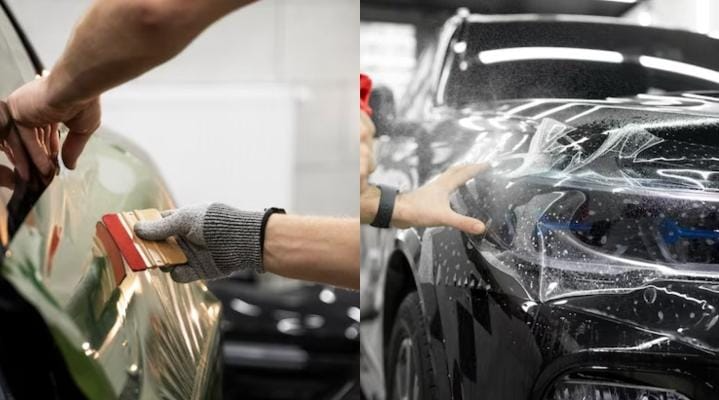
Color PPF installation is a different beast. It requires professional-level skill. The material is thicker and less forgiving. Edges need to be wrapped precisely to avoid peeling. And the adhesive needs to be activated properly to ensure longevity. This is not a DIY project unless you have serious experience.
But here‘s the upside: properly installed color PPF removes cleanly without leaving residue or damaging the underlying paint, even years later. That’s huge for resale value.
PPF vs Ceramic Coating: A Quick Note
A lot of people ask about ceramic coating when they‘re researching PPF. Here’s the simplest way to understand the difference: PPF is physical armor. Ceramic coating is a chemical shield.
PPF is a thick, stretchable film that absorbs impacts from rock chips and scratches. Ceramic coating bonds with your paint at the molecular level to create a hydrophobic, glossy layer that repels water and dirt. But it won‘t stop a rock chip—not even close.
The best setup? Combine both. Put PPF on high-impact areas (hood, bumper, fenders, mirrors) and top it with a ceramic coating for easier cleaning and extra gloss. You get the best of both worlds.
So… Which One Should You Actually Get?
Choose vinyl wrap if:
You want to completely change your car’s look on a budget
You like the idea of swapping colors every few years
You‘re not worried about rock chips or long-term paint preservation
You’re wrapping a leased vehicle and need easy reversibility
Choose color PPF if:
You want genuine paint protection AND a fresh new look
You drive highways frequently (where rock chips are inevitable)
You‘re protecting a high-value or luxury vehicle
You plan to keep your car long-term
You care about resale value and want your factory paint to stay pristine
Get both if:
You want PPF on high-impact zones and vinyl wrap on the rest
You’re building a show car or track car
Maximum style and maximum protection matter equally to you
Why Decowell Film Belongs on Your Shortlist
This is the part where I tell you about a brand that actually gets it right. Decowell Film has been quietly building a reputation for producing automotive films that don‘t cut corners. Their products are engineered with the kind of attention to detail that matters where the rubber meets the road—or more accurately, where the rock hits the bumper.
Decowell’s paint protection film lineup uses premium TPU construction with genuine self-healing capabilities. Their colored PPF options deliver the kind of deep, paint-like finish that turns heads while keeping your factory paint safe from the daily abuse of driving. Whether you‘re an installer looking for reliable product or a car owner who wants the best for your ride, Decowell Film offers professional-grade protection without the unnecessary markup.
Here’s what sets them apart: they focus on getting the fundamentals right. Good thickness. Real self-healing. UV stability that actually lasts. Hydrophobic top coats that make maintenance a breeze. And a finish quality that makes people ask, “Is that a repaint?” (It‘s not. It’s Decowell.)
If you‘re serious about protecting your vehicle while making it look incredible, Decowell Film deserves a close look. Installers trust their products. Car owners love the results. And you can be next.
[Contact Decowell Film to learn more about their automotive protection solutions.]
Frequently Asked Questions
Q: Can I put vinyl wrap over PPF?
Technically yes, but it’s not recommended for long-term durability. PPF bonds best to bare paint. Adding a vinyl layer on top can trap moisture and reduce the PPF‘s self-healing ability. The smarter approach is PPF on high-impact areas and vinyl wrap on the rest of the body panels.
Q: Does vinyl wrap protect against rock chips?
Minimal protection at best. At 3-4 mils thick, vinyl can guard against minor scratches and UV fading, but it won‘t stop rock chips or serious road debris the way 8-mil PPF does.
Q: Can I get colored PPF?
Absolutely. Color PPF (also called fashion film) is available in gloss, matte, satin, metallic, and an increasing range of solid colors. The color selection isn’t as vast as vinyl yet, but it‘s expanding every year.
Q: Will PPF damage my original paint when removed?
No—when properly installed and removed by professionals, quality PPF comes off cleanly without leaving residue or damaging the factory paint. In fact, the paint underneath will look as fresh as the day the film was applied.
Q: How do I maintain PPF or vinyl wrap?
Hand wash with pH-neutral soap using soft microfiber towels. Avoid automated car washes with brushes. For PPF, parking in sunlight can activate self-healing for minor scratches. For vinyl, avoid harsh chemicals and address any edge lifting immediately.
Q: Is colored PPF worth the extra cost over vinyl wrap?
If protection plus style is your goal, yes. Vinyl gives you a temporary look. Colored PPF gives you a fresh look that lasts 7-10 years while actively protecting your paint from damage. For long-term owners, the value is hard to beat.
Q: Can I install PPF myself?
PPF installation requires professional skill and specialized tools. It‘s significantly more demanding than vinyl installation. Unless you have experience and the right equipment, leave this one to the pros.
Q: Does PPF yellow over time?
Old PVC-based films did. Modern TPU-based PPF from quality manufacturers is engineered with UV inhibitors that prevent yellowing for years. Decowell’s TPU formulations maintain optical clarity throughout their lifespan.
Final Thoughts
Look, here‘s the bottom line: vinyl wraps are for changing your car’s look on a budget. Color PPF is for changing your car‘s look while actually protecting what’s underneath. One is a costume. The other is armor that happens to look amazing.
If you‘re the kind of person who babies their car, who notices every new scratch, who wants to preserve that factory-fresh look for years to come—color PPF is the answer. And if you’re going to invest in protecting your vehicle, you might as well go with a brand that delivers on its promises.
Check out Decowell Film. See what real protection looks like.