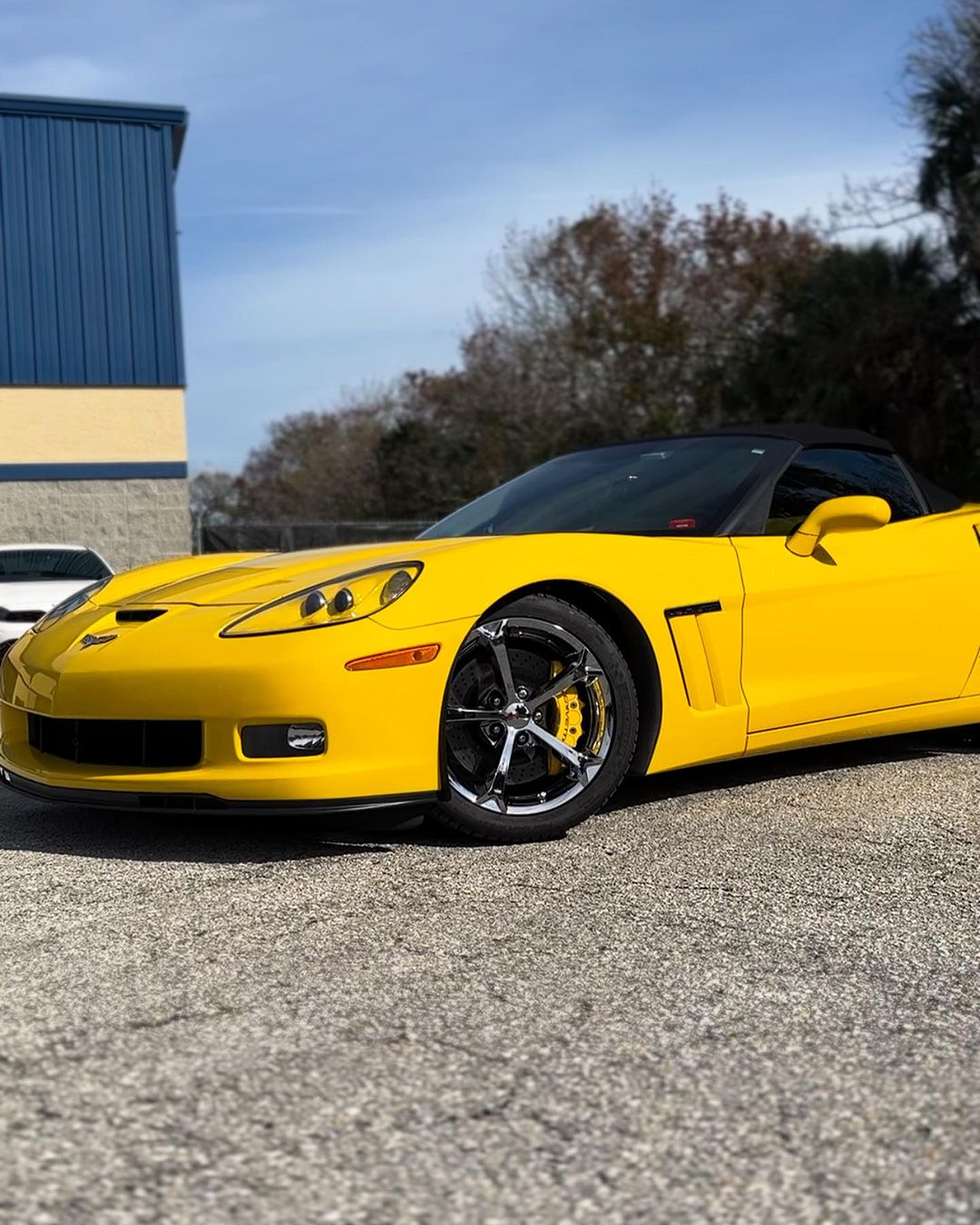
Home » PPF Color Change: Transforming Your Car‘s Look with Real Protection
Recent Posts
PPF Color Change: Transforming Your Car‘s Look with Real Protection
So you’re standing in your garage, staring at your car, and something feels… off. Maybe it’s the color you picked three years ago that doesn’t excite you anymore. Maybe the factory paint is starting to show its age, or you’ve just always wanted a matte finish but didn’t want to commit permanently. Whatever the reason, you want a change. And here’s the thing—you can get it. But the real question is: do you want to just change the look, or do you want to change the look and make your car tougher than ever?
Welcome to the world of PPF color change. This isn‘t your dad’s vinyl wrap. This is something entirely different—and way smarter.
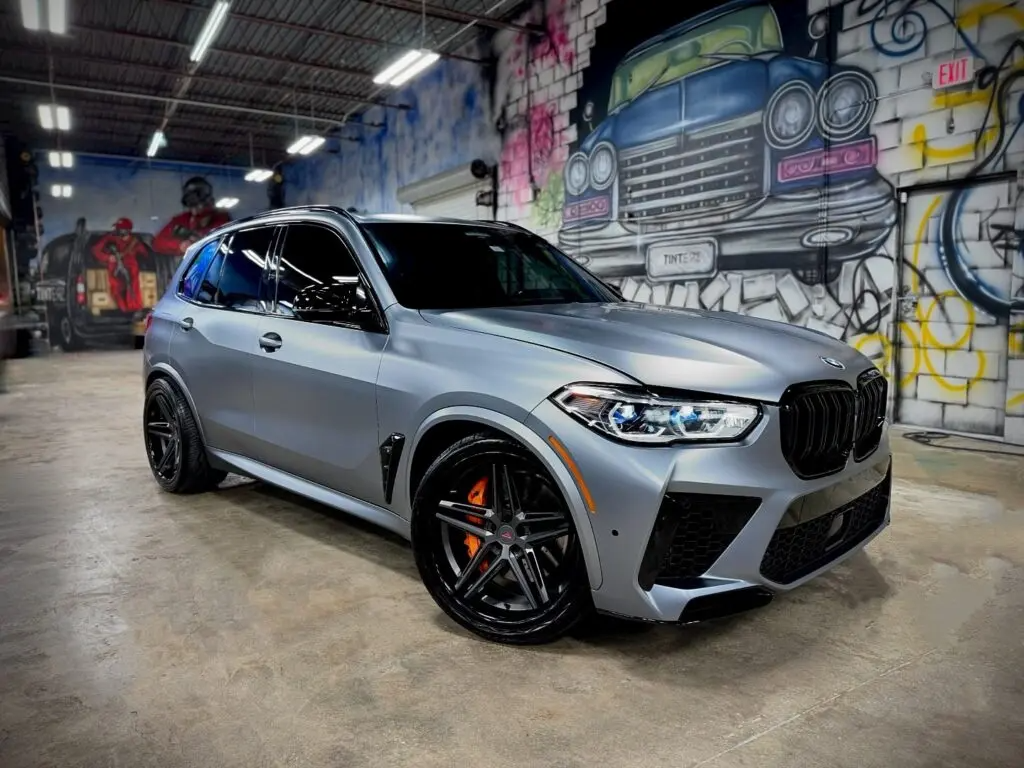
Table of Contents
What Exactly Is PPF Color Change?
Let‘s start simple. PPF color change (also called colored PPF, color paint protection film, or even “fashion film” for cars) is exactly what it sounds like: a paint protection film that comes in colors. But don’t let that description fool you. Unlike a vinyl wrap—which is basically a sticker that changes your car‘s appearance and calls it a day—colored PPF is built like armor that happens to look incredible.
Here’s the breakdown. Traditional clear PPF is a transparent TPU (thermoplastic polyurethane) film designed to take hits so your paint doesn‘t have to. It’s tough, self-healing, and nearly invisible. Colored PPF takes that same robust formula and adds pigment into the mix. The result? A film that protects your factory paint from rock chips, scratches, and UV damage while simultaneously giving you whatever color or finish you‘ve been dreaming of.
Most quality colored PPF measures roughly 7 to 9 mils in thickness. Compare that to a typical vinyl wrap, which sits around 3 to 4 mils thin. That extra thickness isn’t just for show. It‘s the difference between a film that shrugs off highway debris and one that tears the first time a decent rock hits your bumper.
PPF Color Change vs. Vinyl Wrap: The Real Difference
This is where things get interesting. If you put a sample of colored PPF next to a vinyl swatch, they might look identical from a few feet away. Both can be glossy, matte, satin, or metallic. Both can transform your car’s appearance completely. So what‘s the actual difference?
Vinyl wrap’s primary purpose is cosmetic. It‘s made from PVC, comes in thousands of finishes and colors, and exists to help you express yourself. But when it comes to protection? Minimal at best. Vinyl can guard against light scuffs and UV fading, but a rock chip at highway speed will tear right through it. Vinyl wraps typically last around 3 to 5 years before fading, peeling, or just looking tired. And they don’t self-heal. A scratch on vinyl is a scratch forever.
Colored PPF is a completely different animal. Its main job is protection—the color is a bonus. Built from TPU, colored PPF absorbs impacts that would otherwise leave your factory paint chipped and scarred. And thanks to self-healing technology, minor scratches and swirl marks literally disappear when exposed to heat. Park in the sun for a few hours, and those ugly marks? Gone. A quality colored PPF installation typically lasts 7 to 10 years or more, maintaining its color vibrancy and protective properties year after year.
So which one wins? It depends on what you actually want. If you just need a fresh look for a couple of years on a budget, vinyl wrap works fine. But if you care about your car‘s long-term condition and resale value, colored PPF isn’t just better—it‘s in a completely different league.
Why PPF Color Change Is Exploding Right Now
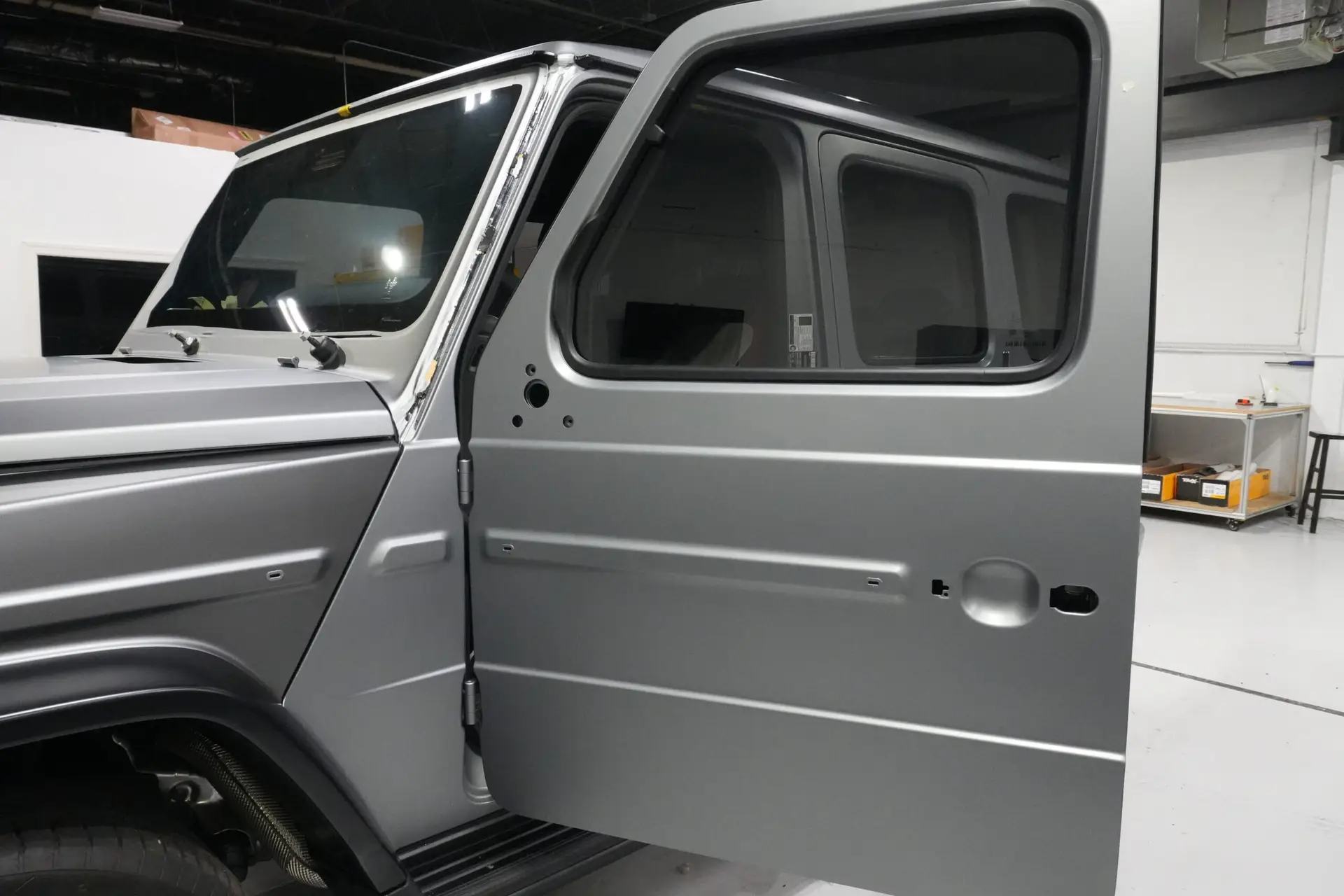
You‘ve probably noticed more and more cars on the road with stunning custom finishes—satin greys, jewel-toned blues, deep forest greens—that look almost too good to be factory paint. And they might not be factory paint at all. Colored PPF is quietly taking over the automotive customization world, and for good reason.
The numbers back it up. The global paint protection film market was valued at nearly a billion dollars in recent years and continues to grow steadily. More importantly, consumer search interest in colored PPF has skyrocketed. People are finally realizing they don‘t have to choose between protection and personalization anymore.
What’s driving this shift? A few things. First, car prices have climbed significantly. When you‘re spending serious money on a vehicle, you want to keep that investment looking fresh. Second, awareness of PPF’s benefits has spread through social media and enthusiast forums. Third—and this is key—the early generation colored PPF products that had issues with fading, adhesive failure, and difficult removal have been replaced by mature, reliable technology. Today‘s colored PPF delivers consistent color stability, clean removability, and predictable long-term performance.
Even clear PPF customers are making the upgrade. People who already understand the value of paint protection are discovering that they can get the same durability plus a fresh new look for not much more money.
The Tech That Makes It Work: Self-Healing and Beyond
You might be wondering: how does colored PPF actually fix itself? It’s not magic—it‘s engineering. The self-healing properties come from shape-memory polymers in the film’s top coating. When the surface gets scratched, the polymers are displaced. Apply heat from sunlight, warm water, or a heat gun, and those polymers relax back into their original arrangement. The scratch disappears. For real.
This isn‘t just a marketing gimmick. In independent durability tests, colored PPF was significantly harder to scratch than vinyl wrap. And when scratches did occur, lighter marks self-healed completely with heat exposure. The same test showed that when a key was dragged across both films with force, vinyl transferred damage straight to the paint underneath. Colored PPF? It took the hit and left the factory paint untouched.
Beyond self-healing, premium colored PPF includes UV inhibitors that block harmful rays, preventing both the film and your underlying paint from fading or yellowing. The hydrophobic top coat repels water and dirt, making your car easier to clean and keeping it looking glossier between washes. Some advanced formulations even help reflect heat, which can reduce surface temperatures in hot climates—a genuine benefit for owners in sunny regions.
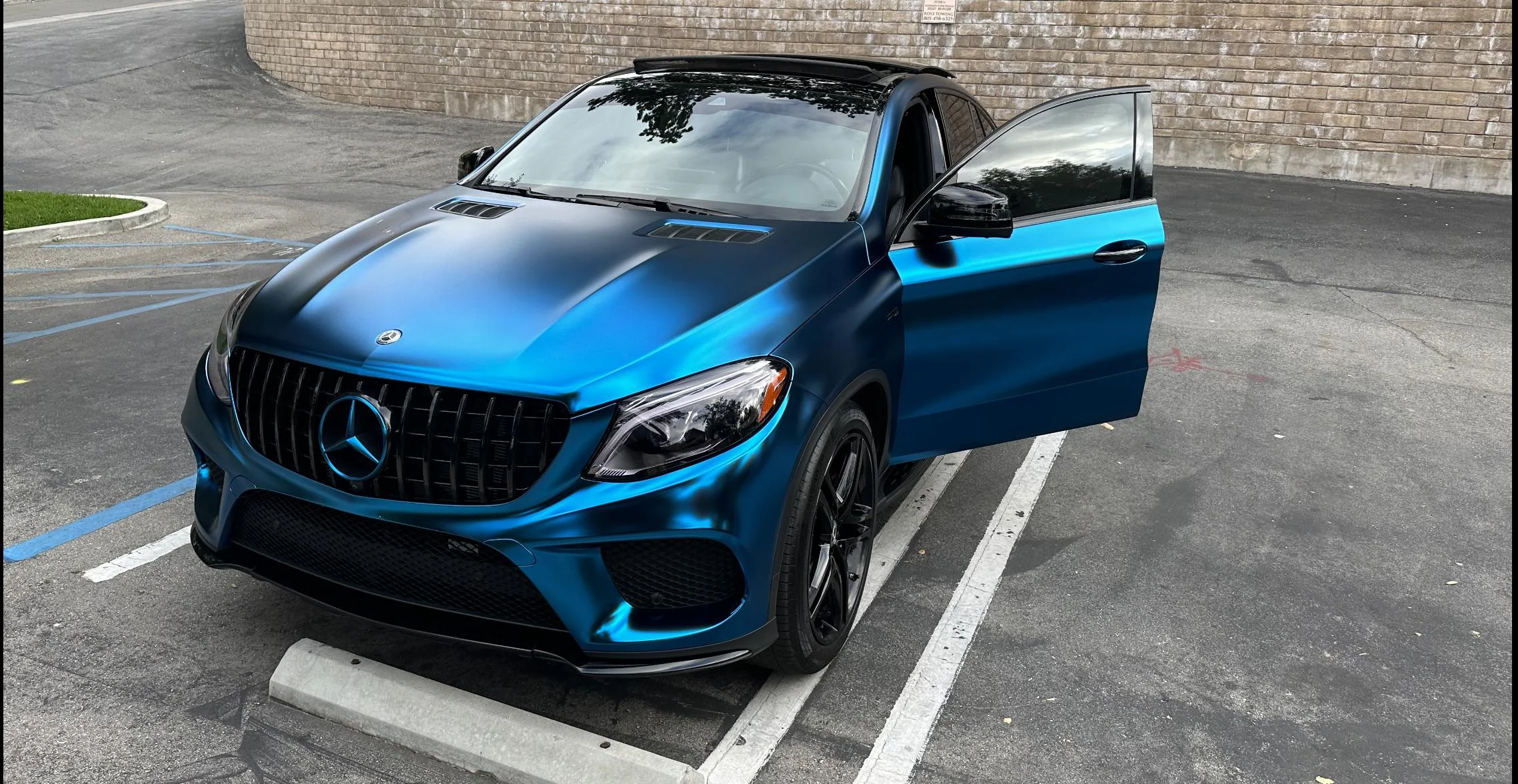
Finish Options: What Can You Actually Get?
One of the best things about PPF color change is the range of finishes available. While colored PPF doesn‘t yet offer the insane variety of vinyl (you won’t find printed graphics or wild textured effects like brushed metal), the options that exist are premium and paint-like.
Gloss finishes are the most popular. They deliver deep, mirror-like shine that rivals the best factory paint jobs. If you want your car to pop with vibrant color and maximum reflectivity, gloss is your answer.
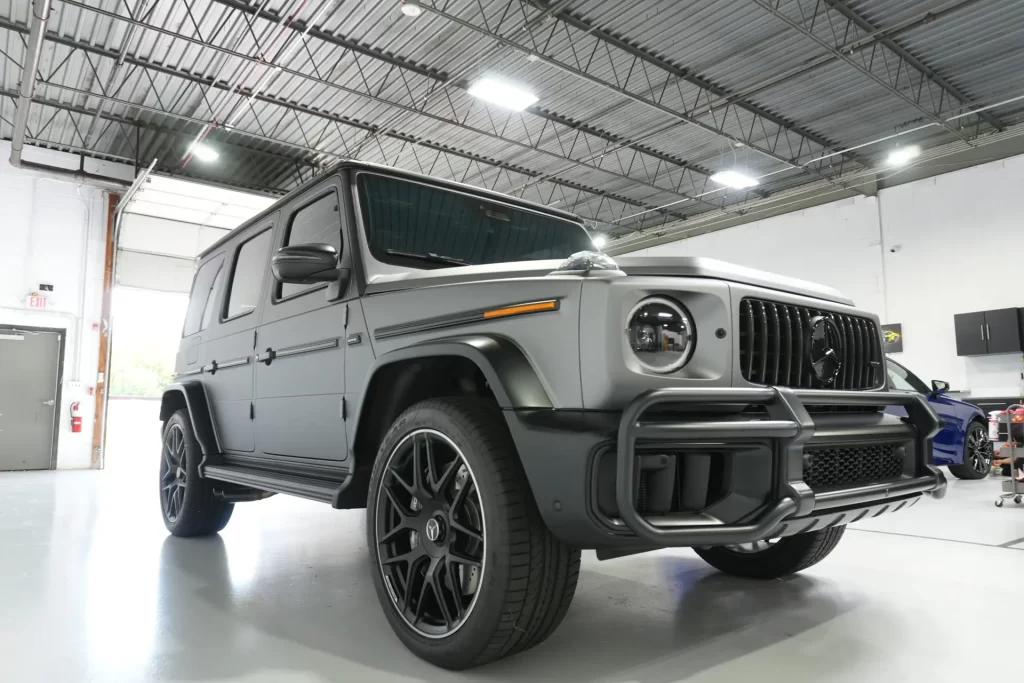
Matte finishes (sometimes called “stealth” finishes) remove shine almost entirely, creating a flat, modern appearance that looks sophisticated and aggressive at the same time. Matte black remains one of the most requested finishes worldwide.
Satin finishes strike a perfect balance between gloss and matte. They offer a soft, low-reflection sheen that‘s elegant without being flashy. Satin finishes have grown significantly in popularity recently because they hide minor imperfections better than gloss while looking more refined than full matte.
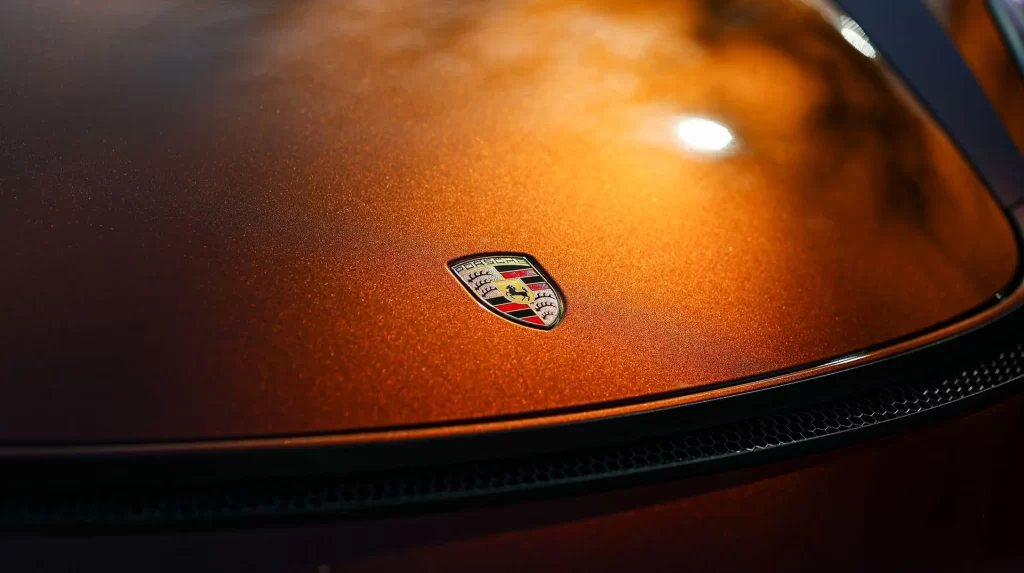
Metallic finishes add depth and dimension with reflective flakes embedded in the film. These look especially striking on luxury and performance vehicles, catching light differently from every angle.
In terms of colors, current trends lean toward deep jewel tones like emerald green, sapphire blue, and ruby red, along with warm satin neutrals, muted metallics, and anodized effects.
Resale Value: The Hidden Advantage You Can‘t Ignore
Here’s something most people don‘t think about until it’s too late: your car‘s factory paint is one of its most valuable assets. A vehicle with pristine, unmodified original paint consistently commands higher prices in the used market. Repainting damages that value. Low-quality wraps can leave residue or even pull up clear coat during removal.
Colored PPF solves this problem elegantly. It preserves your factory paint in mint condition beneath the film. When you’re ready to sell, you simply have the film professionally removed—and what‘s revealed is the same flawless paint that left the factory. Buyers will pay a premium for that. In fact, a survey found that 89% of used-car buyers said they’d pay extra for vehicles with original paint, and 92% of dealers believe PPF increases resale value.
Think about that for a second. The film you put on your car to enjoy a new look might actually help you recoup a significant portion of your investment when you sell. That‘s not an expense—that’s an asset protector.
Care and Maintenance: It‘s Simpler Than You Think
One concern people have about colored PPF is maintenance. The good news? It’s actually easier than caring for bare paint.
The hydrophobic top coat means water beads up and rolls off, carrying dirt with it. Most of the time, a simple hand wash with pH-neutral soap and a soft microfiber mitt is all you need. Avoid automatic car washes with brushes—the abrasive action can scratch any surface, including PPF—but that‘s true for bare paint too.
For minor scratches, park in the sun or pour warm water over the affected area. The self-healing properties will do their thing. No need for polishes, compounds, or expensive detailing sessions.
If you want to take protection to the next level, some owners apply a ceramic coating over their colored PPF. This adds even better water repellency and makes cleaning even easier. Just make sure the ceramic coating is applied after the PPF is installed, not before, because the adhesive won‘t bond properly to a coated surface.
Common Myths About PPF Color Change (Let‘s Bust Some)
Myth #1: “Colored PPF fades just like vinyl.” False. High-quality colored PPF uses advanced UV inhibitors and pigment integration that resist fading far better than vinyl. Premium films maintain their vibrancy for many years, while vinyl can start showing fade damage much sooner.
Myth #2: “It’s impossible to remove without damaging paint.” False. Quality colored PPF is engineered for clean removal. Professional installers can take it off years later without leaving residue or harming the factory paint underneath.
Myth #3: “The color selection is terrible.” This used to be true of early-generation products. It‘s not anymore. While colored PPF doesn’t have the unlimited palette of vinyl, the available range—gloss, matte, satin, metallic, and specialty finishes in dozens of colors—covers what most car owners actually want.
Myth #4: “It’s way more expensive than repainting.” Not when you account for long-term value. A quality repaint costs serious money and permanently alters your factory paint. Colored PPF costs less than a premium repaint in many cases, preserves your original paint, and can be removed if you change your mind. And it self-heals, which paint doesn‘t.
Myth #5: “Only luxury car owners use it.” Not anymore. Colored PPF adoption has expanded to everyday drivers who want to protect their investment while expressing personal style. With more color options and increasing awareness, it’s becoming mainstream across all vehicle segments.
Frequently Asked Questions
Q: What’s the main difference between colored PPF and a vinyl wrap?
Colored PPF is made from thick TPU with self-healing properties and genuine impact protection. Vinyl wrap is thinner PVC focused primarily on changing appearance. Colored PPF lasts 7–10 years and protects your paint. Vinyl lasts 3–5 years and offers minimal protection.
Q: Can colored PPF be removed without damaging my factory paint?
Yes, quality colored PPF is designed for clean, residue-free removal by professional installers. Your original paint remains untouched underneath.
Q: Does colored PPF really self-heal minor scratches?
Yes. The self-healing top coat contains shape-memory polymers. When exposed to heat from sunlight or warm water, the polymers relax and the scratch disappears.
Q: What finishes and colors are available?
Gloss, matte, satin, metallic, and specialty effects in colors ranging from classic black, white, and grey to vibrant blues, greens, reds, and warm neutral tones.
Q: Does colored PPF protect against rock chips?
Absolutely. At 7–9 mils thick with TPU construction, colored PPF absorbs impact energy that would otherwise chip or crack factory paint.
Q: Is colored PPF worth the investment compared to vinyl wrap?
If you plan to keep your car for more than a few years and care about paint preservation and resale value, yes. The longer lifespan, superior protection, and self-healing properties make it a better long-term value.
Q: How do I clean and maintain colored PPF?
Hand wash with pH-neutral soap and soft microfiber towels. Avoid automatic brush washes. Minor scratches self-heal with heat. For maximum longevity, avoid harsh chemicals and park in covered areas when possible.
Q: Can I apply colored PPF myself?
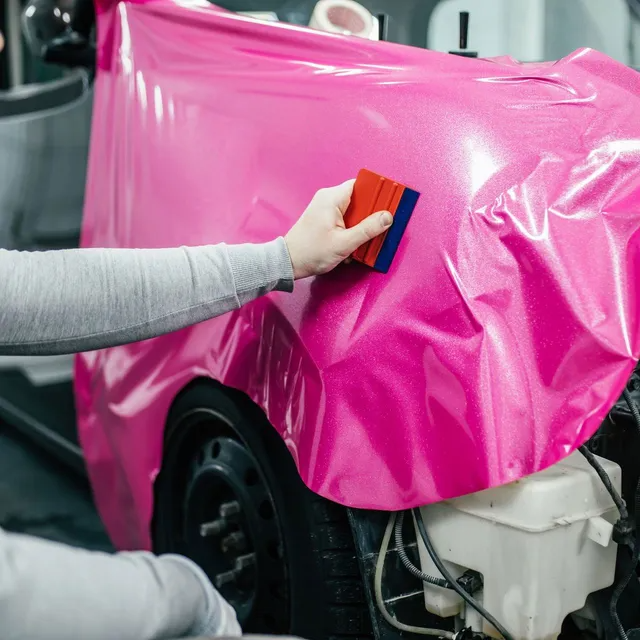
Colored PPF installation requires professional-level skill, precision tools, and experience. It‘s not a beginner-friendly DIY project due to the film’s thickness and the precision required for bubble-free application.
Q: Will colored PPF make my car look like it has a real paint job?
High-quality colored PPF from reputable manufacturers has optical clarity and depth that closely matches factory paint when professionally installed. Most observers cannot distinguish it from OEM finishes.
Q: Does colored PPF affect my vehicle‘s warranty?
Generally no. Installing colored PPF does not void manufacturer warranties. However, confirming with your specific provider is always wise.
Where Decowell Film Fits In
By now, you probably understand why PPF color change is one of the smartest moves you can make for your vehicle. Protection that lasts. Style that turns heads. Resale value that stays intact. It’s not a compromise between armor and aesthetics—it‘s both, working together.
That’s where Decowell Film comes in.
Decowell specializes in premium automotive protection solutions for a global B2B market. Their colored PPF products are engineered with genuine TPU construction, reliable self-healing capabilities, and finish quality that delivers the depth and clarity discerning customers expect. Whether you‘re a professional installer looking for dependable product, a distributor building out your catalog, or a car owner seeking factory-direct quality without unnecessary markup, Decowell Film deserves a serious look.
The company focuses on getting the fundamentals right: consistent color stability, strong UV resistance, hydrophobic top coats that make maintenance effortless, and clean removability that preserves underlying paint. Their commitment to quality means every roll delivers professional-grade performance that installers trust and vehicle owners love.
If you’re ready to offer or experience colored PPF that actually delivers on its promises, reach out to Decowell Film. Their team understands the automotive protection industry from the inside out and can help you find the right solutions for your market.