Home » Paint Protection Film: What It Is, Why You Need It, and How to Choose the Best One?
Recent Posts
Paint Protection Film: What It Is, Why You Need It, and How to Choose the Best One?
What Exactly Is “Prot Film” — And Why Is Everyone Talking About It?
Let‘s be honest. When you first heard someone say “prot film,” you probably did the same thing I did — tilted your head and wondered what they were talking about. Is it a typo? Some new tech gadget? Or just another car term that enthusiasts throw around to sound cool?
Here‘s the truth: “prot film” is shorthand for Paint Protection Film — or what the industry calls PPF. Same thing. Different name. And if you care about your car’s paint, this is something you really should understand.
So what is PPF exactly?
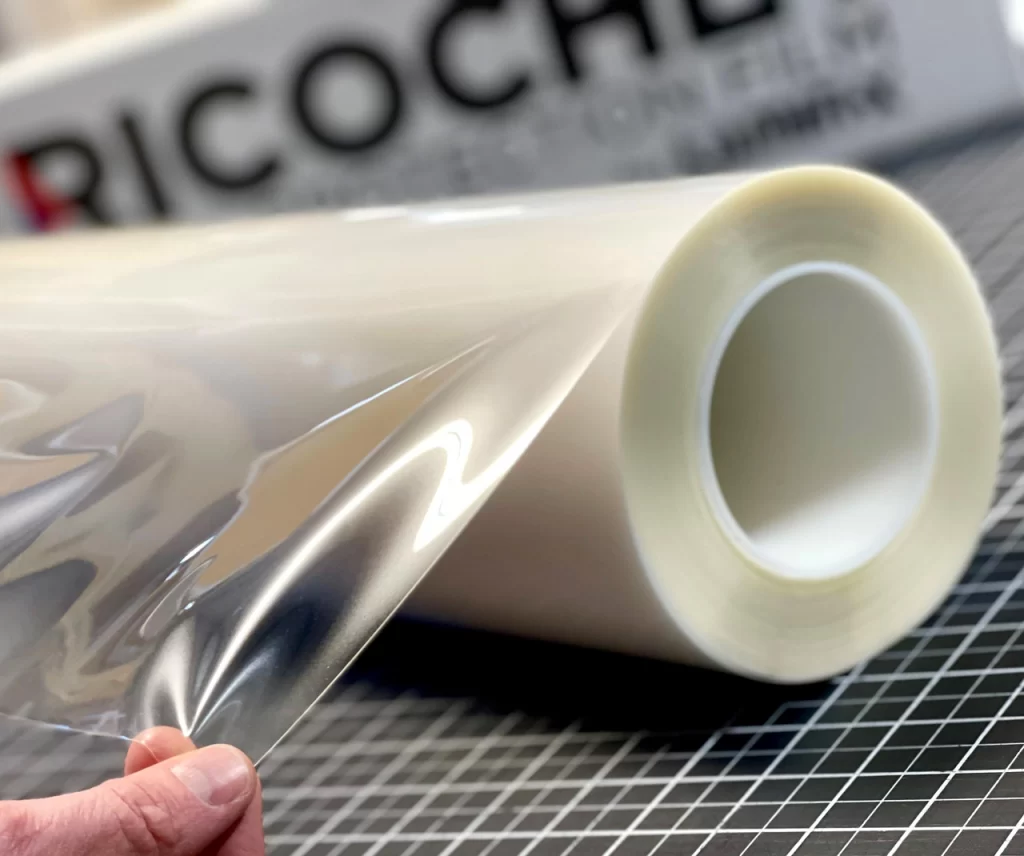
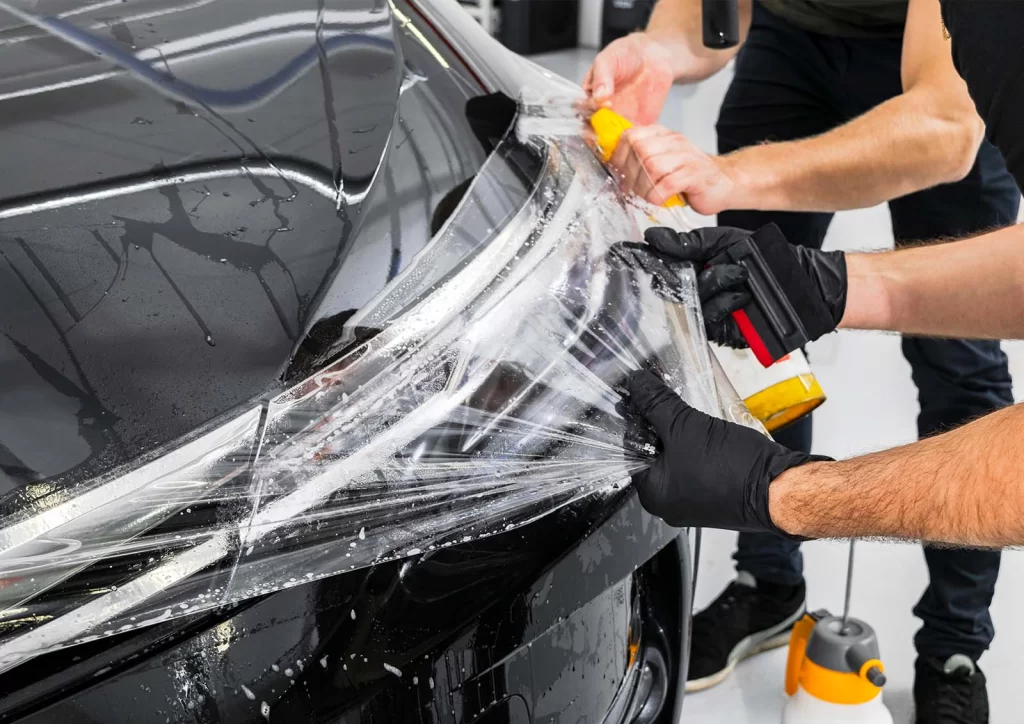
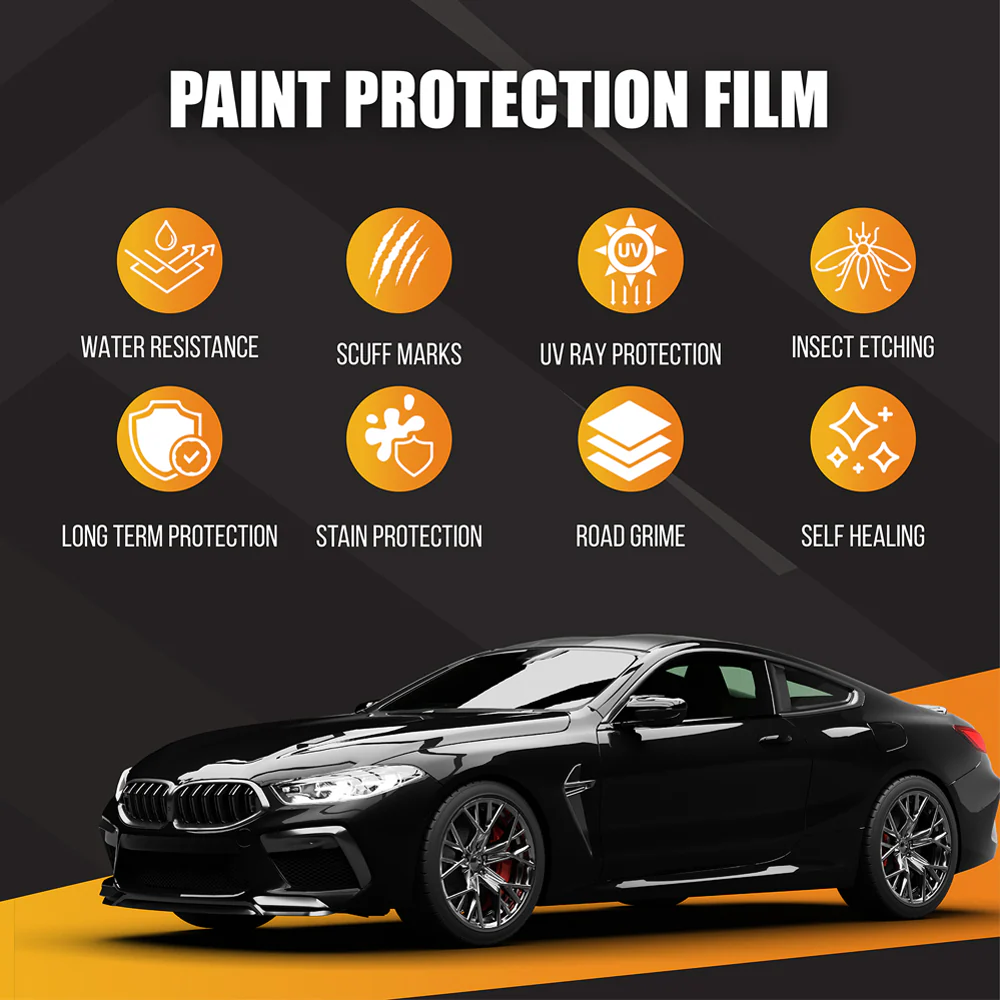
Paint Protection Film (PPF) is a thin, transparent thermoplastic urethane layer that goes directly onto your car‘s painted surfaces. Think of it as invisible armor. It shields your vehicle from stone chips, road debris, bug splatters, minor abrasions, and UV damage — all without changing how your car looks.
PPF was originally developed by 3M for military use during the Vietnam War, protecting helicopter rotor blades from flying debris. The advantage of a replaceable film over repairing damaged blades was immediately clear. Today, the same technology protects everything from luxury cars and supercars to cell phones, laptops, RVs, and even aircraft.
And the market is growing fast. According to MarketsandMarkets, the global paint protection films market was valued at $1.09 billion in 2025 and is projected to hit $1.55 billion by 2030, growing at a compound annual rate of 7.2%. Other research estimates the market could reach nearly $730 million by 2030 on a slightly different measurement basis.
Why the explosive growth? Because more car owners than ever are realizing that protecting your paint isn‘t just about looking good — it’s about preserving value.
Table of Contents
The Three Materials That Define Your PPF Experience
Not all PPF is created equal. The material underneath that clear surface determines everything: how long it lasts, how well it protects, and whether you‘ll regret your purchase two years from now.
Right now, the market offers three main material types: PVC, TPH, and TPU.
PVC PPF — The Budget Trap You Should Probably Avoid
Polyvinyl chloride was one of the first materials used for automotive paint protection. Its main selling point? It’s cheap. Really cheap. But there‘s a reason it’s been pushed out of the premium market.
PVC is thin, rigid, and prone to cracking under impact. It lacks proper UV inhibitors, so it often starts yellowing within 1–2 years of sun exposure. And because it has limited elasticity, installation on complex curves like bumpers is difficult — which means edges tend to peel.
If you‘re leasing a car for 12 months and just need something temporary, PVC might work. But for anyone planning to keep their vehicle longer than a couple of years? Hard pass.
TPH PPF — The “Fake TPU” That Looks Good on Paper
TPH (thermoplastic hybrid) was developed as a middle-ground option — something with better flexibility than PVC but a lower price tag than TPU. It’s often marketed as a “TPU-like” alternative.
Here‘s what the marketing won’t tell you: TPH uses plasticizers to mimic elasticity, but it tears under complex curves. The adhesive can fail, causing edges to lift. And while it offers better clarity and durability than PVC, it lacks true self-healing capabilities.
You‘ll see TPH warranties rarely exceeding 3–5 years. That’s not because manufacturers are being modest — it‘s because that’s realistically how long the film will perform before showing signs of yellowing, cracking, or peeling.
TPU PPF — The Gold Standard That Actually Delivers
Thermoplastic polyurethane is the material trusted by Porsche, Tesla, and collectors who actually know what they‘re doing.
TPU combines the elasticity of rubber with the processability of plastic. Originally used in medical devices, military coatings, and aerospace applications, it was later adapted for automotive paint protection — and for good reason.
What makes TPU superior?
First, self-healing technology. High-quality TPU films contain microscopic shape-memory polymers that revert to their original state when exposed to heat — either from sunlight or warm water. Minor scratches and swirl marks literally disappear.
Second, exceptional elasticity. TPU can stretch over 300% of its original length without tearing, conforming seamlessly to hood vents, bumpers, and complex body lines. No lifting edges. No ugly gaps.
Third, UV and yellowing resistance. Premium aliphatic TPU maintains optical clarity for 5–10 years. It blocks 99% of UV rays, protecting your paint from fading while keeping the film itself crystal clear.
Fourth, real durability. TPU withstands temperatures from -40°F to 300°F without becoming brittle or melting. Whether you‘re driving through an Arizona summer or a Canadian winter, the film keeps performing.
The bottom line: PVC lasts 1–3 years. TPH lasts 5–7 years. Premium TPU delivers up to 10 years of reliable protection. TPU isn’t just better — for anyone prioritizing long-term value, it‘s the only intelligent choice.
Gloss vs. Matte vs. Satin: Which Finish Fits Your Style?
Once you’ve decided on TPU (and really, you should), you‘ve got another decision to make: what finish do you want?
Gloss PPF is the classic choice — and it dominates about 70% of the market. It delivers a mirror-like shine that amplifies your car’s factory paint, making colors richer and more vibrant. The hydrophobic top coat causes water and grime to bead up and roll off, which means less frequent washing and easier cleaning. Most premium gloss PPF options last 5 to 10 years with proper care, and the self-healing technology works exceptionally well on glossy surfaces.
Gloss PPF is ideal for daily drivers who want to preserve that “just detailed” showroom look.
Matte PPF is for those who want something different. It transforms shiny paint into a smooth, flat finish that absorbs light rather than reflecting it. The result is a stealthy, sophisticated appearance that‘s perfect for luxury SUVs and performance builds.
Here‘s an interesting advantage: matte films hide fingerprint smudges and minor dirt better than glossy coatings, staying cleaner longer between washes. However, they require specialized cleaning solutions to maintain that non-glare surface — standard car soaps can leave residue.
Satin PPF sits somewhere in between — not as shiny as gloss, not as flat as matte. It‘s the third-largest segment in the PPF market and has gained popularity among customers who want a discreet matte appearance that still maintains some gloss.
PPF vs. Ceramic Coating: Two Very Different Things
This confusion comes up constantly. Car owners ask, “Should I get PPF or ceramic coating?” And the answer is: it depends on what you need to protect against.
Here‘s the simplest way to understand the difference:
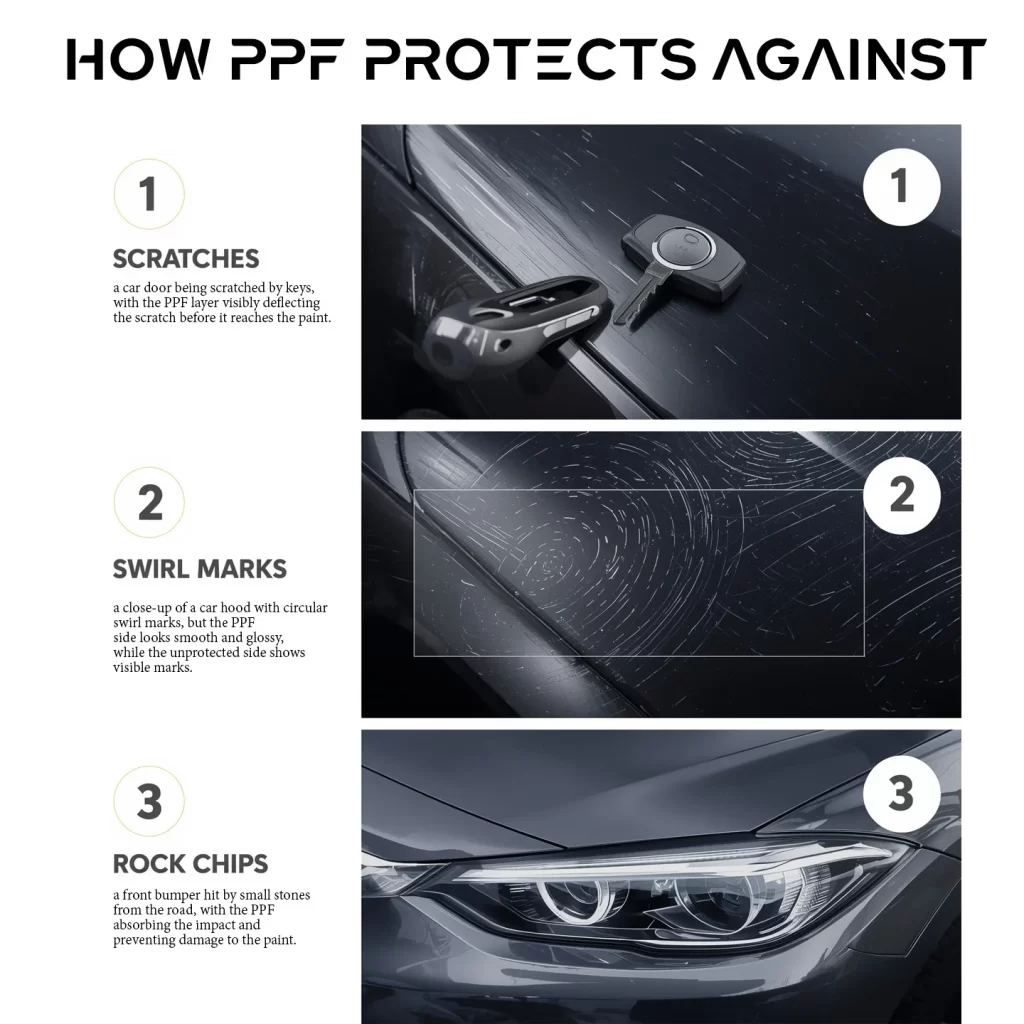
PPF is armor. It’s a physical layer — typically 8–12 mils thick — that absorbs impacts from rock chips, gravel, and road debris. Think of it as a sacrificial shield that takes the damage so your paint doesn‘t have to.
Ceramic coating is a sealant. It’s a liquid polymer that bonds to your clear coat at the molecular level, creating a hard, glossy, hydrophobic surface that repels water, resists UV fading, and makes cleaning easier. But here‘s the critical thing: it provides no meaningful protection against physical impact. A rock chip at highway speed will go right through ceramic coating like it’s not even there.
The thickness difference is staggering. A typical ceramic coating layer is about 10 microns thin. PPF is roughly 180–200 microns — 20 times thicker.
So which one should you choose?
PPF is the right choice if you drive on highways (where rocks and debris are constant threats), park outdoors (exposing your car to bird droppings and tree sap), or simply want to preserve resale value by keeping factory paint flawless.
Ceramic coating makes sense if you want easier cleaning, better water beading, and enhanced gloss — but don‘t face significant physical threats.
The smart money often combines both: PPF on high-impact zones (hood, bumper, mirrors, fenders) with a ceramic topcoat over everything for that slick, hydrophobic finish.
Cost-wise, PPF is definitely the bigger investment. A full-vehicle PPF installation typically runs from $2,000 to $5,000 or more, depending on vehicle size and film quality. Ceramic coating generally costs between $500 and $2,000. But remember: PPF lasts 7–10 years. Ceramic coating typically needs reapplication every 3–5 years.
Pre-Cut vs. Bulk Installation: What‘s the Difference?
How your PPF gets installed matters almost as much as what film you choose.
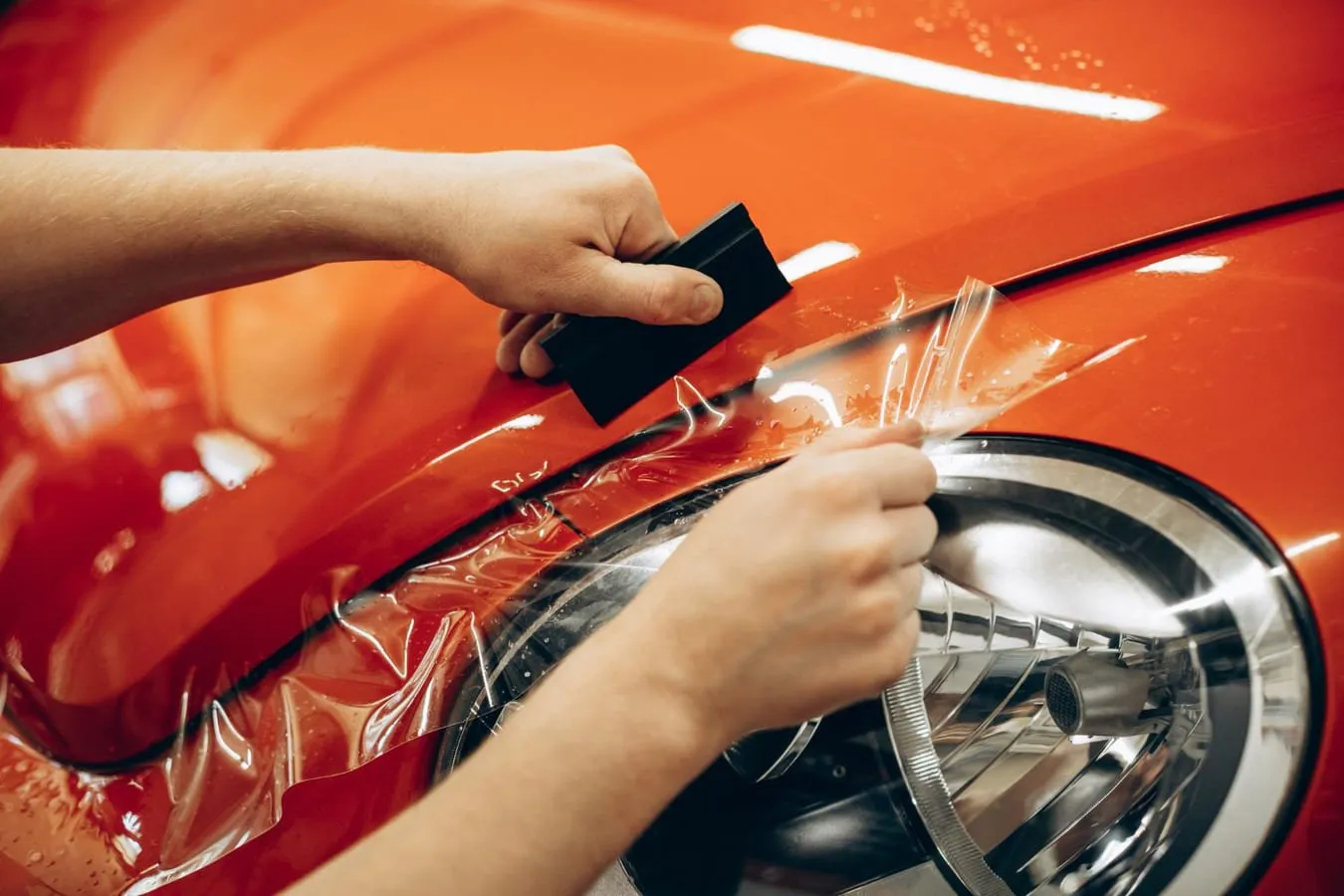
Pre-cut installation uses digital templates designed for your specific vehicle‘s make, model, and year. A precision plotter cuts each piece to exact specifications — hood piece, bumper piece, mirror pieces — all labeled and ready to apply. The installer’s main job is positioning and squeegeeing, not measuring or cutting.
Advantages of pre-cut:
No blades near your paint — zero risk of accidental scratches
Consistent, factory-panel-edge fit every time
Faster installation (less time in the shop)
Cleaner, seamless edges
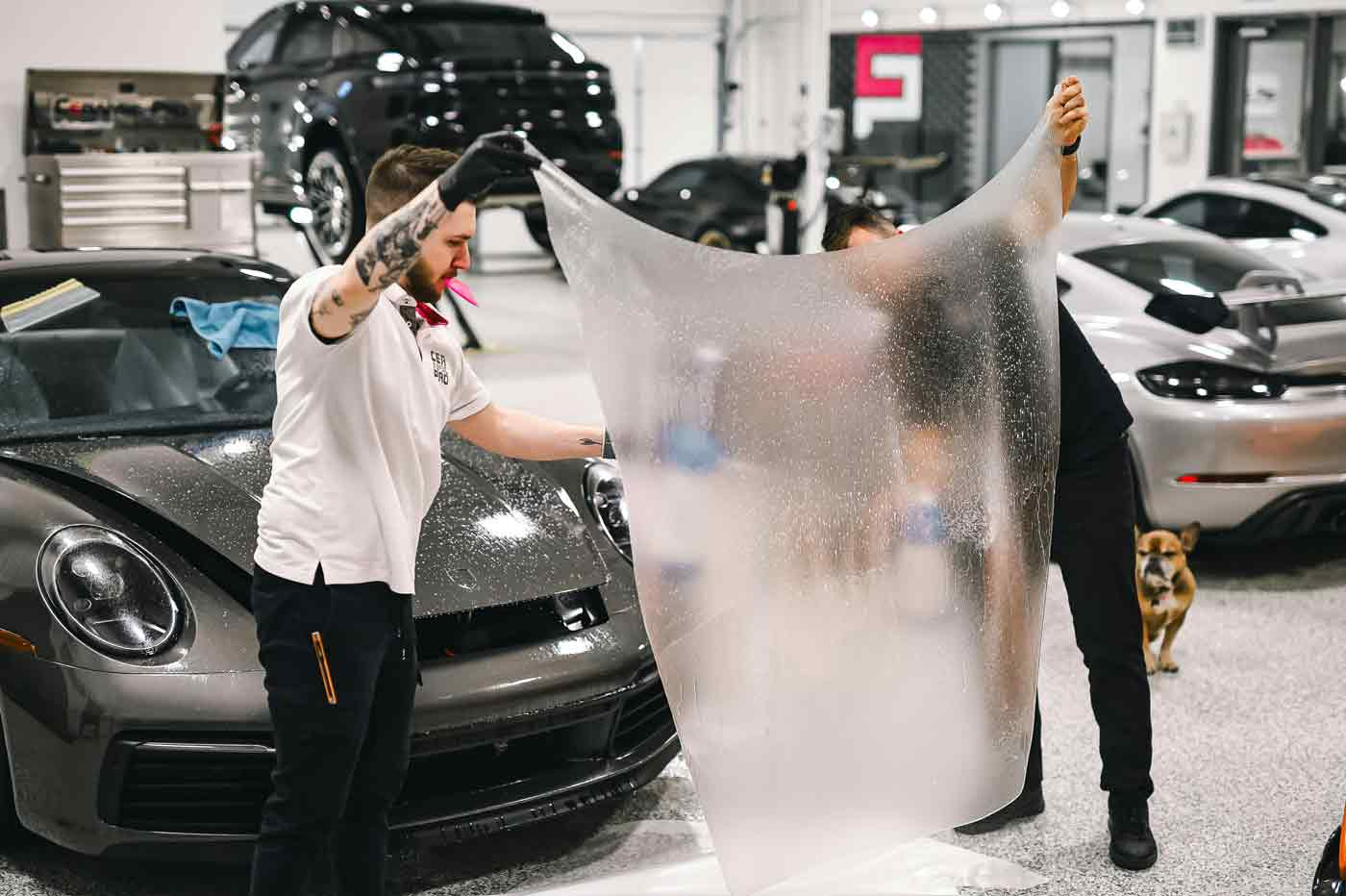
Bulk installation starts with a large roll of film. The installer stretches, shapes, and trims the film directly on your car‘s surface. Skilled professionals can achieve incredibly clean results with minimal seams, but there’s always some risk involved — blades near painted surfaces, potential for uneven edges, and variation in quality depending on the installer‘s skill level.
Most professional shops today use pre-cut systems (often called templated or plotter-cut installation) because they deliver consistent, high-quality results while reducing risk and installation time.
Why China Has Become a Global PPF Powerhouse
China has emerged as a leading producer of high-quality PPF, with numerous factories offering innovative and reliable products at competitive price points. The country‘s manufacturing infrastructure, combined with growing domestic demand from the world’s largest automotive market, has created a robust ecosystem for paint protection film production.
Leading Chinese PPF manufacturers include UPPF, LEONARDO, Letbon, NICK, and others — all producing TPU-based films that meet international quality standards. And among these, Decowell has built a strong reputation as a trusted partner for distributors and installers worldwide.
Why Decowell Stands Out in the PPF Market
Look, I‘ve been in this industry long enough to know that every manufacturer claims to make “high-quality” film. But quality isn’t just what you put on the box. It‘s what you get when the film hits real-world conditions — highway debris, UV exposure, extreme temperatures, and daily wear.
Decowell is a professional manufacturer dedicated to the research, development, production, and sales of premium automotive films — including Paint Protection Film (PPF), Window Film, Color Change Wrap, and Architectural Film. With years of experience in the industry, Decowell has built a reputation for delivering reliable, high-performance film solutions at factory-direct prices.
What sets Decowell apart?
Premium TPU Materials. Decowell‘s PPF line is built on high-quality thermoplastic polyurethane — the same material trusted by luxury automakers worldwide. No PVC shortcuts. No TPH compromises.
Self-Healing Technology. Minor scratches and swirl marks disappear with heat exposure. The film maintains its clarity and gloss year after year.
Excellent Optical Clarity. Decowell PPF is engineered to be virtually invisible once applied — your paint’s true color and depth shine through without distortion.
Hydrophobic Top Coat. Water, dirt, and contaminants bead up and roll off, making your car easier to clean and keeping it looking pristine between washes.
Factory-Direct Pricing. By controlling the entire manufacturing process — from raw material sourcing to production to quality control — Decowell delivers exceptional value. You get premium protection without paying for inflated brand markups.
Customization Options. Need specific sizes, thicknesses, or finishes? Decowell works with partners to develop tailored solutions for your market‘s unique needs.
Comprehensive Product Line. Beyond PPF, Decowell offers automotive window film (heat rejection, UV protection), color change wrap (gloss, matte, satin, textured finishes), and architectural film for building applications. One partner. Multiple solutions.
Global Shipping and Support. Decowell serves customers worldwide with efficient logistics, responsive communication, and technical support for installers.
Whether you’re a distributor looking for a reliable PPF supplier, an installer seeking consistent quality for your clients, or a car owner wanting to protect your investment — Decowell delivers.
Frequently Asked Questions About PPF
Q1: How long does PPF last?
A: Premium TPU-based PPF typically lasts 7–10 years with proper maintenance. PVC and TPH films last 1–5 years, depending on quality and exposure conditions.
Q2: Does PPF really self-heal?
A: Yes — high-quality TPU PPF contains shape-memory polymers that revert to their original state when exposed to heat (sunlight or warm water). Minor scratches and swirl marks disappear without any intervention. The self-healing effect is heat-activated at around 140°F (60°C).
Q3: Will PPF yellow over time?
A: Low-quality PVC and TPH films absolutely will yellow, often within 1–3 years. Premium aliphatic TPU, like what Decowell uses, is engineered to resist yellowing and maintain optical clarity for 5–10 years.
Q4: Is PPF worth the money?
A: For anyone who cares about their car‘s appearance and resale value, absolutely. A full-frontal PPF installation costs less than a single repaint of your hood and bumper — and it prevents damage before it happens, rather than fixing it after the fact. Intact factory paint can increase resale value by 8–15%.
Q5: Can I install PPF myself?
A: Yes, pre-cut DIY kits are available for specific vehicle models. They eliminate the need for cutting on your car and come with installation instructions. However, professional installation delivers the most seamless, invisible results — especially on complex curves and high-visibility areas.
Q6: Can I put ceramic coating over PPF?
A: Absolutely. In fact, many enthusiasts apply a ceramic coating over their PPF for the best of both worlds: physical impact protection from the film and hydrophobic slickness from the coating. This hybrid approach maximizes protection and simplifies maintenance.
Q7: How do I maintain PPF?
A: PPF is surprisingly low-maintenance. Wash with pH-neutral car soap and a soft microfiber cloth. Avoid harsh chemicals and abrasive compounds. For minor swirls, rinse with warm water or let sun exposure activate self-healing. Let the film cure before the first wash (typically a few days after installation).
Q8: What‘s the difference between PPF and vinyl wrap?
A: PPF is designed for protection — thickness, impact resistance, self-healing. Vinyl wrap is designed for color change — thinner, less protective, but available in countless colors and finishes. Some products now combine both: colored PPF that changes your car’s appearance while providing real protection.
Q9: Which parts of my car should get PPF?
A: The highest-impact areas are the hood, front bumper, front fenders, side mirrors, rocker panels, and rear guards behind the wheels. Full-vehicle coverage provides ultimate protection but comes at a higher cost. Many owners choose a front-end package plus high-wear areas like door edges and handles.
Q10: How do I choose a PPF supplier?
A: Look for manufacturers who use genuine TPU (not TPH masquerading as TPU), offer clear technical specifications and warranty information, have responsive customer support, and can provide samples for testing. That‘s exactly what Decowell delivers.
Ready to Protect Your Investment?
Whether you‘re a distributor looking for a reliable PPF supplier, an installer seeking consistent quality for your clients, or a car owner wanting to protect your vehicle — Decowell is ready to help.
Get in touch with Decowell today.
We offer:
Factory-direct pricing on premium TPU PPF
Comprehensive technical specifications and support
Fast global shipping
Customization options for distributors
Samples available for testing
Don’t wait until that first rock chip ruins your paint. Protect it now with Decowell PPF.