Home » Aventurine Green Car Wrap: The Gentleman’s Spec That’s Taking Over 2026
Recent Posts
Aventurine Green Car Wrap: The Gentleman’s Spec That’s Taking Over 2026
Let me be straight with you — I’ve seen a lot of car wrap colors come and go. Neon greens, electric blues, matte blacks that look like primer. But every once in a while, a color comes along that just hits different. Aventurine Green is that color right now.
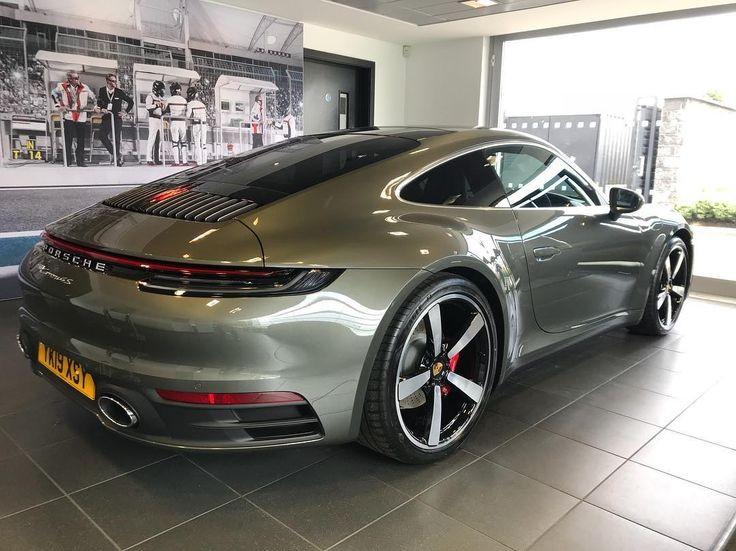
If you haven’t noticed yet, this muted, sophisticated grey-green with metallic depth is everywhere. Porsche basically made it famous on the 992 generation 911, and now car enthusiasts can’t get enough of it. The best part? You don’t need to drop six figures on a German sports car to get that look.
In this guide, we’re going to break down everything about Aventurine Green car wrap — why it works, what to look for in a quality film, how to maintain it, and most importantly, where to get the best one on the market. Spoiler alert: Decowell Film has entered the chat, and they’re bringing serious heat.
Let’s dive in.
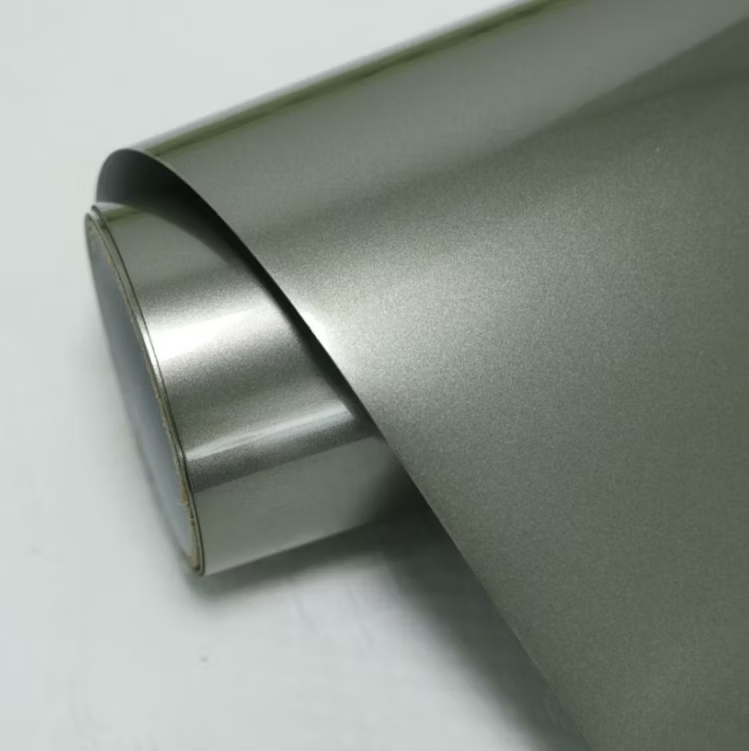
Table of Contents
What Exactly Is Aventurine Green?
Before we get into the wrap side of things, let’s talk about the color itself.
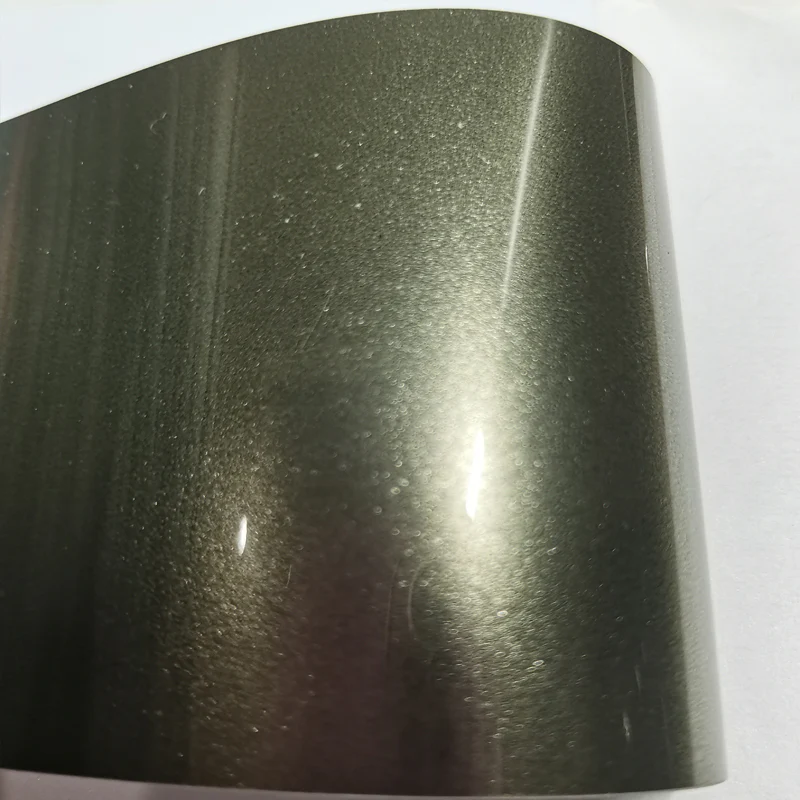
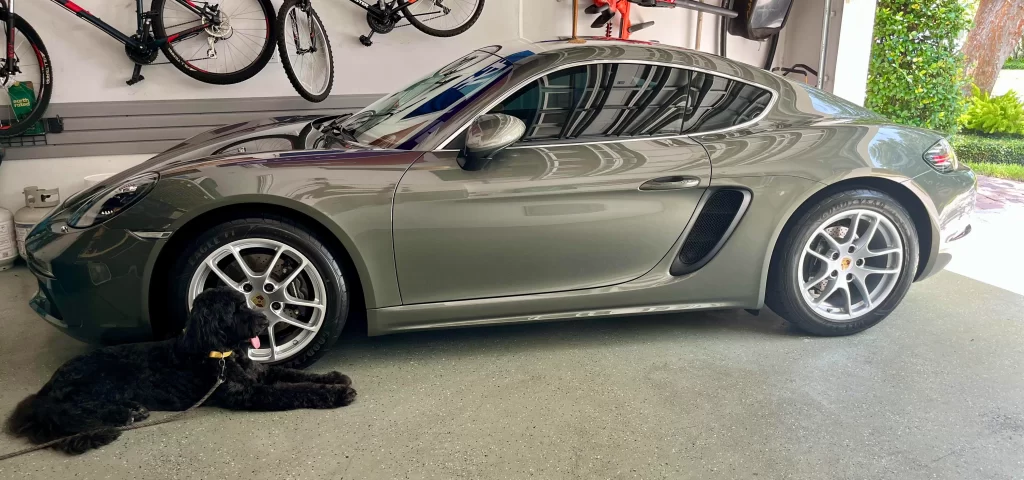
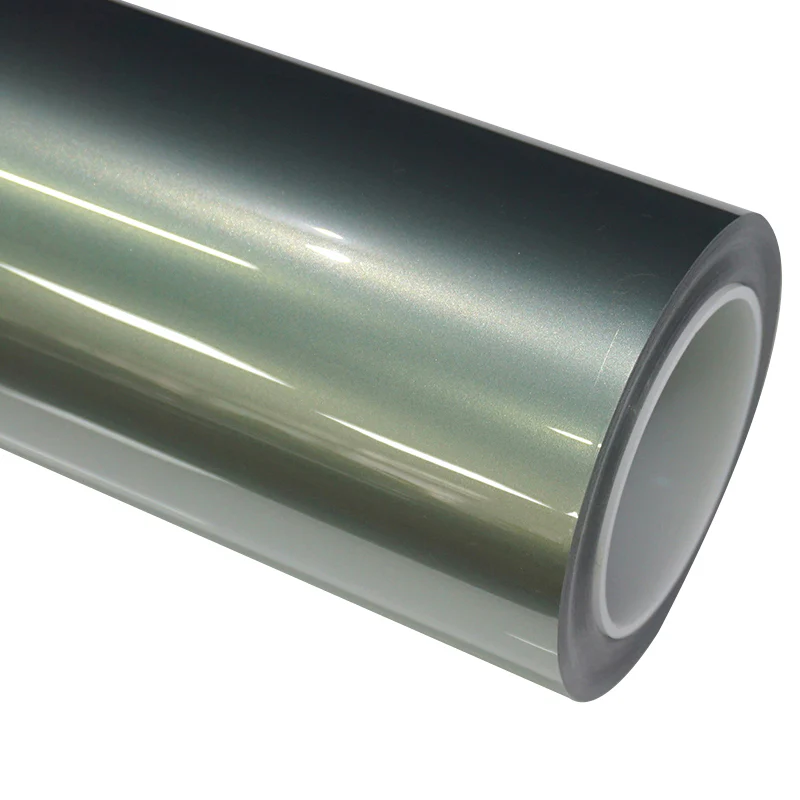
Aventurine Green isn’t your typical green. It’s not a loud, in-your-face racing green. It’s not a pastel or a neon. It’s a muted, medium green with blue-grey undertones and a fine metallic flake that catches light in a way that feels expensive — because it is.
Here’s what makes this color special:
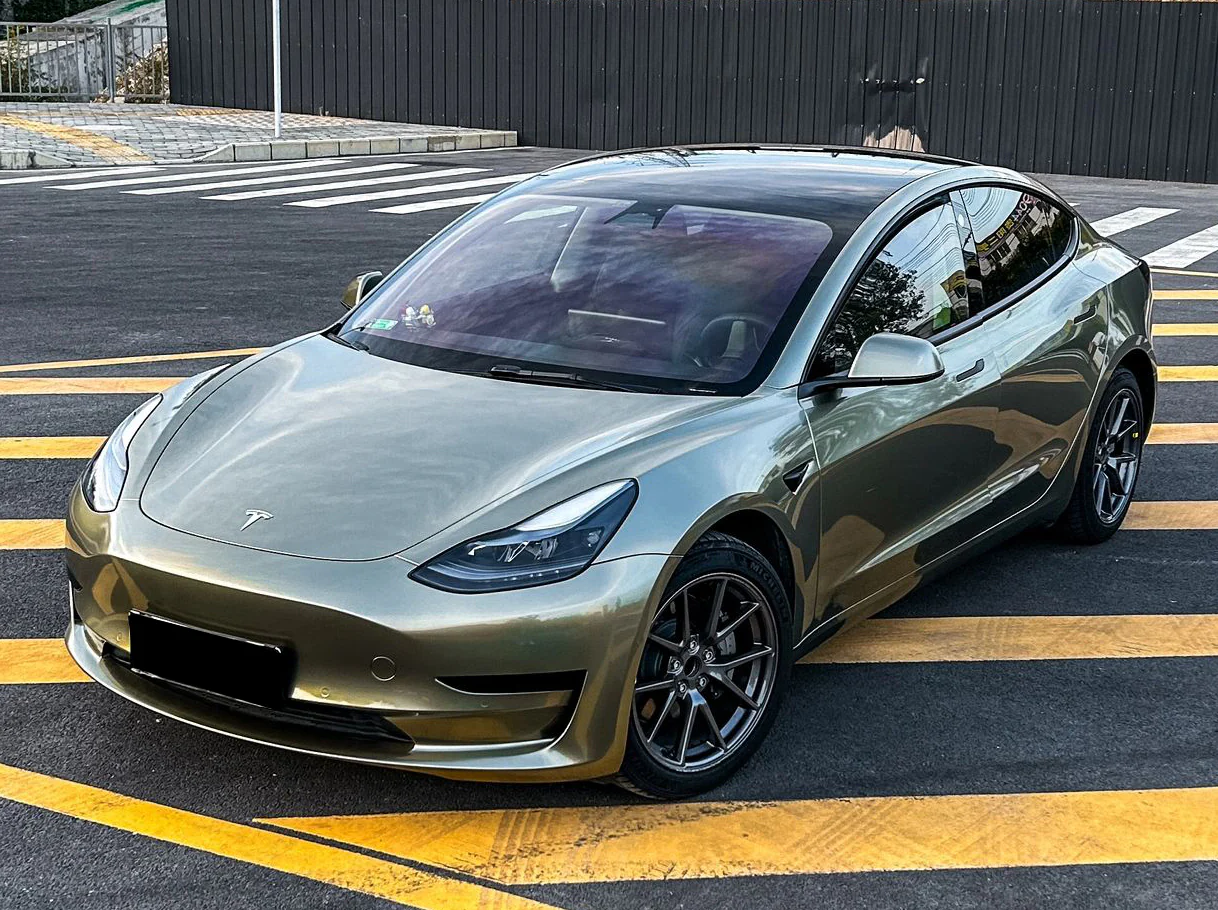
In low light or overcast conditions, it reads as a refined, steely grey with a hint of moss. Very understated. Very “stealth wealth.”
When the sun hits it, the deep green undertones surge to the surface, and that metallic flake starts shimmering. It’s like the car has a secret personality that only comes out at the right moment.
Car guys call this a “Gentleman’s Spec” — understated, elegant, and undeniably expensive-looking without screaming for attention. It’s the color equivalent of a tailored suit.
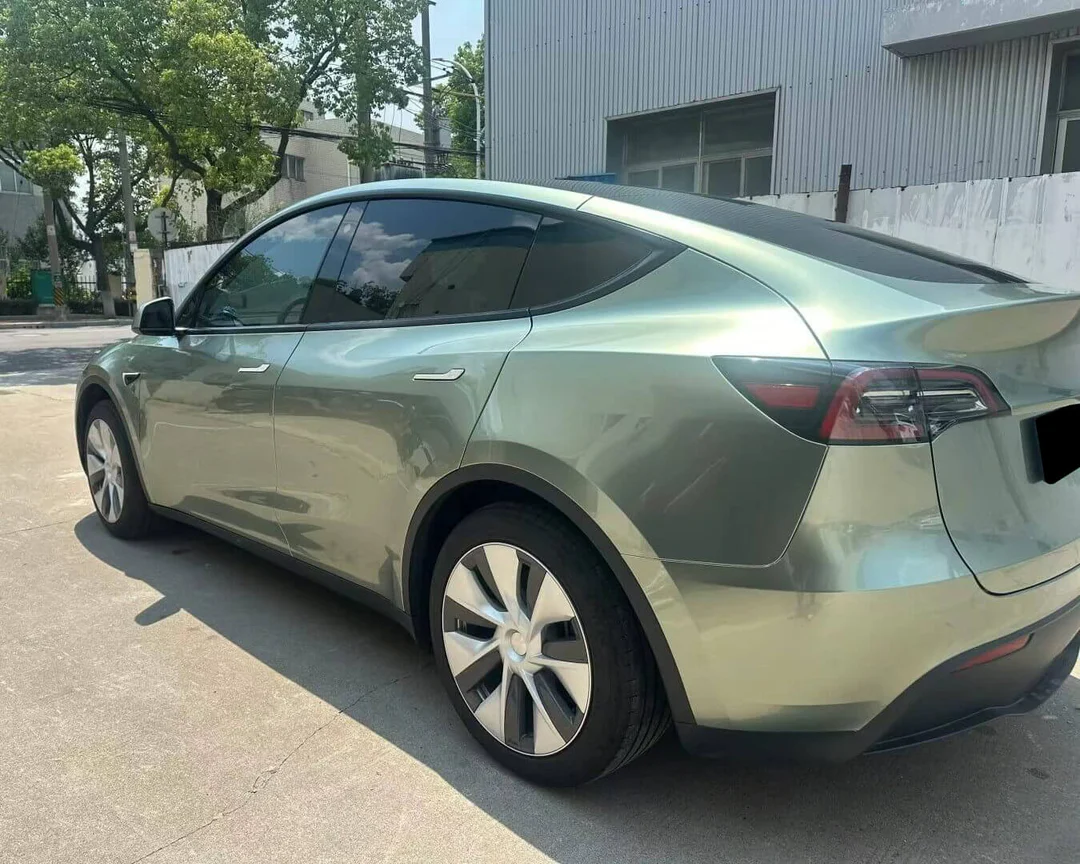
And here’s the thing — this color works on basically everything. Luxury sedans? Yes. SUVs? Absolutely. Sports cars? That’s where it really shines. Even pickup trucks look mean in this color if you do it right.
Vinyl Wrap vs. PPF: Which One Do You Actually Need?
This is where a lot of people get confused. Let me clear it up for you.
When you’re looking for an Aventurine Green finish, you’ve got two main options:
Option 1: Colored Vinyl Wrap (PVC-based)
This is your traditional car wrap. It’s made from high-polymeric PVC, comes in every color imaginable, and is designed primarily for aesthetic transformation. It changes the look of your car, but it offers minimal protection — think light scratch resistance at best.
Best for: People who want a color change on a budget and don’t care as much about paint protection. Lifespan is typically 3-5 years.
Option 2: Colored Paint Protection Film (TPU-based)
This is the newer, better option. Colored PPF is made from thermoplastic polyurethane (TPU) — the same material used in clear bra protection films, but with pigment added. You get the color change AND serious protection.
What TPU gives you:
Self-healing properties — minor scratches and swirl marks disappear with heat (sunlight or a heat gun).
Stone chip resistance — that 7.5-8 mil thickness actually stops rocks from damaging your paint.
UV protection — no fading, no yellowing, even after years in the sun.
Hydrophobic coating — water beads and rolls off. Dirt doesn’t stick as easily.
Best for: People who actually care about their factory paint and want their wrap to last 5-10 years.
Here’s the bottom line: If you’re going to spend the money on an Aventurine Green transformation, don’t cheap out with basic vinyl. Get colored PPF. Your paint will thank you later.
And this is exactly where Decowell Film comes in. They specialize in premium TPU-based colored PPF with the kind of optical clarity and self-healing performance that used to only come from brands 3x the price.
Why PET Liner Technology Matters More Than You Think
Let me explain something that most wrap shops won’t tell you.
Traditional vinyl wraps use paper release liners. Paper is cheap, but it has a problem — it’s not perfectly smooth. That texture transfers to the adhesive side of the film. When you install it, you end up with a slightly hazy, orange-peel finish that doesn’t look like real paint.
PET (polyethylene terephthalate) liners are different. They’re synthetic, glass-smooth, and they keep the adhesive side of the film perfectly flat. The result? A finish that actually rivals factory clear coat. No orange peel. No haze. Just deep, mirror-like gloss.
Almost every premium film on the market has moved to PET liners. Decowell uses high-density PET release liners on all their colored PPF products — 100G or higher — so you get that wet, deep finish that makes Aventurine Green look like a million bucks.
When you see a wrapped car that looks “painted,” it’s probably PET liner film.
Technical Specifications: What to Look For
If you’re a shop owner or a serious DIY guy, you need to know what you’re buying. Here are the specs that separate good film from great film:
Material Type
Entry-level: PVC (polyvinyl chloride) — okay for color change, minimal protection.
Premium: TPU (thermoplastic polyurethane) — self-healing, impact-resistant, UV-stable.
Thickness
Vinyl wraps: Usually 3.5-4 mils for the color layer, 6-7 mils total with liner.
Colored PPF: Look for 7.5 mil or thicker for real protection. Decowell’s TPU films hit that sweet spot.
Adhesive
You want a solvent-based, repositionable acrylic adhesive. Why? Because you need to be able to slide the film around during installation to get perfect alignment. Low-tack at first, then it bonds stronger over 24-48 hours.
Avoid anything that claims “dry application only” — that’s a headache waiting to happen.
Air Release Technology
Non-negotiable. The film should have invisible air-release channels (often called “air-egress” or “micro-channels”) that let you squeegee out bubbles without breaking a sweat. All premium films have this now. Decowell does too.
Self-Healing Topcoat
This is the magic sauce. A good self-healing topcoat has a “memory” — when the film gets scratched, the polymer chains realign when heated. You want at least a 10-micron topcoat layer. Some of Decowell’s premium lines have even thicker coatings for better scratch resistance.
How Much Vinyl Do You Need for an Aventurine Green Wrap?
This is one of the most common questions we get. Here’s a quick cheat sheet:
| Vehicle Size | Vinyl Needed (approx.) | Decowell Roll Recommendation |
|---|---|---|
| Small car (Audi A3, BMW 3-series, Civic) | 50-55 ft | 1.52m x 15m |
| Midsize car (Camaro, Mustang, Camry, Accord) | 60-65 ft | 1.52m x 18m |
| Full-size car / small SUV | 60-70 ft | 1.52m x 21m |
| Full-size SUV / truck (Suburban, F-150) | 70-85 ft | 1.52m x 25m |
Based on 5ft (1.52m) wide rolls — industry standard.
Pro tip: Always buy 10-15% extra for mistakes, bumpers, and complex curves. Nothing’s worse than running out of film halfway through a hood.
Installation: What You Should Know
Installing colored PPF is NOT the same as installing vinyl wrap. It’s thicker, less stretchy, and requires more skill.
For DIY Guys:
You need a clean, dust-free environment. Garage floor installs are risky unless you’ve done it before.
Use the wet application method — slip solution (water + baby shampoo) lets you position the film before tacking it down.
Post-heating is mandatory. After you lay the film, go over edges and curves with a heat gun (110°C for flat surfaces, up to 130°C for tight curves). This “sets” the adhesive and prevents lifting.
Give it 12-24 hours indoors to cure before driving.
For Shops:
This is where you can make serious margin. Aventurine Green is trending hard right now. Customers are asking for it by name. Stock Decowell’s rolls, offer premium installation, and charge accordingly. The demand isn’t going away anytime soon.
Honestly? If you’ve never installed PPF before, pay a professional. The material cost is too high to learn on. And a bad install will ruin the look of even the most beautiful color.
How to Maintain Your Aventurine Green Wrap
Once you’ve got that gorgeous green finish, you want to keep it looking fresh. Here’s how:
DO:
Hand wash with pH-neutral car soap and a soft microfiber mitt.
Dry with a microfiber towel to prevent water spots.
Use a ceramic coating on top of the PPF for even better hydrophobic properties. (Yes, you can ceramic coat PPF.)
Remove bird droppings and bug splatter ASAP — the acids can stain if left too long.
DON’T:
Don’t use automatic car washes with brushes. Those bristles will scratch the film (though minor scratches will self-heal, why risk it?).
Don’t use high-pressure sprayers near edges — you can lift the film.
Don’t use wax or polish containing petroleum distillates. Stick with PPF-safe products.
Don’t leave the film on for 10+ years if it’s low-quality vinyl. Premium TPU can last 7-10 years, but cheap PVC will crack and become a nightmare to remove.
What’s the Difference Between Aventurine Green and Similar Colors?
This is important because a lot of brands try to pass off similar greens as “Aventurine.”
| Color | Undertones | Metallic Flake | Best Comparison |
|---|---|---|---|
| Aventurine Green | Grey-blue with green | Fine, subtle silver/gold | Think Porsche 992 |
| British Racing Green | Deep, pure green | Usually low or none | Classic, traditional |
| Olive Green | Yellow-brown undertones | Often matte | Military / tactical |
| Khaki Green | Brown/tan undertones | Rare | Desert vibe |
| Midnight Green | Blue-black dominant | Heavy flake | Almost teal in light |
Aventurine Green is unique because it’s muted but alive — it doesn’t scream, but it definitely speaks. That grey undertone is what makes it work on modern cars with sharp body lines. It smooths out the design and gives it a sculpted, liquid-metal appearance.
Why Decowell Film Should Be Your Go-To for Aventurine Green
Look, I’ve tested a lot of films. I’ve seen the cheap stuff that fades in 6 months. I’ve seen the mid-tier stuff that’s fine but nothing special. And I’ve seen the premium brands that charge an arm and a leg.
Decowell hits the sweet spot.
Here’s why they’re worth your attention:
1. TPU with Real Self-Healing
Decowell’s colored PPF uses premium TPU resin with a genuine self-healing topcoat. Minor scratches disappear with heat. No gimmicks.
2. PET Liner for That Glass Finish
No orange peel. No haze. Just deep, mirror-like gloss that makes Aventurine Green’s metallic flake pop like crazy.
3. 7.5+ Mil Thickness for Real Protection
This isn’t thin vinyl that tears if you look at it wrong. Decowell’s TPU film is thick enough to stop rock chips and light abrasions.
4. Repositionable Adhesive
Installers love this. You can slide the film around during application to get perfect alignment before tacking it down. Low initial tack, strong final bond.
5. 5-Year Warranty on TPU Products
That’s confidence. No fading, no cracking, no yellowing — or they’ve got your back.
6. Competitive Pricing
You’re not paying for a fancy Italian name. You’re paying for performance. Decowell gives you premium specs at a price that actually makes sense for shops and serious DIYers.
7. Full Roll Sizes That Make Sense
From 1.52m x 6m (partial wraps) up to 1.52m x 25m (full SUVs and trucks). They’ve got the right size for every job.
If you’re a shop owner looking for a reliable colored PPF supplier, or a car enthusiast who wants that Porsche Aventurine Green look without the dealer markup — Decowell Film is the move.
Frequently Asked Questions (FAQ)
Q: How long does an Aventurine Green car wrap last?
A: Depends on the material. Basic vinyl wraps last 3-5 years with proper care. Premium TPU-based colored PPF (like Decowell) can last 5-10 years — it resists fading, cracking, and yellowing much better than vinyl.
Q: Will the wrap damage my factory paint?
A: No — if you use quality film and remove it correctly. Cheap vinyl can leave residue or bond too aggressively. Premium films with solvent-based acrylic adhesives (like Decowell’s) remove cleanly with heat. The only risk is if your car has aftermarket paint or poor clear coat — that’s on the paint, not the wrap.
Q: Can I install this myself?
A: You can try. But colored PPF is thicker and less forgiving than vinyl. If you’ve never installed PPF before, hire a pro. The cost of wasted material is higher than the installation fee. If you’re experienced, Decowell’s films are installer-friendly — repositionable adhesive, air-release channels, and PET liner for smooth application.
Q: How do I know how much film to buy?
A: Measure your vehicle length in inches, multiply by 3 (both sides + top), add 10-15 feet for bumpers and mistakes, and round up. A full sedan usually needs 50-60 feet. An SUV needs 70-85 feet. When in doubt, buy extra. Better to have leftovers than to run out.
Q: What’s the difference between Aventurine Green vinyl and Aventurine Green PPF?
A: Vinyl = color change only. PPF = color change + paint protection (self-healing, stone chip resistance, UV protection). PPF is thicker, more durable, and more expensive. Worth it if you actually care about your car’s paint.
Q: Can I wrap just part of my car in Aventurine Green?
A: Absolutely. Hood, roof, mirrors, accents — Aventurine Green looks killer as an accent color on black, white, or grey cars. Decowell sells smaller rolls (1.52m x 6m) specifically for partial wraps.
Q: How do I clean my wrapped car?
A: Hand wash only. pH-neutral soap, soft microfiber mitt, low-pressure water. Dry with a clean microfiber. Avoid automatic car washes and high-pressure sprayers near edges.
Q: Does Aventurine Green fade in the sun?
A: Cheap film? Yes. Premium TPU with UV inhibitors? No. Decowell’s films are formulated to resist fading — they’ve got UV stabilizers built into the topcoat and the pigment layer. 5-year warranty against fading speaks for itself.
Q: Can I ceramic coat my Aventurine Green wrap?
A: Yes — and you should. Ceramic coating adds hydrophobic properties, makes cleaning easier, and extends the life of the film. Just make sure the ceramic coating is compatible with PPF (most are).
Q: Is Aventurine Green still trending, or is it fading out?
A: It’s still climbing. Porsche made it famous, and now it’s spreading across every segment — luxury SUVs, sports cars, even trucks. Unlike flashy colors that come and go, Aventurine Green has staying power because it’s sophisticated. It’s not a trend — it’s a classic in the making.
Q: Where can I buy Decowell Aventurine Green wrap?
A: Contact Decowell Film directly for wholesale pricing, sample swatches, and technical datasheets. They work with shops worldwide and can point you to local distributors or ship direct.
Final Thoughts: Is Aventurine Green Right for You?
Here’s the honest truth.
If you want a car that screams for attention at every stoplight — this isn’t your color. Go get a bright orange or a neon yellow.
But if you want something that makes people do a double-take? Something that looks like it costs twice what you paid? Something that feels refined, timeless, and just a little bit secretive?
Aventurine Green is your color.
And when you combine that incredible color with the protection of TPU-based colored PPF from Decowell Film — you’re not just wrapping a car. You’re making an investment in something that’ll look amazing and protect your paint for years to come.
Don’t settle for cheap vinyl that’ll fade in 18 months. Don’t overpay for a brand name that’s just reselling the same Chinese TPU with a markup.