Home » What Is Better Ceramic Coating or PPF? A Complete Guide to Paint Protection
Recent Posts
What Is Better Ceramic Coating or PPF? A Complete Guide to Paint Protection
Short answer: It depends on what you’re protecting against. Ceramic coating is better for gloss, easy cleaning, and chemical resistance. PPF (paint protection film) is better for stopping rock chips, scratches, and physical impact. For most drivers, the best answer isn’t choosing one — it’s understanding how they work together.
Let’s break it down without the jargon.
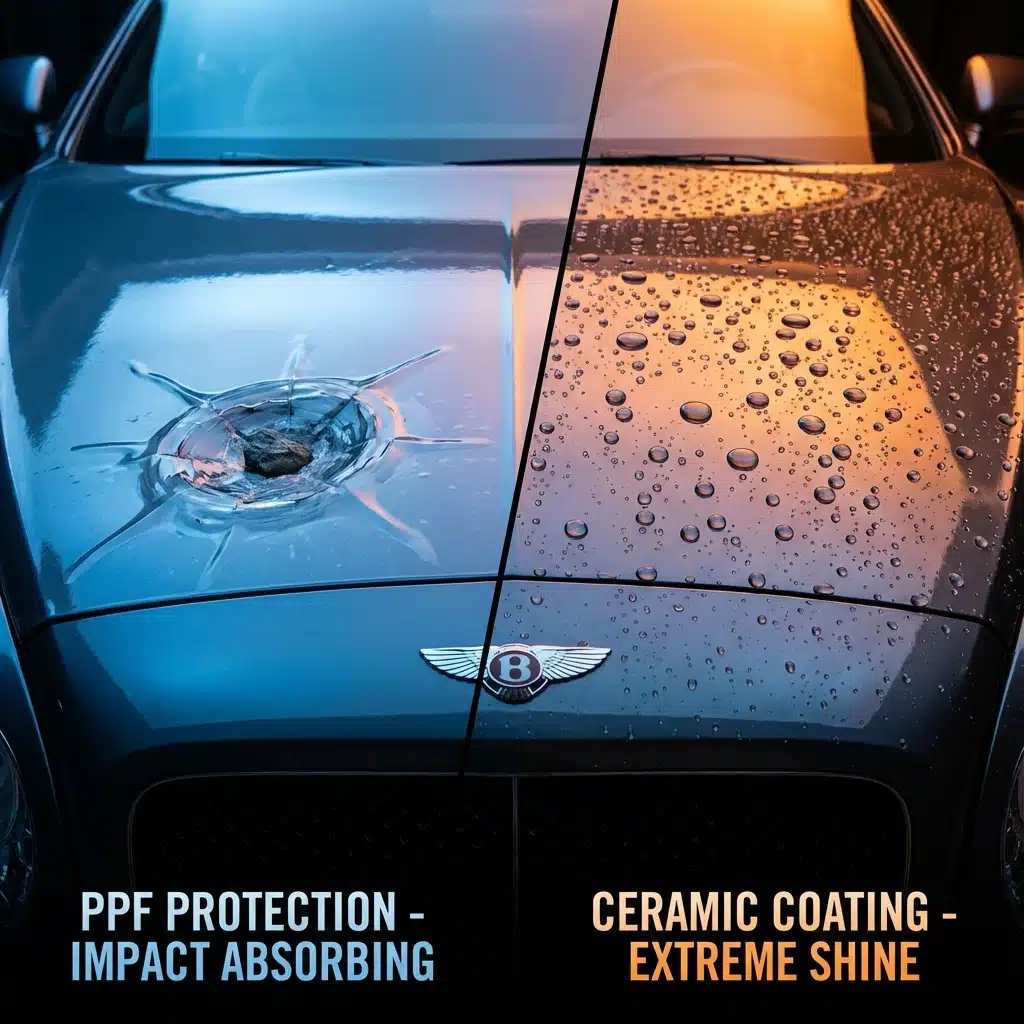
Table of Contents
First, Let’s Get Clear on What Each One Actually Does
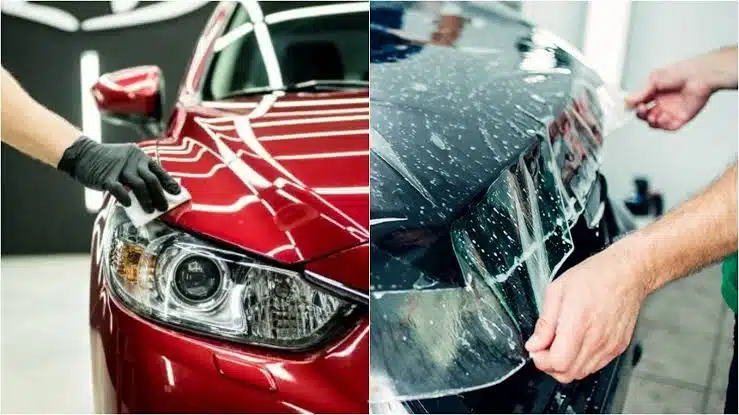
The ceramic coating vs PPF debate gets confusing because both products are marketed as “paint protection.” But they protect against completely different things.
PPF is a thick, transparent urethane film that you apply directly to your car’s painted surfaces. Think of it as a clear, flexible shield sitting on top of your paint. When a rock kicks up from the highway, the film absorbs the hit so your paint doesn’t have to. It’s physical armor.
Ceramic coating is a liquid polymer — usually silica-based (SiO2) — that chemically bonds to your clear coat. Once cured, it creates a hydrophobic, glass-like layer that repels water, dirt, and environmental contaminants. It’s chemical protection that also amps up gloss.
One stops what hits your paint. The other protects against what lands on it and stays there. That’s the core distinction.
PPF: The Physical Barrier Your Paint Actually Needs
What It’s Made Of
Paint protection film is a multi-layer thermoplastic polyurethane (TPU) film. Premium films range from 150 to 250 microns thick — that’s roughly the thickness of a few sheets of paper stacked together, but dense enough to absorb serious impacts.
Where PPF Genuinely Shines
Highway driving is brutal on paint. Every mile you rack up puts your front bumper, hood leading edge, side mirrors, and rocker panels in the line of fire. PPF on these high-impact zones is the single most effective way to keep your factory paint intact.
Modern PPF also has self-healing properties. Minor scratches and swirl marks literally disappear when the film is exposed to heat — sunlight or warm water is usually enough. It’s a genuinely useful feature that keeps the film looking smooth over time.
Where PPF Falls Short
PPF doesn’t make your car shinier. It maintains your original paint appearance — which is great if you love your factory color — but it won’t add that deep, wet-look gloss that ceramic coating delivers.
PPF can also be porous, meaning contaminants like bird droppings and tree sap can still bond to the film surface if you don’t clean them off reasonably quickly.
Ceramic Coating: The Gloss and Easy-Clean Layer
How It Works
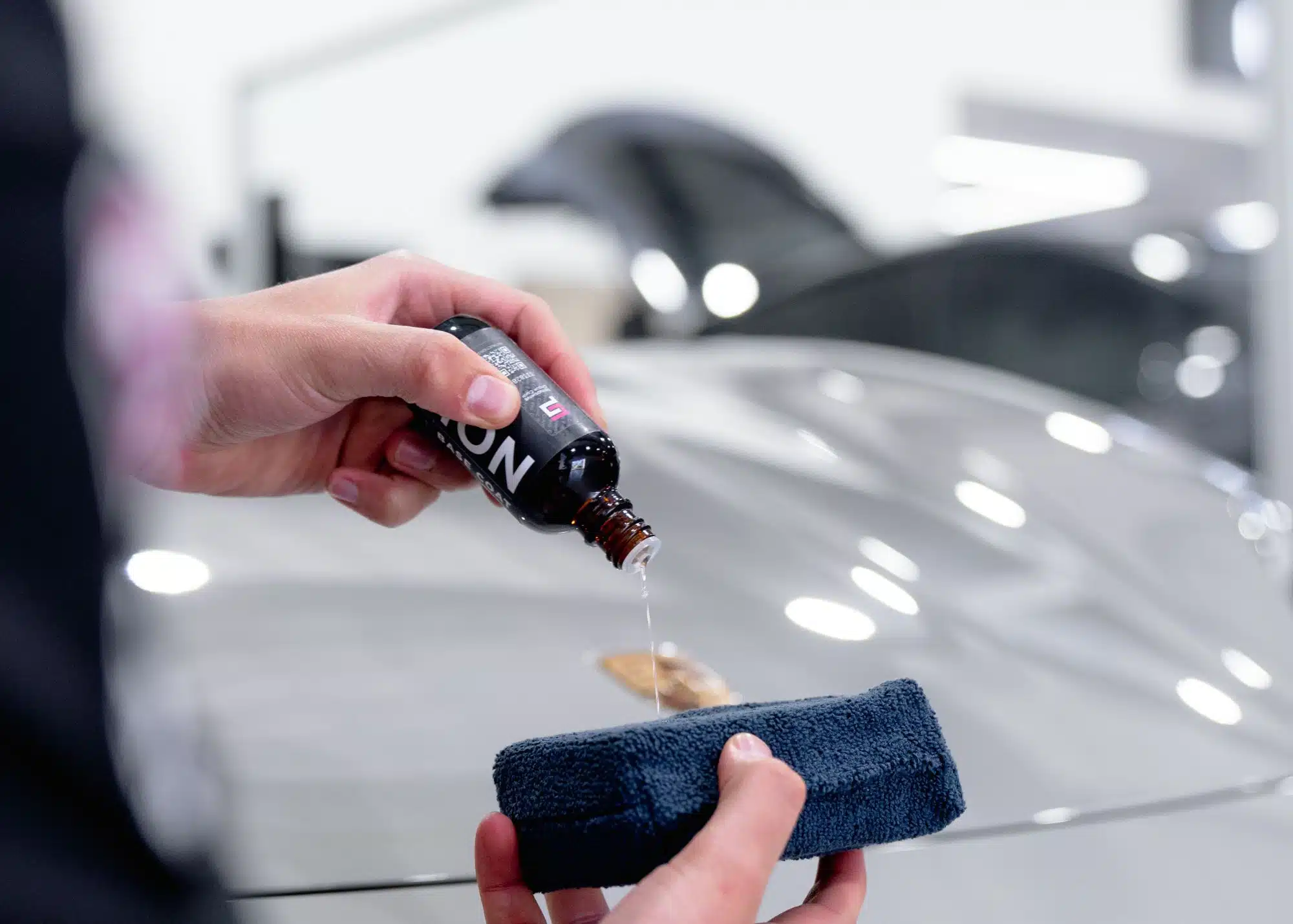
A ceramic coating is applied as a liquid and cures into a semi-permanent layer that becomes part of your clear coat. The SiO2 molecules fill microscopic pores in the paint, creating a surface that’s smooth at a near-molecular level.
What You Actually Get
The most practical benefit is hydrophobicity. Water beads up aggressively and sheets off, carrying dirt and grime with it. If you’ve ever spent 45 minutes drying a car only to see water spots appear, you understand why this matters. A coated car typically needs fewer washes, and each wash takes less effort.
Ceramic coating also enhances gloss and color depth. It gives the paint a crystalline, showroom-like finish that PPF alone can’t replicate.
On the protection side, it’s excellent against UV rays, acid rain, bird droppings, bug splatter, and industrial fallout. These are the things that slowly degrade your paint over months and years.
The Limitation You Need to Accept
Ceramic coating is measured in microns — it’s incredibly thin. It offers minimal resistance to rock chips, door dings, or deep scratches. A ceramic coating is not a substitute for physical protection.
If your daily commute involves highway miles or construction zones, ceramic coating alone will leave your front end vulnerable.
Head-to-Head: What Actually Matters to You
Protection type: PPF = physical impact. Ceramic = environmental and chemical.
Rock chip defense: PPF wins decisively. Ceramic offers essentially none.
Gloss enhancement: Ceramic wins. PPF preserves original appearance but doesn’t amplify it.
Ease of maintenance: Both make washing easier, but ceramic’s hydrophobic properties give it the edge for day-to-day cleanliness.
Self-healing: PPF has it. Ceramic doesn’t.
Flexibility of coverage: Ceramic can be applied to the entire vehicle, including glass, wheels, and trim. PPF is best suited for painted panels.
Who benefits most: If you drive on highways or live near construction, PPF addresses your biggest risk. If you park indoors and prioritize appearance, ceramic delivers more visible value.
The Answer Most People Don’t Expect: They’re Better Together
Here’s where the what is better ceramic coating or ppf question gets interesting. These two products aren’t competitors — they’re complementary.
The ideal setup for comprehensive protection looks like this:
Install PPF on high-impact zones — front bumper, hood, fenders, mirrors, rocker panels
Apply ceramic coating over the entire vehicle — including on top of the PPF itself
Why does this work so well? PPF handles the physical threats that ceramic coating was never designed for. Ceramic coating then adds hydrophobic performance, UV resistance, and gloss — even on top of the film. When you layer ceramic over PPF, water repellency improves noticeably compared to PPF alone.
This hybrid approach gives you physical impact defense where you need it most, plus chemical and environmental protection everywhere else. For drivers who want the most complete paint protection available, this is the setup that delivers.
Why Decowell Film Should Be on Your Radar
If you’ve been researching paint protection options, you’ve probably noticed that the market is flooded with brands claiming to offer the best film. Here’s what sets Decowell Film apart.
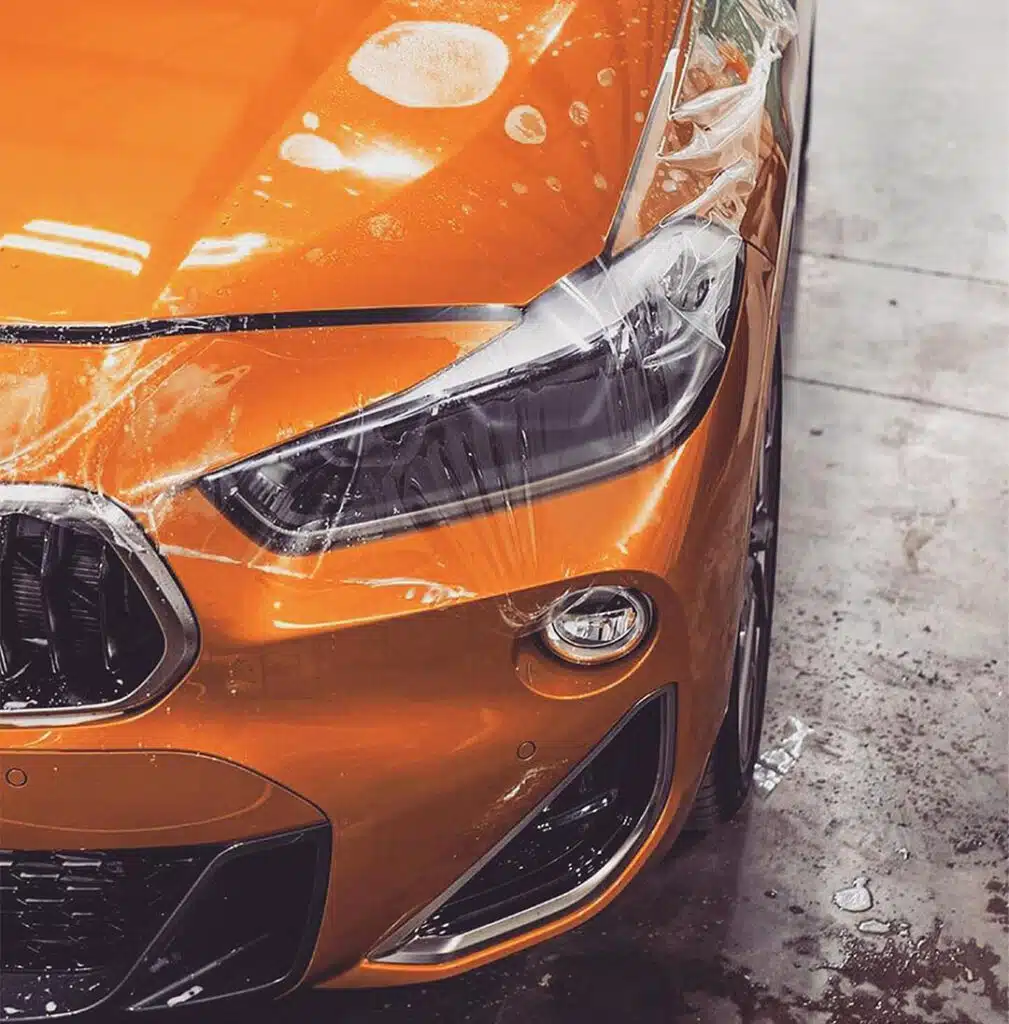
Decowell Film manufactures TPU-based paint protection film designed for real-world durability. The film is engineered to conform to complex vehicle contours — bumpers, mirrors, and curves — which means a cleaner install with fewer seams and lifted edges. That’s not just an aesthetic concern; proper coverage directly affects how well the film protects.
For drivers considering a paint protection film solution, Decowell offers options that pair effectively with ceramic coatings. The film serves as the physical foundation, and the coating adds the hydrophobic, easy-clean layer that keeps your car looking sharp between washes.
Whether you’re protecting a new vehicle or refreshing a daily driver, pairing a PPF install with a ceramic top layer gives you layered protection that addresses both impact damage and environmental wear.
How to Choose Based on Your Actual Driving Situation
You drive 15,000+ miles a year on highways. Start with PPF on the front end. Rock chips are your primary threat, and no coating will stop them.
Your car stays mostly in a garage and you care about appearance. Ceramic coating alone delivers the gloss, hydrophobic performance, and UV protection you need.
You just bought a new car and want to preserve it. Get PPF on high-impact areas and ceramic over everything. The sooner you protect the paint, the better the long-term results.
You’re on a tighter budget but still want real protection. A quality ceramic coating provides genuine hydrophobic and UV benefits at a more accessible entry point. Add PPF to the most vulnerable areas when budget allows.
You own a high-value or collectible vehicle. The hybrid approach isn’t optional — it’s the smart investment. Preserving original paint has a direct impact on resale value.
Frequently Asked Questions
Can you apply ceramic coating over PPF?
Yes, and it’s actually a highly recommended approach. The ceramic coating bonds to the PPF surface and adds hydrophobic properties, UV protection, and gloss that the film alone doesn’t provide. Install PPF first, let it cure, then apply the coating on top.
Does PPF need maintenance?
PPF is relatively low-maintenance, but it’s not zero-maintenance. Regular washing with pH-balanced products keeps the film clear and prevents contaminant buildup. Avoid abrasive cleaners and brushes that can scratch the film surface.
Will ceramic coating hide scratches or swirl marks?
No. Ceramic coating actually magnifies paint imperfections because of the gloss enhancement. Any paint correction needs to happen before the coating is applied. If you’re coating a used car, factor in a paint correction step first.
Can PPF be removed without damaging paint?
Yes. Professional removal using controlled heat softens the adhesive, allowing the film to lift cleanly. This is one reason PPF is a low-risk investment — if you sell the car or the film reaches the end of its life, the paint underneath is typically in excellent condition.
How soon should I protect a new car?
As soon as possible. Paint starts accumulating UV exposure, water spots, and bonded contamination from the first drive. Getting protection applied within the first few weeks locks in the factory finish before environmental wear begins.
Does ceramic coating work on matte finishes?
Standard ceramic coatings add gloss, which alters matte and satin appearances. Matte-safe ceramic products exist specifically for these paint types and preserve the original flat look. If your car has a factory matte finish, make sure you’re using the right product.
Can you apply ceramic coating to vinyl wraps?
Yes. Ceramic coating bonds to vinyl wrap surfaces and provides hydrophobic protection and UV resistance. It helps extend the life and appearance of the wrap, especially in sunny climates.
The Bottom Line
The question “what is better ceramic coating or ppf” doesn’t have a single winner because they solve different problems. PPF protects your paint from physical damage. Ceramic coating protects it from environmental and chemical damage while making it easier to maintain.
If you want maximum protection, the answer is both — and the order matters. PPF first as the physical foundation, ceramic coating on top for gloss and hydrophobic performance.
For drivers ready to protect their investment, exploring Decowell’s paint protection film options is a solid starting point. Pair it with a ceramic coating for a protection setup that covers all the bases.