Home » Color Changing PPF Film: The Smartest Way to Restyle and Protect Your Car in 2026
Recent Posts
Color Changing PPF Film: The Smartest Way to Restyle and Protect Your Car in 2026
Walk through any car meet in 2026 and you’ll notice something different. The wild colors aren’t vinyl wraps anymore. They’re something else entirely — a film so thick you can feel the difference, so smooth it looks like a factory paint job, and so clever that light scratches disappear when the sun hits them.
That’s color changing PPF film. And if you’ve been on the fence about whether to wrap or protect your car, this one product might just settle the debate once and for all.
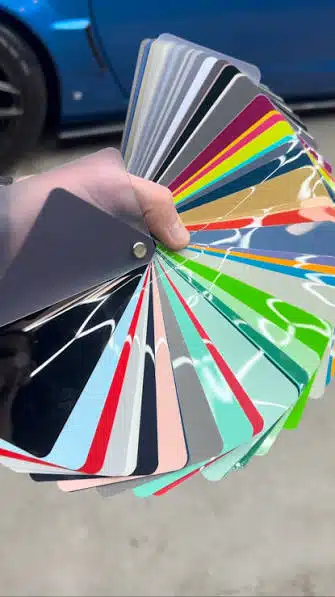
Table of Contents
Why Everyone’s Talking About Color Changing PPF Right Now
The numbers tell the story. The global paint protection film market is projected to grow from roughly USD 525 million in 2026 to nearly USD 684 million by 2031. But within that broader category, the color-changing segment is growing faster than any other. Industry insiders call it “the fastest-growing trend in automotive protection” heading into 2026.
There’s a reason. A couple of years ago, color PPF was a niche product with limited color options from a handful of manufacturers. By 2026, every major brand has a full color line — gloss, matte, satin, metallic, and color-shift finishes across expanding palettes.
The shift happened because car owners finally got tired of paying twice. Think about it: for years, if you wanted a color change and real paint protection, you had to buy a vinyl wrap for the color and then add clear PPF on top for protection. Two products, two installations, two sets of edges that could fail. Color changing PPF eliminates that entirely — one film, one layer, one installation that does both jobs.
What Exactly Is Color Changing PPF Film?
Let’s clear up the confusion right away, because “PPF” and “wrap” get thrown around interchangeably in casual conversation, and they shouldn’t be.
Color changing PPF film is a thermoplastic polyurethane (TPU) paint protection film with pigment built directly into the film body itself — not sprayed on as a surface layer. It’s the same urethane film that professional shops have been installing in clear form on hoods and bumpers for years. The difference is that instead of being optically transparent, it’s manufactured in a solid color or specialty finish.
A traditional vinyl wrap is a PVC film, usually 3 to 4 mils thick. Color PPF measures 7 to 9 mils — roughly twice the thickness — and it’s engineered as a protective film that happens to restyle, not a styling film that offers some surface protection as an afterthought.
Think of it this way: vinyl wrap is a costume. Color changing PPF is armor that happens to look like a costume.
The construction of a quality color changing PPF film typically involves three functional layers working together:
Top layer: A hydrophobic, self-healing clear coat that repels water and contaminants while enabling thermal scratch repair
Middle layer: Premium color-infused TPU that houses the optical pigments responsible for the deep color shift or solid tone
Base layer: A pressure-sensitive adhesive engineered for strong, residue-free bonding to your paint
The Self-Healing Feature: It’s Not a Gimmick
If there’s one thing that separates color changing PPF from every vinyl wrap on the market, it’s self-healing — and it’s genuinely impressive once you see it in action.
Here’s how it works: the top coat is heat-reactive. When the film reaches a certain temperature — whether from direct sunlight, warm water, or a heat gun — the TPU molecules in the coating reorganize and merge back together, filling in minor scratches and swirl marks.
This matters more than most people realize, especially if you own a dark-colored car. Gloss black paint is notoriously difficult to maintain. Every wash adds swirl marks. Every parking lot door ding leaves a scar. With gloss black color PPF, those micro-scratches vanish in the sun. Your car looks freshly detailed on a random Tuesday, not just after an expensive paint correction session.
Vinyl wraps don’t have this capability. Once a vinyl wrap is scratched, it stays scratched until you replace that section. That alone is a compelling reason why many enthusiasts are making the switch to color changing PPF film.
Color Changing PPF vs. Vinyl Wrap: The Real Comparison
This is where things get interesting, because the two products look similar on a shelf but perform in completely different leagues.
Protection. A vinyl wrap sits on top of your paint and decorates it. A sharp rock at highway speed can tear straight through a 3-mil PVC film. Color PPF absorbs that same impact without transferring the energy to your paint underneath. If you drive on highways daily, the difference in cumulative paint damage over a few years is dramatic.
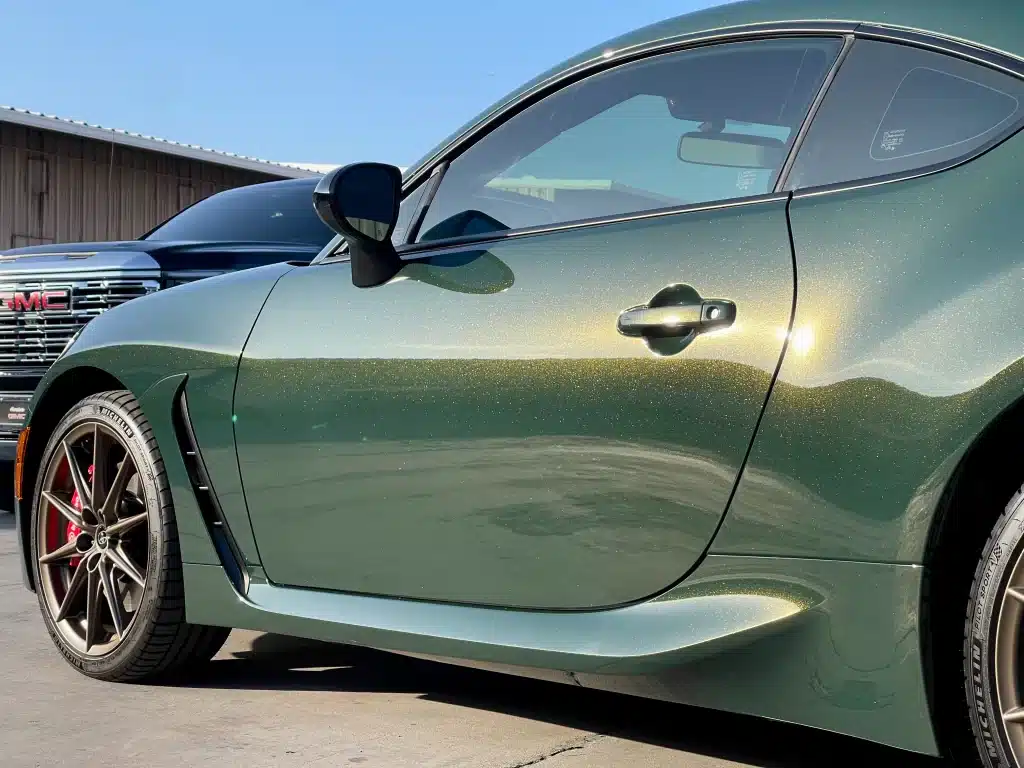
Finish quality. Cheaper vinyl wraps often suffer from a subtle “orange peel” texture that diffuses light and looks artificial up close. TPU-based color PPF flows naturally flat over panels, delivering a mirror-like, liquid-paint depth that mimics a multi-stage custom paint job. It doesn’t look like a wrap. It looks like paint.
Chemical resistance. Bird droppings, bug splatter, road salt, and industrial fallout are brutal on vinyl. Color PPF has better resistance to chemical etching and staining, which means your film stays cleaner longer and washes easier.
Reversibility. Both products can be removed, but color PPF is specifically designed for clean removal that leaves your factory clear coat pristine. With a repaint, you alter the car’s factory finish permanently. With color changing PPF, if you remove the film three years later, the original paint is intact underneath — still in the same condition it was when you installed the film.
Aesthetics plus protection. Maybe the most important point: with color changing PPF film, you’re not choosing between looking good and staying protected. You get both in a single install. That’s the whole point.
What Colors and Finishes Can You Actually Get?
The range in 2026 is genuinely impressive, and it keeps expanding.
Gloss finishes deliver that deep, wet-look shine that rivals high-end automotive paint. Gloss black is the most versatile and widely installed option across all vehicle types — it works on everything from a Tesla Model 3 to a Porsche 911.
Satin and matte finishes diffuse light across body panels for a modern, frosted look. Satin black and matte military green are among the most sought-after finishes heading into 2026. Matte military green in particular has become something of a signature look — aggressive, tactical, and photographs incredibly well. It’s the kind of finish that makes people stop and stare.
Metallic and pearl finishes add depth that flat colors can’t match. Think gunmetal, champagne, rose gold — finishes that shift subtly as the light changes, adding a layer of visual complexity to the car’s surface.
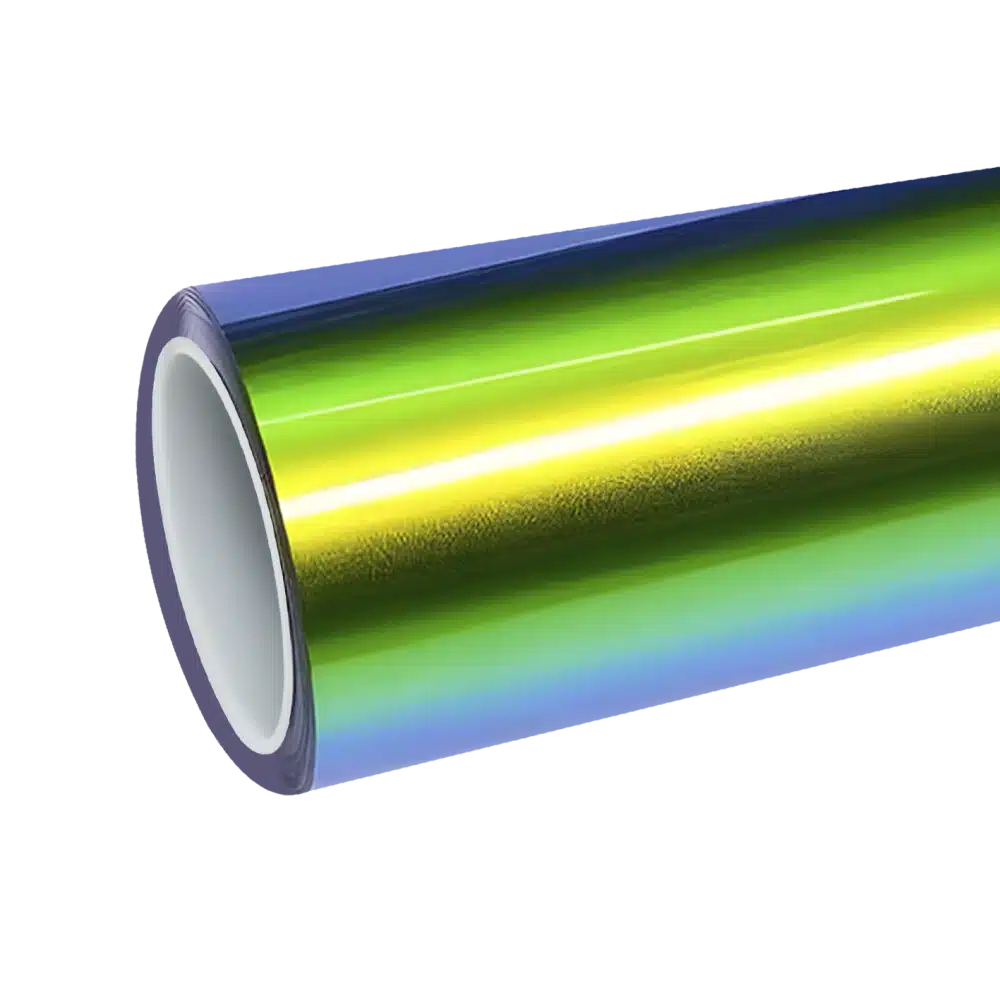
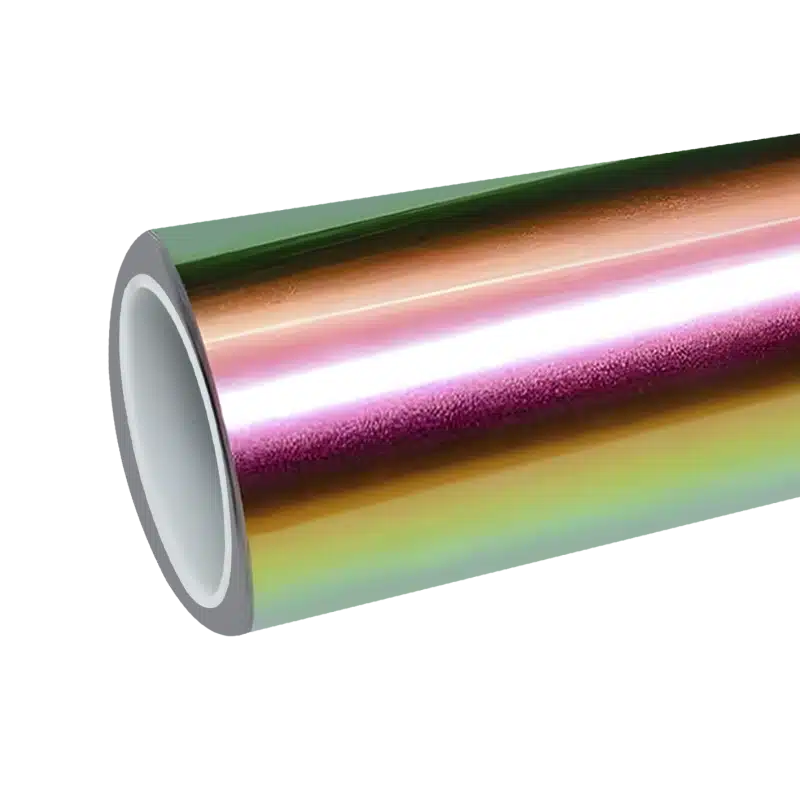
Color-shift films are the head-turners. These films display two or more distinct hues depending on the viewing angle and lighting conditions. A car with a purple-to-blue color shift film looks completely different in the shade versus direct sun, and different again from a side angle. No finish category is growing faster in 2026 than color-shifting options.
Where Does Color Changing PPF Film Make the Most Sense?
Not every car needs a full body install. And that’s actually one of the great things about this product — it scales to whatever your goals and budget look like.
For daily drivers that rack up highway miles, color changing PPF film on the front clip, hood, and rocker panels delivers the highest protection-per-dollar. These are the areas that take the most abuse from road debris, gravel, and bug splatter.
For leased vehicles, a full color change with PPF makes a ton of sense. You get the custom look you want during your lease, and when it’s time to return the car, the film comes off cleanly and reveals factory paint in original condition. No penalty for excess wear on the paint.
For enthusiast builds and collectibles, color PPF protects the value of original paint while letting you enjoy a bolder aesthetic. A Tesla Model 3 owner could wrap their car in a vibrant color for a few years and later remove it to reveal factory-original paint at resale. It’s the best of both worlds.
For accent applications, you don’t need a full body wrap at all. Many owners use colored PPF for a black roof, racing stripes, mirror covers, or a contrasting hood. Because the film is thick and durable, these accents won’t chip like paint or decals might.
And here’s a scenario nobody talks about but everyone experiences: finding your car in a crowded parking lot. When every vehicle in the neighborhood is the same shade of white, gray, or black, a bold satin green or color-shift finish makes your car instantly identifiable.
What to Know Before You Install
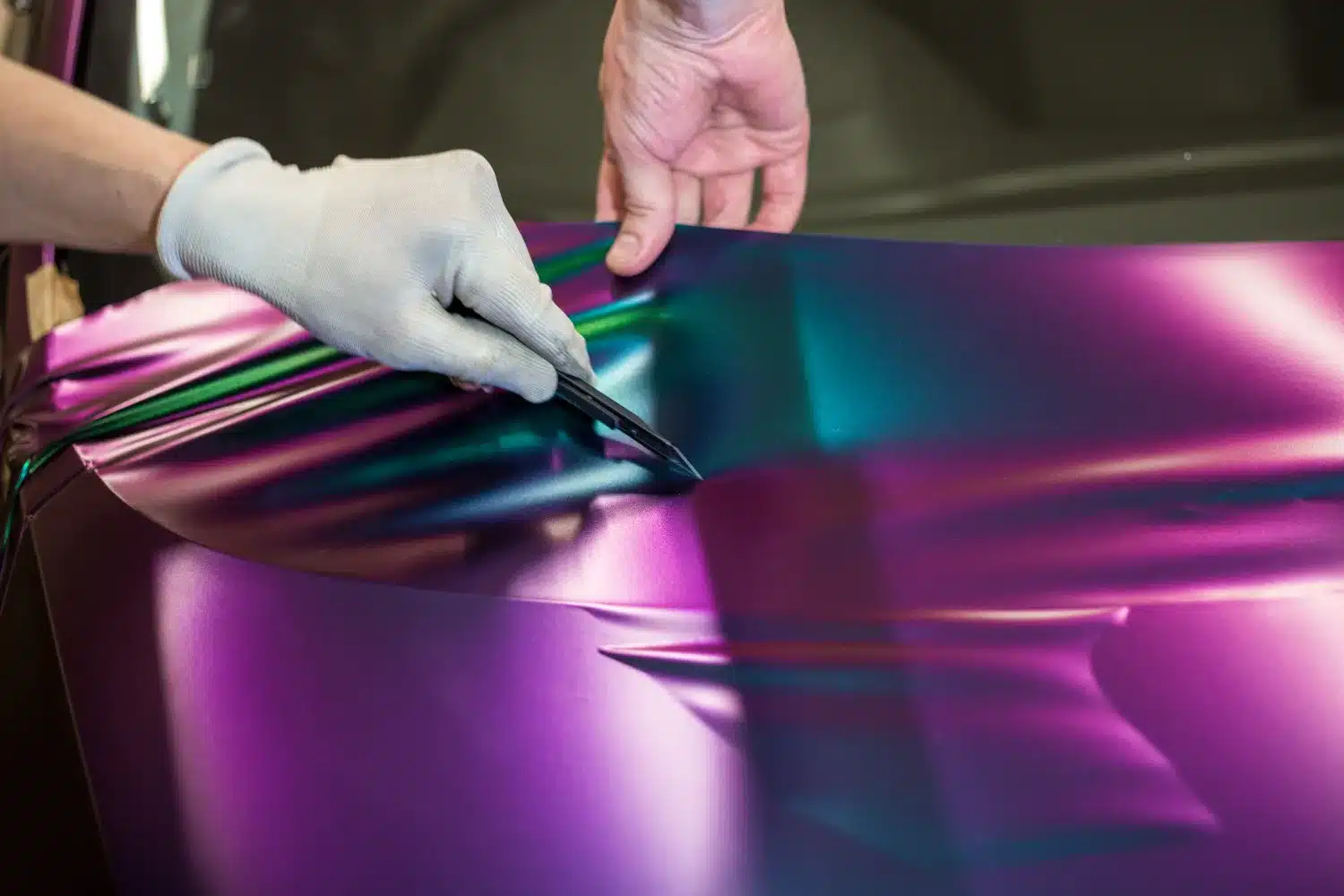
Color changing PPF film is thicker and more elastic than vinyl, which means it requires a different installation approach. It’s generally installed in a similar way to traditional clear PPF — wet or dry apply depending on the film construction — but the margin for error is tighter because color misalignment is immediately visible.
Professionals typically recommend using computer-cut templates alongside the film to streamline the workflow. Precision pre-cuts reduce bulk material waste, cut installation times significantly, and eliminate the risk of accidental paint damage from blade work.
If you’re considering a DIY install, it’s possible, but be realistic about the learning curve. Color PPF is less forgiving than clear film because every bubble, every stretch mark, and every edge lift is visible against the colored surface. Most first-timers find that professional installation is worth it for the finish quality alone.
Caring for color changing PPF is straightforward. Regular washing with mild automotive soap, avoiding abrasive cleaners, and staying away from automatic car washes with stiff brushes will keep the film looking sharp. The hydrophobic top coat repels water and grime, so the car stays cleaner between washes than an unprotected finish would.
Frequently Asked Questions About Color Changing PPF Film
Q: Is color changing PPF film the same as a vinyl wrap?
No — and this is the most important distinction to understand. Color changing PPF film is a TPU-based protective film with pigment integrated into the film itself. A vinyl wrap is a thin PVC film designed primarily for appearance. Color PPF is roughly twice as thick, provides real impact protection against rock chips and road debris, and includes a self-healing top coat that vinyl wraps simply don’t have.
Q: How does the self-healing actually work?
The top coat of the film is heat-reactive. When exposed to sunlight, warm water, or a heat gun, the TPU molecules in the coating reflow and merge back together, filling in minor scratches and swirl marks. The effect is automatic — you don’t need to do anything beyond parking in the sun or pouring warm water over the surface.
Q: Will color changing PPF damage my factory paint when removed?
No. In fact, it protects your paint while installed. When properly removed, the film peels off cleanly and leaves the factory clear coat in the same condition it was before installation — often better, because it’s been shielded from UV exposure, rock chips, and environmental contaminants the entire time.
Q: Can I install color changing PPF over an existing vinyl wrap or ceramic coating?
It’s not recommended. Color changing PPF should be applied directly to clean vehicle paint. Installing it over existing vinyl or clear PPF can trap moisture, create air bubbles, and compromise adhesion. If your car has a ceramic coating, it should be removed professionally before applying color PPF, because the coating’s slick surface prevents proper bonding.
Q: How long does the color stay vibrant?
Quality color changing PPF film is designed with UV inhibitors and non-yellowing adhesives. The color remains stable for years under normal conditions, though climate and sun exposure do affect longevity. Premium films maintain their vibrancy significantly longer than typical vinyl wraps, which tend to fade and degrade much sooner.
Q: What finishes are available?
Color changing PPF film is available in gloss, satin, matte, metallic, pearl, and color-shift finishes. The range keeps expanding as manufacturers invest in new pigment technologies and optical layering techniques.
Q: Can I pressure wash a car with color changing PPF?
Yes, but with care. Keep the spray nozzle at least 12 inches from the surface, maintain a maximum pressure of around 2,000 PSI, and never spray directly at the wrapped edges or seams at an acute angle. High-pressure water directed at the edges can cause lifting.
Q: Does color changing PPF film replace a ceramic coating?
In most cases, yes. Premium color changing PPF films come with a built-in hydrophobic top coat that delivers the same water-beading performance and easy-clean benefits as a ceramic coating. You don’t need to add a separate coating on top, though some owners choose to for extra slickness.
Why Decowell Film Is the Partner You Want for Color Changing PPF
If you’re a car owner looking for a color change that actually protects your investment, or a professional installer searching for a supplier with genuine film-manufacturing expertise, Decowell Film is built for exactly this moment.
Decowell Film specializes in color changing PPF film and TPU-based protective films engineered for real-world performance. The films are constructed with premium aliphatic TPU as the core material — not the aromatic alternatives that degrade faster under UV exposure — which means your color stays true, your finish stays glossy, and your paint stays protected for the long haul.
For vehicle owners, Decowell’s color changing PPF film offers the full package: self-healing technology that keeps the surface smooth, hydrophobic properties that make washing easier, and a color palette that ranges from classic gloss black to exotic color-shift finishes. Whether you want to transform a daily driver or add a subtle accent to a weekend car, Decowell has a film that fits.
For professional installers and distributors, Decowell Film provides factory-direct access to premium color changing PPF film without the middleman markup. The films are manufactured in industry-standard roll dimensions that minimize waste and optimize workflow. With 16 years of dedicated film production experience, Decowell also offers OEM and ODM customization for businesses that need specific colors, finishes, or branding.
You can explore the full product range at Decowell Film. Whether you’re protecting a single car or supplying an entire distribution network, Decowell’s color changing PPF film delivers the combination of aesthetics and armor that today’s market demands.
The Bottom Line
Color changing PPF film isn’t just a trend — it’s a fundamental shift in how car owners think about customization and protection. For years, you had to choose: change your car’s color with a wrap, or protect its paint with clear film. Now you can do both with a single product that looks better, lasts longer, and actually shields your investment.
If you’re planning a color change this year, do yourself a favor and skip the vinyl. Go with color changing PPF film. Your paint — and your future self at resale time — will thank you.