Home » Pearl White PPF: Color Protection Film for Your Vehicle
Recent Posts
Pearl White PPF: Color Protection Film for Your Vehicle
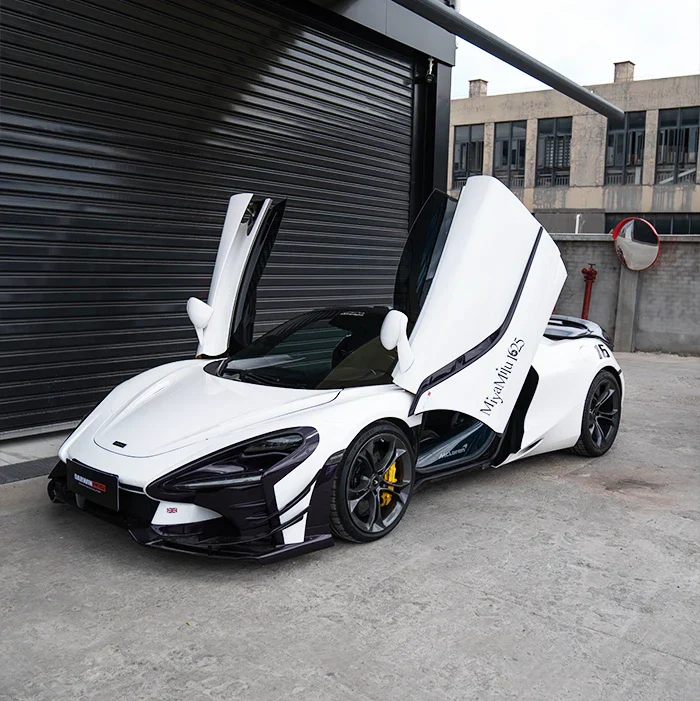
White is a statement. It is clean, crisp, and undeniably premium. But anyone who has owned a white car knows the truth: white paint shows everything. Swirl marks catch the light. Tar spots stand out like ink drops on paper. And every rock chip is a glaring white scar against a darker underlayer.
For years, car owners had to choose between protecting their factory paint with a clear bra and changing their car’s appearance with a vinyl wrap. You could have armor, or you could have style—but never both in one film.
That has changed.
Colored PPF—paint protection film infused with pigment—gives you a complete color transformation and impact protection in a single layer. And for drivers who want a finish that is both timeless and head-turning, Pearl White PPF is the answer.
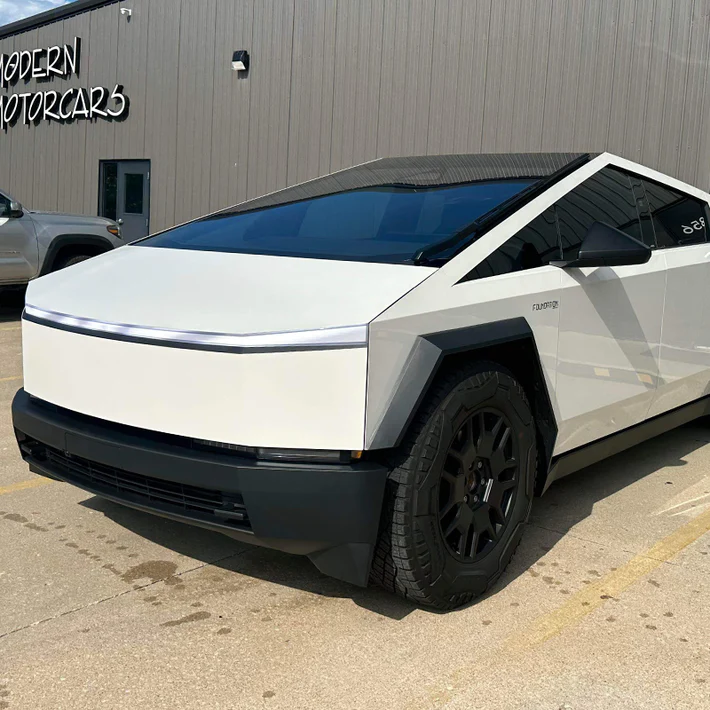
Table of Contents
White Paint Protection Film: More Than Just a Color Change
Traditional white paint protection film has been around for a while, but the technology has evolved dramatically. Today’s premium white PPF is built on aliphatic thermoplastic polyurethane (TPU) —the same family of material used in clear paint protection films.
What does that mean for your car?
It means the film that gives you that stunning pearl white or gloss white finish is also the film that takes the rock chips, scratches, and road debris that would otherwise destroy your factory paint. You are not just changing the look of your vehicle—you are armoring it.
How White PPF Protects Your Paint
Stone chips and impact damage: PPF absorbs impacts that would chip your paint. A rock hits the film instead of your hood.
Surface scratches: Modern PPF features a self-healing topcoat. Light scratches and swirl marks disappear when exposed to heat from the sun, warm water, or a heat gun. No polishing required.
UV damage: Premium TPU PPF blocks UV rays that cause yellowing and fading. Your white stays white.
Chemical exposure: Bird droppings, tree sap, bug splatter, and acid rain—the hydrophobic topcoat repels contaminants so they do not soak into the film.
Pearl White PPF: The Finish That Stands Out
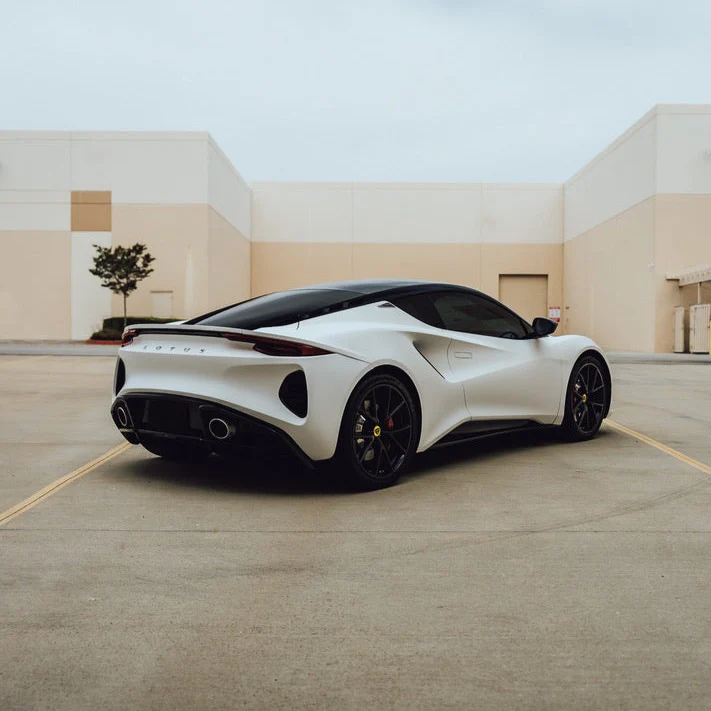
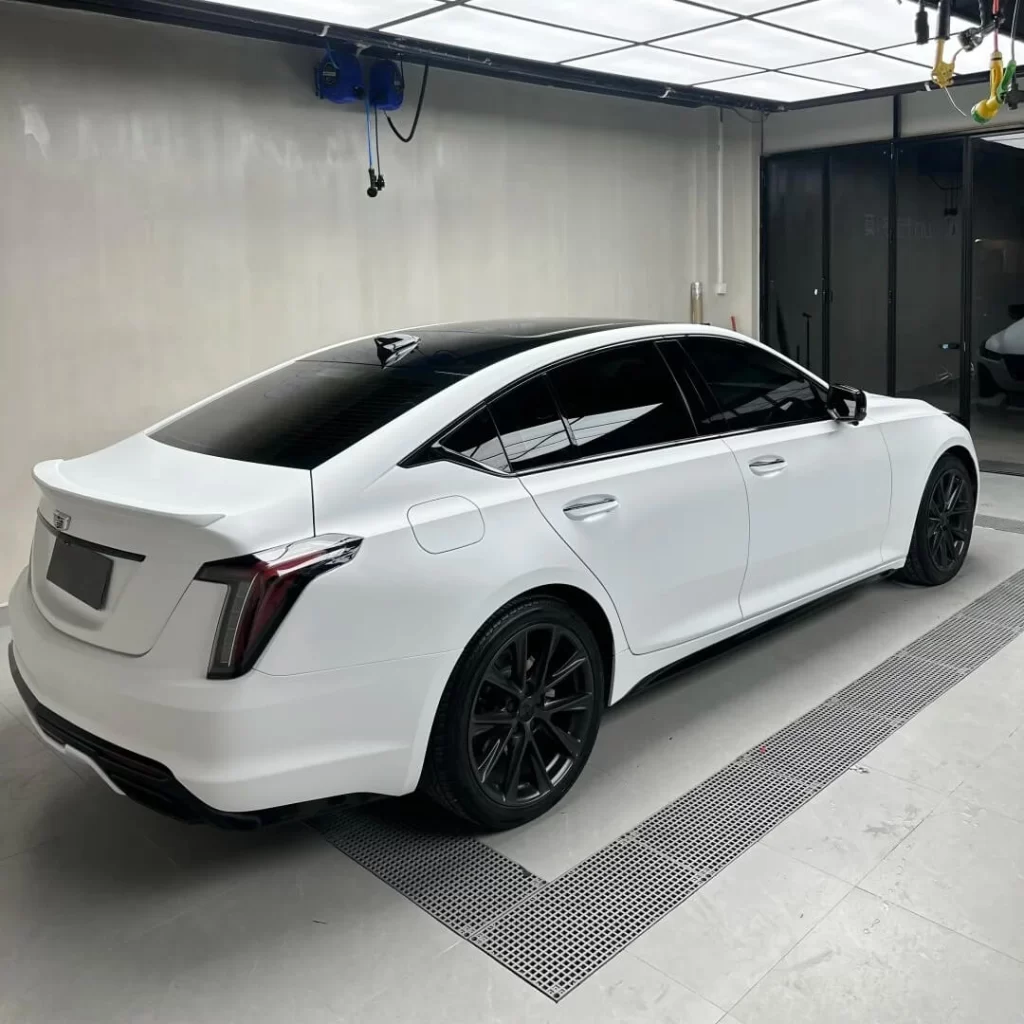
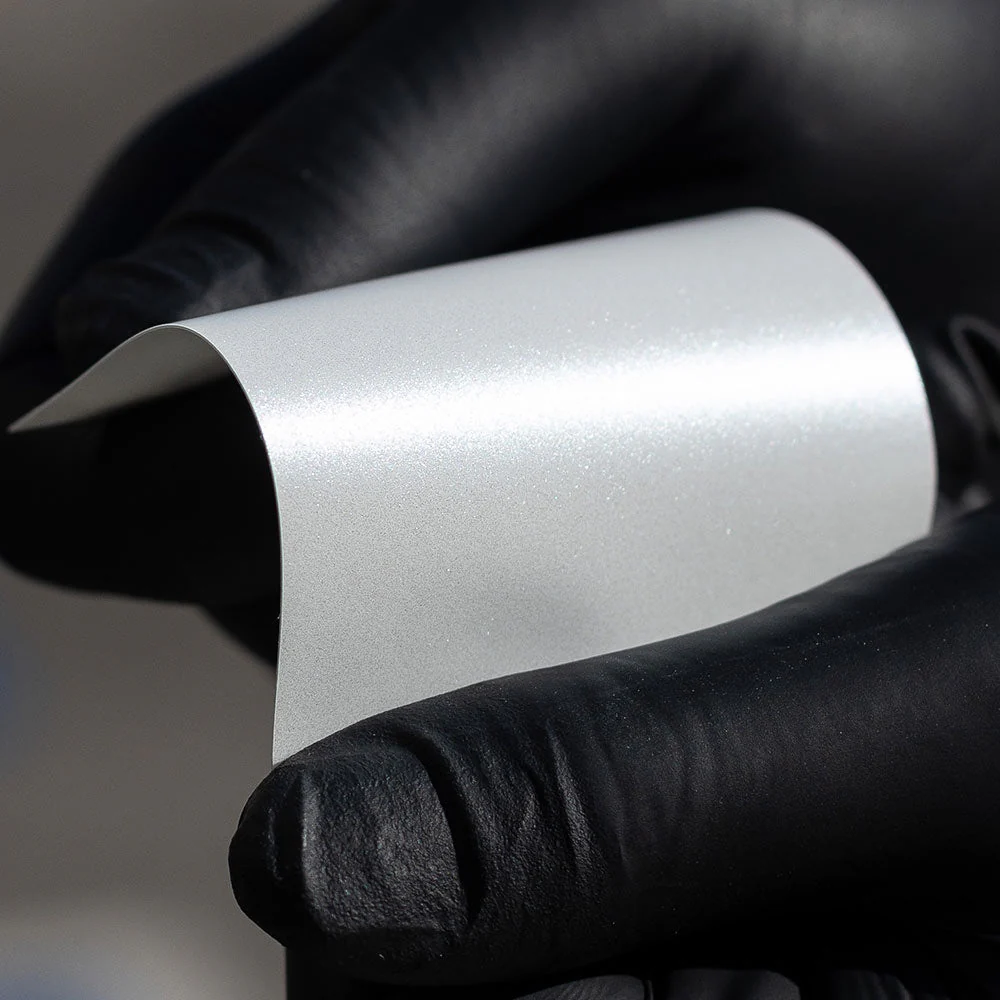
Not all white finishes are created equal. A flat matte white hides dirt but looks like primer. A gloss pearl white shines but shows every fingerprint. A pearl white PPF with the right balance delivers a pearlescent shade that shifts between cool ivory and soft silver, with a silky surface that stays clean and hides imperfections.
Here is what makes a high-quality pearl white paint protection film special:
Multi-dimensional depth. Unlike a flat white, pearlescent PPF has depth. The color shifts subtly as light hits the panels from different angles. In shade, it reads as a pure, cool white. In direct sunlight, it warms up with a soft silver or creamy pearl glow.
A finish that hides imperfections. The pearlescent effect does more than look beautiful—it helps disguise minor surface imperfections. The subtle shimmer breaks up reflections that would otherwise highlight swirl marks or wash marring on a flat white surface.
Color change without compromise. A gloss white PPF gives you the look of a high-end paint job—but the film underneath fully protects your factory paint. The pigment is fully opaque, so the original color is completely covered and sealed.
PPF vs Vinyl Wrap: Why Choose Color PPF?
This is the question every car owner asks. Both change the color of your vehicle. Both are applied over existing paint. But the similarities end there.
| Color PPF | Vinyl Wrap | |
|---|---|---|
| Base material | Aliphatic TPU (thermoplastic polyurethane) | PVC (polyvinyl chloride) |
| Thickness | 7–9 mil (~175–230 microns) | 3–4 mil (~75–100 microns) |
| Protection | Absorbs impacts, resists stone chips and scratches | Cosmetic only, limited protection |
| Self-healing | Yes—scratches vanish with heat | No—scratches stay |
| UV stability | Excellent—holds color without yellowing | Fades over time |
| Lifespan | Years of lasting protection | Shorter lifespan |
| Installation | Wet or dry application options | Typically dry apply |
Here is the bottom line: color PPF is engineered as a protective film that happens to restyle your car. Vinyl is engineered as a styling film that offers some surface protection.
If you want a white car that looks stunning and stays protected for the long haul, white paint protection film is the smarter choice. If your only goal is a temporary color change and you are not worried about rock chips, vinyl might work. But for most drivers who care about their vehicle’s resale value and appearance, PPF is the clear winner.
The Self-Healing Advantage
One of the most compelling reasons to choose white PPF over a traditional vinyl wrap is self-healing technology.
Modern TPU PPF includes a self-healing topcoat that repairs fine scratches and swirl marks automatically. When the film is exposed to heat—whether from sunlight, warm water, or a heat gun—the topcoat reflows and the scratch disappears.
This is not magic. It is the science of elastomeric urethane. The material has a “memory” that allows it to return to its original shape after being scratched or stressed.
For white cars, this is particularly valuable. White paint is notorious for showing every swirl mark from improper washing. With a self-healing white PPF, those wash marring marks disappear on their own. Your car stays looking flawless with minimal effort.
Hydrophobic Protection: Cleaner for Longer
The best white paint protection films come with a hydrophobic topcoat. This means water does not bead up and linger on the surface. Instead, it spreads thin and slides off, carrying dust, dirt, and residue with it.
A hydrophobic surface on your pearl white PPF means:
Fewer water spots after rain
Less dirt and grime sticking to the film
Easier washing and maintenance
A self-cleaning effect with minimal effort
This is not just about convenience—it is about keeping that brilliant white finish looking fresh without constant washing and polishing.
Matte vs Gloss: Choosing Your White Finish
White paint protection film is available in a range of finishes. The two most popular are:
Gloss White PPF
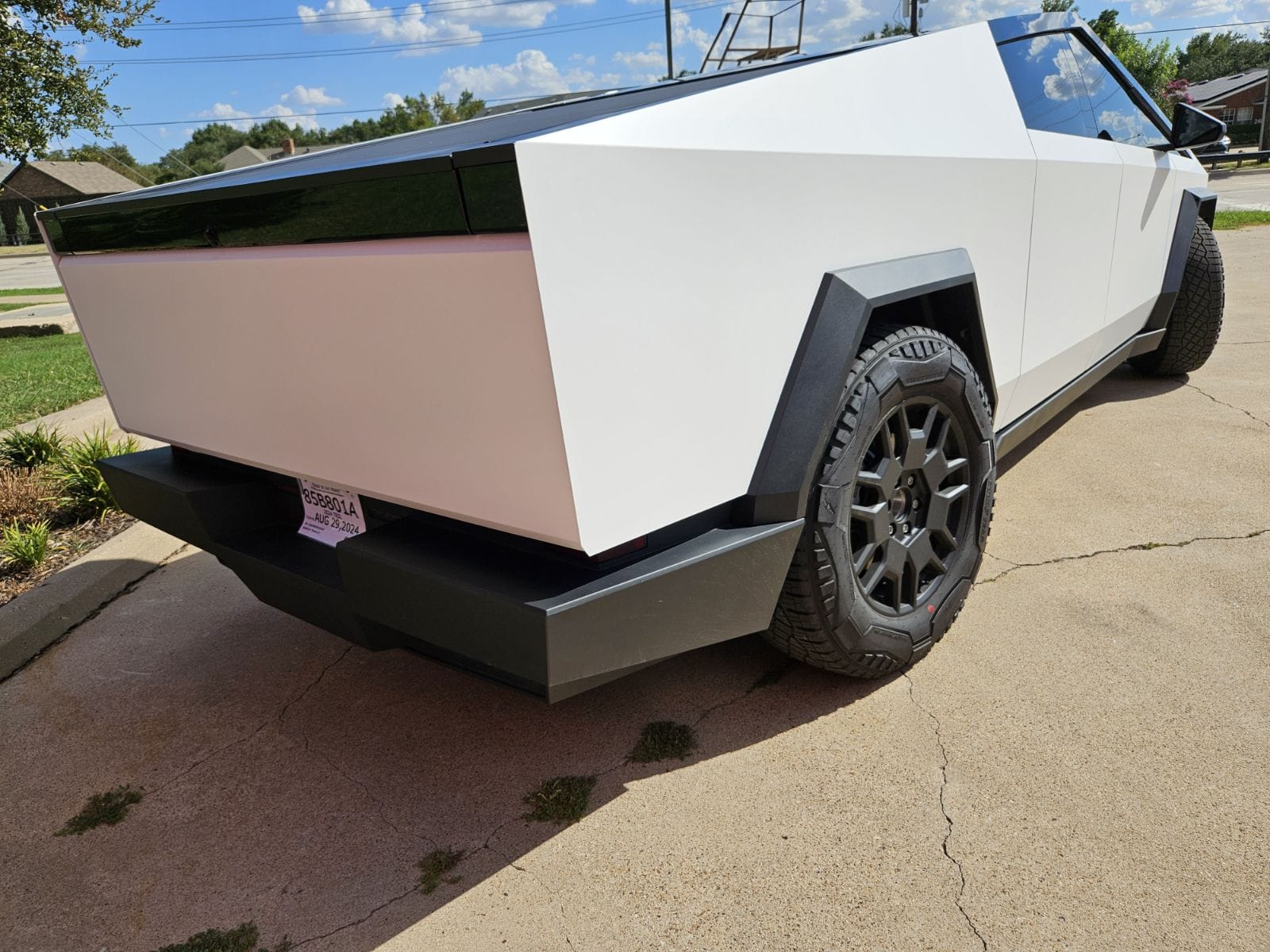
A gloss white PPF gives your vehicle a high-shine, mirror-like finish that looks like a fresh paint job. It reflects light, enhances body lines, and delivers that “just detailed” look. Gloss pearl white PPF adds an extra layer of depth with subtle pearlescent shimmer.
Matte and Satin White PPF
A matte white PPF or satin white finish absorbs light instead of reflecting it. The result is a sleek, modern look with a soft, non-reflective surface that hides fingerprints and reduces glare.
On white cars, a matte or satin finish works particularly well because it softens reflections and gives the vehicle a contemporary, understated elegance.
Which finish is right for you? It depends on the look you want. Gloss is timeless and classic. Matte is modern and distinctive. And pearl white sits beautifully in either finish, adding depth and character that a flat white simply cannot match.
Installing White PPF: What to Expect
Professional installation is recommended for the best results. Here is what a quality PPF installation involves:
Surface preparation: The paint is clayed, decontaminated, and lightly polished to remove any imperfections. A degreaser ensures the surface is completely clean before the film goes on.
Templating and cutting: The film is cut to size, either using pre-cut patterns or custom-cut on the vehicle.
Application: The film is applied using a wet application method with a soapy solution, allowing repositioning during installation. Air-release channels help prevent bubbles.
Squeegee and sealing: The solution is squeegeed out, and the edges are sealed down for a seamless finish.
Curing: The adhesive takes some time to fully bond. After installation, the vehicle should not be washed or exposed to heavy rain for a period to allow the film to cure properly.
A good installation is invisible at the edges and flawless across the panels. When done right, your pearl white PPF will look like a factory paint job—not a wrap.
Caring for Your White PPF
Maintaining white paint protection film is simple. Here are the essentials:
Hand wash only: Use a premium automotive car wash soap and a soft wash pad. Avoid automated car washes with abrasive brushes.
pH-neutral products: Use cleaners that are safe for PPF. Avoid wax or solvents unless they are specifically formulated for paint protection film.
Rinse thoroughly: Remove all soap residue to prevent streaking.
Dry carefully: Use a high-quality microfiber cloth to dry the surface.
Avoid harsh chemicals: Bug removers, tar removers, and other aggressive cleaners can damage the topcoat.
Garage when possible: Keeping your vehicle out of direct sun when parked extends the life of any film.
Frequently Asked Questions About White PPF
Q: Is white PPF the same as a white vinyl wrap?
No. White PPF is made from TPU, not PVC. It is thicker, self-healing, and provides real impact protection against stone chips and scratches. Vinyl is primarily cosmetic and offers limited protection.
Q: Does white PPF yellow over time?
Premium white PPF uses aliphatic TPU and UV-stable topcoats that resist yellowing. Lower-quality films may yellow, which is why choosing a reputable product matters.
Q: Can white PPF be removed without damaging the paint?
Yes. Quality PPF uses acrylic adhesive that can be removed cleanly with heat, leaving minimal to no residue. The factory paint underneath remains in its original condition.
Q: How long does white paint protection film last?
With proper care, premium PPF provides lasting protection. The film is designed to maintain its color and protective properties over years of daily driving.
Q: Can I install white PPF myself?
While DIY installation is possible, professional installation is strongly recommended for the best results. PPF requires skill to apply without bubbles, lifted edges, or stretch marks.
Q: Does white PPF protect against UV damage?
Yes. Premium TPU PPF blocks UV rays that cause fading and discoloration. The film protects both itself and the paint underneath from sun damage.
Q: What is the difference between gloss white PPF and pearl white PPF?
Gloss white PPF delivers a pure, high-shine white finish. Pearl white PPF adds subtle pearlescent shimmer that shifts in different lighting conditions, giving the finish extra depth and character.
Q: Can white PPF be applied over existing paint imperfections?
The paint should be in good condition before PPF application. Minor imperfections can sometimes be corrected during prep, but the film will not hide major paint damage.
Q: Is white PPF worth it for a white car?
Absolutely. White paint shows swirl marks, rock chips, and contaminants more than darker colors. A white PPF protects the factory paint while giving the vehicle a fresh, flawless finish that stays looking new.
Why Decowell Film for Your White PPF?
When it comes to white paint protection film, quality matters. The material determines the color depth, the self-healing performance, the UV stability, and the longevity of the film.
Decowell Film specializes in high-performance TPU PPF that delivers:
Superior color depth: Pearl white, gloss white, and satin white options with rich, lasting pigment
True TPU protection: The film that protects your paint is the same film that gives you the stunning white finish
Self-healing topcoat: Light scratches and swirl marks disappear with heat
Hydrophobic surface: Water and dirt slide off, keeping your car cleaner for longer
UV stability: The white stays white—no yellowing, no fading
Easy installation: Designed for professional installers with excellent conformability over curves and contours
Decowell Film is engineered for drivers who refuse to compromise. You should not have to choose between protecting your factory paint and transforming your vehicle’s appearance. With Decowell’s white PPF, you get both.
Whether you are after a gloss pearl white that shines like a mirror, a matte white with modern understated elegance, or a satin white that sits perfectly between gloss and matte, Decowell has a white paint protection film that fits your vision.
The Bottom Line
A white car is a beautiful thing. But keeping it that way takes work. Swirl marks, rock chips, bug splatter, and UV damage are the enemies of a flawless white finish.
White PPF solves all of those problems. It gives you the color you want, the protection your paint deserves, and the peace of mind that comes from knowing your vehicle is covered by a film engineered to last.
Pearl white PPF takes it a step further. It adds depth, character, and a finish that shifts beautifully in changing light. It is not just white. It is white with presence.
If you are ready to protect your vehicle and transform its appearance in one step, Decowell Film has the white paint protection film you are looking for.
Contact Decowell Film today to learn more about our white PPF options. Whether you need a full vehicle wrap, a partial coverage kit, or a custom color match, our team is here to help you find the perfect solution.
Decowell Film—where protection meets perfection. Your car deserves the best. Give it the color and armor it needs with Decowell white PPF.