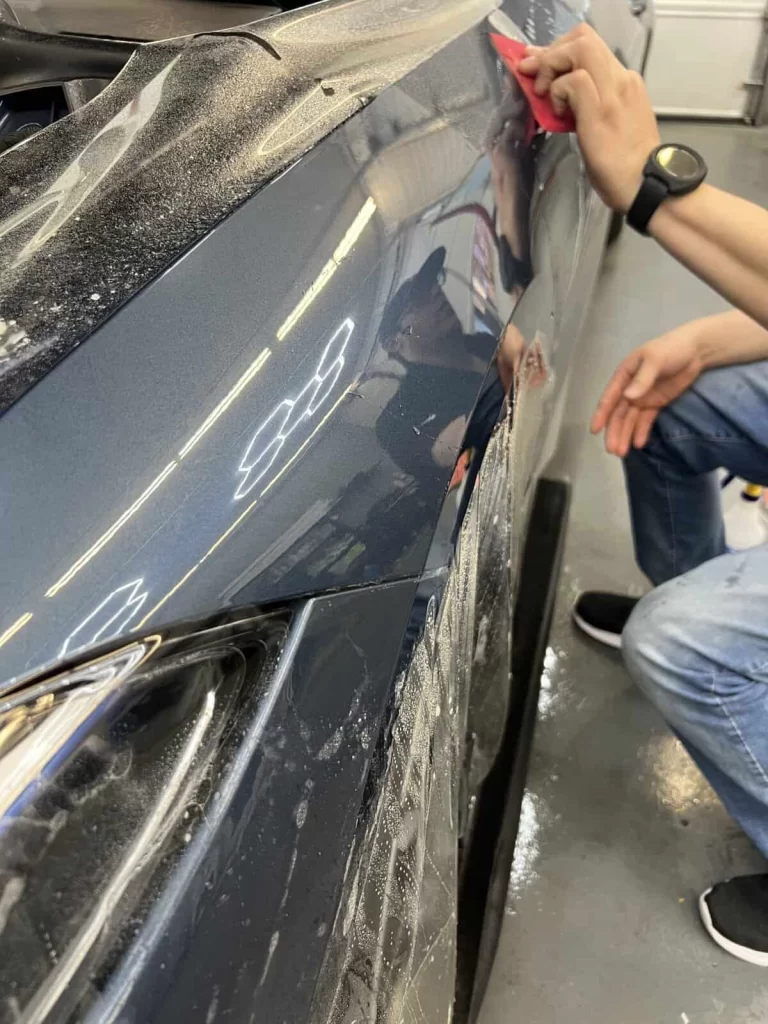
Home » Paint Protection Film Repair: Fix Scratches, Tears, and Keep Your Car Flawless
Recent Posts
Paint Protection Film Repair: Fix Scratches, Tears, and Keep Your Car Flawless
Introduction: Why Paint Protection Film Repair Matters
You spent good money wrapping your car in paint protection film. It’s that invisible shield that takes the hits—rock chips, road debris, bird droppings, you name it. But let’s be real: even the toughest armor isn’t indestructible. Eventually, you’ll spot a scratch, a scuff, or maybe even a tear. And when that happens, panic sets in. Do you need to rewrap the whole car? Is your paint already ruined?
Here’s the good news: most paint protection film damage can be repaired. Whether it’s a light surface scratch that self-heals with a bit of heat or a deeper gouge that needs a patch, there’s almost always a way to restore that flawless finish. The key is knowing what you’re dealing with and acting fast.
In this guide, we’ll walk you through everything you need to know about paint protection film repair—from assessing the damage to fixing it yourself, and when to call in the pros. We’ll also show you why choosing a premium film like Decowell makes all the difference when it comes to repairability and long-term protection.
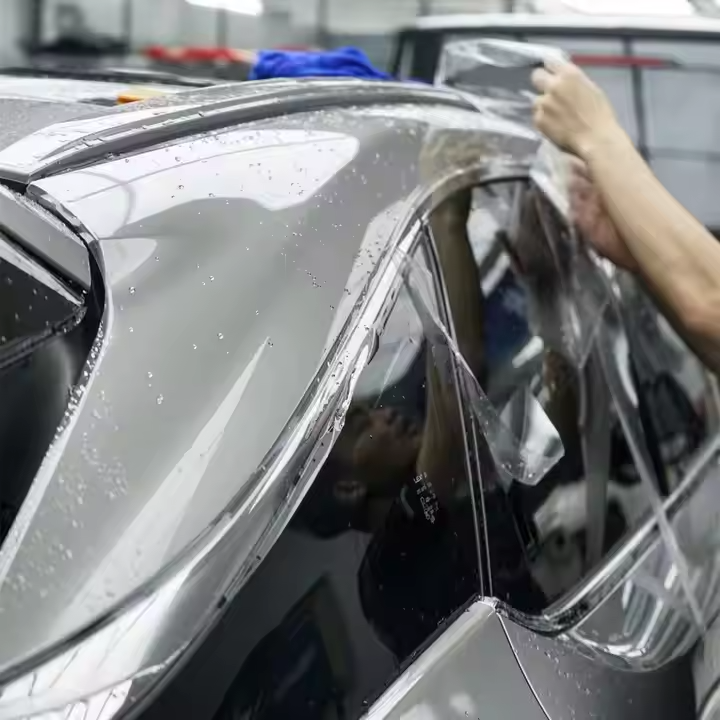
Table of Contents
What Is Paint Protection Film and Why Does It Get Damaged?
Paint protection film—often called PPF—is a thin, transparent layer of thermoplastic polyurethane (TPU) applied to your vehicle’s exterior. It’s designed to absorb impacts, resist scratches, and shield your factory paint from the everyday hazards of the road. Modern films, especially those from leading manufacturers like Decowell, come with advanced self-healing top coats that can actually repair minor scratches on their own when exposed to heat.
But here’s the thing: no film is bulletproof. Over time, your paint protection film will face:
Washing-related scratches: Using rough towels, dirty mitts, or abrasive brushes can leave fine swirl marks
Road debris: Sand, gravel, and small stones kicked up by other vehicles
Environmental contaminants: Bird droppings, tree sap, bug splatter, and tar
Accidental contact: Parking lot bumps, key scratches, or brushing against bushes
The good news? Most of these issues are fixable. The bad news? If you ignore them, they can get worse—and that’s when a simple repair turns into a costly replacement.
Assessing the Damage: Know What You’re Dealing With
Before you grab a heat gun or start cutting patches, take a close look at the damage. Not all scratches are created equal, and the repair method depends entirely on how deep the damage goes.
Light Surface Scratches and Swirl Marks
These are the most common and the easiest to fix. They haven’t penetrated the film’s top coat—they’re just cosmetic marks on the surface. You’ll often see them after a wash or from light contact with soft objects. Usually, these scratches will disappear with heat or even just a day in the sun.
Medium Scratches
These are deeper than surface swirls but still within the film’s top layer. They haven’t reached the adhesive or the paint underneath. Heat might not be enough on its own—you may need a PPF-safe polish to smooth them out.
Deep Scratches, Cuts, and Tears
This is where things get serious. If the scratch cuts through the entire film, exposes the adhesive, or reaches the paint beneath, heat and polishing won’t cut it. You’re looking at a patch job or, in severe cases, full panel replacement. Deep damage compromises the film’s protective qualities and leaves your paint vulnerable to chips, corrosion, and fading.
Bubbling and Edge Lifting
Sometimes damage isn’t a scratch at all—it’s trapped air, moisture, or edges that have started to peel. Small bubbles under an inch can often be fixed with a needle and squeegee. Lifted edges need to be cleaned, re-adhered, and pressed back down.
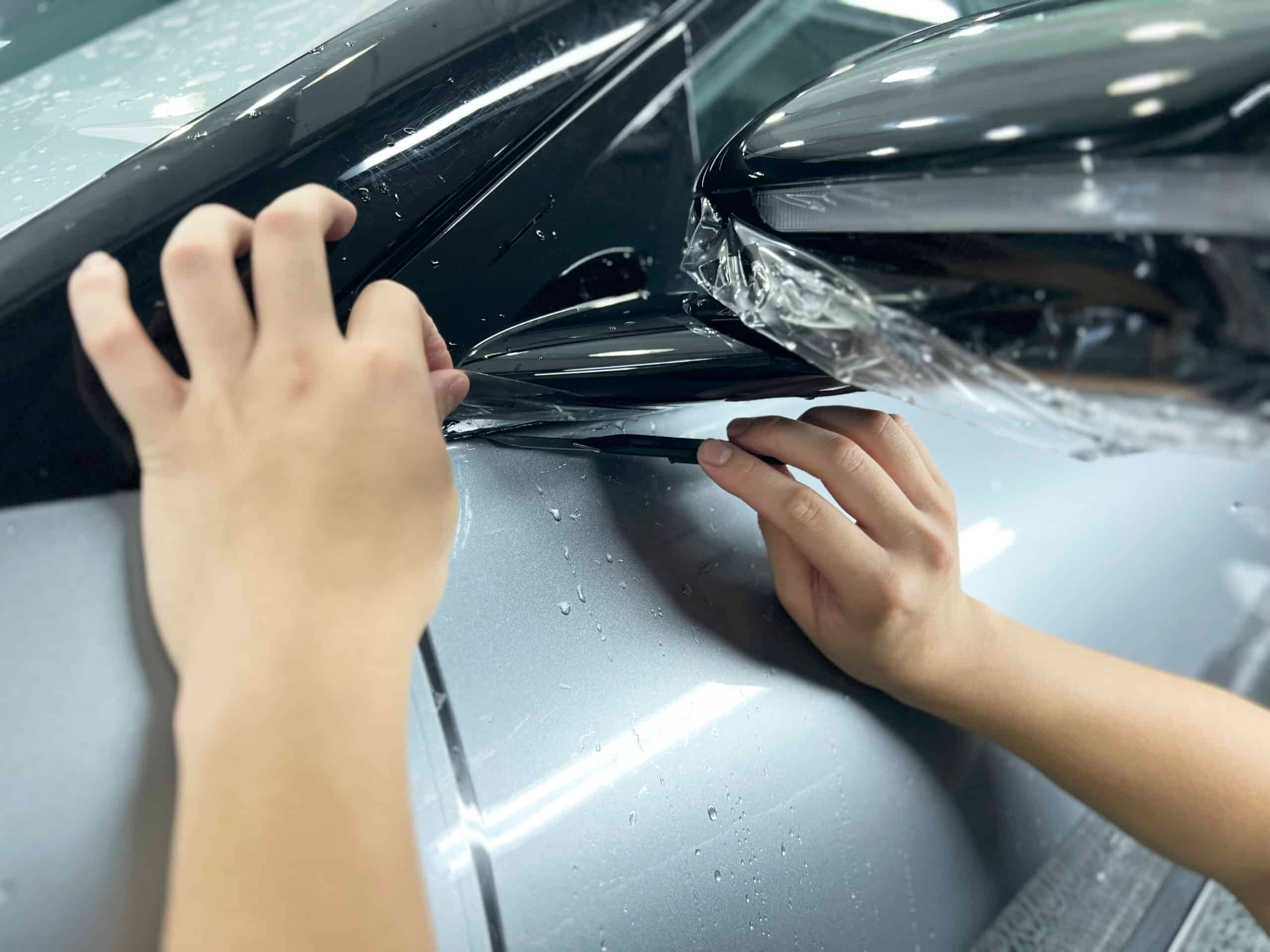
How to Repair Paint Protection Film: A Step-by-Step Guide
Now that you know what you’re dealing with, let’s get to work. Here’s how to repair paint protection film damage, from minor scratches to small tears.
Step 1: Clean the Area Thoroughly
This step is non-negotiable. Any dirt, dust, or grease on the film will get trapped during the repair and could cause more scratches or prevent proper adhesion. Use a pH-neutral car shampoo mixed with water, and gently clean the damaged area with a soft microfiber cloth. Dry it completely before moving to the next step.
Step 2: Fixing Light Scratches with Heat
Most premium paint protection films—including Decowell’s TPU-based films—have self-healing properties. The top coat contains heat-responsive polymers that relax and reflow when warmed, effectively erasing light scratches.
Here’s how to do it:
Use a heat gun on a low to medium setting, or a hairdryer
Hold it about 6–10 inches away from the surface
Move it in slow, circular motions over the scratched area for 30–60 seconds
Let the area cool naturally
Inspect the result—repeat if necessary
Alternative methods:
Sunlight: Park your car in direct sunlight for a few hours. The natural heat can activate self-healing on minor scratches.
Hot water: Pour warm (not boiling) water over the scratched area for several seconds.
Pro tip from the pros: Don’t overheat the film. Keep the heat source moving to avoid hot spots that could warp the film or damage the paint underneath. If you’re working on matte or satin finishes, be extra careful—heat can alter the texture.
Step 3: When Heat Isn’t Enough—Try PPF-Safe Polish
Sometimes heat alone won’t fully remove a scratch. In that case, a gentle polish can help. But you need to use the right product.
What to do:
Use only a polish specifically formulated for paint protection film—never use regular car polish or abrasive compounds
Apply a small amount to a clean microfiber towel
Buff the scratched area lightly in circular motions
Wipe away any residue and inspect
Important: Avoid polishing edges or corners—too much friction there can lift the film or damage the adhesive. And never use polish on matte or satin finishes, as it will create shiny spots.
Step 4: Repairing Small Tears and Punctures
Got a small tear under an inch? You can patch it. Here’s how:
Clean the damaged area thoroughly and let it dry
Cut a piece of matching PPF patch slightly larger than the tear
Apply a thin layer of adhesive (if your patch kit requires it)
Carefully position the patch over the damaged area, making sure it aligns with the existing film
Use a squeegee to smooth out air bubbles, working from the center outward
Trim any excess film if needed
Allow the adhesive to cure for 24–48 hours without exposing it to moisture
A word of caution: Patch repairs work for small, localized damage. But they can leave visible seams, and the patched area won’t have the same structural integrity as the original film. For larger tears or damage on highly visible panels, full replacement is usually the better call.
Step 5: Full Panel Replacement for Major Damage
When the damage is extensive—large tears, deep gouges, widespread bubbling, or significant discoloration—patching won’t cut it. You need to replace the affected panel entirely.
The professional approach:
Warm the damaged film with a heat gun to soften the adhesive
Carefully peel the film away, using a razor blade or film cutter to lift edges if needed—be extremely careful not to scratch the paint
Clean the surface thoroughly with isopropyl alcohol to remove any adhesive residue
Cut a new piece of PPF to match the panel size, leaving a slight overlap
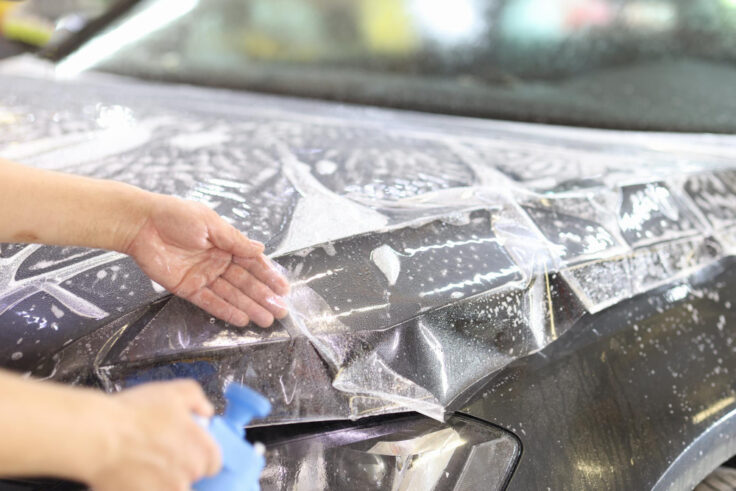
Apply using a slip solution (water and mild soap mixture) for proper positioning
Use a squeegee to remove air bubbles and excess liquid
Trim the edges for a seamless finish
Allow the film to cure for at least 48 hours before washing
Why full panel replacement is often the better choice: Patch repairs on large areas can leave visible seams, mismatched textures, and weak points where the film could peel or lift again. A full panel replacement restores the film’s integrity and gives you a flawless, uniform finish.
DIY vs. Professional Paint Protection Film Repair: Which Should You Choose?
This is the million-dollar question. The answer depends on the damage, your skill level, and how much you value your time—and your car’s finish.
When DIY Makes Sense
Light surface scratches and swirl marks: Heat or gentle polishing is safe and effective
Small tears under an inch: Patch kits can do the job if you’re patient and precise
Minor bubbling: A needle and squeegee can fix small air pockets
DIY repairs are affordable and give you hands-on control. But they require patience, a steady hand, and the right tools. Rushing can lead to air bubbles, uneven edges, or—worst case—further damage to the film or paint.
When to Call a Professional
Deep scratches or cuts that reach the paint
Large tears or extensive damage
Edge lifting that won’t stay down
Discoloration or yellowing
Damage on matte or satin finishes (these are trickier to repair without altering the texture)
Any situation where you’re unsure—better safe than sorry
Professional installers have specialized tools, experience, and access to matching film materials. They can often complete repairs in under an hour and achieve results that are virtually undetectable. Plus, professional repairs typically come with some level of warranty or guarantee.
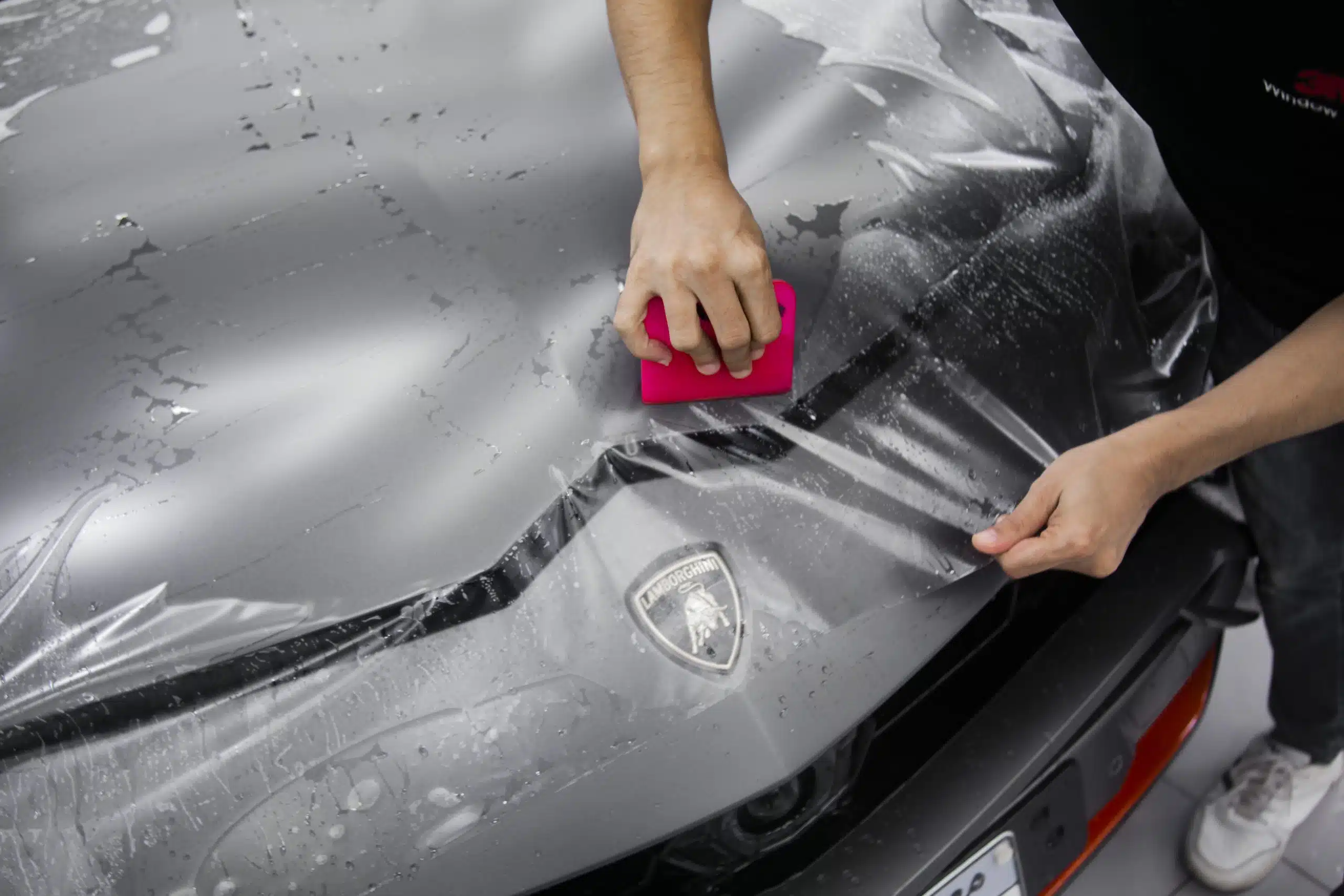
Why Decowell Paint Protection Film Makes Repair Easier
Not all paint protection films are created equal—and when it comes to repair, the quality of your film matters enormously.
Decowell understands that a premium paint protection film isn’t just about preventing damage—it’s about being able to fix it when it happens. That’s why Decowell’s TPU-based films are engineered with:
Superior self-healing properties: The heat-responsive top coat effectively erases light scratches and swirl marks with minimal effort
High durability: Thicker, more resilient construction means fewer deep scratches and tears in the first place
Excellent clarity: Repairs blend seamlessly, so you don’t end up with visible patches or dull spots
UV resistance: Prevents yellowing and discoloration over time, so your film stays clear and your repairs stay invisible
When you choose Decowell, you’re not just buying a paint protection film—you’re investing in a product that’s designed to be maintained and repaired, saving you money and headaches down the road.
Post-Repair Care: Keeping Your PPF in Top Shape
Once you’ve repaired your paint protection film, you want to keep it that way. Regular maintenance is the secret to a long-lasting, flawless finish.
Washing Best Practices
Wash your film every one to two weeks, depending on driving conditions
Use pH-neutral car shampoo—never harsh detergents or abrasive cleaners
Always use clean microfiber towels or mitts
Use the two-bucket wash method to avoid reintroducing dirt
Rinse thoroughly before washing to remove loose debris that could scratch the surface
What to Avoid
Automatic car washes with brushes: They can scratch the film or lift edges
High-pressure washers near edges: The pressure can peel the film back
Petroleum-based solvents, bug removers, or harsh degreasers: These can damage the film’s top coat
Dry wiping: Dust and dirt act like sandpaper—always use a lubricated spray or wash first
Extra Protection
Consider applying a ceramic coating over your PPF. It adds an extra layer of hydrophobic protection, makes cleaning easier, and extends the life of your film. For best results, have it applied by a professional or use a PPF-safe ceramic product.
Regular Inspections
Make it a habit to inspect your film monthly under good lighting. Look for:
New scratches or scuffs
Lifting edges
Bubbling
Discoloration or staining
Catching issues early means simpler, cheaper repairs.
Conclusion: Protect Your Investment with the Right Film and the Right Care
Paint protection film is one of the best investments you can make for your vehicle. It preserves your paint, maintains your car’s value, and gives you peace of mind every time you hit the road. But like any investment, it needs proper care—and when damage happens, knowing how to repair it quickly and correctly makes all the difference.
Remember the key takeaways:
Light scratches can often self-heal with heat or a gentle polish
Small tears can be patched, but larger damage requires full panel replacement
DIY repairs are great for minor issues; professionals should handle serious damage
Regular maintenance prevents small problems from becoming big ones
The quality of your film matters—premium films like Decowell are easier to repair and last longer
Whether you’re fixing a scratch yourself or bringing your car to a professional, the goal is the same: restore that flawless, showroom-ready finish and keep your vehicle protected for years to come.
Ready to give your car the protection it deserves? Decowell offers premium paint protection films engineered for durability, clarity, and easy maintenance. Visit Decowell to learn more about our range of PPF solutions and find the perfect match for your vehicle.
Frequently Asked Questions About Paint Protection Film Repair
Q: Can paint protection film be repaired, or does it always need to be replaced?
A: Yes, paint protection film can often be repaired—it depends on the severity of the damage. Light surface scratches and swirl marks can usually be fixed with heat or gentle polishing. Small tears can be patched. Only deep cuts, extensive damage, or aged, discolored film typically requires full replacement.
Q: How do I remove scratches from paint protection film myself?
A: For light scratches, start by cleaning the area thoroughly. Then apply gentle heat using a heat gun or hairdryer held 6–10 inches away, moving in circular motions for 30–60 seconds. Let it cool and inspect. If the scratch remains, try a PPF-safe polish applied lightly with a microfiber cloth.
Q: What tools do I need for paint protection film repair?
A: For basic repairs, you’ll need: clean microfiber towels, pH-neutral soap, a heat gun or hairdryer, a squeegee, and optionally a PPF-safe polish. For patch repairs, you’ll also need a matching film patch and adhesive.
Q: Can I use regular car polish on paint protection film?
A: No—this is a common mistake. Regular car polish contains abrasives that can damage the film’s top coat or leave hazy spots. Only use polishes specifically formulated for paint protection film.
Q: Will heat damage my paint protection film?
A: When used correctly, heat is safe and actually helps the film self-heal. The key is to apply gentle, controlled heat and keep the source moving to avoid hot spots. Overheating can warp the film or damage the paint underneath.
Q: How do I know if a scratch is too deep to fix?
A: If the scratch has penetrated through the entire film and exposed the adhesive or the paint beneath, it’s too deep for heat or polishing. You’ll need a patch or full panel replacement. When in doubt, consult a professional.
Q: How long does paint protection film last, and when should I replace it?
A: Premium paint protection films typically last 5–10 years with proper care. Signs that it’s time for replacement include significant yellowing, widespread bubbling, loss of adhesion, or multiple areas of damage that make repairs impractical.
Q: Is paint protection film repair expensive?
A: DIY repairs for minor scratches cost very little—just the price of basic tools and cleaning products. Professional repairs vary depending on the extent of the damage. Full panel replacement is more expensive but often more cost-effective than repainting damaged paint.
Q: Can I repair matte or satin paint protection film the same way as gloss?
A: Not exactly. Matte and satin finishes are more delicate. Heat can be used, but you need to be extra careful not to alter the texture. Polishing is generally not recommended on matte or satin films, as it can create shiny spots. For significant damage on matte or satin finishes, professional repair is strongly advised.
Q: How soon after repair can I wash my car?
A: For heat-repaired scratches, you can wash the car as soon as the film has cooled. For patch repairs or full panel replacements, wait at least 48 hours to allow the adhesive to fully cure before washing.
Decowell – Premium Paint Protection Film for the Discerning Driver. Protect. Preserve. Perform.