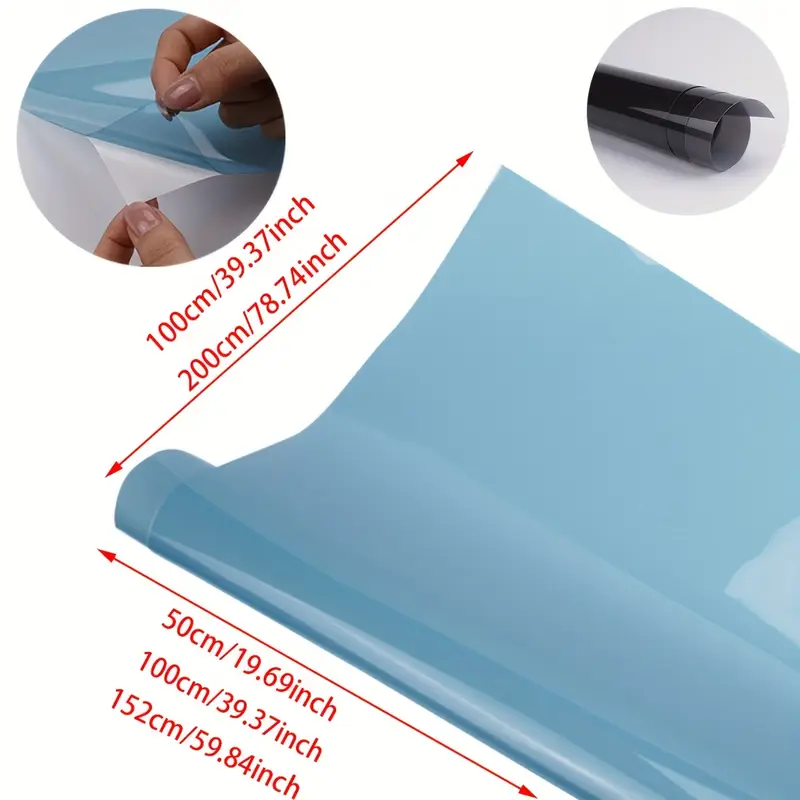
Home » Light Blue Paint Protection Film: The Color That Protects What Matters
Recent Posts
Light Blue Paint Protection Film: The Color That Protects What Matters
You know that feeling when you see a car in a color that just works? Not screaming for attention, not trying too hard—just clean, fresh, and undeniably right. That’s what light blue does. It’s the color that sits somewhere between a cloudless sky and the calm of a quiet morning. And when that color comes with actual armor for your paint? That’s when things get interesting.
Let’s talk about light blue paint protection film—what it is, why it’s different from everything else out there, and why Decowell Film is the name you need to remember.
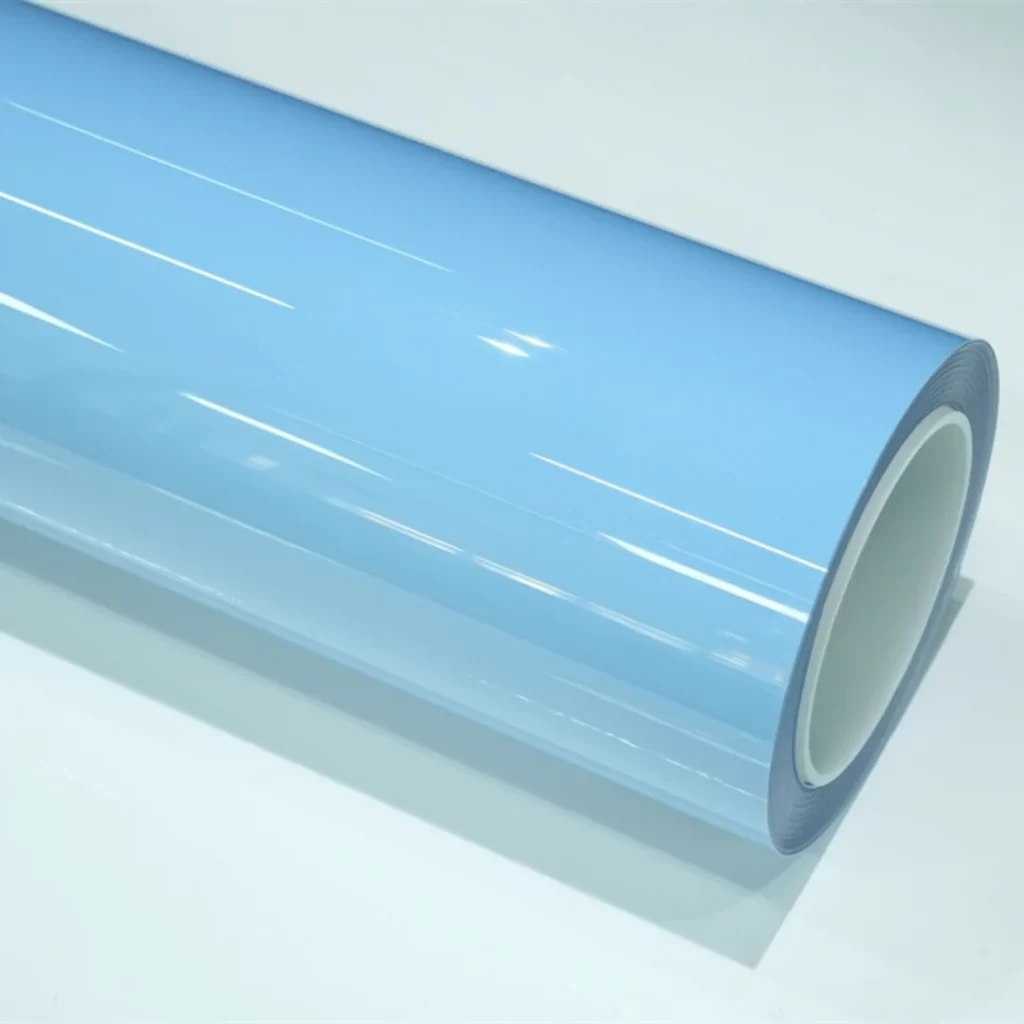
Table of Contents
First, Let’s Clear Up the Confusion
If you’ve been looking into changing your car’s color, you’ve probably run into two options: vinyl wrap and colored PPF. They look similar in photos. They both change how your car looks. But under the surface—literally—they couldn’t be more different.
Vinyl wrap is a styling product. It’s PVC-based, typically around 3-4 mil thick, and it does a decent job of changing your car’s appearance. But here’s the thing: it doesn’t really protect. Sure, it might take a light scuff, but rock chips? Road debris? UV damage? Vinyl doesn’t have the muscle for that. It also won’t self-heal. Those scratches stay until you replace the panel.
Colored PPF, on the other hand, is a protective film that happens to come in color. It’s built from aliphatic TPU—the same material as clear paint protection film. We’re talking 7-9 mil thick, sometimes more. It absorbs impact, resists abrasion, and comes with a self-healing top coat that actually works. Light scratches and swirl marks vanish with heat from the sun or a heat gun.
This isn’t just a cosmetic upgrade. This is a functional one.
What Makes Light Blue PPF Different?
Let’s be honest—most people who wrap their cars do it for the look. But if you’re going to invest in changing your car’s color, why wouldn’t you want that color to also protect what’s underneath?
Light blue paint protection film gives you both. The pigment is fully opaque, so your factory paint is completely hidden and sealed beneath. The film absorbs rock chips, road debris, scratches, and chemical stains before any of it reaches your actual paint. And because it’s TPU, not PVC, it won’t crack, fade, or yellow over time.
The self-healing top coat is where the magic really happens. Fine scratches and swirl marks—the kind that happen from washing, from road grit, from just existing—disappear with heat. No need for constant detailing. No need to panic every time a pebble kicks up on the highway.
Then there’s the hydrophobic surface. Water beads up and rolls off. Mud, dirt, and grime don’t stick. Your car stays cleaner, longer. And when you do wash it, it’s effortless.
The Light Blue Difference
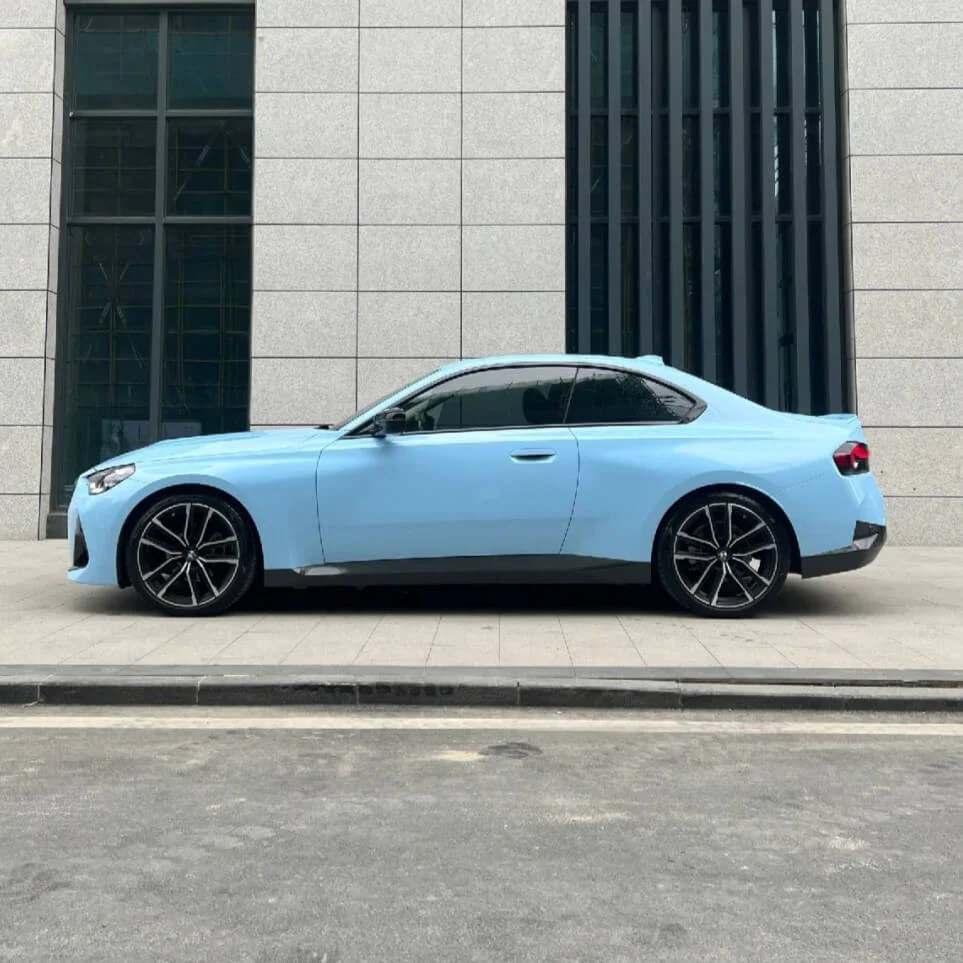
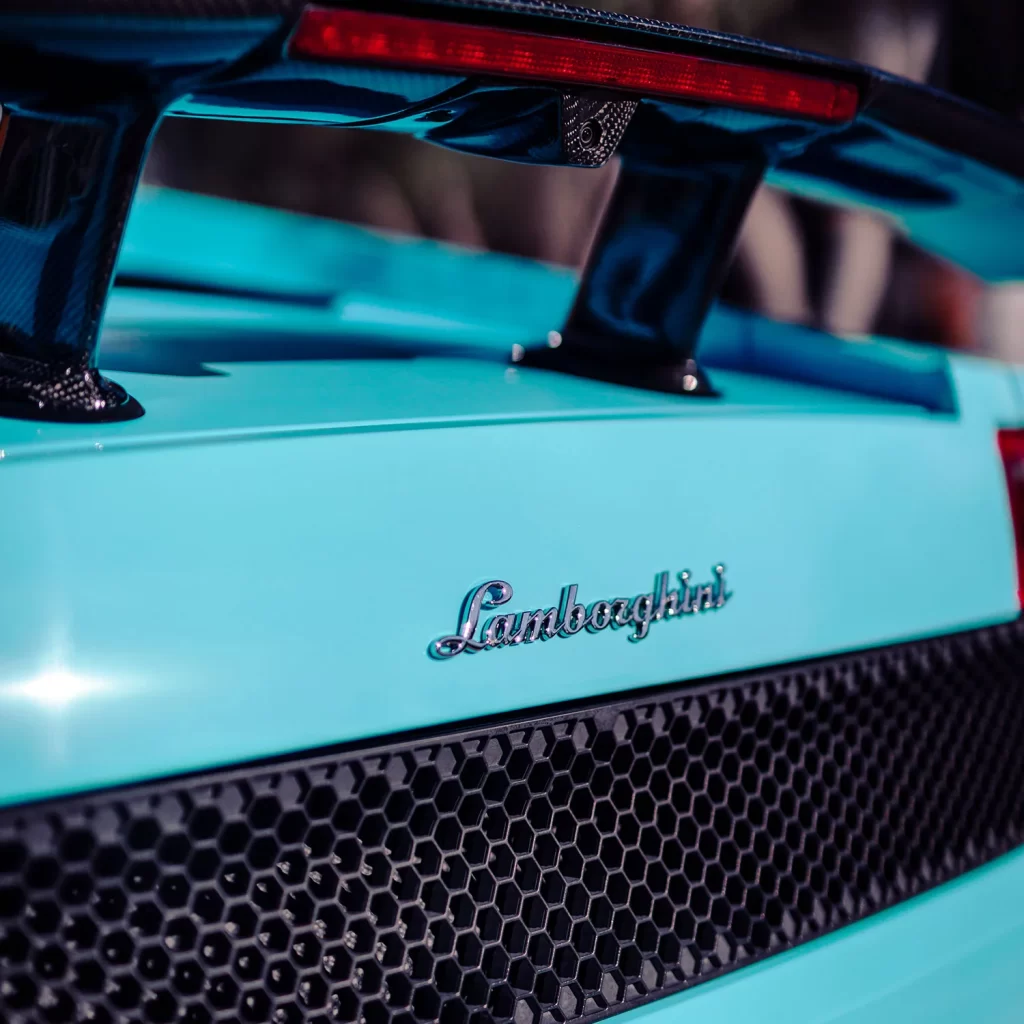
Not all blues are created equal. Light blue sits in a sweet spot—it’s bright enough to turn heads, subtle enough to not feel like a billboard. In low light, it reads calm and clean. In direct sun, the gloss fires up and the color pops. It’s the kind of shade that works on a luxury sedan, a sporty coupe, or even a daily driver that deserves to look special.
Some light blue PPF finishes lean toward a cool mint or ice-blue tone. Others carry a subtle metallic pearl that catches the light just right. But the common thread is this: the color stays blue. It doesn’t wash out in the sun. It doesn’t fade to gray over time. The anti-yellowing properties of aliphatic TPU ensure that what you see on day one is what you see years down the road.
Who Is Light Blue PPF For?
Honestly? Anyone who cares about their car.
If you drive a luxury vehicle and want to keep that factory paint flawless while giving it a fresh look, light blue PPF is a no-brainer. If you’re leasing and want to return the car with perfect paint underneath, this is your answer—the film is fully removable with no damage to the original finish. If you’re an enthusiast who wants something unique but doesn’t want to compromise on protection, this is exactly what you’ve been looking for.
Even for fleet vehicles, colored PPF makes sense. It gives your fleet a distinctive, professional look while protecting the resale value of every vehicle in your lineup.
The Market Is Growing—Fast
The numbers don’t lie. The global paint protection film market was valued at over $1 billion in 2025 and is projected to grow at a CAGR of over 7% through 2032. That’s not a niche trend. That’s a fundamental shift in how car owners think about protecting their vehicles.
People are realizing that clear PPF is great, but colored PPF does everything clear PPF does—plus it transforms the look of the car. It’s the two-for-one that actually delivers on both promises.
Why Decowell Film?
Here’s where we get to the point.
Decowell Film is built for people who don’t want to choose between style and substance. Our light blue paint protection film combines premium-grade aliphatic TPU with a self-healing top coat, a hydrophobic surface, and anti-yellowing technology that keeps the color true for the long haul.
We’re talking serious specs: high tensile strength, excellent elongation for conforming to complex curves, and strong acrylic adhesive that holds firm without lifting or tearing under impact. Our films are engineered for installers who demand clean results, with air-release channels that make application smooth and bubble-free.
Whether you’re a professional installer looking for reliable material that your customers will love, or a car owner who wants the best possible protection with a color that stands out, Decowell Film delivers.
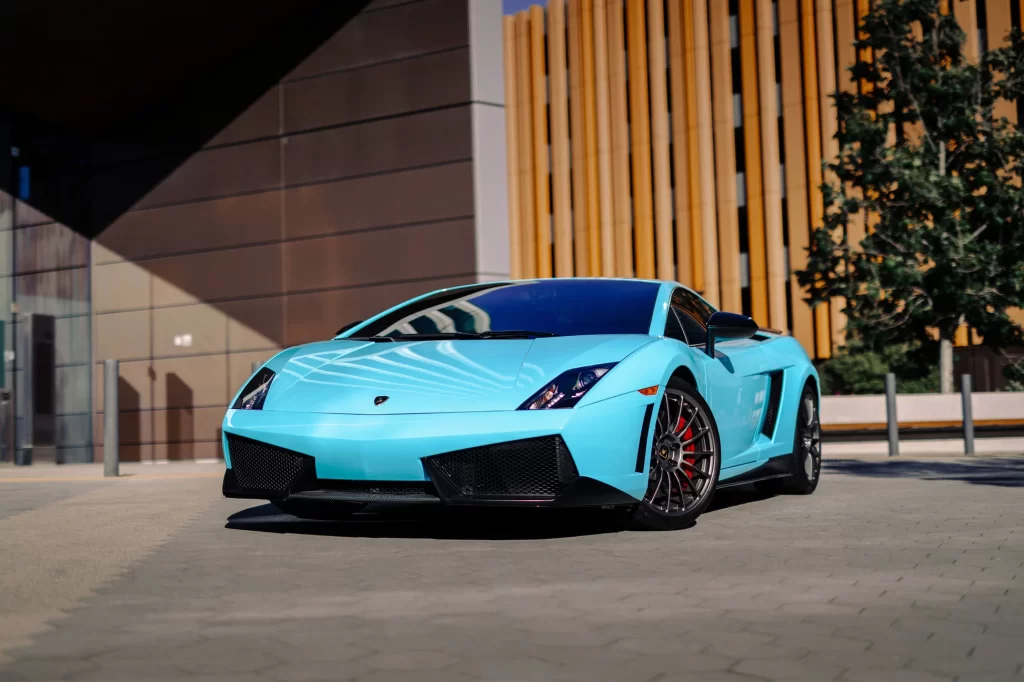
The finish is mirror-smooth gloss that looks like wet paint. The protection is real—stone chips, road debris, UV rays, and chemical stains don’t stand a chance. And the color? That light blue stays exactly what it’s supposed to be: clean, fresh, and unmistakably yours.
What Installers Need to Know
If you’re wrapping cars for a living, you know that material quality makes or breaks the job. Decowell Film’s light blue PPF is designed to work with you, not against you.
The dry-install system with air-release channels means faster work with cleaner first-pass results. The film conforms easily to complex curves, mirrors, and recessed panels. The low-tack acrylic adhesive allows full repositioning during installation—no stress, no wasted material. And with high peel adhesion, the film stays secure once it’s set.
Your customers get a showroom-quality finish that protects their paint and turns heads. You get a product that’s consistent, reliable, and profitable to install.
The Bottom Line
Light blue paint protection film isn’t just a color. It’s a statement. It says you care about how your car looks and how it holds up. It says you’re not willing to compromise on protection just to get a fresh look.
Decowell Film makes that statement easy. Our light blue PPF gives you the color, the gloss, the self-healing protection, and the durability that makes this investment worth every penny.
Don’t settle for vinyl that adds color and nothing else. Don’t settle for clear PPF that protects but doesn’t transform. Get both. Get Decowell Film.
FAQs
Q: What’s the difference between light blue PPF and a vinyl wrap?
A: Colored PPF is built from TPU (thermoplastic polyurethane)—the same material as clear paint protection film—while vinyl wrap is PVC-based. PPF is thicker (7-9 mil vs. 3-4 mil), self-healing, and actually protects against rock chips and road debris. Vinyl changes the look but offers minimal protection.
Q: Does light blue PPF fade or yellow over time?
A: Premium light blue PPF uses aliphatic TPU, which is engineered to resist UV-induced yellowing. The color stays true and the film maintains its clarity through years of sun exposure. That’s why quality matters—and why Decowell Film uses the right materials.
Q: Can I install light blue PPF myself?
A: While DIY installation is possible for experienced wrappers, professional installation is recommended for the best results. The film requires precision, the right tools, and a clean environment. That said, Decowell Film’s air-release technology and repositionable adhesive make the job more forgiving than traditional PPF.
Q: How long does light blue paint protection film last?
A: With proper care, high-quality colored PPF delivers lasting performance. The film resists fading, yellowing, and cracking, maintaining its color and gloss.
Q: Will light blue PPF damage my factory paint when removed?
A: No. Quality colored PPF uses a removable acrylic adhesive that bonds strongly during application but releases cleanly when it’s time to remove the film. Your factory paint stays exactly as it was the day the film was installed.
Q: Is light blue PPF worth the investment?
A: If you care about your car’s appearance and its resale value, absolutely. Colored PPF protects your factory paint from damage while giving you a custom look. It’s a one-time investment that pays off in preserved paint and lasting style.
Q: How do I maintain light blue PPF?
A: Maintenance is simple. The hydrophobic surface repels water, mud, and grime, so regular washing with basic car soap and water keeps it looking fresh. Avoid wax or solvents that could affect the top coat, and your film will stay glossy and protected.
Ready to Make the Switch?
Light blue paint protection film from Decowell Film gives you the best of both worlds: show-stopping color and real, reliable protection. Whether you’re an installer looking for a premium product or a car owner ready to transform your ride, we’ve got you covered.
Reach out today. Let’s talk about what Decowell Film can do for your next project.